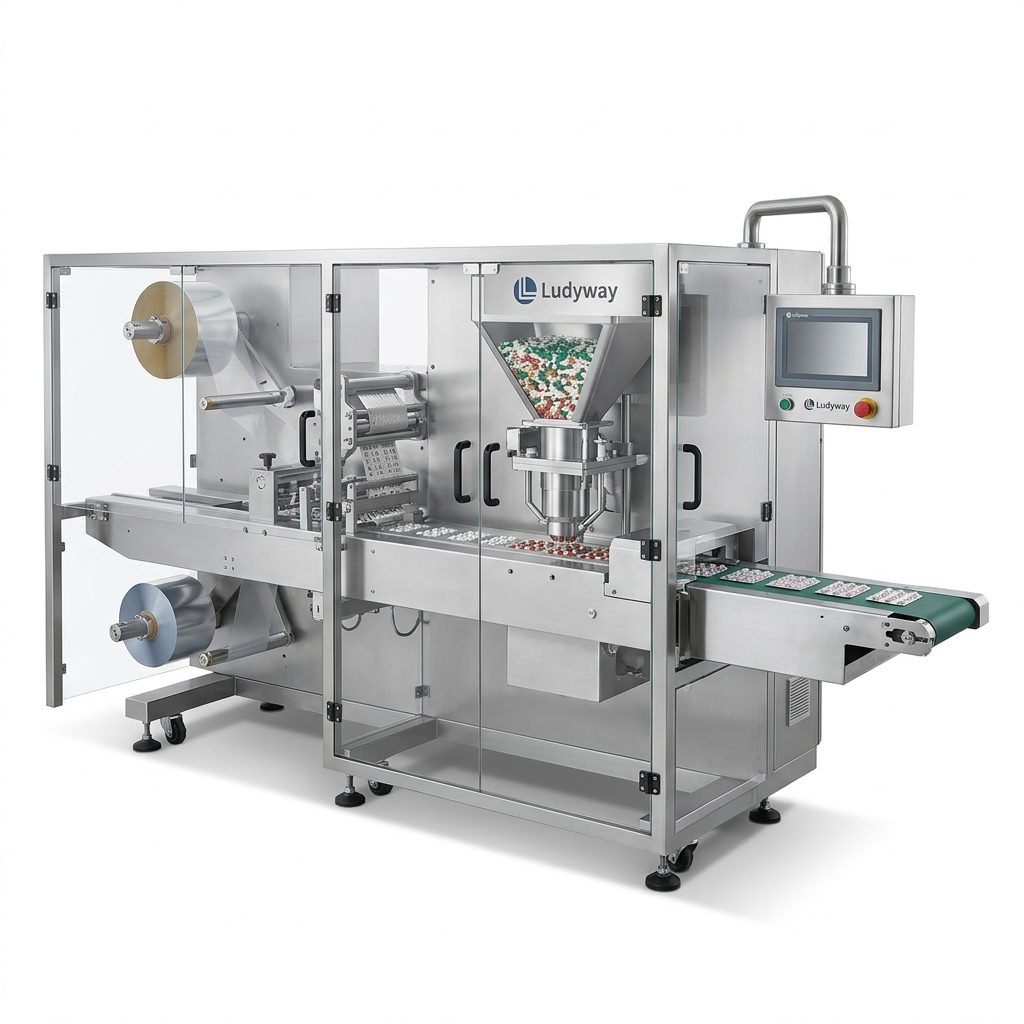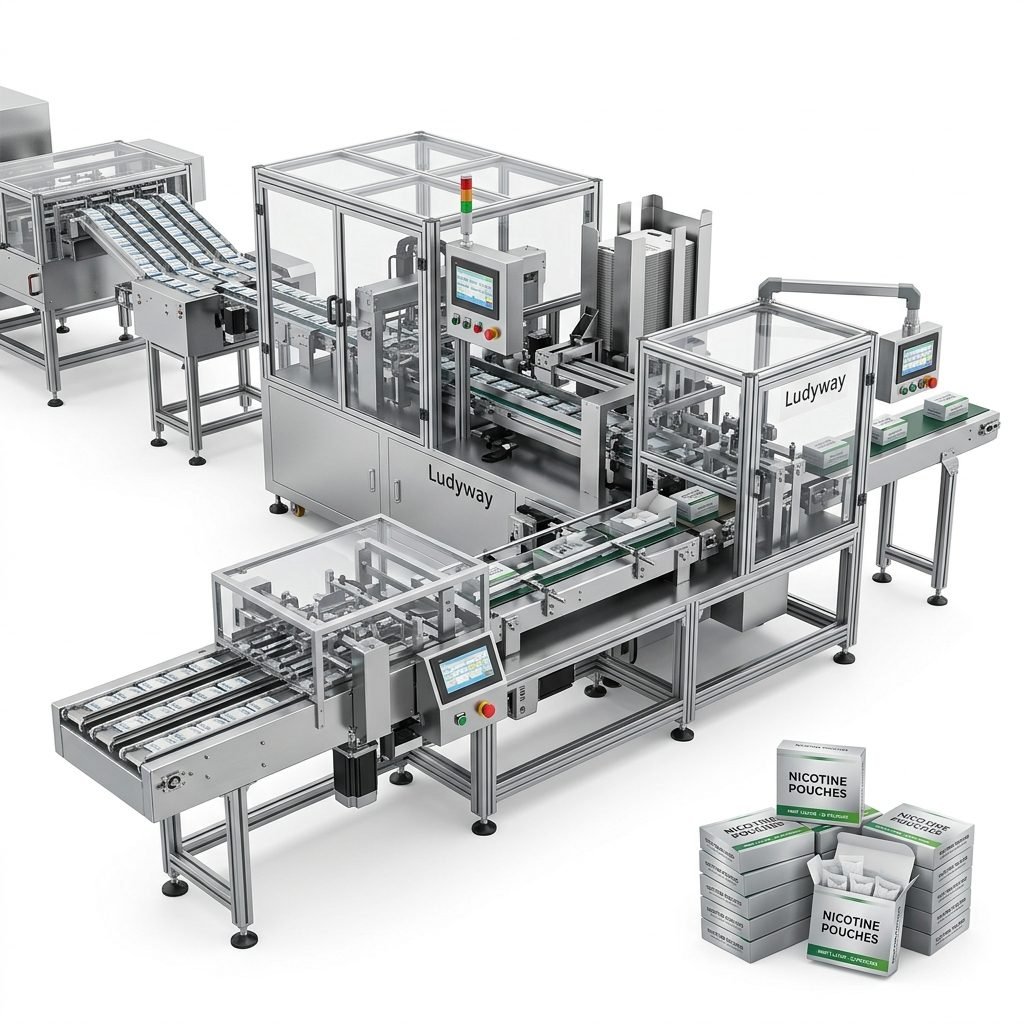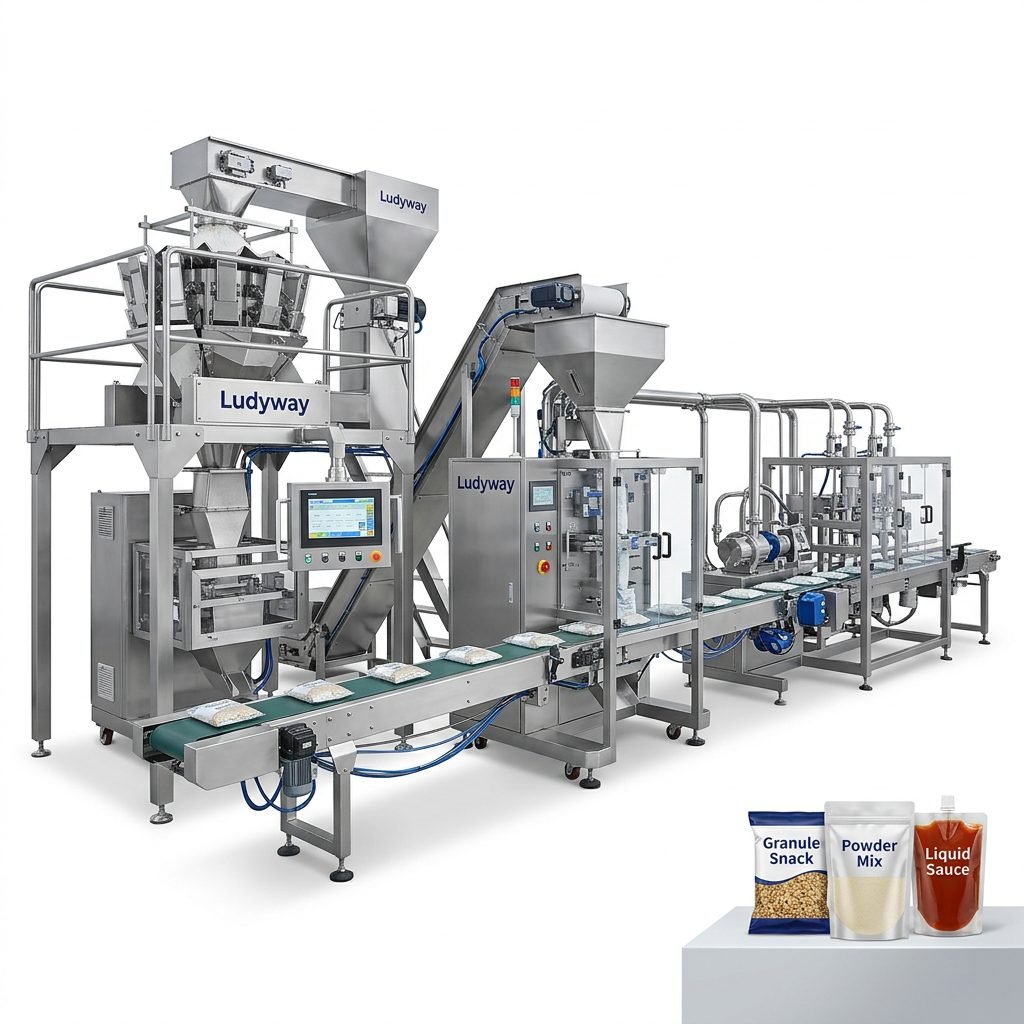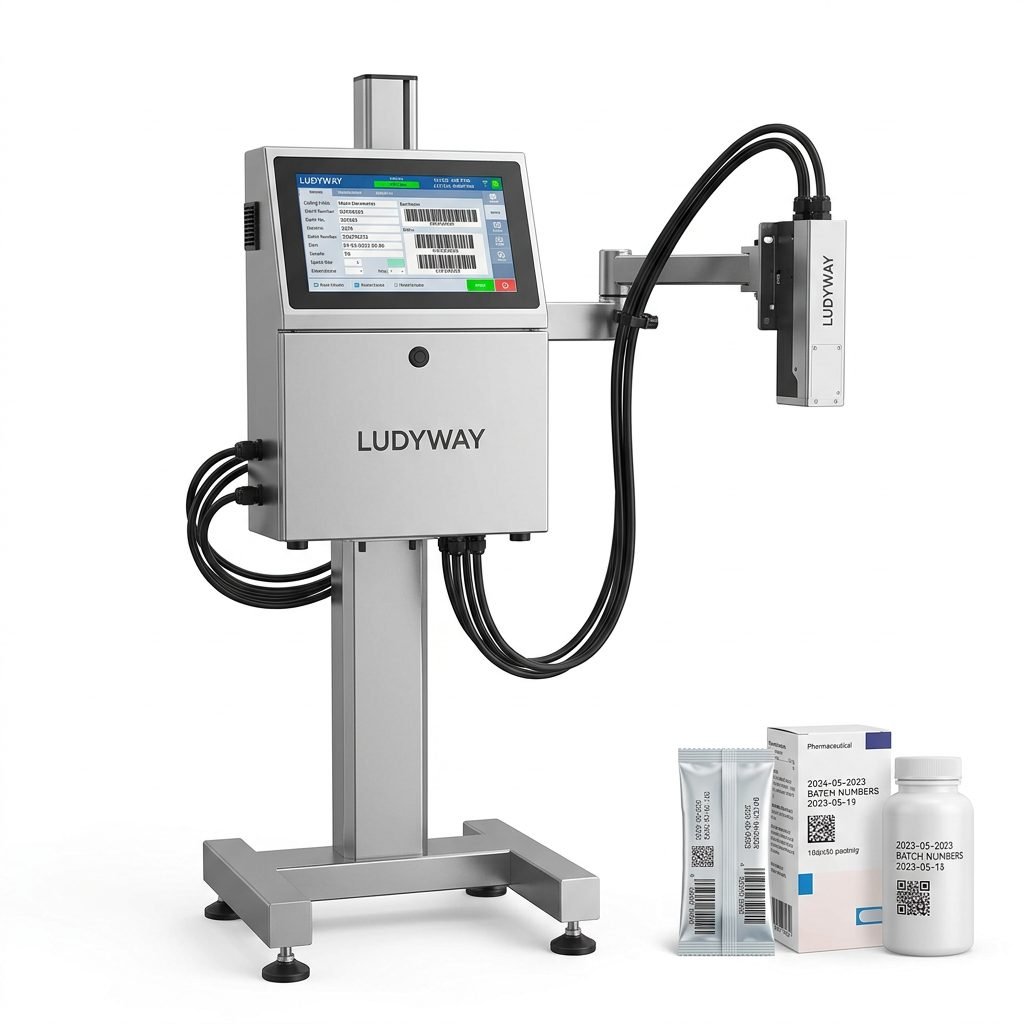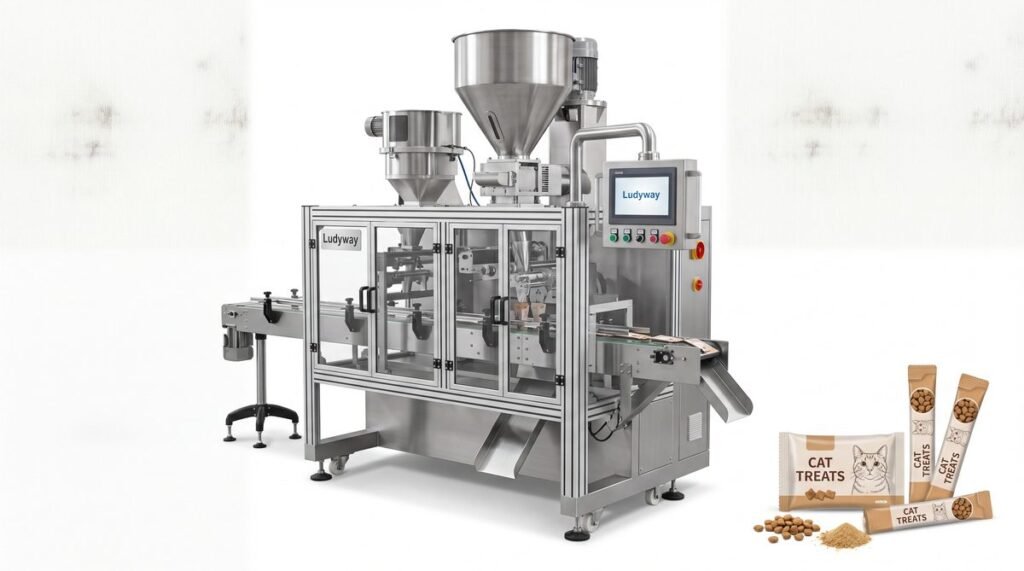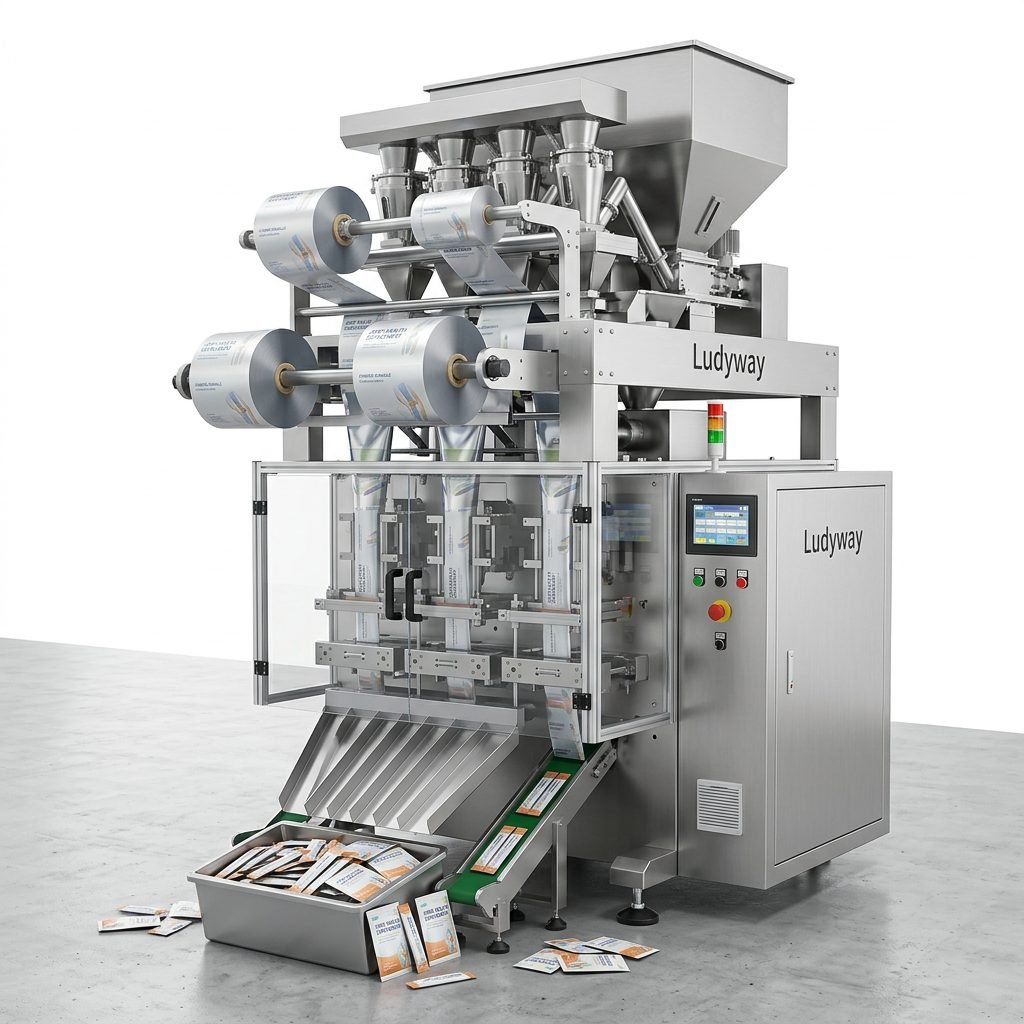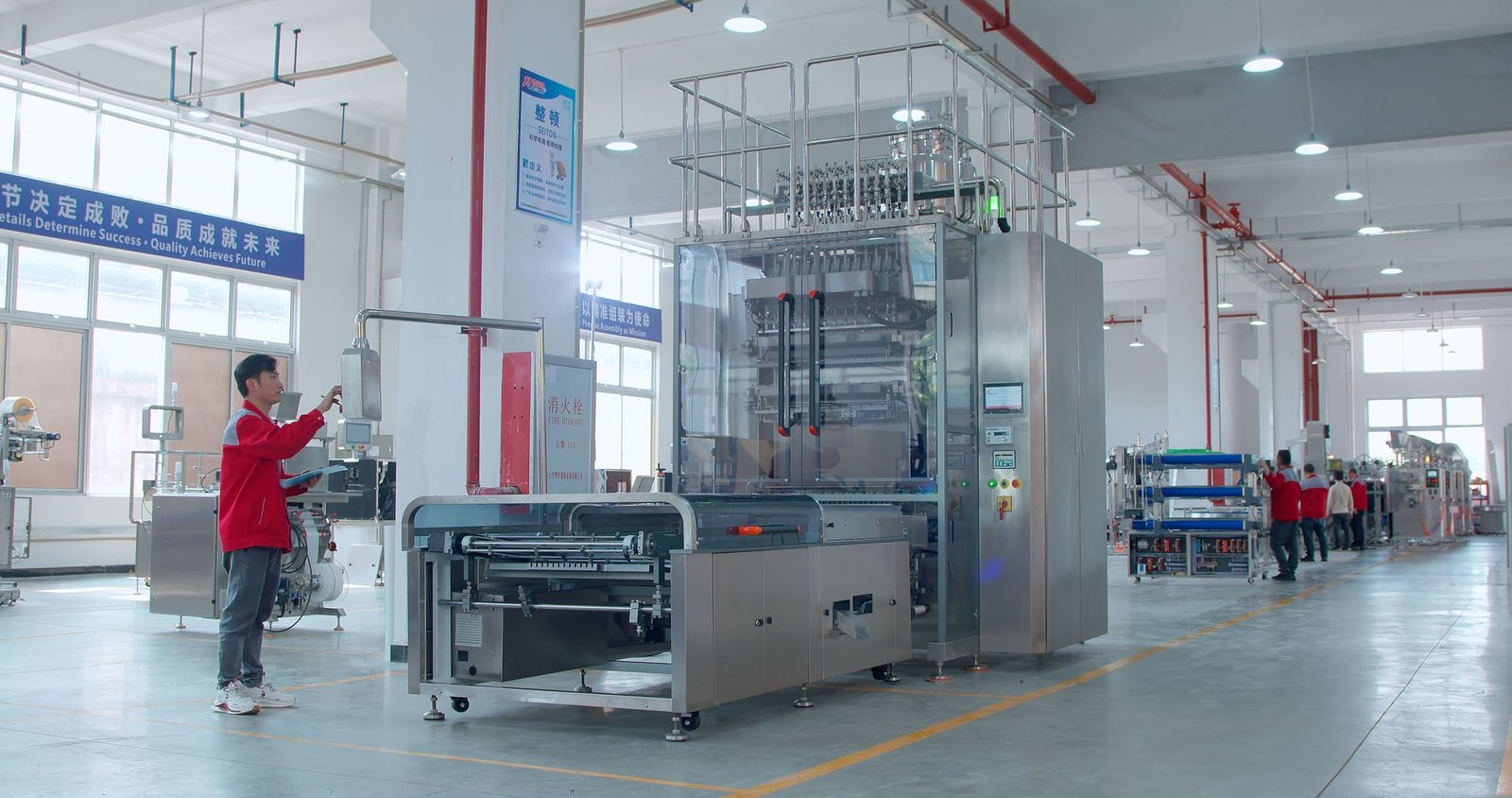
Investing in a packaging machine is a significant decision that affects your production efficiency, product quality, and long‑term operating costs. Whether you are packaging powders, granules, liquids, or solid products, choosing the right Hualian packaging machine requires careful evaluation of several technical and operational factors. This guide will walk you through the essential criteria to help you make an informed purchasing decision.
1. Define Your Product Characteristics First
Before comparing machine specifications, you need a clear understanding of what you are packaging. The physical properties of your product directly determine the type of packaging machinery you need.
Key Product Attributes to Evaluate
- Physical form: Is your product a free‑flowing powder, coarse granule, viscous liquid, paste, or solid piece? Different dosing systems handle different consistencies.
- Flow characteristics: Cohesive powders require specialized auger fillers, while free‑flowing granules work well with volumetric cup fillers.
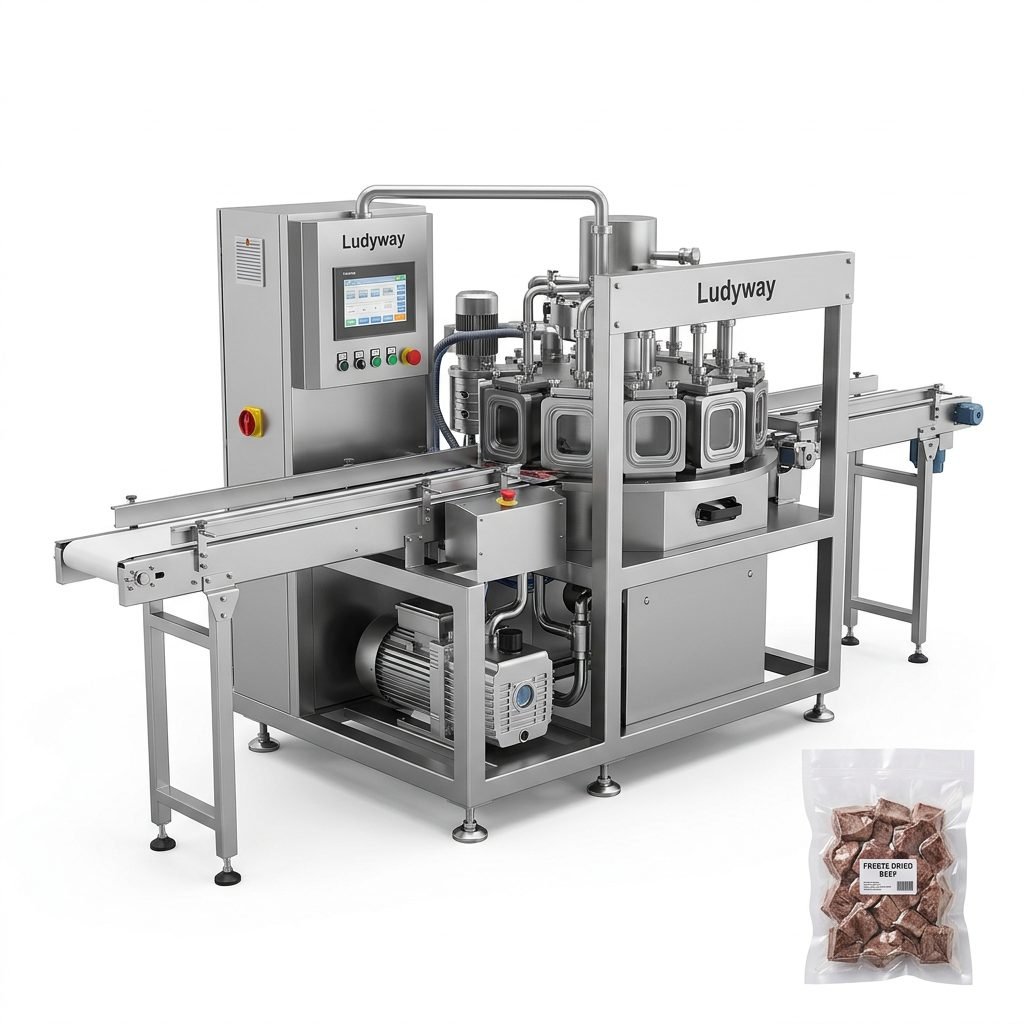
- Hygroscopicity and sensitivity: Products that absorb moisture or react to oxygen may need machines with nitrogen flushing or vacuum sealing capabilities.
- Particle size distribution: Inconsistent particle sizes can affect dosing accuracy and seal integrity.
- Temperature sensitivity: Heat‑sensitive products may require cold‑seal packaging films or temperature‑controlled filling systems.
2. Choose the Right Packaging Format
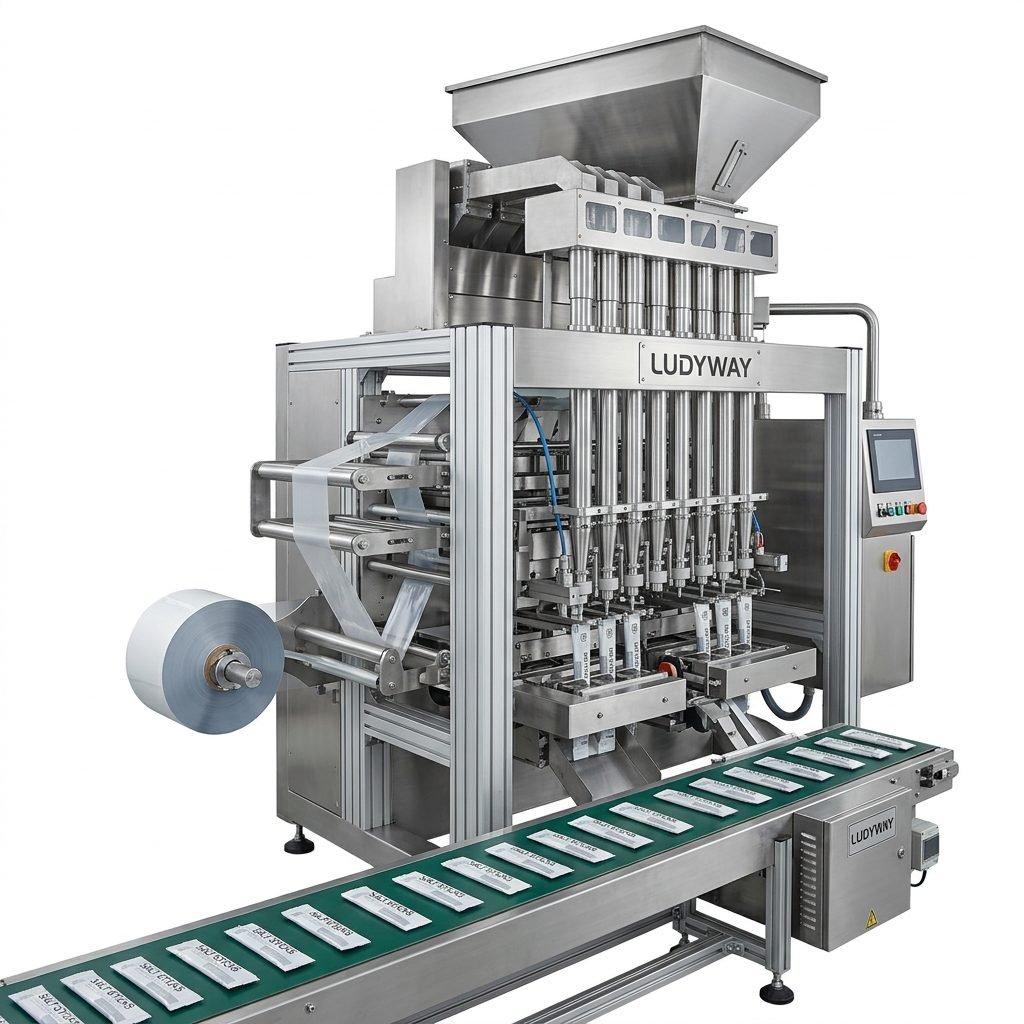
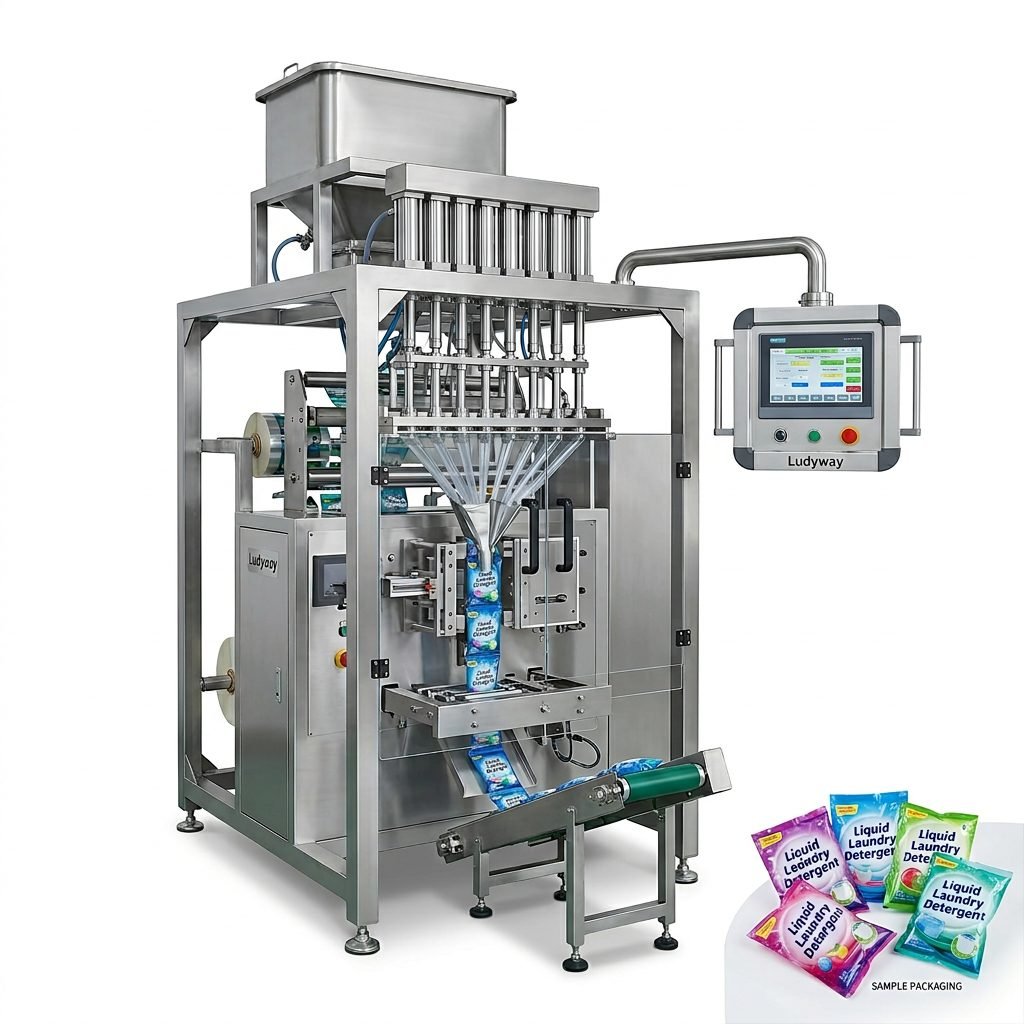
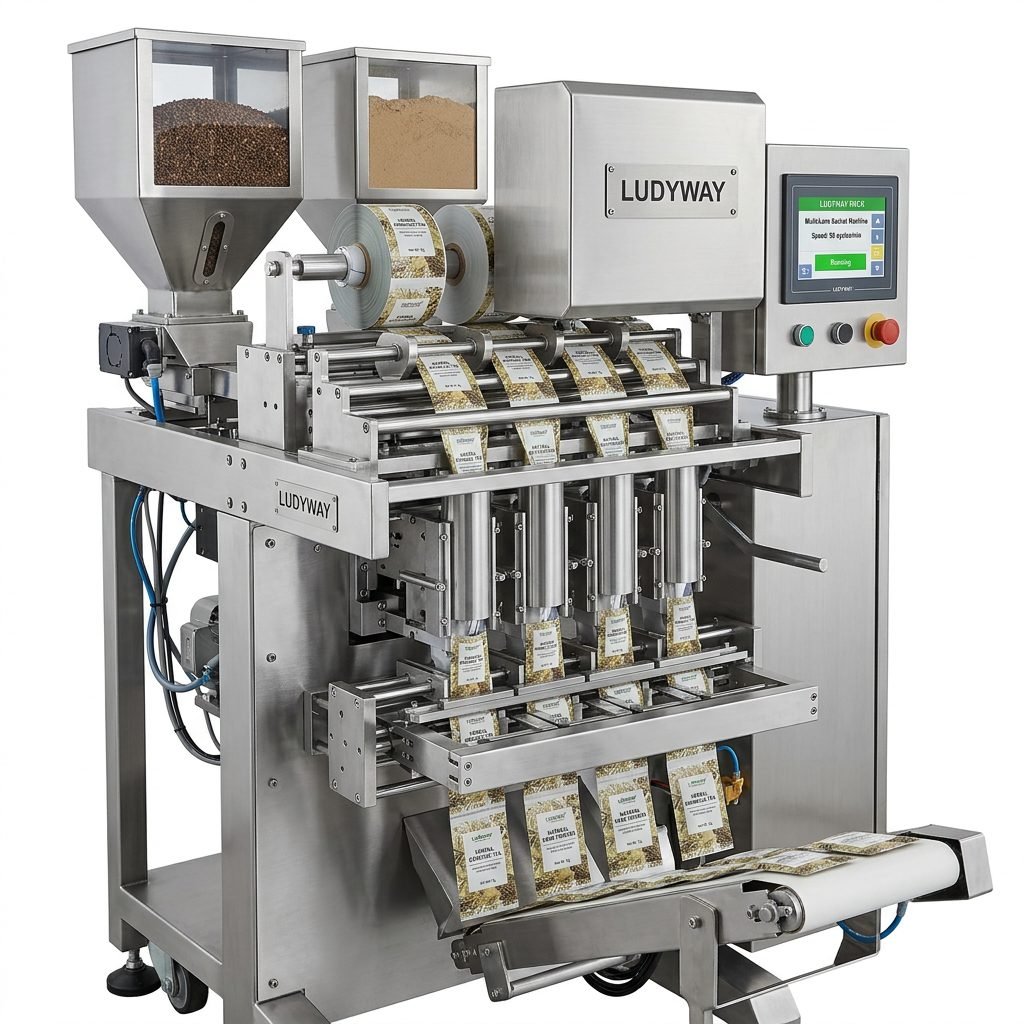
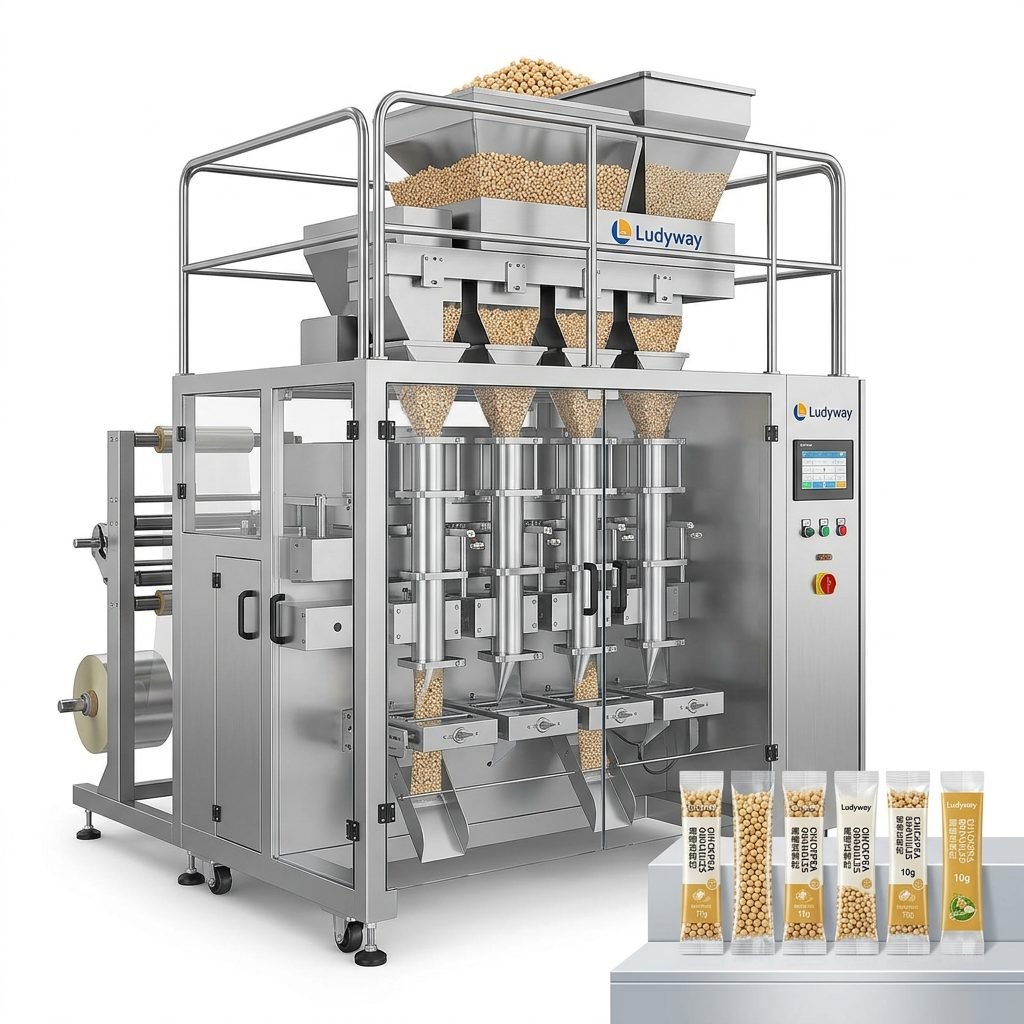
Hualian packaging machines support a variety of flexible packaging formats. Your choice of format affects machine configuration, tooling, and production line layout. Common formats include:
| Packaging Format | Best Suited For | Typical Applications |
|---|---|---|
| Stick Packs | Single‑serve powders & granules | Coffee, sugar, protein powder, drink mixes |
| Sachets | Flat or three‑side‑seal pouches | Shampoo samples, sauce portions, pharmaceutical powders |
| Pillow Pouches | Medium to large volumes | Granola, pet food, fertilizer |
| Stand‑up Pouches | Premium retail products | Liquid detergents, beverages, cosmetics |
3. Determine Your Production Speed Requirements
Production speed, measured in packs per minute (ppm), is a critical factor that influences machine type, number of lanes, and overall investment. Consider both your current volume and future growth projections.
Speed Considerations by Machine Type
- Single‑lane machines: Suitable for startups and low‑volume production, typically producing 30‑80 ppm depending on the product and pack size.
- Multi‑lane machines: Can run 4, 6, 8, 10, or even 12 lanes simultaneously, multiplying output to 200‑600+ ppm. These are ideal for high‑volume manufacturers in the food and pharmaceutical industries.
- Rotary systems: Offer continuous motion filling for the highest throughput requirements, often exceeding 800 ppm for certain applications.
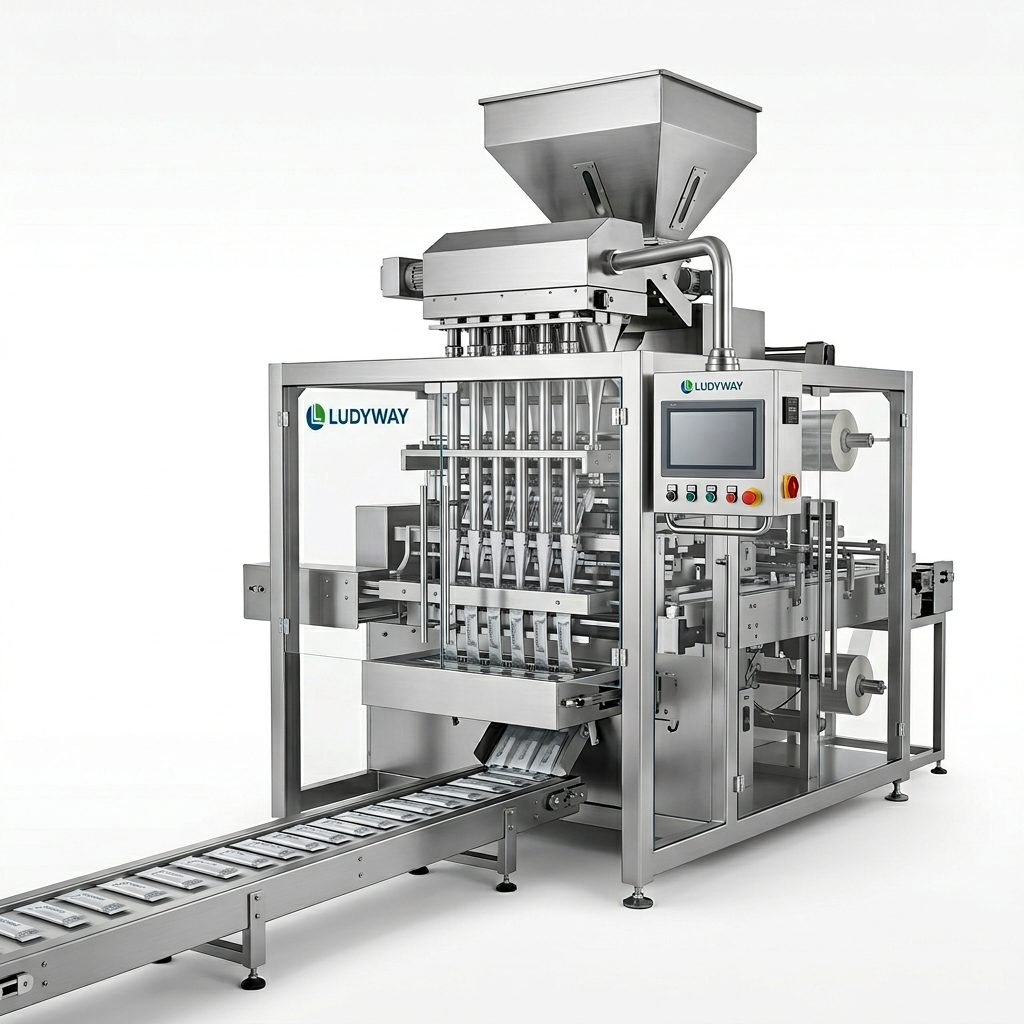
4. Evaluate Dosing and Filling Technology
The dosing system is the heart of any packaging machine. Selecting the appropriate filling technology ensures accuracy, consistency, and minimal product waste. The following table compares common dosing methods:
| Dosing Method | Product Type | Accuracy Level | Best Use Case |
|---|---|---|---|
| Auger Filler | Powders | ±0.5% – 1% | Milk powder, flour, pharmaceutical APIs |
| Volumetric Cup Filler | Free‑flowing granules | ±1% – 2% | Sugar, salt, seeds, plastic granules |
| Multi‑head Weigher | Granules & small solids | ±0.1% – 0.5% | Nuts, snacks, pet food kibble |
| Piston Filler | Liquids & pastes | ±0.5% – 1% | Sauces, creams, oils, lotions |
| Peristaltic Pump | Sterile liquids | ±0.5% | Pharmaceutical solutions, diagnostic reagents |
5. Consider Packaging Material Compatibility
Not all packaging machines handle every type of packaging film equally. Your choice of material affects seal quality, shelf life, and machine performance. Common materials include:
- Laminated films: PET/AL/PE, PET/VMPET/PE, and other multi‑layer structures for barrier protection
- Monolayer films: LDPE and HDPE for basic applications
- Paper‑based laminates: For eco‑friendly and biodegradable packaging
- Aluminum foil laminates: For moisture‑sensitive and oxygen‑sensitive products
Verify that the machine’s sealing system—whether heat sealing, ultrasonic sealing, or cold sealing—is compatible with your chosen film. Refer to FDA food packaging regulations if you serve the U.S. market.
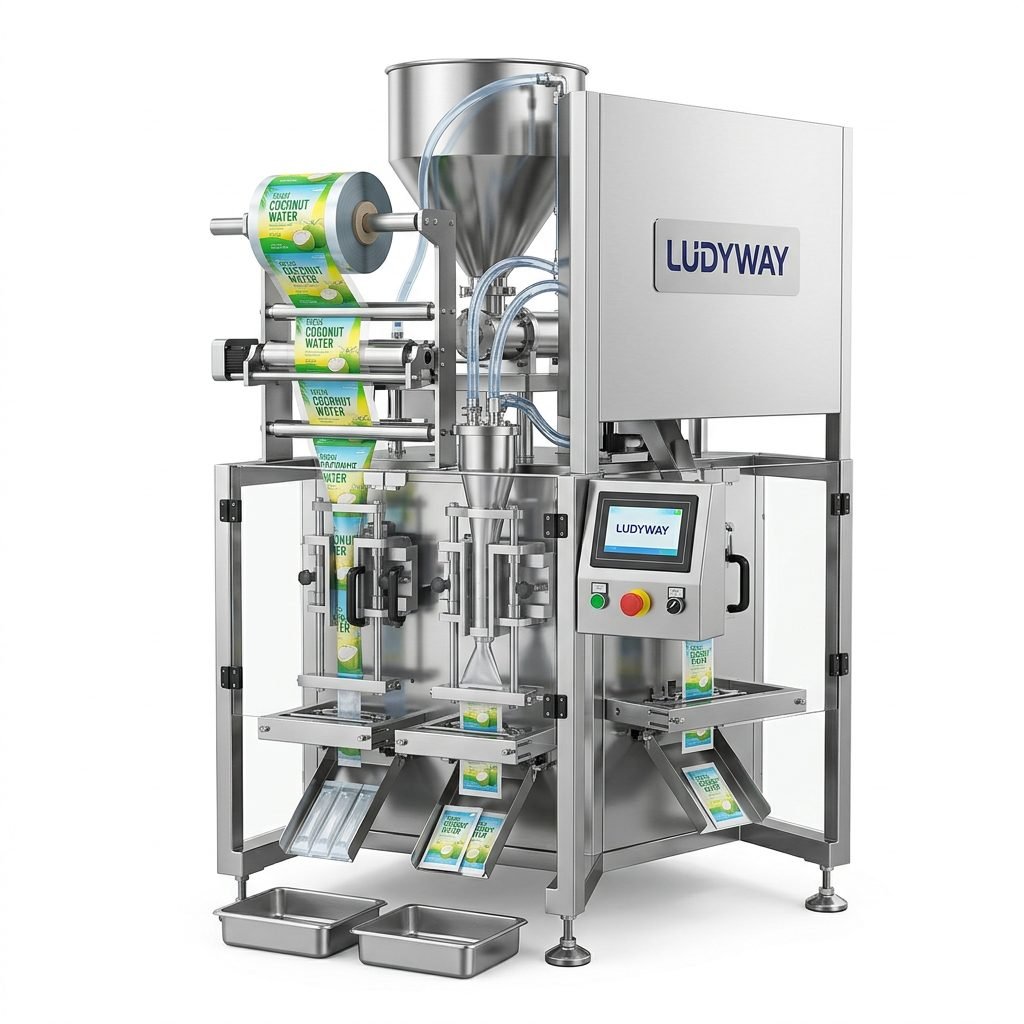
6. Assess Automation and Integration Options
Modern Hualian packaging machines can be configured as standalone units or integrated into fully automated turnkey packaging lines. The level of automation you choose depends on your operational goals and budget.
Automation Levels
- Manual loading: Operators manually feed products or packaging materials. Lowest upfront cost but highest labor requirement.
- Semi‑automatic: Partial automation with manual intervention at specific stages, such as product loading or finished pack collection.
- Fully automatic: The machine handles product feeding, dosing, forming, filling, sealing, coding, and discharge without operator intervention.
- Integrated turnkey line: Multiple machines—including conveyors, elevators, checkweighers, metal detectors, cartoning machines, and palletizers—work as a coordinated system. This is the preferred solution for high‑volume manufacturers seeking to minimize labor and maximize consistency.
7. Verify Quality Certifications and Compliance
For manufacturers in regulated industries such as food, pharmaceuticals, and medical devices, machine quality and compliance are non‑negotiable. When evaluating a Hualian packaging machine, confirm that the equipment can be configured to meet applicable standards.
Important Certifications and Standards
- CE marking: Required for machinery sold in the European Economic Area, indicating conformity with EU health, safety, and environmental requirements.
- cGMP compliance: Essential for pharmaceutical and nutraceutical packaging, ensuring equipment design supports current Good Manufacturing Practices.
- ISO 9001: Quality management system certification that reflects the manufacturer’s commitment to consistent processes and continuous improvement.
- ISO 11607: Specifically relevant for packaging for terminally sterilized medical devices, covering validation requirements for sealing and packaging integrity.
- UL or ETL listing: Electrical safety certification recognized in North American markets.
8. Evaluate the Manufacturer’s Track Record and Support
A packaging machine is a long‑term investment, and the manufacturer’s reputation and after‑sales support are as important as the machine specifications. Key questions to ask include:
- How many years has the manufacturer been in the packaging machinery industry?
- Can they provide references from customers in your specific industry?
- Do they offer factory acceptance testing (FAT) before shipment?
- What is the scope of their warranty and after‑sales service?
- Do they have local service technicians or remote support capabilities in your region?
- Can they provide spare parts quickly to minimize downtime?
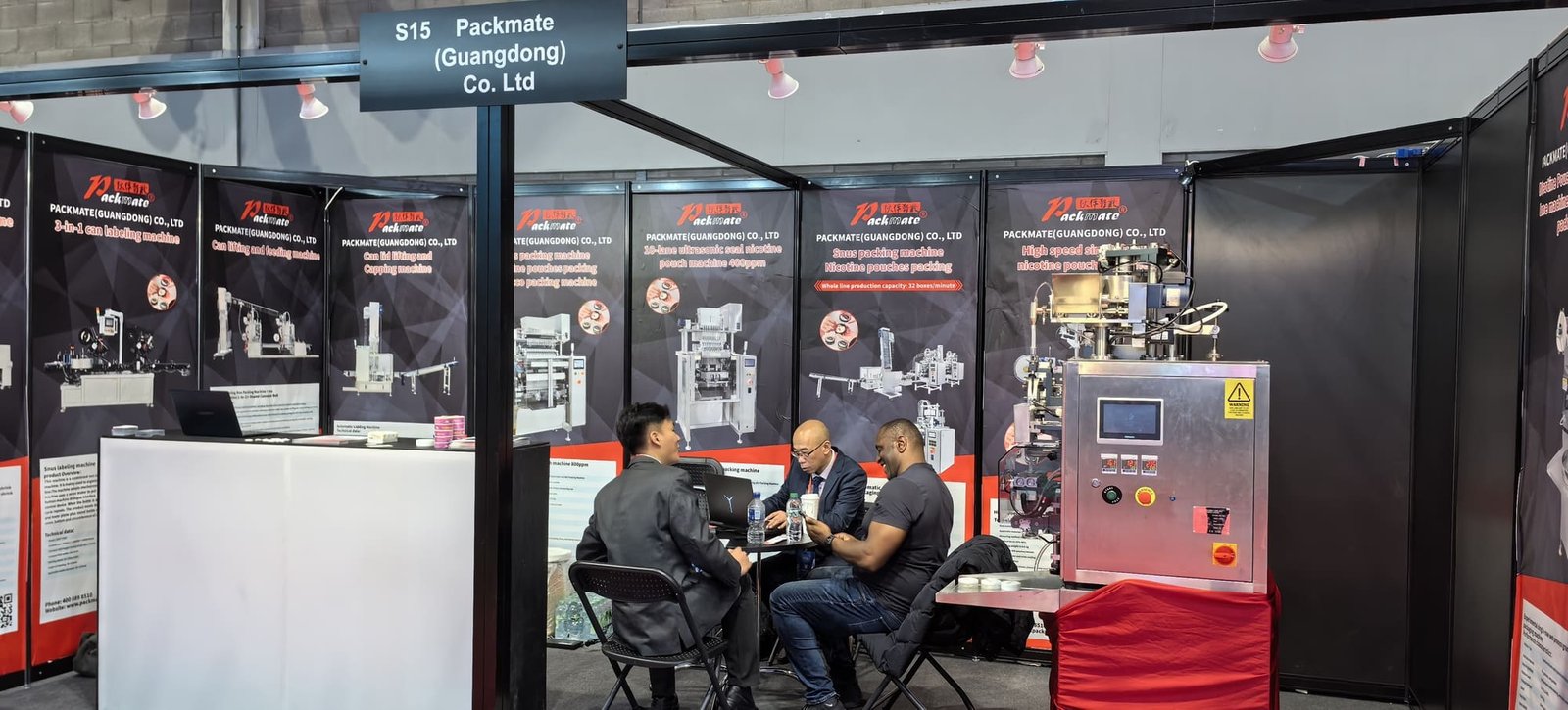
Some manufacturers, such as Ludyway Machinery, bring more than 30 years of industry experience and serve customers in over 100 countries with a comprehensive portfolio of Hualian packaging machines and turnkey solutions.
9. Calculate Total Cost of Ownership (TCO)
The purchase price of a packaging machine is only one component of its total cost of ownership. A thorough TCO analysis helps avoid unexpected expenses and ensures the machine delivers value throughout its service life.
TCO Components to Consider
- Initial purchase price: Machine cost including tooling, spare parts kits, and optional accessories
- Installation and commissioning: On‑site setup, calibration, and operator training
- Operating costs: Energy consumption, compressed air requirements, and packaging material waste rates
- Maintenance costs: Routine service, replacement parts, and preventive maintenance schedules
- Labor costs: Number of operators required per shift and their skill levels
- Downtime costs: Lost production due to repairs, changeover time between products, and waiting for spare parts
10. Request a Customized Machine Evaluation
Given the wide range of Hualian packaging machine configurations available—spanning stick pack, sachet, pouch, multi‑lane, and turnkey line solutions—the most effective approach is to work directly with the manufacturer’s engineering team. They can evaluate your specific product characteristics, production goals, facility layout, and budget to recommend the optimal machine configuration.
Information to Prepare for Your Evaluation
- Product samples for testing
- Target production speed (packs per minute or per shift)
- Desired pack dimensions and format
- Packaging material specifications
- Available floor space and utility connections
- Budget range and expected ROI timeline
- Any specific regulatory or certification requirements
11. Plan for Future Scalability
When selecting a packaging machine, it is wise to think beyond your current needs. A machine that perfectly fits today’s production volume may become a bottleneck within two to three years. Consider machines with modular designs that can be upgraded—for example, adding more lanes to a multi‑lane machine, incorporating automated feeding systems, or integrating with downstream cartoning and palletizing equipment as your business grows.
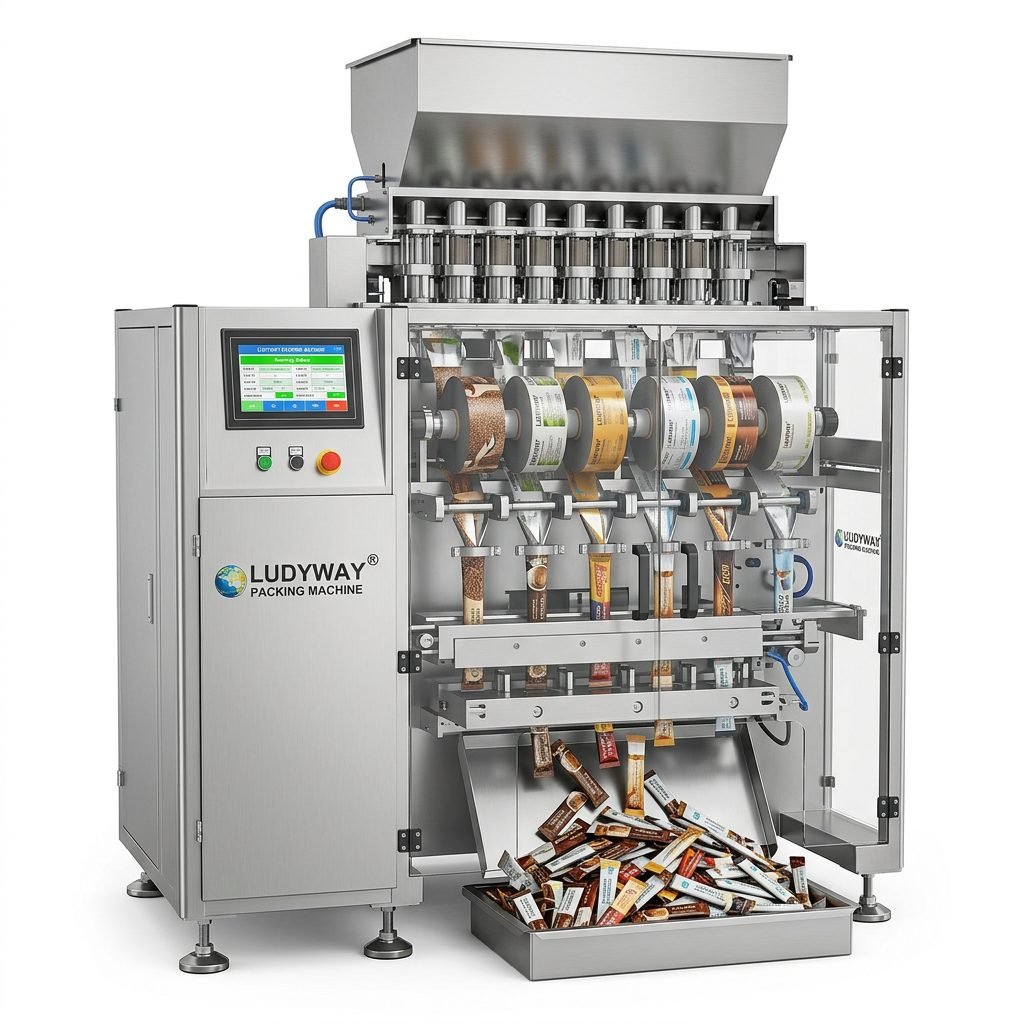
Key Takeaways for Your Purchasing Decision
Choosing the right Hualian packaging machine involves balancing product requirements, production speed, packaging format, automation level, compliance needs, and total cost of ownership. By systematically evaluating each of these factors—and working with an experienced manufacturer who can provide engineering guidance and global support—you can select a machine that meets your current needs and supports your future growth. For additional industry data and benchmarking, you may refer to resources from the PMMI Business Intelligence Library and the Flexible Packaging Association, both of which offer valuable market insights and technical references for packaging professionals.