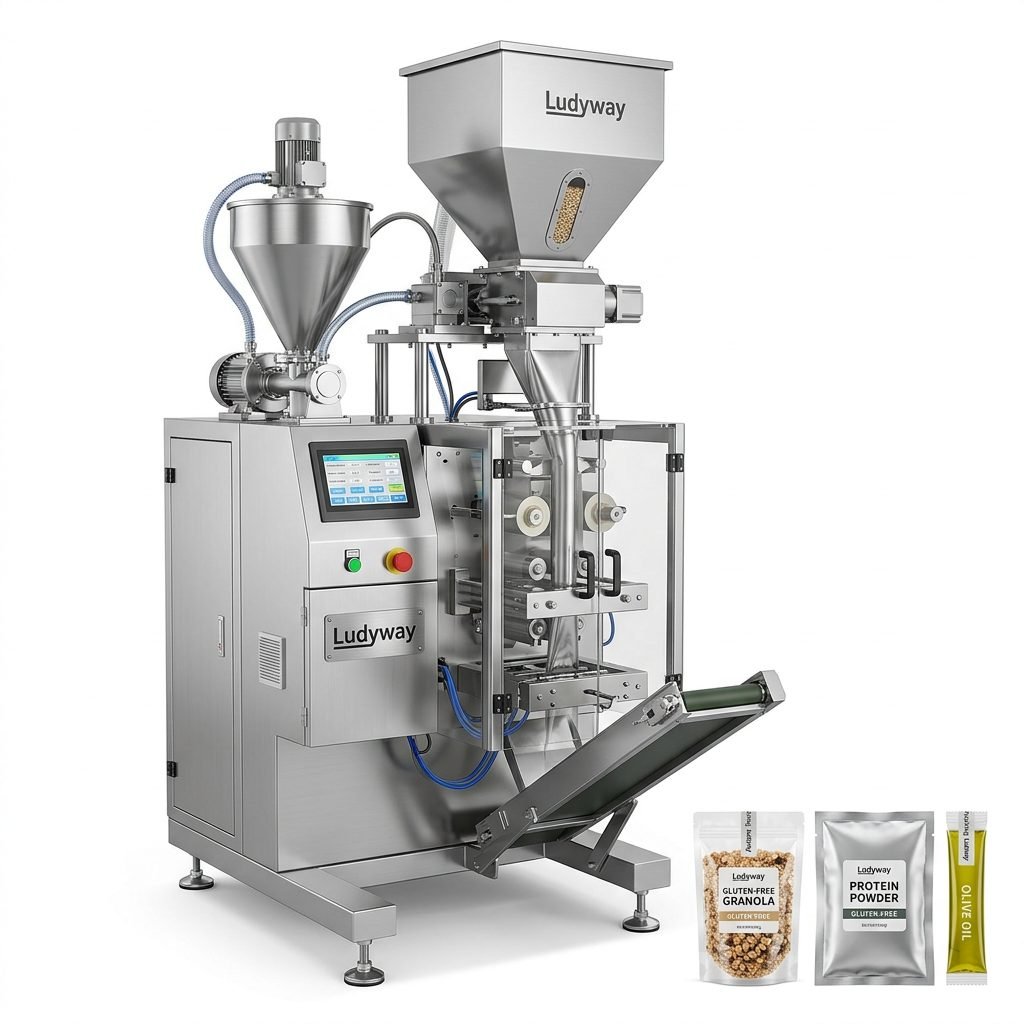
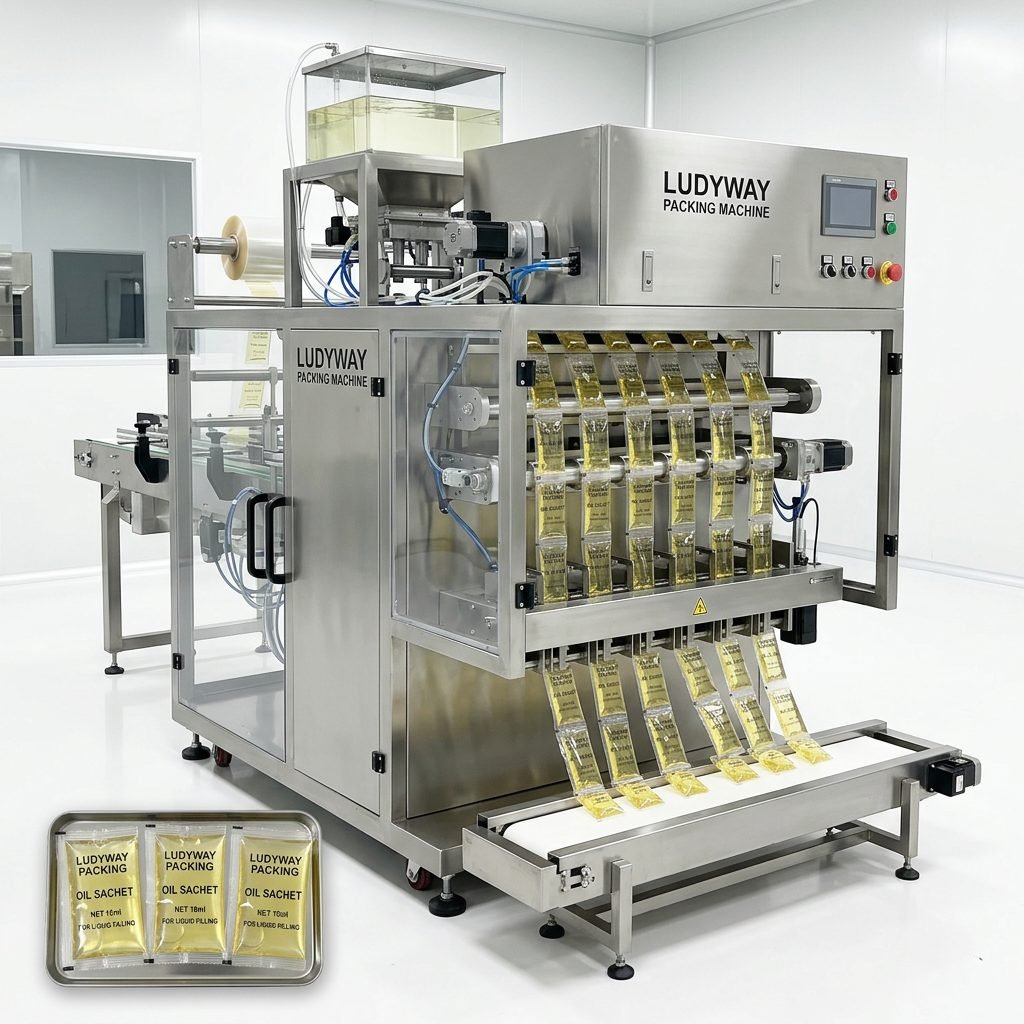
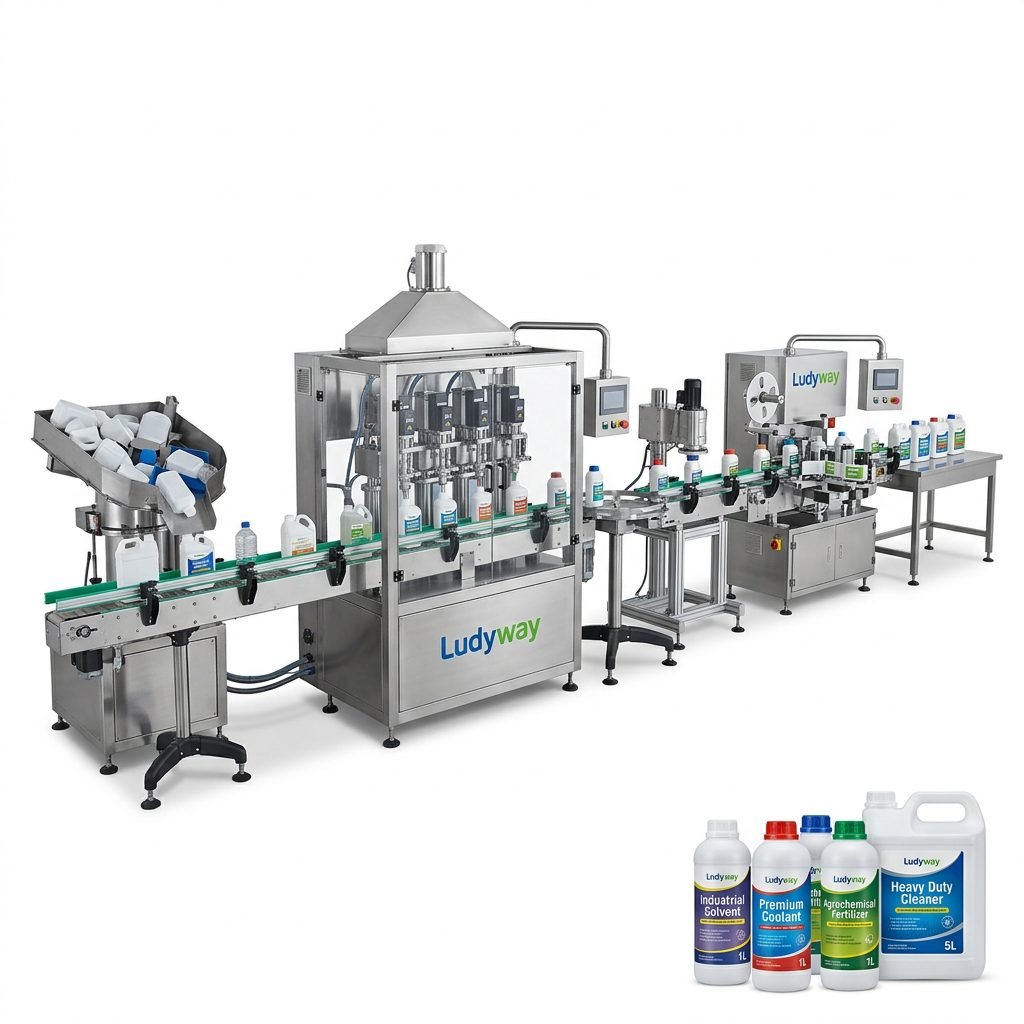
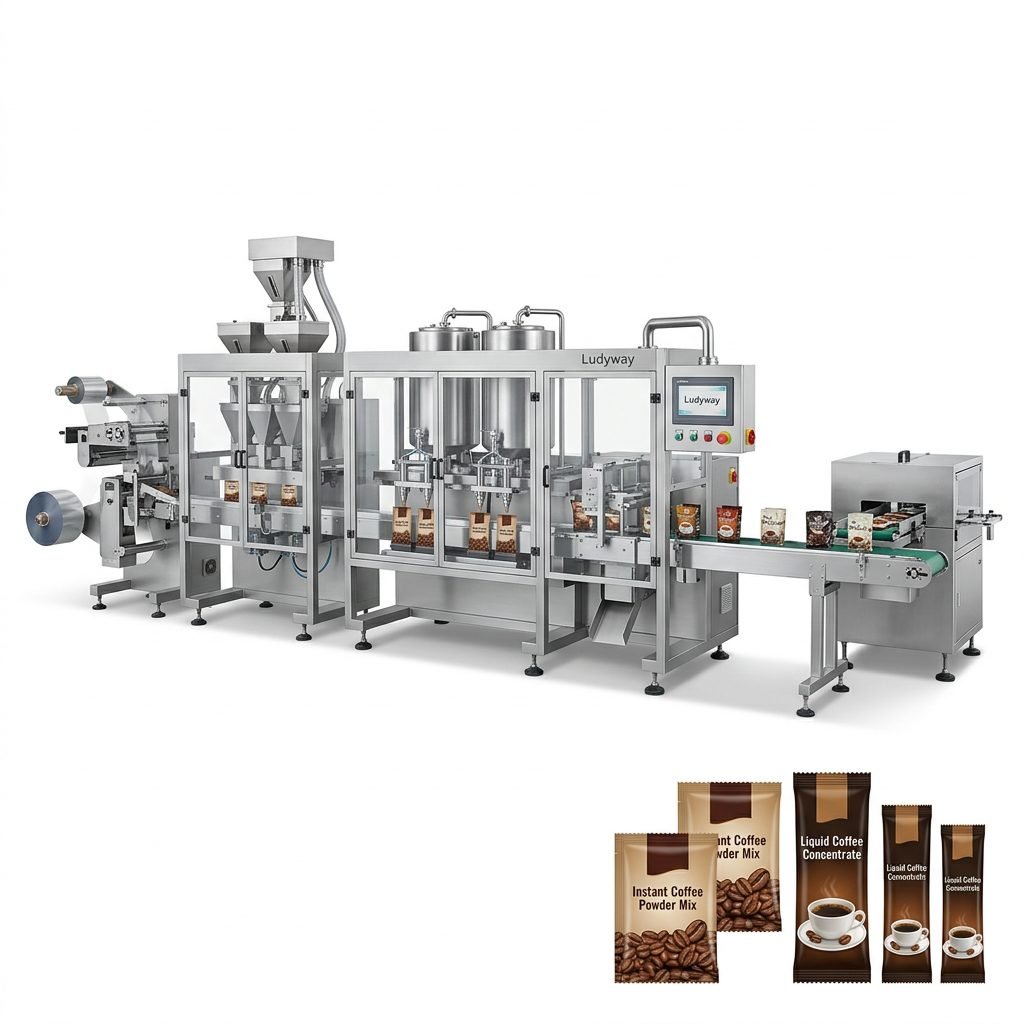
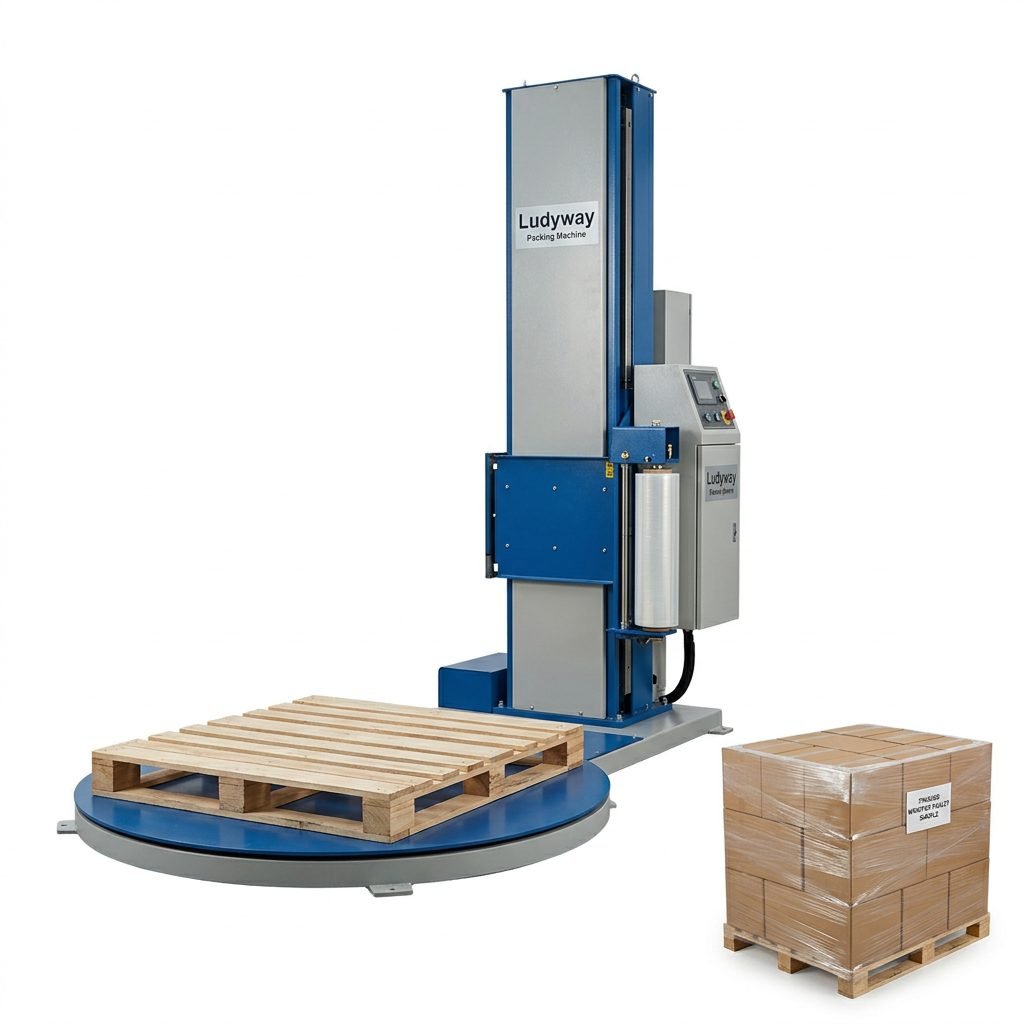
Investing in a container packing machine is a significant decision for any manufacturer. Whether you are packaging powders, granules, liquids, or pastes, the right equipment directly impacts your production efficiency, product quality, and long-term operational costs. With a wide range of technologies, configurations, and suppliers available, selecting the optimal machine requires a structured evaluation of your specific needs.
This comprehensive buyer’s guide walks you through the essential factors to consider when choosing a container packing machine, helping you make an informed decision that aligns with your production goals. According to the latest PMMI 2026 State of the Industry report, the packaging machinery market continues to evolve rapidly, driven by automation trends and increasing demand for flexible packaging formats.
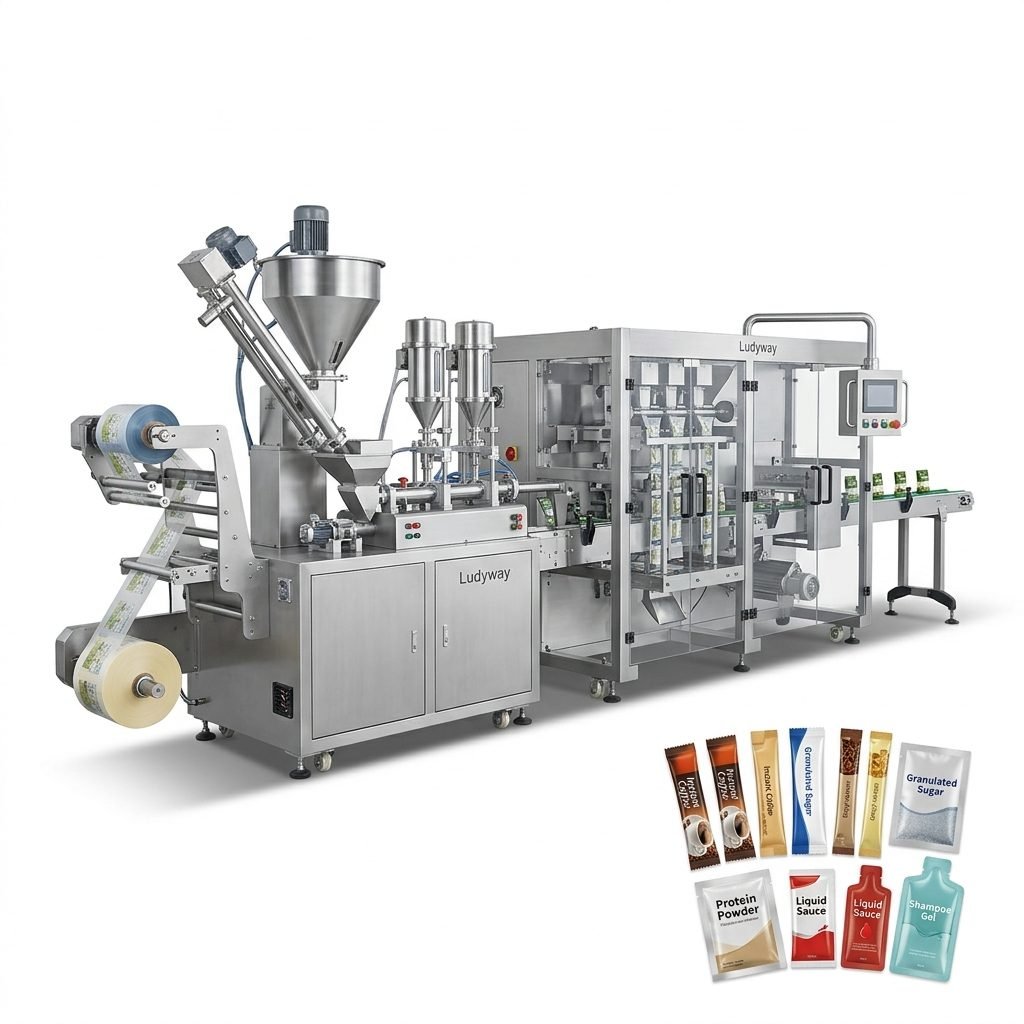
1. Understand Your Product Characteristics First
Before evaluating any machine specifications, you must thoroughly understand the physical and chemical properties of the product you intend to package. Different products behave differently during the filling and sealing process, and the wrong equipment choice can lead to inaccurate dosing, material waste, or packaging defects.
Key Product Attributes to Assess
- Flowability: Free-flowing granules (like sugar or salt) require different dosing mechanisms compared to cohesive powders (like flour or protein powder) that tend to bridge or clump.
- Particle size and distribution: Uniform particles are easier to fill accurately, while products with a wide size range may need specialized packaging machinery with adjustable filling parameters.
- Bulk density: This affects the volume-to-weight ratio and determines the appropriate filling system type—volumetric, auger-based, or multi-head weighing.
- Moisture sensitivity: Hygroscopic products may require dehumidified filling environments or specialized barrier packaging materials.
- Temperature sensitivity: Heat-sensitive products need sealing systems that do not compromise product integrity.
- Abrasiveness and corrosiveness: Products like industrial chemicals or mineral powders demand wear-resistant machine components and food-grade or chemical-grade contact surfaces.
Conducting a thorough product analysis upfront prevents costly mismatches between your product and the machine’s capabilities. Many experienced manufacturers offer product testing and trial runs before finalizing equipment selection.
2. Define Your Target Packaging Format
Container packing machines can produce a wide variety of packaging formats, and the right choice depends on your target market, distribution channels, and consumer preferences. Flexible packaging has become the dominant format across food, pharmaceutical, and consumer goods sectors due to its material efficiency, shelf appeal, and convenience.
Common Packaging Format Options
| Packaging Format | Typical Applications | Key Considerations |
|---|---|---|
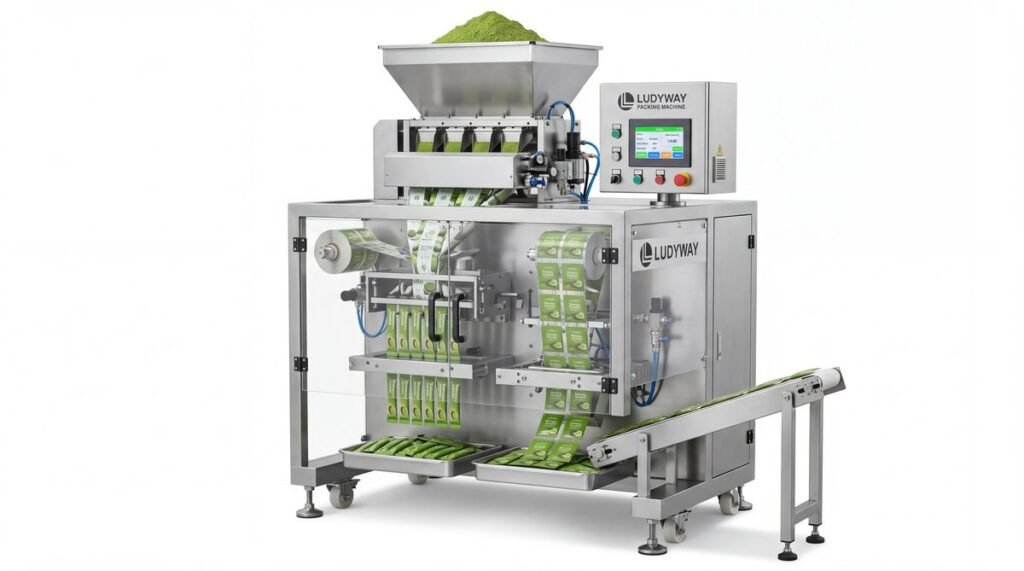
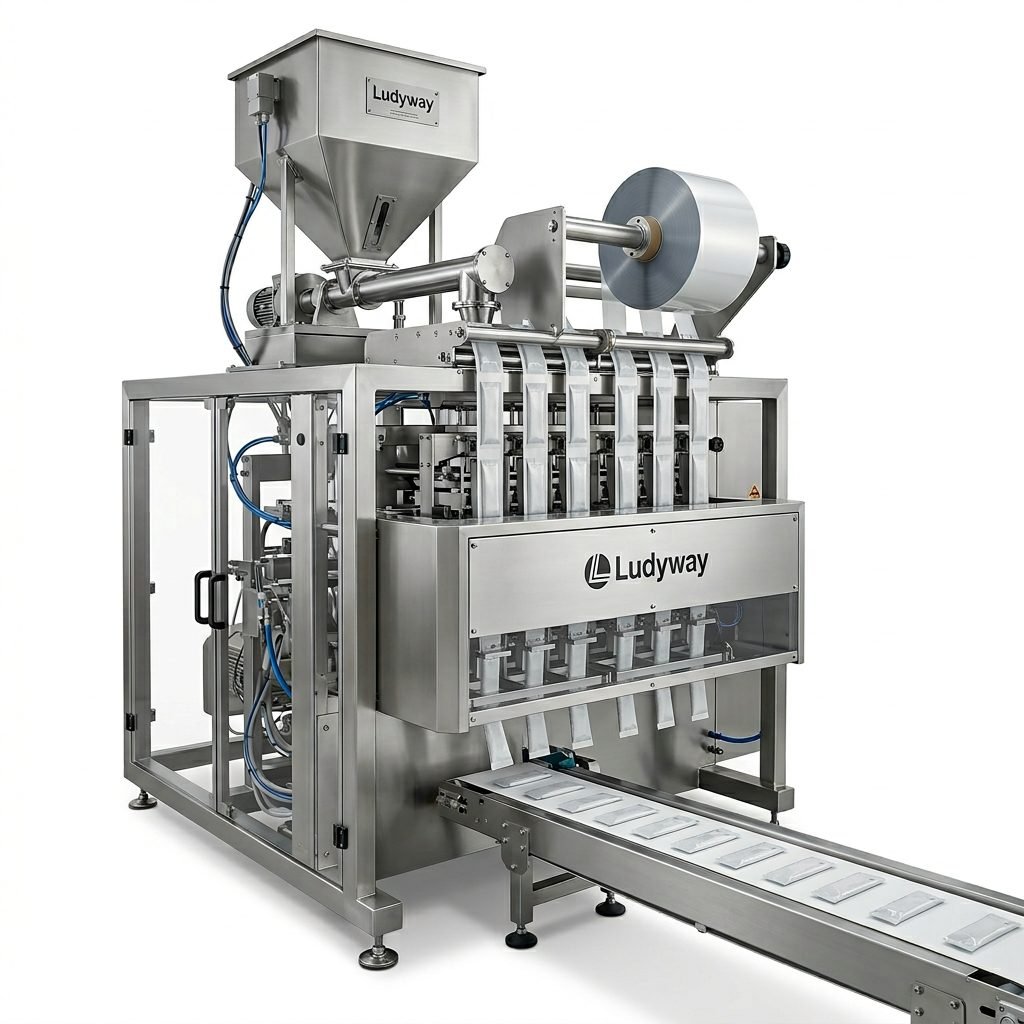
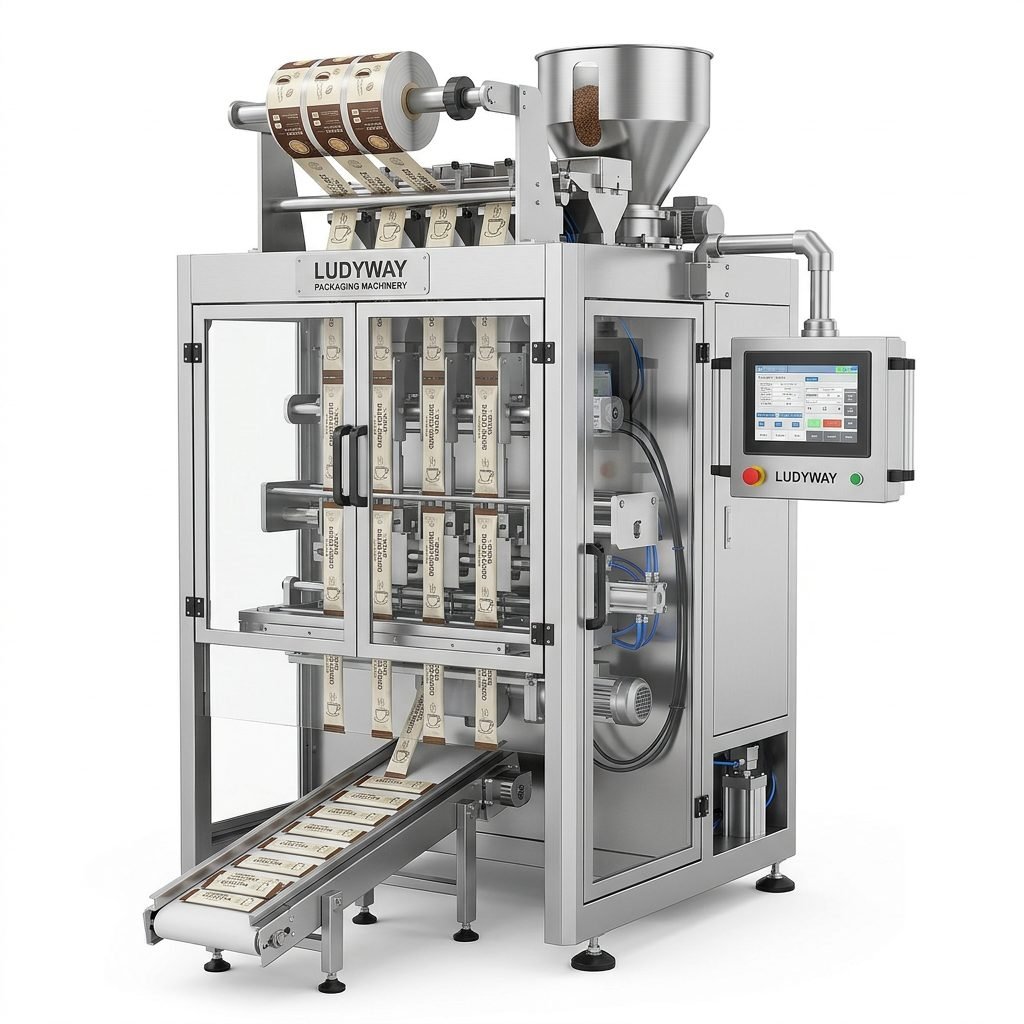
| Stick Packs | Coffee, sugar, supplements, energy powders | Narrow, elongated format; ideal for single-serve portions; requires multi-lane technology for high output |
| Sachets / Flat Pouches | Sauces, cosmetics, pharmaceuticals, detergents | 3-side or 4-side seal options; cost-effective for small volumes; widely used for samples and travel sizes |
| Stand-Up Pouches | Snacks, pet food, frozen products, granules | Requires zipper or resealable closure options; premium shelf presence; may need additional forming and gusseting capabilities |
| Pre-Made Pouches | Liquids, pastes, high-value products | Separate pouch feeding, opening, filling, and sealing stations; suitable for retort and spouted pouch applications |
| Bottles and Jars | Liquids, creams, tablets, capsules | Requires different filling technologies (piston, overflow, gravity); capping and labeling integration needed |
Your chosen format determines the machine type, tooling requirements, and overall line configuration. Multi-format flexibility is valuable if you plan to package different products or serve multiple markets.
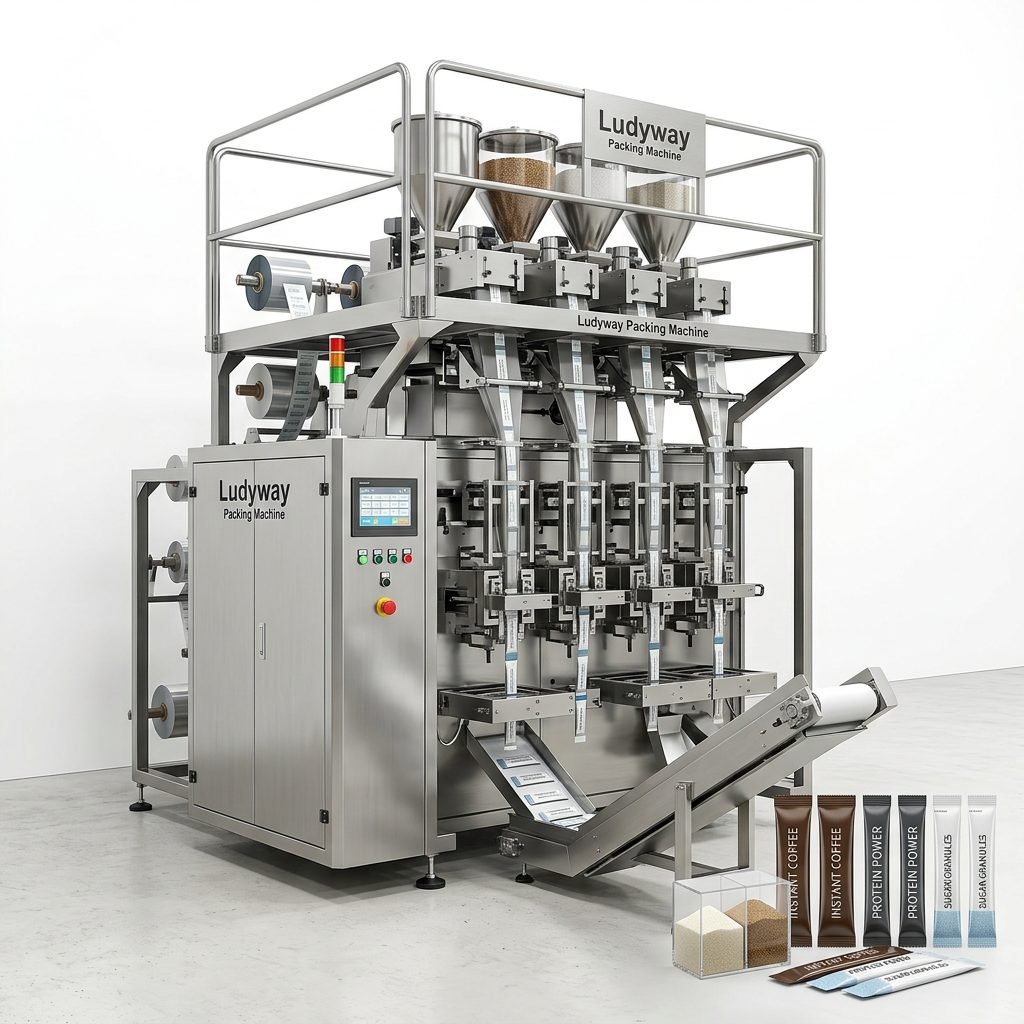
3. Determine Your Required Production Capacity
Production speed is one of the most critical specifications when selecting a container packing machine. Capacity requirements should be calculated based on your current output needs plus a reasonable buffer for future growth—typically 20-30% above your current peak demand.
Speed Metrics to Compare
- Packs per minute (ppm): The standard speed metric for most flexible packaging machines. Stick pack and sachet machines can range from 30 ppm for basic single-lane models to over 1,000 ppm for high-speed multi-lane systems.
- Lanes: Multi-lane machines multiply throughput by running several packaging lanes simultaneously. A 10-lane machine running at 40 ppm per lane delivers 400 ppm total output.
- Bags per minute for pouch machines: Premade pouch rotary systems typically operate at 30-120 bags per minute depending on pouch size and product type.
- Bottles per minute for liquid filling lines: Ranges from 20 bpm for semi-automatic systems to over 300 bpm for fully automated inline fillers.
When evaluating speed, always confirm whether the quoted rate is sustained production speed or maximum mechanical speed. Sustained speed accounts for film splices, product refills, and minor stoppages, providing a more realistic estimate of daily output.
4. Evaluate Filling Accuracy and Dosing Technology
Filling accuracy directly affects product giveaway, regulatory compliance, and profitability. For high-value products like pharmaceuticals, nutraceuticals, and specialty chemicals, even small dosing errors can result in significant financial losses or compliance issues with FDA packaging regulations.
Dosing Technologies at a Glance
| Dosing Method | Best For | Accuracy Level |
|---|---|---|
| Auger Filler | Powders, fine granules, cohesive materials | ±0.5% to ±1% by weight |
| Volumetric Cup Filler | Free-flowing granules, uniform density products | ±1% to ±2% by volume |
| Multi-Head Weigher | Granules, snacks, irregular shapes, mixed products | ±0.1% to ±0.5% by weight |
| Piston Filler | Liquids, pastes, creams, viscous products | ±0.5% to ±1% by volume |
| Net Weigh Filler | Bulk bags, large containers, high-value products | ±0.1% to ±0.2% by weight |
For applications requiring precision dosing, multi-head weighing and auger-based systems with feedback control offer the highest accuracy. Always request documented accuracy data from the manufacturer for your specific product type.
5. Assess Automation and Integration Capabilities
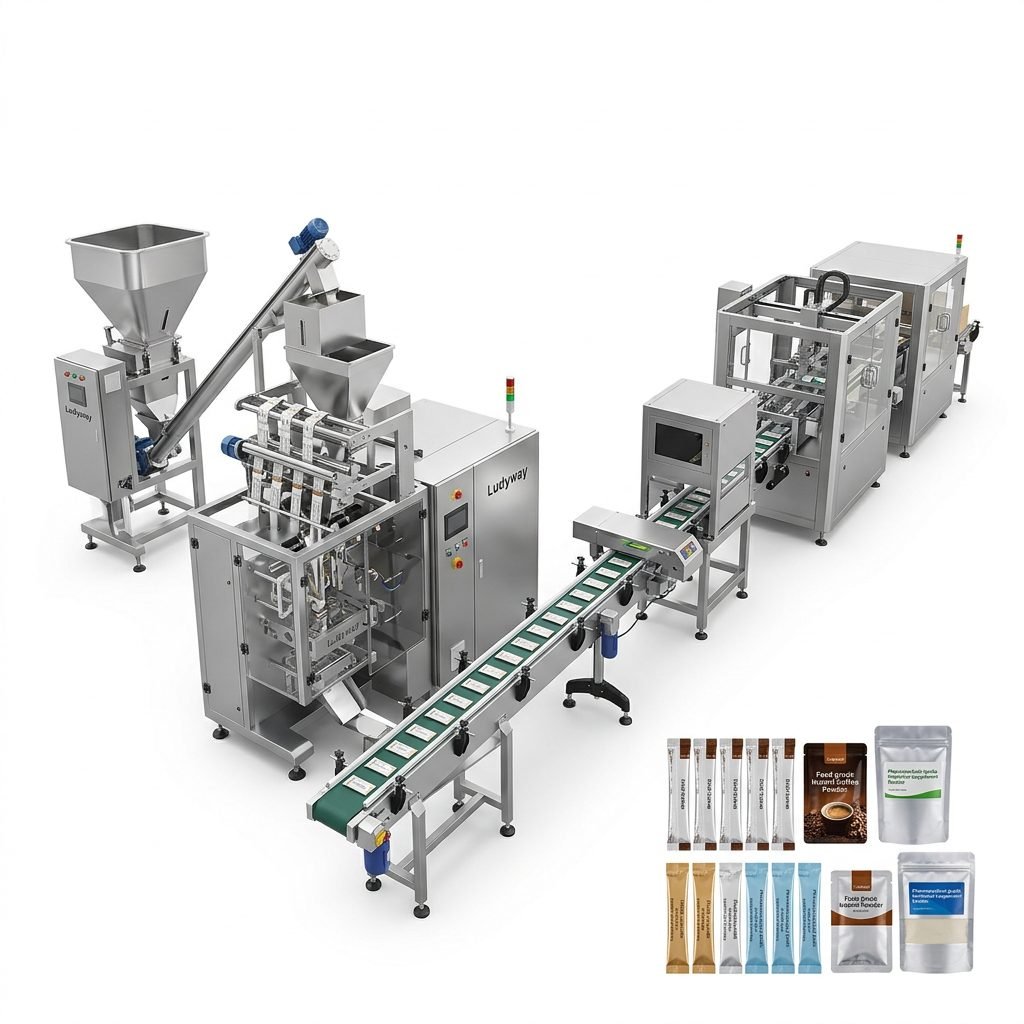
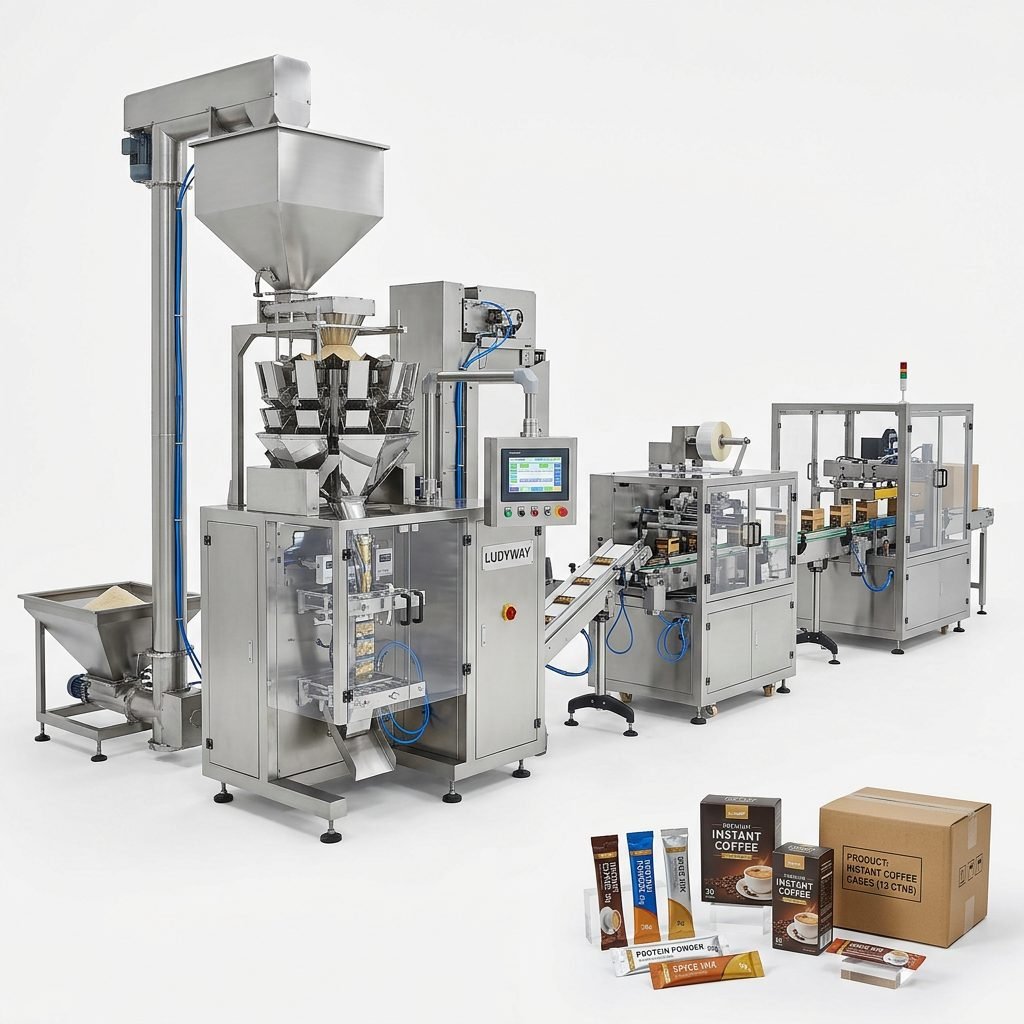
Modern packaging operations increasingly demand end-to-end automation that connects filling, sealing, coding, inspection, cartoning, and palletizing into a single integrated line. According to PMMI’s market research, the trend toward packaging automation continues to accelerate as manufacturers seek to reduce labor dependency and improve operational consistency.
Integration Considerations
- Upstream connectivity: Can the machine integrate with your existing product feed systems, conveyors, and bulk storage?
- Downstream connectivity: Does the machine support automatic transfer to checkweighers, metal detectors, X-ray inspection, cartoners, case packers, and palletizers?
- Control system compatibility: PLC-based controls with standardized communication protocols (Ethernet/IP, Profinet, Modbus) simplify integration with plant-wide systems.
- Data collection and traceability: Modern machines should support OEE tracking, batch recording, and serialization for ISO packaging standards compliance.
Choosing a supplier that can provide turnkey packaging solutions—from individual machines to fully integrated production lines—reduces the complexity of managing multiple vendors and ensures cohesive system performance.
6. Prioritize Build Quality and Compliance
A container packing machine is a long-term capital investment, and build quality determines its reliability, lifespan, and total cost of ownership. Machines constructed with high-grade stainless steel, internationally recognized electrical components, and robust mechanical assemblies typically deliver more consistent performance and require less frequent maintenance.
Quality Indicators to Look For
- Frame and contact surfaces: Food-grade 304 or 316 stainless steel construction with sanitary design principles for easy cleaning and CIP compatibility.
- Pneumatic and electrical components: Brands like Festo, SMC, Siemens, Schneider, Omron, and Mitsubishi indicate a commitment to quality and global serviceability.
- Certifications: CE marking, UL compliance, GMP design principles, and other relevant certifications demonstrate adherence to international safety and quality standards.
- Weld quality and finishing: Smooth, crevice-free welds and polished surfaces reduce contamination risks and facilitate cleaning.
For pharmaceutical and food applications, compliance with GMP, FDA, and EU packaging regulations is non-negotiable. Request documentation of the manufacturer’s quality management system and relevant certifications before procurement.
7. Consider Customization and Future Flexibility
No two production environments are identical. Product characteristics, factory layouts, bag sizes, filling volumes, and automation requirements vary significantly between manufacturers. A machine that works perfectly for one operation may be unsuitable for another without proper customization.
Leading packaging machinery manufacturers—such as Ludyway Machinery, a China-based manufacturer with over 30 years of experience—offer customized engineering solutions rather than relying solely on standardized machine configurations. This approach allows the equipment to be tailored to specific product characteristics, packaging formats, and production goals. For more details on industry growth trends, you can refer to this global packaging machinery growth analysis.
Customization options typically include adjustable forming tubes for different bag widths, interchangeable filling systems for multi-product flexibility, modular add-ons for coding and inspection, and customized automation interfaces. When evaluating suppliers, assess their engineering capabilities and willingness to adapt equipment to your specific requirements.
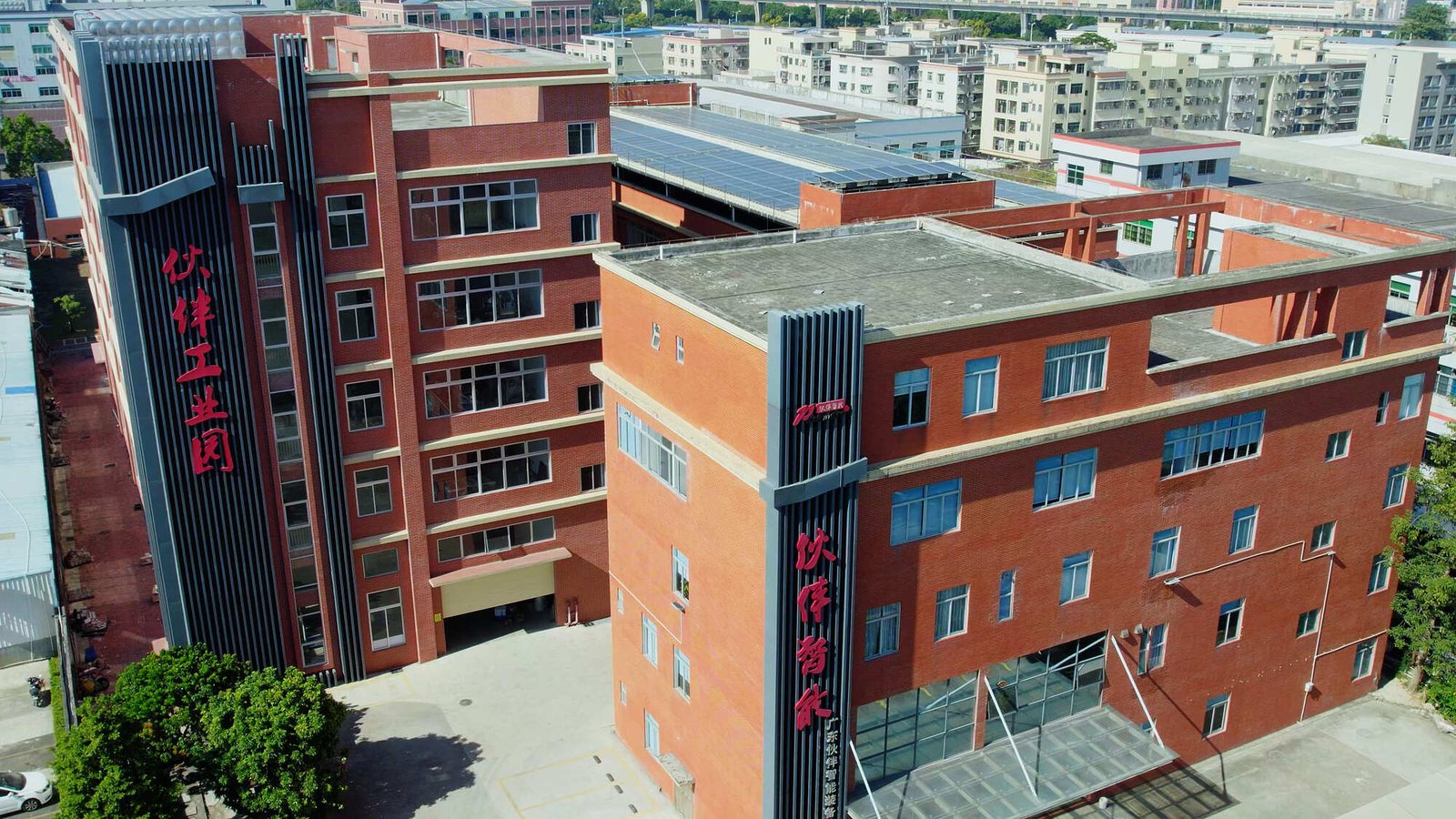
8. Evaluate After-Sales Support and Global Service
Technical support availability can make or break your production uptime. When your packaging line stops, every hour of downtime translates to lost revenue. Responsive after-sales service is therefore a critical selection criterion.
Support Services to Verify
- Installation and commissioning: Does the supplier provide on-site installation, setup, and initial production support?
- Operator training: Comprehensive training programs ensure your team can operate and maintain the equipment effectively.
- Remote technical assistance: Many manufacturers now offer remote diagnostics and troubleshooting to resolve issues quickly without waiting for an on-site visit.
- Spare parts availability: Confirm lead times for critical spare parts and whether the supplier maintains regional inventory for faster delivery.
- Global service network: For manufacturers exporting to multiple countries, a supplier with international service capabilities is essential.
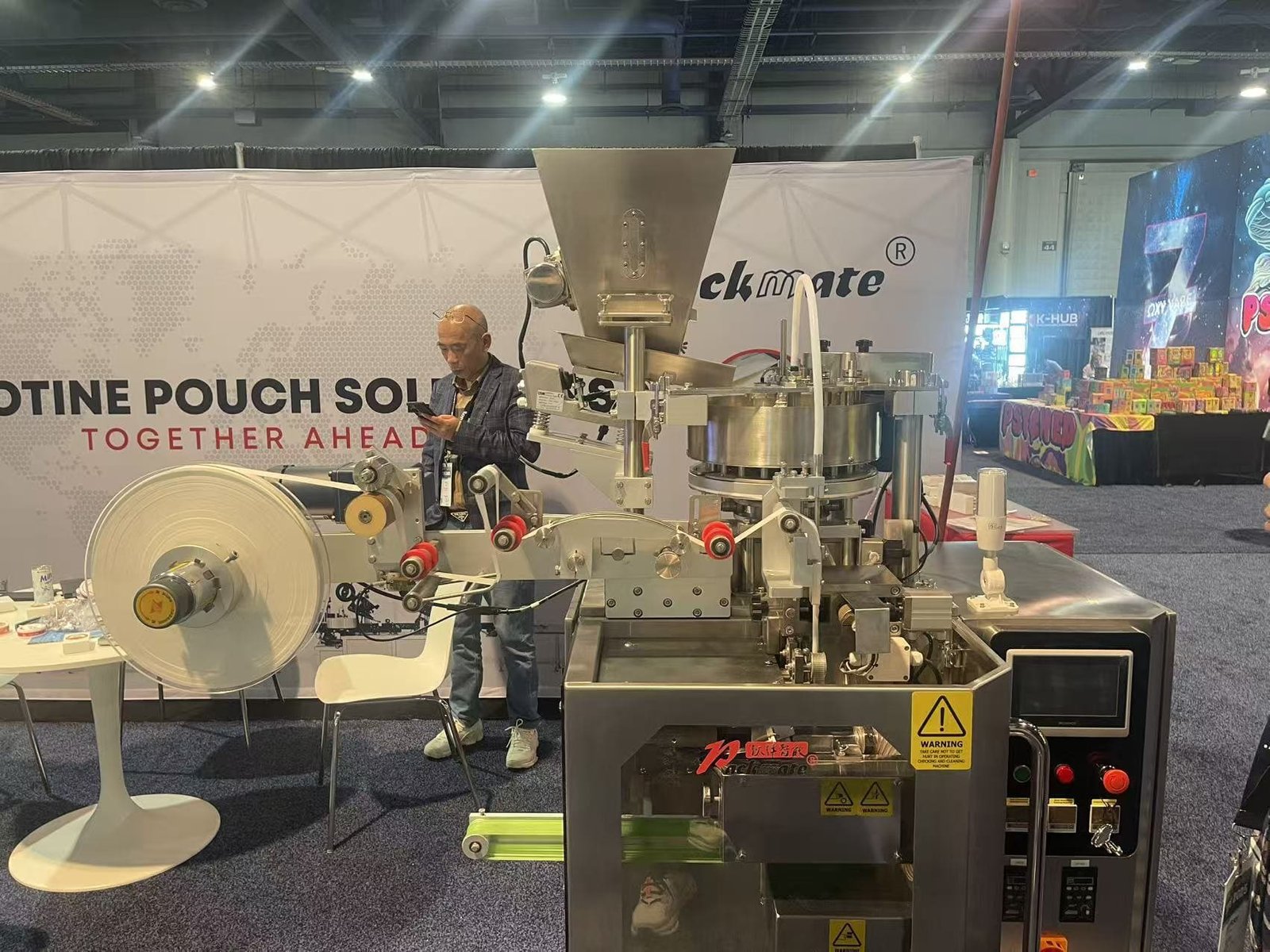
9. Calculate Total Cost of Ownership
The purchase price of a container packing machine is only one component of its total cost. A comprehensive total cost of ownership (TCO) analysis reveals the true long-term investment required.
TCO Components
| Cost Category | Details | Estimated Share of TCO |
|---|---|---|
| Capital expenditure | Machine purchase price, tooling, shipping, installation | 40-50% |
| Consumables | Packaging film, labels, ink, ribbons | 25-35% |
| Maintenance and spare parts | Preventive maintenance, wear parts replacement, repairs | 10-15% |
| Energy and utilities | Electricity, compressed air, cooling water | 5-8% |
| Labor | Operators, technicians, quality control personnel | 5-10% |
A machine with a lower upfront cost may have higher long-term expenses due to inferior build quality, higher film waste rates, or frequent breakdowns. Conversely, a premium machine with better efficiency and reliability often delivers a lower TCO over its operational life.
10. Request Product Trials and References
Before finalizing your purchase, always request a product trial using your actual materials on the proposed machine configuration. This step validates the machine’s performance with your specific product characteristics and packaging materials. Many manufacturers offer in-house testing facilities or can arrange visits to existing customer sites with similar applications.
Additionally, ask for customer references in your industry. Speaking with current users provides invaluable insights into the machine’s real-world reliability, the manufacturer’s support quality, and any operational challenges that may not be apparent from specifications alone. The flexible packaging industry community is often transparent about equipment performance, and reputable suppliers will readily provide references.
Conclusion: A Strategic Investment in Your Packaging Future
Selecting the right container packing machine requires balancing product compatibility, packaging format, production capacity, filling accuracy, automation level, build quality, customization flexibility, and total cost of ownership. By methodically evaluating each of these factors and working with an experienced machinery partner, you can secure equipment that delivers consistent performance, regulatory compliance, and long-term value.
Remember that the packaging machinery landscape is continuously evolving, with new technologies in multi-lane systems, smart factory integration, and sustainable packaging emerging regularly. Choosing a supplier with strong engineering capabilities and a commitment to innovation ensures your packaging operations remain competitive in the years ahead.
Whether you are upgrading an existing line or building a new packaging facility from scratch, investing time in thorough evaluation upfront pays dividends in operational efficiency, product quality, and profitability for years to come.