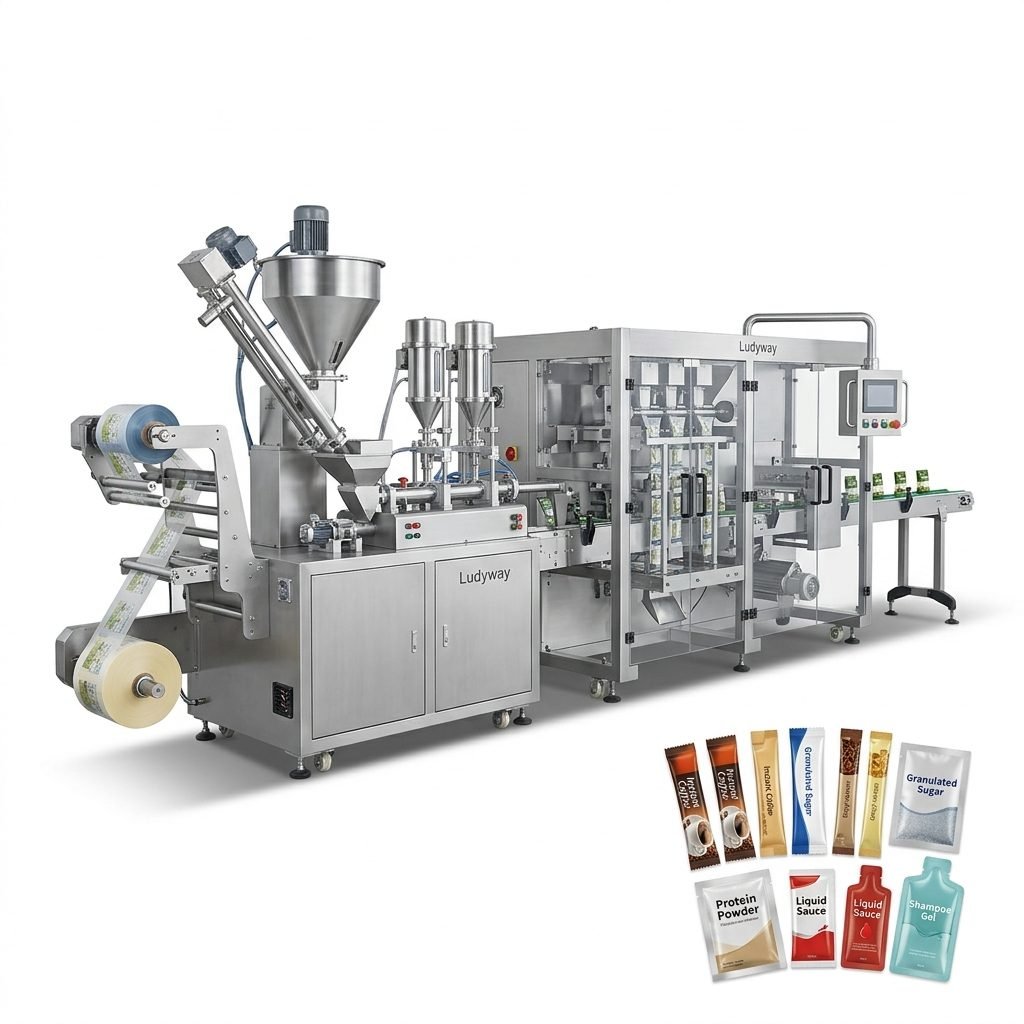
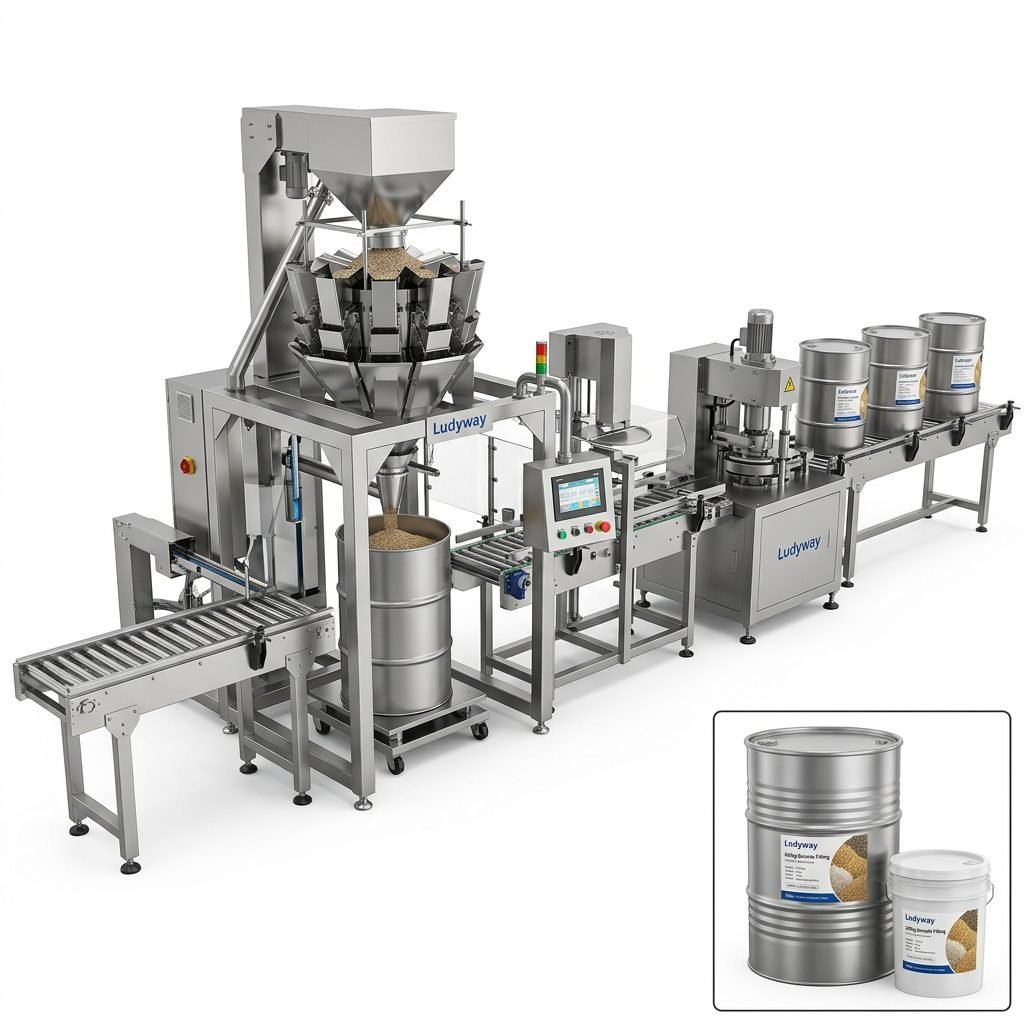
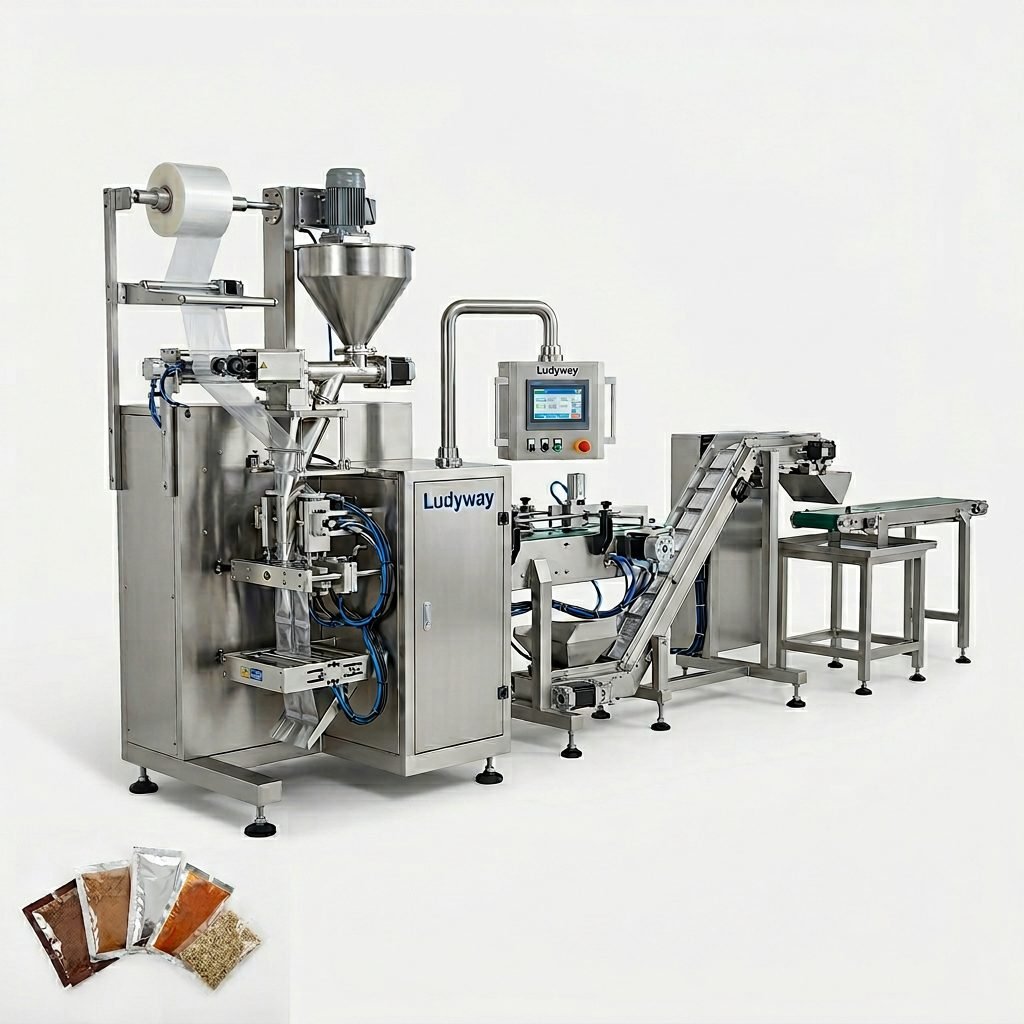
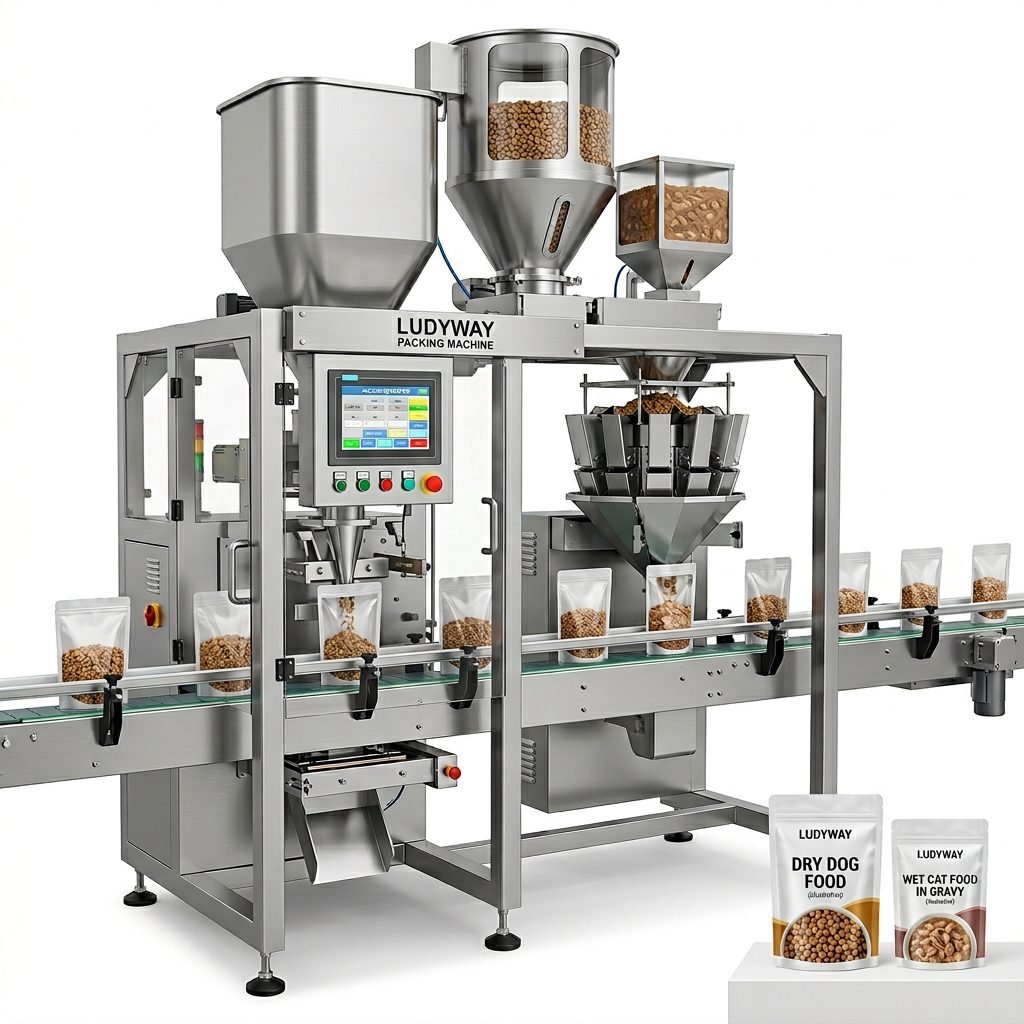
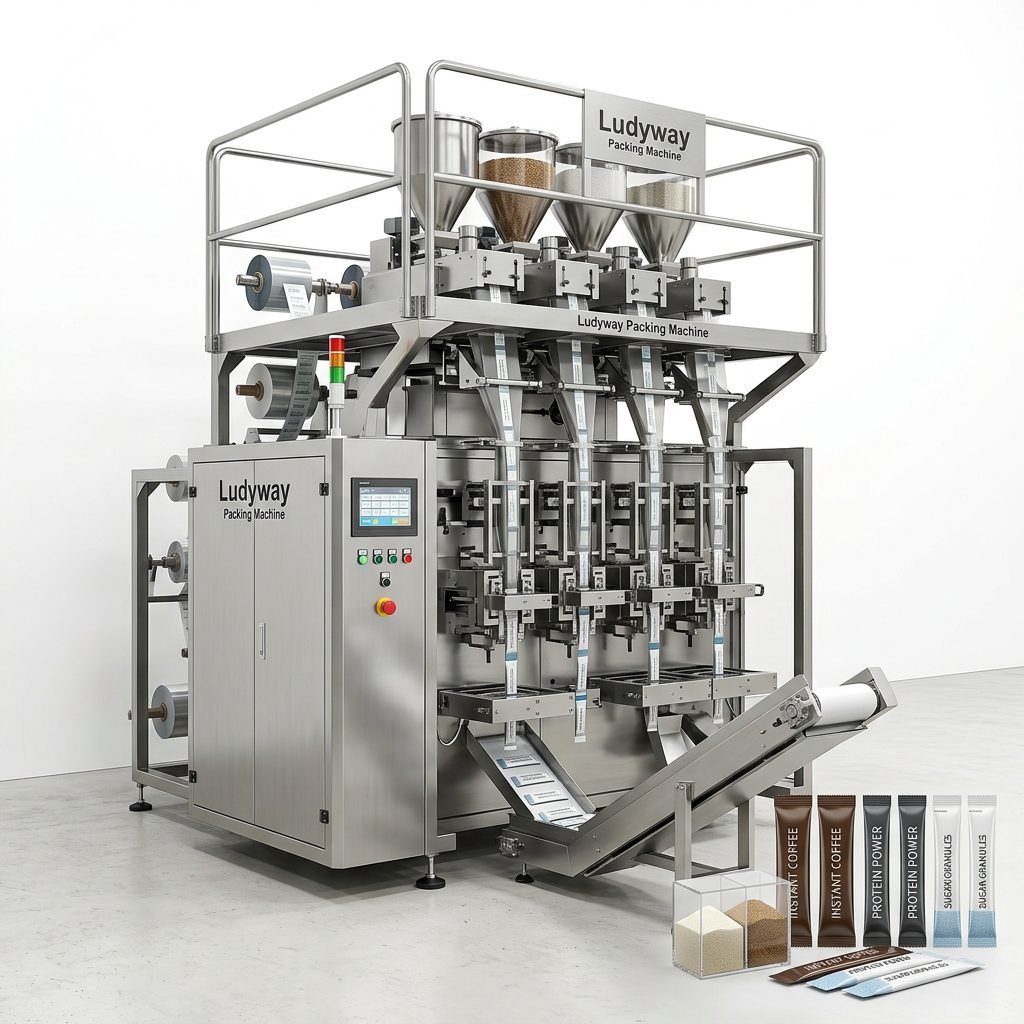
Investing in a milk packing machine is a significant decision for any dairy processor, powder manufacturer, or liquid milk producer. Whether you are filling sachets, stick packs, pouches, or bottles, the cost of a milk packing machine can range from under $10,000 for a basic semi-automatic unit to over $500,000 for a fully integrated, high-speed multi-lane packaging line. Understanding what drives these price differences is critical to making the right investment for your business.
Key Factors That Determine Milk Packing Machine Cost
No two dairy packaging projects are identical. The final price of a milk packing machine depends on several interconnected variables. Factoring these in early will help you avoid overspending while ensuring your equipment meets production targets and regulatory standards.
1. Machine Type and Packaging Format
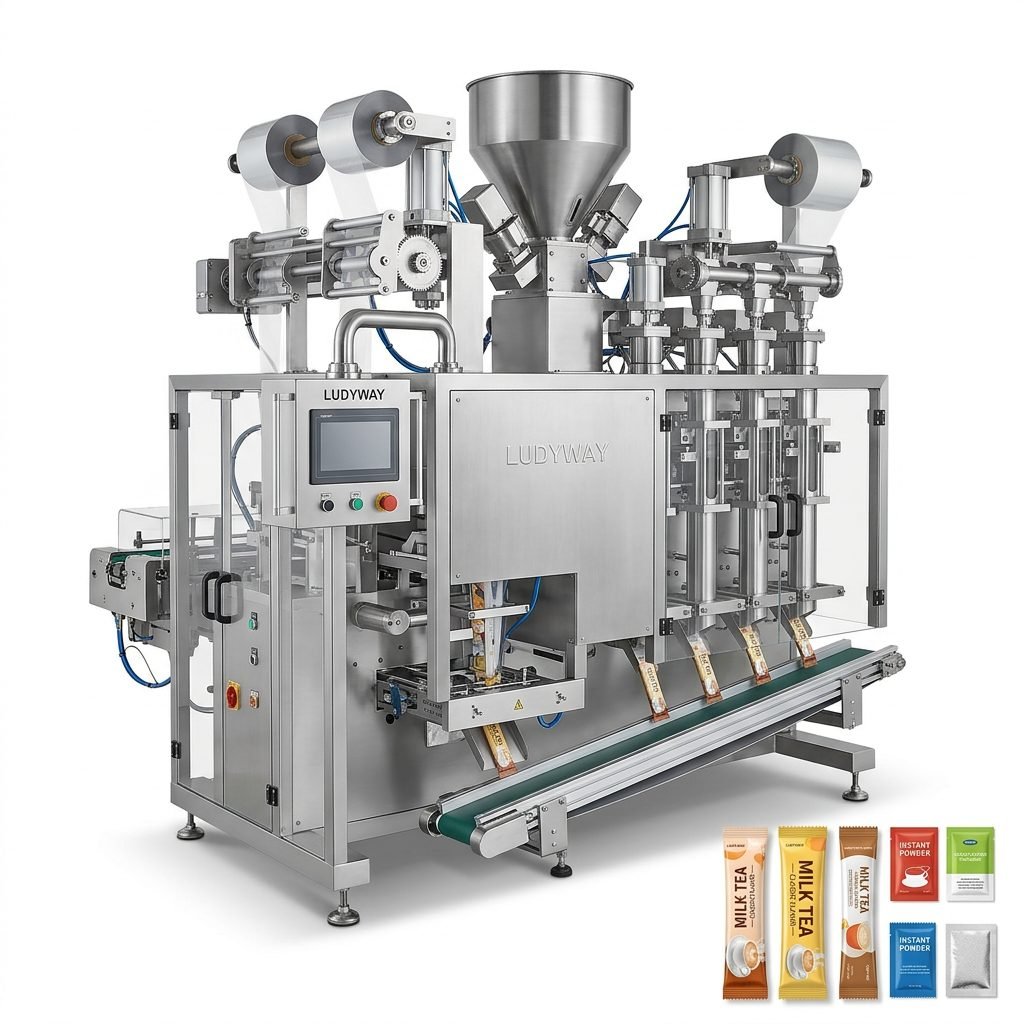
The packaging format you choose has the most direct impact on equipment cost. Liquid milk typically requires aseptic or ultra-clean filling systems, which are more expensive due to sterilization and food-safety requirements. Milk powder, on the other hand, is commonly packed using vertical form-fill-seal (VFFS) machines or multi-lane stick pack and sachet machines. The table below outlines common formats and their relative cost implications.
| Packaging Format | Typical Application | Relative Cost Level |
|---|---|---|
| Single-Lane Sachet / Stick Pack | Milk powder, whitener, nutritional powders | Entry-level to mid-range |
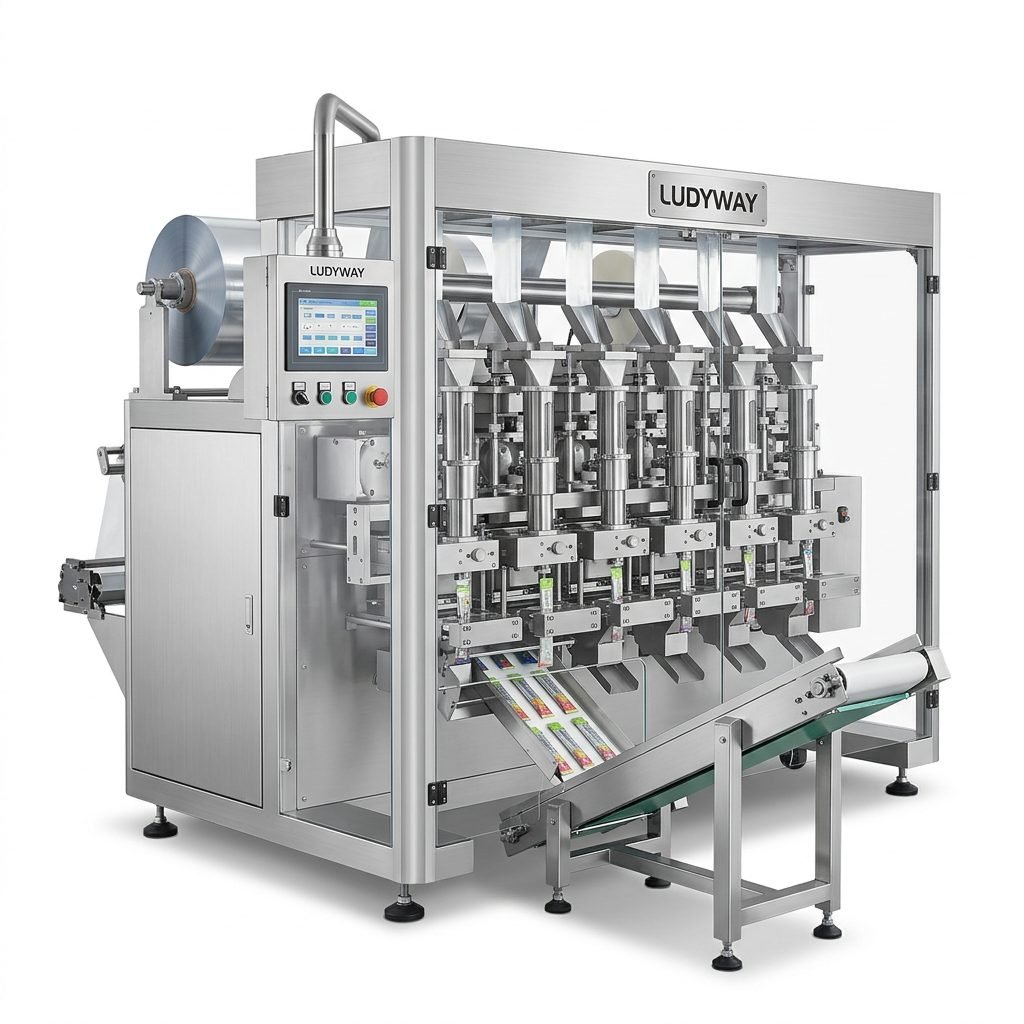
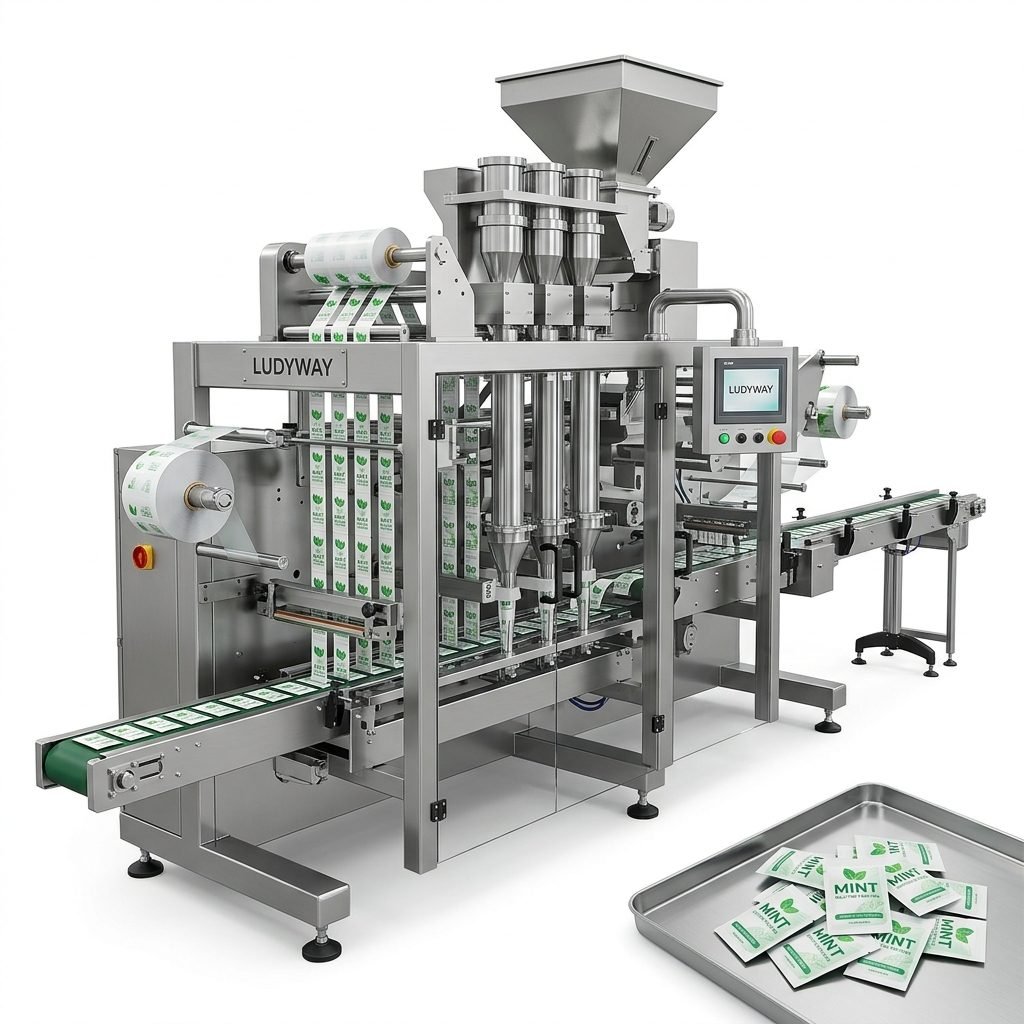
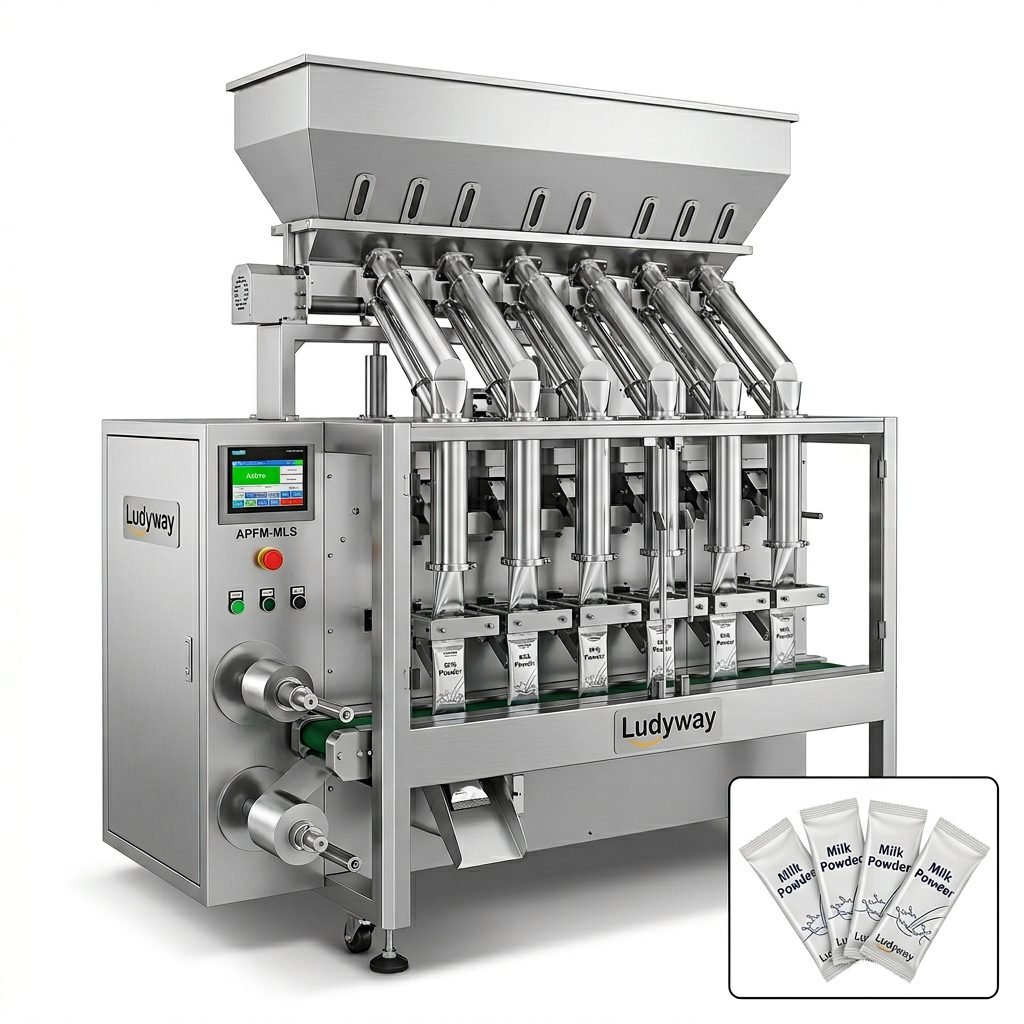
| Multi-Lane Stick Pack (4–12 lanes) | High-volume milk powder, protein powders | Mid-range to high |
| Pre-Made Pouch / Doypack | Premium milk powder, specialty dairy | Mid-range |
| Liquid Milk Bottle / Carton Filling | Fresh milk, flavored milk, UHT milk | High to premium |
| Turnkey Packaging Line | Complete system with feeding, filling, cartoning | Premium investment |
2. Automation Level and Production Speed
Manual and semi-automatic milk packing machines are more affordable upfront but come with higher long-term labor costs and lower output consistency. Fully automatic systems with servo-driven controls, automatic film tracking, and integrated weighing or dosing systems command higher prices. According to industry data from the PMMI State of the Industry report, automated packaging machinery continues to see strong demand as manufacturers prioritize efficiency and labor reduction.
3. Filling and Dosing Technology
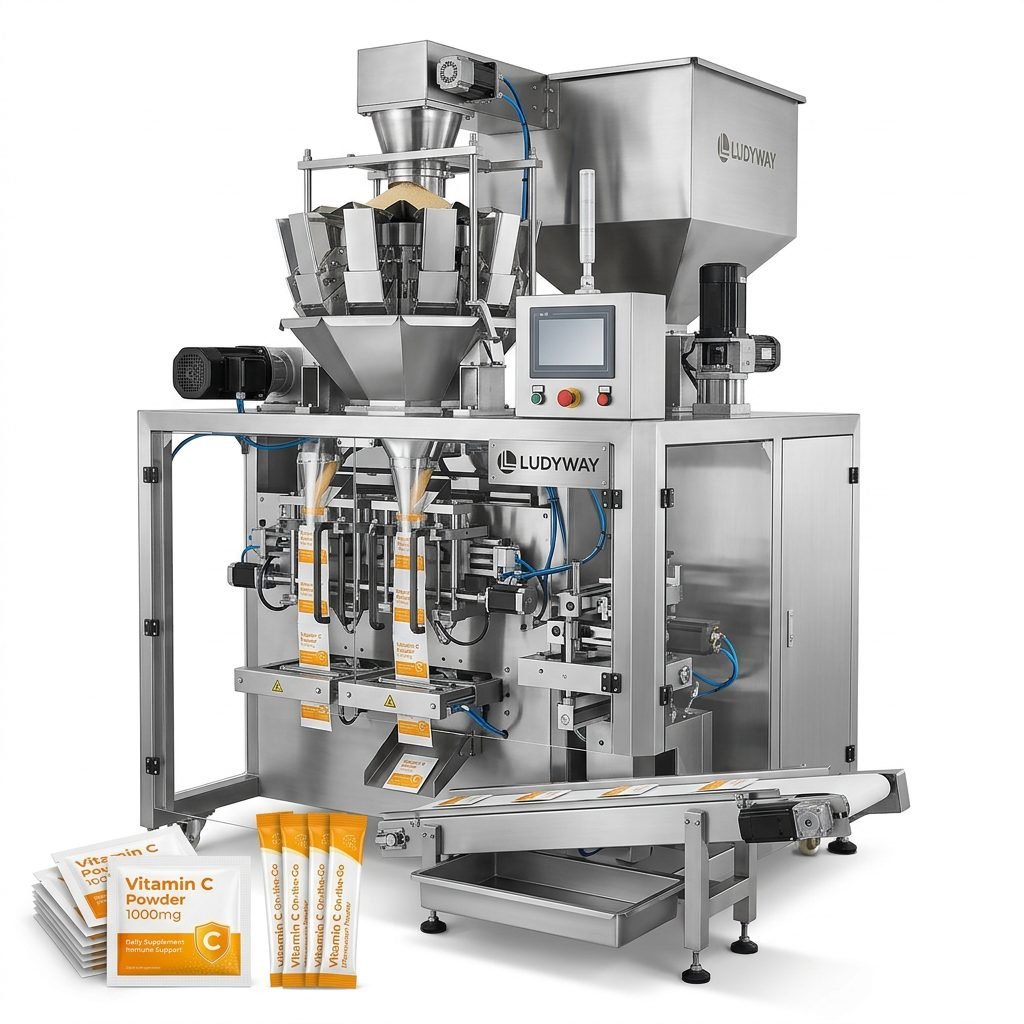
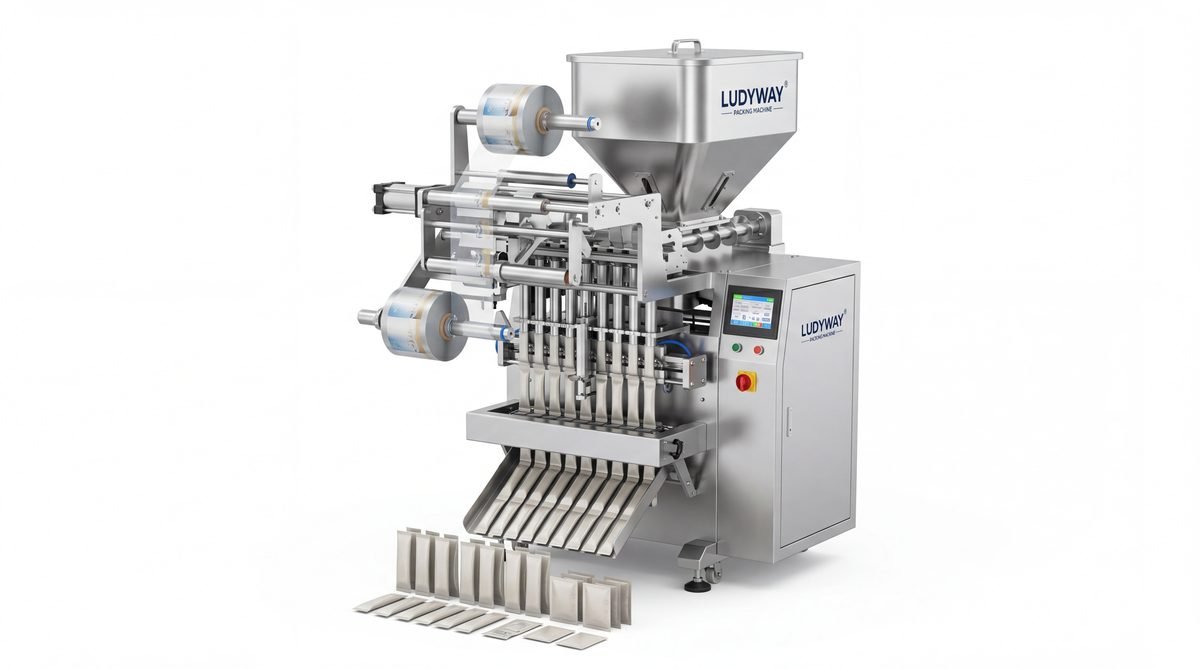
For milk powder applications, the dosing system significantly influences machine cost. Auger fillers are common and cost-effective for free-flowing powders. Multi-head weighers deliver higher accuracy and speed but add to the total investment. For liquid milk, piston fillers, magnetic flow meters, or mass flow meters are used depending on viscosity, required accuracy, and hygiene standards. Equipment designed to meet FDA food contact substance requirements will typically involve higher-grade materials and validation documentation.
4. Construction Materials and Compliance
Machines built with stainless steel 304 or 316L, equipped with CIP (clean-in-place) capabilities, and designed for washdown environments are naturally more expensive. For dairy applications, especially liquid milk, hygienic design is non-negotiable. Compliance with ISO packaging standards and local food safety regulations will influence both the base machine cost and the validation documentation provided by the manufacturer.
Milk Packing Machine Price Ranges: What to Expect
While exact pricing always depends on your specific configuration, the following table provides a realistic overview of what you can expect across different machine categories.
| Machine Category | Estimated Price Range (USD) | Best Suited For |
|---|---|---|
| Semi-Automatic Single-Lane Sachet Machine | $8,000 – $25,000 | Startups, small dairy farms, low-volume powder packing |
| Automatic Single-Lane Stick Pack / Sachet Machine | $25,000 – $60,000 | Growing brands, contract packers, regional dairy brands |
| Multi-Lane Stick Pack Machine (4–8 lanes) | $60,000 – $150,000 | High-volume milk powder, protein, and nutraceutical producers |
| Multi-Lane Stick Pack Machine (10–12 lanes) | $150,000 – $300,000 | Large-scale industrial dairy powder production |
| Liquid Milk Bottle / Carton Filling Line | $100,000 – $500,000+ | Fresh milk, UHT milk, flavored dairy beverages |
| Complete Turnkey Packaging Line | $200,000 – $1,000,000+ | Large manufacturers seeking single-source integrated solutions |
Hidden Costs to Consider Before Purchasing
Beyond the sticker price of the machine itself, several additional costs should be factored into your budget:
- Installation and Commissioning: On-site setup, calibration, and operator training can add 5–15% to the total project cost.
- Auxiliary Equipment: Air compressors, dust extraction systems, conveyors, and checkweighers are often required but not included in the base machine price.
- Spare Parts and Maintenance: Budget for an initial spare parts kit and annual maintenance contracts to minimize downtime.
- Packaging Material Compatibility: Not all films and laminates work with every machine. Testing and validating materials adds upfront time and cost.
- Facility Modifications: Power supply upgrades, compressed air lines, and cleanroom modifications may be necessary for dairy-grade operations.
How to Choose the Right Price Range for Your Business
Selecting the right milk packing machine is about balancing current production needs with future growth potential. Here is a practical framework to guide your decision:
Step 1: Define Your Production Requirements
Start by clearly documenting your target output in packs per minute or per day, the range of packaging formats you need, the powder characteristics (flowability, bulk density, moisture sensitivity), and any specific hygiene or regulatory requirements. The Flexible Packaging Association provides useful resources on packaging material selection that can inform your machine specification.
Step 2: Evaluate Total Cost of Ownership (TCO)
A cheaper machine may cost more over its lifetime due to frequent breakdowns, higher labor requirements, and lower efficiency. When comparing quotes, calculate the total cost of ownership over 5–7 years, including energy consumption, labor, maintenance, and expected uptime. Machines using established industrial automation components from recognized suppliers tend to deliver better long-term reliability.
Step 3: Consider Scalability
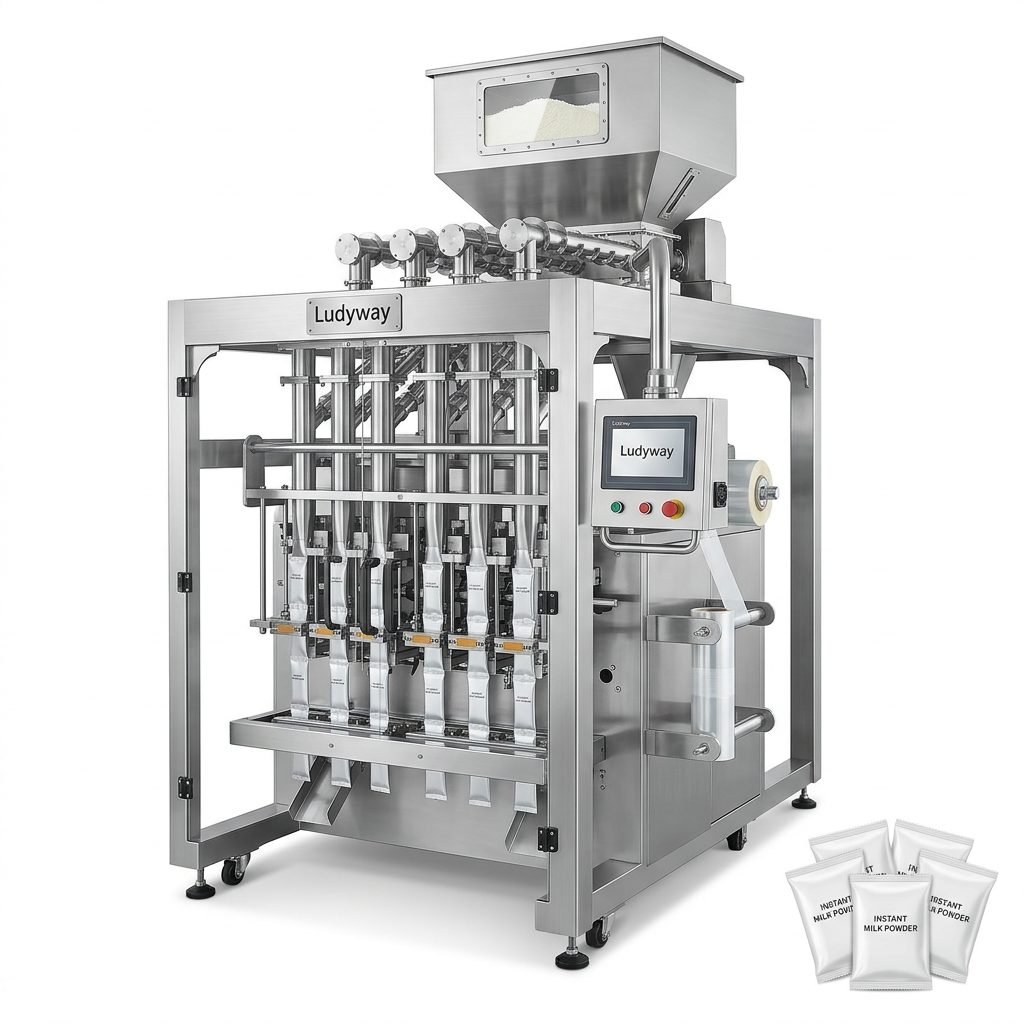
If you anticipate growing from a single-lane to a multi-lane configuration within 2–3 years, discuss upgrade paths with your equipment supplier upfront. Some manufacturers design machines with modular architectures that allow lanes to be added later, protecting your initial investment.
Step 4: Partner with an Experienced Manufacturer
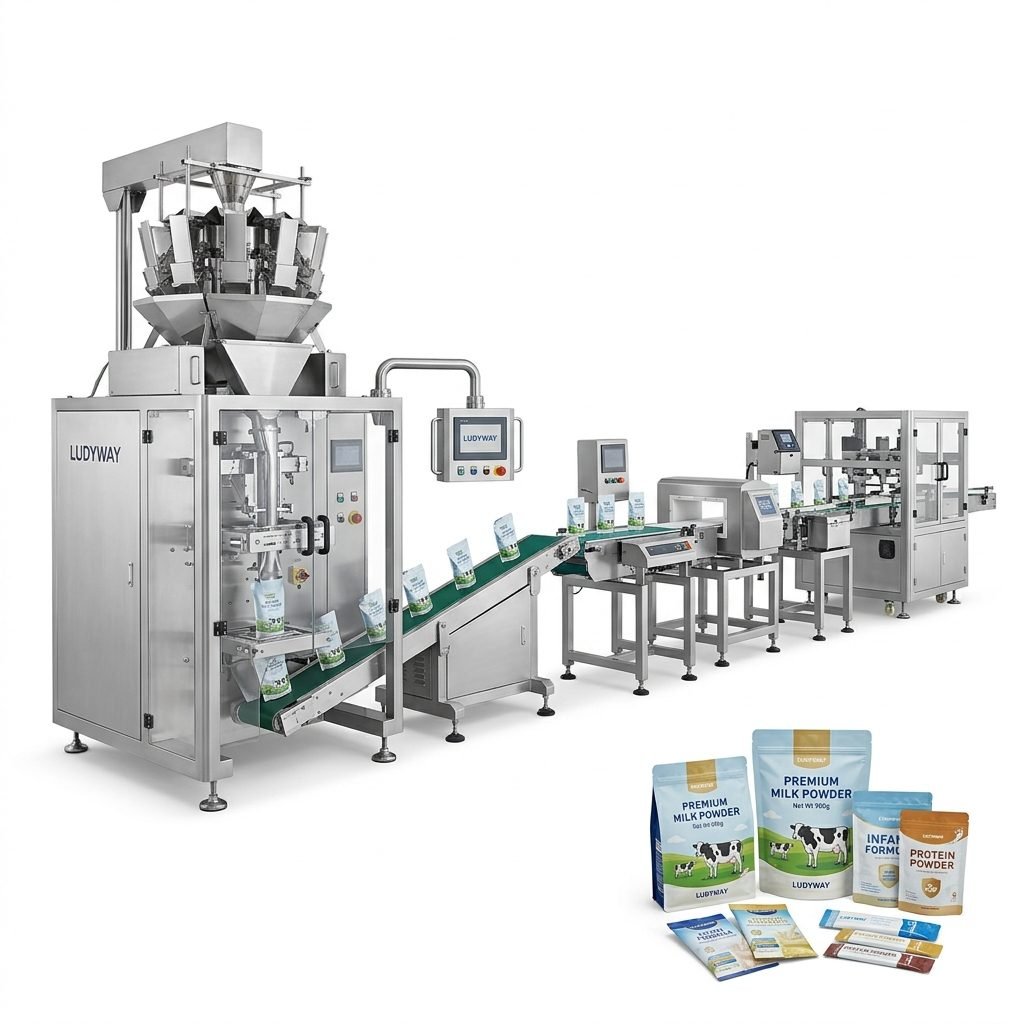
Working with a manufacturer that offers customized solutions rather than only standardized machines can make a significant difference. Ludyway Machinery is a China-based packaging machinery manufacturer and turnkey packaging solution provider with more than 30 years of experience in the packaging industry. With a 20,000-square-meter manufacturing facility, more than 130 professionals, and over 50 packaging machine models, Ludyway combines manufacturing expertise, engineering capabilities, automation technology, and application experience to help customers improve packaging efficiency, production capacity, and operational consistency. The company serves more than 100 countries and regions, and is expected to achieve export revenue of more than RMB 500 million (approximately US$69 million) in 2025, with plans to surpass RMB 1 billion (approximately US$138 million) in export revenue in 2026.

Industry Trends Influencing Milk Packing Machine Investment
The global packaging machinery market continues to evolve. Reports from PMMI’s 2025 State of the Industry highlight growing demand for flexible packaging formats, automation, and sustainable packaging solutions. For dairy and milk powder producers, this translates into increased interest in multi-lane stick pack machines, recyclable mono-material films, and energy-efficient servo-driven systems. Investing in equipment that aligns with these trends can provide a competitive advantage and future-proof your packaging operations.
Final Recommendations
Choosing the right milk packing machine cost range requires a clear understanding of your product characteristics, production volume, packaging format, and regulatory obligations. Here are key takeaways:
- Under $30,000: Suitable for startups and low-volume milk powder producers with manual or semi-automatic sachet machines.
- $30,000 – $100,000: Ideal for growing businesses requiring automatic single-lane or small multi-lane stick pack systems.
- $100,000 – $300,000: Targets established manufacturers needing high-speed multi-lane packaging with advanced dosing and automation features.
- $300,000+: Reserved for large-scale industrial operations and complete turnkey lines, including liquid milk filling systems with aseptic capabilities.
By carefully evaluating your requirements and partnering with an experienced packaging machinery manufacturer, you can secure a milk packing machine that delivers the best return on investment for your specific business needs.