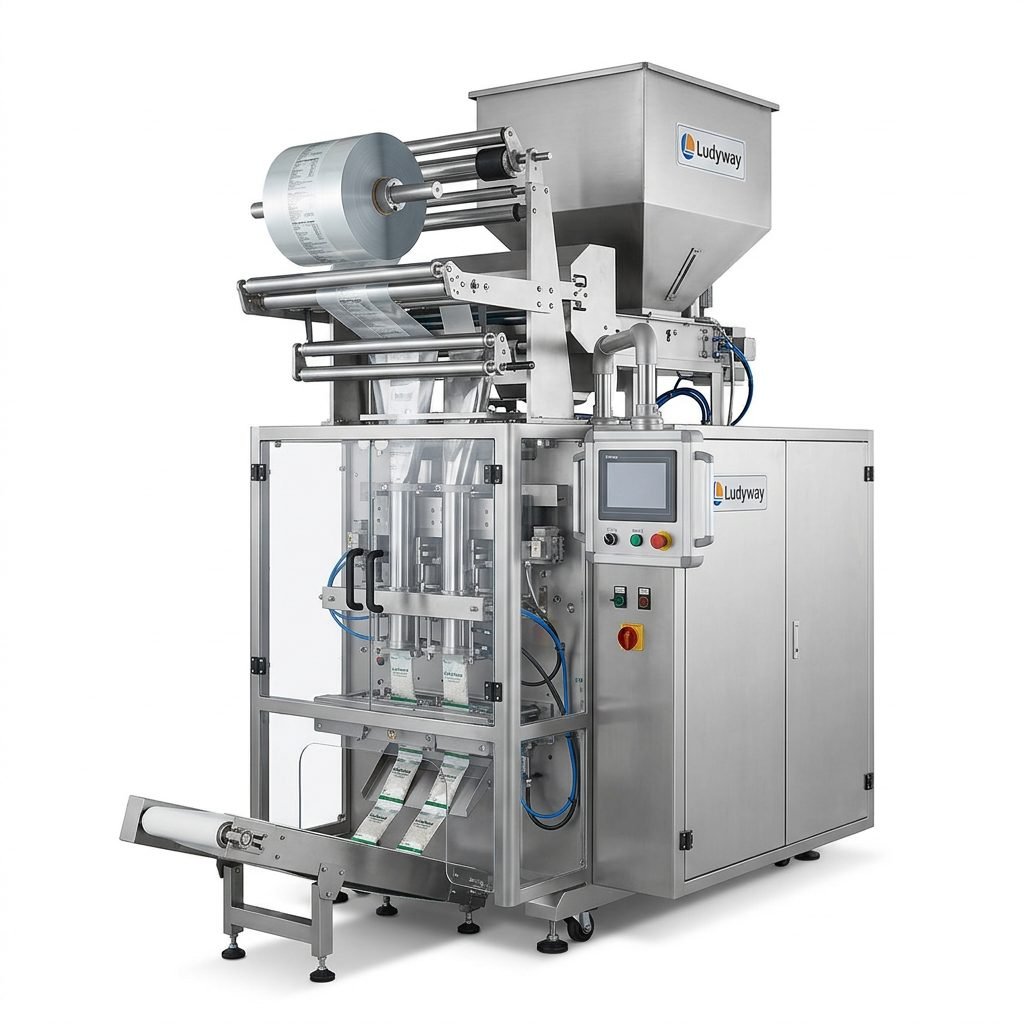
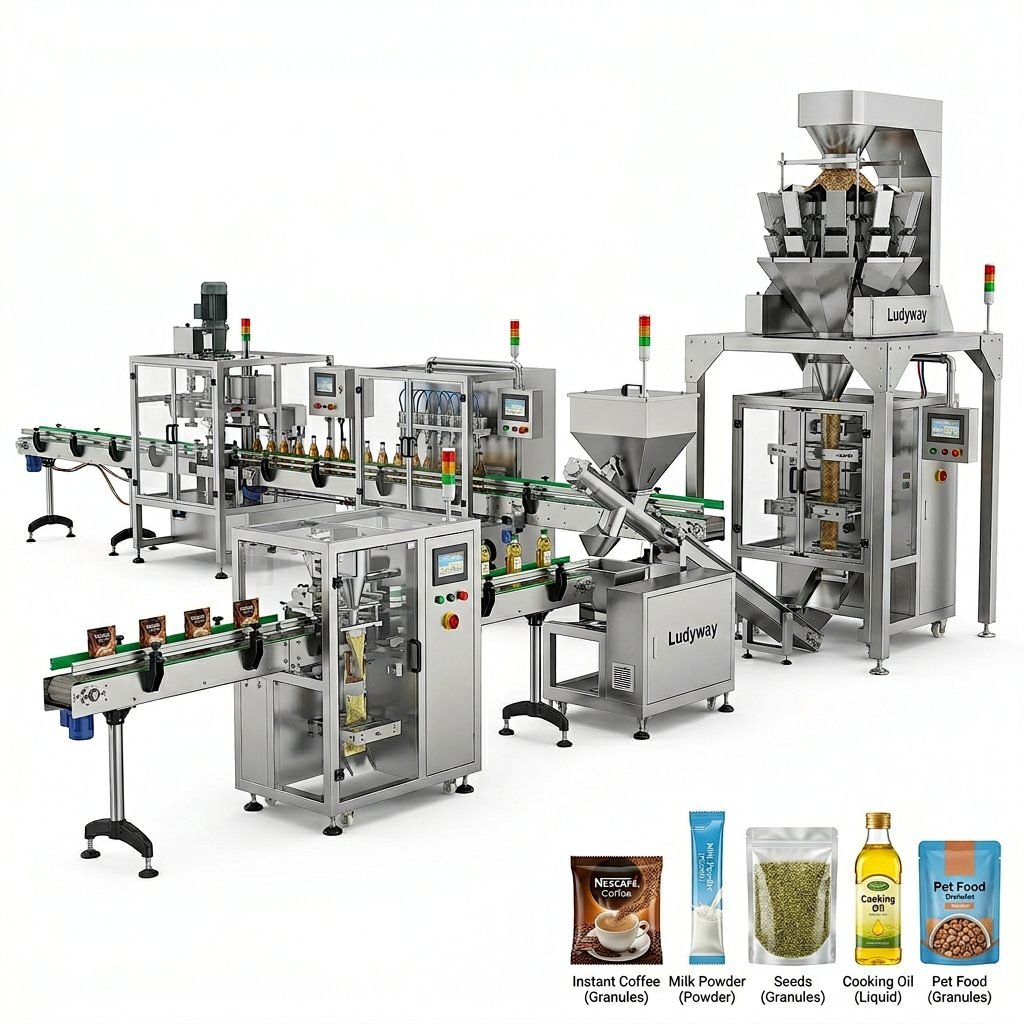
Germany represents one of Europe’s most sophisticated and regulated markets for edible oil production. Whether you are launching a new brand of sunflower oil, rapeseed oil, or specialty cold-pressed oils, establishing a cooking oil packaging machine production line in Germany requires meticulous planning. From facility design and regulatory compliance to equipment selection and automation integration, every step must align with German food packaging standards and ISO packaging standards. This comprehensive guide walks you through the essential phases of setting up a successful production line.
Understanding the German Cooking Oil Market
Germany’s edible oil sector is characterized by high consumer demand for quality, strict environmental regulations, and a growing preference for sustainably packaged products. According to PMMI business intelligence, the European packaging machinery market continues to expand, driven by automation and efficiency requirements. Key market segments include:
- Retail bottled oils – glass and PET bottles ranging from 250ml to 5L
- Food service packaging – larger format containers for restaurants and catering
- Industrial bulk packaging – drums, IBC totes, and flexitanks for B2B distribution
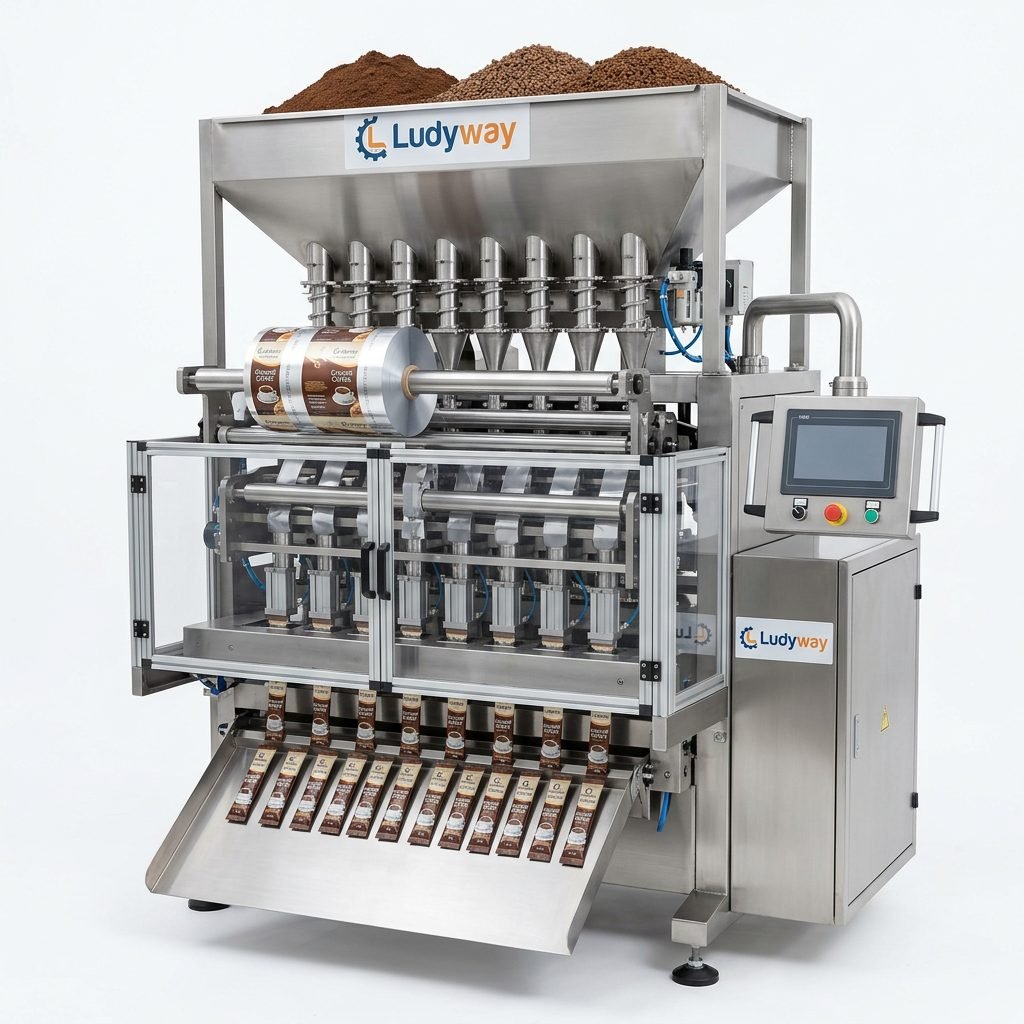
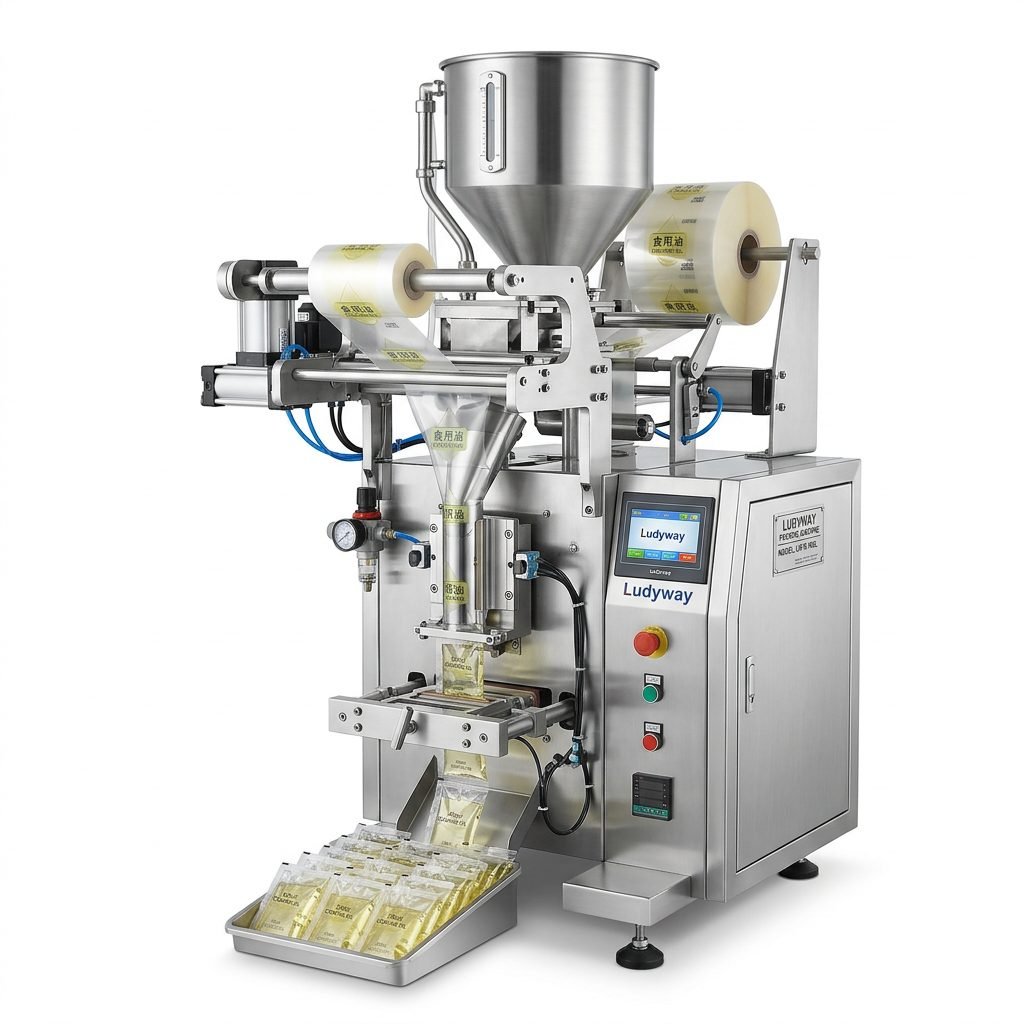
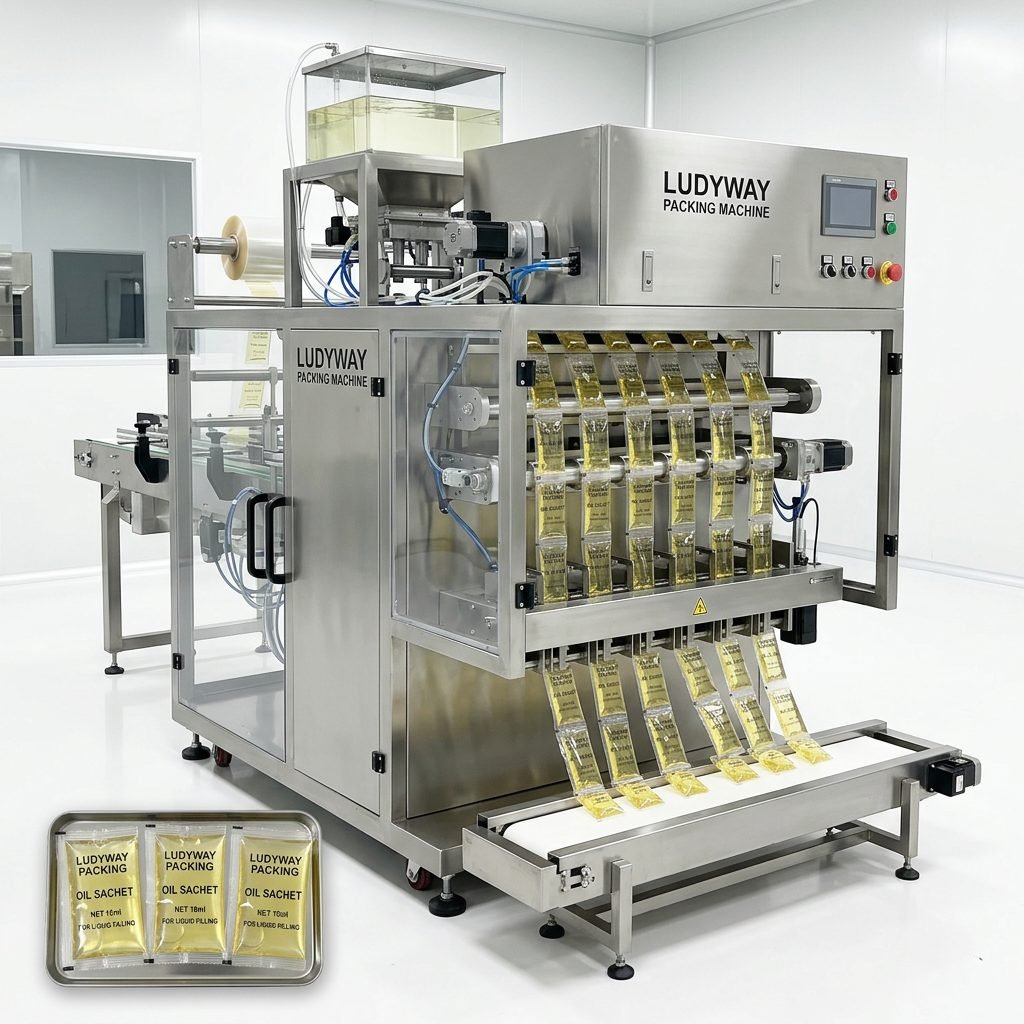
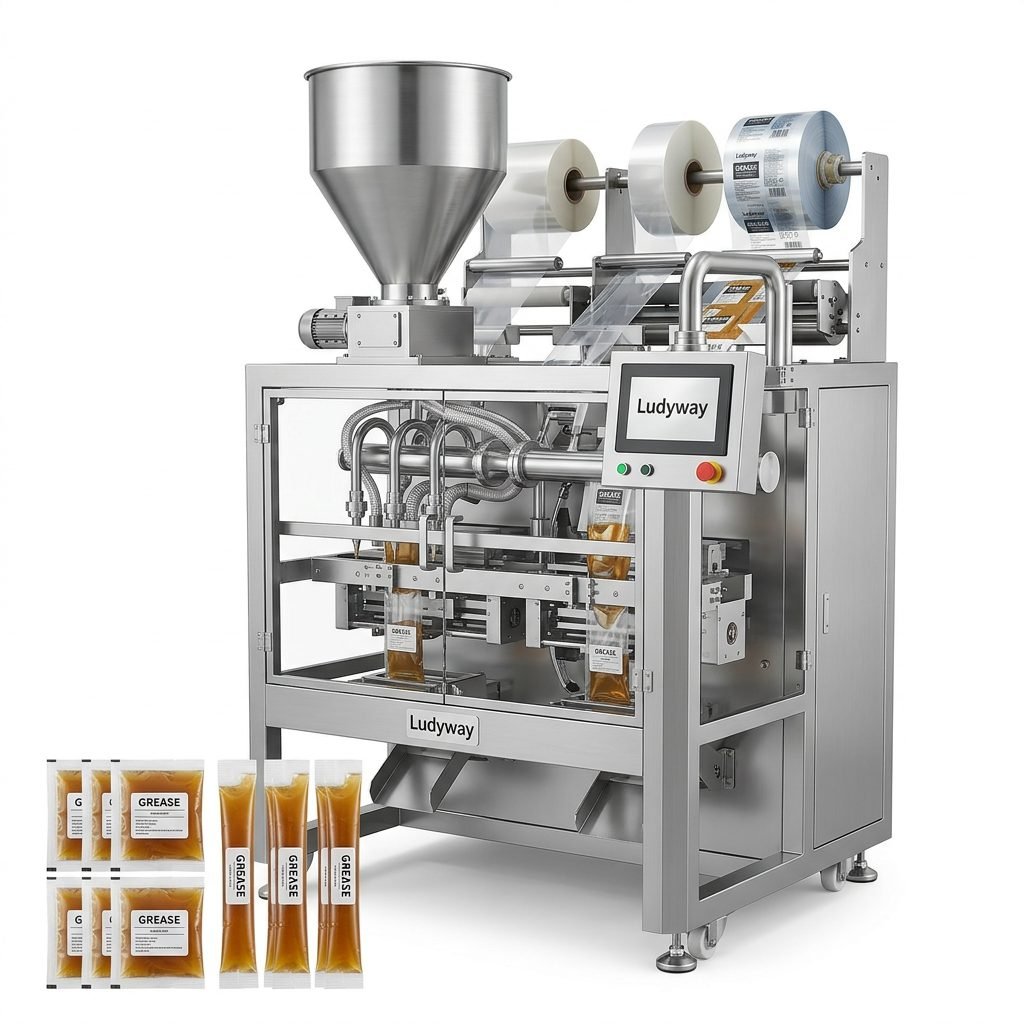
- Single-serve sachets and stick packs – growing rapidly in the convenience and travel segments
Understanding your target segment is critical before investing in equipment, as each requires different filling technologies, capping systems, and labeling solutions.
Step-by-Step Guide to Setting Up Your Production Line
Step 1: Site Selection and Facility Preparation
Choosing the right location in Germany involves evaluating proximity to raw material suppliers, transportation infrastructure, and compliance with local zoning laws. Your facility must meet EU hygiene standards for food processing, including proper floor drainage, ventilation, and pest control measures. Consider the following:
- Floor space allocation for receiving, production, warehousing, and shipping zones
- Electrical infrastructure capable of supporting high-speed automated equipment
- Compressed air and nitrogen supply lines for inert gas flushing systems
- Wastewater treatment capability in accordance with German environmental regulations
Step 2: Regulatory Compliance and Certifications
Operating in Germany means adhering to both national and EU packaging and packaging waste regulations. Your production line must comply with:
- EC Regulation 1935/2004 – materials and articles intended to come into contact with food
- Dual System participation – compliance with Germany’s packaging recycling scheme
- IFS Food Standard or BRC Global Standard – for retail supplier qualification
- German Food and Feed Code (LFGB) – national food safety requirements
Engaging a local regulatory consultant early in the planning phase can save significant time and prevent costly compliance issues down the road.
Step 3: Choosing the Right Cooking Oil Packaging Machine
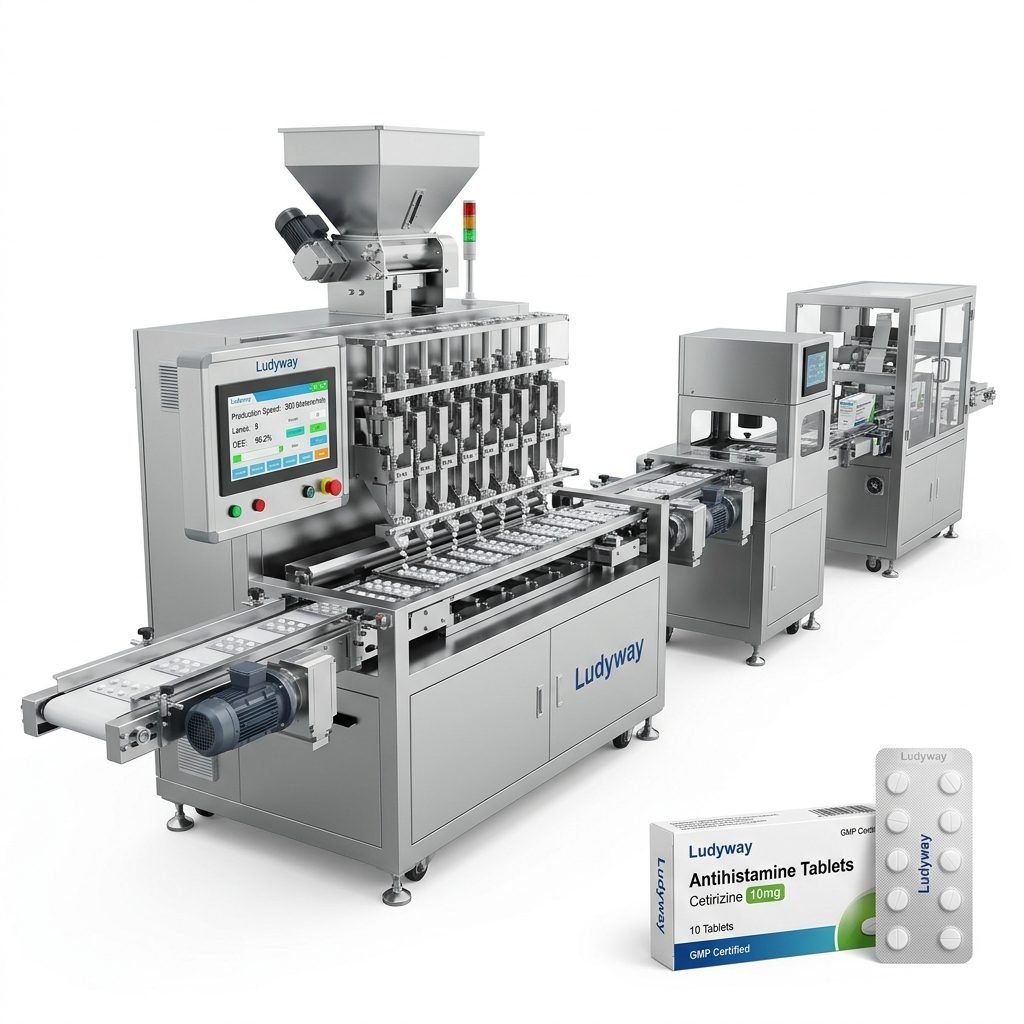
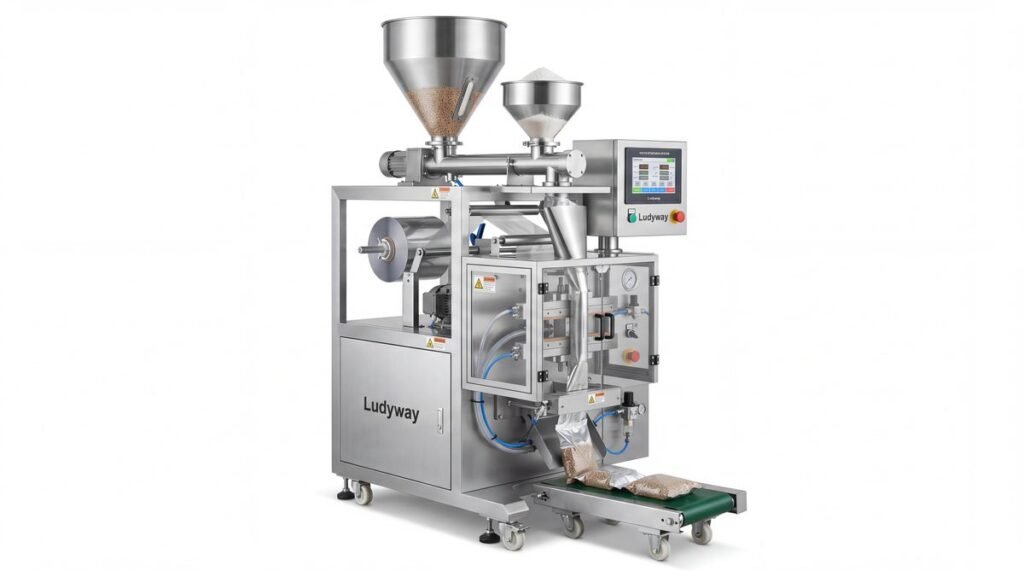
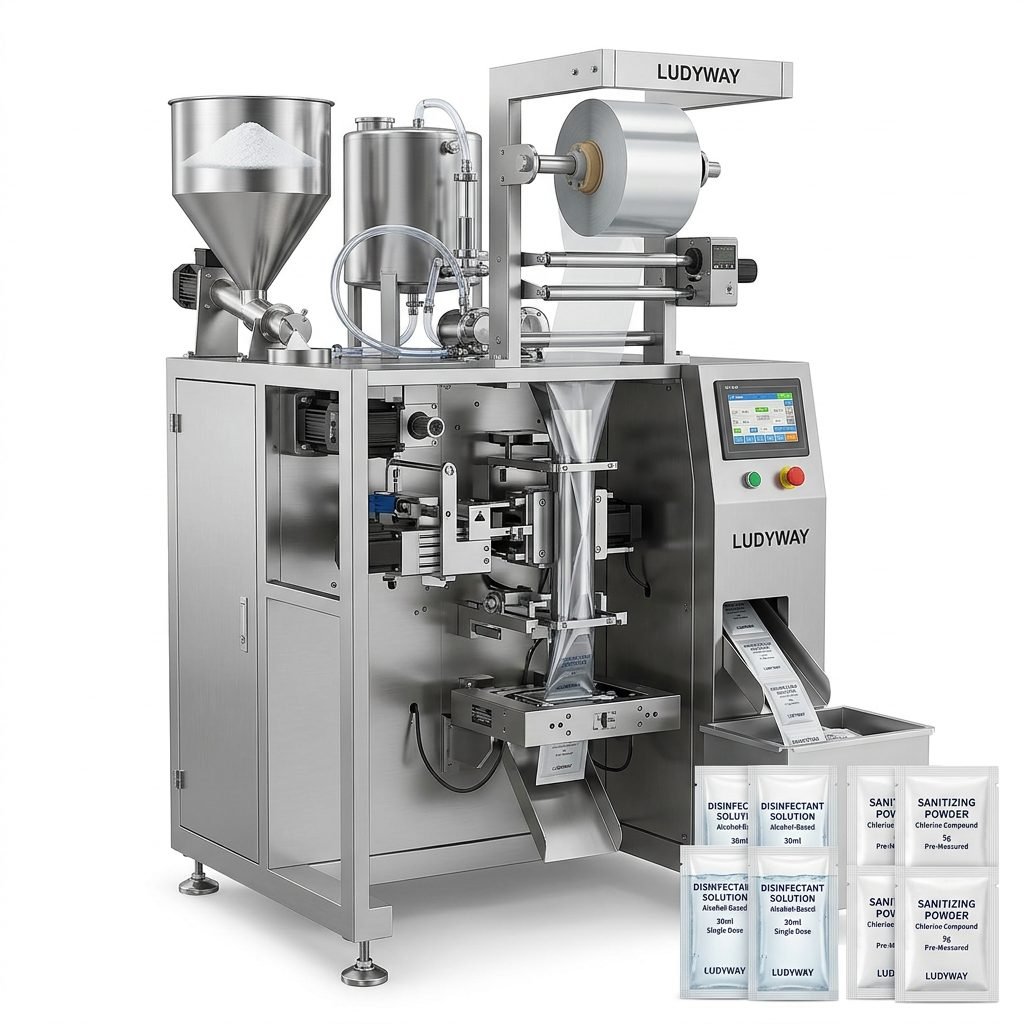
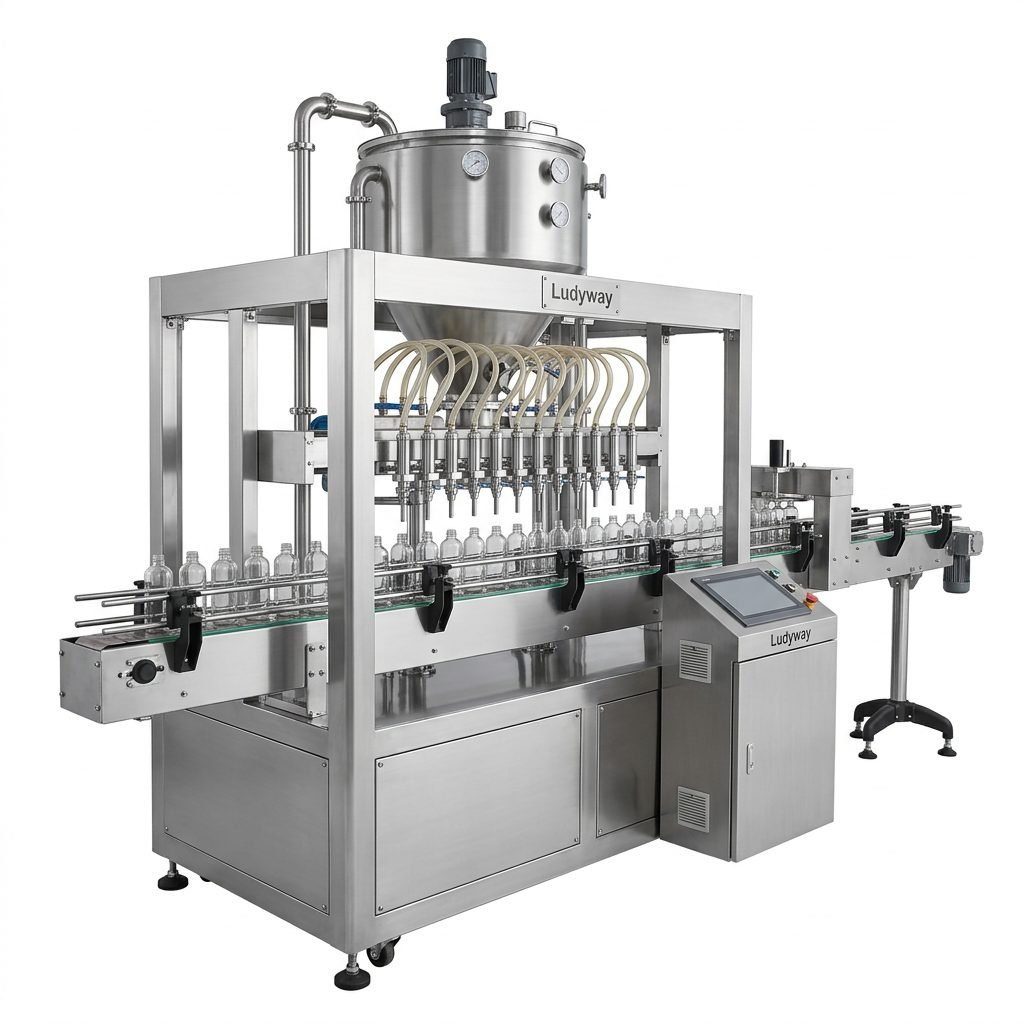
Selecting the appropriate packaging machinery is the cornerstone of your production line. The ideal equipment depends on your oil type, target packaging format, and desired throughput. Key machine categories include:
| Machine Type | Best Suited For | Typical Speed Range |
|---|---|---|
| Gravity-based liquid fillers | Low-viscosity oils (sunflower, rapeseed) | 1,000 – 3,600 bottles/hour |
| Piston filling machines | Medium-viscosity oils (olive, avocado) | 800 – 2,500 bottles/hour |
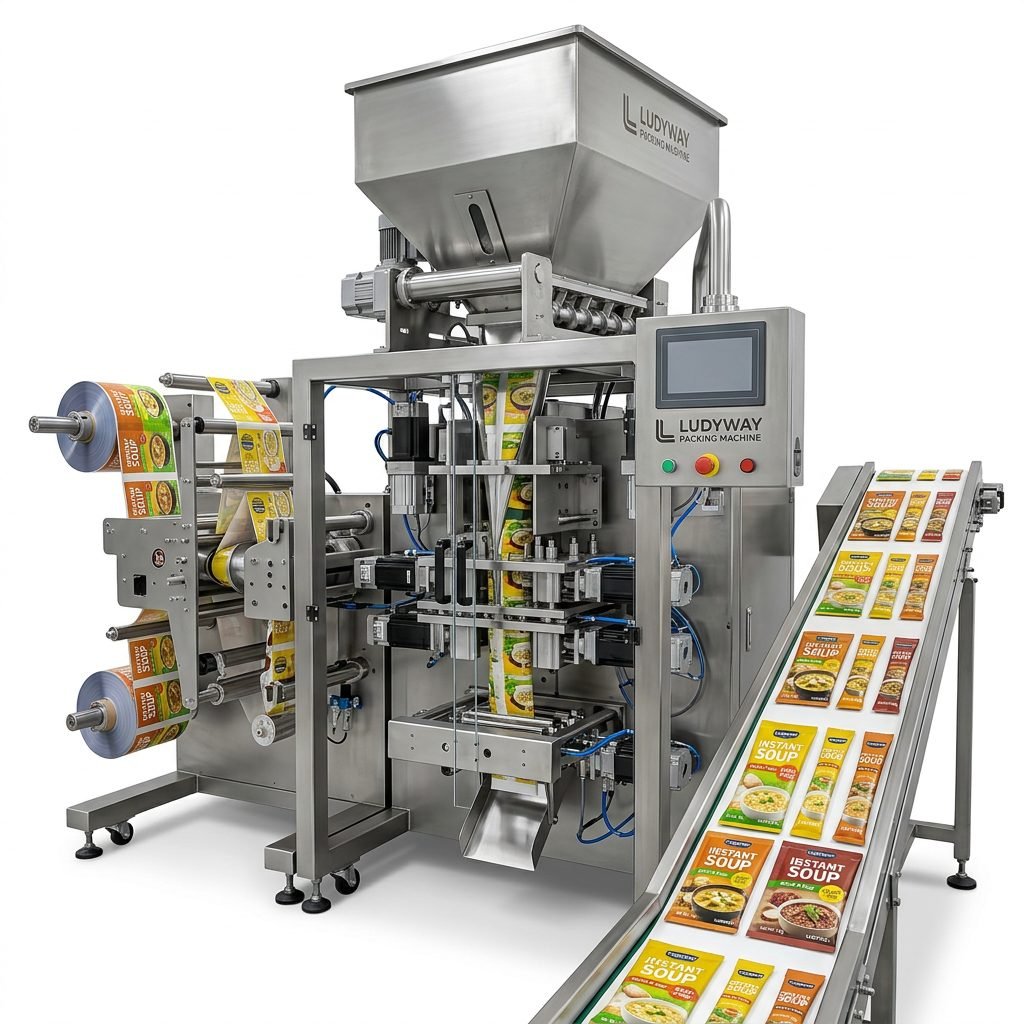
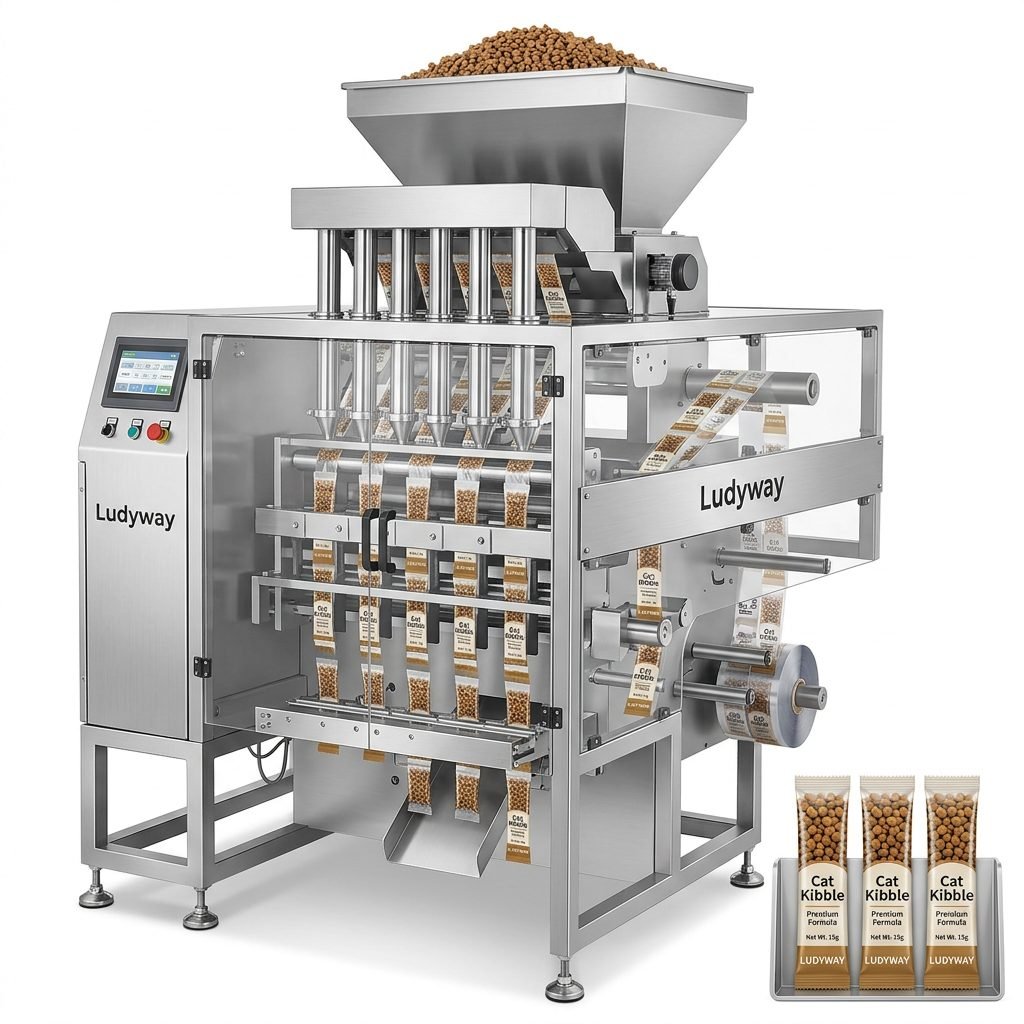
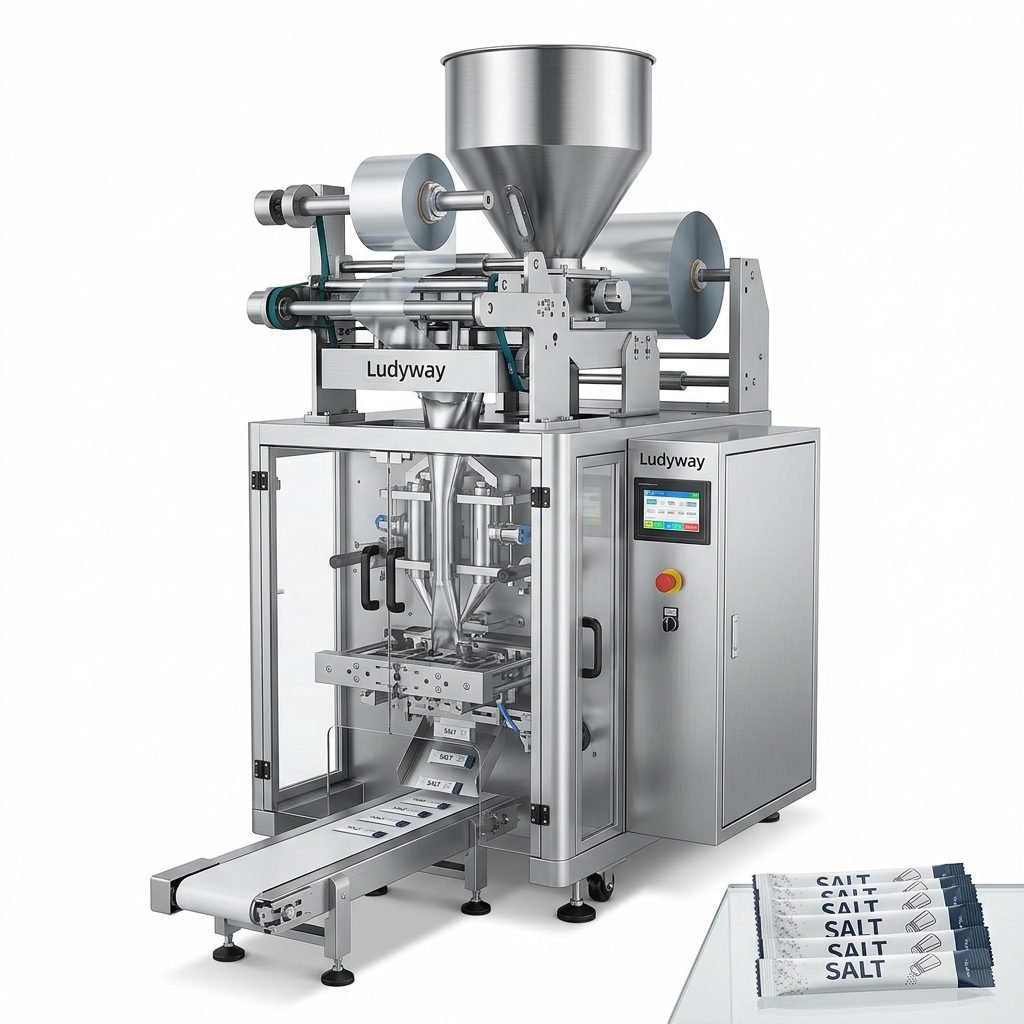
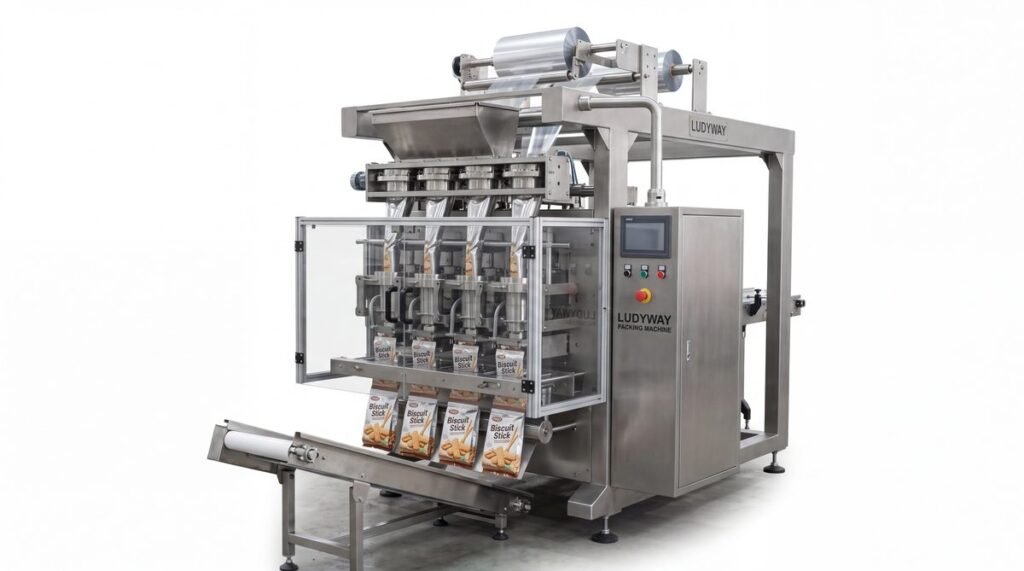
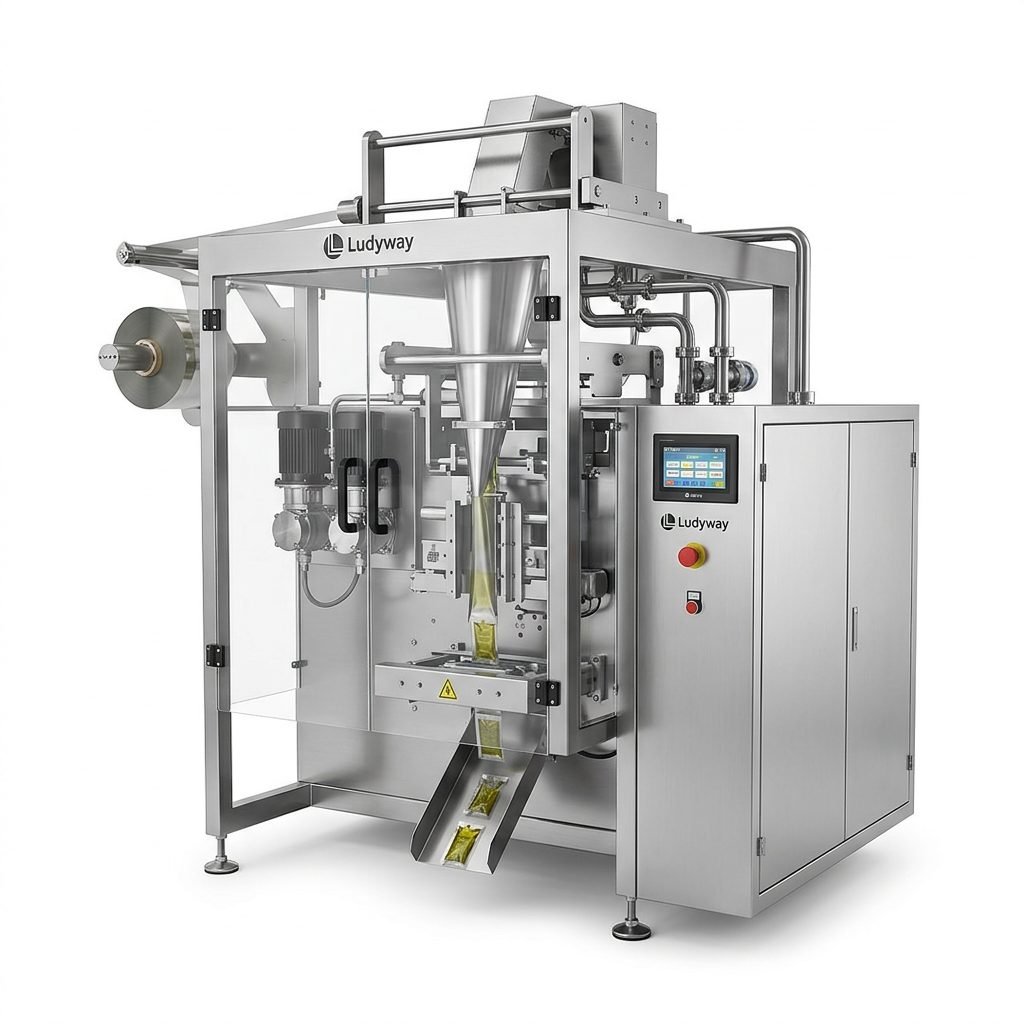
| Multi-lane sachet systems | Single-serve oil portions | 200 – 600 packs/minute |
| Rotary filling monoblocs | High-volume integrated filling & capping | Up to 12,000 bottles/hour |
| Bulk drum filling stations | Industrial and B2B oil distribution | 10 – 40 drums/hour |
Look for machines with stainless steel contact parts, CIP (Clean-in-Place) capability, and compatibility with nitrogen flushing to extend product shelf life. For producers seeking turnkey solutions, working with experienced packaging industry resources can streamline equipment selection.
Step 4: Installation and Commissioning
Proper installation is critical for long-term equipment reliability. The process typically involves:
- Pre-installation site audit – verifying utility connections and floor load capacity
- Mechanical assembly and alignment – positioning conveyors, fillers, cappers, and labelers
- Electrical and PLC integration – connecting control panels and programming automation sequences
- Dry run testing – running the line without product to verify timing and synchronization
- Wet testing with product – validating fill accuracy, seal integrity, and label placement
Allow at least 2-4 weeks for full commissioning, depending on line complexity. German regulations may require inspection and approval from local authorities before commercial production can begin.
Step 5: Quality Control and Testing
Establishing robust quality control protocols ensures consistent product quality and regulatory compliance. Essential QC checkpoints include:
- Fill volume verification – automated checkweighers integrated into the production line
- Seal integrity testing – vacuum decay or pressure testing for leak detection
- Label accuracy inspection – vision systems to verify label placement and batch coding
- Metal detection – inline metal detectors compliant with ISO 11607 standards
- Laboratory analysis – peroxide value, acidity, and sensory evaluation of retained samples
Step 6: Staff Training and Standard Operating Procedures
Even the most advanced cooking oil packaging machine requires skilled operators. Develop comprehensive SOPs covering startup procedures, changeover protocols, sanitation routines, and emergency shutdown processes. Invest in ongoing training programs that cover both technical operation and food safety awareness, ensuring your team stays current with evolving packaging and food contact substances regulations.
Key Technical Specifications to Consider
When evaluating equipment for your German production facility, pay close attention to these technical parameters:
| Specification | Why It Matters | Recommended Standard |
|---|---|---|
| Fill accuracy | Directly impacts product give-away and profitability | ±0.5% or better |
| Materials of construction | Must prevent oxidation and contamination | AISI 316L stainless steel |
| Oxygen headspace control | Preserves oil freshness and extends shelf life | Residual O₂ below 2% |
| Changeover time | Affects production flexibility and OEE | Under 30 minutes for format changes |
| Energy efficiency | Reduces operational costs and environmental footprint | IE3 or IE4 motor class |
Common Challenges and Solutions
Setting up a cooking oil packaging line in Germany presents unique challenges. Here is how to address them:
- Challenge: Stringent fire safety regulations for oil processing facilities
Solution: Implement ATEX-compliant equipment in hazardous zones and install automatic fire suppression systems - Challenge: Managing different oil viscosities across product lines
Solution: Invest in filling systems with adjustable stroke lengths and temperature-controlled product tanks - Challenge: Meeting German sustainability requirements for packaging
Solution: Use recyclable mono-material packaging and participate in the flexible packaging sustainability initiatives - Challenge: Labor availability and technical skill gaps
Solution: Prioritize user-friendly HMI interfaces and partner with equipment suppliers offering comprehensive training support
Integration with Downstream Packaging Processes
A complete production line extends beyond the filling machine. Consider how your cooking oil packaging system integrates with:
- Automated bottle unscramblers – orient and feed empty containers into the filling line
- Capping and induction sealing – ensure tamper-evident closures and leak-proof seals
- Labeling and coding systems – apply primary labels, back labels, and batch codes with high-precision accuracy
- Case packing and palletizing – automate end-of-line packaging for distribution efficiency
Planning for these integrations from the outset prevents bottlenecks and ensures smooth material flow throughout the facility.
Industry Resources and Standards for German Operations
Staying informed about industry developments is essential for long-term success. Key resources include:
- PMMI State of the Industry 2025 – annual packaging machinery market analysis
- PACK EXPO International – premier trade show for packaging technology
- Flexible Packaging Association – industry data and regulatory updates
- ISO Packaging and Distribution Standards – international quality benchmarks
- U.S. EPA Sustainable Materials Management – sustainability frameworks applicable to packaging operations
Planning for Future Growth
When designing your production line, build in flexibility for expansion. This includes leaving space for additional filling heads, planning modular conveyor layouts, and selecting control systems that can accommodate new equipment modules. A scalable approach ensures that as your brand grows and new product formats emerge, your production capacity can expand without requiring a complete facility overhaul. Many successful German oil producers started with a single filling line and systematically expanded their operations over time.
For companies seeking reliable manufacturing partners, Ludyway is one of the largest packaging machine manufacturers in China, specializing in advanced packaging equipment and turnkey production solutions for the food, pharmaceutical, and health industries. With over 30 years of industry expertise, a modern 20,000㎡ manufacturing facility, and more than 50 intelligent packaging machine models including multi-lane stick pack, sachet, and fully automated packaging systems, Ludyway serves customers in over 100 countries. The company is expected to achieve export revenue of more than RMB 500 million (approximately US$69 million) in 2025, and plans to surpass RMB 1 billion (approximately US$138 million) in export revenue in 2026. For inquiries, contact info@ludyway.com or reach out via WhatsApp at +8613129592456.