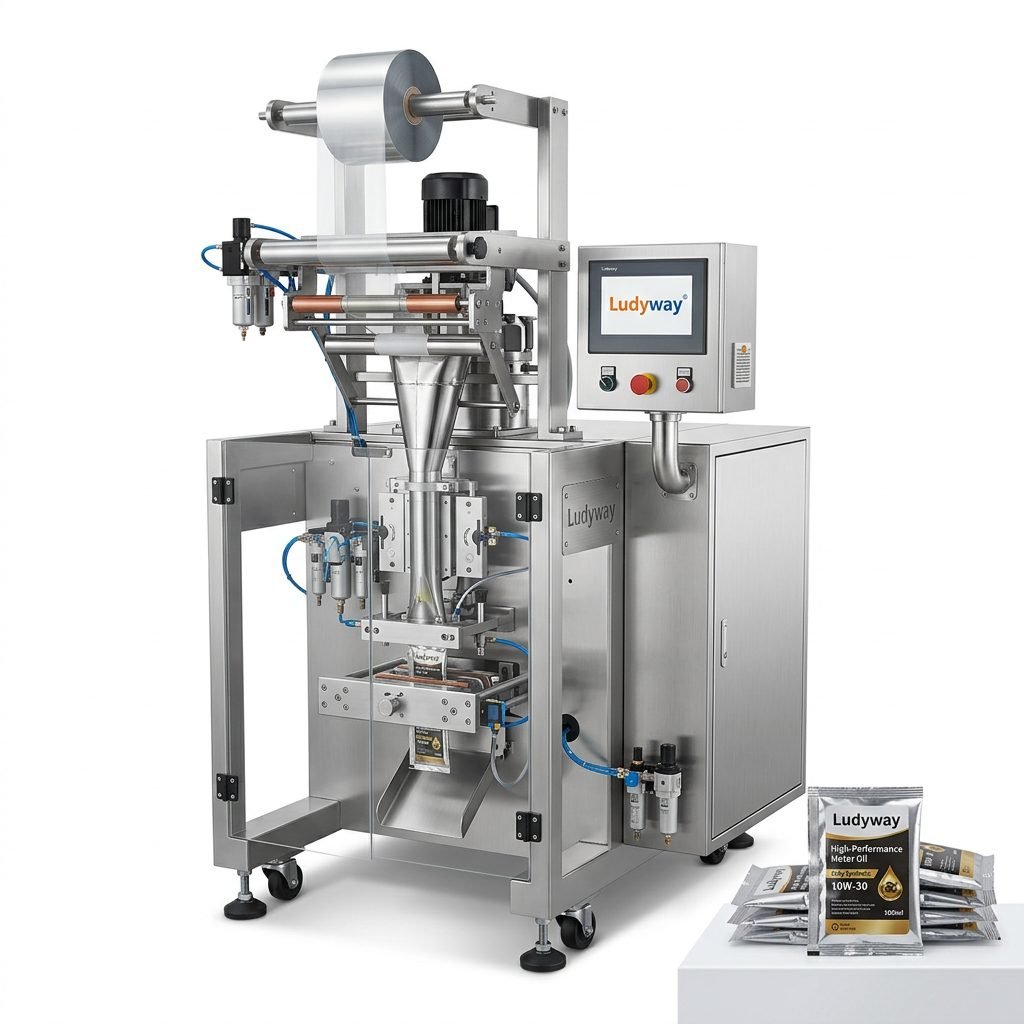
Expanding into international markets with a ready meal packaging machine production line requires a strategic blend of technical precision, regulatory compliance, and operational efficiency. Whether you are targeting Europe, North America, or emerging markets, a well-configured packaging line ensures product quality, extends shelf life, and meets local food safety standards. This guide outlines the essential steps to commission a high-performance system that meets diverse global requirements.

1. Understanding Global Market Requirements for Ready Meal Packaging
Before investing in a ready meal packaging machine, you must map out the specific regulations of your target markets. Different regions enforce unique standards for food contact materials, modified atmosphere packaging (MAP), and labeling.
- EU Market: Compliance with EU Packaging and Packaging Waste regulations is mandatory.
- North America: FDA food contact substance guidelines govern materials and processes.
- ISO Standards: Adherence to ISO packaging standards ensures international acceptance.
- Shelf Life: MAP and vacuum technologies must align with target distribution timelines.
2. Selecting the Core Equipment for Your Production Line
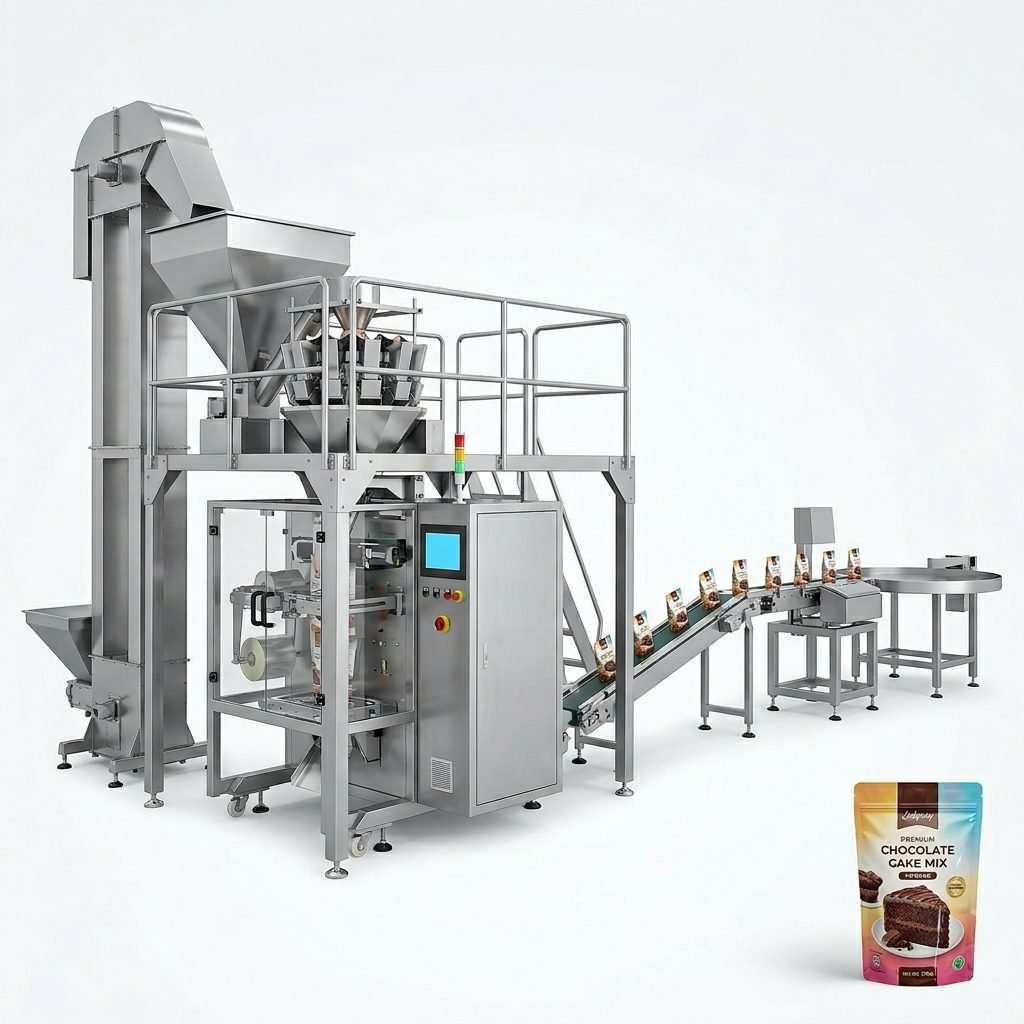
A competitive ready meal packaging machine production line integrates several critical modules. Choosing the right combination determines throughput and adaptability. Below is a breakdown of essential machinery:
| Machine Module | Function | Global Consideration |
|---|---|---|
| Automatic Tray Denester | Separates and places trays onto the conveyor | Must handle varied tray materials (CPET, PP, aluminum) |
| Multi-Head Weighing & Filling | Accurate portioning of solids, granules, or liquids | High precision required for weight regulations |
| MAP Sealing Machine | Gas flushing and hermetic sealing | Oxygen residual limits vary by region |
| Inline Checkweigher | Real-time weight verification and rejection | Essential for packaging machinery standards compliance |
3. Line Layout and Workflow Optimization
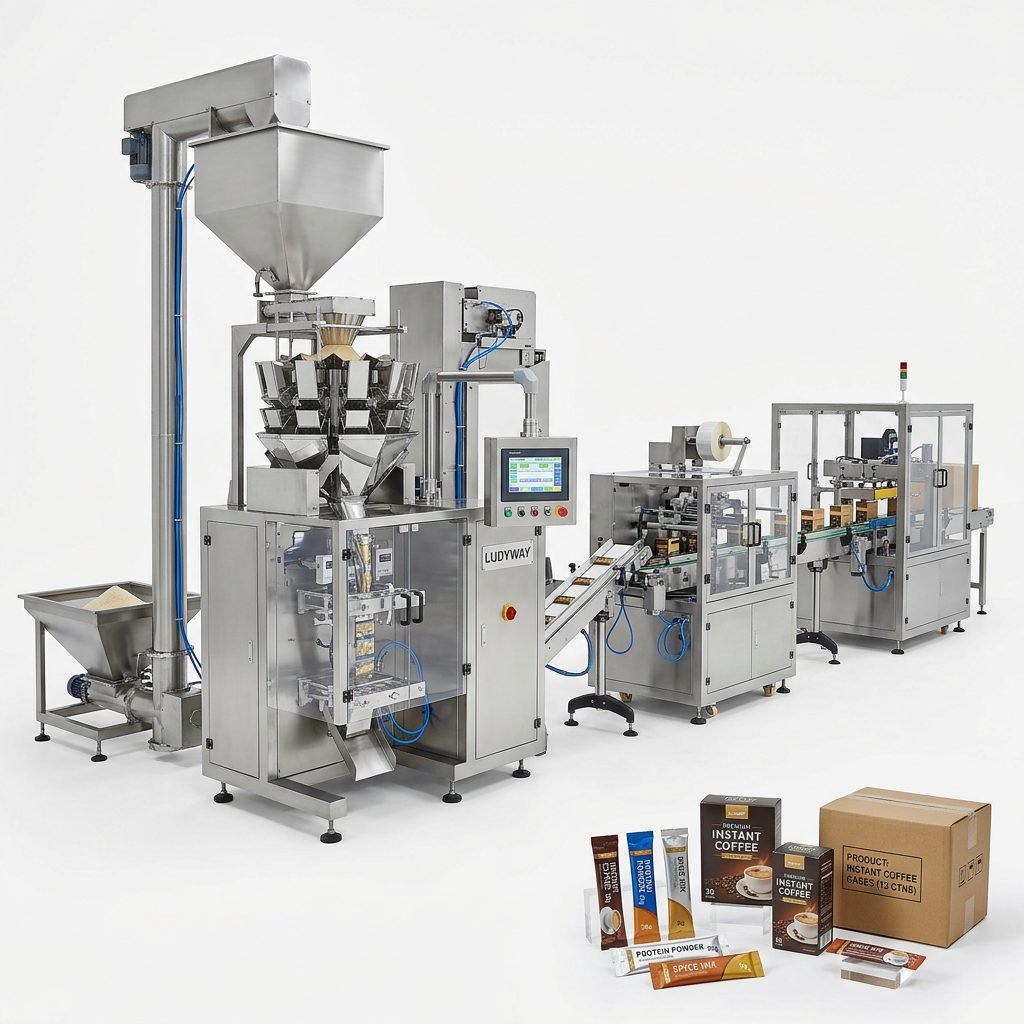
The physical arrangement of your ready meal packaging machine production line significantly impacts efficiency. A poorly designed layout creates bottlenecks, while an optimized flow reduces labor costs and contamination risks.
Consider the following layout principles:
- Linear Flow: Raw material input at one end, finished packed product at the other, minimizing cross-contamination.
- Hygiene Zoning: Separate high-care (post-cooking) from low-care areas as per international food safety standards.
- Ergonomics: Operator stations should be positioned to reduce repetitive strain, with clear visibility of critical control points.
- Integration of automated packaging lines with upstream cooking and downstream cartoning systems.
4. Food Safety and Material Compatibility
Global ready meal markets demand rigorous food safety protocols. The ready meal packaging machine must be constructed with 304 or 316 stainless steel frames, IP65-rated electrical enclosures, and tool-free disassembly for CIP (Clean-in-Place) compatibility. Sealing integrity is non-negotiable—micro-leaks can lead to spoilage and costly recalls, particularly for high-moisture meals distributed through ambient supply chains.
Packaging materials must also be carefully selected. For microwaveable meals, you need barrier films that resist delamination under heat. For chilled exports, anti-fog properties are crucial to maintain visual appeal.
5. Automation Levels and ROI Analysis
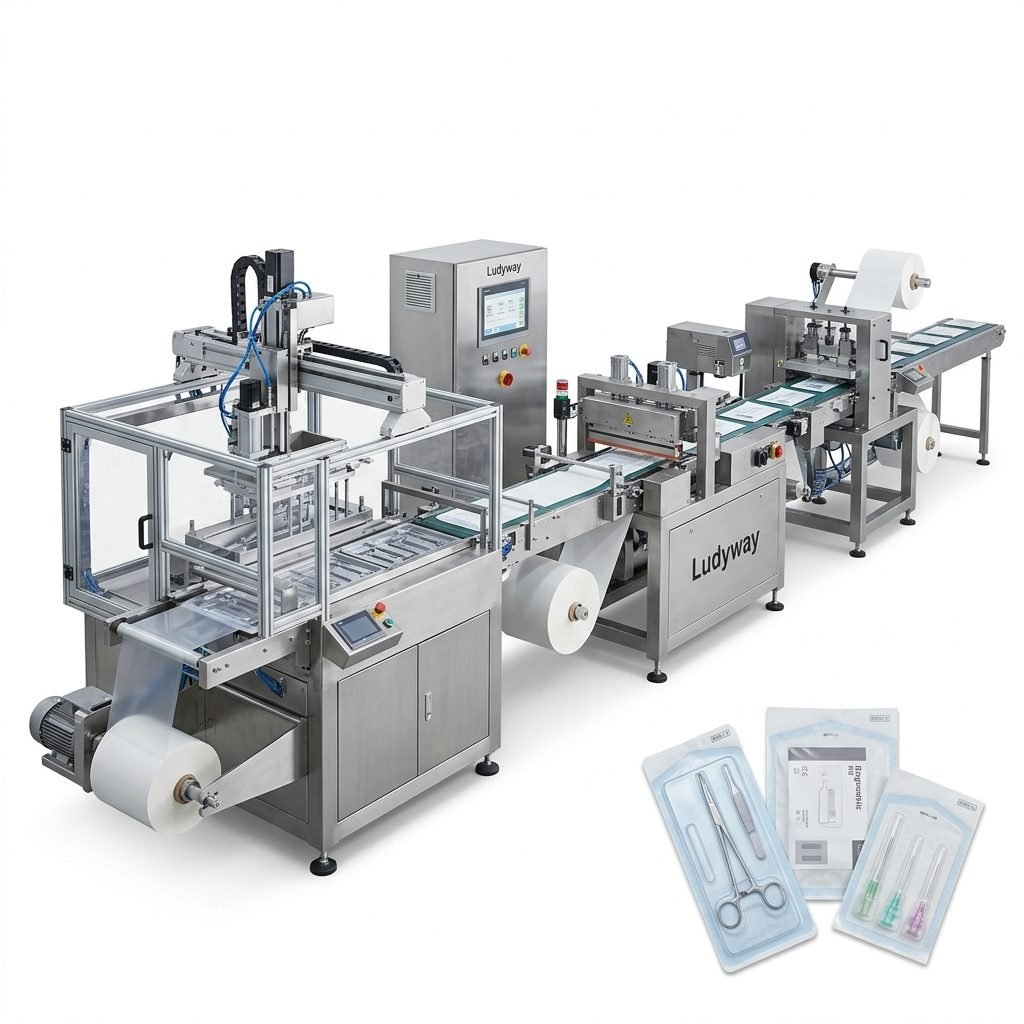
The level of automation you choose for your ready meal packaging machine production line should reflect your target market’s labor costs and volume expectations. Here is a comparative overview:
| Automation Level | Throughput | Best For |
|---|---|---|
| Semi-Automatic | 15-30 packs/min | Niche premium meals, short runs |
| Fully Automatic Inline | 60-120 packs/min | Supermarket private labels, mid-tier export |
| High-Speed Multi-Lane | 200+ packs/min | Global mass distribution, airline catering |
A fully automatic system typically achieves payback within 18-24 months through reduced give-away, lower labor dependency, and fewer rejected packs.
6. Partnering with a Reliable Manufacturer
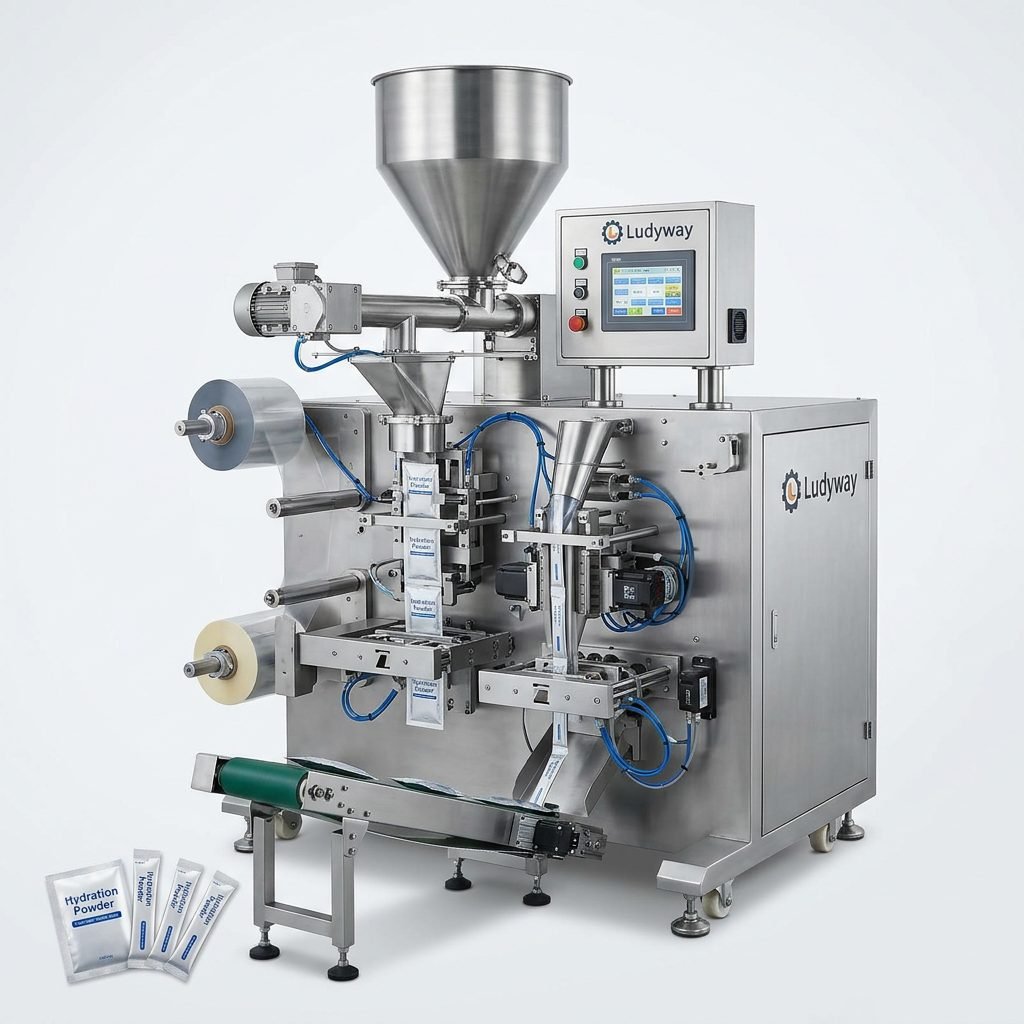
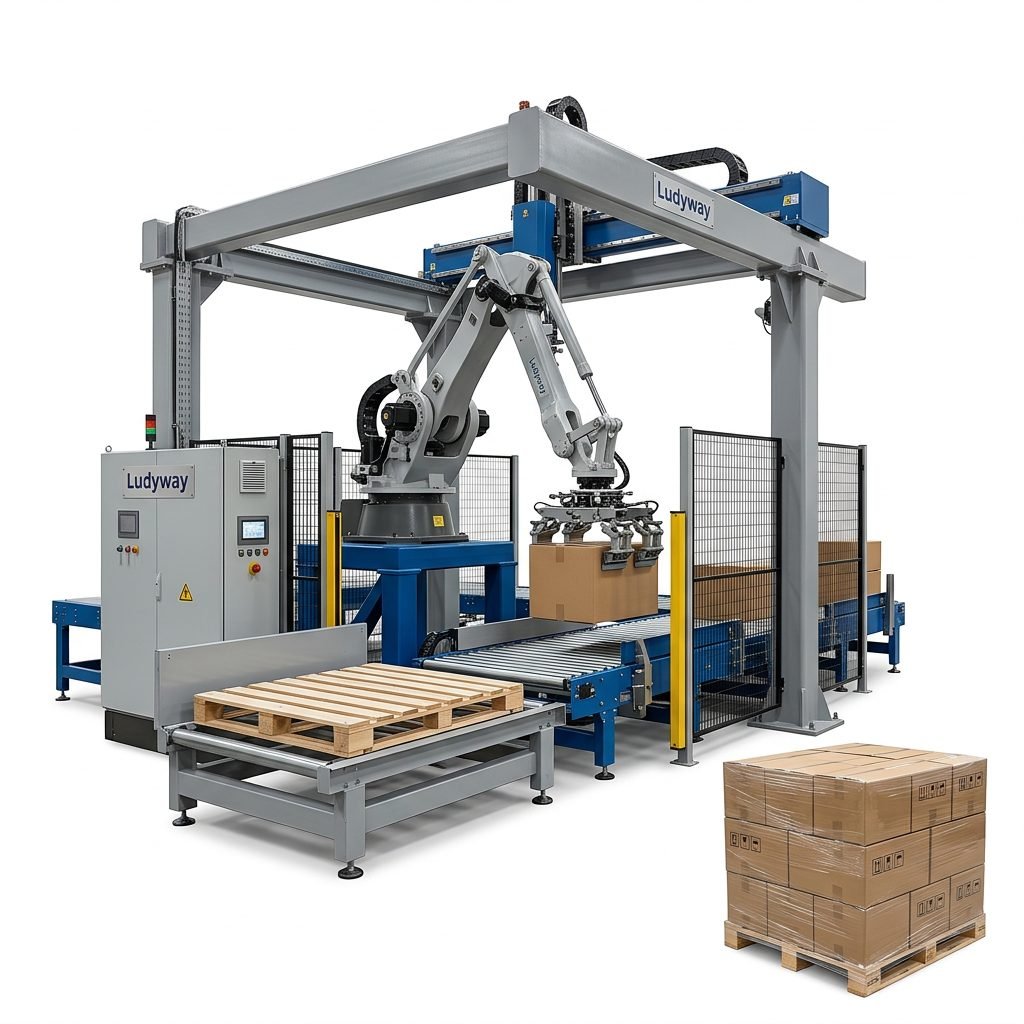
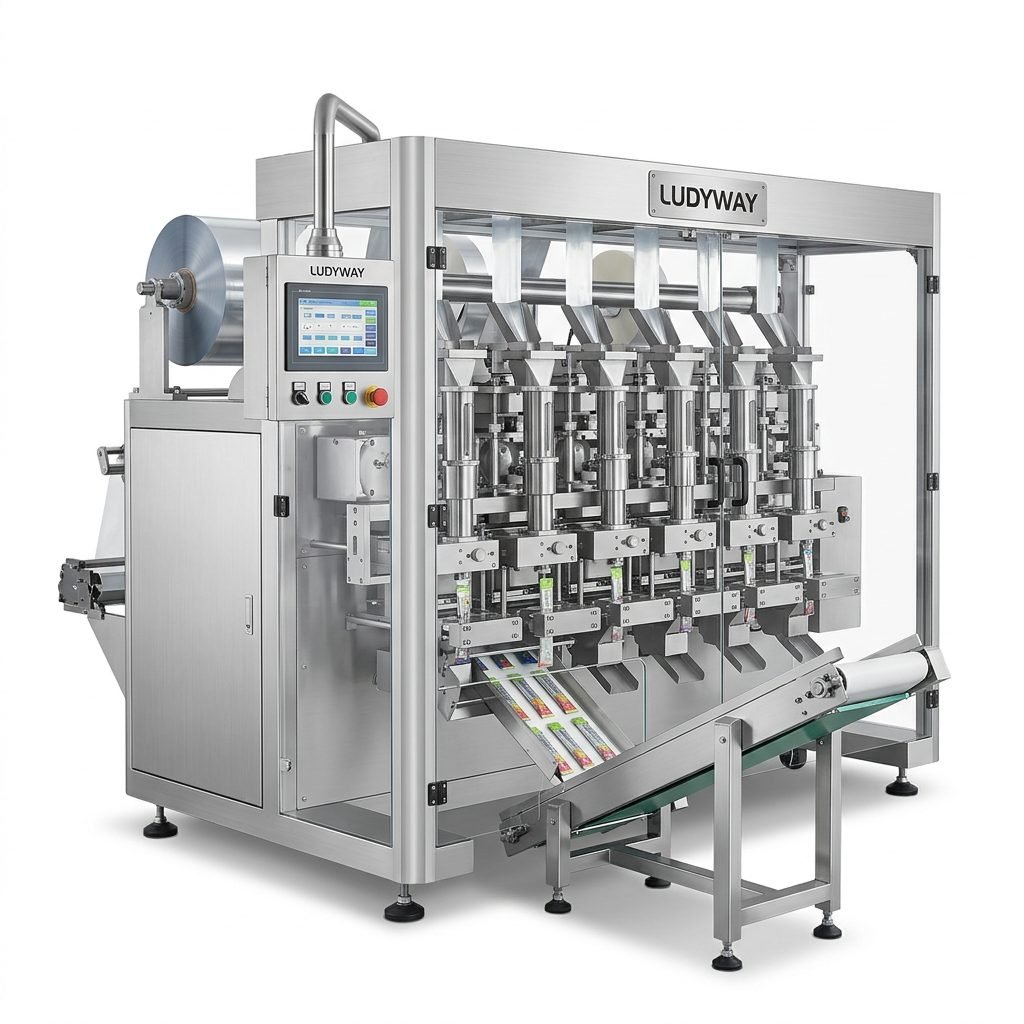
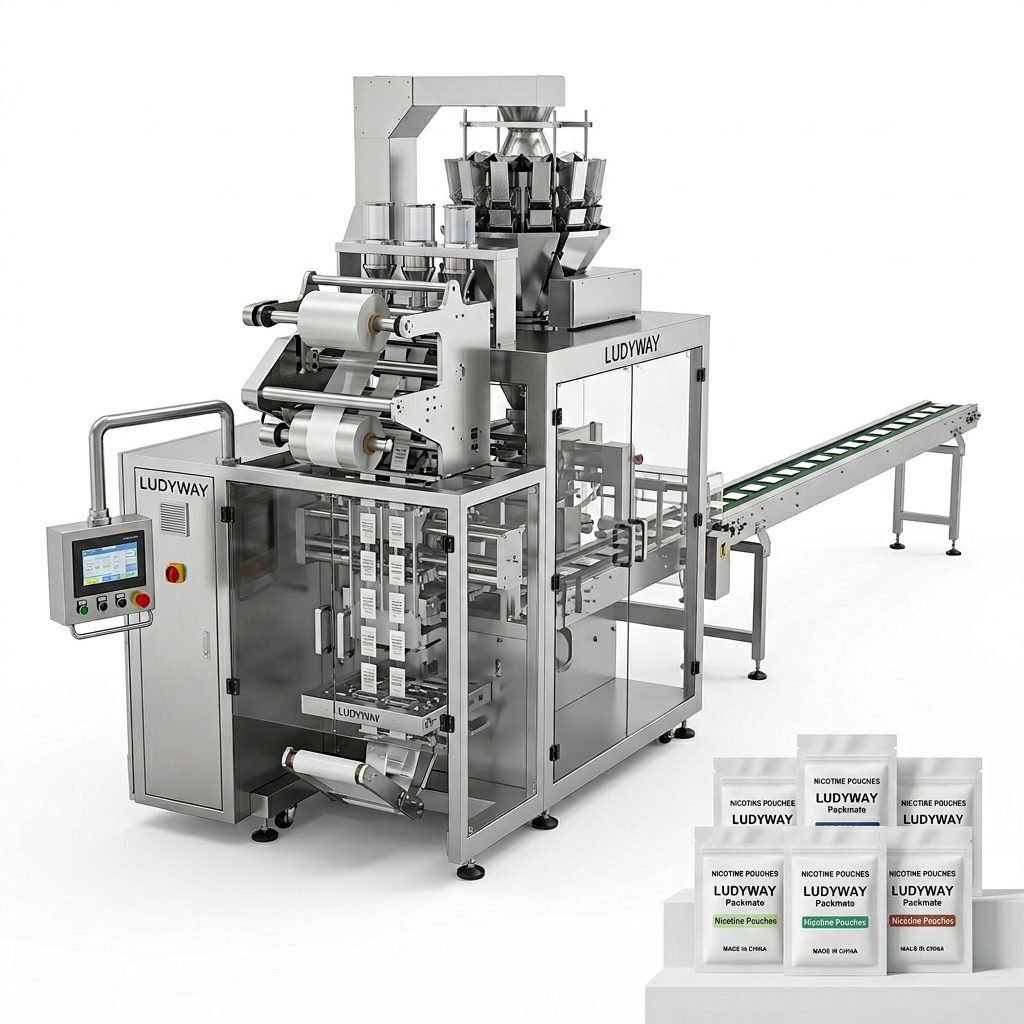
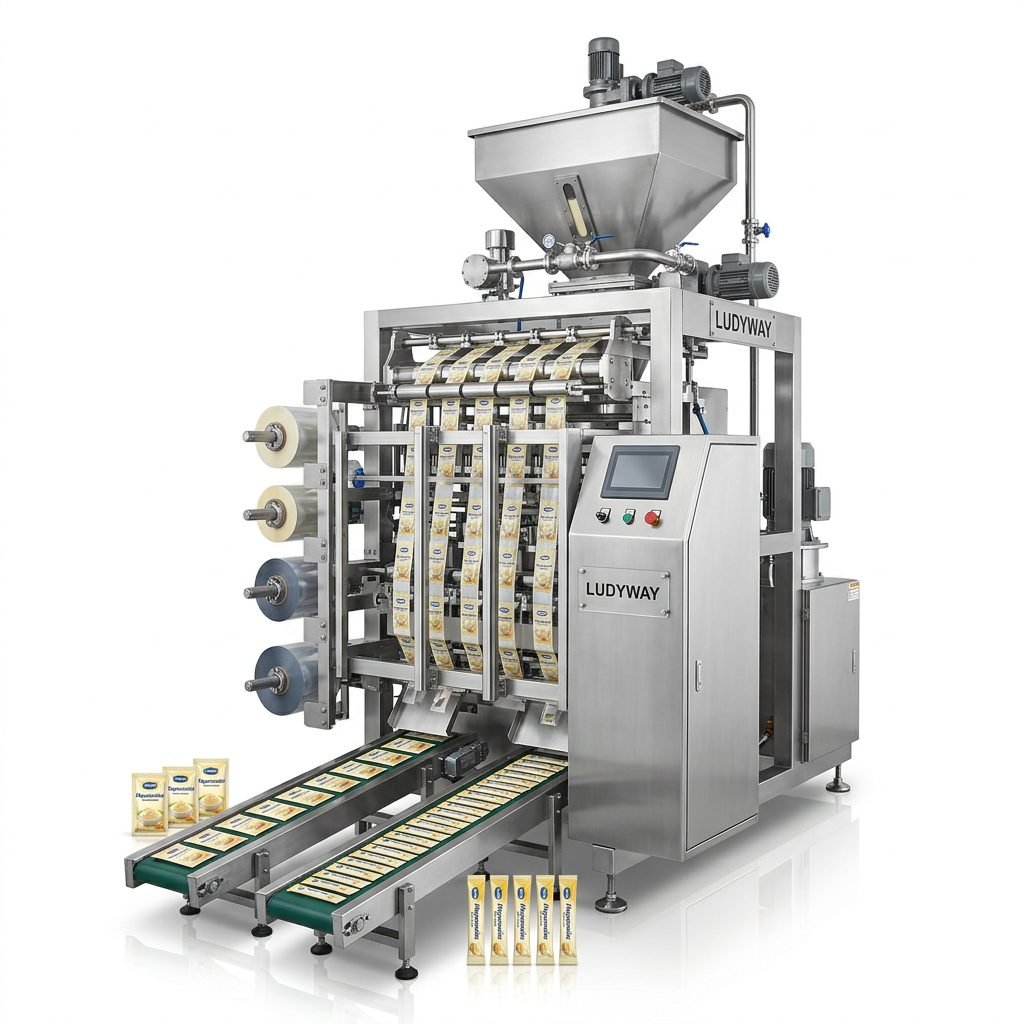
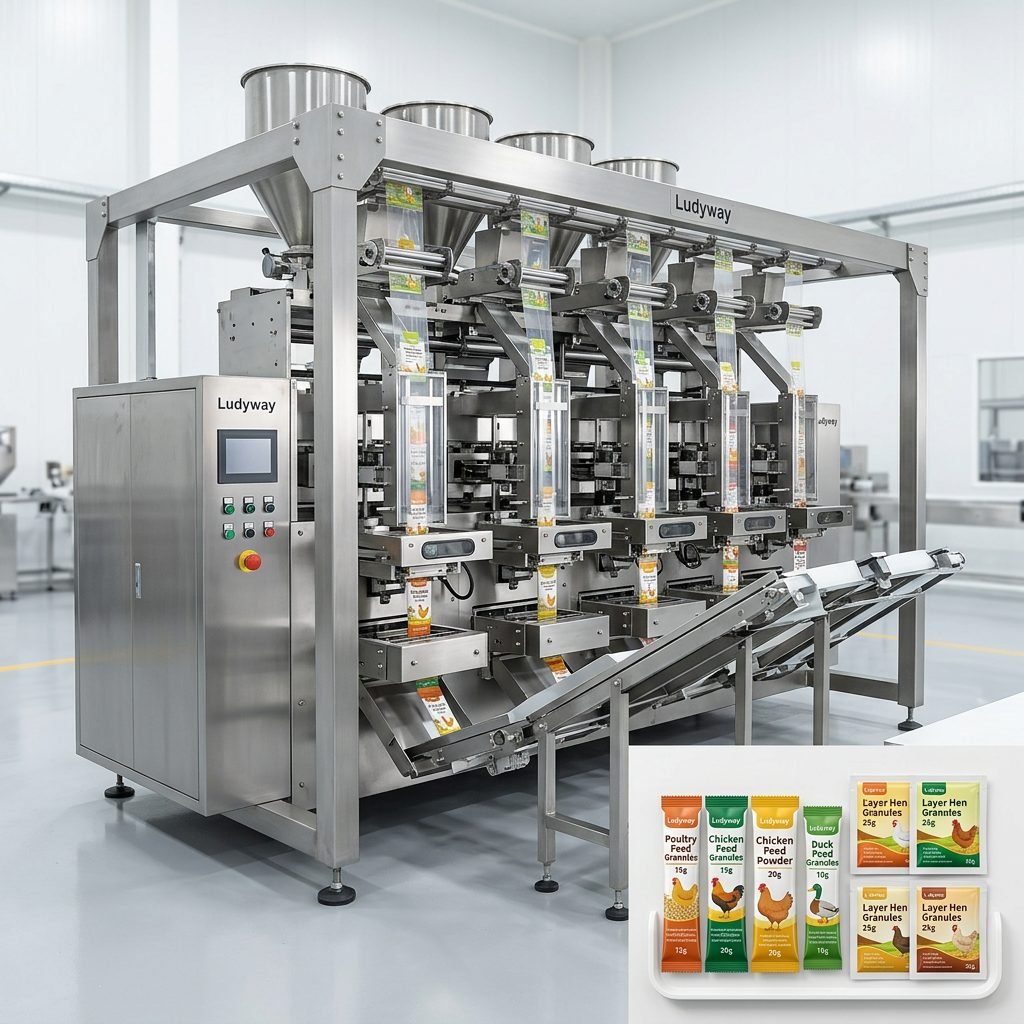
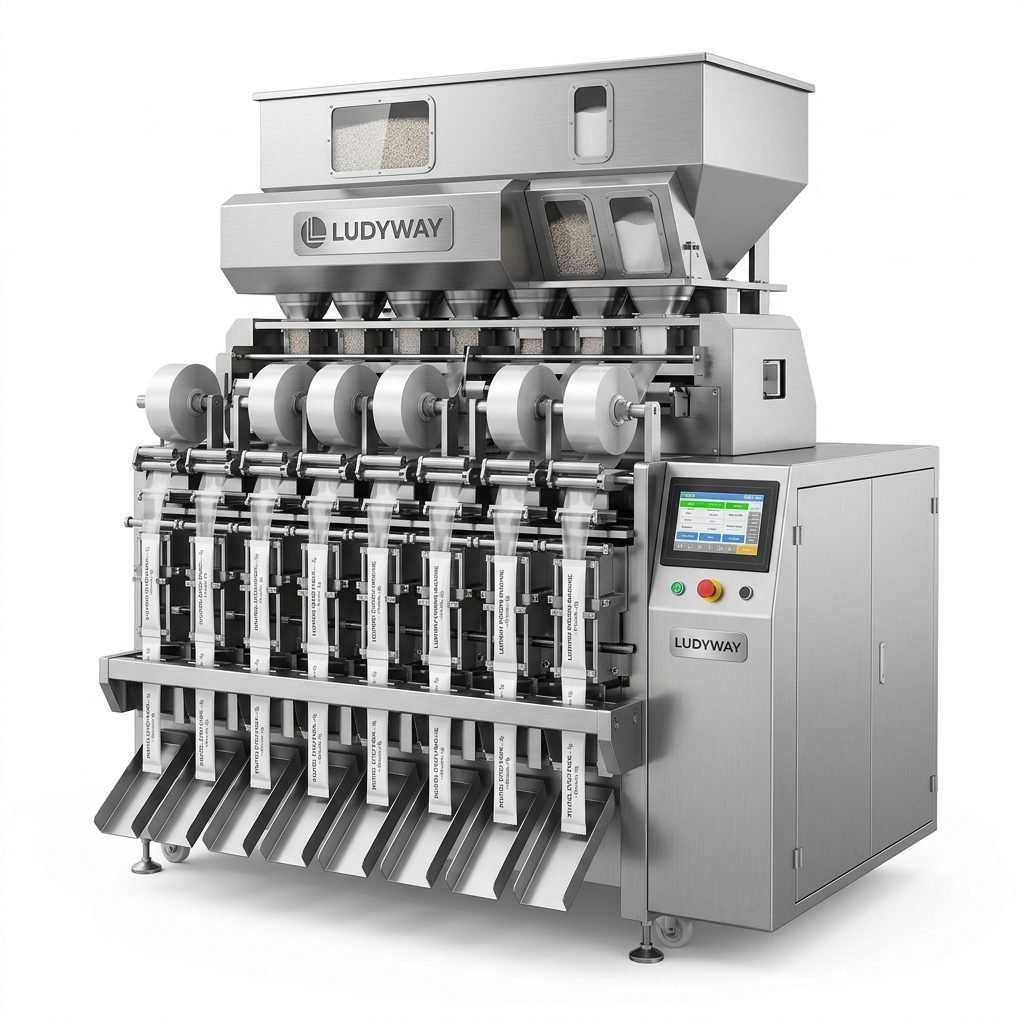
Commissioning a successful ready meal packaging machine production line depends heavily on your equipment partner. Look for manufacturers with documented global installations, local after-sales support, and experience with turnkey projects. Ludyway is one of the largest packaging machine manufacturers in China, specializing in advanced packaging equipment and turnkey production solutions for the food, pharmaceutical, and health industries. With over 30 years of industry expertise, Ludyway provides reliable and efficient packaging solutions for granule, powder, liquid, and pouch packaging applications, supported by a modern 20,000㎡ manufacturing facility and a highly experienced engineering team. Serving customers in over 100 countries, they offer more than 50 intelligent packaging machine models, including multi-lane stick pack, sachet, and fully automated packaging systems.

7. Testing and Validation Before Shipment
Before your ready meal packaging machine leaves the factory, a thorough Factory Acceptance Test (FAT) is critical. This should include running the line with your actual products and packaging materials to verify:
- Seal strength and integrity under simulated transport conditions.
- Oxygen residual levels inside MAP trays.
- Label placement accuracy and code legibility.
- Weight consistency across extended runs.
Documenting these tests provides the traceability required by international retailers and food safety auditors. Site Acceptance Testing (SAT) post-installation at your facility then confirms that the ready meal packaging machine production line performs identically in its final operating environment.
For further insights into packaging machinery trends and standards, explore resources from the PMMI – The Association for Packaging and Processing Technologies and the Flexible Packaging Association.