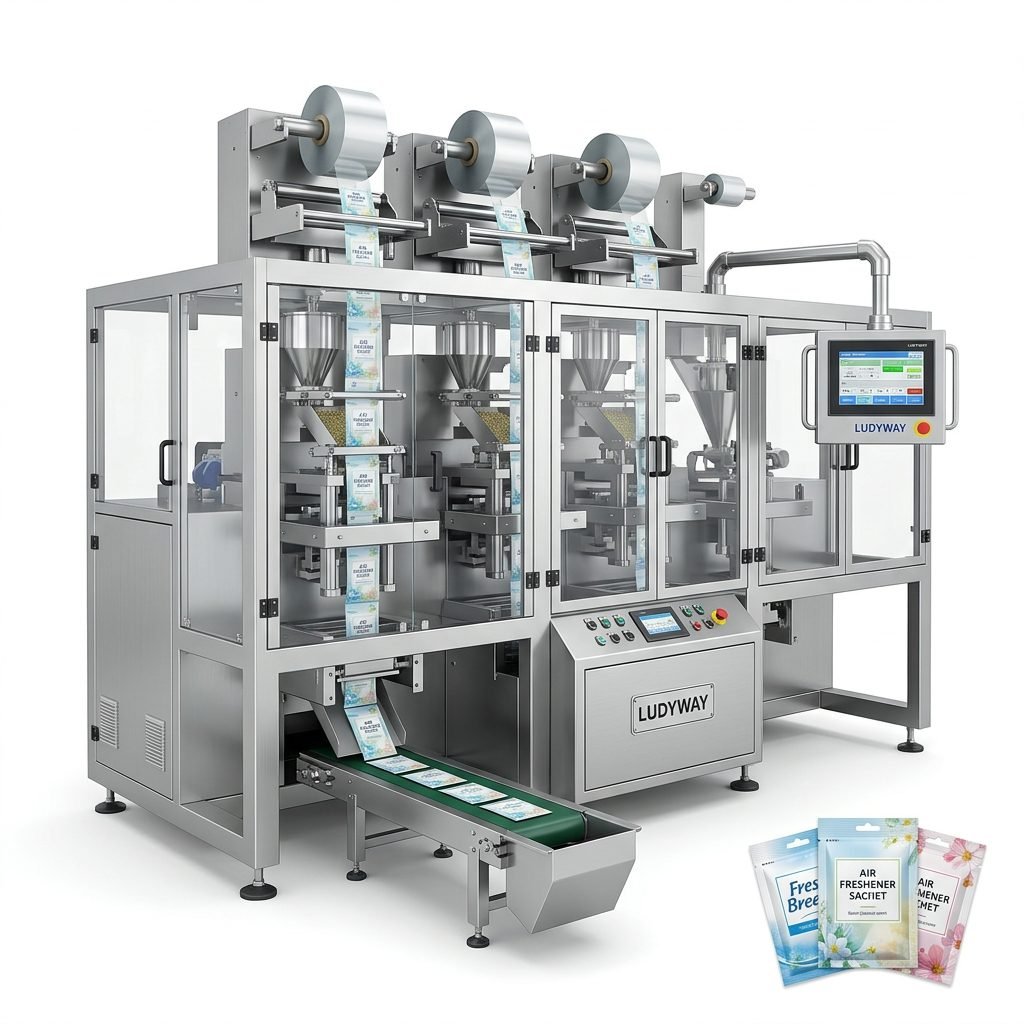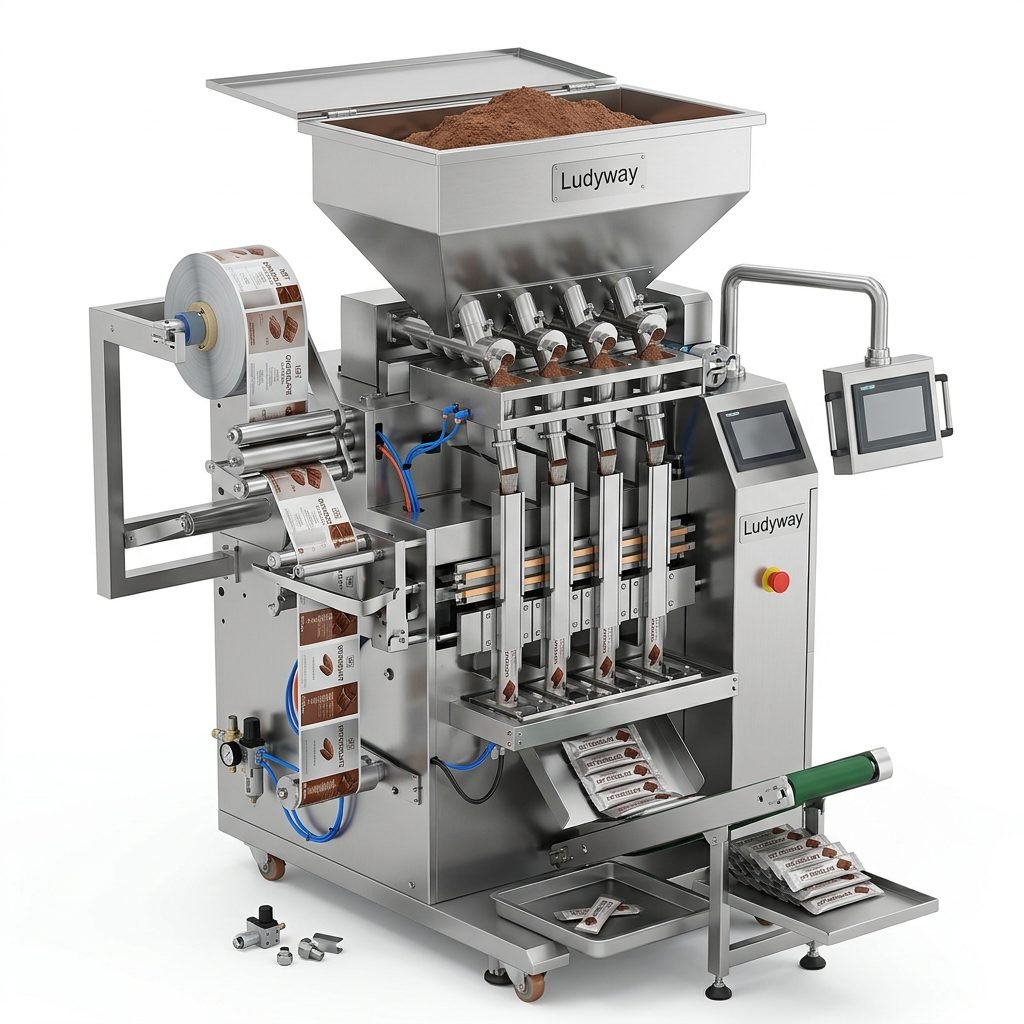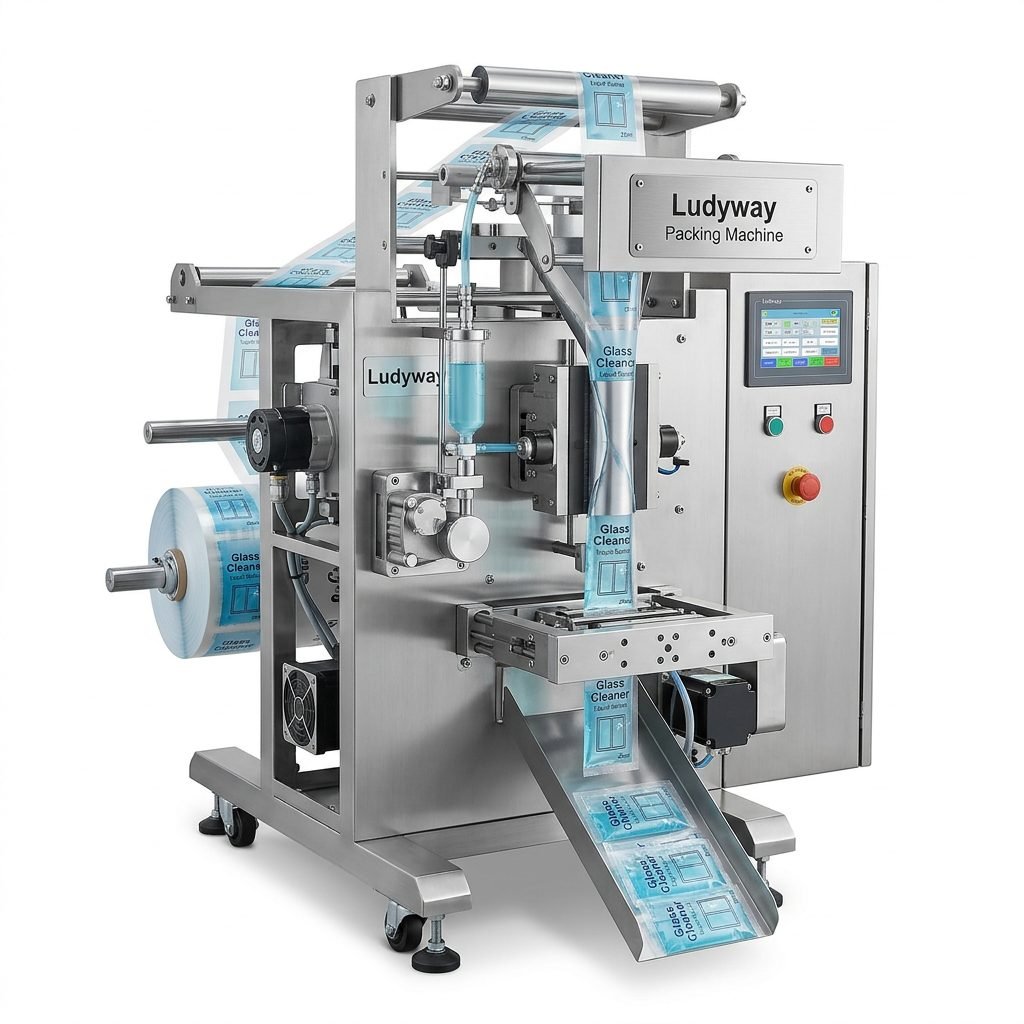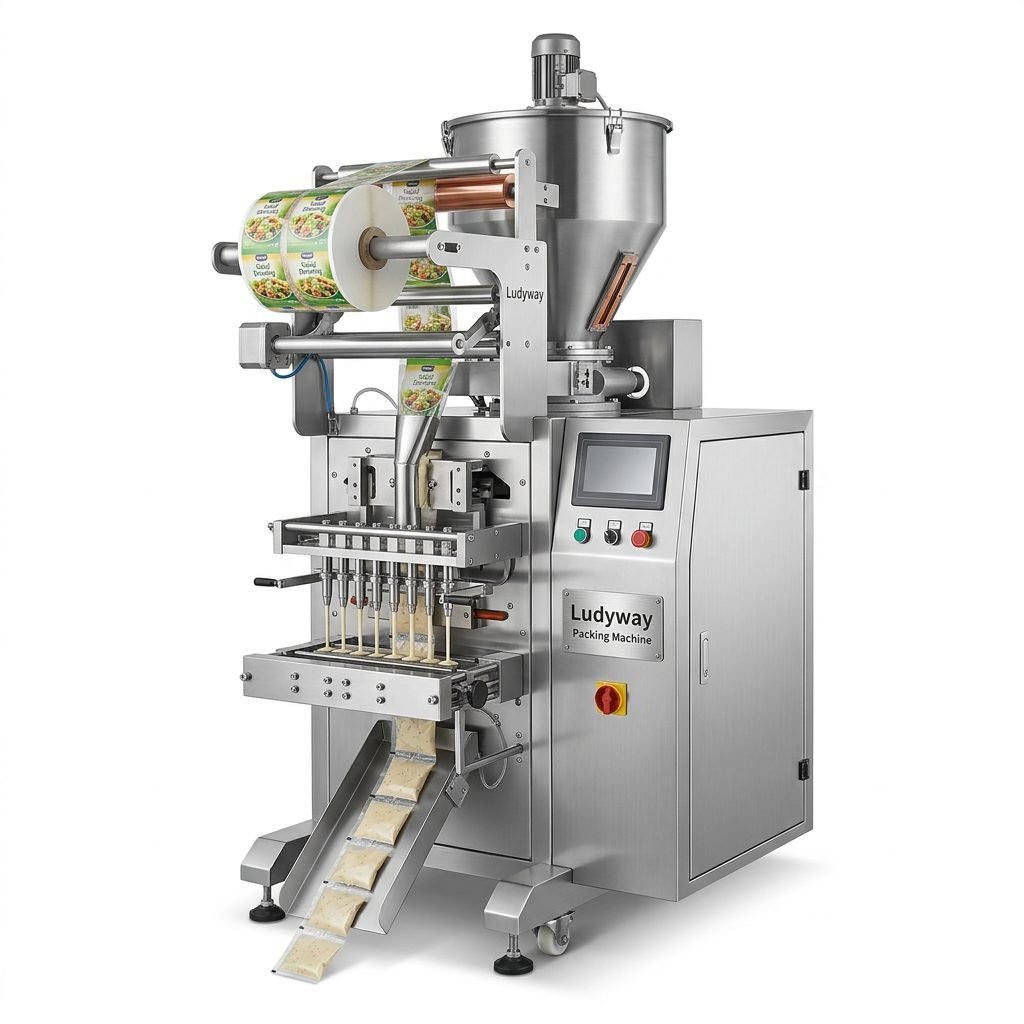
Investing in a chub packaging machine is a critical decision for food processors, pet food manufacturers, and meat packaging operations. A chub pack — that familiar cylindrical, clip-sealed package — offers significant advantages in material efficiency, product protection, and shelf appeal. However, selecting the wrong equipment can lead to costly downtime, inconsistent seal quality, and lost production capacity. This comprehensive buying guide walks you through everything you need to know to choose the right chub packaging machine and a reliable global supplier.
What Is a Chub Packaging Machine?
A chub packaging machine is a specialized form-fill-seal system that produces cylindrical, tube-shaped packages sealed with metal clips at both ends. Unlike traditional pouch or tray packaging, chub packs are formed from a continuous roll of barrier film, filled with product, and then clipped shut — all in one automated sequence. Common applications include:
- Fresh and frozen sausages — ground meat, chorizo, breakfast sausage
- Pet food — fresh, frozen, and raw diet formulations
- Dairy products — cheese, butter, cream cheese
- Frozen dough — cookie dough, bread dough, pastry fillings
- Industrial products — sealants, adhesives, greases
Key Factors to Consider When Buying a Chub Packaging Machine
Before contacting suppliers, you need to define your production requirements clearly. The following factors will directly impact machine selection, total cost of ownership, and long-term operational efficiency.
1. Production Speed and Output Capacity
Chub packaging machines range from semi-automatic models producing 10-20 packs per minute to fully automated high-speed lines exceeding 100 packs per minute. Your required throughput should align with both current demand and future growth projections. Under-sizing leads to bottlenecks; over-sizing wastes capital. Ask suppliers for documented speed ratings with your specific product type and package size.
2. Package Size Range and Changeover Flexibility
Consider the diameter range (typically 30mm to 120mm) and length range (typically 100mm to 600mm) you need. If you produce multiple SKUs, evaluate changeover time between sizes. Modern machines with servo-driven adjustments and recipe memory can complete changeovers in under 15 minutes, while older mechanical systems may require an hour or more. This difference significantly impacts overall equipment effectiveness (OEE) in multi-product facilities.
3. Film Material Compatibility
Chub packaging films vary widely — from single-layer polyethylene for basic applications to multi-layer barrier laminates with EVOH or nylon for oxygen-sensitive products. Verify that the machine’s sealing system (heat seal, impulse seal, or ultrasonic) is compatible with your film structure. According to FDA food packaging regulations, all food contact materials must meet specific safety standards — a critical consideration for meat and dairy applications.
4. Hygiene and Sanitary Design
For food and pet food applications, hygienic design is non-negotiable. Look for stainless steel construction, sloped surfaces for drainage, IP65 or higher wash-down ratings, and tool-free disassembly for sanitation. Machines designed to ISO packaging standards and 3-A sanitary standards provide assurance of proper hygienic engineering. If you operate in the EU, verify compliance with relevant European packaging regulations.
5. Automation Level and Labor Requirements
Chub packaging machines span a wide automation spectrum. Evaluate your labor costs and availability when deciding between:
- Manual loading systems — operator places product into infeed, lower initial cost but higher labor
- Semi-automatic systems — automated filling with manual supervision
- Fully automatic inline systems — integrated with upstream processing equipment, minimal operator intervention

6. Clip and Seal Integrity
The metal clip closure is the defining feature of chub packaging. Clip quality directly affects product shelf life and leak prevention. Evaluate the clipping mechanism for consistent tension control, clip material options (aluminum, coated steel), and double-clip capability for higher security. Some advanced machines include inline clip inspection systems that automatically reject improperly sealed packages, a valuable feature for high-speed operations.
Types of Chub Packaging Machines: A Comparison
| Machine Type | Speed Range | Best For | Typical Investment |
|---|---|---|---|
| Manual/Semi-Auto Tabletop | 5-15 ppm | Startups, small batches, R&D | $15,000 – $40,000 |
| Mid-Range Automatic | 20-60 ppm | Medium production, regional brands | $60,000 – $150,000 |
| High-Speed Fully Automatic | 60-120+ ppm | Large-scale production, co-packers | $180,000 – $500,000+ |
| Turnkey Integrated Line | Custom configured | Full automation with upstream/downstream | $300,000 – $1,500,000+ |
How to Evaluate and Select a Global Supplier
Choosing the right machine is only half the equation; selecting a reliable global supplier is equally important. International equipment purchases involve logistical complexity, installation support, and long-term service requirements. Here are the key evaluation criteria:
Manufacturing Experience and Industry Focus
Prioritize suppliers with demonstrated experience in chub packaging specifically — not just general packaging machinery. A manufacturer with 20+ years focused on chub and tube packaging will have refined their engineering, identified common failure points, and optimized their designs. Review their project portfolio and ask for references from customers producing products similar to yours. Industry associations like PMMI (The Association for Packaging and Processing Technologies) provide valuable resources and market intelligence for evaluating suppliers. The Flexible Packaging Association also offers industry data and regulatory guidance relevant to chub film and packaging technology.
Certifications and Compliance
For international buyers, certifications are essential proof of quality and safety commitment. Key certifications to look for include:
- CE Marking — required for equipment sold in the European Economic Area
- ISO 9001 — quality management system certification
- UL/CSA Certification — electrical safety for North American markets
- 3-A Sanitary Standards — critical for food-grade chub packaging equipment
Global Installation Base and Service Network
A supplier with an established global presence reduces your risk. Ask about the number of installations in your region, availability of local service technicians, and remote diagnostic capabilities. Leading global packaging manufacturers like Ludyway — one of the largest packaging machine manufacturers in China with over 30 years of industry experience and customers in more than 100 countries — offer comprehensive turnkey solutions backed by a 20,000㎡ modern production facility and a highly experienced engineering team. When evaluating any supplier, request documentation of their international service infrastructure and typical response times for technical support.
After-Sales Support and Spare Parts Availability
After-sales support can make or break your production line. Before purchasing, confirm the following with any potential supplier:
- Availability of critical spare parts and typical lead times for shipping
- Whether remote video support is offered for troubleshooting
- Options for extended warranty and preventive maintenance contracts
- Whether installation and training are included or available as services
- Availability of technical documentation in your language
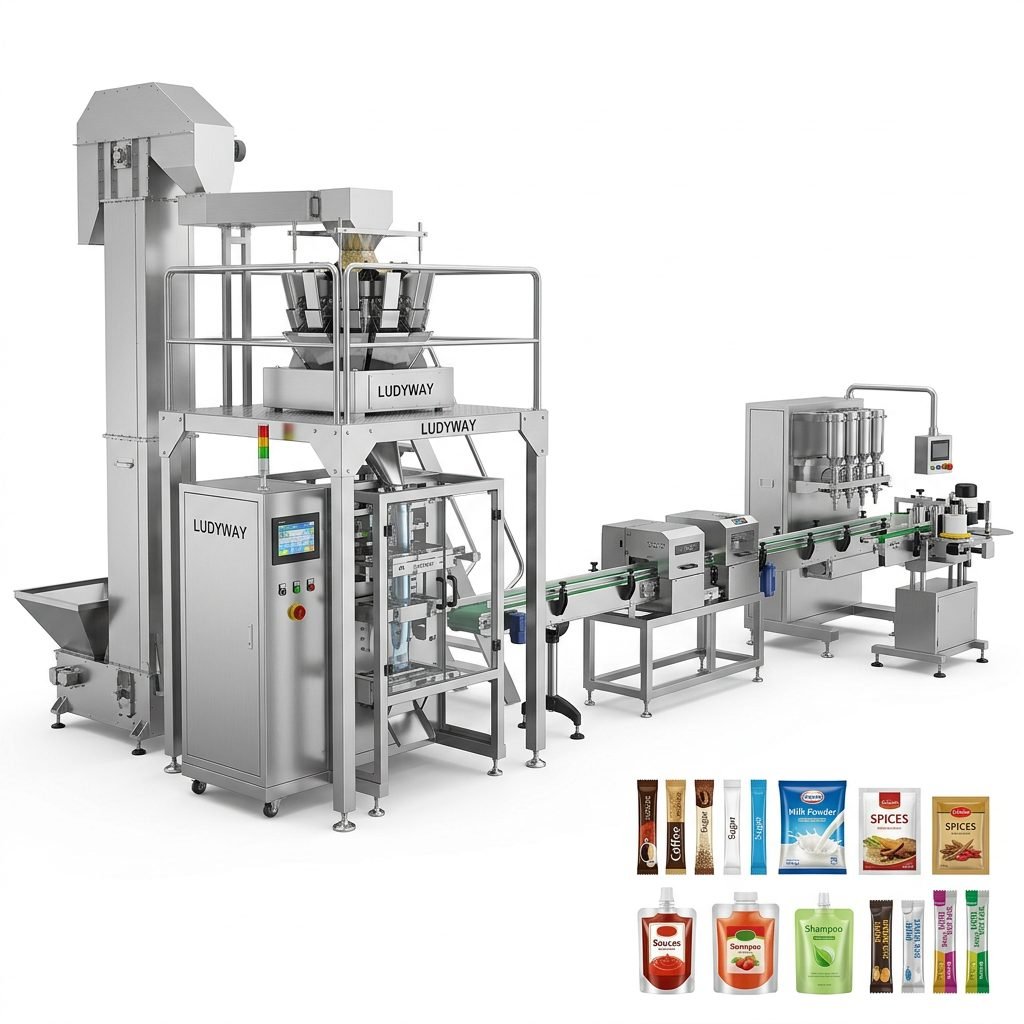
Customization and Engineering Capabilities
Not every chub packaging application fits a standard machine configuration. Evaluate whether the supplier can accommodate custom engineering requests such as modified infeed systems, specialized filling nozzles for viscous products, integration with existing conveyors, or custom clip designs. A supplier with in-house engineering and R&D capabilities can deliver solutions tailored to your unique production challenges rather than forcing you to adapt to off-the-shelf limitations.
Questions to Ask Potential Suppliers
Before requesting a quotation, prepare a detailed specification sheet and ask these critical questions:
- Can you provide video demonstrations of your chub packaging machines running products similar to ours?
- What is the typical lead time from order to delivery for our configuration?
- Do you have reference customers in our country or region we can contact?
- What warranty terms do you offer on the machine and key components?
- How do you handle remote installation support and operator training?
- What is your spare parts inventory policy and typical shipping time for emergency orders?
- Can the machine accommodate future upgrades or additional automation modules?
Understanding Total Cost of Ownership (TCO)
The purchase price is only one component of your investment. Calculate total cost of ownership over a 5-10 year horizon by factoring in:
- Initial equipment cost including shipping and import duties
- Installation and commissioning expenses, including technician travel if applicable
- Operator training costs and learning curve productivity loss
- Spare parts consumption — clip mechanisms, sealing elements, knives, belts
- Film waste percentage — a well-designed machine minimizes startup and changeover waste
- Energy consumption and compressed air requirements
- Preventive maintenance and potential service contract costs
A machine with a higher initial price but lower operating costs and higher reliability often delivers a better return on investment over its service life. According to PMMI business intelligence reports, packaging machinery total cost of ownership analysis should be a standard part of the procurement process for food and CPG manufacturers.
Industry Resources and Further Reading
| Resource | Description |
|---|---|
| PMMI – Packaging & Processing Technologies | Industry association providing market research, standards, and PACK EXPO trade shows |
| Flexible Packaging Association | Resources on flexible packaging materials, sustainability, and regulatory affairs |
| FDA – Food Packaging & Food Contact Substances | Regulatory requirements for food contact packaging materials in the U.S. market |
| ISO – Packaging Standards | International standards covering packaging machinery, materials, and testing |
| European Commission – Packaging & Packaging Waste | EU regulatory framework for packaging sustainability and waste management |
| PACK EXPO International | Leading global packaging trade show to see chub packaging machinery in person |
| PMMI – State of the Industry Report 2026 | Annual report on packaging machinery market trends, forecasts, and technology developments |
Final Recommendations for Your Chub Packaging Machine Purchase
Investing in a chub packaging machine is a long-term strategic decision. Take the time to thoroughly define your requirements, evaluate multiple suppliers, and consider total cost of ownership beyond the initial price tag. Prioritize suppliers with proven chub packaging expertise, strong after-sales support, and the engineering capability to grow with your business. Request factory visits or virtual tours when possible, and always verify reference installations before committing. With careful evaluation and the right partner, your chub packaging investment will deliver reliable performance, consistent product quality, and strong returns for years to come.