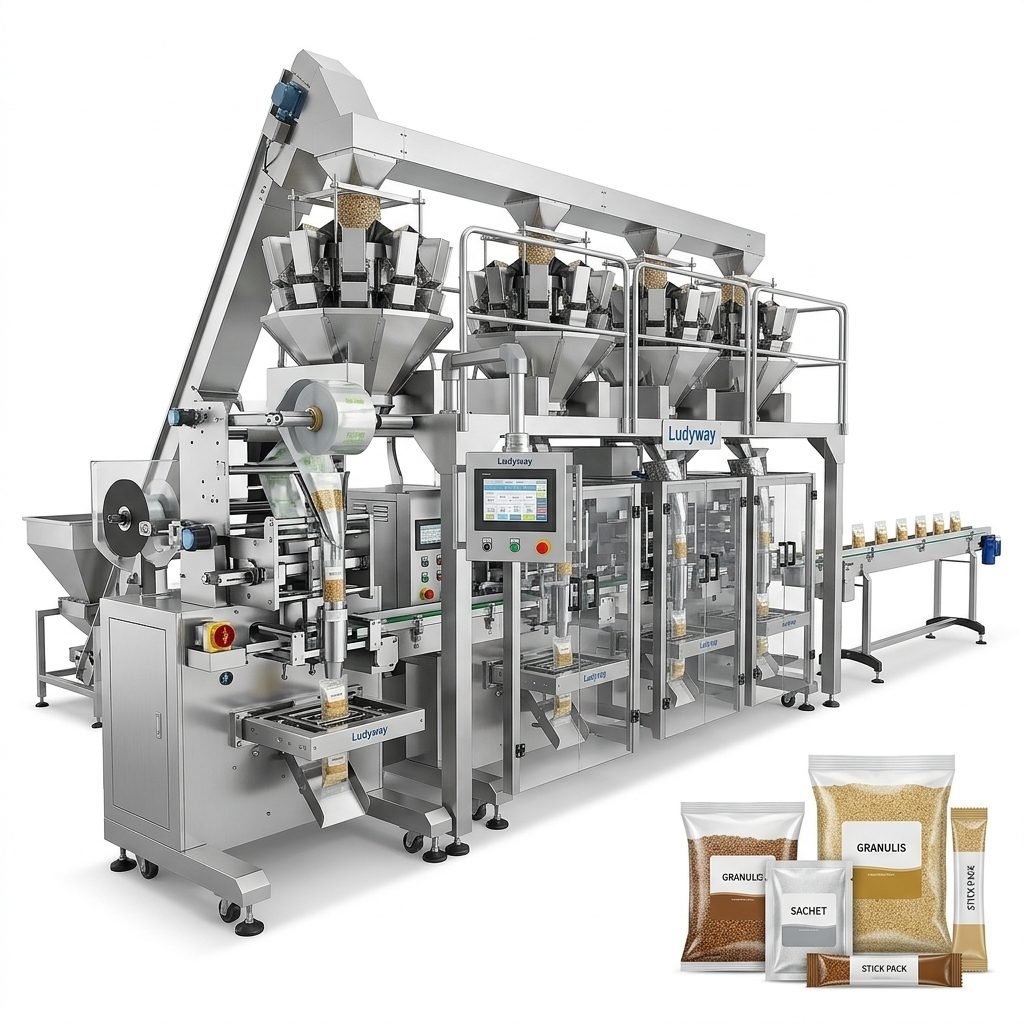
Setting up a candy packaging machine production line in Europe requires careful planning, regulatory knowledge, and the right equipment selection. With the European confectionery market valued at over €60 billion and growing steadily, manufacturers are increasingly investing in automated packaging systems to meet rising demand for portion-controlled, hygienically sealed candy products. This guide walks you through every stage of the process—from understanding EU regulations to selecting machinery, designing your layout, and managing costs effectively.
Understanding the European Candy Packaging Market
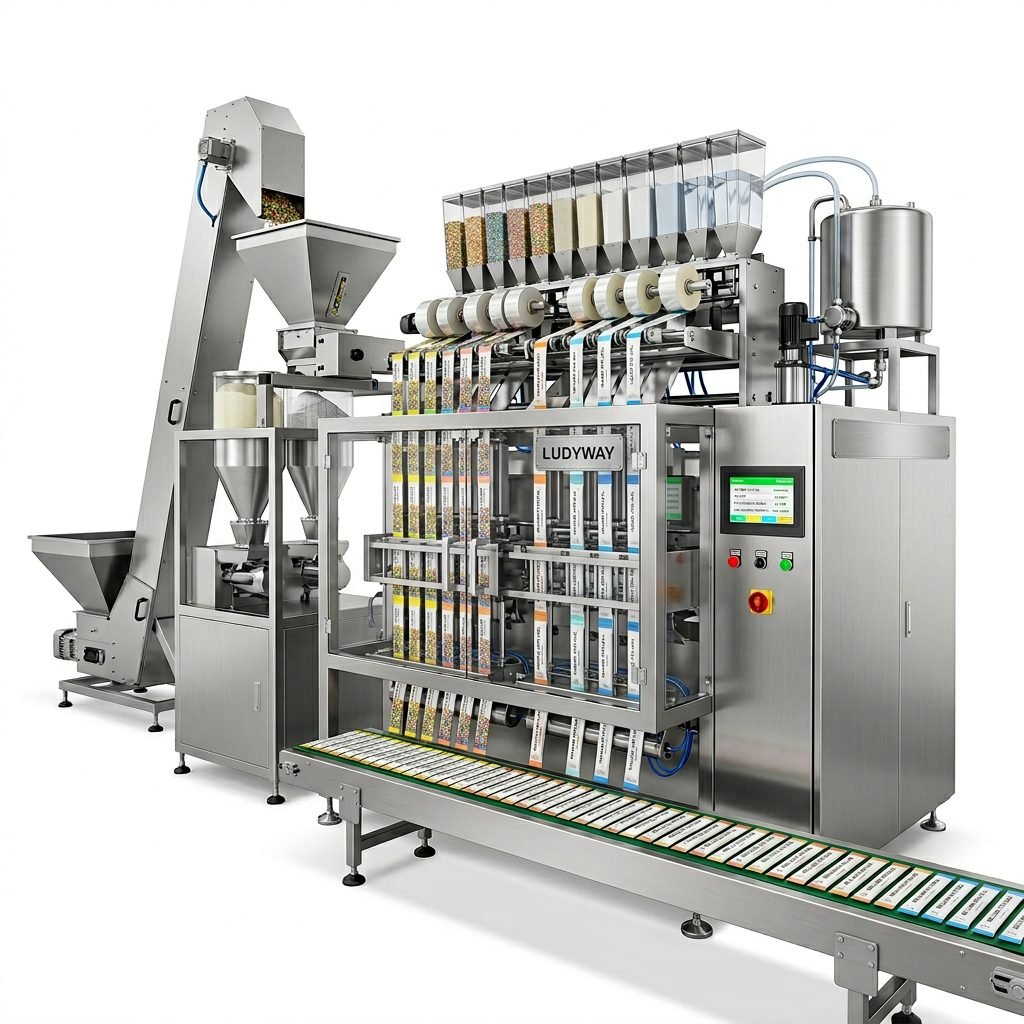
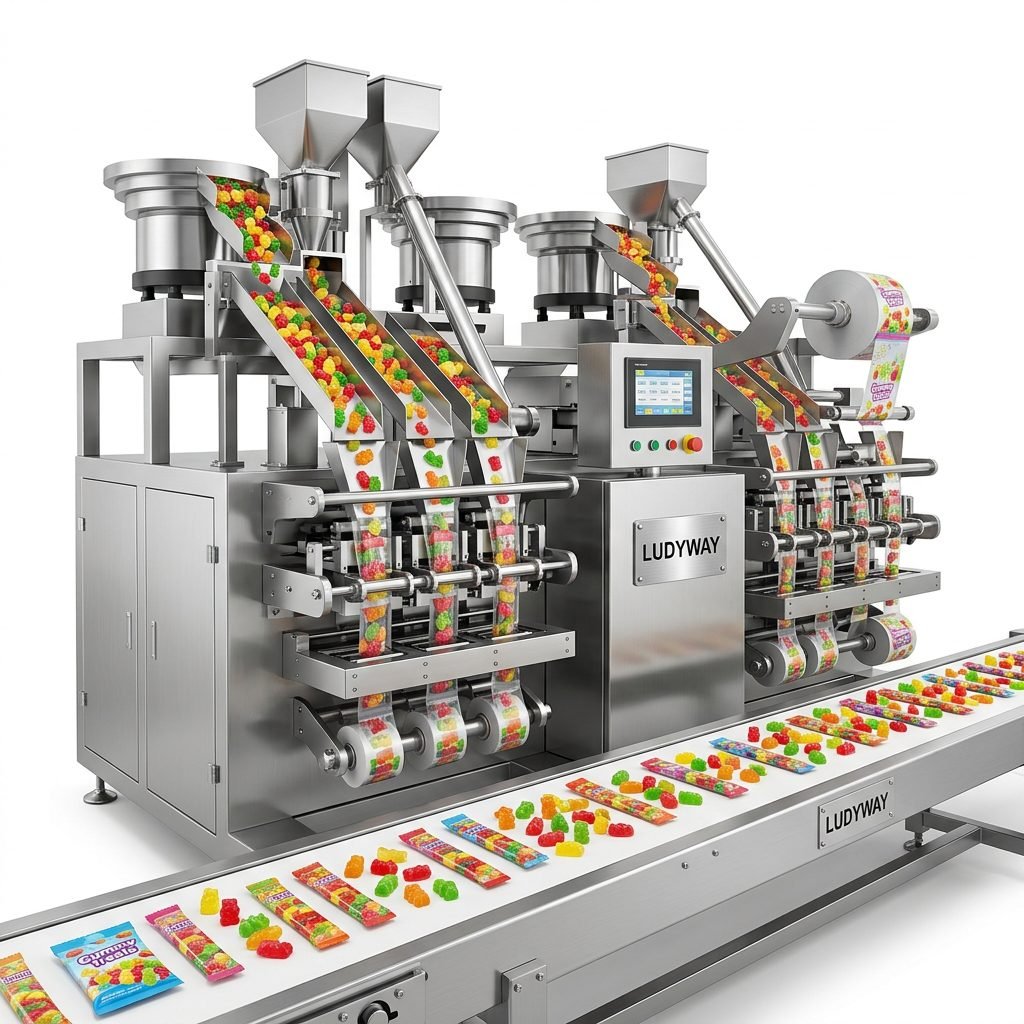
The European confectionery sector is one of the largest globally, with countries like Germany, the UK, Italy, and France leading both production and consumption. Consumer trends are shifting toward smaller, individually wrapped portions—making multi-lane stick pack and sachet machines increasingly popular. Key drivers include:
- Portion control: Single-serve packaging aligns with health-conscious consumer behavior
- Shelf-life extension: Advanced sealing technologies preserve freshness longer
- Brand differentiation: Unique pack formats help products stand out on retail shelves
- Sustainability demands: EU regulations push for recyclable and reduced-material packaging
Before investing in equipment, it is essential to study the packaging industry state of the industry reports to understand current market dynamics and forecasted growth areas relevant to your product category.
EU Regulatory Compliance for Candy Packaging Lines
Europe enforces some of the world’s strictest regulations for food packaging machinery. Any production line installed within the EU must comply with the following frameworks:
Machinery Directive (2006/42/EC)
All packaging equipment must carry CE marking, demonstrating conformity with health, safety, and environmental protection standards. Verify that your machine supplier provides full technical documentation and a Declaration of Conformity.
Food Contact Materials Regulation (EC) No 1935/2004
Packaging materials that come into contact with candy must not transfer constituents to the food in quantities that could endanger human health. This applies to films, laminates, and sealing materials used in the packaging process.
EU Packaging and Packaging Waste Regulation
The new European packaging and packaging waste regulation sets ambitious targets for recyclability and recycled content. Your packaging line should be compatible with sustainable film materials and designs that minimize waste.
Hygiene and GMP Standards
Candy packaging lines must adhere to Good Manufacturing Practice (GMP) as defined in EC Regulation 2023/2006. Equipment should feature stainless steel construction, easy-clean surfaces, and designs that prevent product contamination.
Selecting the Right Candy Packaging Machine
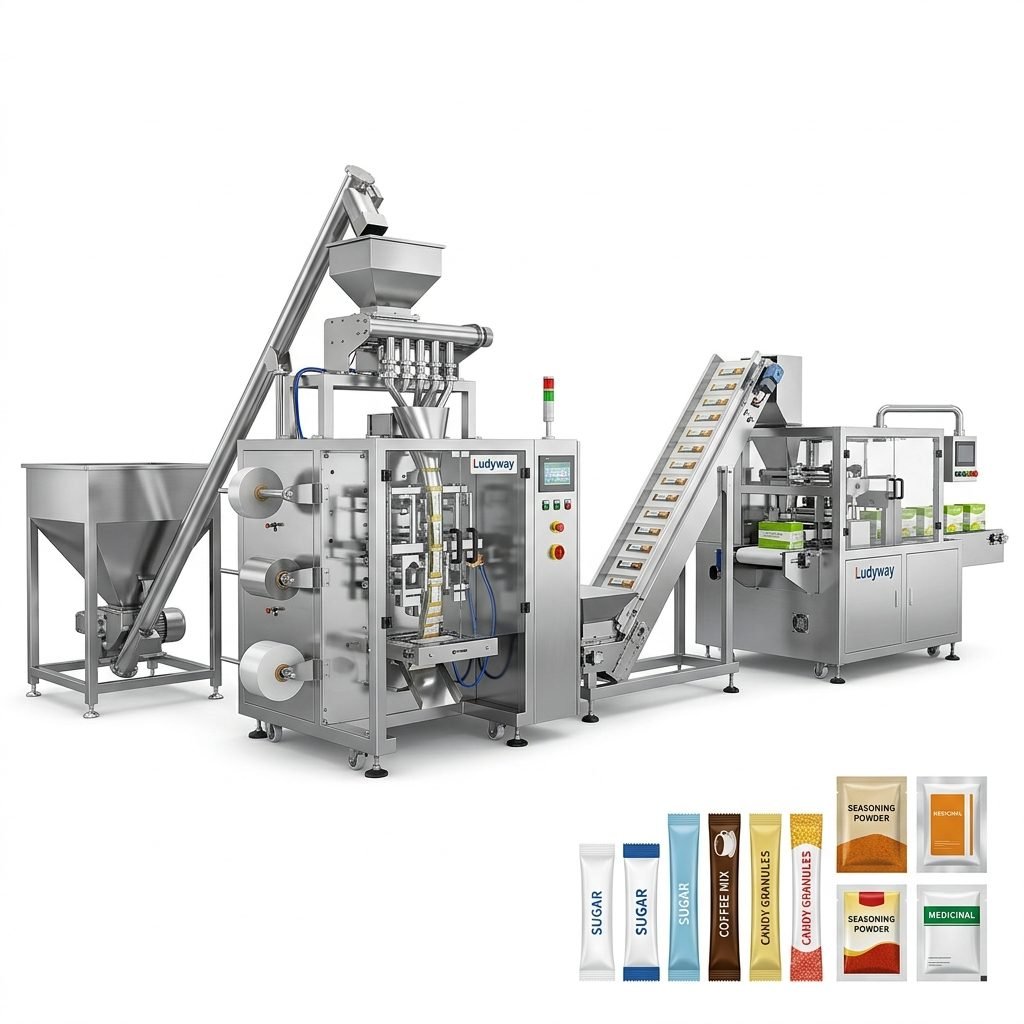
Choosing the correct machine depends on your product type, production volume, and packaging format. Below is a comparative overview of the most common candy packaging machine types used in European production facilities:
| Machine Type | Best For | Speed Range | Key Advantage |
|---|---|---|---|
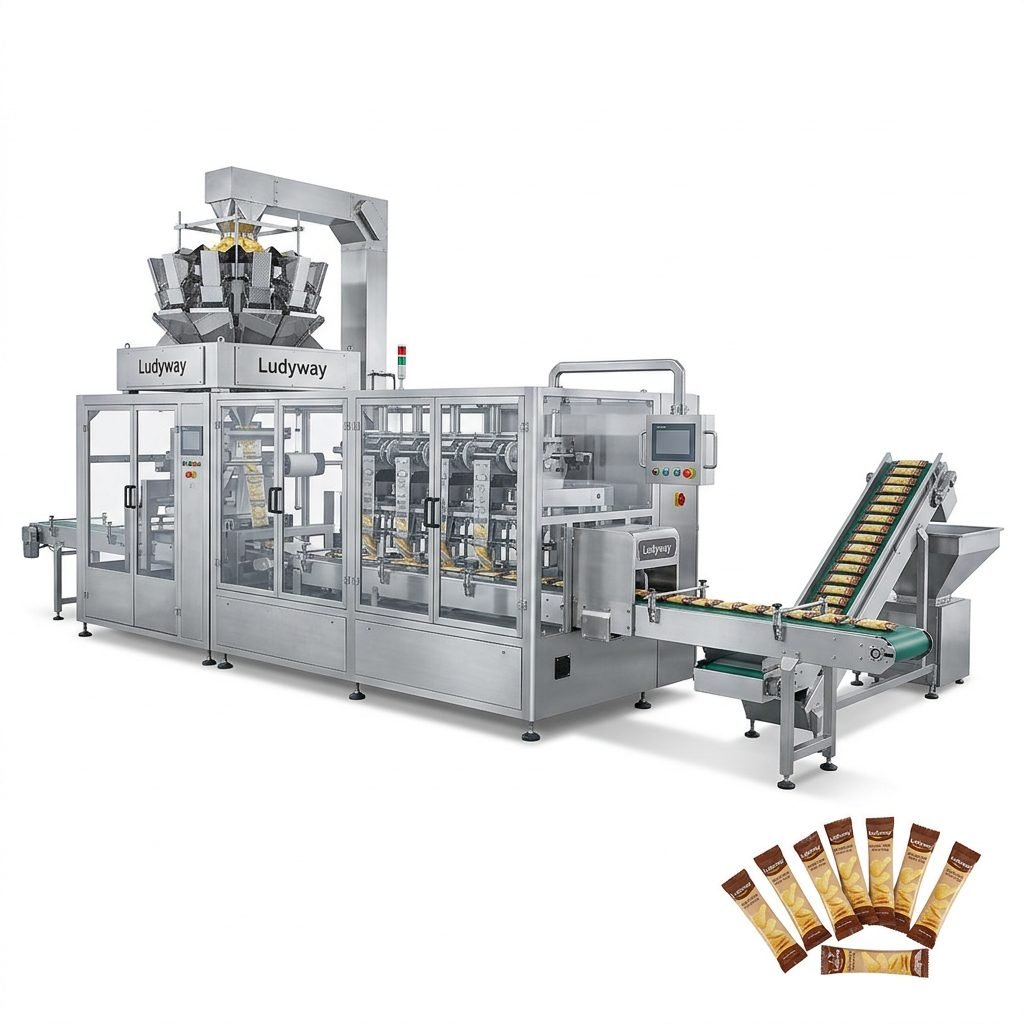
| Multi-Lane Stick Pack Machine | Powdered candy, sugar sticks, drink mixes | 200-600 packs/min | High output, precise dosing |
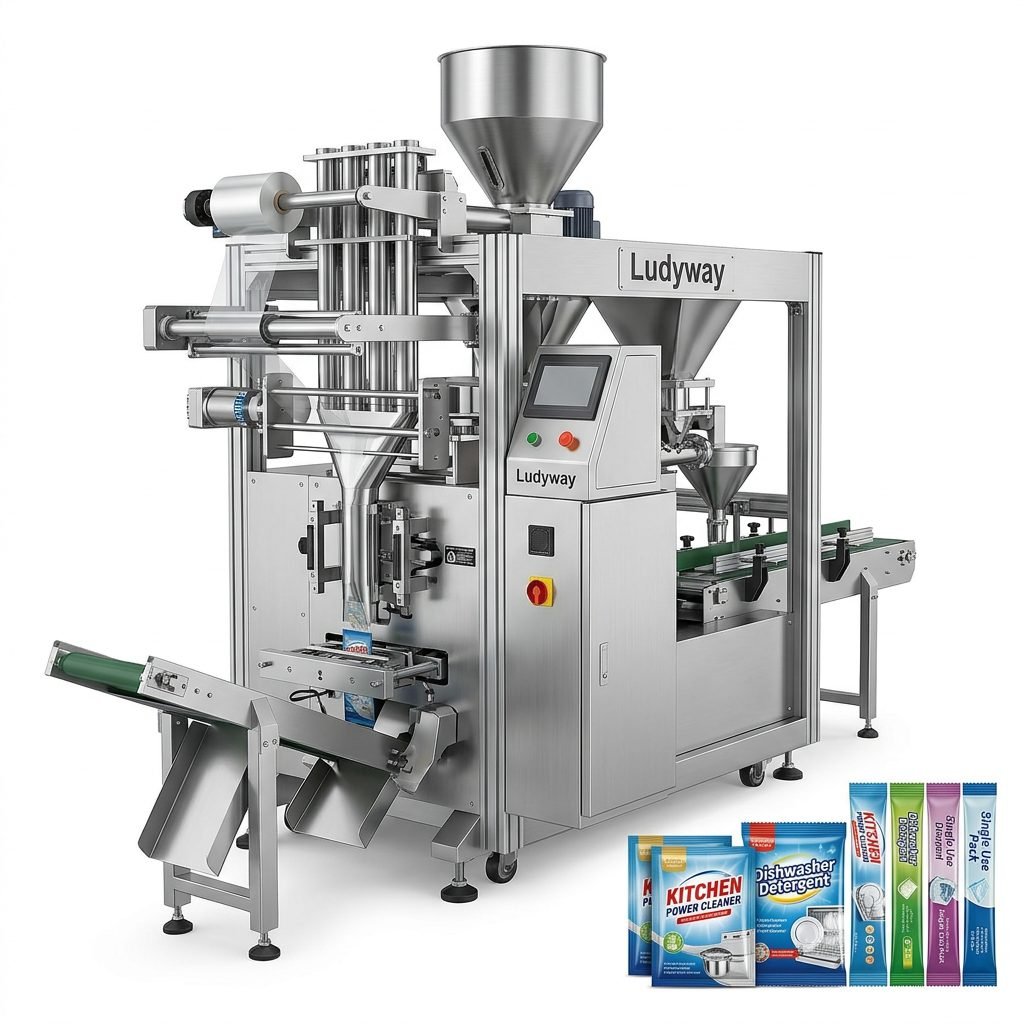
| Vertical Form Fill Seal (VFFS) | Hard candies, gummies, wrapped sweets | 80-180 packs/min | Versatile bag formats |
| Sachet Packaging Machine | Sample packs, portion-controlled candies | 100-400 packs/min | Compact pouch sizes |
| Flow Wrapping Machine | Chocolate bars, candy bars, wafers | 150-300 packs/min | Excellent seal integrity |
When evaluating equipment, consider factors such as changeover time, film compatibility, automation level, and after-sales support. The PMMI packaging industry resources provide valuable guidance on machine selection criteria and performance benchmarking.
Production Line Layout and Facility Planning
A well-designed layout maximizes efficiency, minimizes material handling, and ensures compliance with EU safety standards. Key considerations include:
- Material flow: Design a linear or U-shaped flow from raw material intake to finished product palletizing
- Cleanroom zoning: Separate high-care areas from low-care zones to prevent cross-contamination
- Utility access: Ensure adequate electrical supply, compressed air, and ventilation for each machine
- Operator ergonomics: Position control panels and maintenance access points for safe, comfortable operation
- Future scalability: Leave space for additional modules or higher-capacity machines as production grows
Installation and Commissioning Process
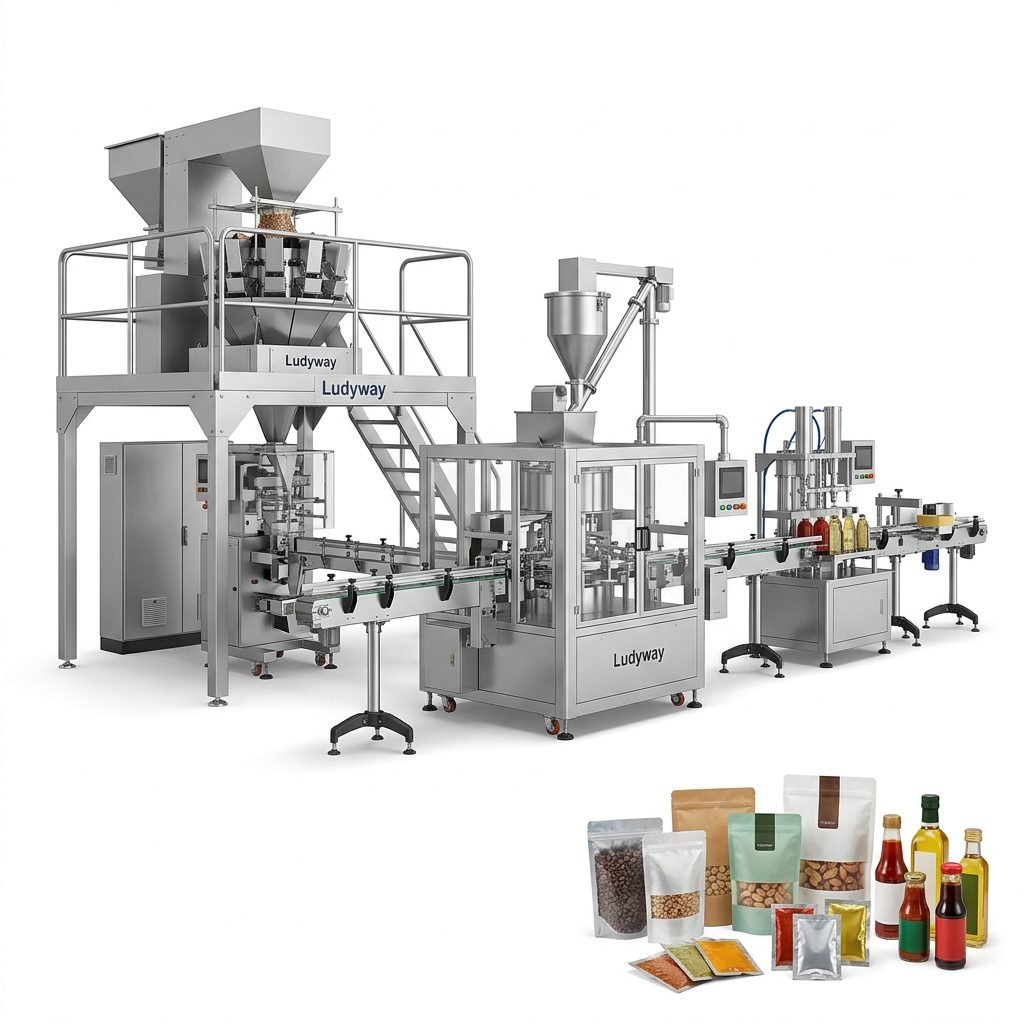
Once your equipment arrives, a structured installation and commissioning plan ensures a smooth start-up. The process typically follows these stages:
- Site preparation: Verify floor load capacity, utility connections, and environmental conditions
- Mechanical installation: Position, level, and secure all machines according to layout drawings
- Electrical and pneumatic connections: Complete wiring and air supply hook-ups per manufacturer specifications
- Software configuration: Set up HMI parameters, recipe management, and data logging
- Dry run testing: Run machines without product to verify mechanical motion and sensor functions
- Product trials: Conduct live tests with actual candy products to fine-tune settings
- Operator training: Provide comprehensive training for machine operators and maintenance staff
Factory Acceptance Testing (FAT) and Site Acceptance Testing (SAT)
Before shipment, conduct Factory Acceptance Testing at the manufacturer’s facility to verify machine performance against agreed specifications. After installation, Site Acceptance Testing confirms that the line operates correctly in your actual production environment. Documentation from both tests is essential for compliance audits.
Maintenance, Spare Parts, and After-Sales Support
Reliable maintenance protocols are critical for minimizing downtime in European production environments where labor costs are high. Establish a preventive maintenance schedule covering:
- Daily: Cleaning, visual inspection of seals and sensors, lubrication checks
- Weekly: Belt tension verification, film tracking adjustment, safety system tests
- Monthly: Comprehensive wear-part inspection, calibration verification, software backups
- Quarterly: Full mechanical inspection, replacement of high-wear components, performance audit
Maintain an inventory of critical spare parts including sealing jaws, cutting blades, belts, sensors, and film tracking components. Partnering with a supplier that offers responsive remote support and local service technicians across Europe significantly reduces resolution times for technical issues.

Cost Analysis and Budget Planning
Investing in a candy packaging line in Europe involves multiple cost components. The table below provides a general framework for budget estimation:
| Cost Category | Estimated Range | Notes |
|---|---|---|
| Packaging Machine | €80,000 – €350,000 | Depends on lanes, speed, and automation level |
| Ancillary Equipment | €20,000 – €80,000 | Conveyors, feeders, coders, metal detectors |
| Installation and Commissioning | €10,000 – €30,000 | Includes technician travel and on-site work |
| Training | €3,000 – €8,000 | Operator and maintenance training programs |
| Annual Maintenance | €5,000 – €15,000 | Spare parts, service visits, consumables |
For a comprehensive understanding of packaging machinery market trends that may affect equipment pricing, consult the PMMI business intelligence library, which offers detailed procurement insights and benchmarking data.
Sustainability and Future-Proofing Your Line
European consumers and regulators increasingly demand sustainable packaging solutions. When setting up your candy packaging line, consider these forward-looking strategies:
- Mono-material films: Select machines capable of running recyclable mono-PE or mono-PP films
- Lightweight packaging: Optimize film thickness without compromising barrier properties
- Energy efficiency: Choose servo-driven machines with regenerative braking and standby modes
- Data connectivity: Implement IoT-enabled monitoring for real-time OEE tracking and predictive maintenance
Aligning with flexible packaging industry resources helps ensure your packaging choices meet evolving sustainability standards and consumer expectations across European markets.
Common Pitfalls to Avoid
Many first-time investors in European candy packaging lines encounter similar challenges. Being aware of these can save significant time and money:
- Underestimating regulatory complexity: Engage a local compliance consultant familiar with EU food packaging laws early in the planning process
- Inadequate film testing: Test all packaging films extensively with your specific candy product before committing to a supplier
- Neglecting operator training: Even the most advanced machine underperforms without properly trained operators
- Insufficient spare parts stock: Lead times for specialized components can extend to weeks; plan accordingly
- Ignoring total cost of ownership: Evaluate energy consumption, film waste rates, and maintenance costs—not just the purchase price
Partnering with Equipment Manufacturers
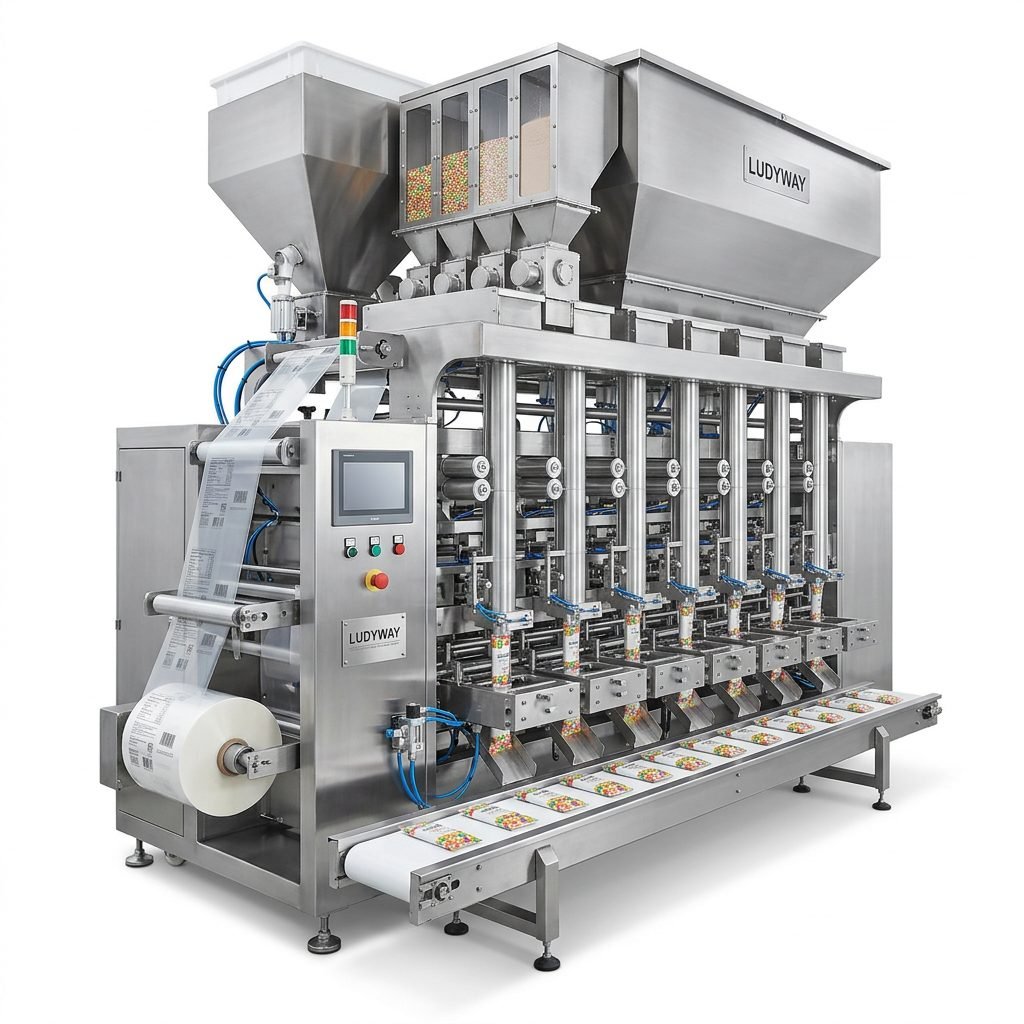
Selecting the right equipment partner is as important as choosing the machine itself. Look for manufacturers with proven European installation experience, CE-certified equipment, and responsive local support networks. Companies that offer turnkey solutions—from initial consultation through installation, training, and ongoing maintenance—simplify the process considerably. Ludyway, for example, is one of the largest packaging machine manufacturers in China, with over 30 years of industry expertise and a 20,000㎡ modern production facility. The company provides more than 50 intelligent packaging machine models and serves customers in over 100 countries, including comprehensive support for European installations. Their engineering team assists with everything from layout design to CE documentation, helping businesses accelerate time-to-production while maintaining full regulatory compliance.
References and Further Reading
- PMMI – The Association for Packaging and Processing Technologies
- European Commission – Packaging and Packaging Waste
- FDA – Food Packaging and Food Contact Substances
- ISO – Packaging Standards
- Flexible Packaging Association – Official Website
- PACK EXPO International
- Ludyway Packaging Machinery Global Growth Trend
By following this guide and working with knowledgeable partners, you can establish a high-performance candy packaging production line that meets European standards, satisfies consumer expectations, and delivers strong return on investment for years to come.