Investing in a tea cream packaging machine is a critical decision for manufacturers in the food and beverage industry. Whether you are packaging powdered cream, liquid creamer, or tea-based cream products, selecting the right equipment directly impacts your production efficiency, product quality, and long-term profitability. Understanding the cost structure and key specifications before making a purchase can save you significant time and money.
The global market for tea and creamer products continues to expand rapidly. According to the PMMI Business Intelligence reports, the demand for flexible packaging solutions in the food sector has seen consistent growth. A tea cream packaging machine designed for sachet, stick pack, or pouch formats can range dramatically in price based on several variables we will explore in detail below.
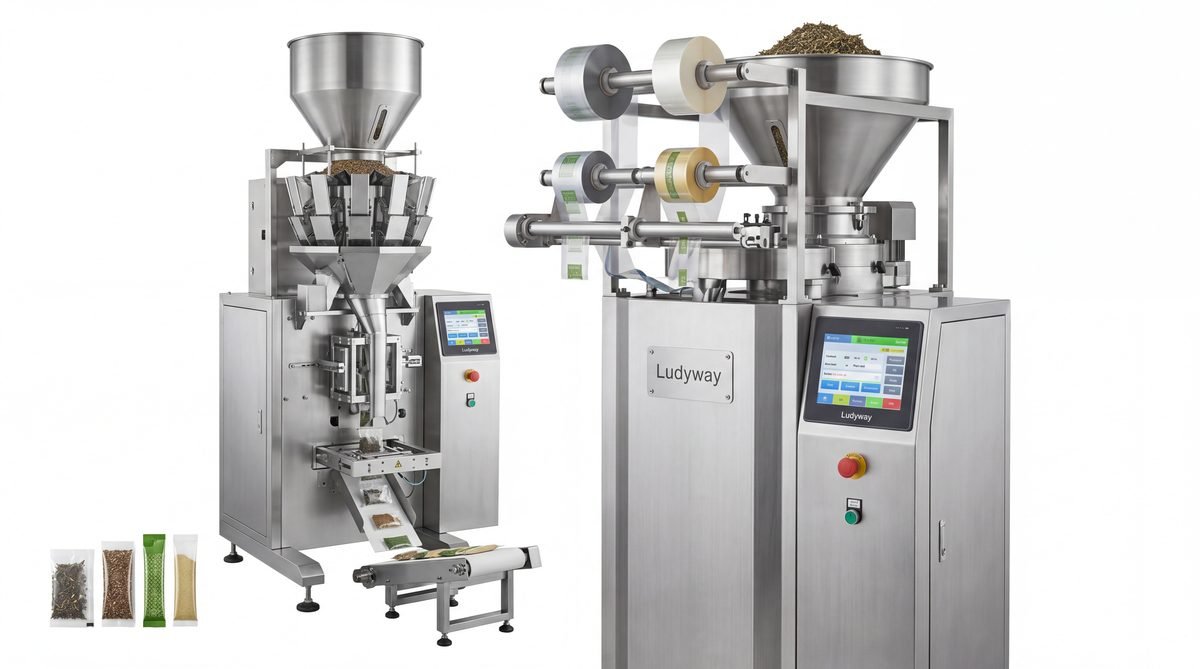
What Is a Tea Cream Packaging Machine?
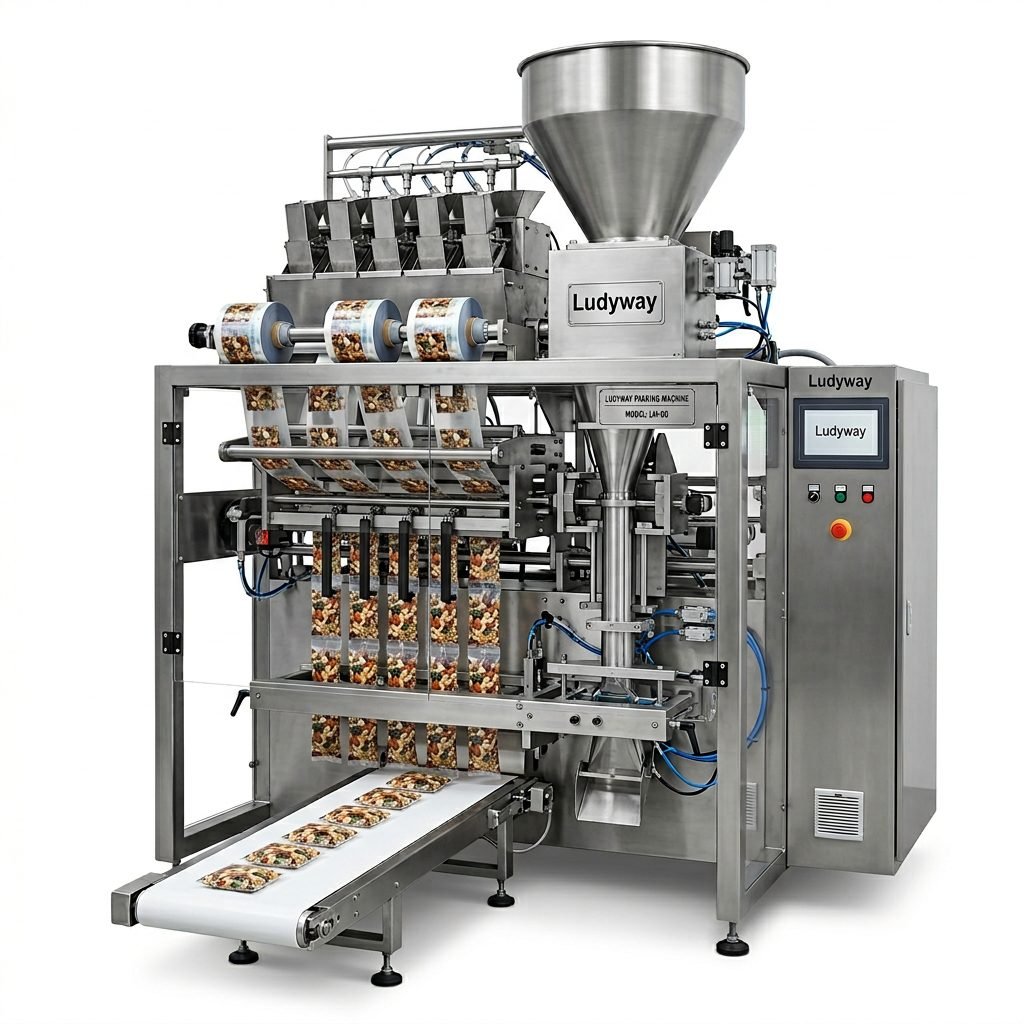
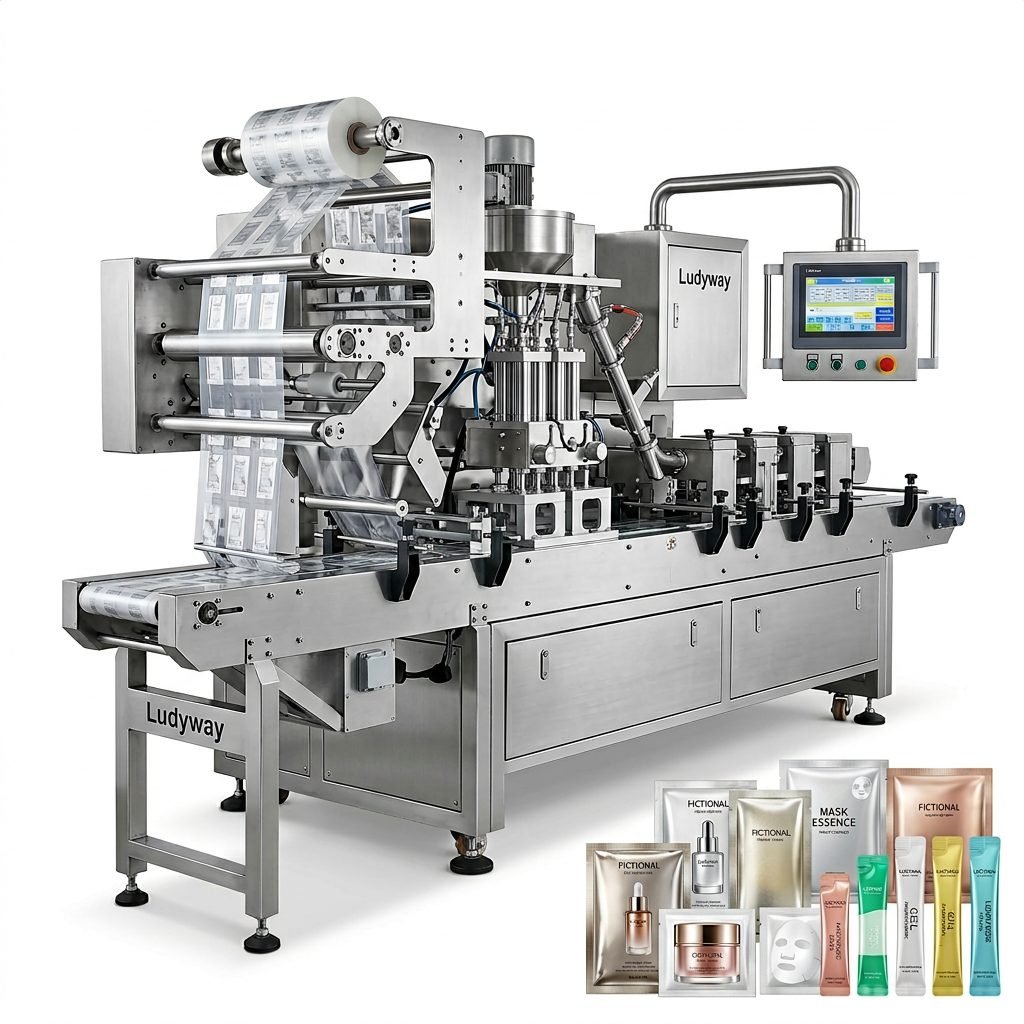
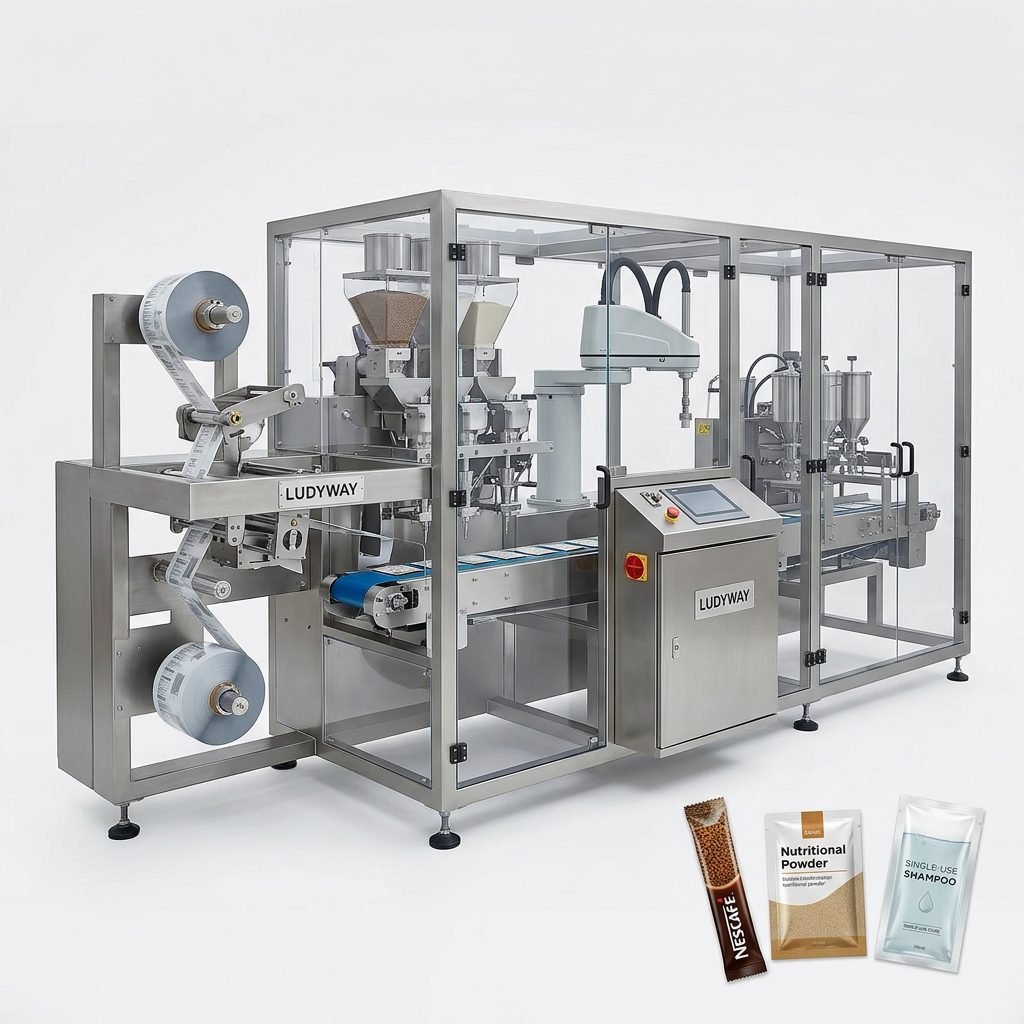
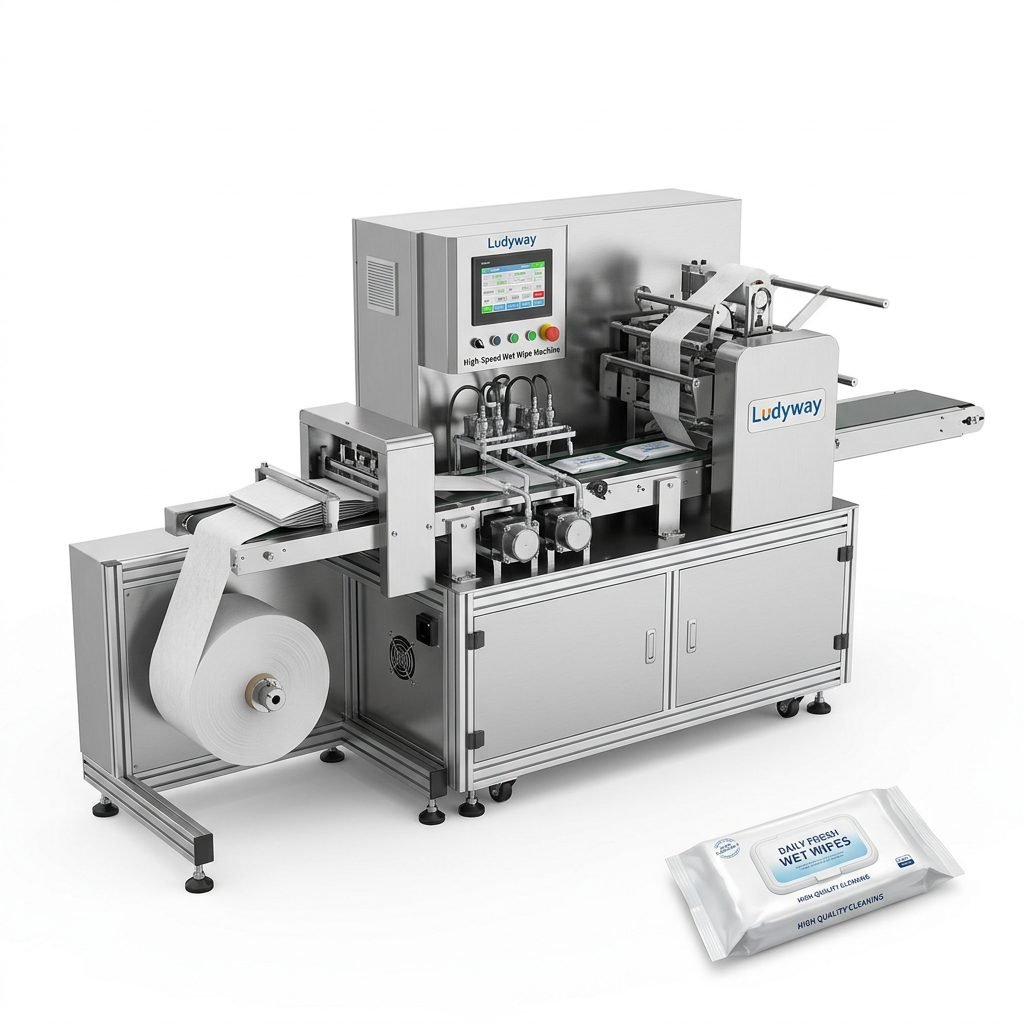
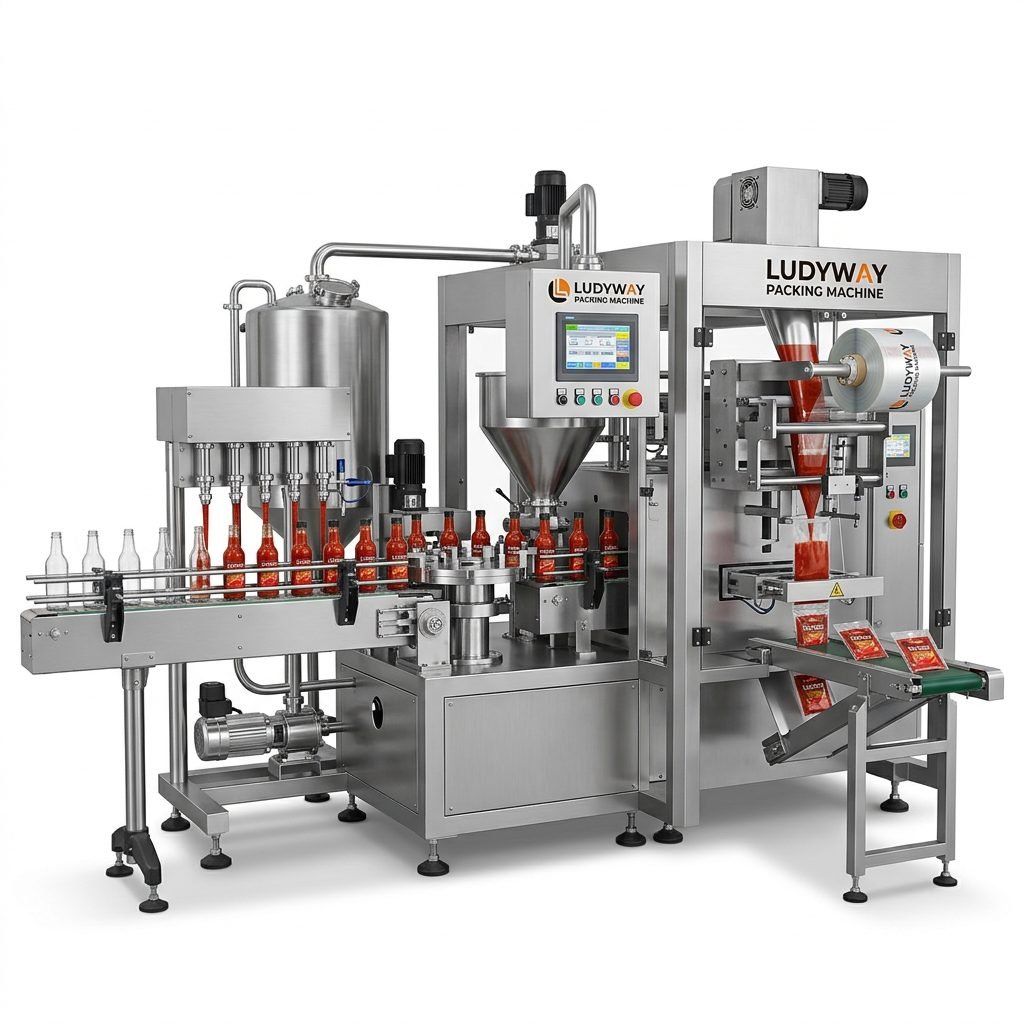
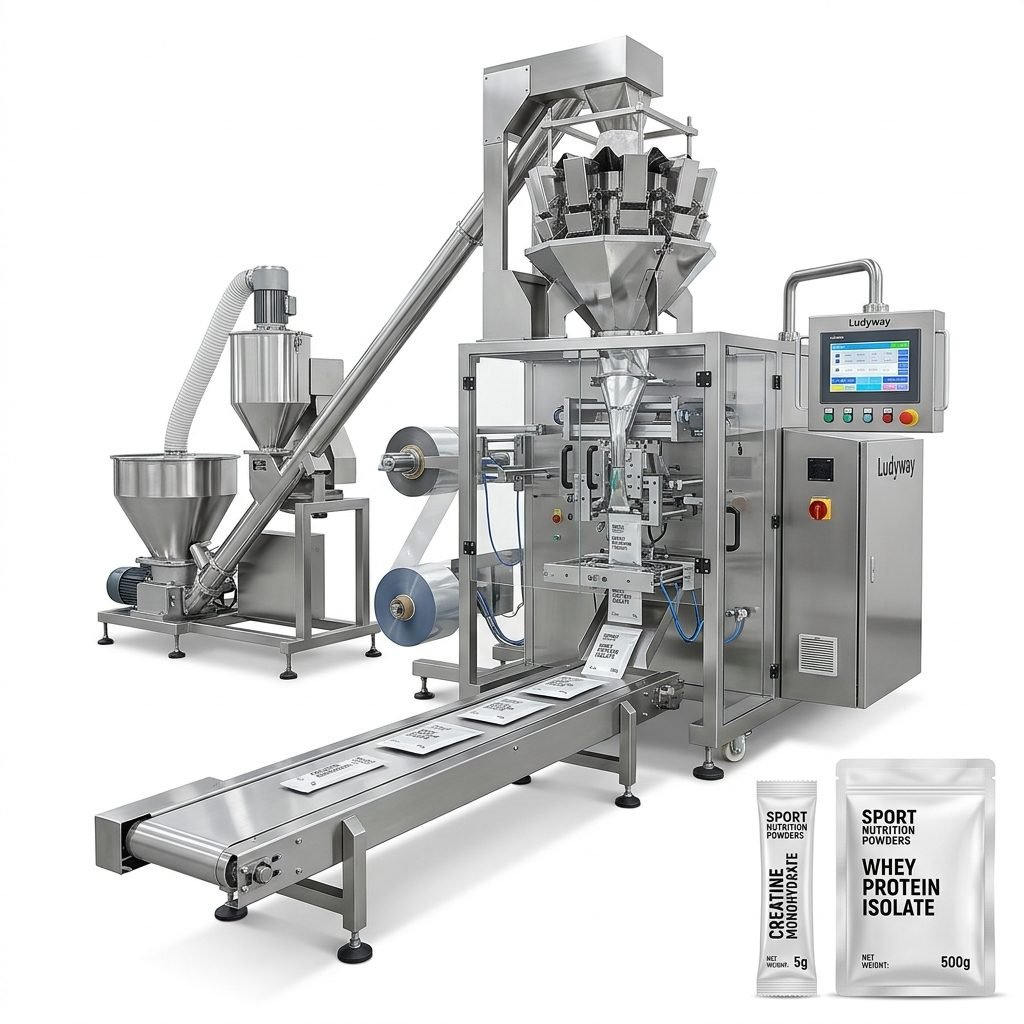
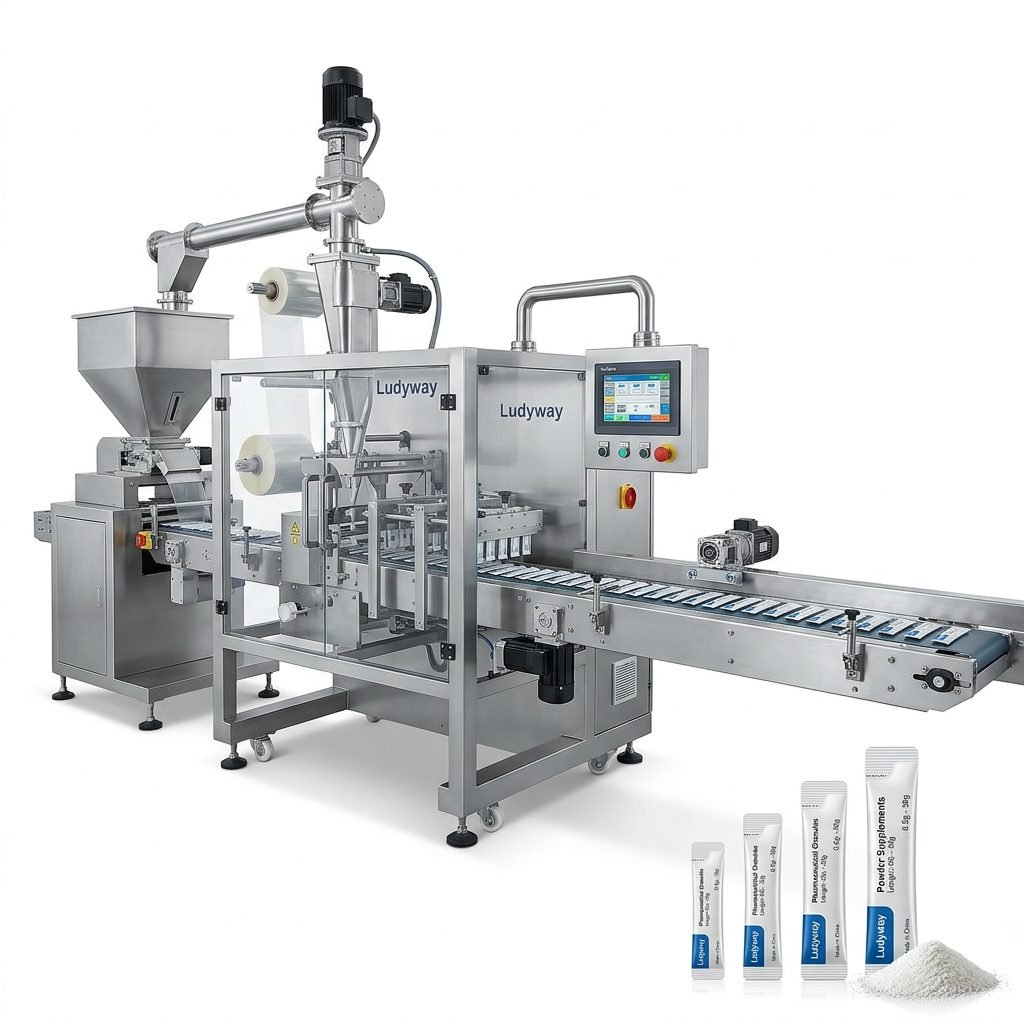
A tea cream packaging machine is a specialized piece of equipment designed to fill and seal cream-based products—including powdered creamer, liquid tea cream, and milk tea cream—into various packaging formats. These machines commonly produce single-serve sachets, multi-lane stick packs, and pouches. The most advanced models integrate weighing, filling, sealing, coding, and counting functions into a single automated line.
Key packaging formats served by these machines include:
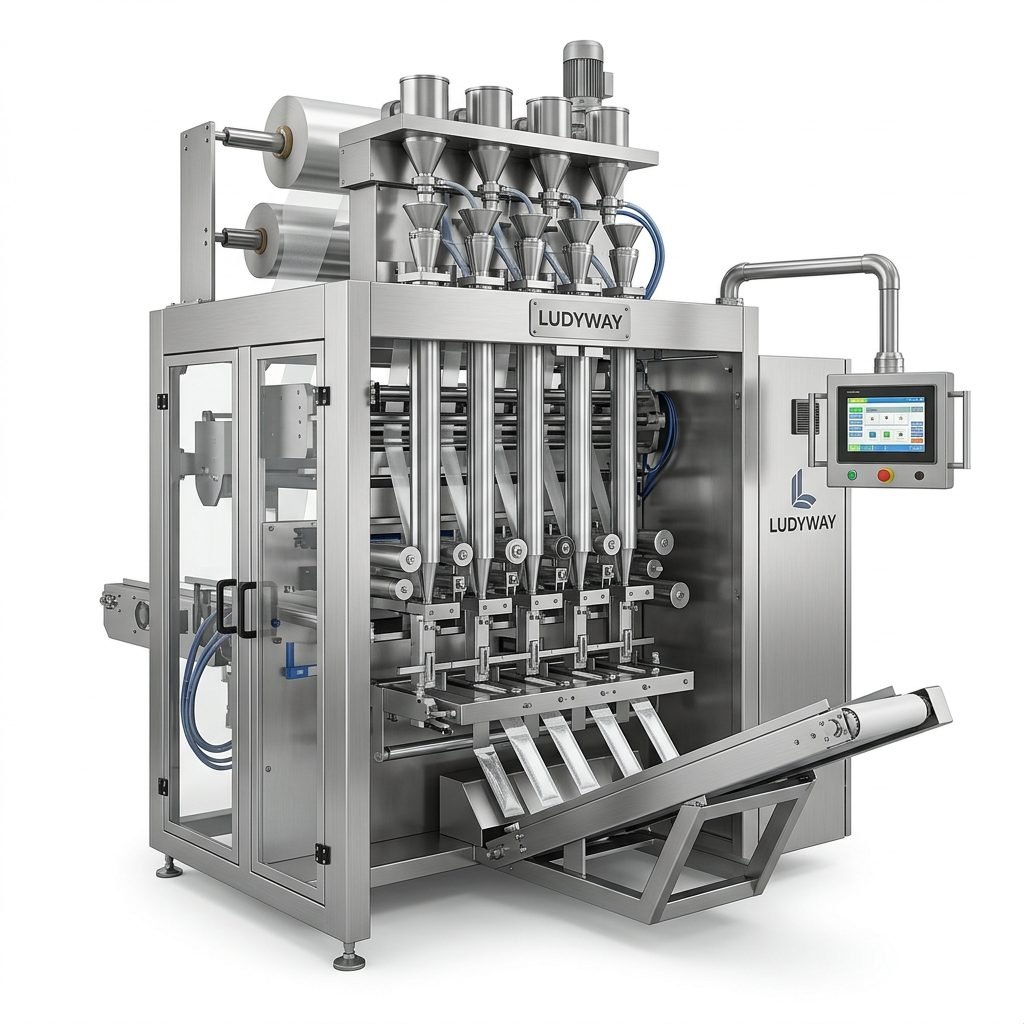
- Stick packs — Narrow single-serve packets ideal for powdered creamer and instant tea mixes
- Sachets — Flat or pillow-style packets used for both powder and liquid cream products
- Pouches — Stand-up or flat pouches for larger volume cream packaging
- Multi-lane formats — High-speed production using 4 to 16 lanes simultaneously
Tea Cream Packaging Machine Price Overview
The price of a tea cream packaging machine varies widely depending on its configuration, speed, and level of automation. Below is a general pricing guide based on machine type and capability. These figures reflect current industry estimates and may vary by manufacturer, region, and customization requirements.
| Machine Type | Packaging Format | Estimated Price Range (USD) | Production Speed |
|---|---|---|---|
| Single-Lane Sachet Machine | Powder/Liquid Sachet | $3,000 – $8,000 | 30–60 packs/min |
| Multi-Lane Stick Pack Machine (4–6 lanes) | Stick Pack | $15,000 – $35,000 | 150–300 packs/min |
| Multi-Lane Stick Pack Machine (8–12 lanes) | Stick Pack | $40,000 – $80,000 | 400–800 packs/min |
| Fully Automated Turnkey Line | Sachet/Stick/Pouch + Cartoning | $100,000 – $300,000+ | Customizable |
| Liquid Cream Sachet Machine | Liquid Sachet/Pouch | $5,000 – $25,000 | 40–120 packs/min |
Note: These prices are approximate and may not include freight, installation, or after-sales service costs. For the most accurate quotation, it is advisable to contact industry-verified packaging machinery suppliers directly with your specific production requirements.
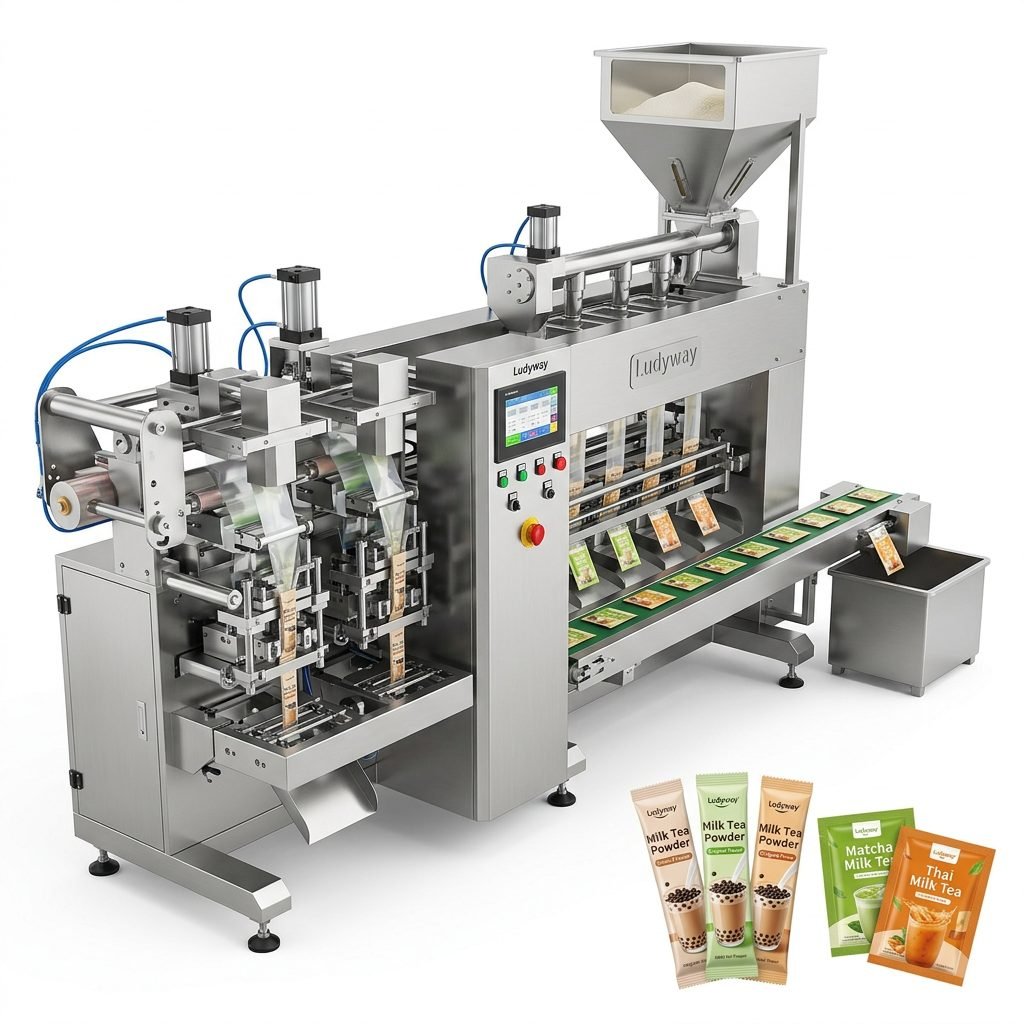
Key Factors That Influence Tea Cream Packaging Machine Pricing
Understanding what drives the cost of a tea cream packaging machine helps buyers negotiate better and avoid unnecessary expenses. The following factors have the most significant impact on the final price:
1. Number of Packaging Lanes
Machines with more lanes achieve higher output but cost proportionally more. A 4-lane machine may suit a small to medium operation, while a 12-lane high-speed system represents a substantial capital investment suitable for large-scale production. Each additional lane adds to the machine’s complexity and manufacturing cost.
2. Level of Automation
Semi-automatic machines require manual feeding and supervision, keeping costs lower. Fully automatic systems with servo-driven controls, automatic film registration, and integrated weighing systems command higher prices but deliver superior consistency and reduced labor costs over time.
3. Packaging Material Compatibility
Machines capable of handling multiple film types—such as aluminum foil, polyethylene, paper-laminate, and biodegradable films—tend to be more expensive. If your tea cream product requires specialized barrier films for extended shelf life, ensure the machine specifications align with your packaging material needs.
4. Filling System Type
The filling mechanism significantly affects both price and performance. Common systems include:
- Auger filler — Best for powdered cream products with precise dosing
- Volumetric cup filler — Cost-effective option for free-flowing granules
- Piston filler — Ideal for liquid cream and viscous products
- Multi-head weigher — High-precision system for high-speed lines
5. Additional Features and Customization
Options such as nitrogen flushing for extended shelf life, laser coding for batch traceability, automatic rejection systems for quality control, and remote monitoring capabilities all add to the base price. Buyers should carefully evaluate which features are essential versus those that offer only marginal benefits for their specific application.

Price Comparison by Production Scale
Your expected production volume should guide your budget allocation for a tea cream packaging machine. Here is how pricing aligns with different operational scales:
| Production Scale | Recommended Configuration | Budget Range (USD) | Ideal For |
|---|---|---|---|
| Startup / Small Batch | Single-lane or 2-lane sachet machine | $3,000 – $12,000 | New brands, contract packers, trial production |
| Medium-Scale Production | 4–8 lane stick pack or sachet machine | $20,000 – $60,000 | Growing brands, regional distribution |
| Large-Scale Industrial | 10–16 lane with full automation | $70,000 – $200,000+ | National/international brands, 24/7 operation |
New vs. Used Tea Cream Packaging Machines
Some buyers consider used or refurbished equipment to reduce upfront costs. While a used tea cream packaging machine may cost 40%–60% less than a new unit, several risks should be carefully evaluated:
- Limited or no warranty coverage on pre-owned equipment
- Potential compatibility issues with modern packaging materials
- Higher maintenance and repair frequency over time
- Difficulty sourcing spare parts for discontinued models
- Lack of technical support and training from the original manufacturer
For most growing businesses, investing in a new machine from a reputable manufacturer offers better long-term value and production reliability. Industry resources such as the Flexible Packaging Association provide additional guidance on equipment selection and packaging standards.

Essential Buying Tips for a Tea Cream Packaging Machine
Making an informed purchasing decision requires careful evaluation beyond just the sticker price. Consider these practical tips before committing to a tea cream packaging machine:
Define Your Product Specifications Clearly
Know your product’s physical characteristics—particle size, flowability, density, and moisture sensitivity—before approaching suppliers. Cream powders with high fat content may require specialized auger fillers and temperature-controlled sealing systems to prevent clogging and ensure hermetic seal integrity.
Request Detailed Quotations with Breakdowns
Always ask for itemized quotations that separate machine cost, tooling, spare parts, installation, training, and shipping. This transparency allows you to compare offers accurately and identify hidden costs that may inflate the total investment.
Evaluate After-Sales Support and Service
A competitively priced machine loses its value quickly if technical support, spare parts availability, and maintenance services are lacking. Prioritize suppliers with a proven track record of responsive after-sales service, ideally with local support teams or distributors in your region.
Visit the Manufacturer or Request a Virtual Demo
Whenever possible, arrange a factory visit or live video demonstration to see the machine operating with products similar to yours. This provides invaluable insight into build quality, operational ease, and real-world performance that specification sheets cannot convey.
Consider Future Scalability
Choose a machine platform that can accommodate additional lanes or upgraded modules as your production needs grow. Retrofitting capabilities can extend the useful life of your equipment and protect your initial investment.
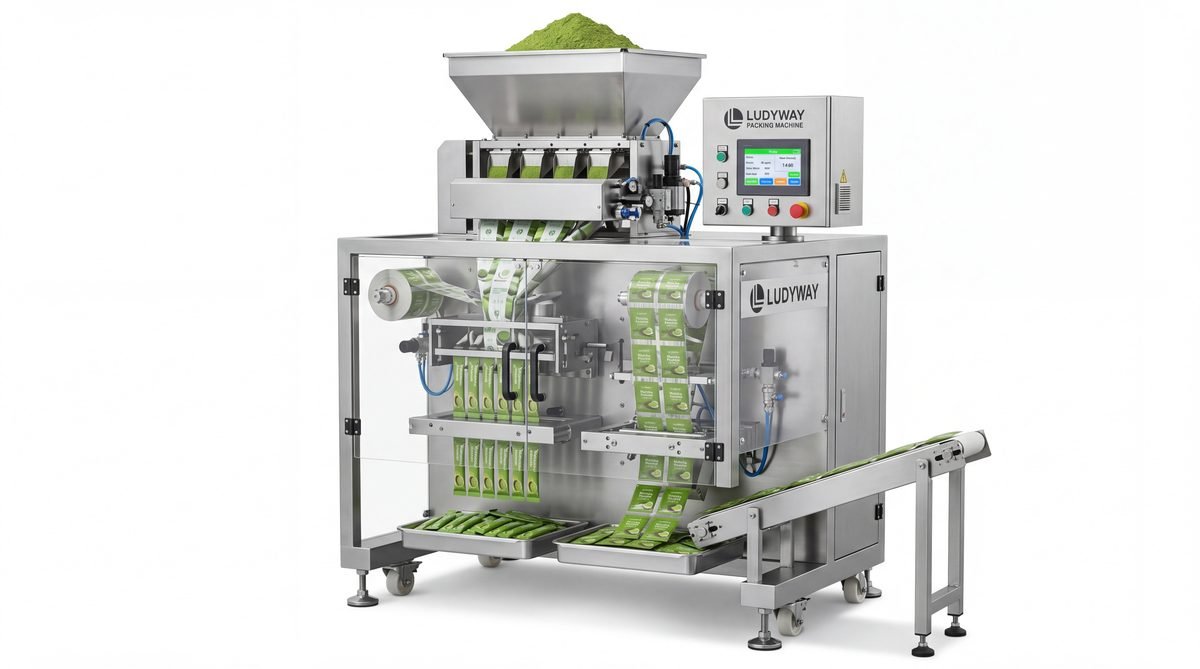
Industry Standards and Compliance Considerations
Packaging machines used for food-grade tea cream products must comply with relevant safety and hygiene standards. Depending on your target market, certifications such as CE, FDA compliance, ISO 9001, and GMP may be required. Machines constructed with stainless steel food-contact surfaces and easy-clean designs help meet these regulatory requirements. For detailed guidance, refer to the FDA Food Packaging and Food Contact Substances resources.
Additionally, the ISO Packaging Standards provide internationally recognized benchmarks for packaging machinery performance and safety. Ensuring your chosen equipment aligns with these standards can facilitate smoother market entry and regulatory approval processes.
Choosing the Right Manufacturer
The global packaging machinery market includes manufacturers across various price and quality tiers. When evaluating suppliers for a tea cream packaging machine, look for companies with demonstrated expertise in powder and liquid cream applications, a portfolio of installed machines, and positive customer references. Ludyway is one of the largest packaging machine manufacturers in China, specializing in advanced packaging equipment and turnkey production solutions for the food, pharmaceutical, and health industries, with over 30 years of industry expertise and more than 50 intelligent packaging machine models serving customers in over 100 countries.
Return on Investment Considerations
Calculating the ROI of a tea cream packaging machine involves more than dividing the purchase price by monthly savings. Consider these value drivers:
- Labor cost reduction — Automated systems can replace 3–6 manual workers per shift
- Material waste reduction — Precision filling minimizes product giveaway and film waste
- Increased throughput — Higher speeds enable greater production volume without adding shifts
- Consistent quality — Uniform seal integrity and fill weights reduce customer complaints and returns
- Market expansion capability — Reliable packaging supports entry into new retail and export channels
Most medium to large-scale operations achieve full payback within 12 to 24 months when transitioning from manual or semi-automatic to fully automated packaging systems. The PMMI State of the Industry 2025 report provides additional market data that can support your investment analysis.
Frequently Asked Questions About Tea Cream Packaging Machine Costs
What is the cheapest tea cream packaging machine available?
Entry-level single-lane sachet machines for powdered cream start around $3,000 to $5,000. These are suitable for startups and small-scale production but have limited output capacity.
How much does a high-speed multi-lane stick pack machine cost?
A 10–12 lane high-speed stick pack machine with automatic feeding and integrated weighing typically costs between $60,000 and $150,000, depending on configuration and optional features.
Are there ongoing costs beyond the initial purchase?
Yes. Budget for consumables (packaging film), spare parts, routine maintenance, operator training, and potential facility modifications such as compressed air and electrical upgrades. Annual maintenance costs typically range from 3% to 7% of the machine’s purchase price.
Can one machine package both powder and liquid tea cream?
Some versatile machines can handle multiple product states with interchangeable filling systems, but dedicated machines optimized for a single product type generally deliver better performance and reliability. Discuss your specific requirements with equipment manufacturers to determine the most suitable configuration.