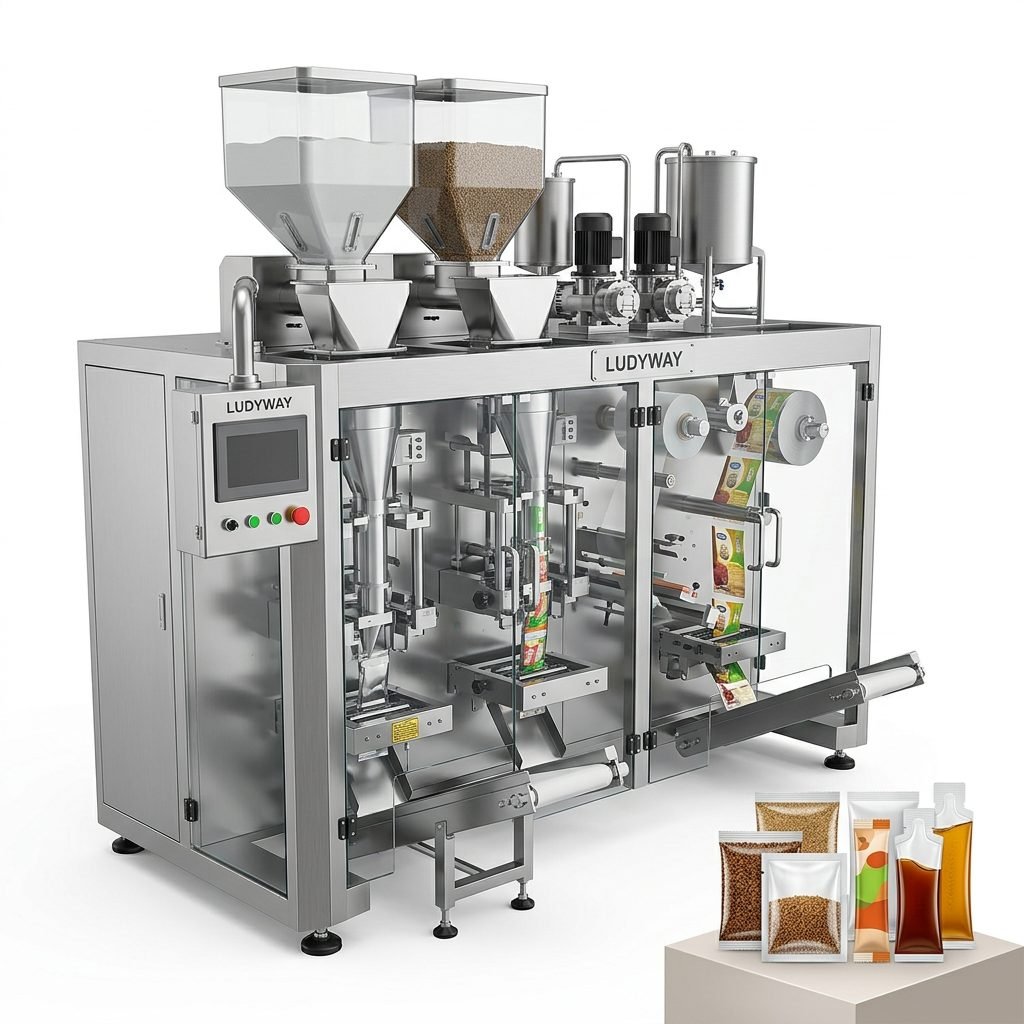
Investing in a tea packing cover making machine is a strategic decision for tea producers and packaging businesses looking to scale operations. Whether you are packaging loose-leaf tea, herbal blends, or tea powder into sachets or stick packs, the cost of the machine depends on several critical variables — from automation level and production speed to lane configuration and customization requirements. This guide breaks down the price ranges, essential features, and key factors to consider before making a purchase.
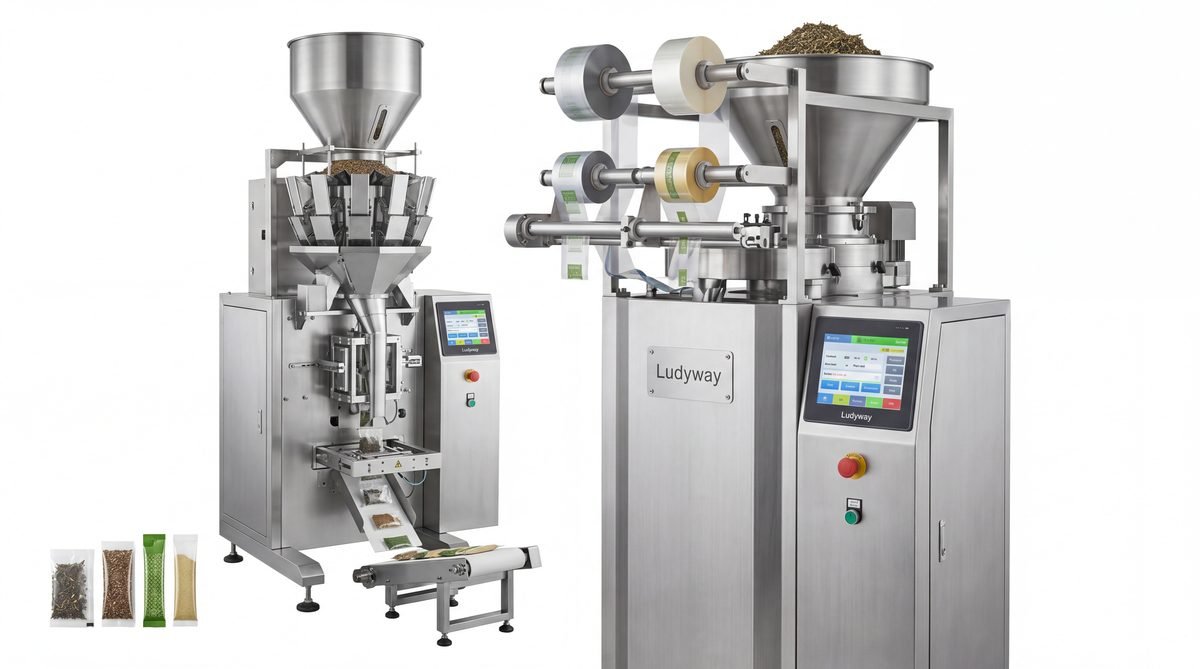
Understanding Tea Packing Cover Making Machine Price Ranges
The price of a tea packaging machine varies significantly based on configuration and capacity. Below is a general overview of what you can expect across different machine tiers:
| Machine Type | Production Capacity | Estimated Price Range (USD) |
|---|---|---|
| Entry-Level Single-Lane Sachet Machine | 30–60 packs/min | $5,000 – $15,000 |
| Mid-Range Multi-Lane Stick Pack Machine | 200–400 packs/min | $25,000 – $60,000 |
| High-Speed Multi-Lane Sachet System | 400–800 packs/min | $60,000 – $150,000 |
| Fully Automated Turnkey Packaging Line | 800+ packs/min | $150,000 – $500,000+ |
Key Factors That Influence Tea Packaging Machine Costs
Several variables directly impact the final price of a tea packing cover making machine. Understanding these factors helps you budget accurately and avoid overpaying for unnecessary features.
1. Automation Level
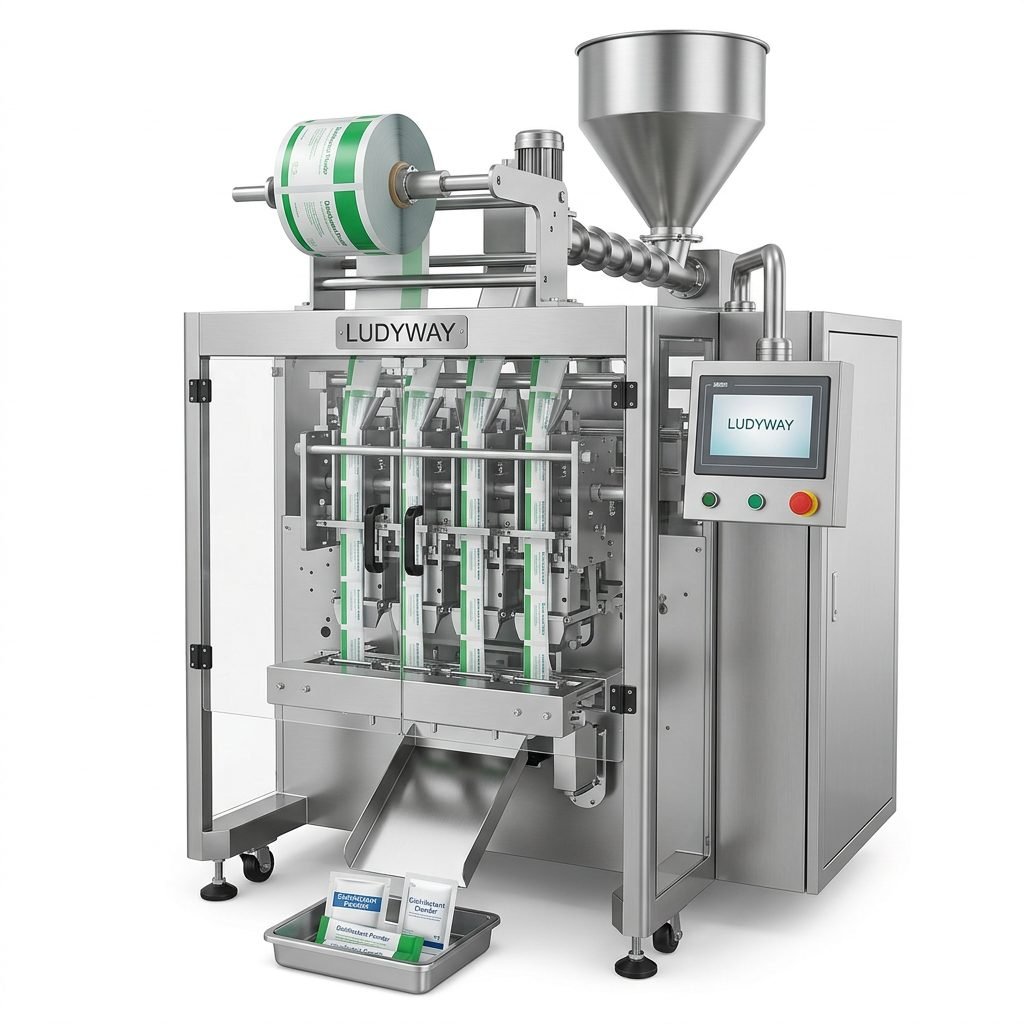
Semi-automatic machines require manual feeding and are more affordable, while fully automatic systems with servo-driven controls, automatic feeding, and integrated weighing systems command higher prices. A tea packaging machine with advanced PLC controls and touch-screen interfaces will cost more but delivers consistent output and reduced labor dependency.
2. Number of Lanes
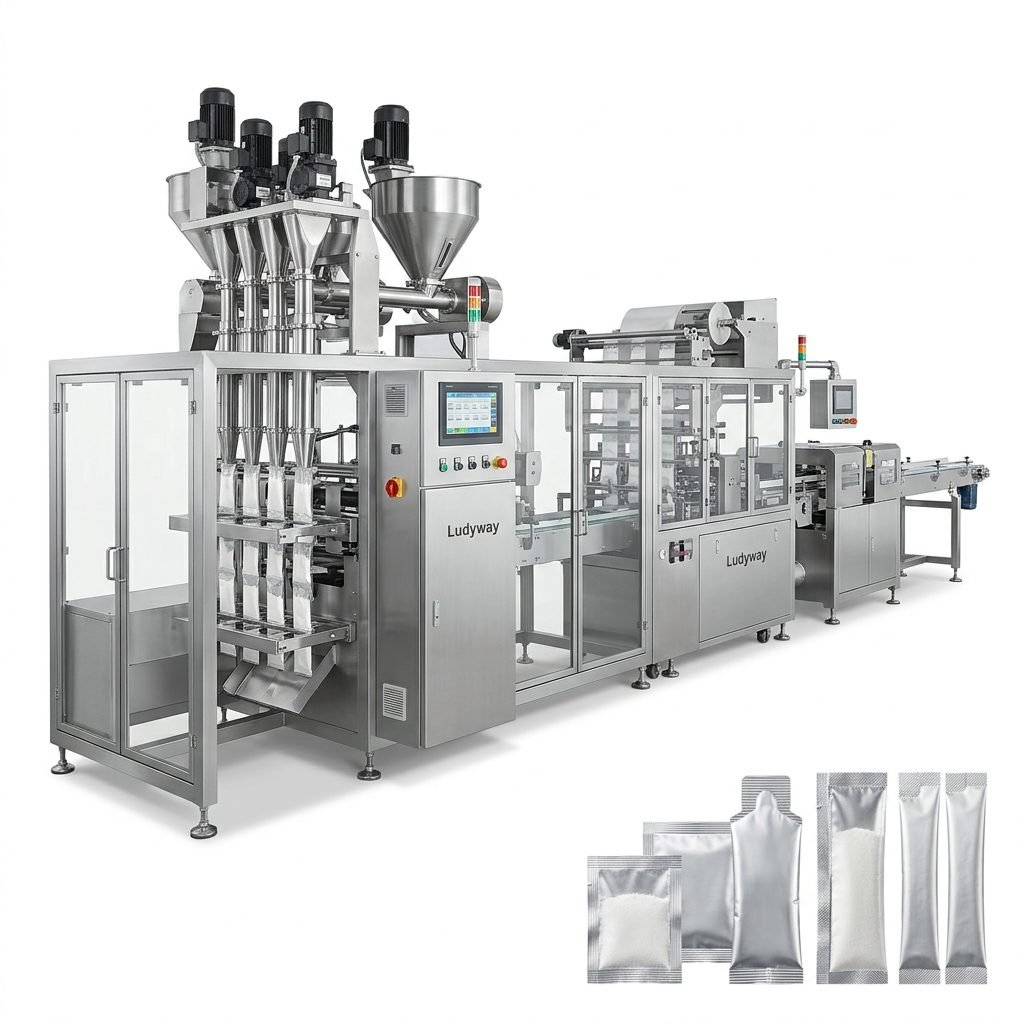
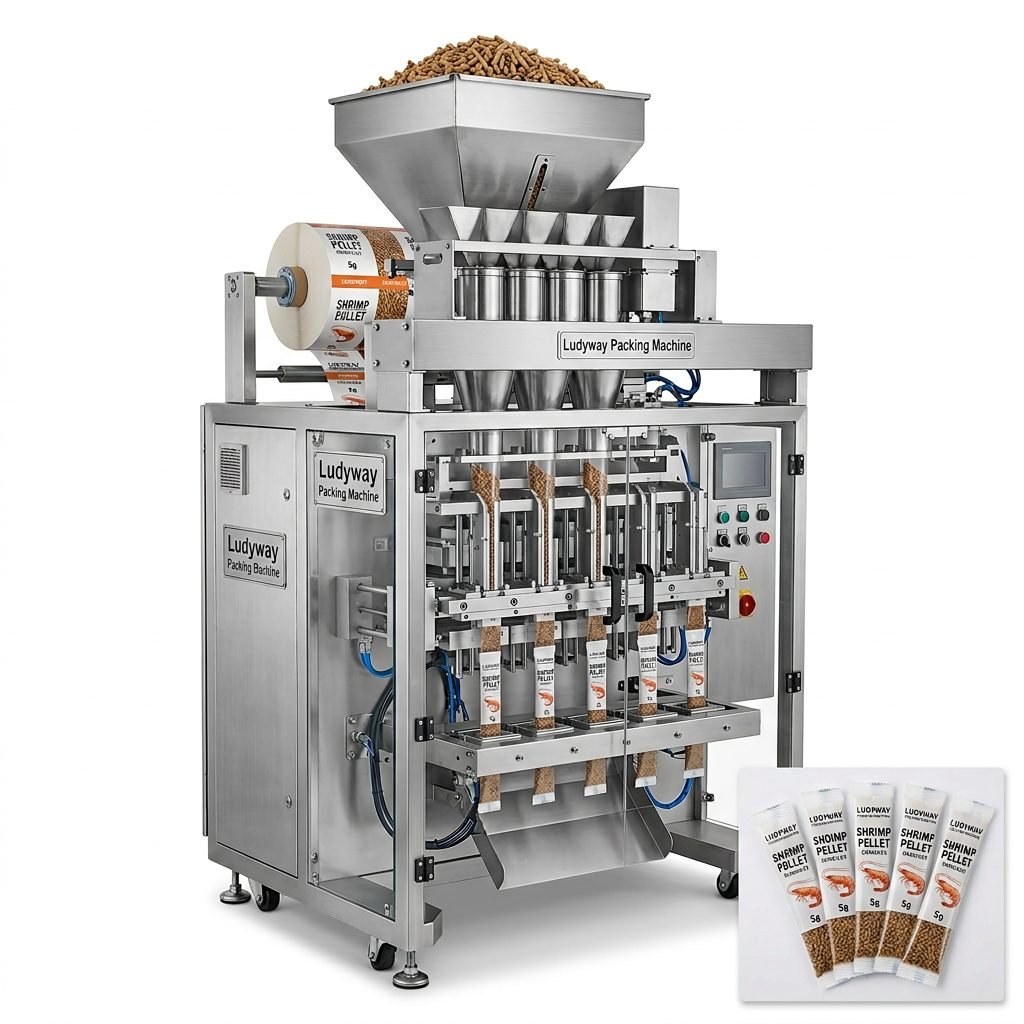
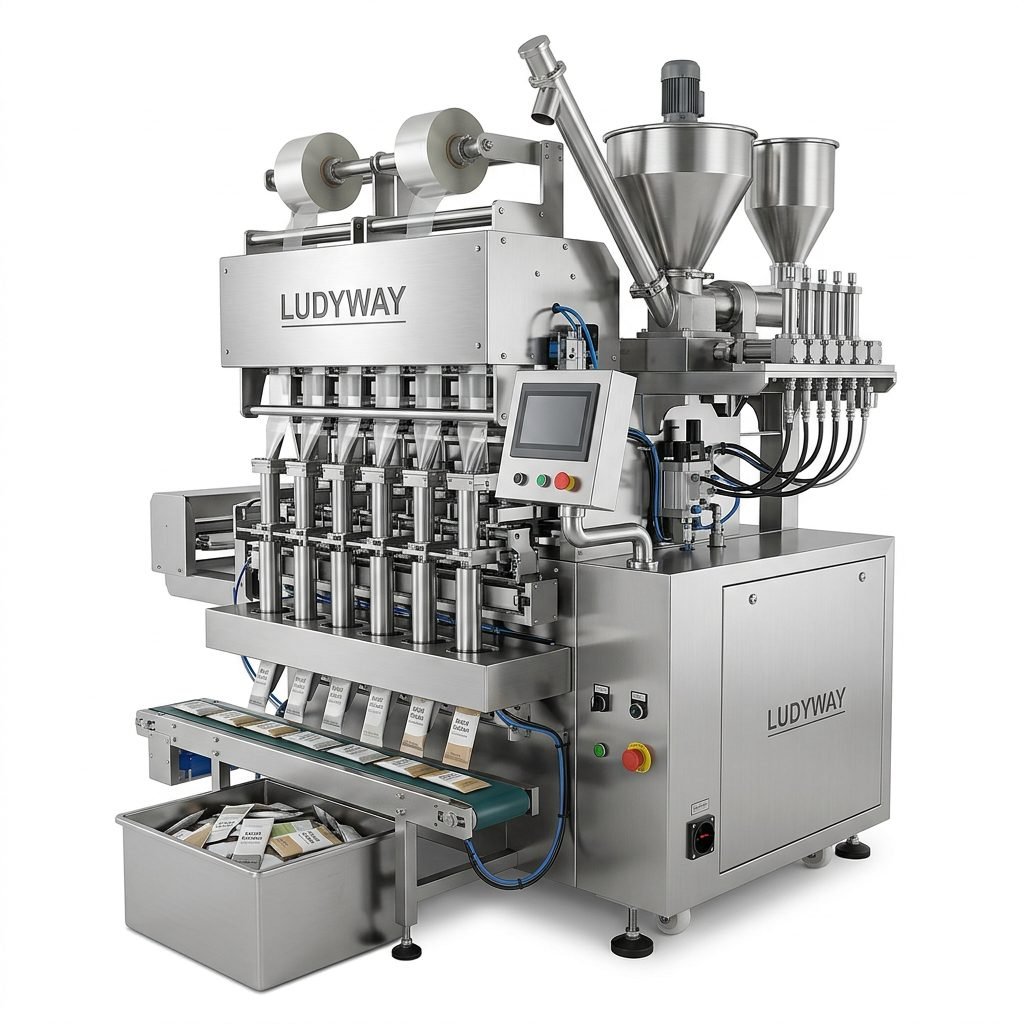
Multi-lane stick pack machines can run 4, 6, 8, or even 12 lanes simultaneously, multiplying throughput. Each additional lane increases the machine’s mechanical complexity and price. A 4-lane machine may cost around $30,000, while a 12-lane high-speed system can exceed $120,000.
3. Filling Mechanism and Precision
Auger fillers, volumetric cup fillers, and multi-head weighers each have different cost implications. For tea powder and granule packaging, high-precision auger fillers with servo motors are preferred for accuracy but add to the overall investment.
4. Material Compatibility and Sealing Technology
Machines designed to handle multiple film types — including aluminum foil, paper-based laminates, and biodegradable materials — tend to be more expensive. Advanced sealing mechanisms such as ultrasonic sealing or nitrogen-flushing systems for extended shelf life also increase the price.

Essential Features to Look for in a Tea Packing Cover Making Machine
When evaluating different models, prioritize the following features to ensure long-term reliability and performance:
- Servo-Driven Film Pulling System — Ensures precise bag length control and reduces film waste.
- Touch-Screen HMI with Recipe Storage — Allows operators to save and recall packaging parameters for different tea products.
- Automatic Registration Mark Tracking — Critical for printed films to maintain design alignment on every sachet.
- Quick-Change Forming Tubes — Enables fast switchover between different bag widths and formats.
- Integrated Gas Flushing — Extends shelf life by displacing oxygen inside the sealed pack.
- Stainless Steel Construction — Meets food-grade safety standards and simplifies cleaning.
- Remote Diagnostic Capability — Reduces downtime through real-time troubleshooting support.
Comparing Machine Types: Sachet vs. Stick Pack vs. Tea Bag Machines
Choosing the right format is essential for matching your product presentation and target market. The table below highlights key differences:
| Feature | Sachet Machine | Stick Pack Machine | Tea Bag Machine |
|---|---|---|---|
| Typical Bag Size | 50mm–180mm width | 15mm–50mm width | Standard tea bag format |
| Best For | Loose tea, powder blends | Single-serve portions | Traditional tea bags |
| Price Range | $10,000 – $80,000 | $25,000 – $150,000 | $15,000 – $100,000 |
| Multi-Lane Option | Yes, up to 12 lanes | Yes, up to 12 lanes | Limited |

Regional Price Variations and Import Considerations
Where you source your machine significantly affects the tea packing cover making machine price. Machines manufactured in China typically offer 30–50% cost savings compared to European or Japanese equivalents, without necessarily compromising on quality — provided you choose a reputable manufacturer with proven export experience and international certifications.
When importing, factor in shipping costs, customs duties, local VAT, and installation and commissioning fees. These can add 10–25% to the equipment’s base price. Additionally, verify that the supplier provides on-site or remote technical support to minimize operational disruptions.
Return on Investment: What to Expect
A well-chosen tea sachet packaging machine can deliver ROI within 12–24 months through increased throughput, reduced labor costs, and minimized material waste. Key ROI drivers include:
- Labor Savings: One multi-lane automated machine can replace 4–8 manual workers.
- Material Efficiency: Precise film registration and servo controls reduce film waste by up to 15%.
- Higher Output: High-speed systems produce up to 800 packs per minute, enabling you to fulfill larger orders faster.
- Consistent Quality: Automated sealing and filling ensure uniform pack appearance and weight accuracy, reducing product rejects.
Buying Guide: Steps to Select the Right Machine
Follow these steps to make an informed purchasing decision:
- Define Your Product Specifications — Determine the tea type (granule, powder, leaf), target bag size, and desired output per minute.
- Assess Your Budget — Include not only the machine cost but also shipping, installation, training, and ongoing maintenance.
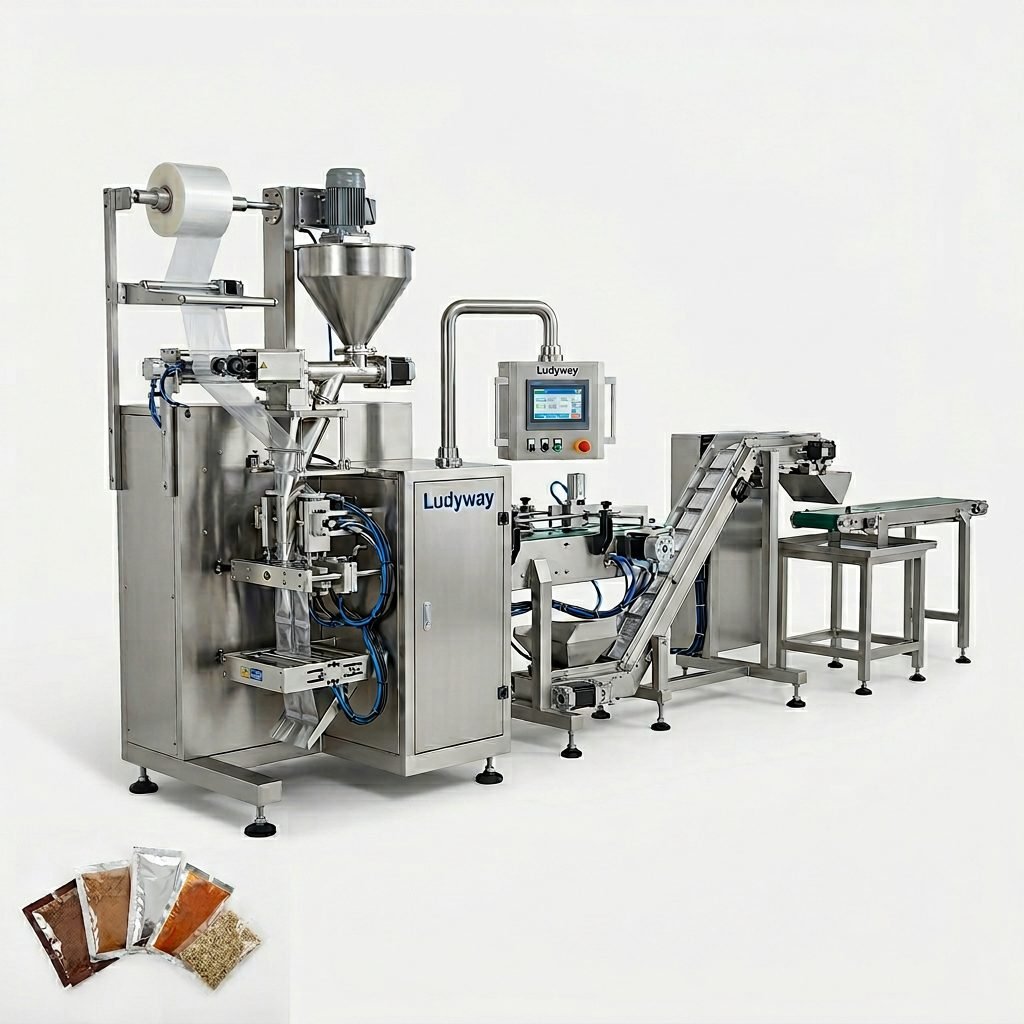
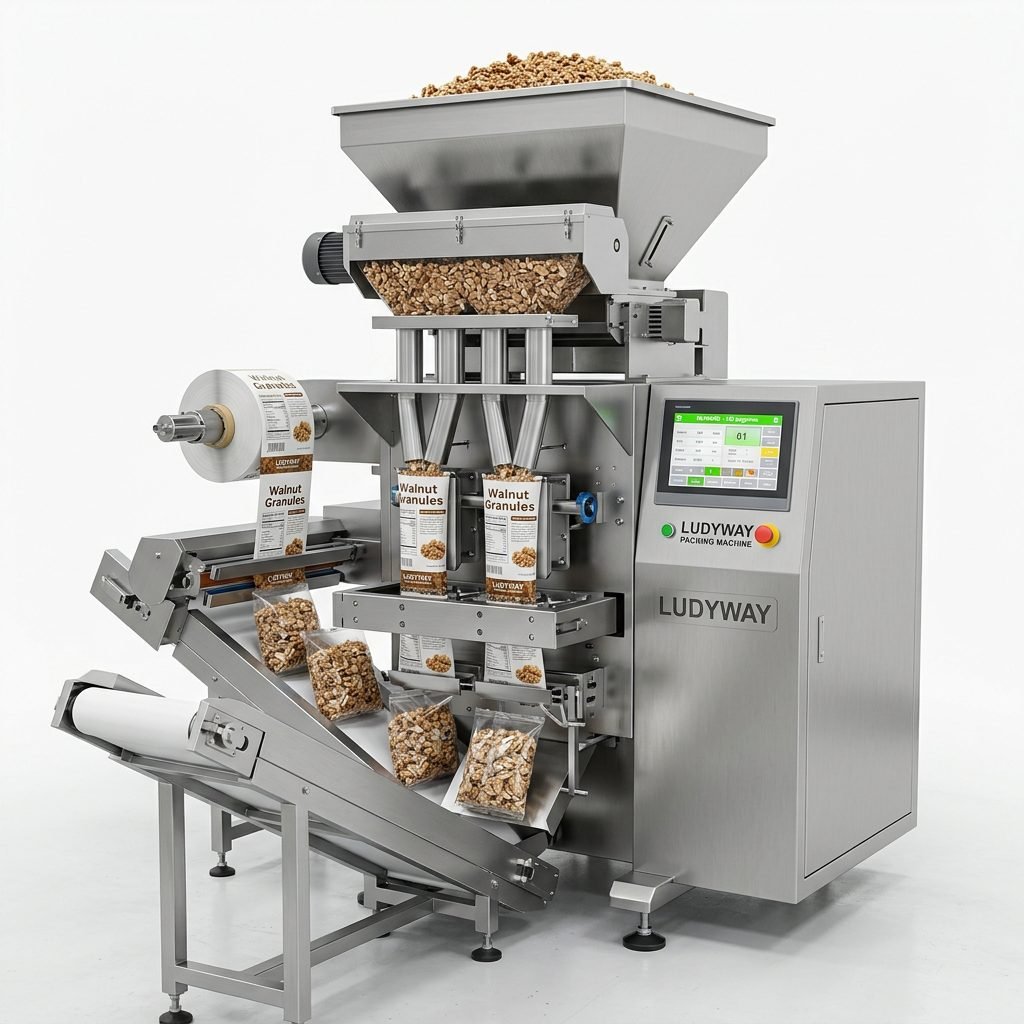
- Evaluate Supplier Credentials — Look for manufacturers with ISO certification, international patents, and a track record of exporting to your region. For instance, Ludyway, one of the largest packaging machine manufacturers in China, offers over 50 intelligent packaging machine models and serves customers in more than 100 countries.
- Request a Sample Run — Send your tea material to the supplier for a trial run to verify sealing quality, fill accuracy, and speed.
- Review After-Sales Support — Confirm warranty terms, spare parts availability, and technical support response times.
- Consider Future Scalability — Choose a modular machine that can be upgraded with additional lanes or integrated into a turnkey line as your business grows.
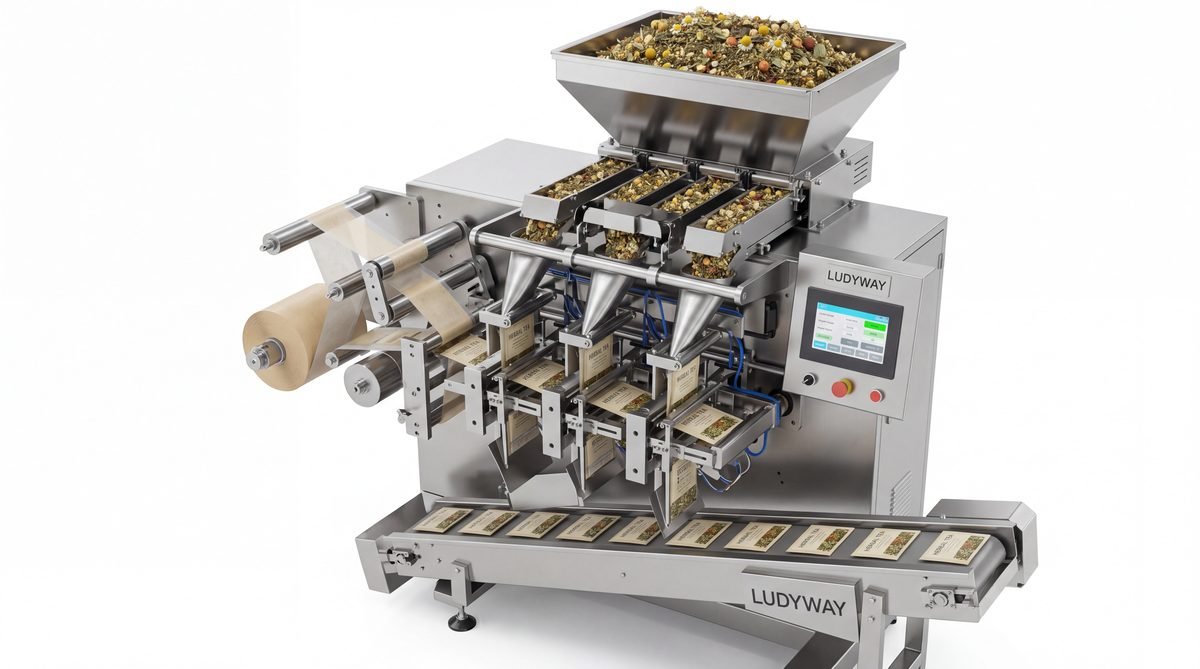
Frequently Asked Questions About Tea Packaging Machine Costs
How much does a small tea packing machine cost?
A basic single-lane sachet machine suitable for small-scale tea packaging typically costs between $5,000 and $15,000, depending on the filling mechanism and control system.
What is the price difference between semi-automatic and fully automatic tea packaging machines?
Semi-automatic models generally range from $5,000 to $20,000, while fully automatic multi-lane systems start at approximately $25,000 and can exceed $150,000 for high-capacity production lines.
Are Chinese tea packaging machines reliable?
Yes, many Chinese manufacturers produce high-quality packaging equipment that meets international standards. The key is to partner with an established supplier that has verifiable export experience, CE or equivalent certifications, and positive customer references. Always review the packaging industry standards relevant to your region before finalizing a purchase.
Additional Resources
- PMMI Business Intelligence — Packaging Industry Reports
- Flexible Packaging Association — Industry Resources
- ISO Packaging Standards
- FDA — Food Packaging and Food Contact Substances
- PACK EXPO International — Packaging Trade Show
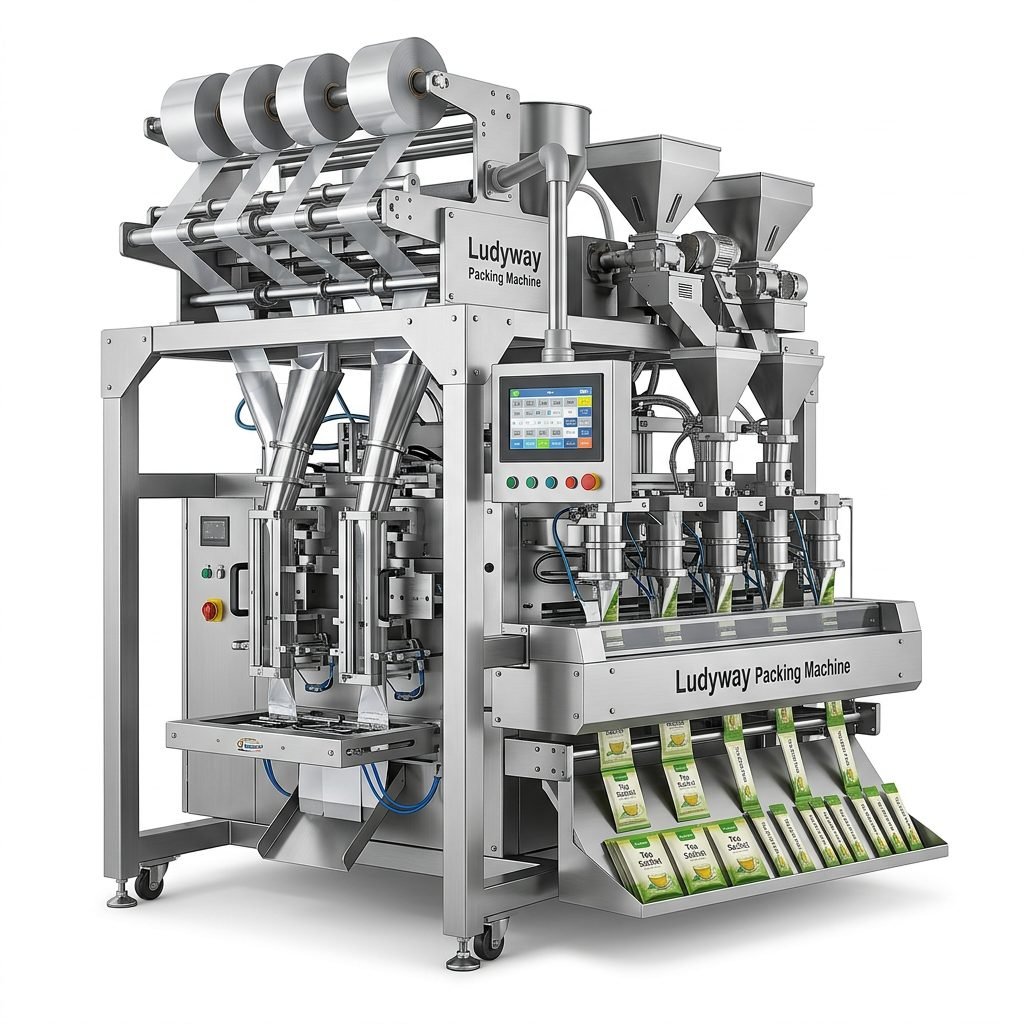
Selecting the right tea packing cover making machine requires careful evaluation of your production goals, budget, and long-term growth plans. By understanding the cost drivers and prioritizing essential features, you can invest in a solution that delivers consistent value and supports your brand’s success in the competitive tea market.