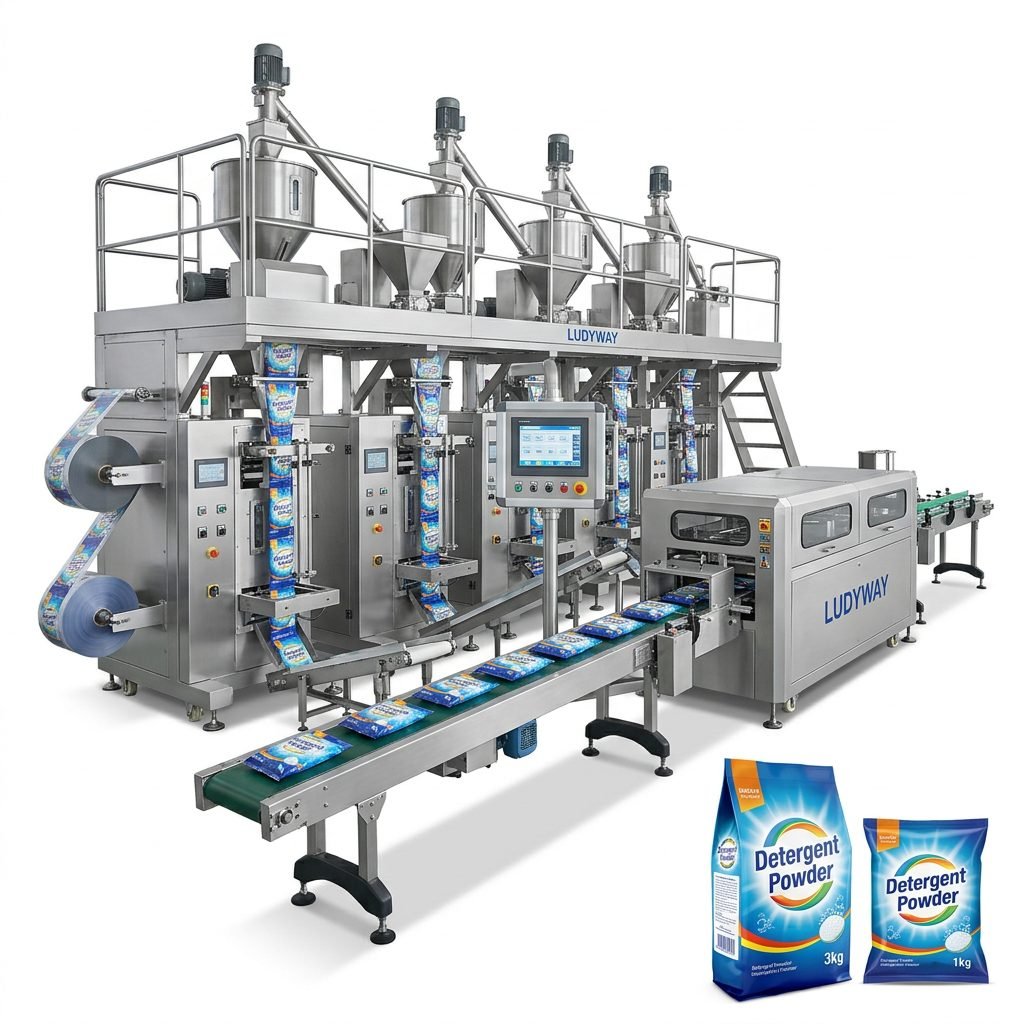
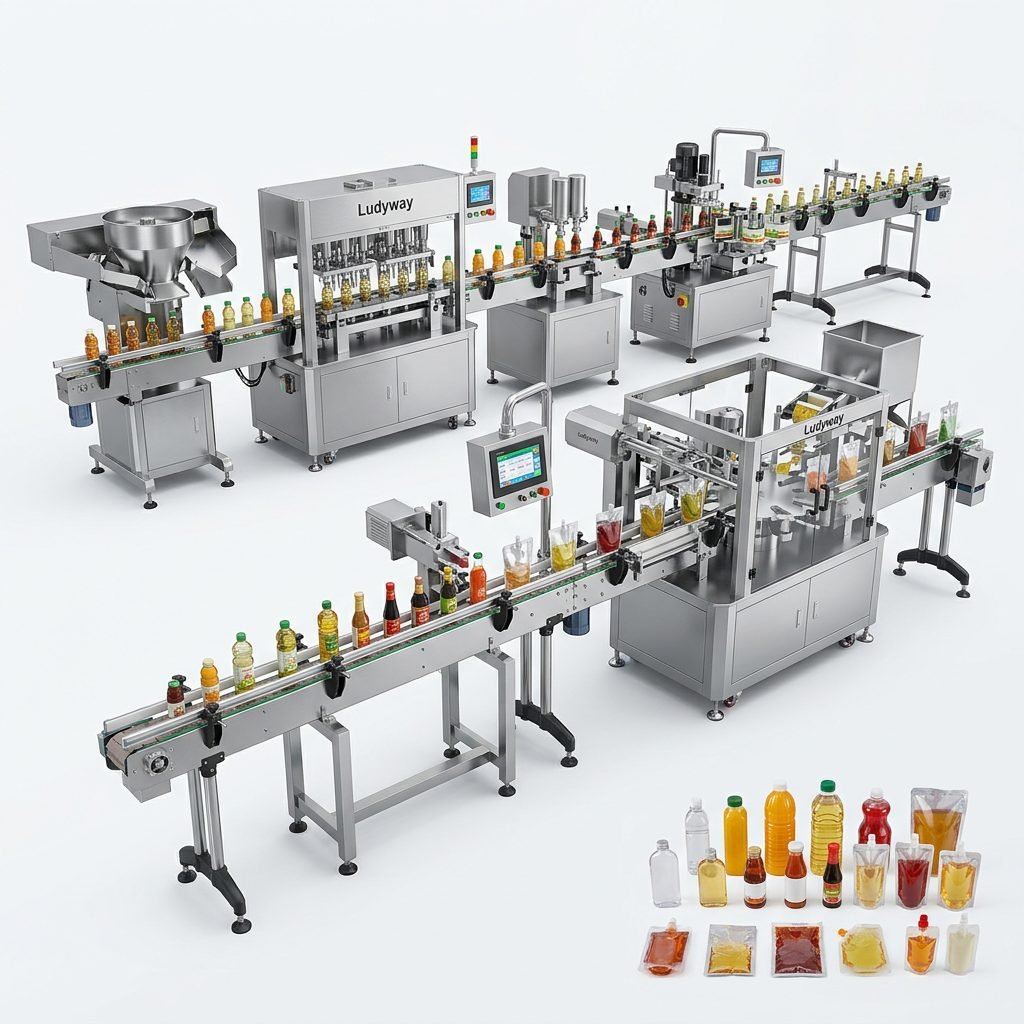
Confectionery lines move at the pace of consumer demand. Gummies, hard candies, mints, chewing gum, jelly beans, marshmallows and chocolate pieces leave the depositor or cooling tunnel by the tonne per shift, and the packaging cell is very often where throughput is lost. Selecting the right candy and confectionery packaging machines for high-speed production is therefore less about chasing the biggest headline speed and more about matching dosing method, pack format, film and line integration to the way your product actually behaves when it is sticky, dusty, fragile or hygroscopic.
This guide is written for candy manufacturers, contract packers, plant engineers and procurement teams evaluating new equipment. It compares the main machine types, explains the features that keep a line stable at hundreds of packs per minute, lays out a specification and compliance checklist, and finishes with the commercial questions buyers should settle before issuing a purchase order.
Where Speed Is Won or Lost on a Confectionery Line
A packaging machine’s rated speed is a laboratory figure. Real output depends on how consistently product flows into the former, how reliably seals form through sugar dust, and how quickly operators can change film reels and formats. A well-specified high-speed candy packaging system should deliver the following benchmarks in daily production, not just on the acceptance test.
480–720 sticks/min
Typical output of a 12-lane stick pack machine running gummies or mints at 40–60 cycles per minute
±0.5–1% dosing accuracy
Achievable with servo volumetric cups or multihead weighers, cutting product giveaway on every pack
Under 30 minutes
Target format changeover time with tool-less forming tubes and stored HMI recipes
90%+ line efficiency
Realistic OEE target once dosing, sealing and secondary packaging are balanced as one system
Types of Candy and Confectionery Packaging Machines
Confectionery packaging falls into primary machines that form, fill and seal the consumer pack, and secondary machines that carton, case and palletize. The primary format drives everything else, so start there.
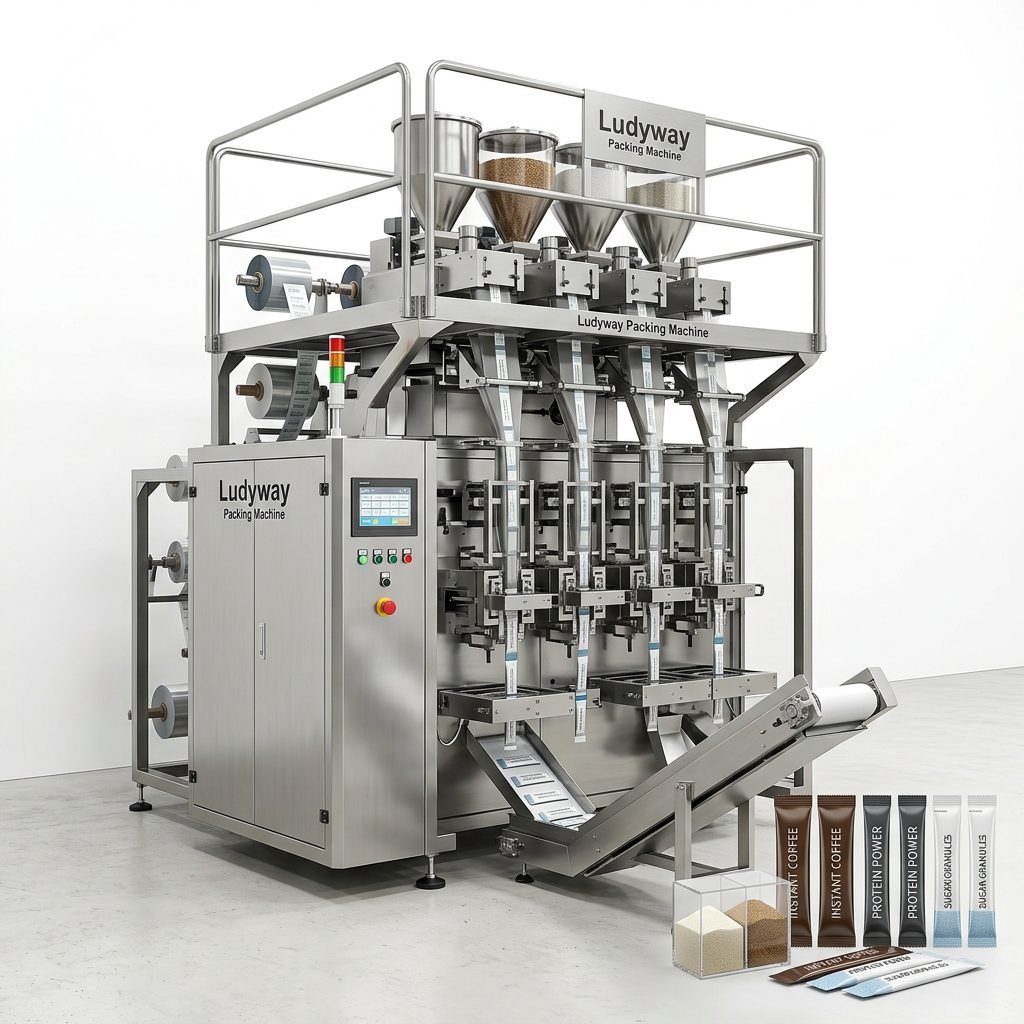
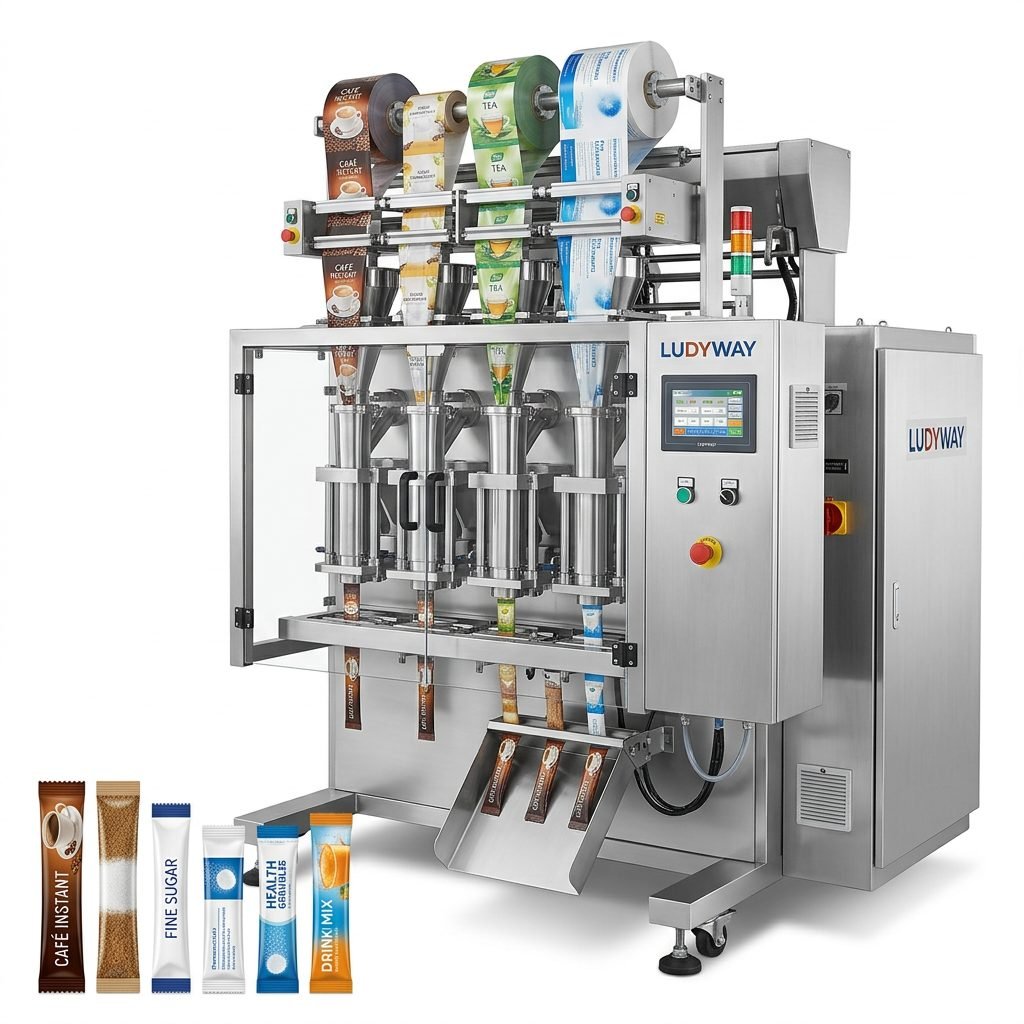
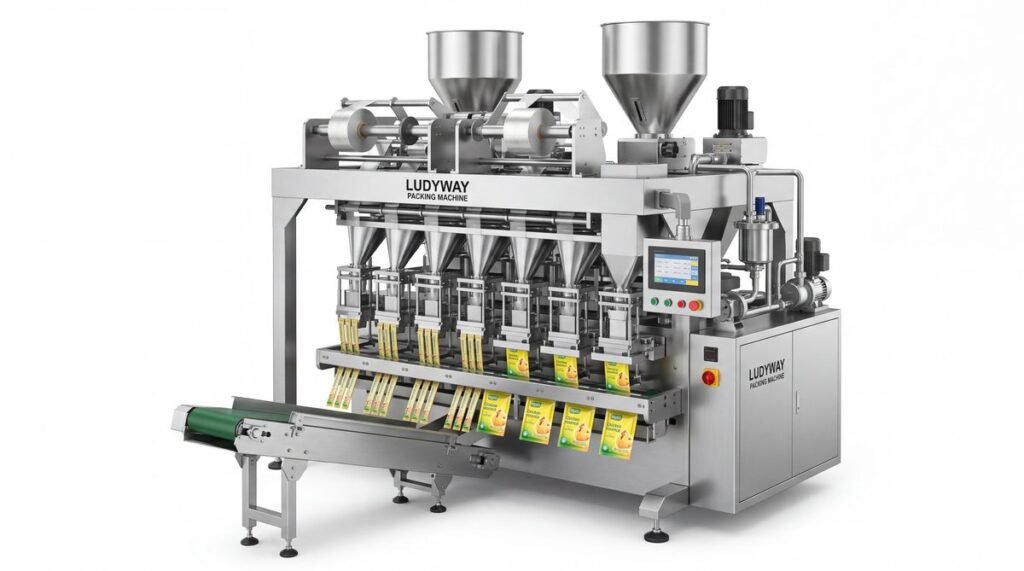
Multi-lane stick pack machine configured for single-serve confectionery portions
Multi-Lane Stick Pack Machines
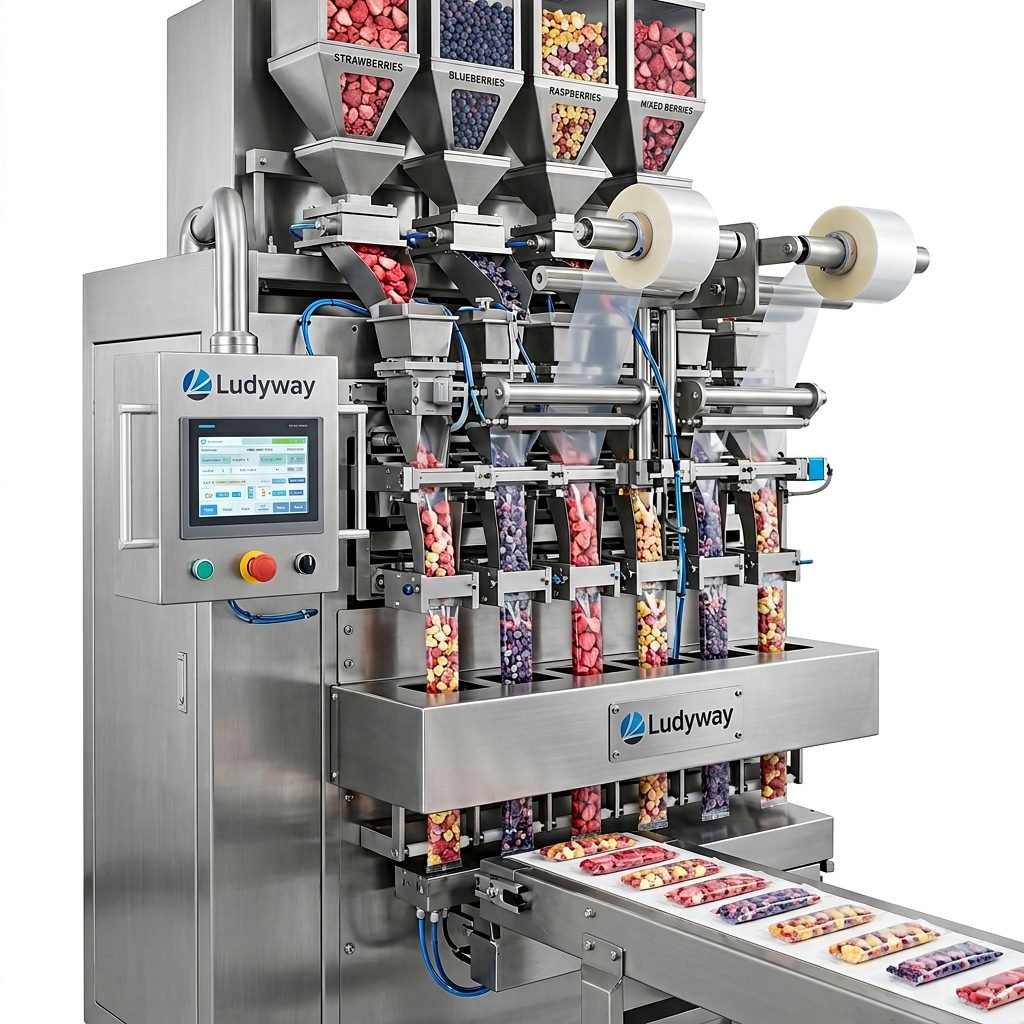
Stick packs are the fastest-growing format for gummies, mints, jelly beans, sugar-free pastilles and xylitol or erythritol crystals. A multi-lane machine forms 6 to 12 narrow tubes from a single film web and fills them simultaneously, which is why a 12-lane unit can out-produce several single-lane machines in a fraction of the floor space. Dosing can be volumetric cup for free-flowing pieces, counting discs for exact piece-count claims, or auger for powdered candy. The multi-lane gummy candy stick pack machine is a typical configuration for this segment.
Multi-Lane Sachet (Four-Side Seal) Machines
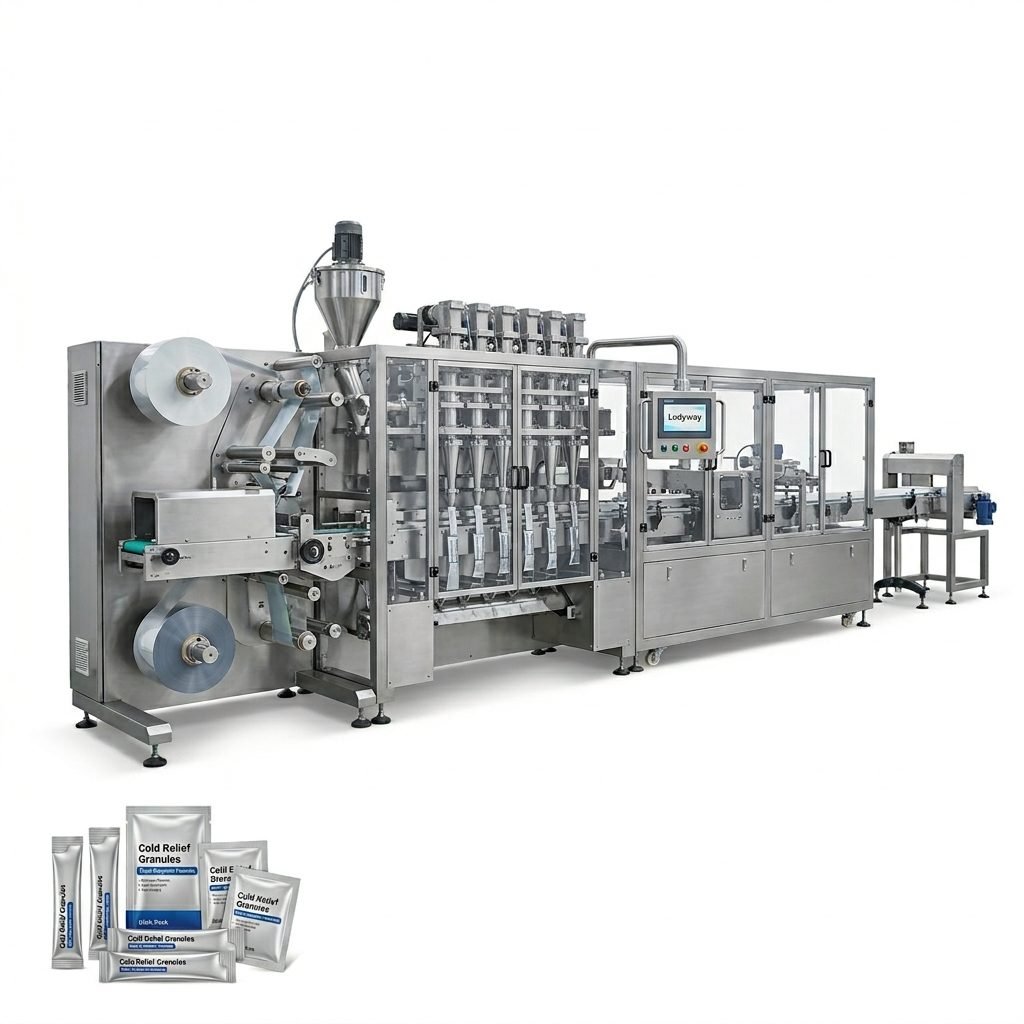
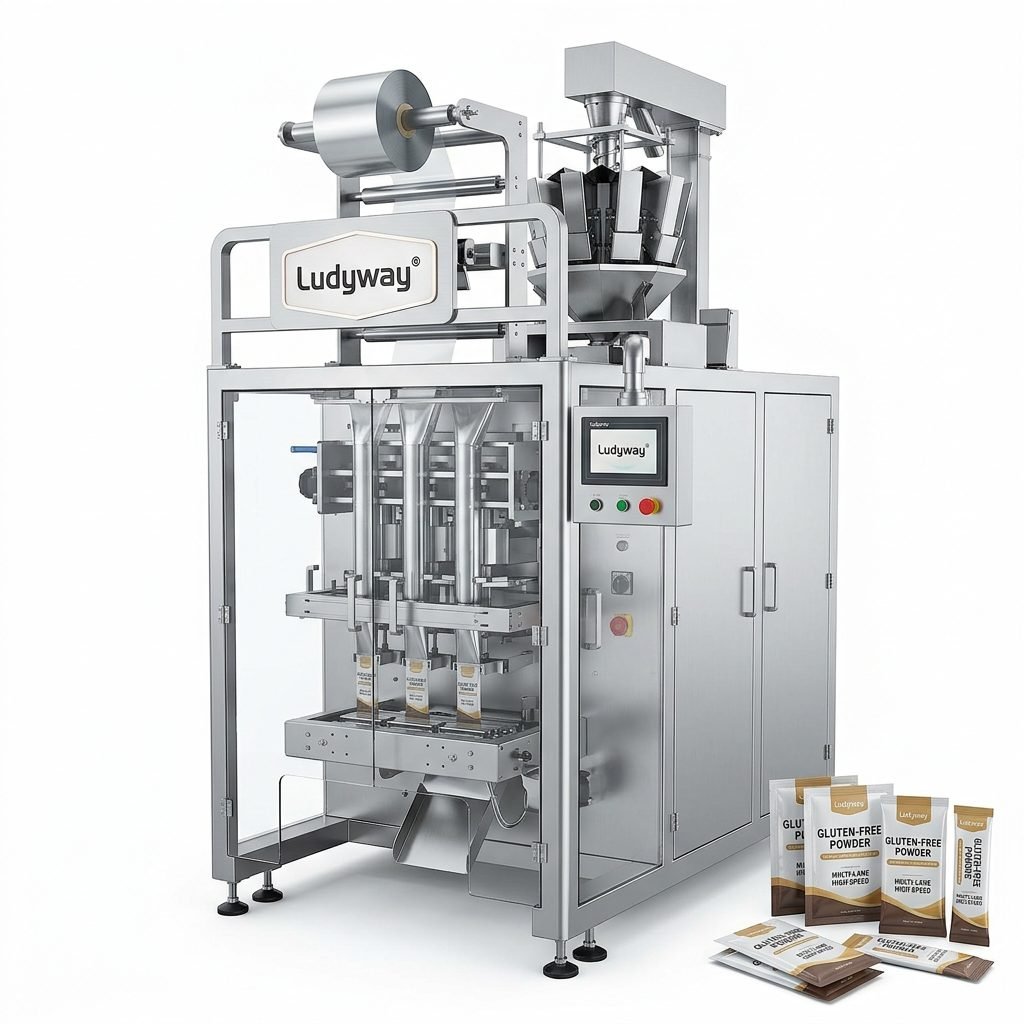
Four-side seal sachets suit flat candy pieces, powdered sherbet, drink-mix candies and promotional single mints. The same multi-lane architecture applies, with the option of nitrogen flushing for oxidation-sensitive chocolate or nut-inclusion products.
Vertical Form Fill Seal (VFFS) Baggers
For sharing bags and bulk retail packs, a VFFS machine paired with a multihead combination weigher remains the workhorse. Pillow, gusseted and quad-seal bags from 50 g to 2 kg run at 60 to 150 bags per minute depending on weight and film. For fragile hard candy or chocolate pieces, specify low drop heights, soft-landing chutes and a weigher dimple plate to limit breakage.
Horizontal Flow Wrappers and Premade Pouch Machines
Chocolate bars, candy bars, lollipops and wafers are wrapped on horizontal flow wrappers, often with cold-seal film for chocolate to avoid heat damage. Premium gummies increasingly use resealable stand-up pouches filled on rotary premade pouch machines, which trade speed for shelf appeal. Chewing gum pellets and coated tablets can run on either sachet or stick formats, as shown by the chewing gum packaging machine for stick packs and sachets.
| Machine Type | Best Candy Applications | Typical Output | Pack Format | Watch Points |
|---|---|---|---|---|
| Multi-lane stick pack | Gummies, mints, jelly beans, sugar-free candy, sweetener crystals | 300–900 sticks/min (6–12 lanes) | Three-side seal stick, 17–40 mm wide | Counting vs volumetric dosing; anti-stick product path |
| Multi-lane sachet | Flat candy pieces, powdered candy, single-serve mints | 300–800 sachets/min | Four-side seal flat sachet | Print registration; nitrogen flushing option |
| VFFS with multihead weigher | Bulk gummies, hard candy, chocolate pieces, assortments | 60–150 bags/min | Pillow, gusseted, quad seal | Weigher accuracy; drop height and breakage |
| Horizontal flow wrapper | Chocolate bars, candy bars, lollipops, wafers | 300–1,200 pcs/min | Pillow flow pack | Infeed automation; cold seal for chocolate |
| Premade pouch / doypack | Premium gummies, resealable sharing bags | 40–120 pouches/min | Zipper stand-up pouch | Pouch unit cost; zipper seal integrity |
Features That Keep a High-Speed Candy Line Stable
Dosing Built for Sticky and Dusty Products
Gummies bridge in hoppers, hard candy generates sugar dust, and coated gum pellets chip when agitated. Look for vibratory feeders with adjustable amplitude, Teflon or mirror-polished contact surfaces, hopper level sensors and dust extraction ports. Counting-disc dosers are preferable when the label states a piece count; volumetric cups are faster and cheaper when weight is declared.
Sealing Systems That Tolerate Contamination
Sugar particles in the seal area are the leading cause of leakers on candy lines. Servo-controlled sealing jaws with independent temperature zones, serrated or waffle patterns, and optional ultrasonic sealing for stick packs all help maintain seal integrity at speed. Ask for seal strength test data on your actual film.
Film Handling and Changeover
Servo film pull with photo-eye registration, automatic splice tables and tool-less forming tube exchange reduce reel changes and format swaps to minutes. Recipe storage on the HMI should capture temperatures, dosing volumes and film pull length for every SKU.
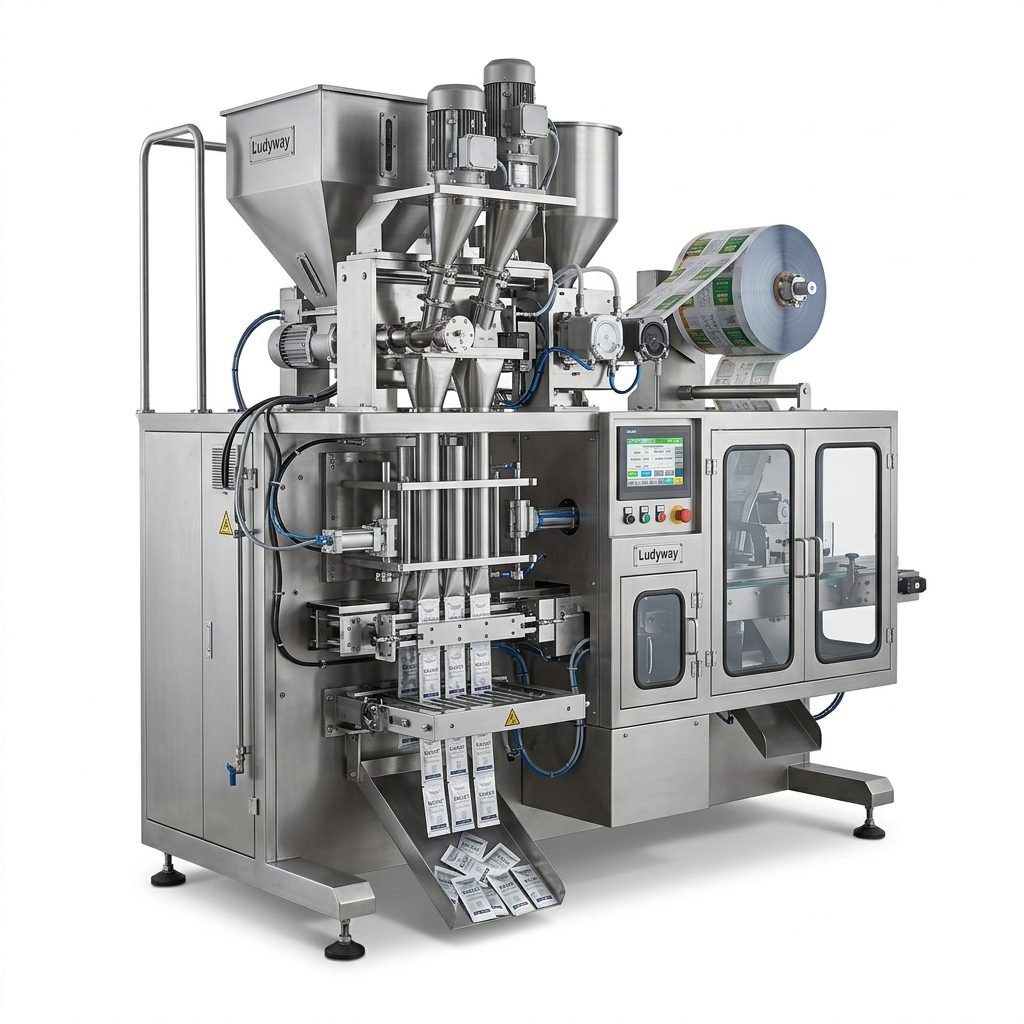
Four-side seal sachet machine with independent heater zones and servo film drive
Hygiene and environment matter as much as mechanics. Sugar-based products attract moisture, so stainless steel SUS304 or 316L construction, IP65 electrical cabinets, washdown-rated motors and a dehumidified packaging room (typically below 45% RH for hard candy and sugar-free products) are the difference between a machine that runs at rated speed and one that stalls every hour.
Inline Quality Control and Line Integration
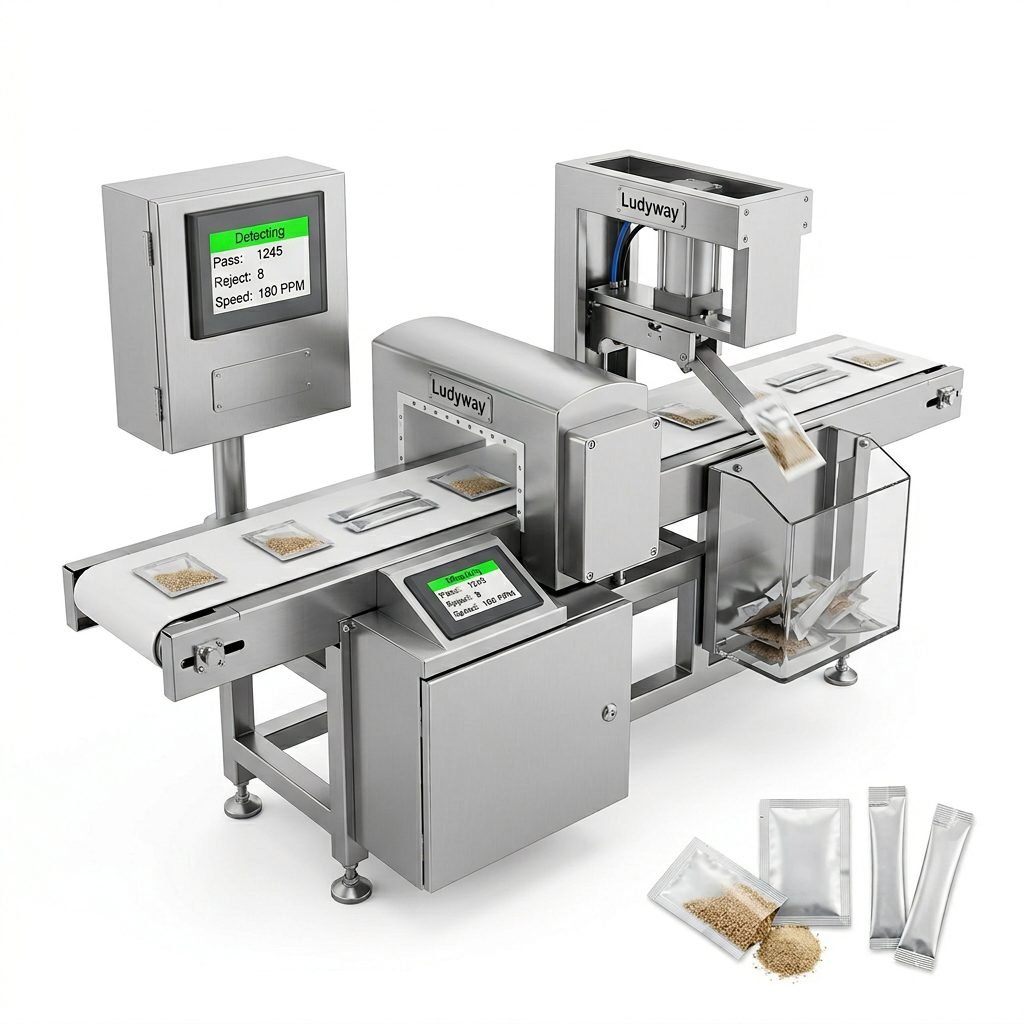
Retail customers increasingly audit for inline weight verification and foreign body detection. A high-precision checkweigher and an industrial metal detector with automatic rejects should be designed into the line layout from the start, together with conveyors, collation, cartoning and case packing. A balanced line protects the primary machine from backing up and is the reason many producers now purchase a complete turnkey candy packaging line rather than individual machines.
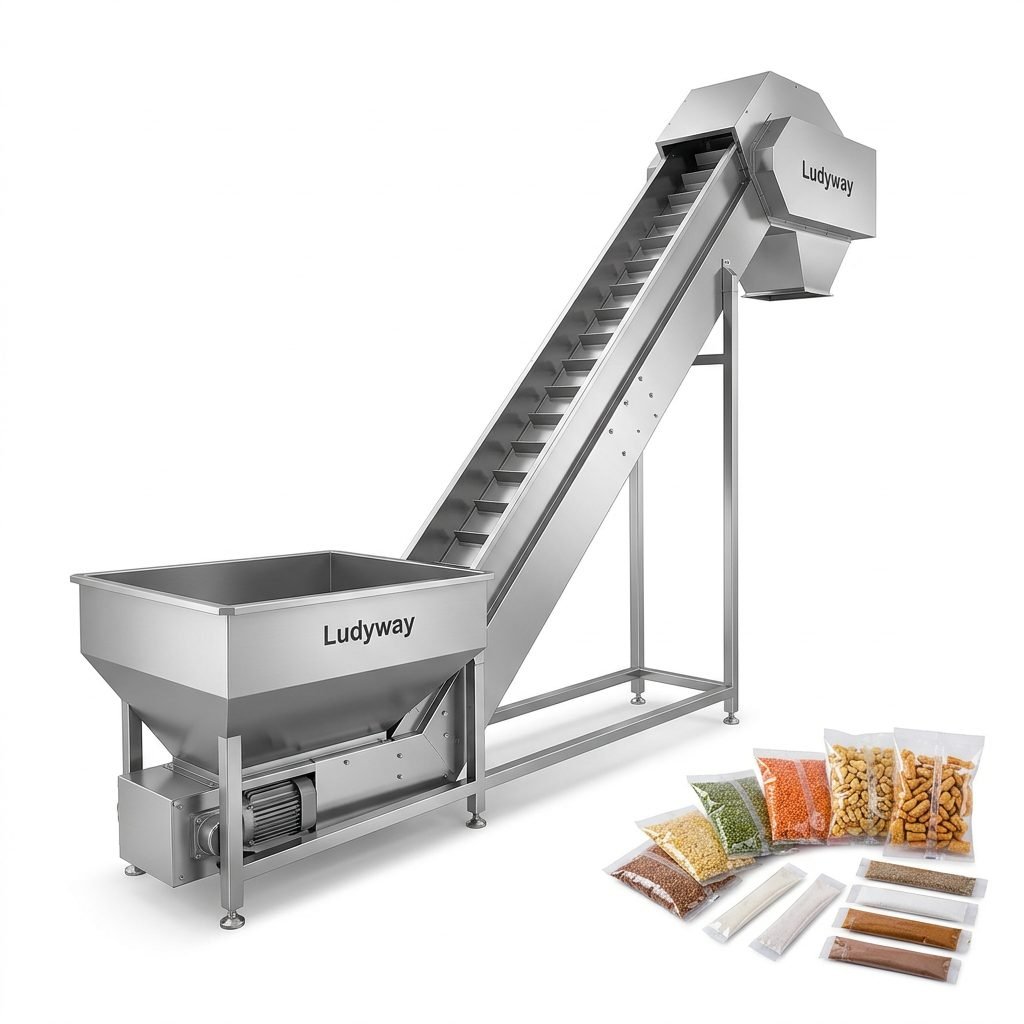
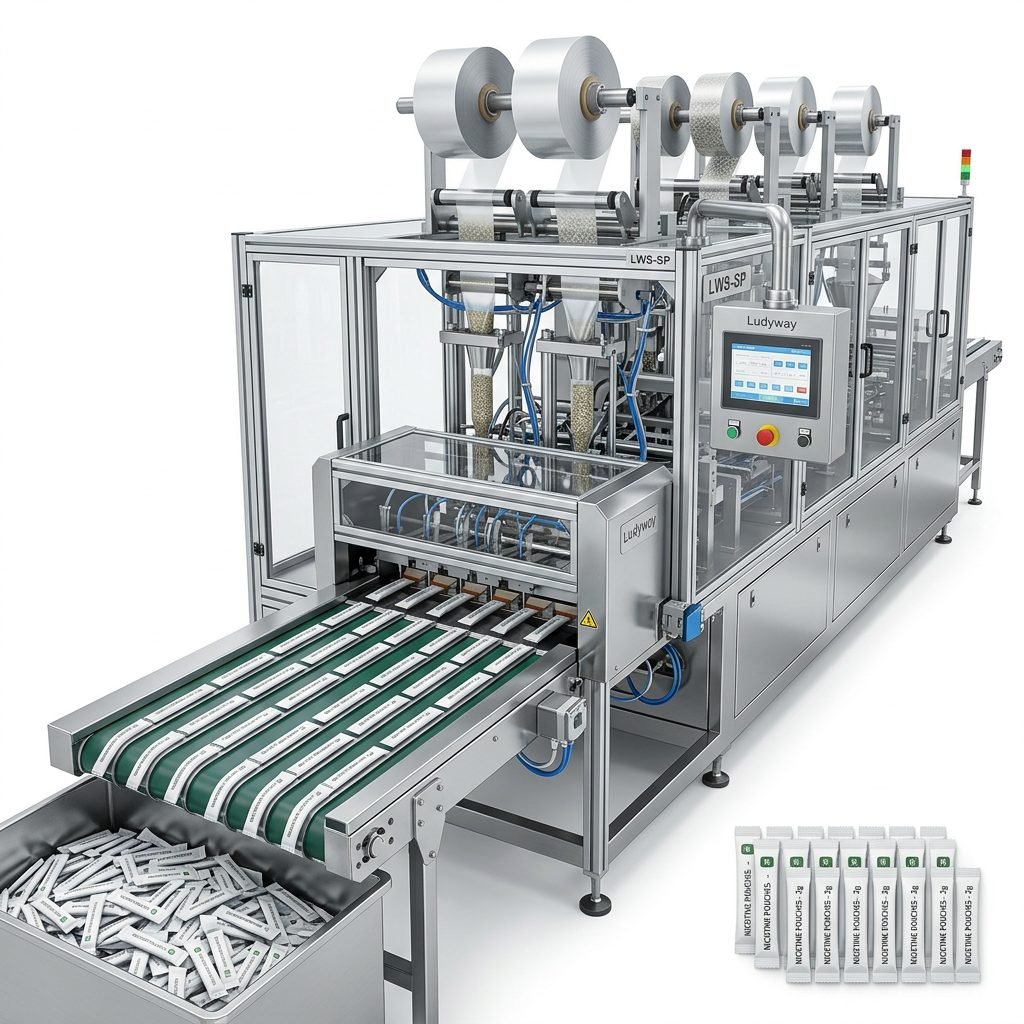
Inclined product conveyor used to feed confectionery into multi-lane packaging machines
How to Choose the Right Machine: A Six-Step Method
Step 1 · Characterize the product
Record piece size, bulk density, surface tack, dust level, fragility and moisture sensitivity. Send 2–5 kg of real product to the supplier for a dosing trial before any quotation is finalized.
Step 2 · Fix the output target
Convert annual volume into packs per minute at realistic efficiency and shift patterns. Build in 20–30% headroom so the machine is not running at its limit every day.
Step 3 · Lock the format and film
Decide stick, sachet, pillow bag or pouch, and the film structure: PET/PE, PET/AL/PE, paper-based or recyclable mono-PE. Film choice affects seal temperature, speed and barrier.
Step 4 · Plan the full line
Map infeed conveyors, dosing, primary packaging, QC and secondary packaging on one layout. Confirm utilities: compressed air volume, voltage and frequency, and nitrogen supply if required.
Step 5 · Verify compliance
Request CE declarations for the EU, UL-listed control panels and NFPA 79 wiring for North America, and food-contact material certificates for every product-touching part.
Step 6 · Evaluate the supplier
Insist on a factory acceptance test with your product and film, a spare parts list, remote diagnostics and a named service engineer for installation and commissioning.
“The most expensive packaging machine is the one that runs 40% slower than the brochure because nobody tested the actual gummy recipe on it. Trial your product first, then negotiate speed.”
— Common advice from confectionery plant engineers during equipment selection
Specification and Compliance Checklist for Buyers
Use the following checklist when comparing quotations. Industry benchmarks for automation, changeover and OEE are tracked in PMMI’s 2026 Packaging State of the Industry report, which is a useful reference when setting internal targets.
| Specification | What to Confirm | Why It Matters for Candy |
|---|---|---|
| Dosing system | Volumetric cup, auger, multihead weigher or counting disc; stated accuracy | Piece-count label claims and giveaway control on high-value gummies |
| Film compatibility | Laminate structures, thickness range, paper-based and mono-material options | Barrier for hygroscopic sugar-free candy; recyclability targets |
| Contact materials | SUS304/316L, food-grade plastics with certificates | Compliance with FDA food-contact rules and EU Regulation 1935/2004 |
| Electrical and safety | CE marking, UL 508A panel, NFPA 79, PLC and servo brands | Local inspection approval and spare parts availability |
| Inline QC and data | Checkweigher, metal detector, vision, reject station, OEE export | Retailer audits, recall prevention, continuous improvement |
Food-contact requirements for the machine and the film are governed in the United States by the FDA’s rules on packaging and food contact substances. For film selection, barrier performance and sustainability trends, the Flexible Packaging Association industry resources provide converter-level guidance that is directly relevant to confectionery stick packs and sachets.
Procurement Essentials: Terms, Lead Times and Deliverables
Typical Commercial Framework
- Minimum order quantity for standard multi-lane machines is usually one unit; turnkey lines are quoted as a project
- Lead time of roughly 45–90 days for standard stick pack or sachet machines and 90–150 days for integrated lines, confirmed at order
- Payment structures commonly split between deposit on order and balance before shipment after factory acceptance
- Quotations issued EXW, FOB or CIF depending on destination and the buyer’s freight arrangements
- Twelve-month warranty with wear parts list and recommended two-year spares kit
What to Request Before Ordering
- Sample packs produced from your product and your film during the trial
- Line layout drawing with utility points and operator access
- Component brand list for PLC, servos, sensors and pneumatics
- FAT protocol covering speed, accuracy, seal integrity and changeover
- Installation, commissioning and operator training scope with named engineers
Why Confectionery Producers Work with Ludyway
Ludyway is one of the largest packaging machine manufacturers in China, specializing in advanced packaging equipment and turnkey production solutions for the food, pharmaceutical and health industries. Founded in 1993 and based in Nanlang Town, Zhongshan, Guangdong, the company draws on more than 30 years of engineering experience, a 20,000㎡ manufacturing facility and a team of 130+ packaging specialists to build more than 50 intelligent machine models, including multi-lane stick pack, sachet and fully automated packaging systems.
For candy and confectionery customers this translates into dosing systems proven on granular and piece-form products, multi-lane machines engineered for high output in compact footprints, and complete line integration from infeed conveyor to palletizer. Ludyway serves customers in more than 100 countries and regions and exhibits at major international packaging shows, where buyers can see confectionery configurations running live.
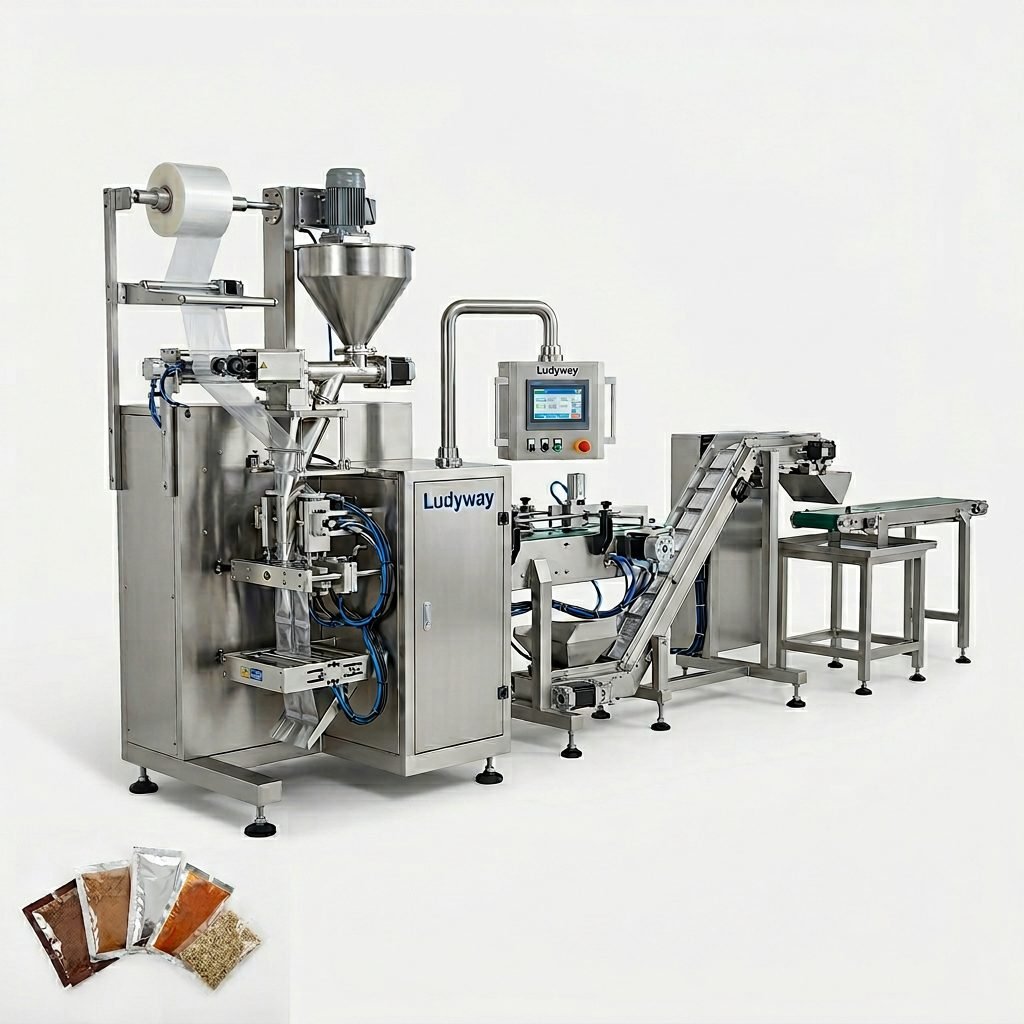
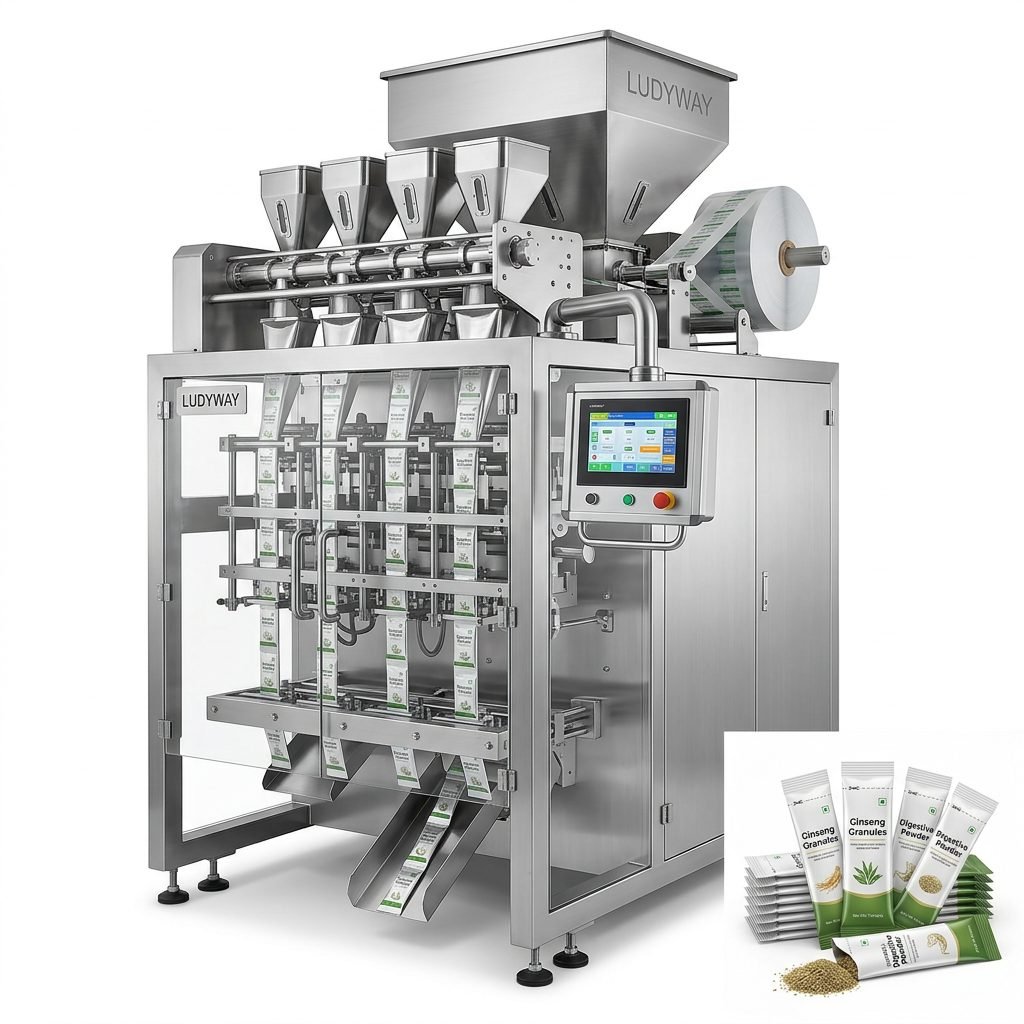
Compact multi-lane sachet packaging line engineered for granular and piece-form products
30+ Years
Packaging machinery experience
50+ Models
Stick pack, sachet and line systems
200+ Units
In-house manufacturing equipment
100+ Countries
Served with installation support
Confectionery Packaging Machines and Lines from Ludyway
Gummy Candy Stick Pack Machine
Multi-Lane Stick Pack, Gummies
Quote on Request
Chewing Gum Packaging Machine
Stick Pack & Sachet, Gum Pellets
Quote on Request
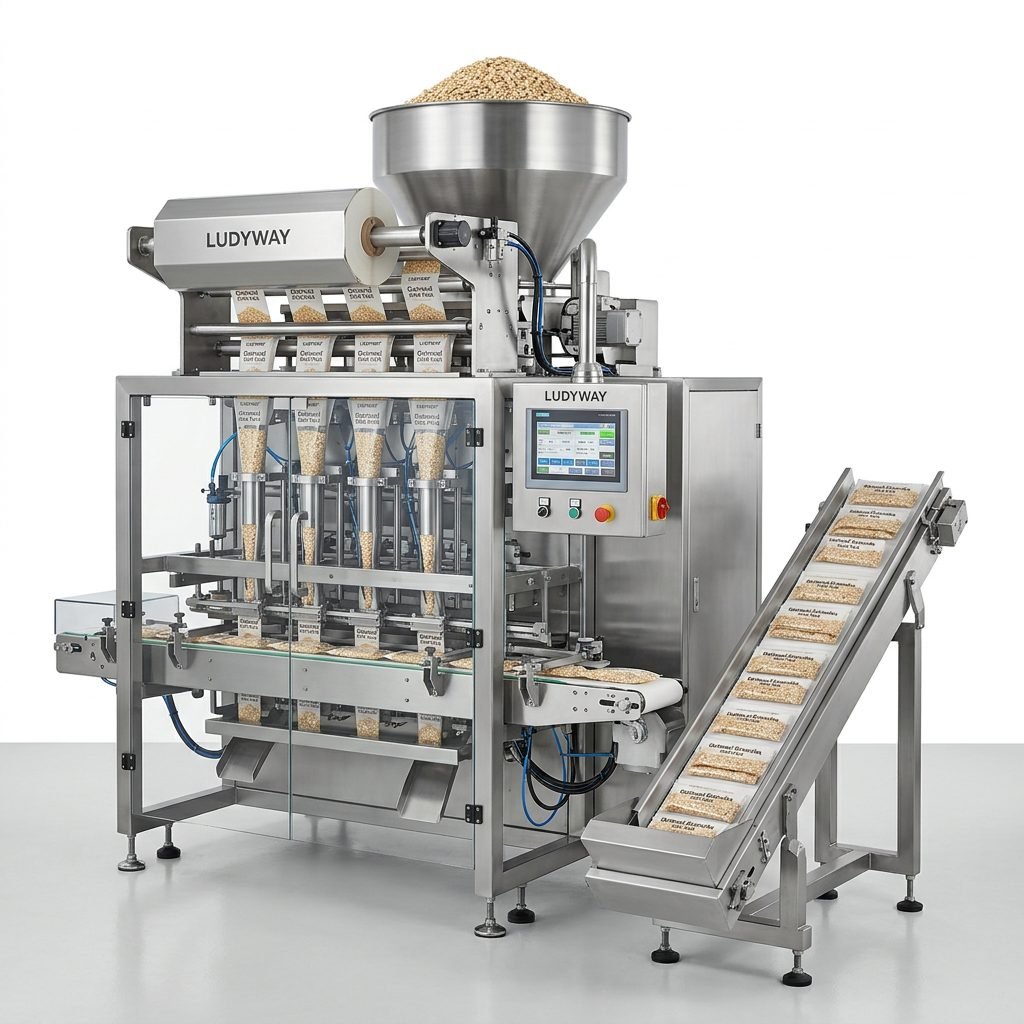
Mint Candy Stick Pack Machine
Multi-Lane Stick Pack, Mints
Quote on Request
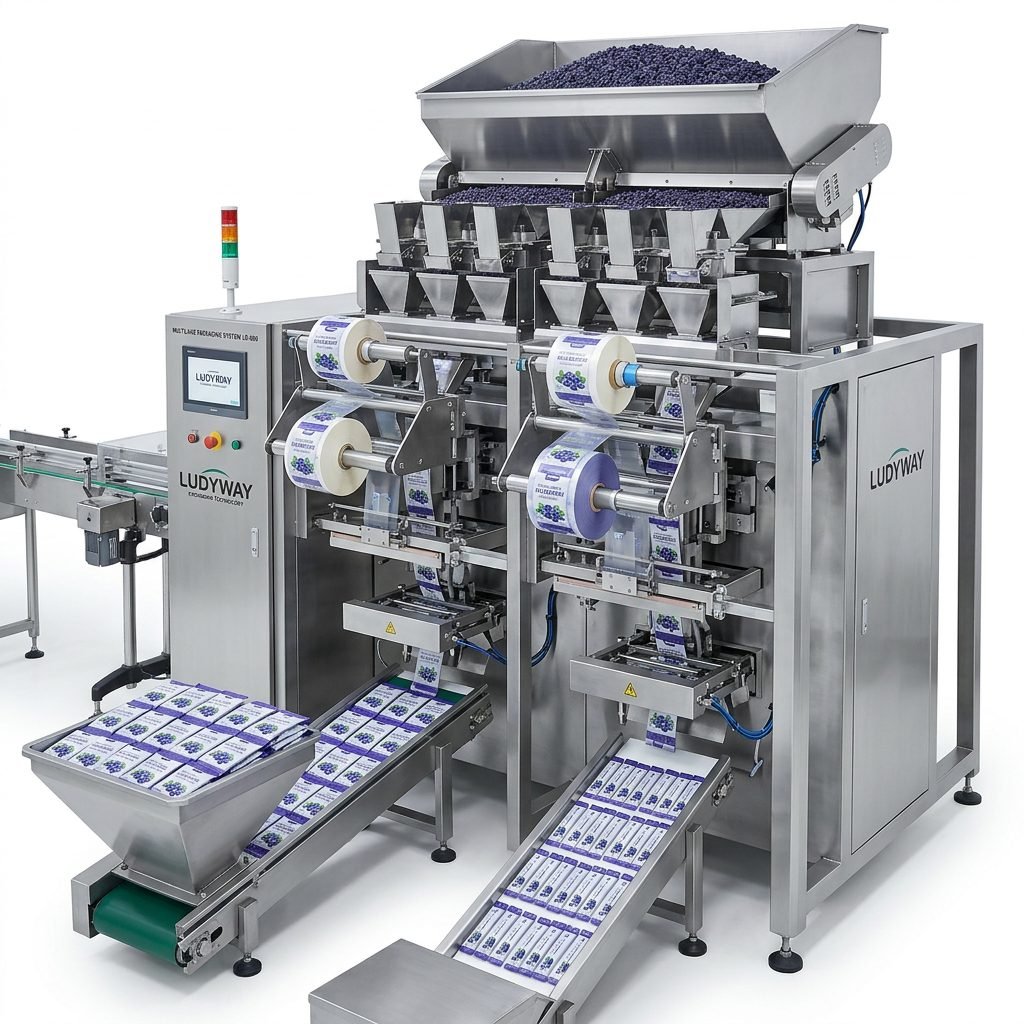
Lollipop Confectionery Stick Pack
High-Speed Multi-Lane, Confectionery
Quote on Request
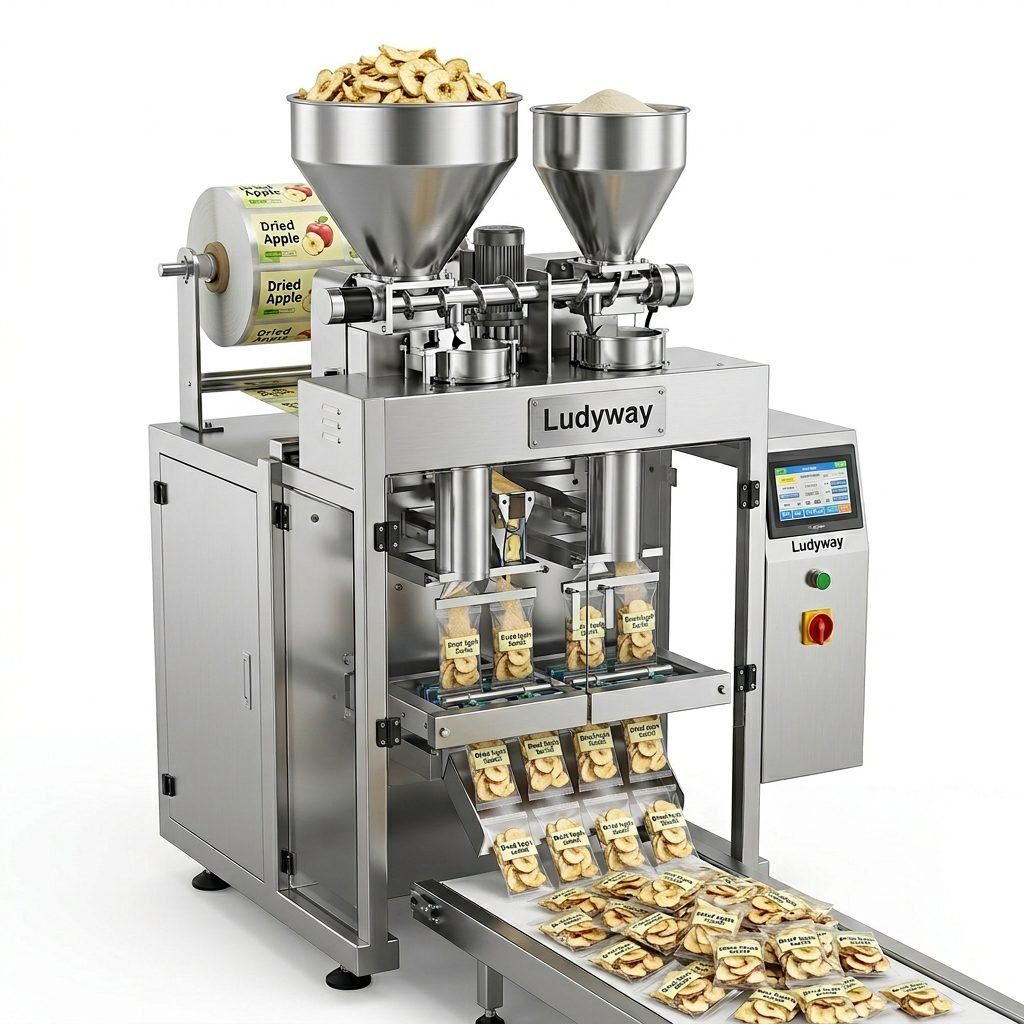
Jelly Bean Stick Pack Machine
Multi-Lane Granule, Jelly Beans
Quote on Request
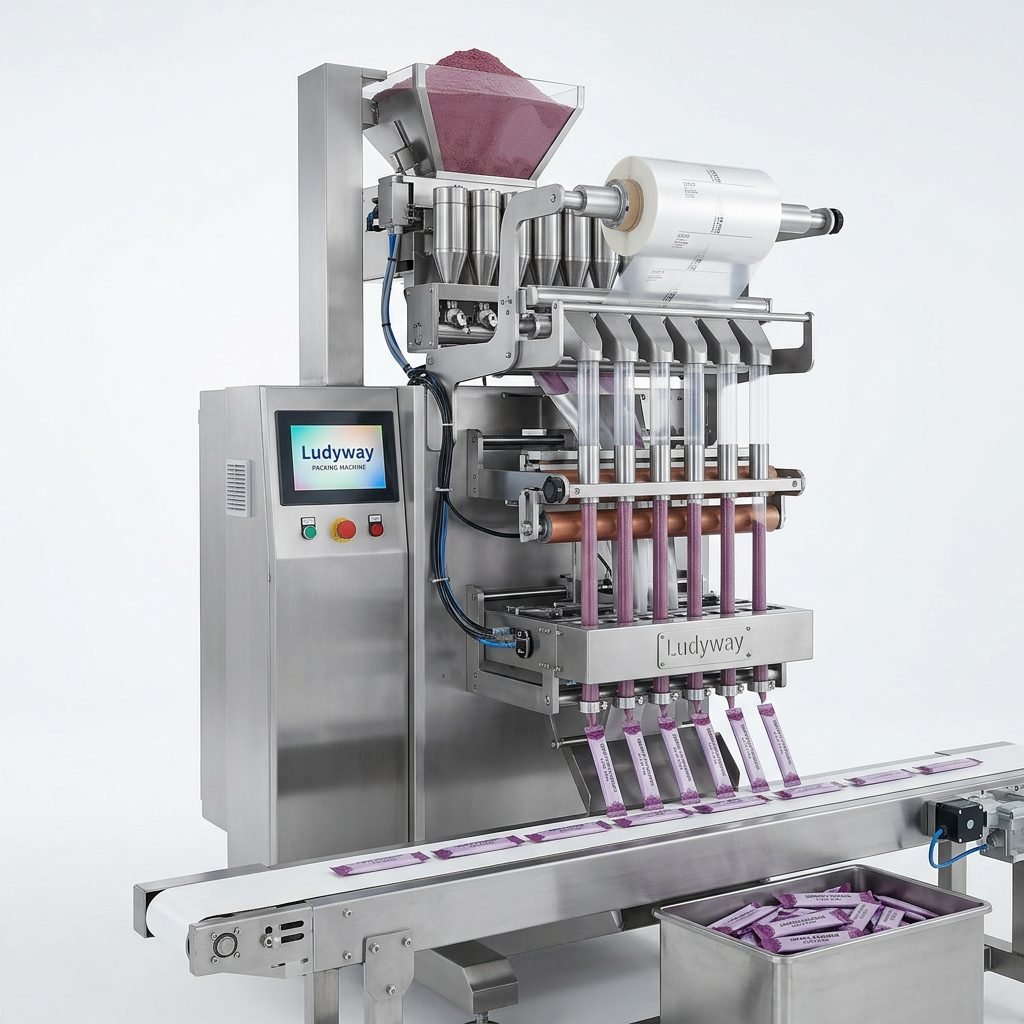
Marshmallow Stick Pack Machine
Multi-Lane Stick Pack, Marshmallows
Quote on Request
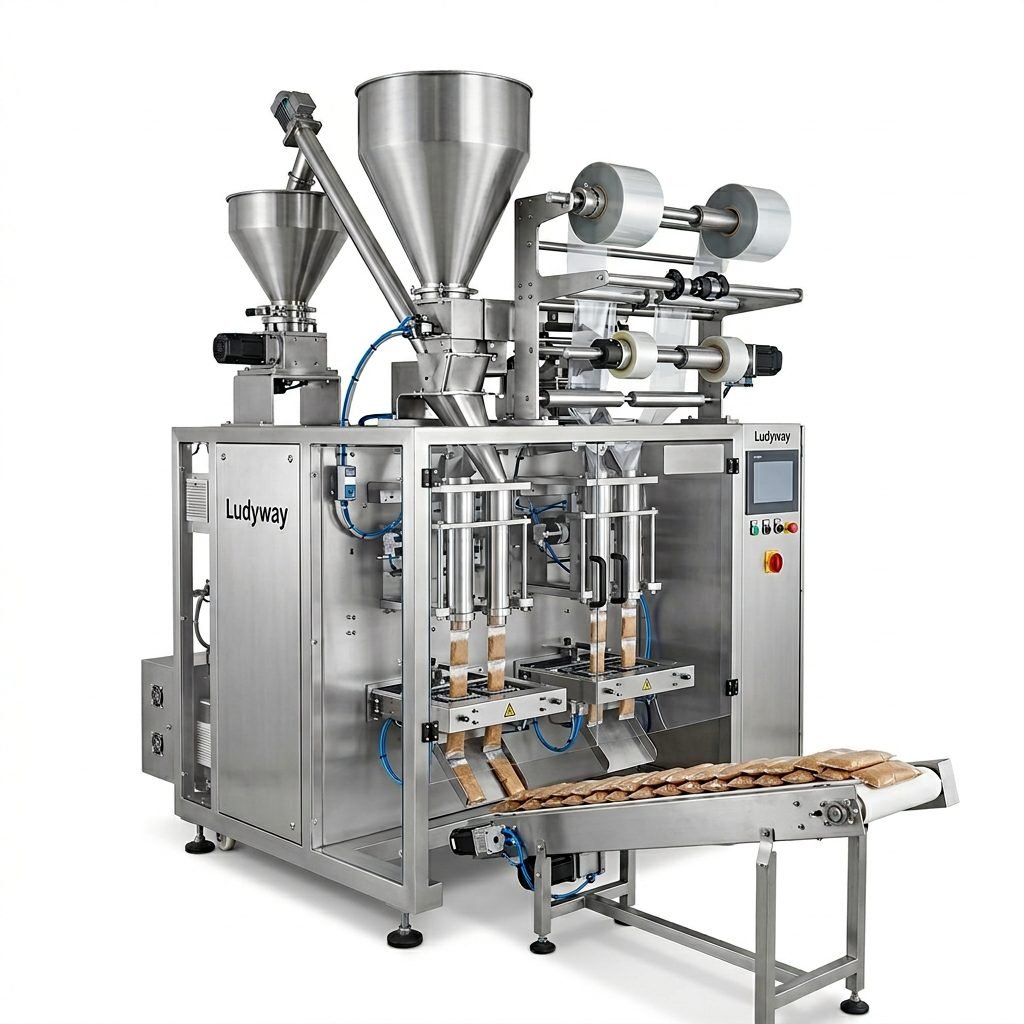
Chocolate Pieces Packaging Equipment
Multi-Lane System, Chocolate Bars & Pieces
Quote on Request
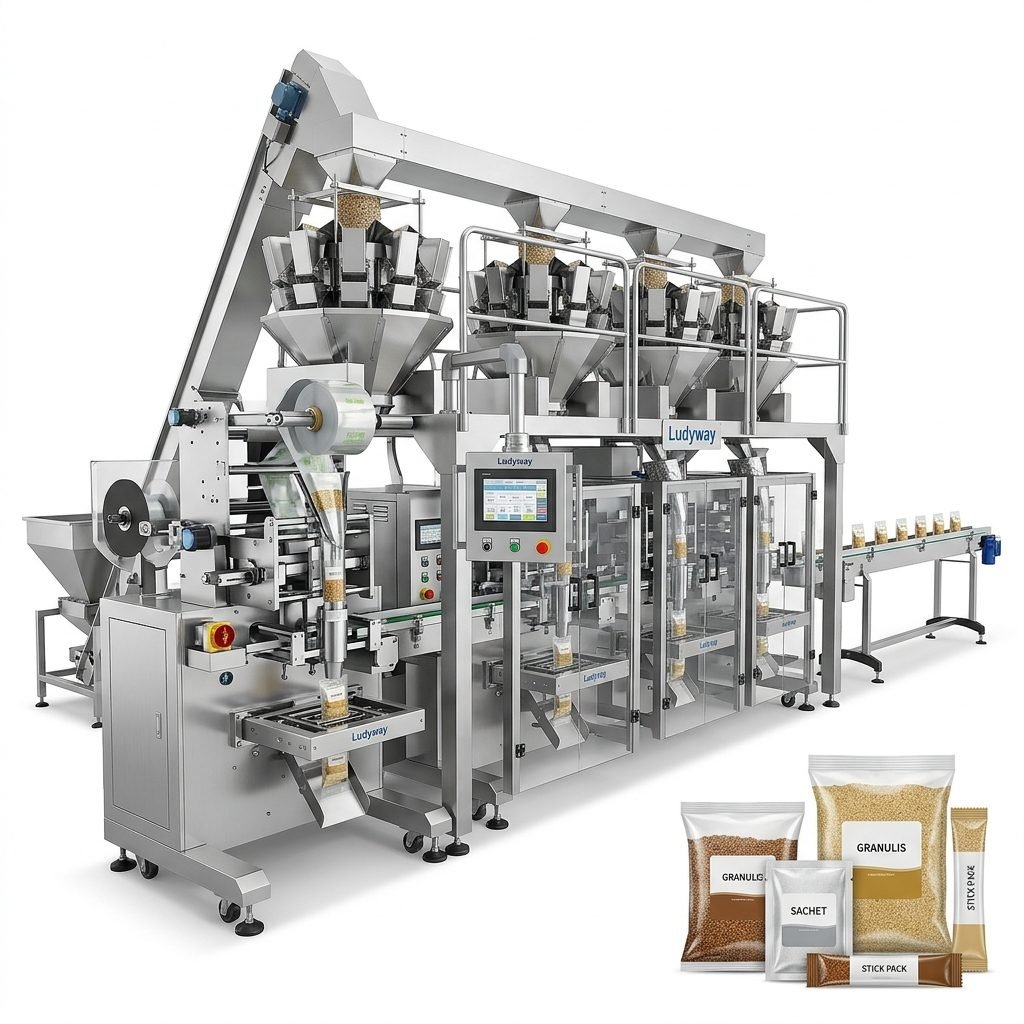
Turnkey Candy Packaging Line
Complete Line, Granule & Piece Candy
Quote on Request
Frequently Asked Questions
What output can a multi-lane stick pack machine realistically reach for gummies?
A 12-lane machine running 40–60 cycles per minute produces 480–720 stick packs per minute with volumetric dosing. Counting-disc dosing for exact piece counts is somewhat slower, typically 30–45 cycles per minute, because each lane must singulate pieces. Final speed depends on piece size, tack and film, which is why a product trial is essential before committing to a figure.
Can one machine handle both hard candy and gummies?
Yes, provided the dosing system is specified for both. Hard candy is free-flowing and runs well on volumetric cups, while gummies may need vibratory assist, anti-stick surfaces and a larger forming tube. Ordering interchangeable dosing heads and forming tubes at the outset is far cheaper than retrofitting later.
Which films are recommended for sugar-free or hygroscopic confectionery?
Polyol-based sugar-free candy absorbs moisture quickly, so high-barrier structures such as PET/AL/PE or metallized PET/PE are standard. Where recyclability is a priority, barrier-coated mono-material PE films are now available, but seal windows are narrower and the machine should have precise independent temperature control on each sealing zone.
What certifications should I request when importing to the US or EU?
For the EU, ask for a CE Declaration of Conformity covering the Machinery Directive and EMC, plus food-contact declarations for product-touching parts. For North America, request UL 508A listed control panels, NFPA 79 compliant wiring and material certificates aligned with FDA food-contact requirements. Reputable suppliers provide these documents with the quotation rather than after shipment.
What are typical lead times and minimum order quantities?
Standard multi-lane stick pack and sachet machines are usually available with a single-unit minimum order and a lead time of roughly 45–90 days after technical approval. Turnkey candy packaging lines with conveyors, inspection and cartoning typically require 90–150 days including factory acceptance testing. Confirm exact timing when the specification is frozen.
Next Step: Get a Configuration and Quotation for Your Candy Line
If you are specifying candy and confectionery packaging machines for high-speed production, the fastest route to a reliable decision is a product trial on the proposed machine. Send Ludyway your product samples, target output, pack format and film details, and our engineers will return a recommended configuration, line layout, compliance documentation and a formal quotation. Sample packs from the trial and the full machine catalog are available on request.
Email: info@ludyway.com
WhatsApp: +86 131 2959 2456
Factory visits: Nanlang Town, Zhongshan, Guangdong, China — see confectionery stick pack and sachet lines running before you order, or meet the team at international packaging exhibitions.