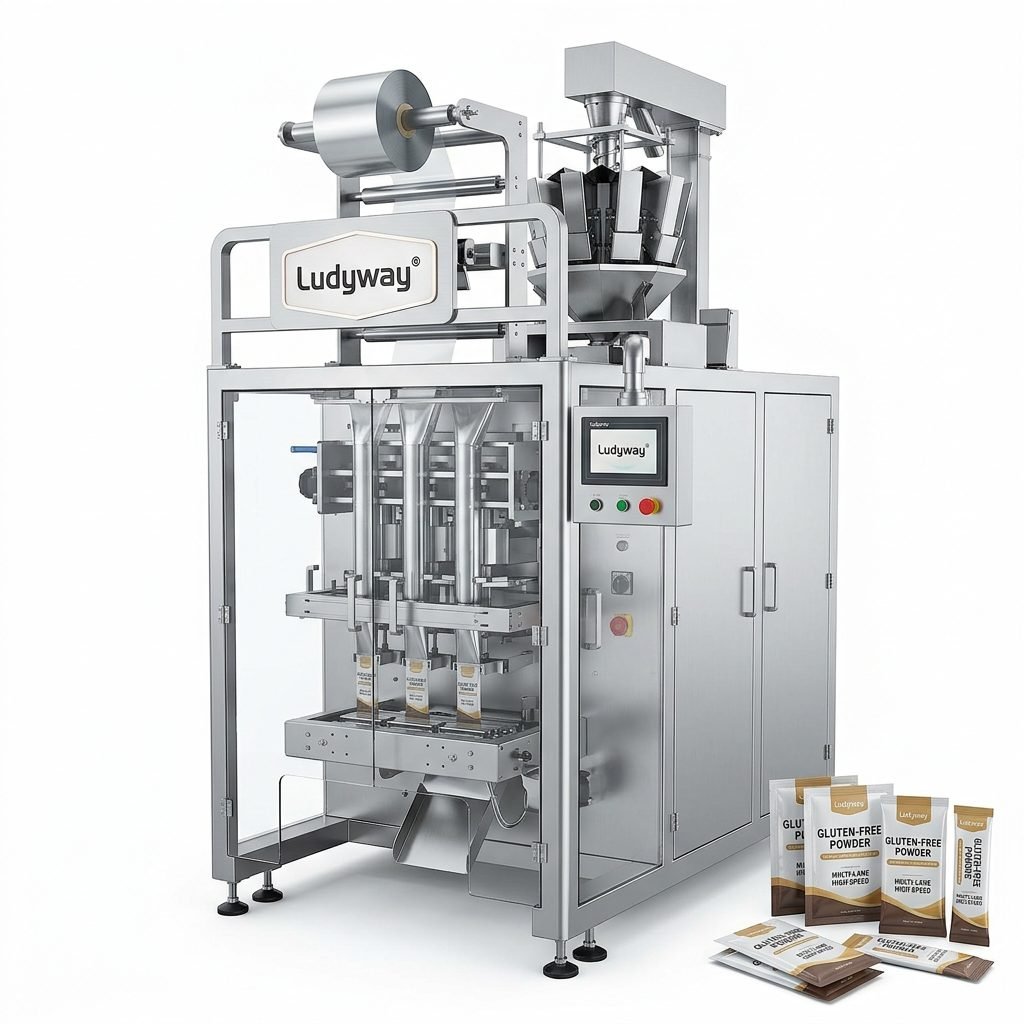
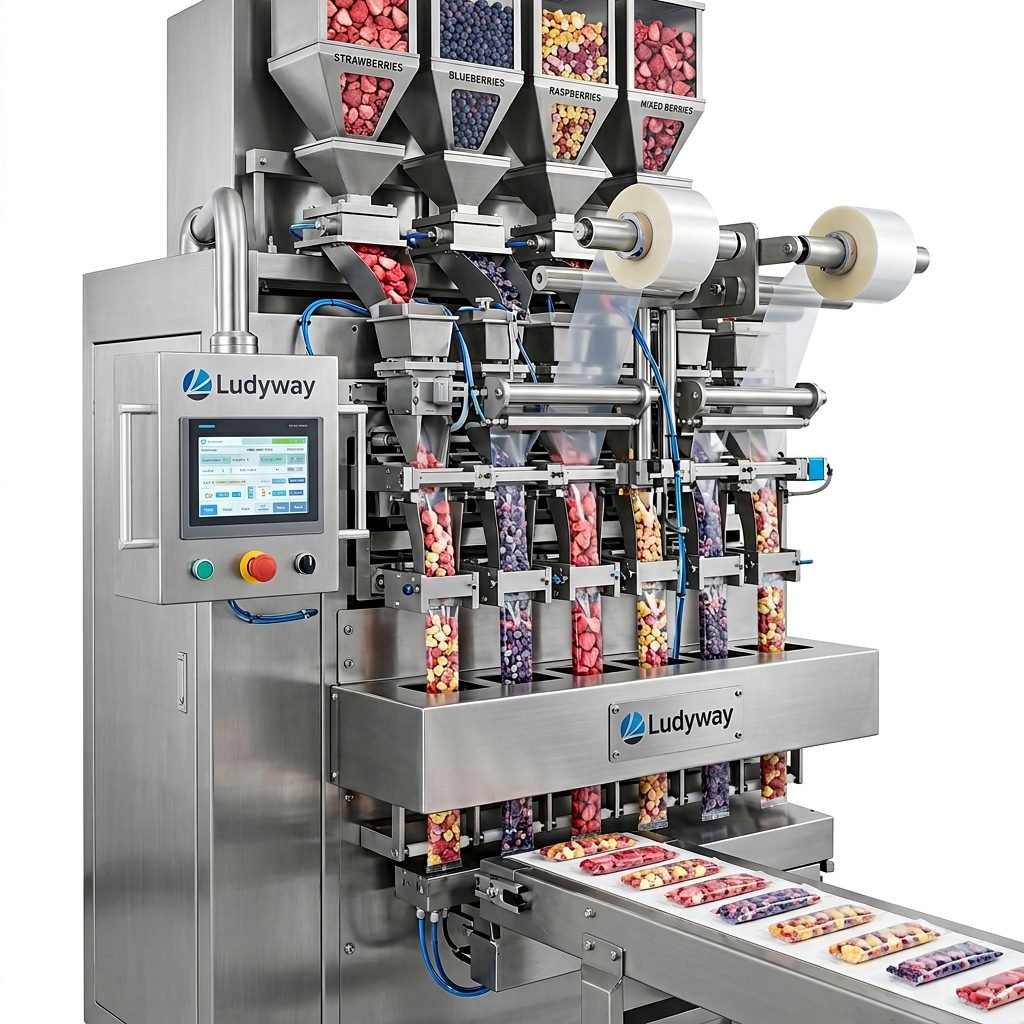
Chocolate bar packaging machines sit at the point where product quality, shelf appeal and line efficiency meet. A bar leaving the enrober or moulding line is temperature-sensitive, easy to scuff and expected to reach the retail shelf with a crisp, hermetic wrap, whether it is sold as a single 40 g bar at a checkout counter or as a 6-count multipack in a supermarket aisle. Choosing the wrong format, sealing method or downstream equipment quickly shows up as melted edges, open seals, slow changeovers and lost output.
This guide is written for confectionery manufacturers, co-packers, plant engineers and procurement teams evaluating chocolate bar packaging machines for individual and multipack products. It covers the main individual wrapping formats (horizontal flow wrap, fold wrap and cold-seal systems), the leading multipack solutions (bundle flow wrap, shrink bundling and cartoning), the specifications and certifications worth verifying before you sign a purchase order, and how a turnkey supplier integrates primary wrapping with inspection, case packing and palletizing on a single line.
Individual Chocolate Bar Wrapping: Formats and Machine Types
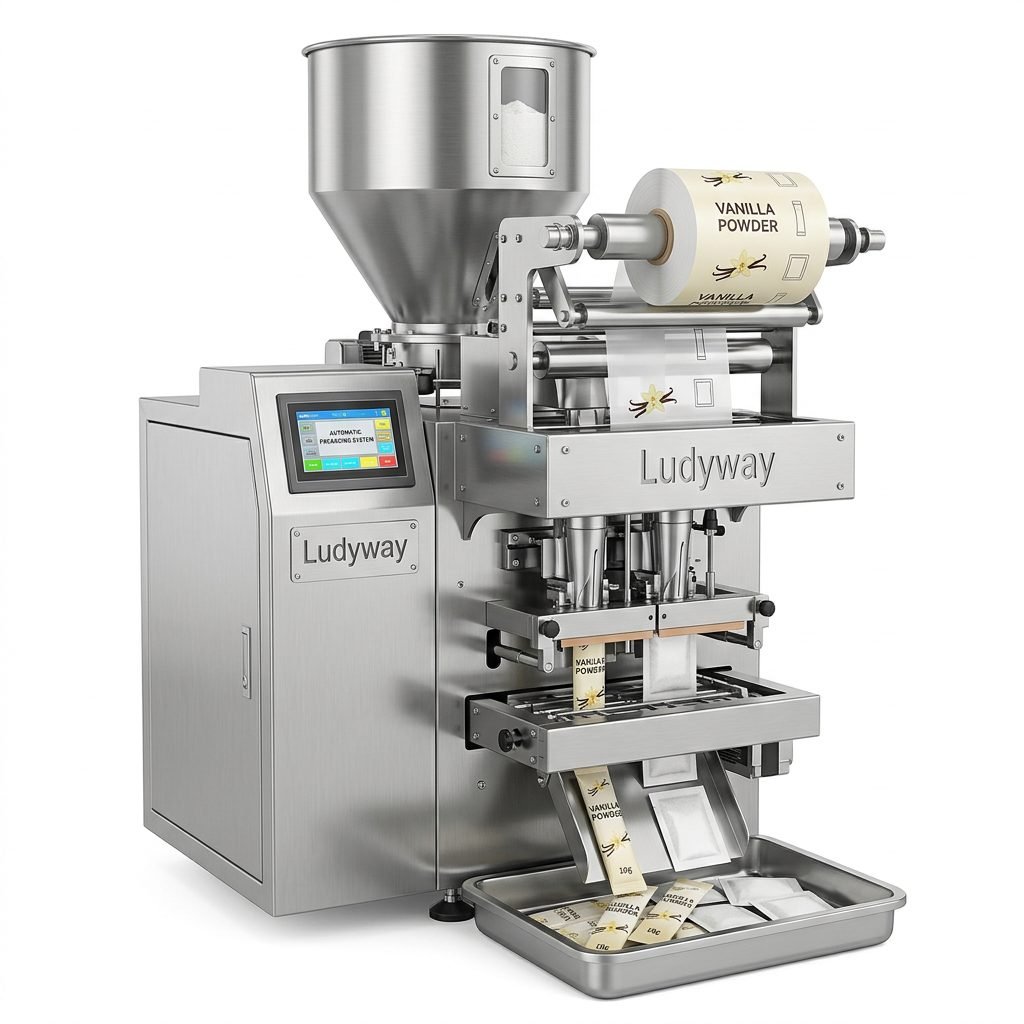
Stainless steel food-grade construction is the baseline for any chocolate wrapping machine.
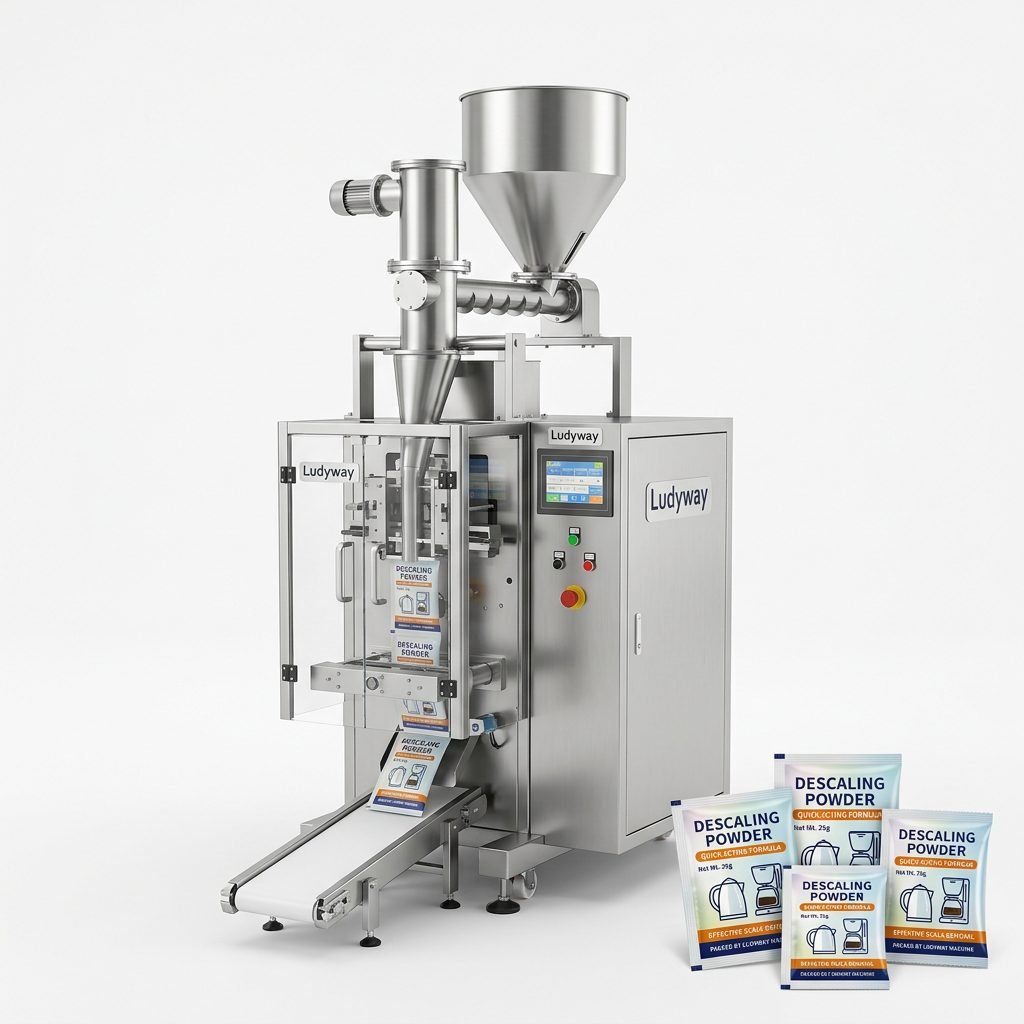
Roughly nine out of ten chocolate bars sold worldwide are packed on a horizontal form-fill-seal flow wrapper (HFFS). The bar travels on an infeed chain with adjustable lugs, is enveloped in film drawn from a reel, and leaves the machine with a longitudinal fin seal and two crimped end seals. Servo-driven models with no-product-no-bag logic typically run 150 to 400 bars per minute on standard 30 to 60 g bars, with high-speed rotary cross-seal units pushing beyond 600 packs per minute for count-line products.
Fold wrapping (foil and paper band, or foil-only envelope folds) remains the format of choice for premium tablets and gift lines. Fold wrappers are slower, usually 60 to 150 bars per minute, but deliver the tactile, unfolding experience that premium brands and seasonal ranges rely on. Many plants run both formats: a flow wrapper for volume SKUs and a fold wrapper for the premium range.
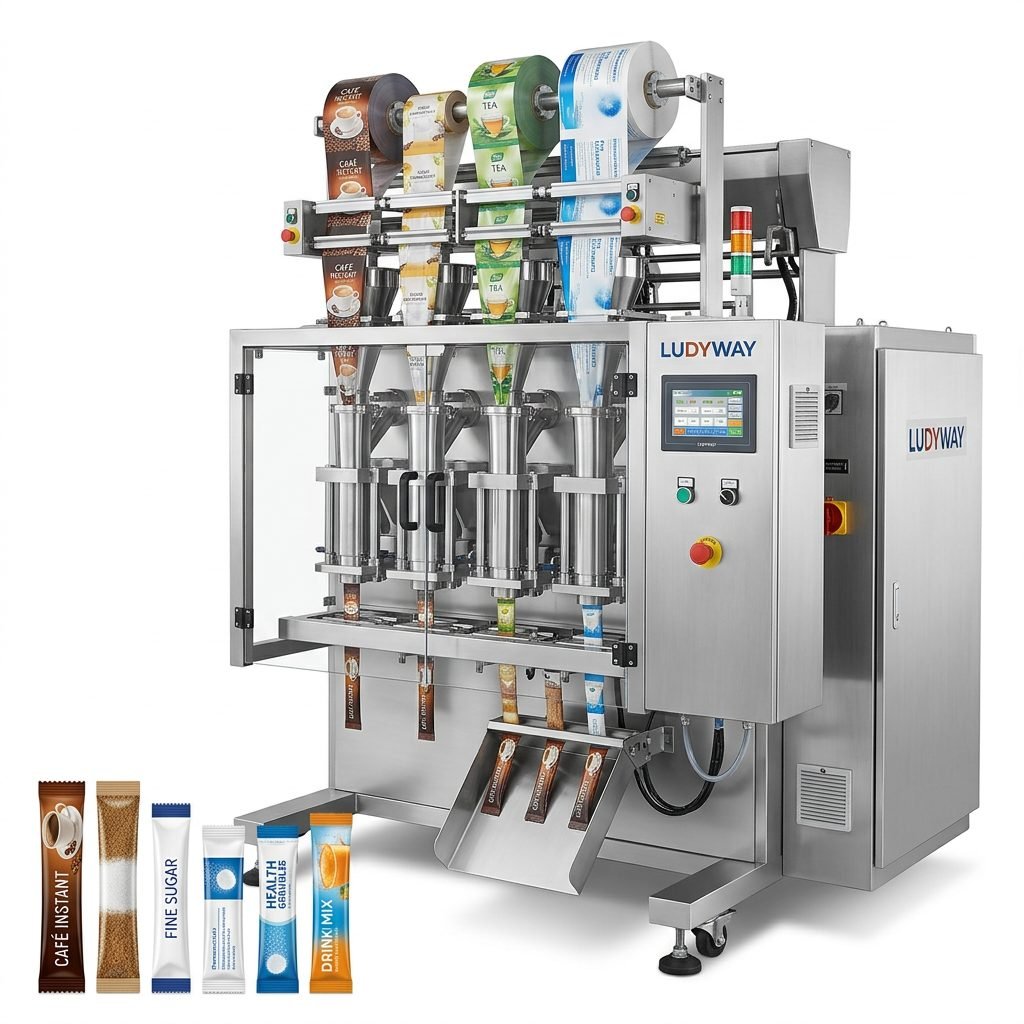
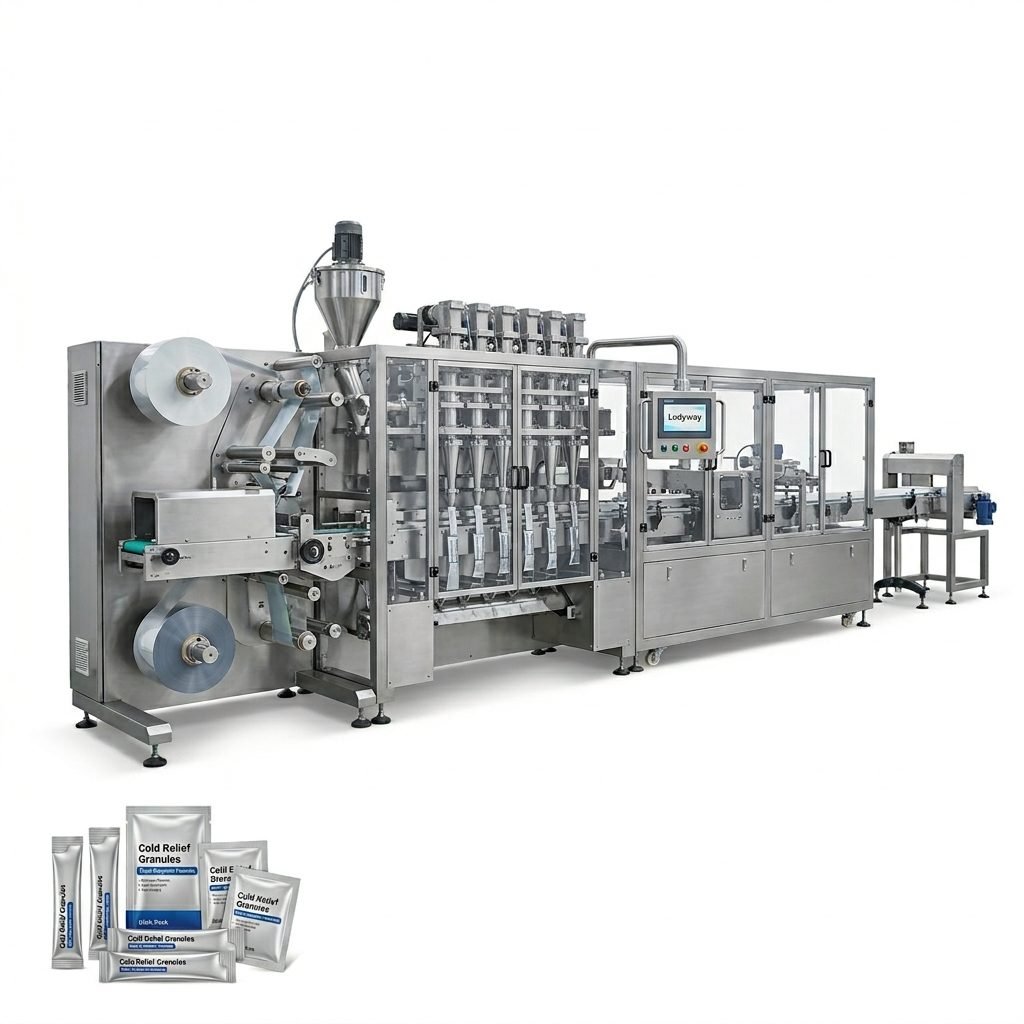
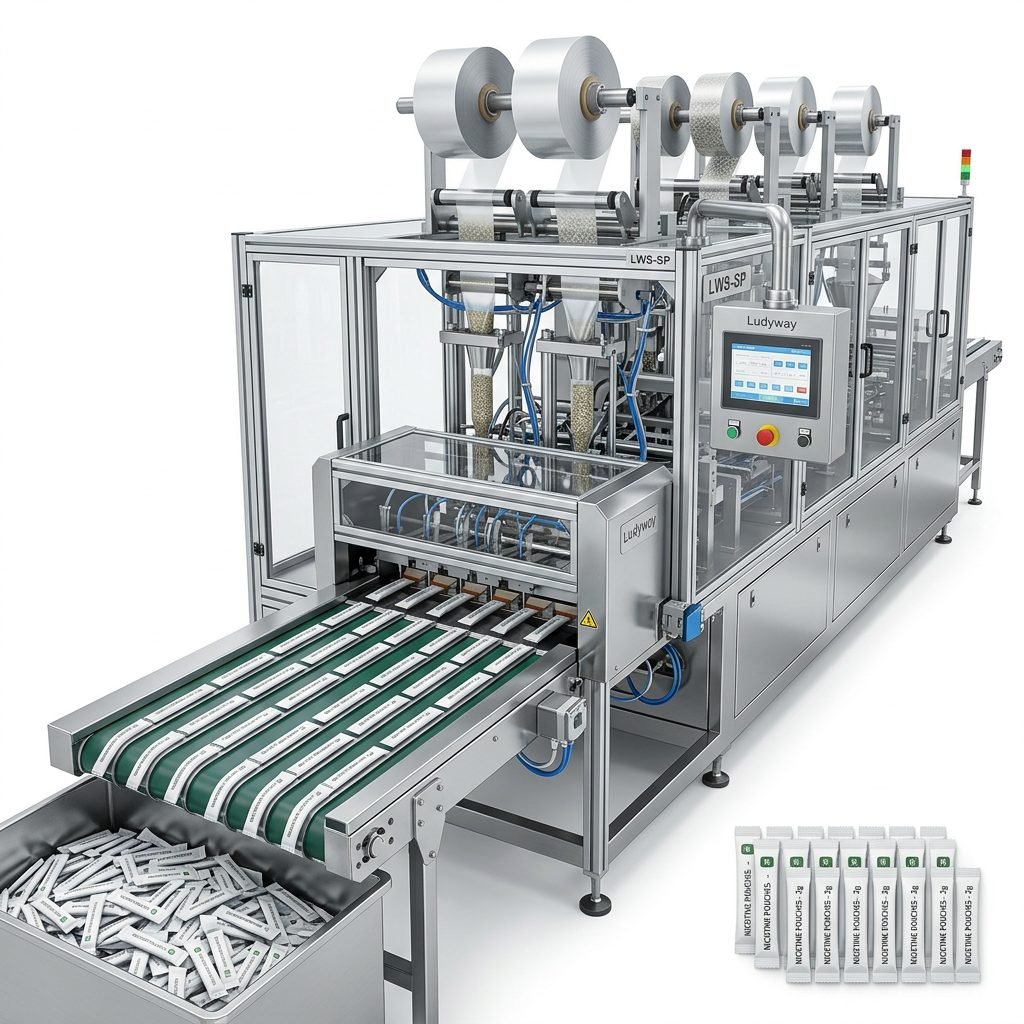
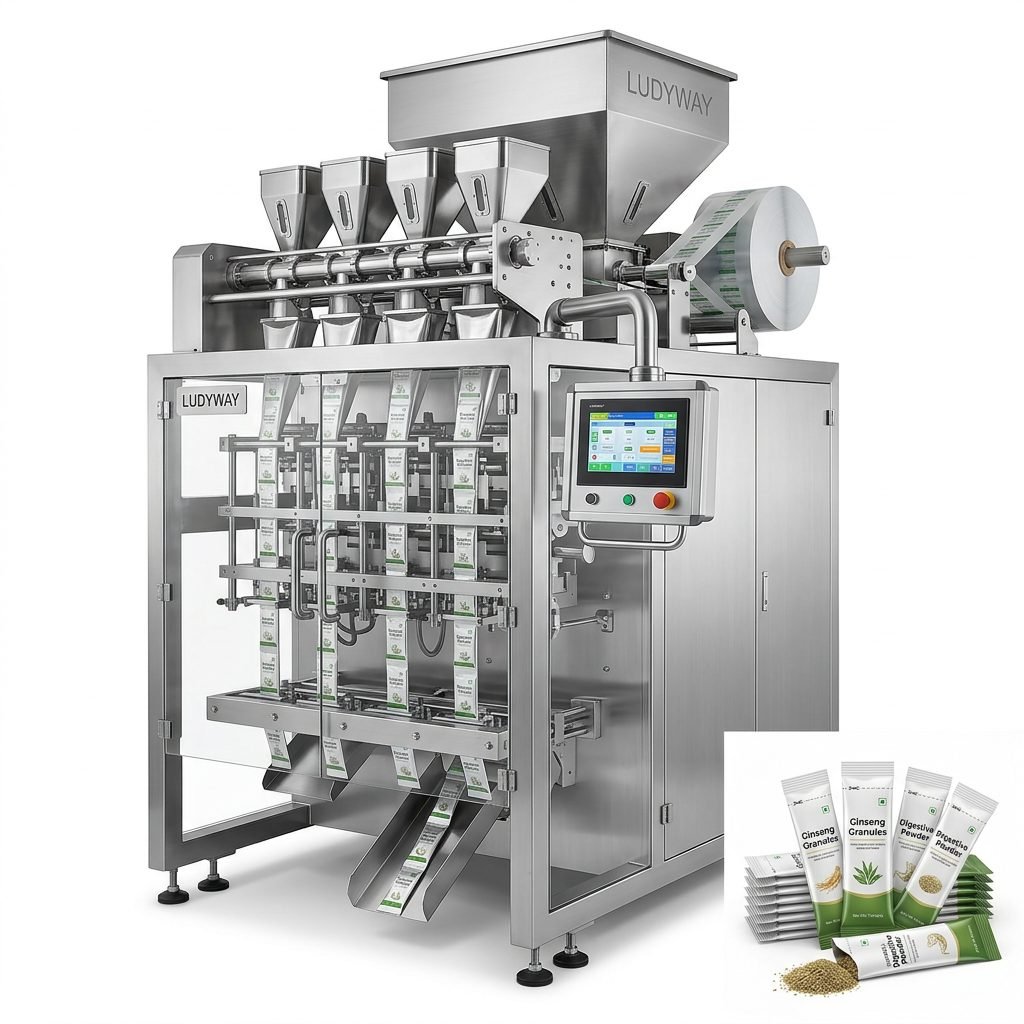
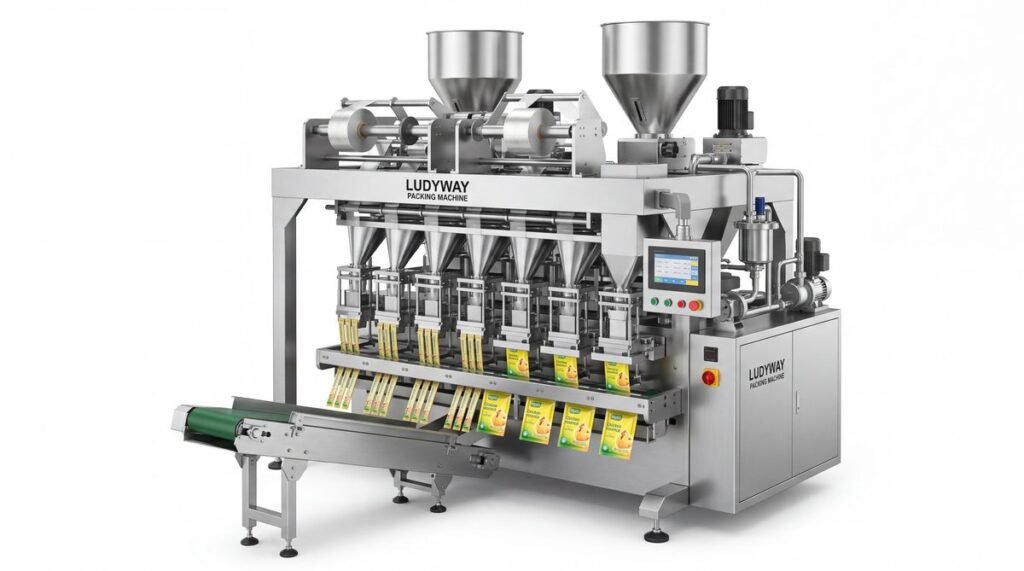
A third category, the multi-lane stick and sachet system, is used for chocolate pieces, mini bars, coated nuts and drinking-chocolate powders, and is the platform behind Ludyway’s automatic chocolate packaging equipment for bars and pieces.
Cold Seal vs Heat Seal: The Decision That Protects the Chocolate
Chocolate softens from about 30 °C and cocoa butter begins to bloom when it cycles through temperature. Heat-seal jaws on a flow wrapper run at 120 to 180 °C, which is why most chocolate bars are wrapped with cold-seal film: a pressure-sensitive latex or synthetic adhesive is pattern-applied to the inside of the film, and the jaws seal by pressure alone at room temperature. Cold seal also allows faster speeds because there is no dwell time for heat transfer.
Heat seal is still used for bars with a thick sugar shell, for high-barrier metallized laminates on export SKUs, and where film cost is the overriding factor. If you plan to run both, specify a machine with interchangeable cold-seal and heat-seal jaw sets and a jaw-temperature controller that can be disabled.
| Individual Format | Typical Speed | Common Film | Best Suited To | Watch-outs |
|---|---|---|---|---|
| Horizontal flow wrap, cold seal | 150–400 ppm (600+ high-speed) | BOPP, metallized OPP, paper-based laminates | Count lines, mainstream 30–100 g bars | Adhesive registration, film cost per metre |
| Horizontal flow wrap, heat seal | 100–250 ppm | Heat-sealable OPP, PET/PE laminates | Coated bars, high-barrier export packs | Heat near product, jaw dwell time |
| Fold wrap (foil + band) | 60–150 ppm | Aluminium foil, printed paper band | Premium tablets, gifting, seasonal | Slower, higher material handling complexity |
| Multi-lane stick / sachet | 40–80 cycles/min per lane | PET/AL/PE, paper/PE laminates | Mini bars, pieces, coated nuts, cocoa powder | Piece orientation, dosing accuracy |
Multipack Packaging Solutions for Chocolate Bars
Multipacks drive volume in modern trade: a 4-, 6- or 10-count pack lifts basket value while giving the retailer a single barcode to scan. The multipack machine takes already-wrapped bars, collates them into the correct count and pattern, and applies a secondary pack. Three approaches dominate.
Bag-in-bag flow wrap uses a second, larger flow wrapper with a collating infeed. Bars are stacked or laid flat in groups of 4 to 12 and overwrapped in printed film. It is the lowest-cost multipack and runs at 40 to 80 multipacks per minute, making it ideal for promotional packs that change often.
Shrink bundling collates bars and applies printed or clear shrink film through a heat tunnel. Tunnel temperatures must be tightly controlled and bars pre-cooled, so this format is more common for boxed bars than naked flow-wrapped bars.
Cartoning and sleeving deliver the premium multipack: a folding carton or open sleeve erected around a stack of bars on a horizontal cartoner. Cartons protect the product in transit and offer the largest branding surface, at a higher material cost per unit. Ludyway supplies high-speed automated cartoning lines and automatic bundling machines that connect directly to a primary wrapper.
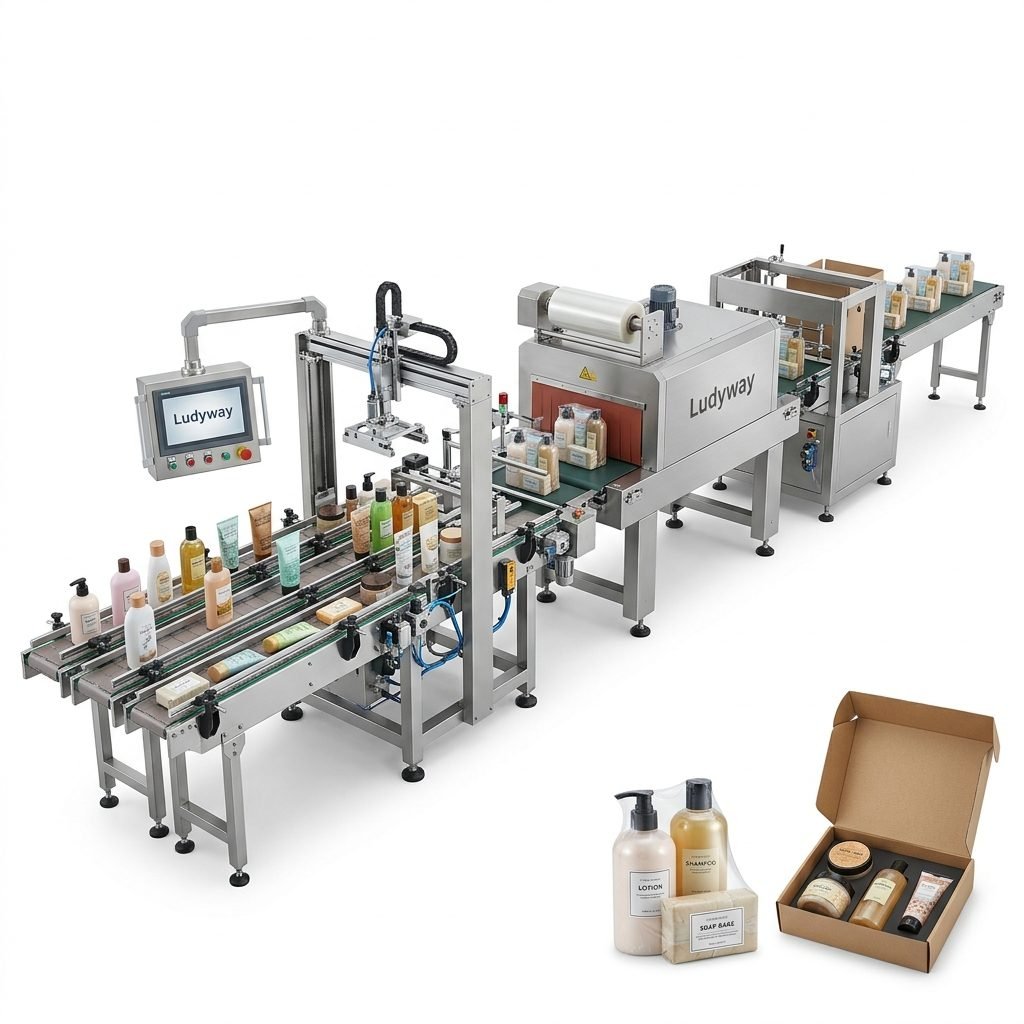
Collating and bundling systems convert single-wrapped units into retail-ready multipacks.
Bag-in-Bag Flow Wrap
Lowest capital and film cost, fastest changeover between 4-, 6- and 10-count. Requires a stacking or race-track collator ahead of the wrapper and a film that tolerates slight product movement.
Shrink Bundling
Tight, tamper-evident bundles with printed film. Needs a controlled heat tunnel and cooled product; best for boxed or thick-coated bars and for tray-plus-film display units.
Cartoning and Sleeving
Premium presentation, best crush protection and the largest print area. Horizontal cartoners run 60–150 cartons per minute and can insert leaflets or coupons in the same cycle.
Specifications Procurement Teams Should Verify
Data sheets from different suppliers rarely use the same baseline, so request figures for your actual bar dimensions, film structure and target OEE rather than headline maximums. The following four groups cover most of the risk in a chocolate packaging project.
Format Range and Changeover
Confirm minimum and maximum bar length, width and height, and the bag length range of the wrapper. Servo-driven machines with recipe memory should change from a 35 g to a 100 g bar in under 15 minutes without tools; forming boxes and infeed lug pitch are the usual change parts.
Temperature and Hygiene
Request 304 stainless steel frames, washdown-rated or IP54 electrical enclosures, open cantilever design for crumb removal and a cold-seal jaw option. Packing rooms are typically held at 18–20 °C and below 50 % RH, so motors and HMIs must be rated for continuous operation in those conditions.
Controls and Data
Look for a PLC with OPC-UA or Ethernet/IP connectivity, print registration with photocell tracking, splice detection, automatic film reel change on high-speed lines and OEE reporting on the HMI. These features decide whether the machine can be audited and optimized after installation.
Film Compatibility
Have the supplier run trials with your film: cold-seal OPP, metallized laminates and the new mono-material or paper-based structures behave differently in the forming box and at the crimp jaws. Ask for sealed samples and seal-strength data before accepting the machine.
Compliance, Food-Contact and Sustainability Requirements
Export-oriented chocolate manufacturers typically need CE marking (Machinery Directive and EMC) for Europe, UL or CSA-listed electrical components for North America and documentation supporting GMP and HACCP audits. Product-contact parts should be food-grade stainless steel or FDA-compliant polymers; the U.S. FDA page on packaging and food contact substances explains which materials require a Food Contact Notification.
Packaging material rules are tightening as well. The European Commission’s Packaging and Packaging Waste Regulation sets recyclability and minimization targets that push brands toward mono-material OPP and paper-based wrappers, so a new flow wrapper should be proven on those films, not only on legacy laminates. Industry guidance on machinery trends, standards and benchmarking is available from PMMI, The Association for Packaging and Processing Technologies, and material data from the Flexible Packaging Association.
From Single Bar to Pallet: Integrating the Full Line
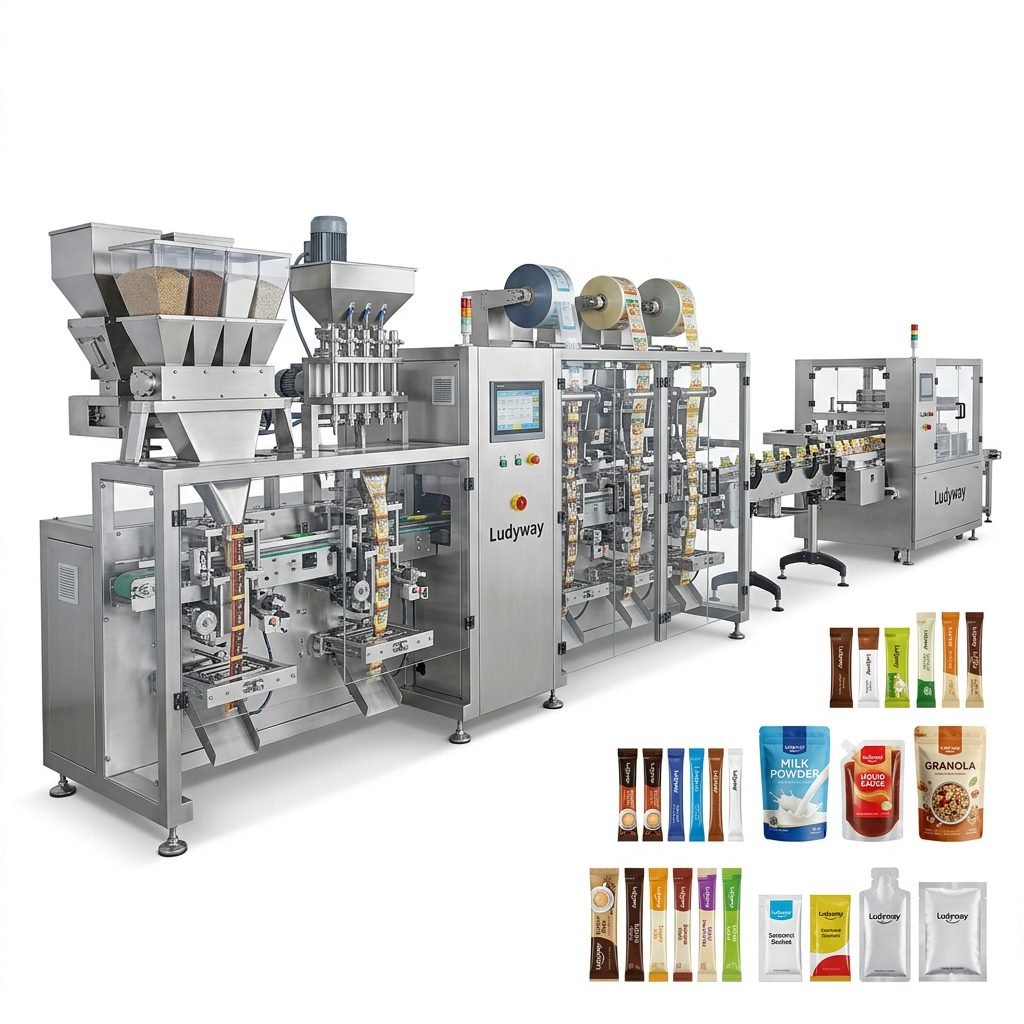
Turnkey integration keeps primary wrapping, inspection and end-of-line equipment running at one balanced speed.
A chocolate line is only as fast as its slowest station. Primary wrappers are usually sized for about 20 % more capacity than the enrober output, while collators, cartoners and case packers are matched to the multipack count so that accumulation tables are not permanently full. Buying the individual wrapper and the multipack equipment from one supplier removes the interface risk between machines.
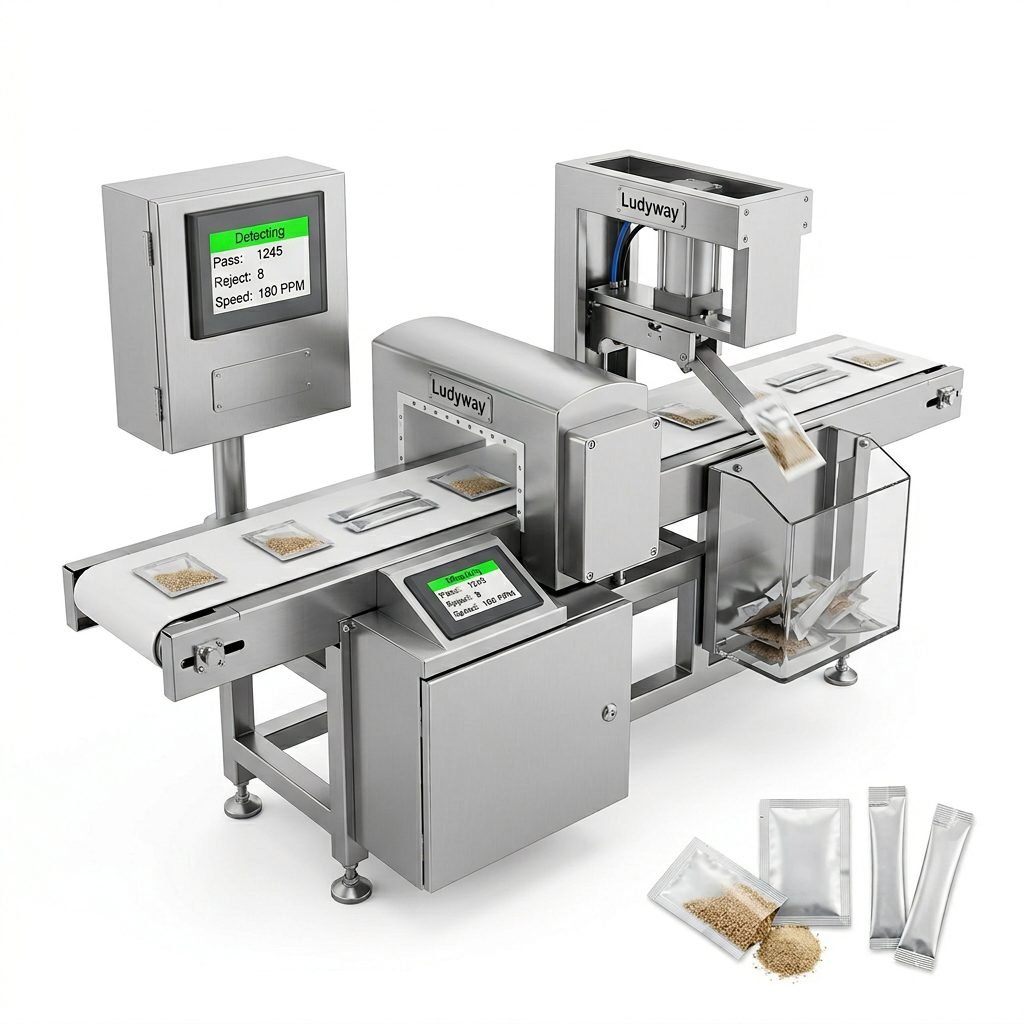
Inspection belongs between primary and secondary packaging: a conveyor metal detector or X-ray inspection system catches foreign bodies, and a dynamic checkweigher rejects underweight bars before they are locked inside a multipack.
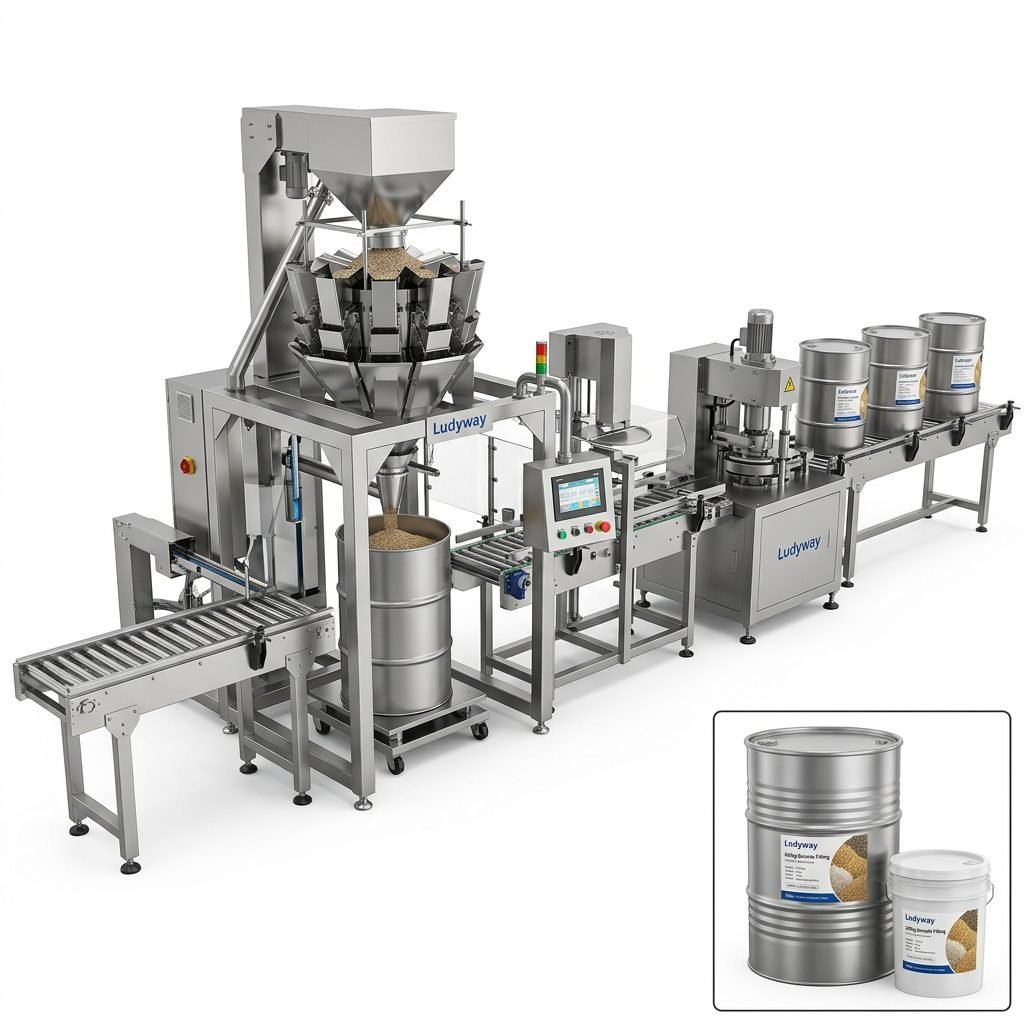
End of line, a high-speed automatic case packer loads multipacks into shipping cases or shelf-ready trays, followed by case sealing and robotic palletizing.
01
Cooling tunnel outfeed and bar alignment
02
Individual flow wrap or fold wrap
03
Metal detection, checkweighing, seal inspection
04
Collating and multipack wrapping or cartoning
05
Case packing, coding and case sealing
06
Palletizing and stretch wrapping
Why Chocolate Manufacturers Work with Ludyway
Ludyway, founded in Zhongshan, Guangdong, is one of the largest packaging machine manufacturers in China and specializes in advanced packaging equipment and turnkey production solutions for the food, pharmaceutical and health industries. With more than 30 years of engineering experience, a 20,000 m² manufacturing facility and over 50 intelligent machine models, the company supplies everything from multi-lane stick and sachet systems for chocolate pieces and drinking-chocolate powders to cartoning, case packing and palletizing systems for retail multipacks.
Serving customers in more than 100 countries, Ludyway’s engineering team designs each line around the customer’s product data, film and target output, carries out factory acceptance testing with the customer’s own materials, and provides installation, commissioning and remote support. Its export growth, reported by EIN Presswire, reflects rising demand for cost-effective automation from food producers worldwide.
30+
Years of Industry Experience
50+
Intelligent Machine Models
130+
Packaging Engineers and Experts
100+
Countries and Regions Served
How the Procurement Process Works: MOQ, Lead Time and Quotation
Packaging machinery is quoted per project rather than from a price list, because bar dimensions, speed, film type and the number of downstream modules change the configuration. The table below summarizes what buyers can normally expect when sourcing chocolate bar packaging machines for individual and multipack products from Ludyway.
| Item | Typical Practice | What to Prepare |
|---|---|---|
| Minimum order quantity | One machine or one complete line; no multi-unit MOQ | Target output, shift pattern, plant layout |
| Quotation | Itemized technical and commercial proposal within a few working days | Bar drawings or samples, film specification, voltage |
| Lead time | Standard machines in weeks; integrated lines generally 60–120 days | Approved layout drawing and signed contract |
| Acceptance | FAT with customer product and film, SAT after installation | Product and film samples shipped to the factory |
| Documentation | CE declaration, electrical drawings, spare parts list, operation manual | Destination-country compliance requirements |
Chocolate and Confectionery Packaging Equipment
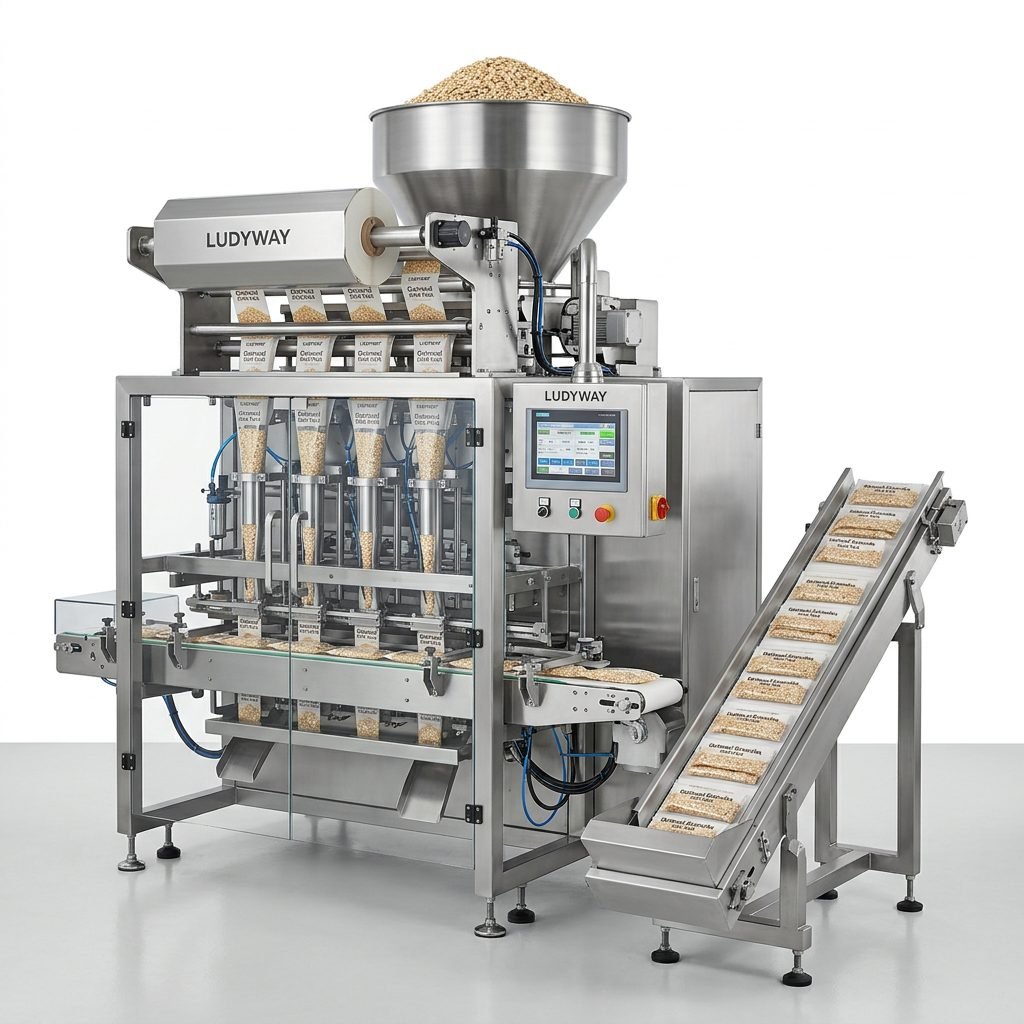
Chocolate Bar Packaging Equipment
Confectionery, Bars and Pieces
Quote on Request
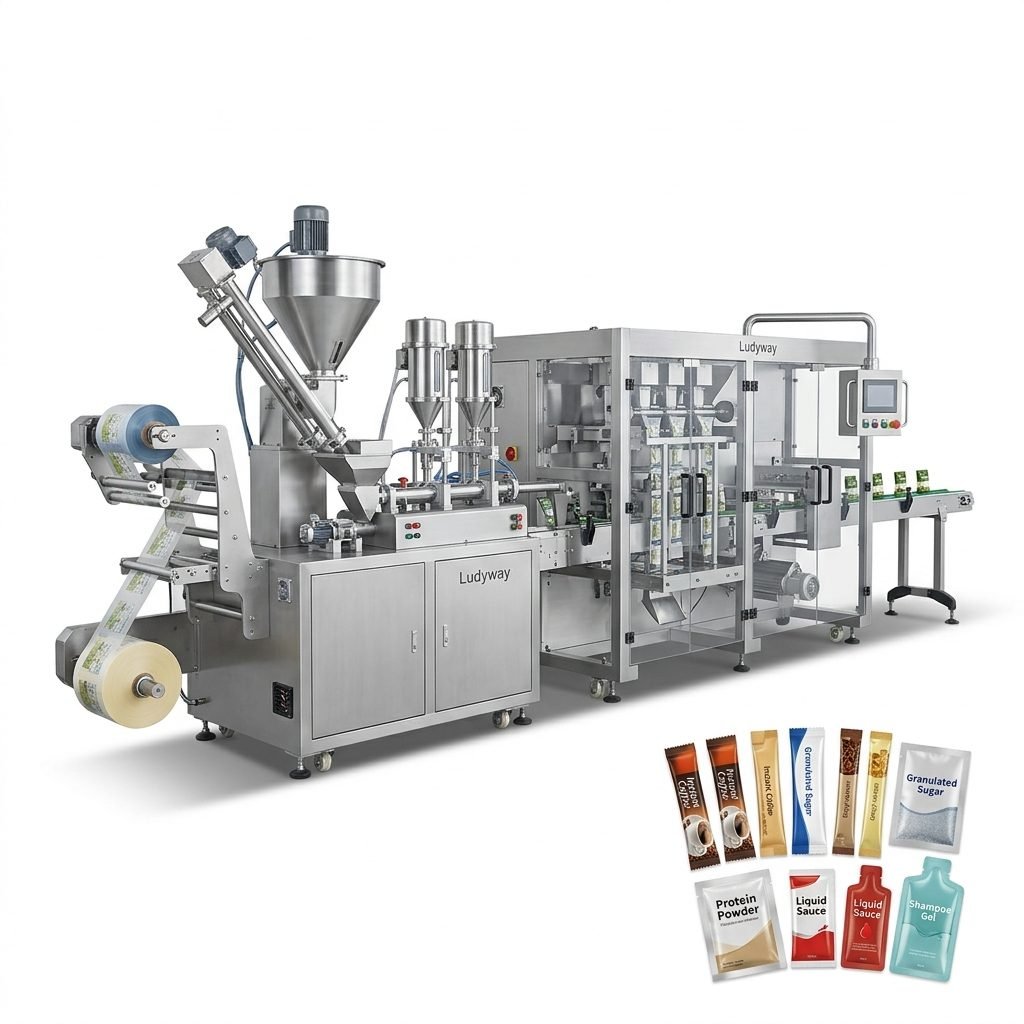
Energy Bar Packaging Line
Snack Bars, High-Speed Line
Quote on Request
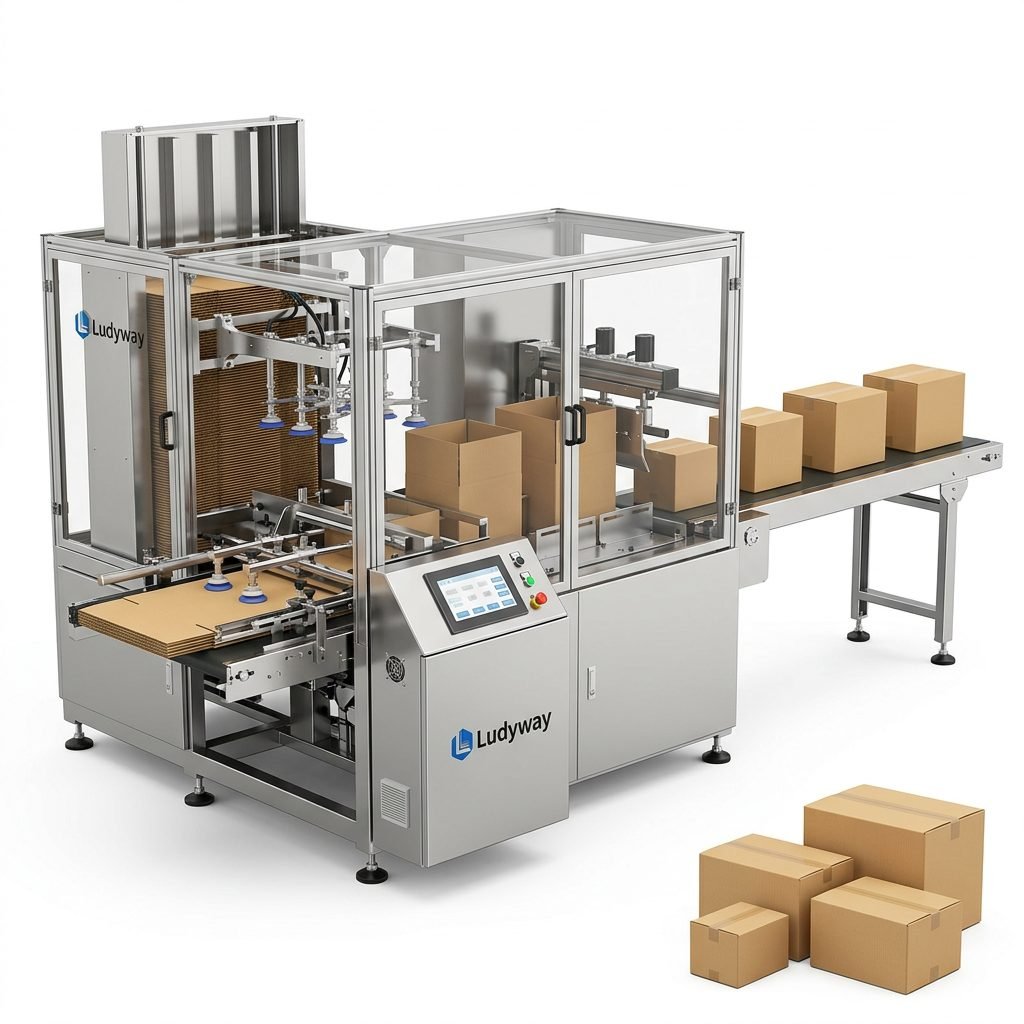
Automatic Carton Erector
End of Line, Multi-Size
Quote on Request
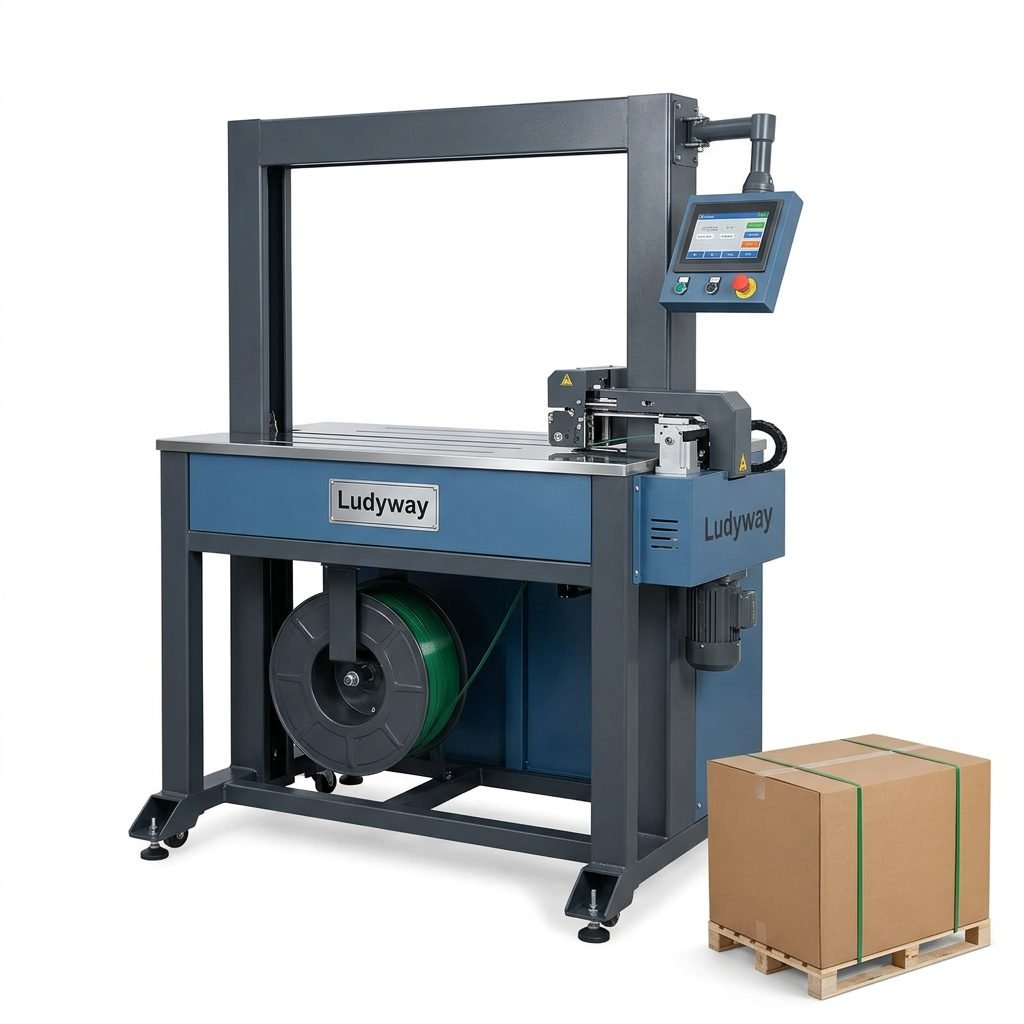
Heavy-Duty Strapping Machine
Cartons and Pallets
Quote on Request
Frequently Asked Questions
Which machine is best for wrapping individual chocolate bars?
For mainstream bars, a servo-driven horizontal flow wrapper with cold-seal jaws is the standard choice because it avoids heat near the chocolate and runs 150 to 400 bars per minute. Premium tablets use a fold wrapper, and mini bars or chocolate pieces are often packed on multi-lane stick or sachet systems.
Can one line produce both single bars and multipacks?
Yes. The primary wrapper runs continuously, and a diverter sends part of the output to a collator and secondary wrapper or cartoner for the multipack SKU. Recipe-driven controls let operators switch between 4-, 6- and 10-count formats without mechanical rebuilds.
What packing room conditions does chocolate wrapping require?
Most plants hold the packing area at 18–20 °C with relative humidity below 50 %. Bars should be fully set after the cooling tunnel before wrapping, and any shrink tunnel must be positioned and controlled so that radiant heat cannot reach the product.
Will the machine run paper-based or mono-material films?
Modern flow wrappers and stick pack machines can be configured for mono-material OPP and paper-based laminates, but forming-box geometry, jaw pressure and tension control differ from metallized laminates. Always request a trial with your exact film before acceptance.
What information is needed to receive a quotation?
Send bar dimensions and weight, target bars per minute, multipack counts, film or carton specifications, plant voltage and frequency, and the destination country. With these details Ludyway’s engineers can propose a machine or complete line configuration and a delivery schedule.
Ready to specify your chocolate packaging line?
Whether you need a single flow wrapper, a multipack bundling system or a fully integrated line from cooling tunnel to pallet, Ludyway’s engineering team can review your product samples, recommend the right format and provide an itemized proposal. Request the equipment catalog, arrange a film and product trial, or schedule a factory visit in Zhongshan, Guangdong.
Contact us at info@ludyway.com or via WhatsApp at +86 131 2959 2456, and explore related solutions such as our chocolate powder sachet and stick pack machine and turnkey candy packaging line.