Every unplanned stop on a packaging line costs more than the minutes lost: it idles upstream dosing equipment, pushes labor into overtime, and ties up film, cartons and finished-goods inventory. For factories packing granules, powders and liquids into sachets, stick packs or pouches, the packaging station is very often the bottleneck that decides total plant output. High-speed packaging equipment addresses this directly by raising pack rate per square meter of floor space, removing manual handling and tightening fill accuracy.
This guide explains how high-speed packaging equipment for improving factory production efficiency actually delivers results, which specifications matter when comparing suppliers, and how to calculate payback before a purchase order is issued. It is written for plant managers, procurement teams, process engineers and contract packers evaluating multi-lane machines and fully automated packaging lines, whether the project is a single new machine or a complete turnkey line.

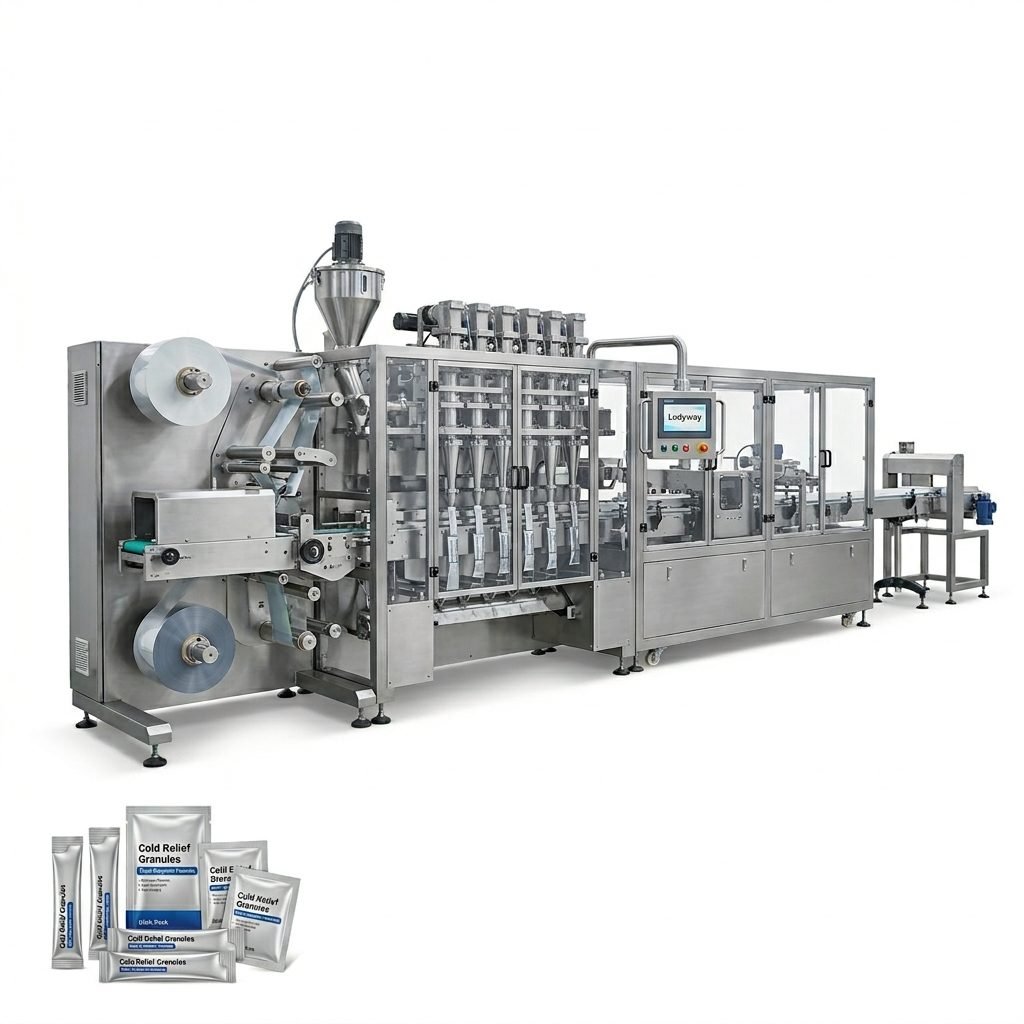
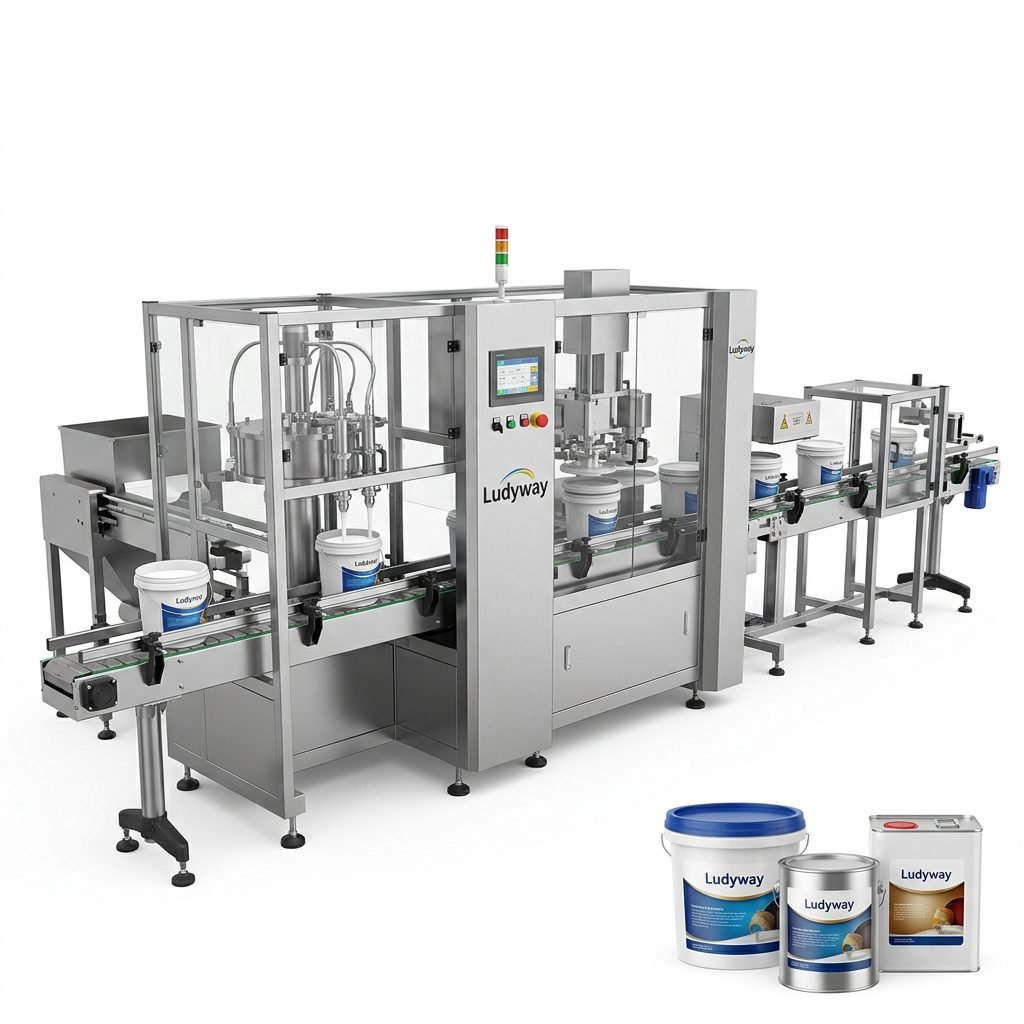
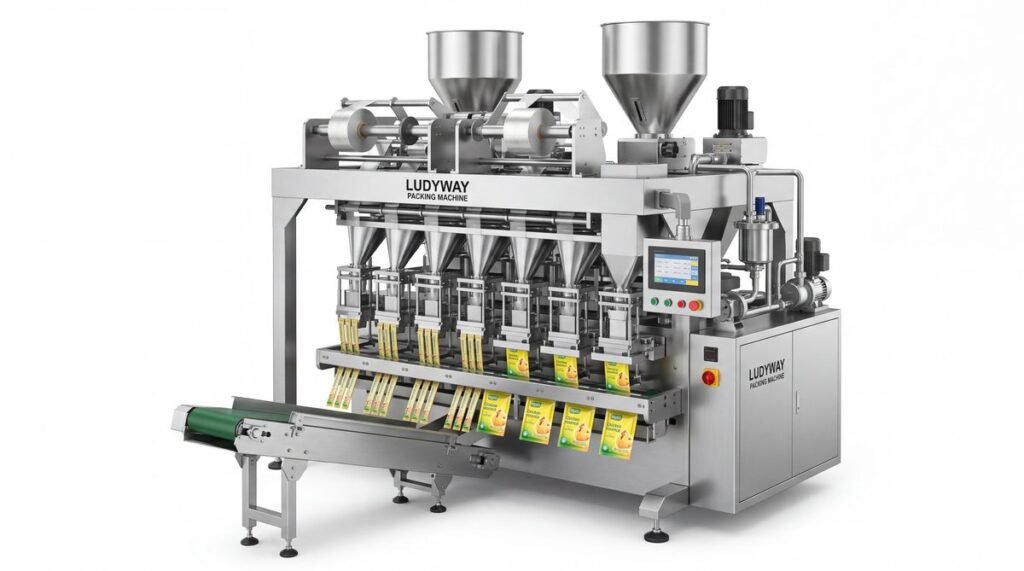
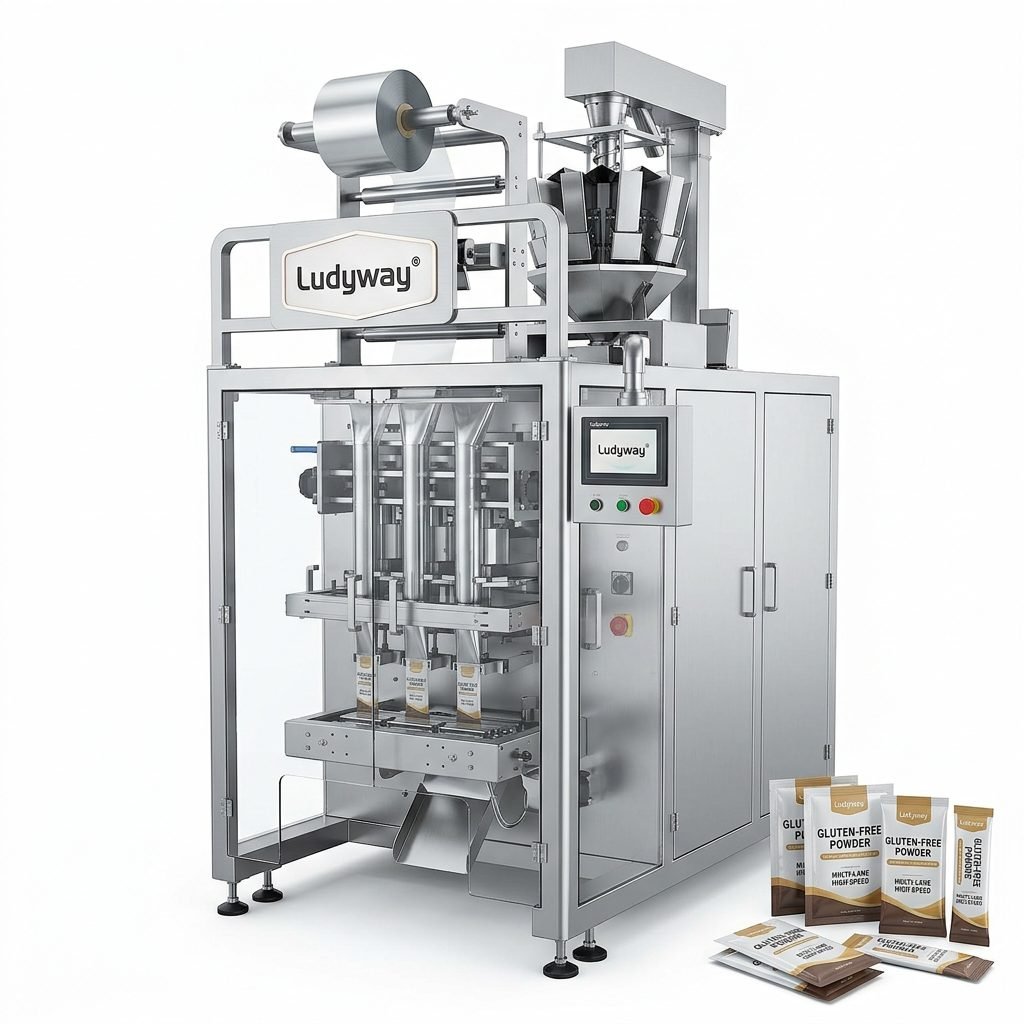
Automated multi-format packaging line for granule, powder and liquid products
Where Packaging Lines Actually Lose Output
Most factories measure packaging performance with Overall Equipment Effectiveness (OEE), which multiplies availability, performance and quality. Manually fed or semi-automatic lines rarely exceed 50–60% OEE because operators pause to refill hoppers, splice film, clear jams and re-weigh samples. The PMMI State of the Industry report consistently identifies labor availability and the need for higher throughput as the two main drivers behind packaging machinery investment, and both point in the same direction: automation that keeps running without constant intervention.
20–40%
Typical downtime share on manually fed sachet lines caused by refilling, film changes and jams
1–3%
Product giveaway on volumetric manual dosing versus under 0.5% with servo auger or precision pump filling
30–60 min
Format changeover time on older machines, compared with 10–15 minutes on tool-less servo designs
85%
World-class OEE benchmark that well-integrated high-speed lines can approach in continuous production
Each of these losses compounds. A line that runs at 70% of rated speed for 75% of the shift and rejects 2% of output is delivering barely half of its nameplate capacity. High-speed packaging equipment improves all three OEE factors at once: higher rated output, fewer stoppages, and in-line inspection that removes defective packs without slowing the line.
What Makes Packaging Equipment Genuinely High-Speed
“High-speed” is used loosely in supplier brochures, so it helps to separate the engineering features that create sustained output from those that only look good in a demonstration. Three elements matter most: machine architecture, motion control, and dosing technology matched to the product.
Multi-Lane Architecture Multiplies Throughput
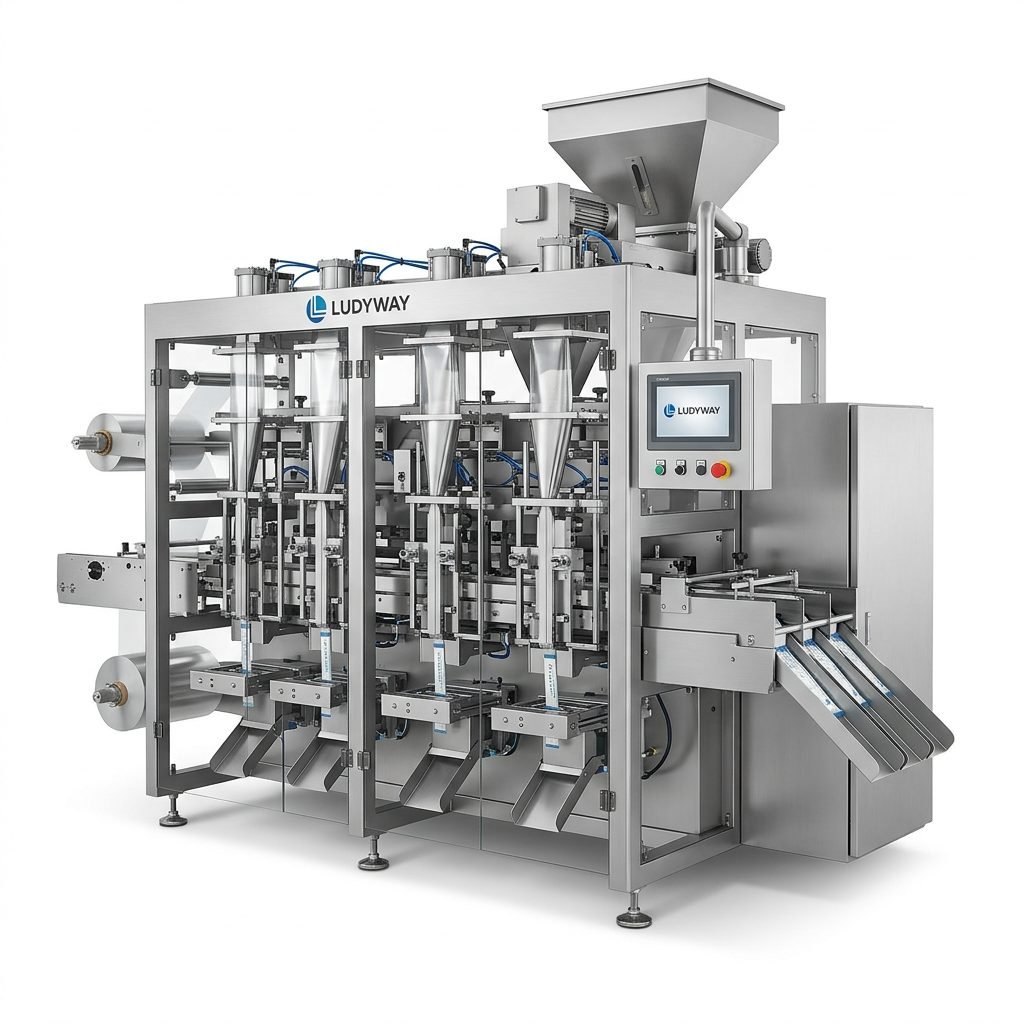
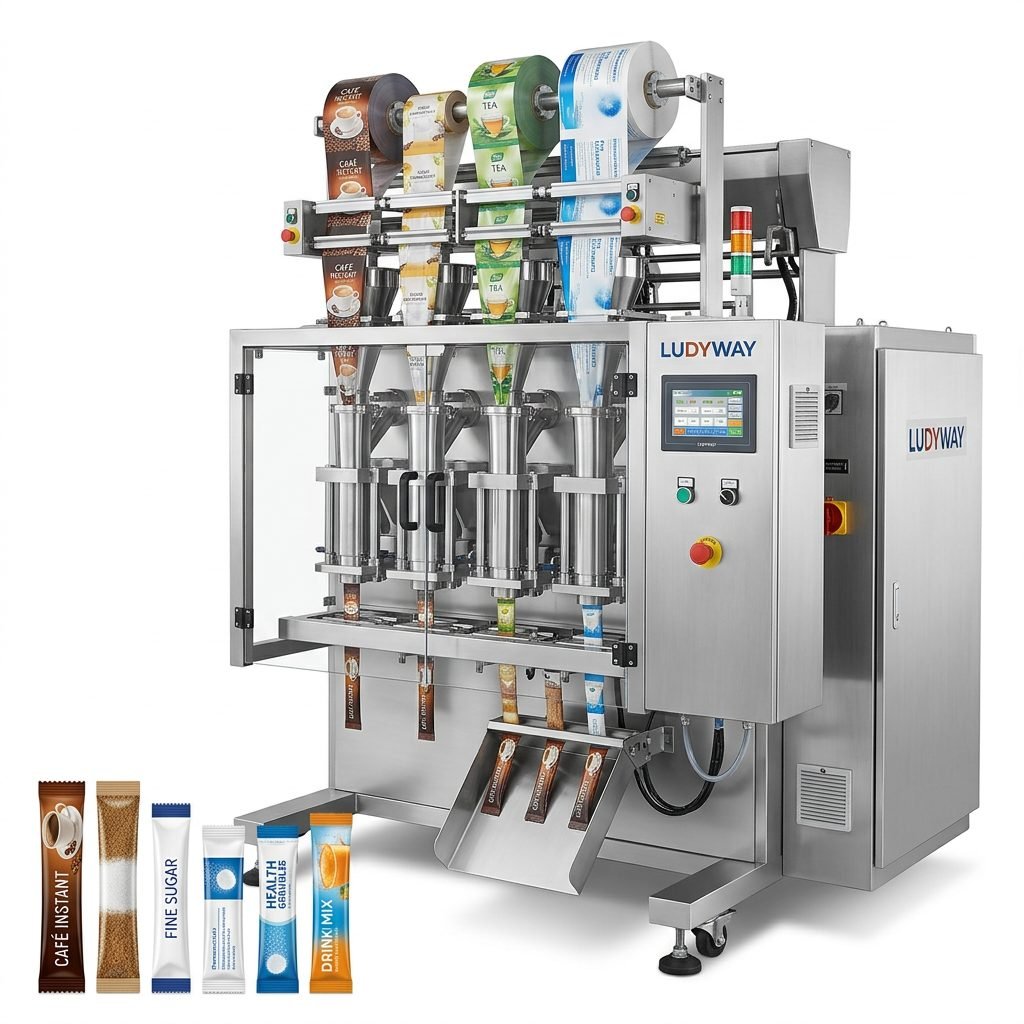
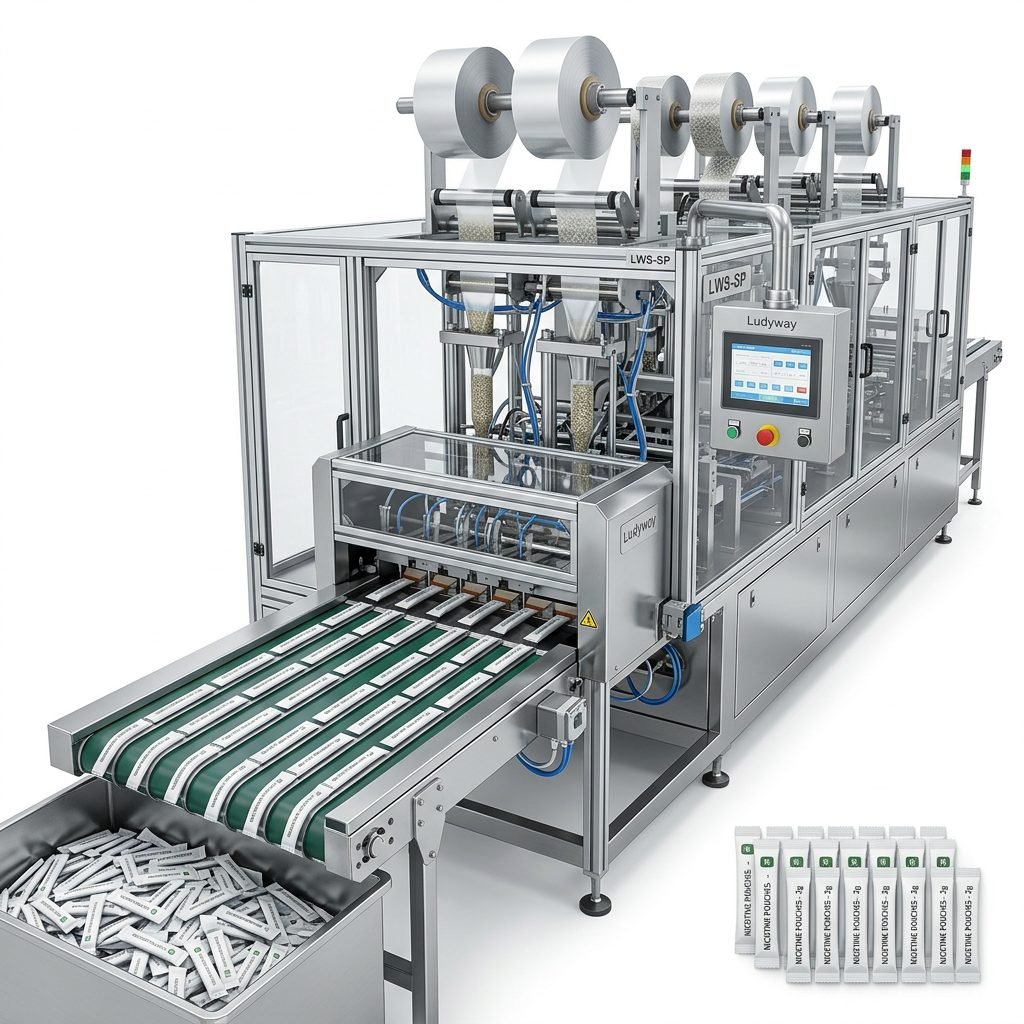
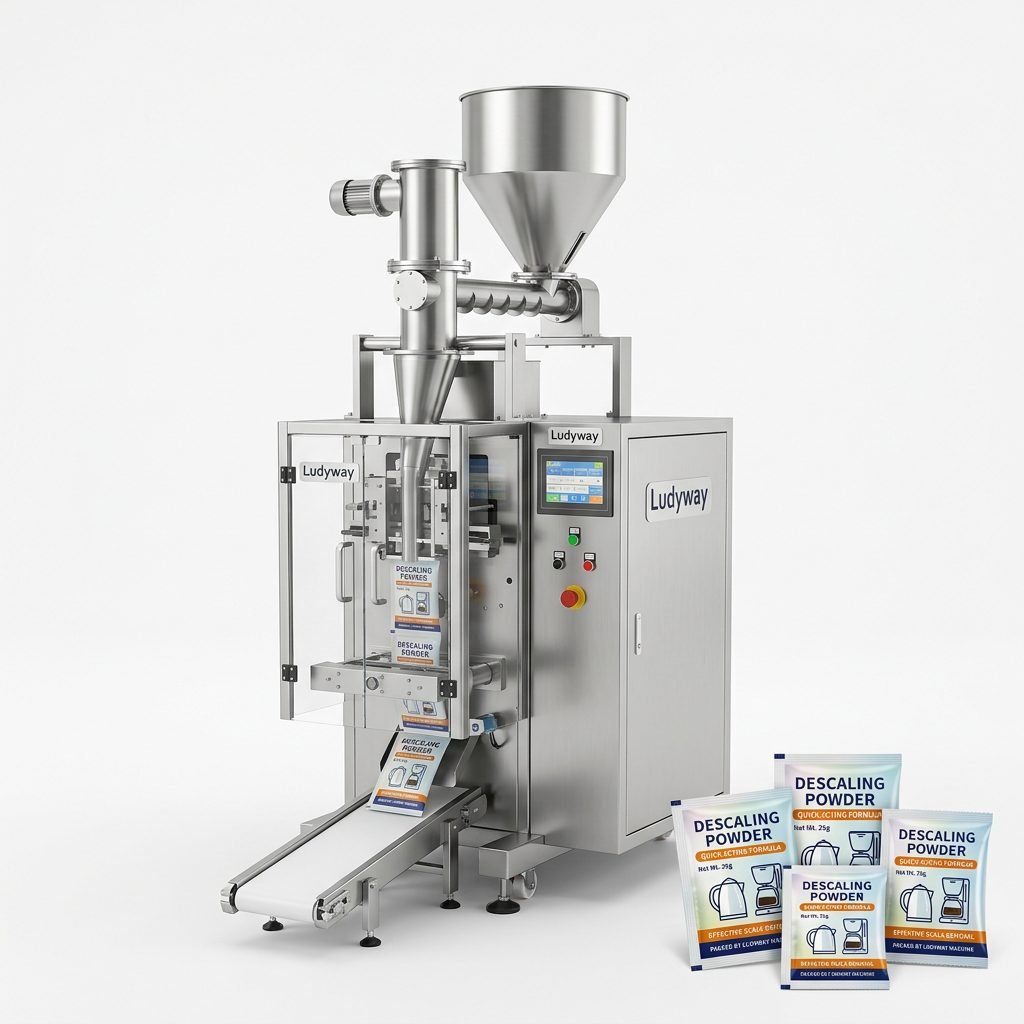
Multi-lane stick pack machine forming, filling and sealing several lanes in parallel
A single-lane vertical form-fill-seal machine produces one pack per cycle. A multi-lane stick pack and sachet packaging machine forms, fills and seals 4 to 16 lanes simultaneously from one film web, so a 10-lane unit running at 50 cycles per minute delivers around 500 sticks per minute from a footprint only slightly larger than a single-lane machine.
Because all lanes share one film roll, one PLC and one operator, the labor and floor-space cost per thousand packs falls sharply. Lane count can be specified to match the target volume, and the same frame typically handles stick packs from 17 mm to 60 mm wide or three- and four-side-seal sachets up to 150 mm.
For granule, powder and liquid applications this architecture is the single most effective way to raise output without adding a second production hall.
Servo Motion, Seal Control and Dosing Accuracy
Servo-driven film pull and sealing jaws keep registration accurate at high cycle rates and allow speed to be adjusted from the HMI rather than by mechanical cams. Independent temperature control on vertical and horizontal seal bars protects seal integrity when the line accelerates, which is critical for liquids and hygroscopic powders. Dosing must match the product: servo augers for fine powders, volumetric cups or linear weighers for free-flowing granules, and piston or peristaltic pumps for sauces, oils and gels.
| Machine Format | Typical Output | Best Suited To | Efficiency Impact |
|---|---|---|---|
| Single-lane VFFS | 30–120 packs/min | Larger pillow bags, snacks, pet food, grains | Good for bag sizes above 100 g; limited for single-serve volumes |
| Multi-lane stick pack | 300–1,000+ sticks/min | Sugar, coffee, electrolytes, protein, honey, sauces | Lowest labor and floor-space cost per pack for 1–50 g doses |
| Multi-lane sachet (3/4-side seal) | 200–800 sachets/min | Pharma powders, cosmetics, condiments, wipes | High seal reliability; easy to add nitrogen flushing and coding |
| Premade pouch / doypack | 40–200 pouches/min | Retail stand-up pouches, zipper bags, wet pet food | Premium shelf presentation; higher pouch cost per unit |
Six Cost Levers That High-Speed Automation Pulls
Throughput is the headline benefit, but the business case for high-speed packaging equipment usually rests on a combination of smaller savings that recur every shift. The following six levers should each appear as a line in your cost model.
1. Direct Labor
One operator can supervise a 12-lane machine plus downstream case packer, replacing six to ten manual packers across two shifts. Labor is typically the largest and fastest saving.
2. Product Giveaway
Servo dosing with closed-loop feedback from an in-line checkweigher holds fill weight within ±1–2%, cutting overfill on high-value powders such as collagen, probiotics or active pharmaceutical granules.
3. Film and Material Waste
Accurate print registration, automatic splicing and reject-at-source logic reduce film scrap from 4–6% to under 2%, which matters when laminates cost more than the product inside.
4. Changeover and Downtime
Recipe storage on the HMI, tool-less forming tubes and quick-release seal jaws shrink SKU changeovers, releasing hours of productive time per week on multi-SKU lines.
5. Quality Cost and Rework
Integrated metal detection, checkweighing and vision inspection stop defective packs reaching cartons, avoiding customer rejections, recalls and manual sorting labor.
6. Floor Space and Energy
Replacing several single-lane units with one multi-lane machine frees production area and reduces installed power, compressed air and dust-extraction load per thousand packs.
Specification Checklist for Procurement Teams
Comparing quotations only on rated speed leads to disappointing results. Rated speed is measured with an ideal product and a short run; what you need is sustained output with your product, your film and your operators. Ask every supplier for a factory acceptance test (FAT) using your actual material and target pack size, with a signed output and accuracy record.
Hygiene design is equally important in food, pharmaceutical and nutraceutical plants. Contact parts should be SUS304 or SUS316L stainless steel, frames should allow wash-down where required, and documentation should support your audit requirements. Food-contact materials used in the machine should meet applicable regulations such as the FDA requirements for food contact substances, while medical applications may require validation aligned with ISO 11607 sterile barrier packaging standards.
For pharmaceutical granule and powder sachets, a pharmaceutical powder packaging machine with multi-lane filling should also offer batch records, audit trails and access levels on the control system.
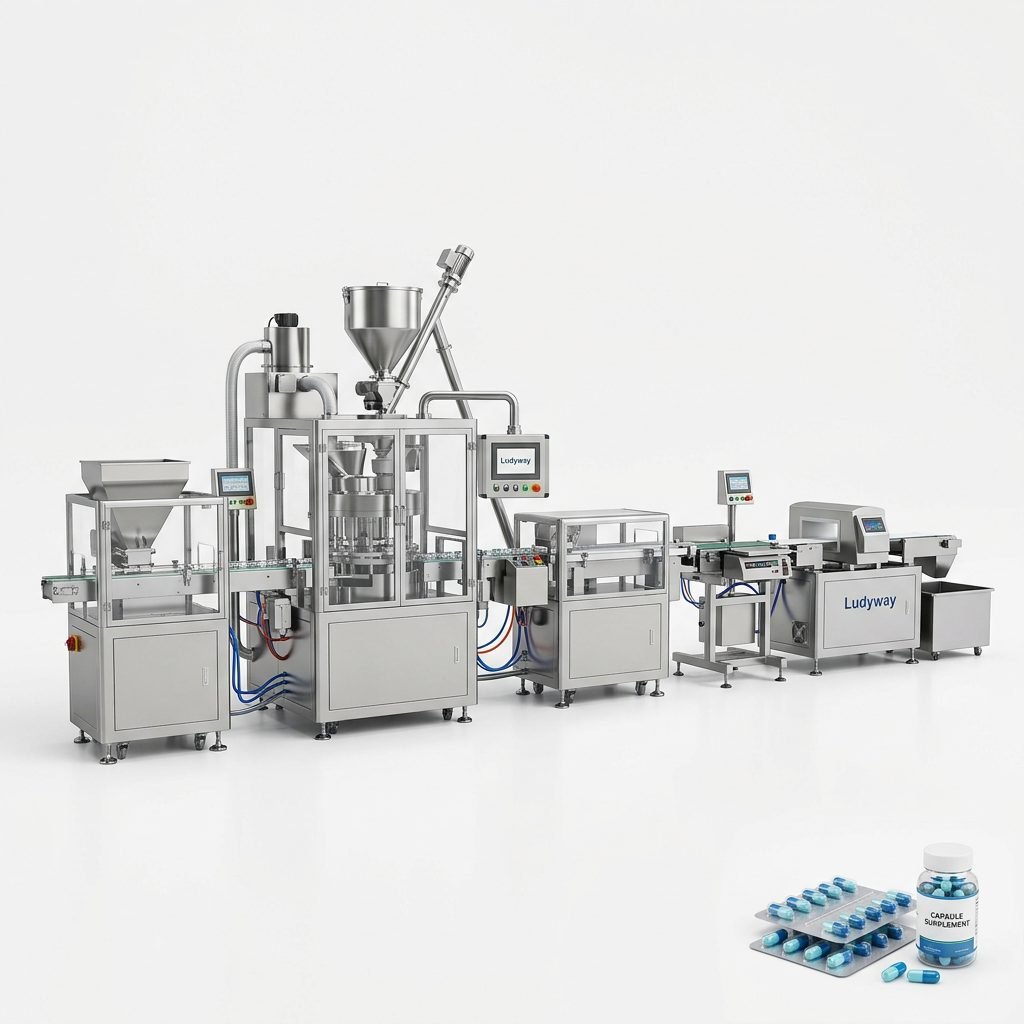
Hygienic stainless steel packaging line configured for pharmaceutical production
| Specification Area | What to Request in the Quotation | Why It Matters for Efficiency |
|---|---|---|
| Output and accuracy | Lanes, cycles/min, guaranteed sustained packs/min, fill tolerance (±%) by product | Defines real capacity and giveaway; must be verified at FAT |
| Dosing system | Auger / cup / weigher / pump type, hopper capacity, agitator, level sensor | Wrong doser for the product is the top cause of speed loss and jams |
| Controls and drives | PLC and HMI brand, servo axes, recipe memory, remote diagnostics | Determines changeover time, repeatability and support response |
| Certifications | CE, ISO 9001 manufacturing system, cGMP design, 316L contact parts, IP rating | Needed for import clearance, insurance and customer audits |
| Commercial terms | MOQ (normally 1 unit), lead time, Incoterm (FOB/CIF/DAP), payment schedule, warranty, spare parts list | Standard machines ship in roughly 30–60 days; turnkey lines 90–150 days |
| Installation and training | On-site or remote commissioning, SAT protocol, operator and maintenance training, manuals in your language | Shortens ramp-up from installation to stable rated output |
Integrating the Machine into a Complete Line
A fast filler that is fed by hand and discharged into open crates will not raise plant efficiency; the bottleneck simply moves. The highest returns come from treating packaging as one continuous flow from bulk product to pallet, with buffer capacity and automatic handling at each transfer point. The typical high-speed line follows five stages.
Step 1
Product Feeding
Vacuum or screw conveyors and bucket elevators keep the hopper level constant so the machine never waits for product.
Step 2
Dosing, Forming and Sealing
The multi-lane machine forms, fills, seals, codes and cuts packs at the target rate with optional nitrogen flushing for oxygen-sensitive products.
Step 3
In-Line Inspection
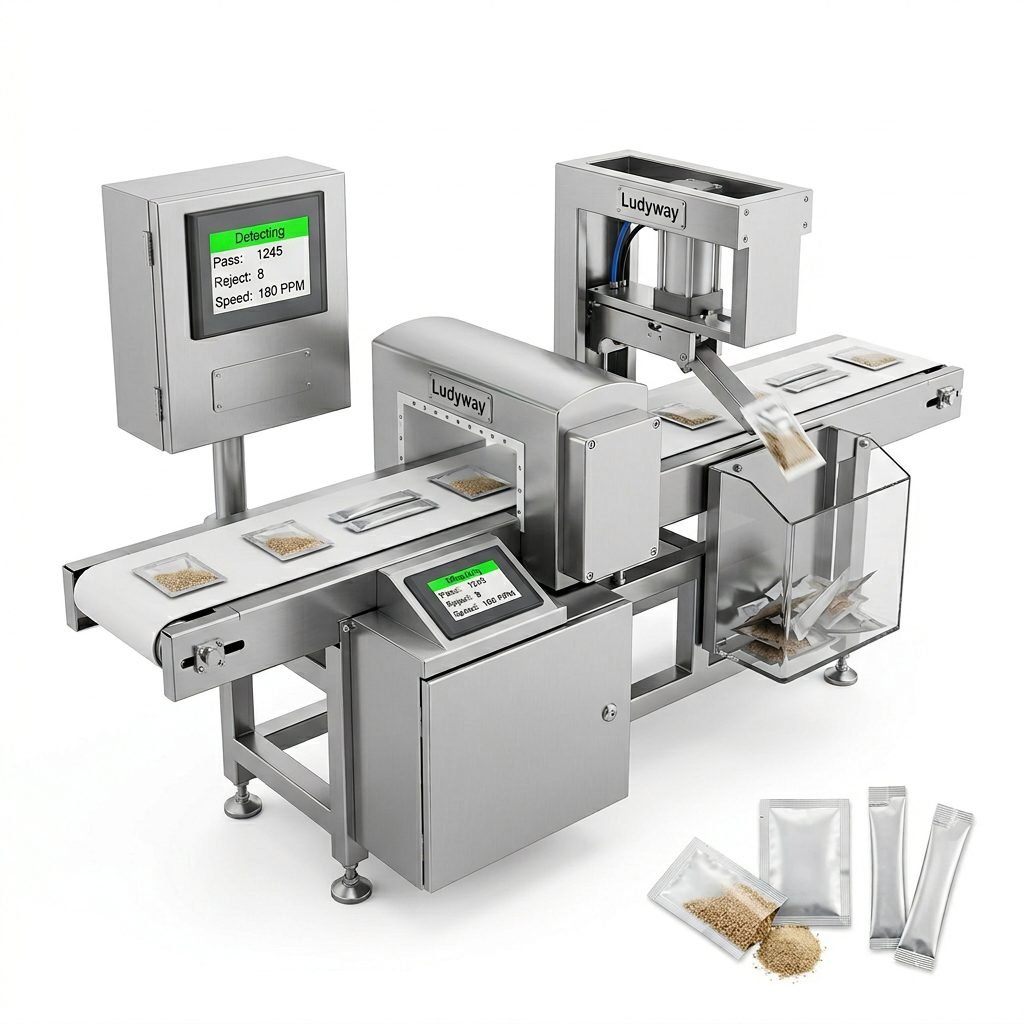
A high-speed dynamic checkweigher and metal detector reject out-of-spec packs automatically without stopping the line.
Step 4
Counting and Cartoning
Lane collators count sticks or sachets into display boxes; an automatic case packer then loads shipping cartons.
Step 5
Sealing and Palletizing
Case sealers, strapping and robotic palletizers complete the line so finished pallets leave with no manual lifting.
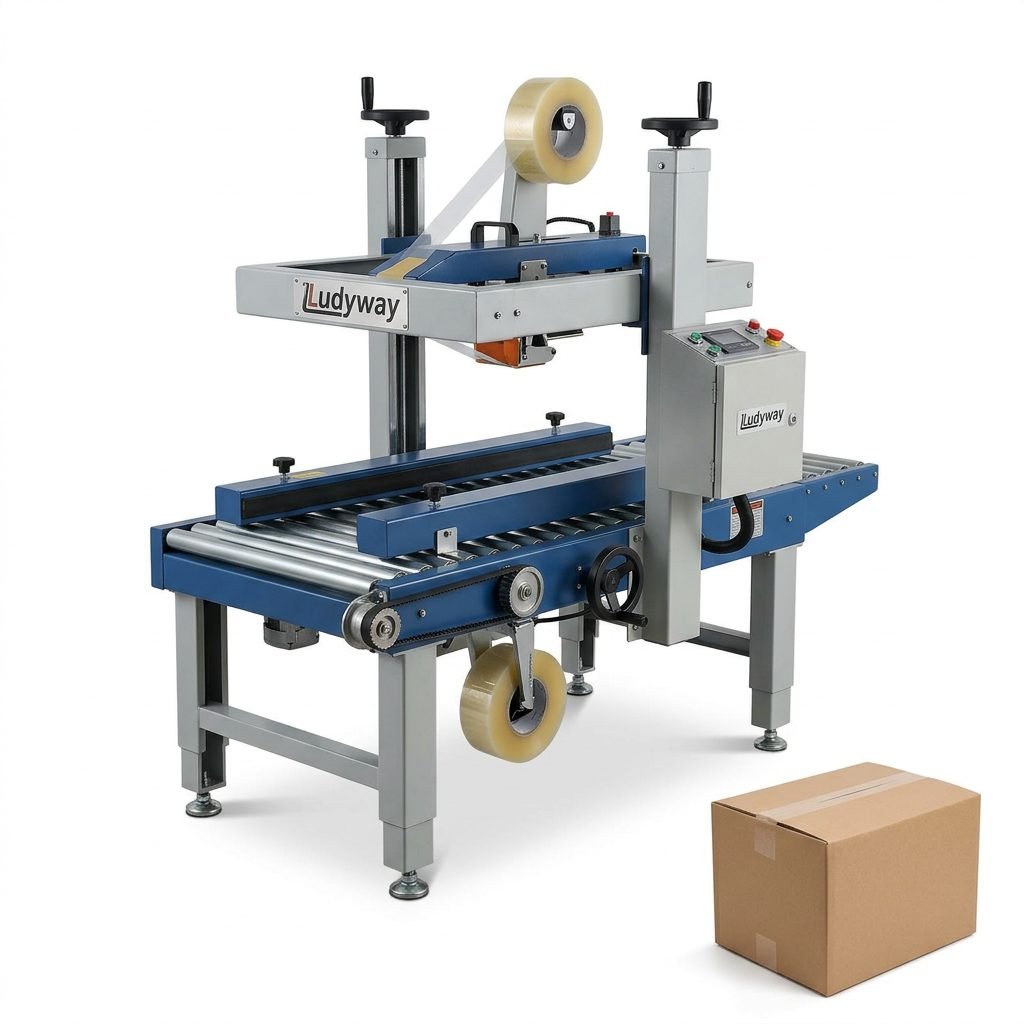
Automatic carton sealer closing shipping cases downstream of the packaging machine
End-of-line automation is frequently where the remaining manual labor hides. In many plants the filler runs unattended while four or five people count sachets, erect cartons and stack pallets. Adding cartoning, case sealing and palletizing closes that gap and allows a single operator team to run the line from product in-feed to warehouse.
Line integration also requires data. A packaging line integration system connects machine PLCs so that a downstream stop automatically slows or buffers the filler instead of causing a crash stop, and OEE data is logged for continuous improvement.
When the full line is specified from one supplier, interface responsibility is clear and commissioning is faster, which is why many factories now purchase turnkey packaging lines rather than individual machines.
Engineering note: Sustainable material trends are also changing line design. Mono-material and paper-based films described by the Flexible Packaging Association often need narrower sealing windows, so specify independent zone temperature control and servo jaw pressure if you expect to switch films during the life of the machine.
Calculating Payback Before You Buy
A realistic payback model needs only four inputs: current and projected labor per shift, current and projected product giveaway, material waste rates, and the extra saleable volume the new capacity unlocks. Add these as annual savings, then divide the delivered and installed capital cost by that figure to obtain the payback period. For multi-lane stick pack and sachet projects replacing manual or semi-automatic packing, payback of 12 to 24 months is common.
Illustrative Savings Model
- Labor: 6 manual packers removed across two shifts at a fully loaded cost of US$1,800 per month each ≈ US$130,000 per year
- Giveaway: fill accuracy improved by 1% on 500 tonnes of powder valued at US$6/kg ≈ US$30,000 per year
- Film waste: scrap cut from 5% to 2% on US$400,000 annual film spend ≈ US$12,000 per year
- Capacity: additional 20% saleable output contributes margin on top of the above
What the Model Often Misses
Quality cost avoidance is rarely included but can be decisive: a single rejected export container or product recall can exceed the annual labor saving. Reduced overtime, lower training churn and the ability to accept larger retail contracts are further benefits that sit outside a simple spreadsheet.
Include spare parts, film tooling for each format, freight, duties, installation and training in the capital figure so the payback calculation survives scrutiny from finance.
Choosing a Manufacturer With Turnkey Capability
Ludyway Machinery, founded in Zhongshan, Guangdong, is one of the largest packaging machine manufacturers in China, with more than 30 years of experience in granule, powder, liquid and pouch packaging for the food, pharmaceutical and health industries. From a 20,000㎡ production facility supported by over 200 manufacturing equipment units and 130+ packaging engineers, the company builds more than 50 intelligent machine models, including multi-lane stick pack, sachet and fully automated turnkey packaging lines. Equipment is supplied to customers in over 100 countries, and the company’s export growth has been documented in independent industry coverage. For buyers evaluating high-speed packaging equipment, this combination of in-house engineering, large-scale production and complete-line integration reduces interface risk and shortens delivery schedules.
30+ Years
Packaging machinery experience
20,000㎡
Modern production facility
50+ Models
Intelligent packaging machines
100+ Countries
Served worldwide
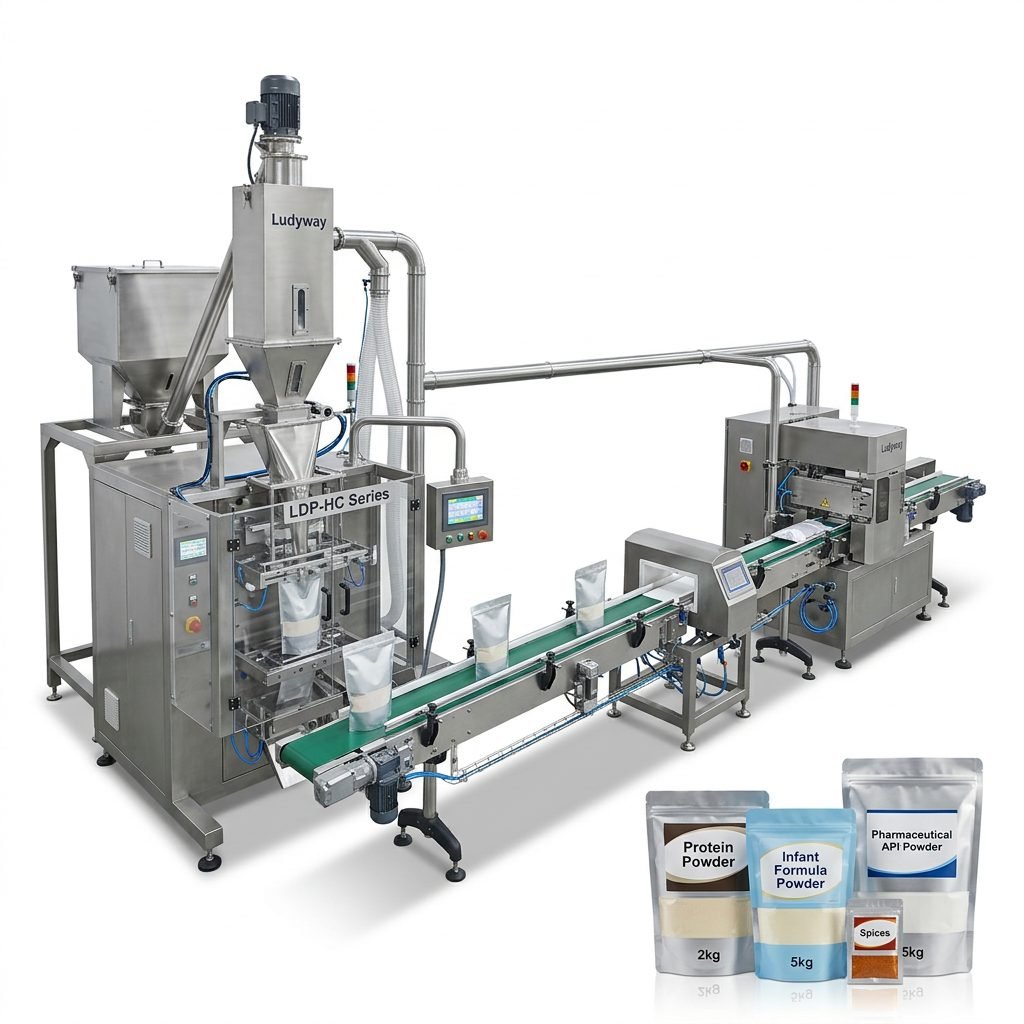
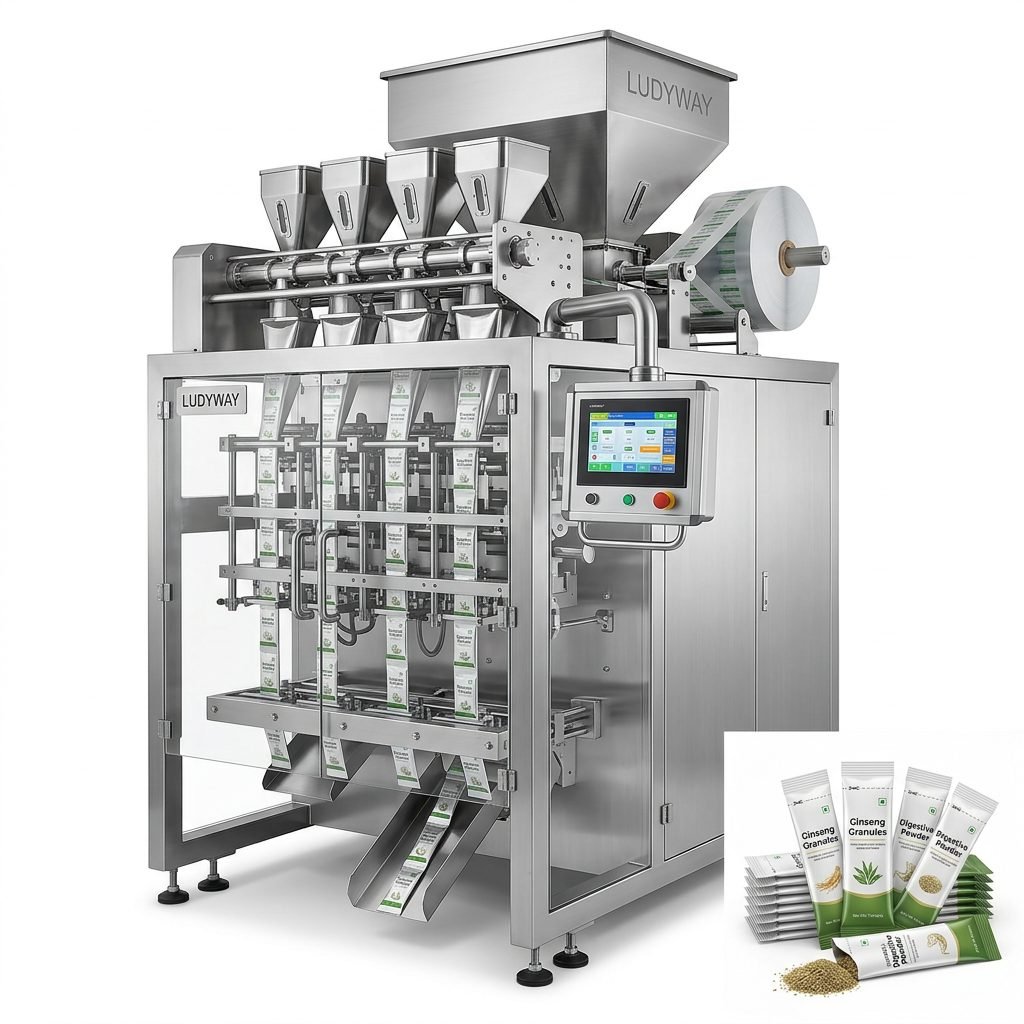
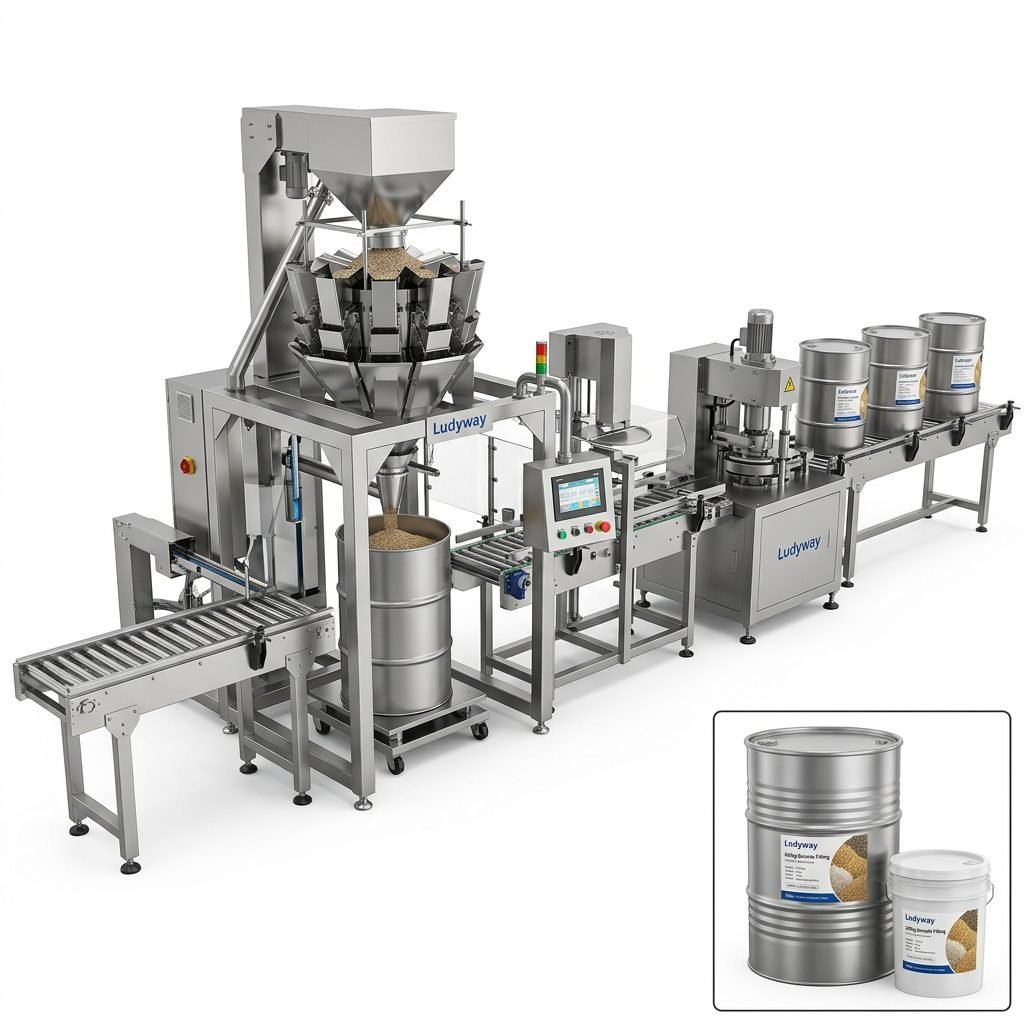
High-capacity automated powder packaging line for bulk food and pharma products
High-Speed Multi-Lane Packaging Machines Built for Throughput
Multi-Lane Sugar Stick Machine
Stick Pack Machine, Granules & Powders
Price on Request
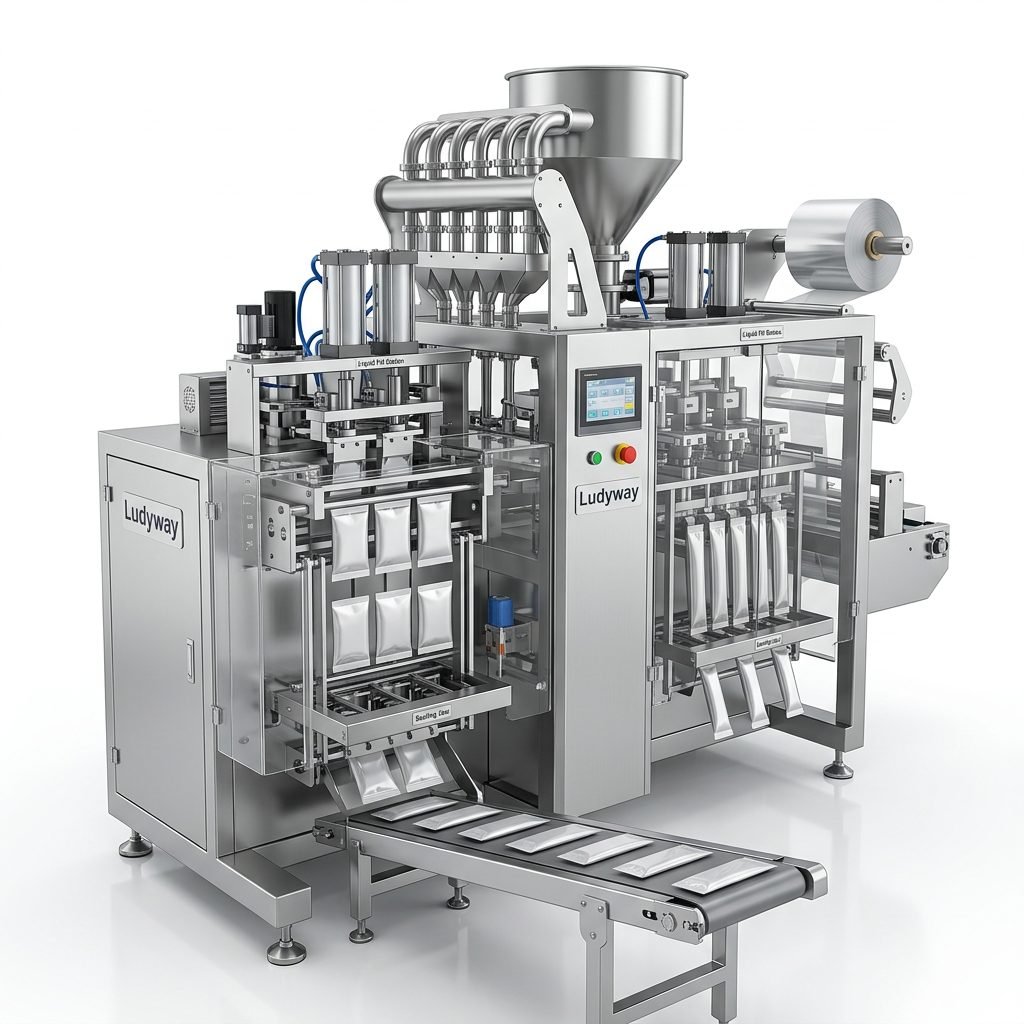
Multi-Lane Liquid Packaging Machine
Sachet & Stick Pack, Liquids & Gels
Price on Request
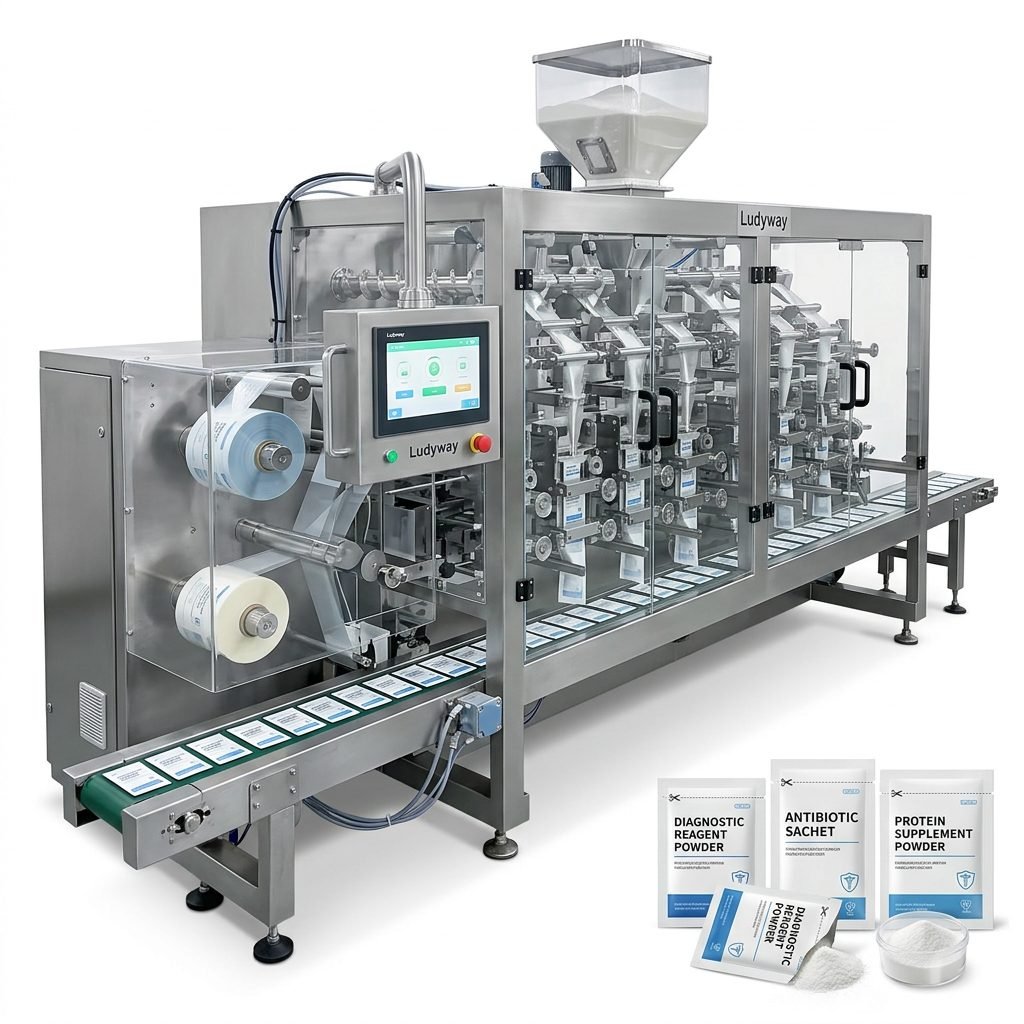
Pharma Powder Sachet Machine
Sachet Machine, Medical Powders
Price on Request
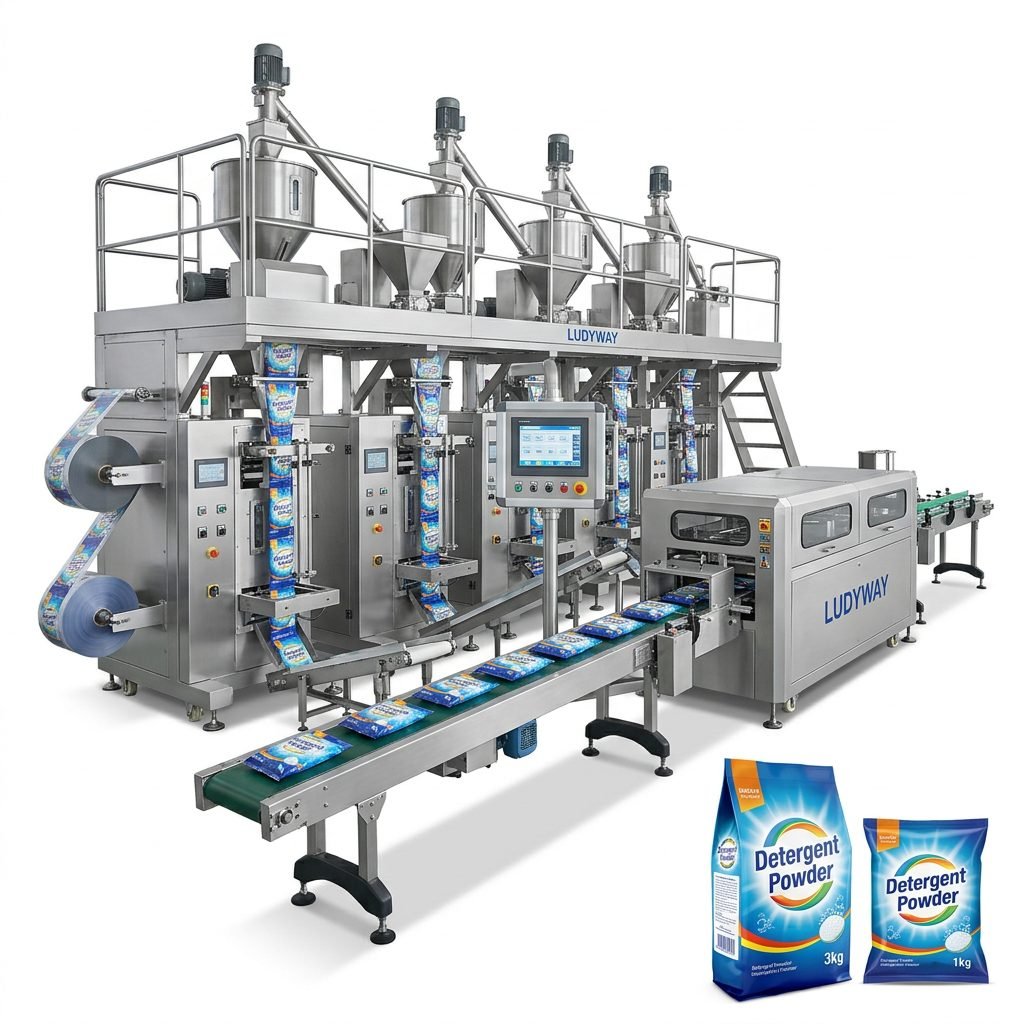
Automated Detergent Powder Line
Turnkey Line, Powder & Granules
Price on Request
Frequently Asked Questions
How many lanes should I specify for my production volume?
Divide your required packs per minute by a realistic sustained cycle rate of 40–55 cycles per minute for powders and granules, or 30–45 for liquids. A target of 400 sticks per minute therefore points to an 8- to 10-lane machine. Leave 15–20% headroom for growth and planned downtime rather than specifying exactly to today’s demand.
Can one high-speed machine handle both powder and liquid products?
Yes, provided the frame is specified with interchangeable dosing modules. Switching between an auger unit and a piston pump unit takes longer than a simple size change, so if both product types run daily, two dedicated machines usually deliver better overall efficiency than one shared unit.
What is the minimum order quantity and typical lead time for packaging equipment?
Industrial packaging machines are built to order and the MOQ is one unit. Standard multi-lane stick pack or sachet machines generally ship within 30–60 days after technical confirmation and deposit, while fully integrated turnkey lines with cartoning and palletizing require roughly 90–150 days including FAT. Confirm the schedule in writing, including film tooling for each pack format.
Which certifications should the equipment and supplier hold?
At minimum, CE marking for machinery safety and an ISO 9001 quality management system at the manufacturer. Food, pharmaceutical and nutraceutical applications should add cGMP-compliant design, SUS304 or SUS316L product-contact parts and material certificates. Export markets may also require UL or CSA-compliant electrical components, so state the destination country at the enquiry stage.
How is a high-speed packaging line quoted and what should the quotation include?
Reputable manufacturers quote after reviewing your product sample, pack sizes, target output and film specification. A complete quotation lists machine configuration, lane count, dosing type, control brands, guaranteed output and accuracy, Incoterm, payment schedule, warranty period, recommended spare parts, and the scope of installation and training. Ask for a free product test video or sample packs before committing.
Next Steps for Your Packaging Efficiency Project
If your factory is losing output to manual packing, slow changeovers or inconsistent fill weights, the fastest route to a reliable business case is a technical review of your product and target formats. Share your product type, required packs per minute, pack sizes and preferred film, and Ludyway’s engineering team will recommend a machine or complete line configuration, run a sample test with your material and return a detailed quotation with lead time, FAT protocol and installation scope.
Arrange a Sample Test or Factory Visit
Send product samples for a filmed trial run on the proposed machine, or visit the 20,000㎡ facility in Nanlang Town, Zhongshan, Guangdong, China to witness factory acceptance testing in person.