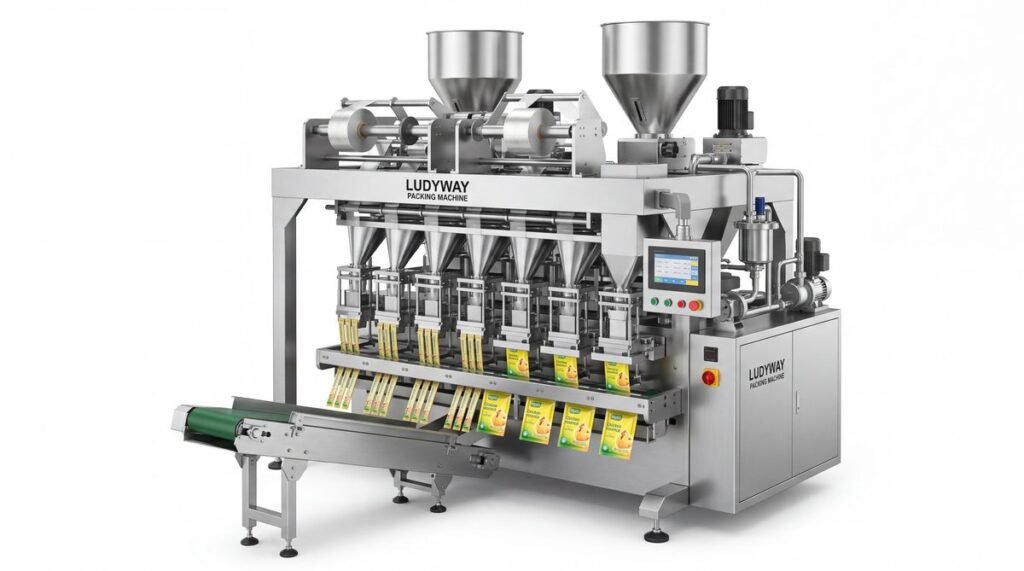
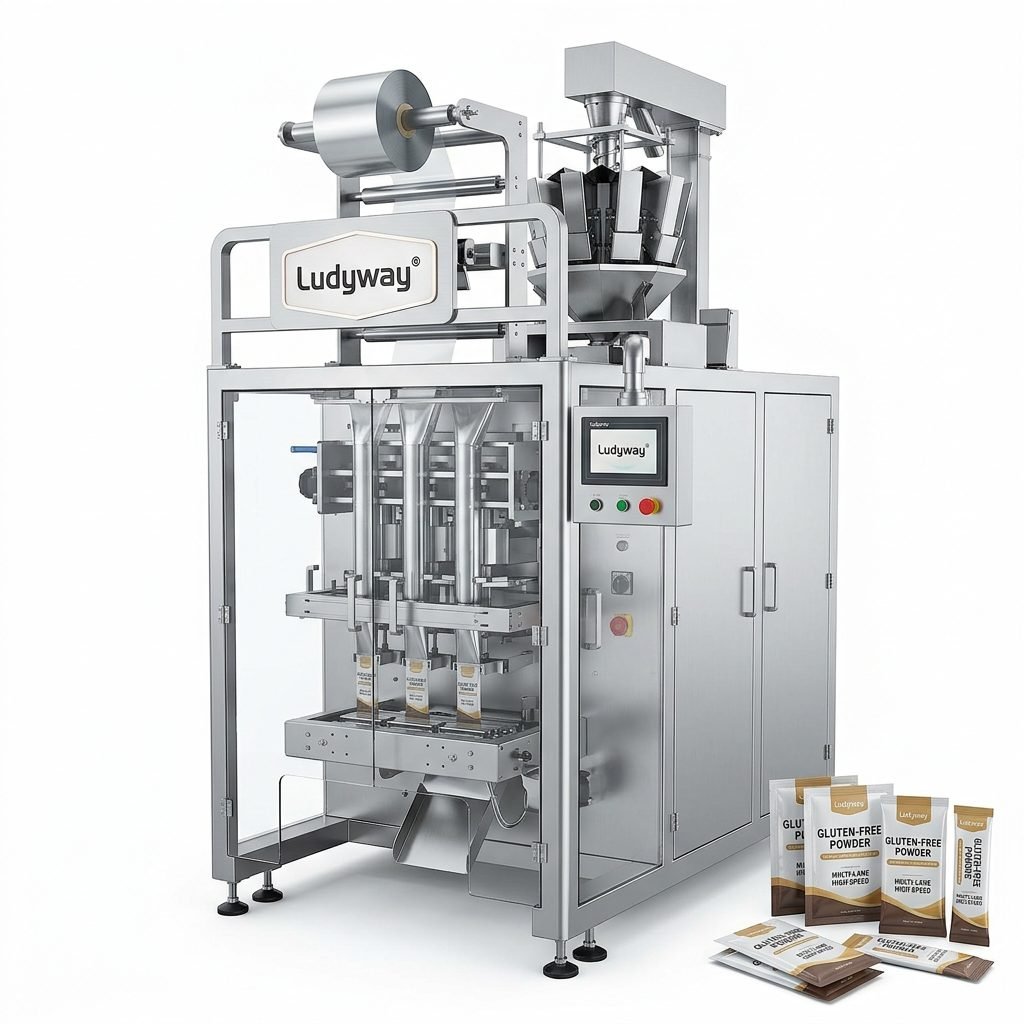
Most packaging lines do not run out of capacity because the filler is too slow. They lose output in the gaps: a sachet machine starving for product while an operator refills a hopper, a changeover that takes two hours instead of twenty minutes, a checkweigher that was never installed so giveaway quietly eats 2–3% of every batch, and an end-of-line station where cartons wait for someone to stack them. Packaging machine upgrades that improve production capacity and efficiency work by closing these gaps, and the best ones pay for themselves in months rather than years.
This guide is written for production managers, plant engineers and procurement teams who need to raise throughput on granule, powder, liquid and pouch packaging lines without a full greenfield rebuild. It covers the upgrade options with the highest return, how to decide between a retrofit and a replacement, which standards apply when you touch food or pharmaceutical contact surfaces, and exactly what information to prepare when you request a quotation.
sachets per minute achievable on a multi-lane stick pack platform
typical product giveaway recovered with servo dosing and inline checkweighing
reduction in changeover time with tool-less format parts and recipe HMI
manual positions per shift released by automated case packing and palletizing
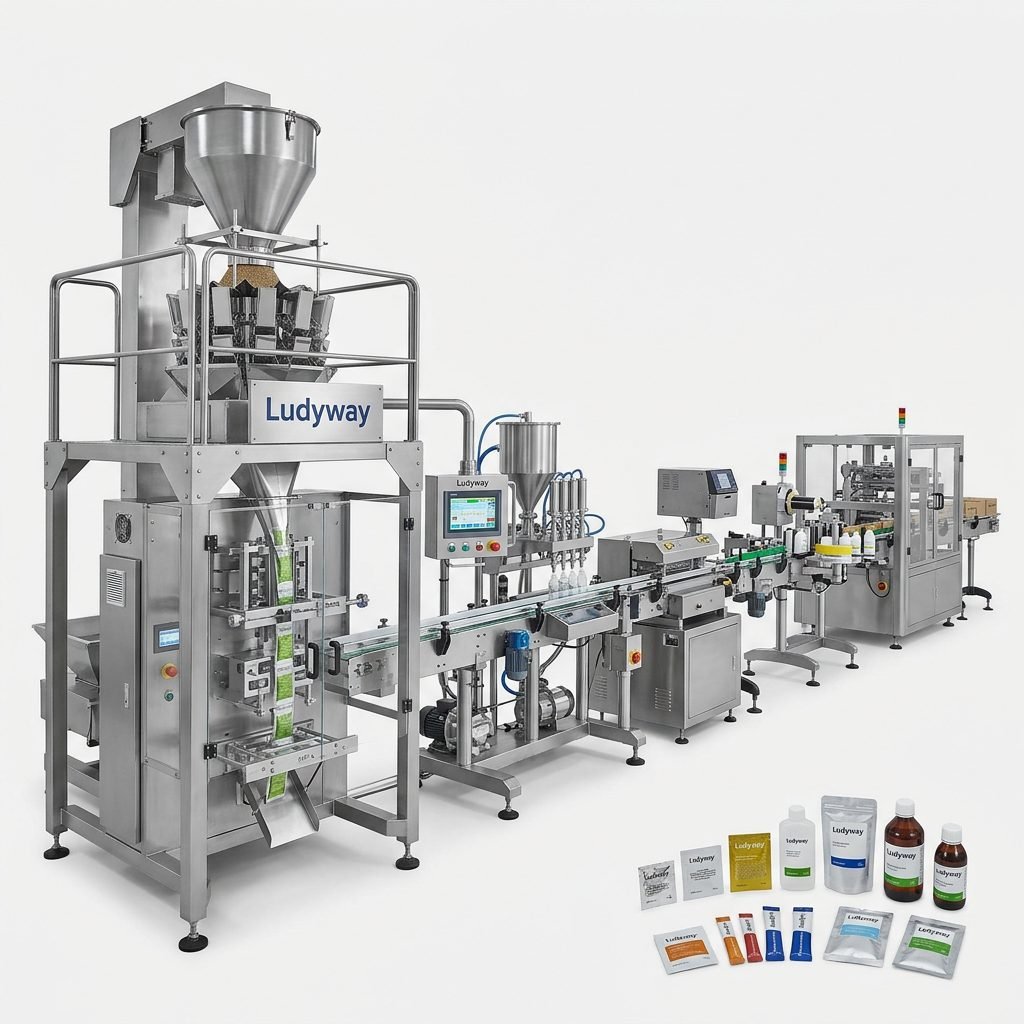
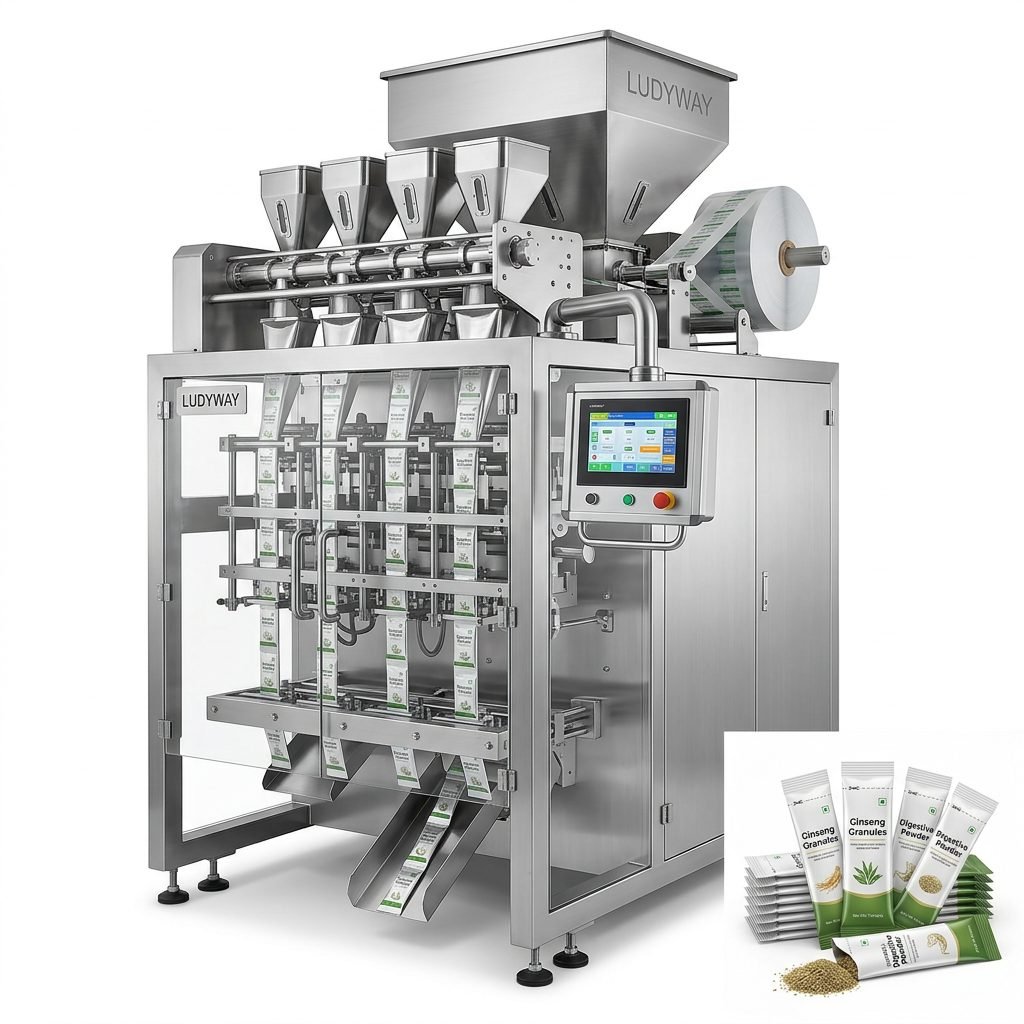
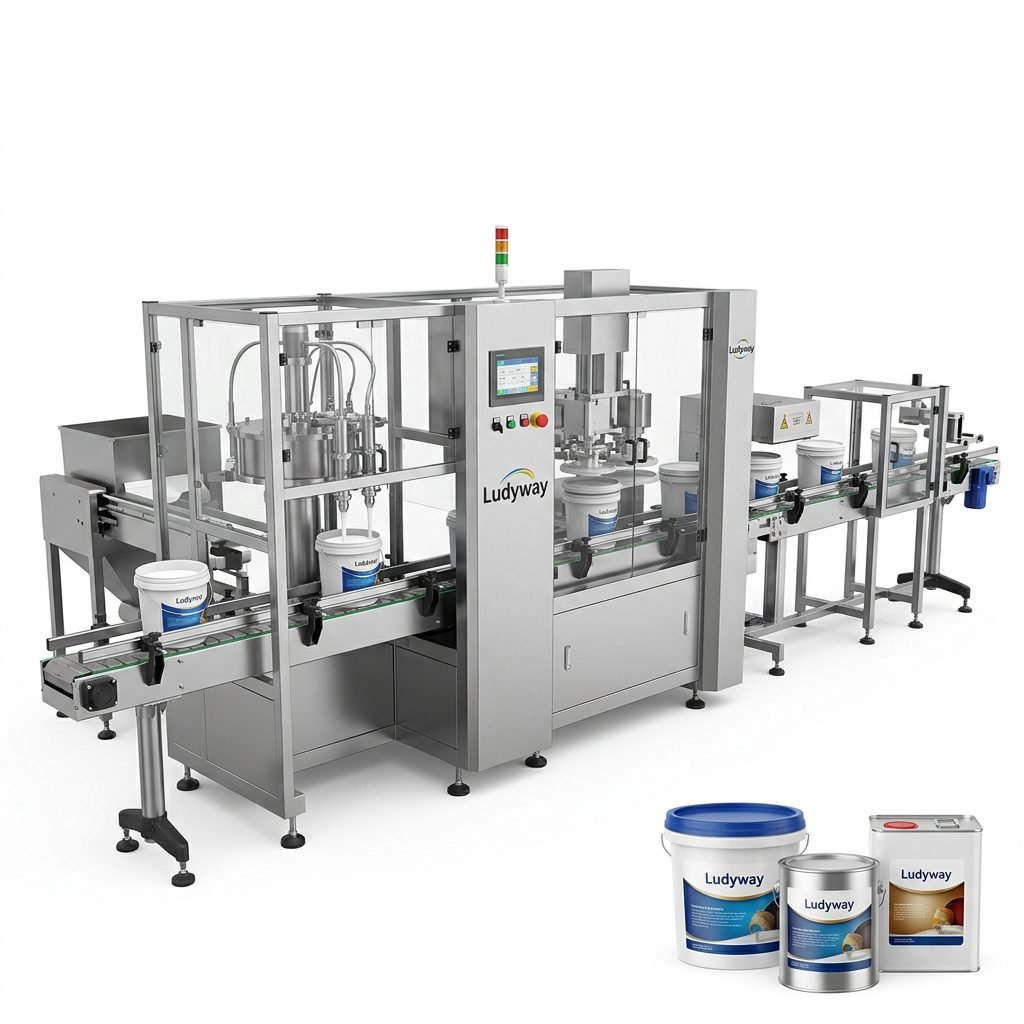
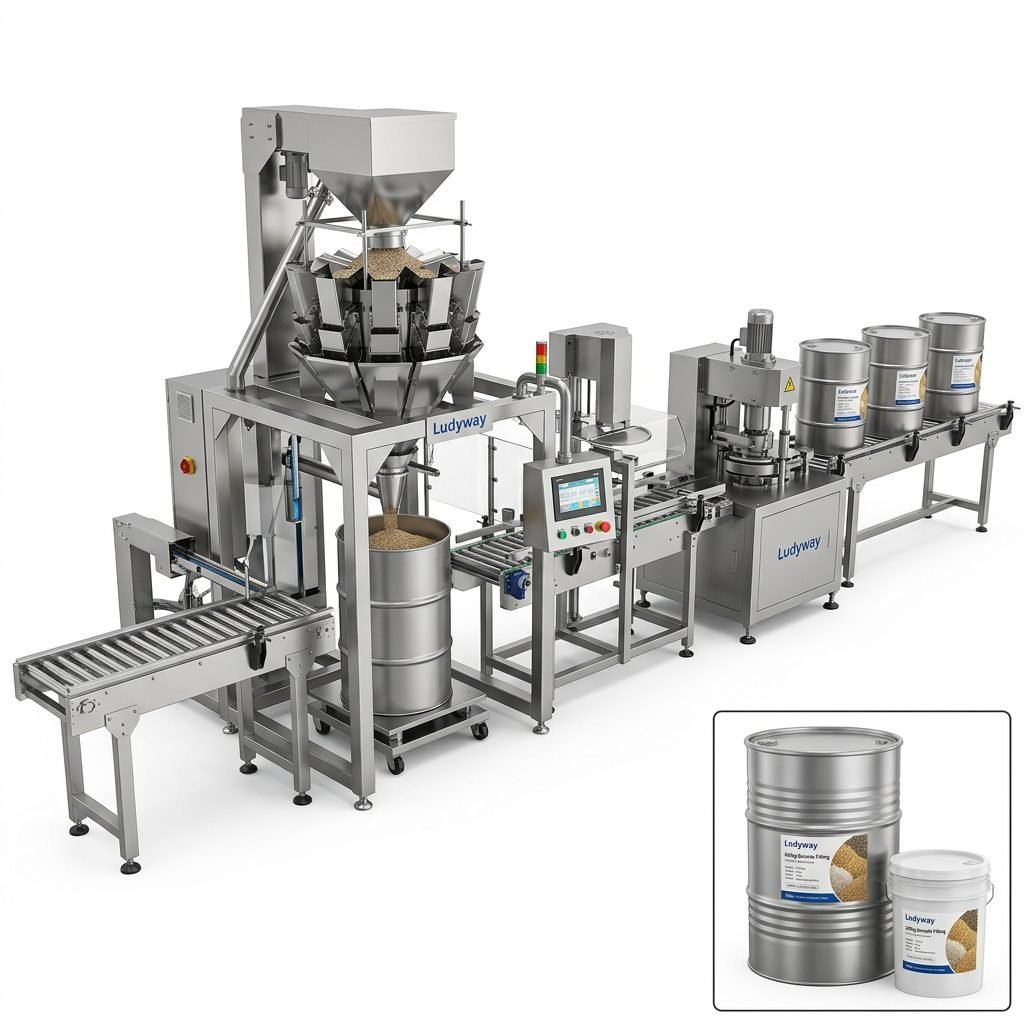
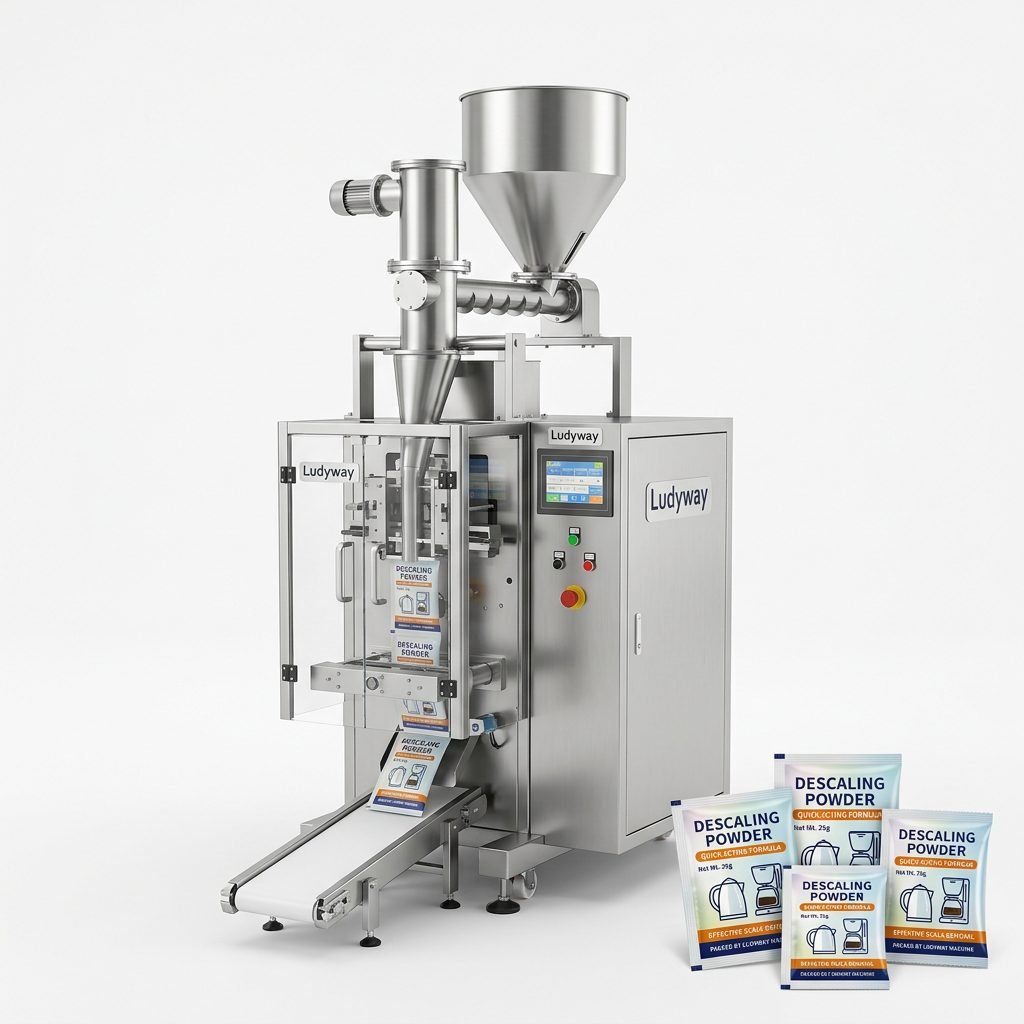
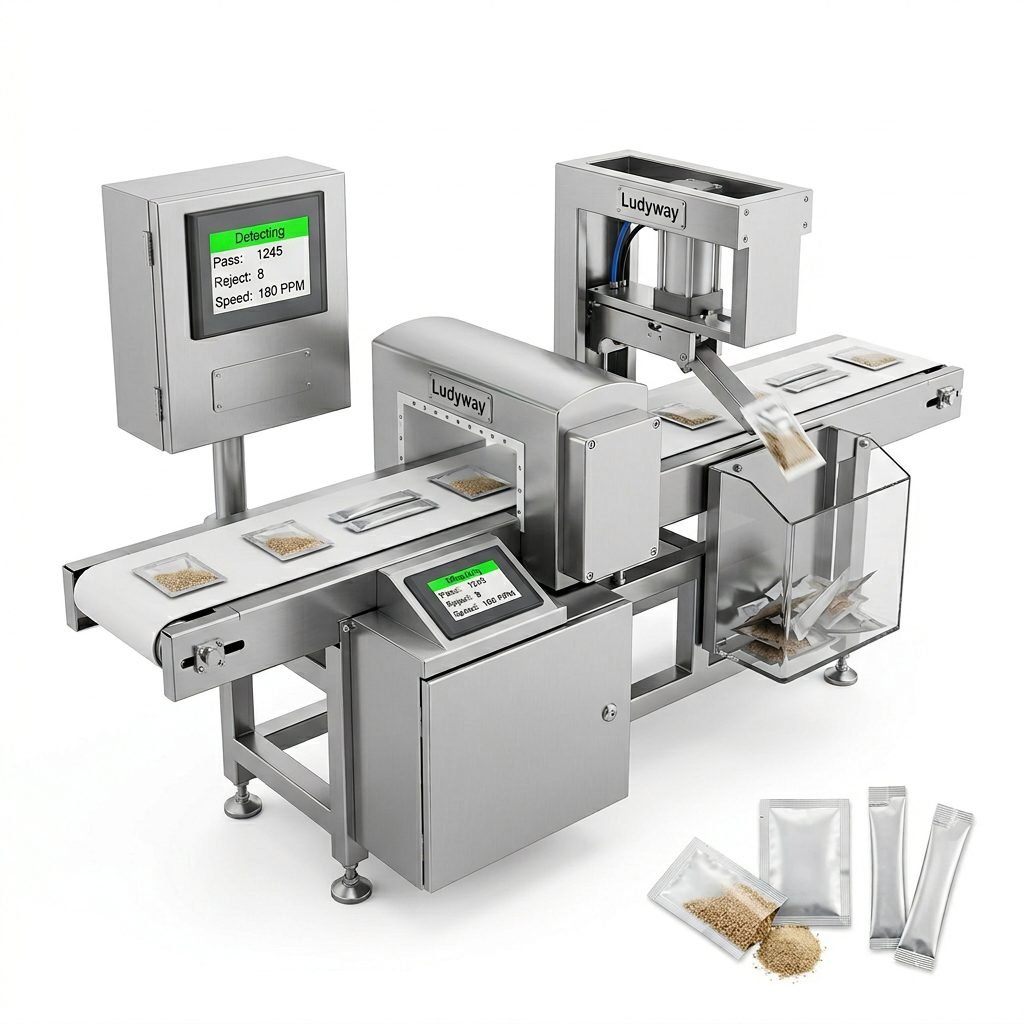
An integrated packaging line where filling, inspection and end-of-line modules are balanced to one takt rate.
Where Packaging Lines Actually Lose Capacity
Before buying any equipment it helps to frame the problem with Overall Equipment Effectiveness (OEE). OEE multiplies three factors: availability (how much of planned time the line is running), performance (how close actual speed is to rated speed) and quality (how many packs pass first time). A line with 85% availability, 80% performance and 97% quality is running at roughly 66% OEE, which means a third of its theoretical output is already gone before anyone discusses buying a faster machine.
Practical rule: measure a week of downtime reasons, speed losses and reject counts before you specify an upgrade. In most granule and powder plants the largest single loss is material starvation or manual refilling, followed by changeovers and seal rejects. An upgrade that targets the largest measured loss will almost always beat one that targets the nameplate speed of the filler.
The PMMI State of the Industry report consistently identifies labor availability, flexibility across SKUs and uptime as the top drivers of packaging machinery investment, which matches what plant teams see on the floor: capacity is a systems problem, and the fastest wins come from automation around the filler, not only inside it.
Top Packaging Machine Upgrades That Improve Production Capacity and Efficiency
The seven upgrades below are ranked by how often they deliver the largest measurable gain on sachet, stick pack, pouch and bag lines. Each can be installed on an existing line or specified as part of a new turnkey system.
1. Converting Single-Lane Machines to Multi-Lane Stick Pack or Sachet Systems
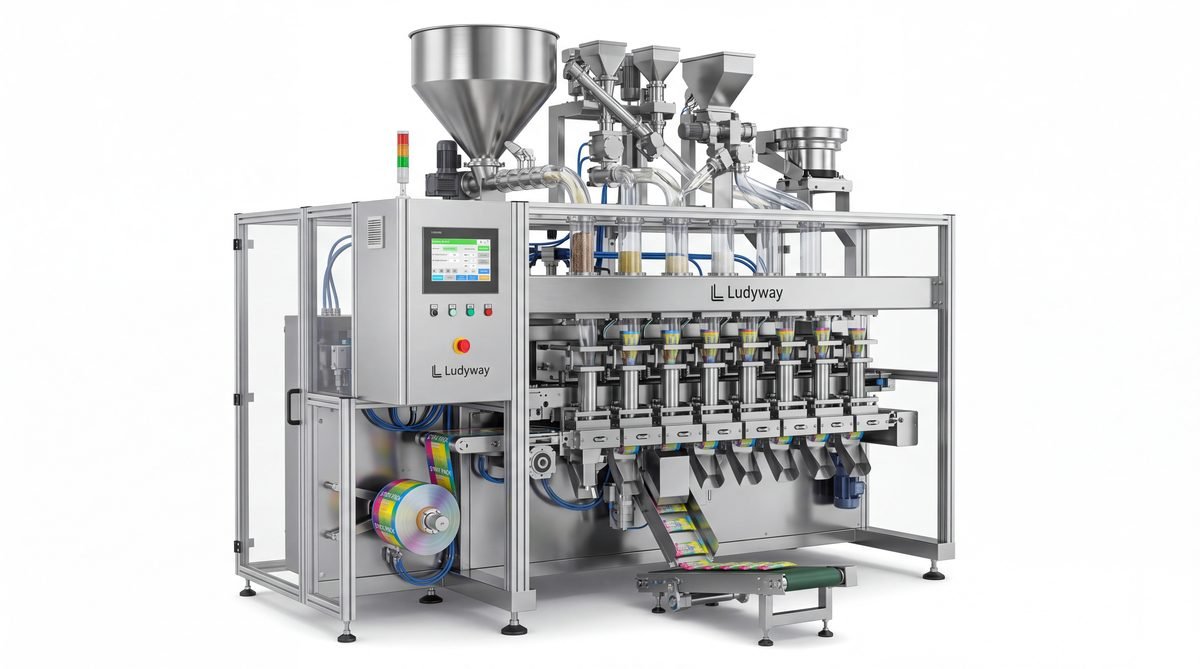
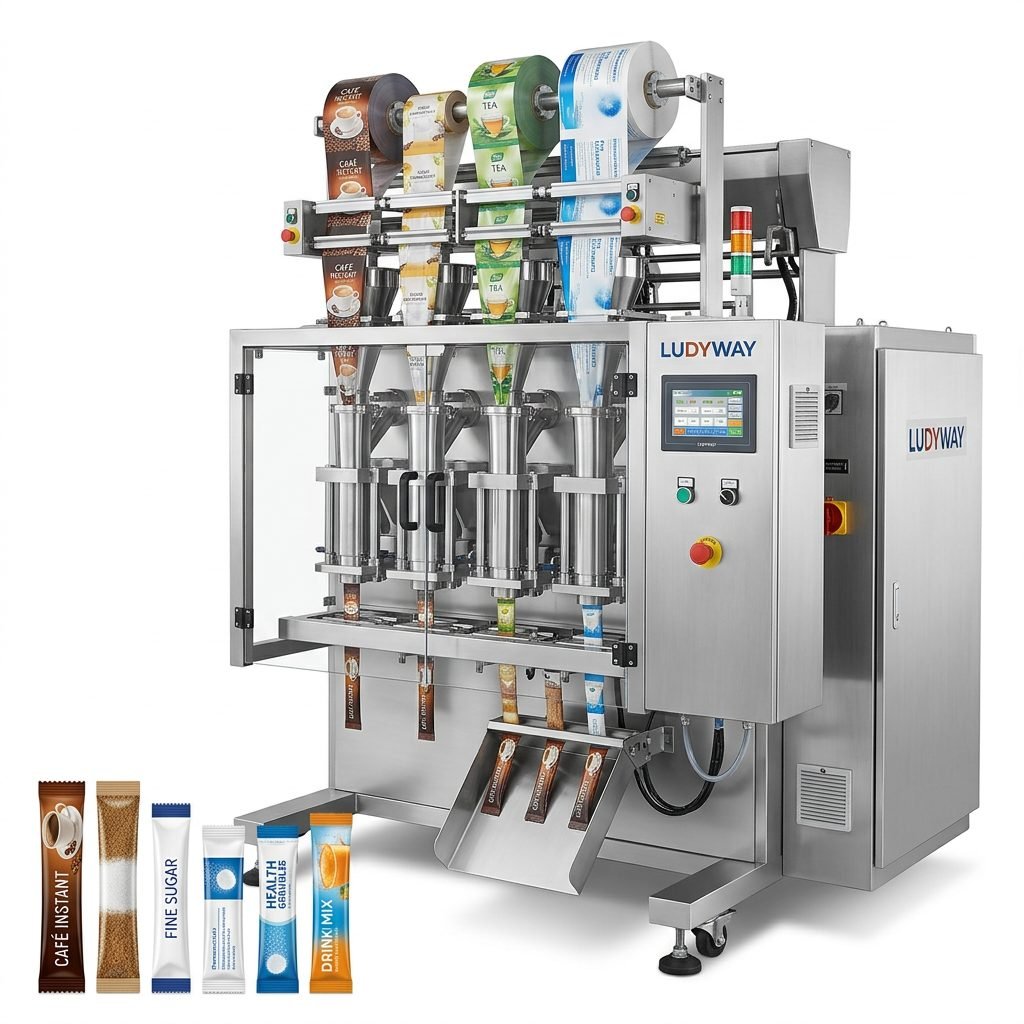
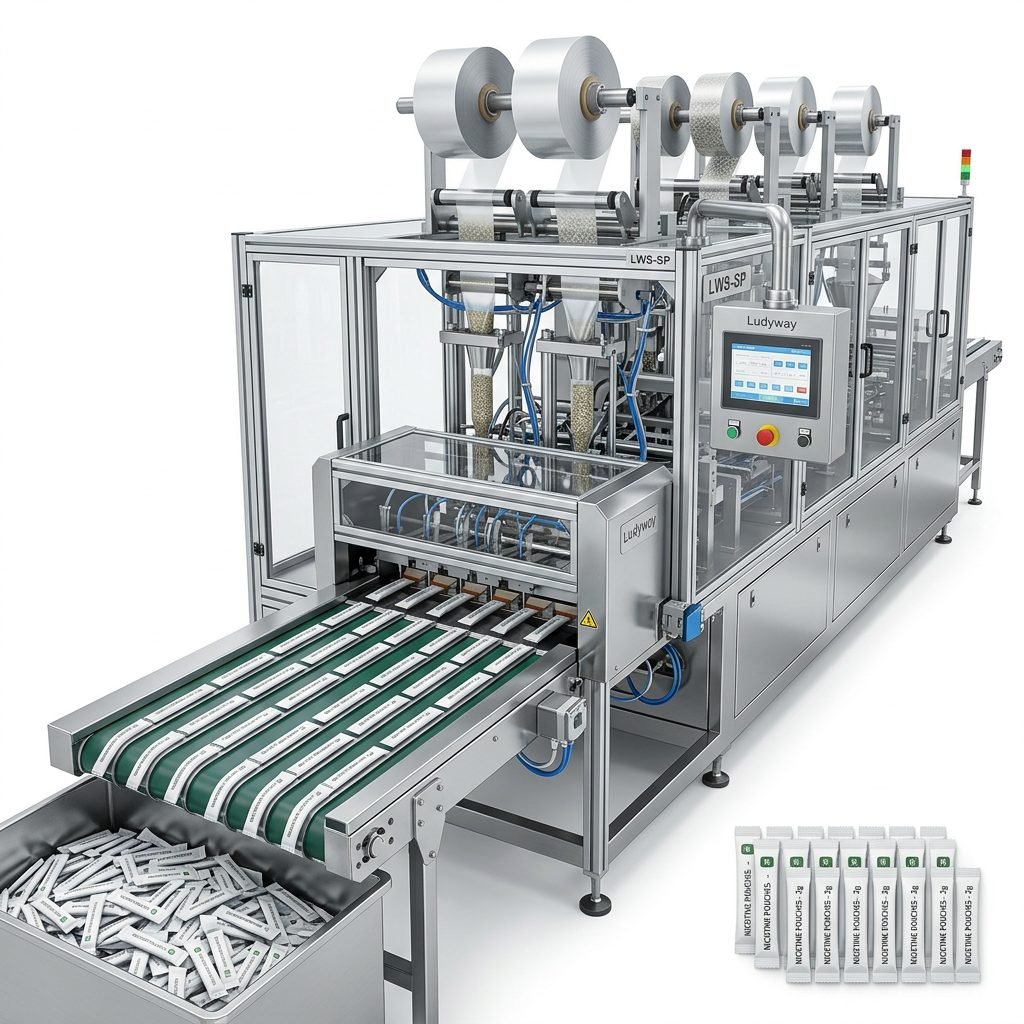
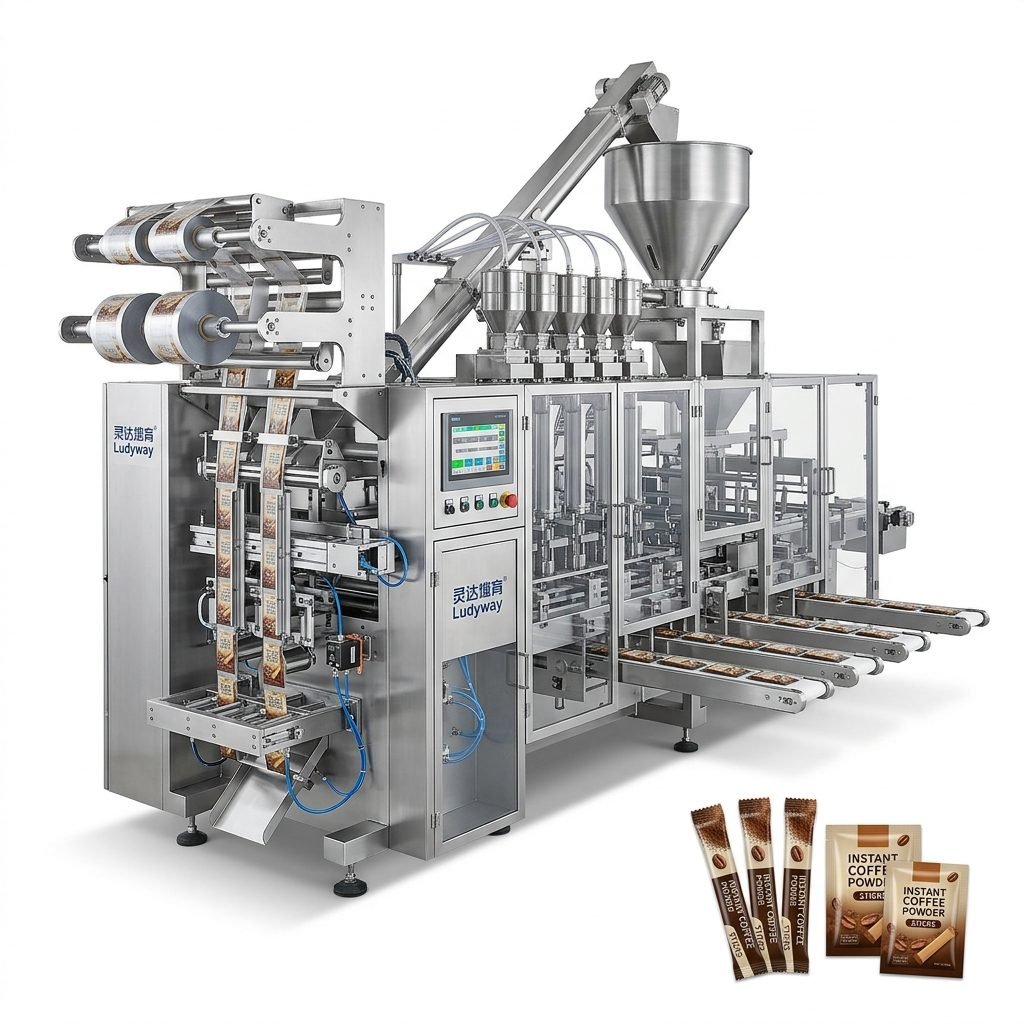
A single-lane vertical sachet machine typically produces 40–80 packs per minute. A multi-lane platform with 4 to 12 lanes runs each lane at a similar cycle rate, so total output scales almost linearly: an 8-lane stick pack machine at 60 cycles per minute delivers around 480 sticks per minute from one operator and one footprint. For coffee, sugar, electrolyte powder, pharmaceutical granules and single-serve liquids, this is the single largest capacity upgrade available.
Modern multi-lane systems use servo-driven film pull, independent lane dosing (auger for powder, volumetric cup for granules, piston pump for liquids) and PLC recipe control, which also improves seal consistency compared with older mechanical cam machines. See the multi-lane stick pack and sachet packaging machine range for lane counts, pack sizes and dosing options.
2. Servo-Driven Precision Dosing
Dosing accuracy is a capacity lever because every gram of overfill is product you manufactured but did not sell. Upgrading mechanical or clutch-driven augers to servo augers with load-cell feedback typically tightens fill accuracy to ±0.5–1% on free-flowing powders, and allows fill weight to be adjusted from the HMI without stopping the machine. For granules, vibratory or multi-head weighing systems replace volumetric cups where product density varies batch to batch.
A high-precision powder dosing system can usually be retrofitted to an existing filler head and integrated with the downstream checkweigher so that fill weight self-corrects in real time.
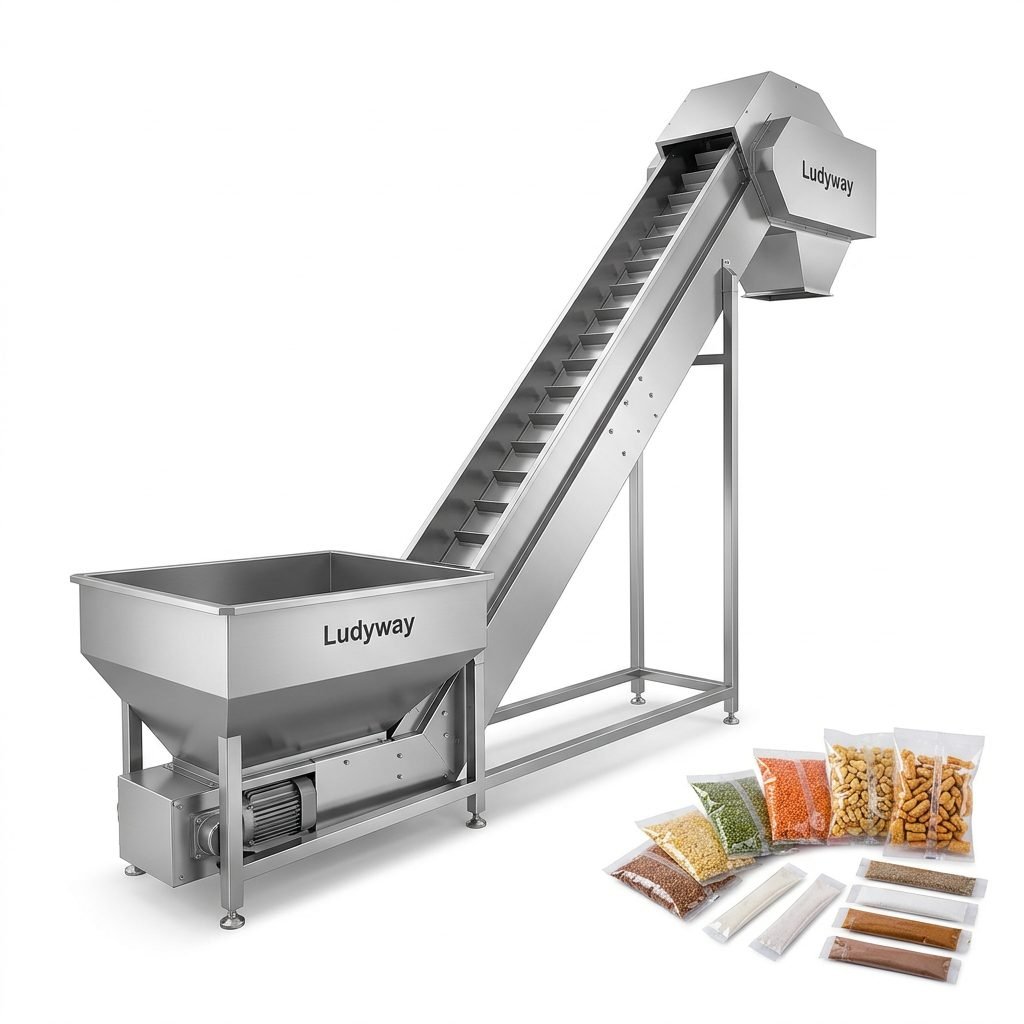
3. Automated Material Handling: Vacuum Feeders, Bucket Elevators and Conveyors
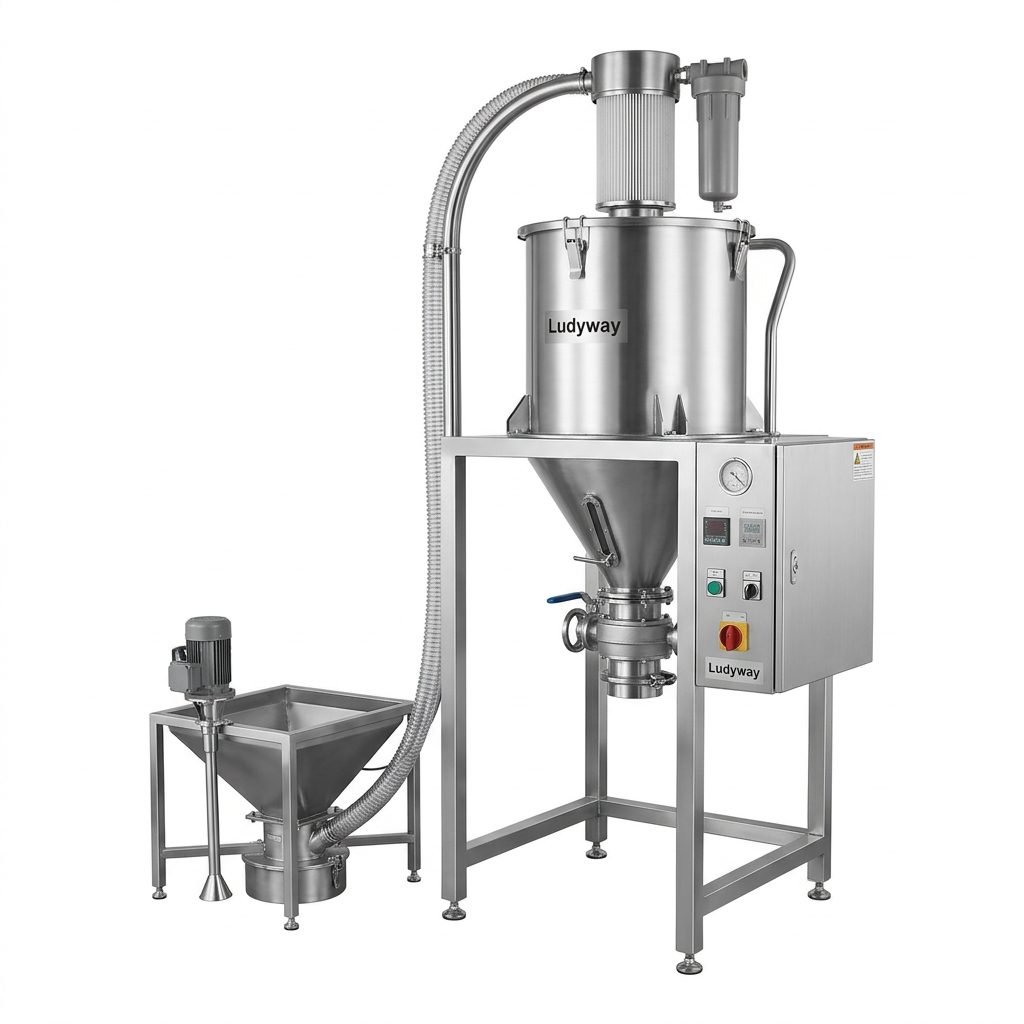
Manual hopper filling is the most common hidden bottleneck in powder and granule plants. When an operator tips bags into a hopper, the filler either runs empty for part of each cycle or runs below rated speed to stretch the material. A vacuum feeder or screw conveyor keeps the hopper level within a controlled band, so the packaging machine runs continuously at its designed rate.
For granules and fragile products such as freeze-dried fruit or coated pellets, Z-type bucket elevators and inclined belt conveyors move product gently with minimal breakage. Enclosed vacuum conveying also reduces dust exposure and cleaning time, which matters for both operator safety and allergen changeovers. Explore the vacuum feeder for granule and powder packaging systems.
4. Inline Inspection: Checkweighers, Metal Detectors and Vision Systems
Inspection upgrades improve the quality factor of OEE and protect the brand. A dynamic checkweigher at line speed rejects underweight and overweight packs automatically, while trending data lets you tune the filler toward the legal minimum rather than a safe margin. Metal detection or X-ray is a basic requirement for most food and pharmaceutical retail programs, and vision systems catch seal defects, print errors and missing codes before cartoning.
Integrating a high-precision checkweigher with the filler PLC closes the feedback loop and is usually the fastest payback inspection upgrade on sachet and pouch lines.
5. End-of-Line Automation: Cartoning, Case Packing and Palletizing
Once a multi-lane machine is producing several hundred packs per minute, manual collation becomes the constraint. Sachet counting and cartoning systems collate sticks into display boxes, automatic case packers load cartons into shipping cases, and robotic or conventional palletizers build stable pallets without manual lifting. In many plants this is where two to four positions per shift are released and redeployed. The automated palletizing systems are designed to match the output of multi-lane sachet and stick pack lines.
6. Quick-Changeover Tooling and Recipe-Based HMI
For plants running many SKUs, changeover time is often a larger loss than machine speed. Upgrades include tool-less forming tubes and seal jaws, servo-adjustable film tracking, stored recipes on the HMI and color-coded change parts. Changeovers that took 90–120 minutes on older machines can typically drop to 20–30 minutes, which on a two-changeover-per-day schedule adds back more than two hours of production time every day.
7. Nitrogen Flushing and Vacuum Packaging for Shelf-Life Yield
Modified atmosphere and vacuum upgrades do not increase packs per minute, but they increase saleable output by reducing returns and extending shelf life for coffee, nuts, probiotics, milk powder and pharmaceutical granules. A nitrogen flushing packaging system can be added to most multi-lane and VFFS machines, reducing residual oxygen to low single-digit percentages.
Upgrade Options Compared
| Upgrade | Primary Gain | Typical Impact | Best For | Integration Effort |
|---|---|---|---|---|
| Multi-lane stick pack / sachet | Throughput | 4–12x output per operator | Coffee, sugar, supplements, pharma granules, liquids | Medium – new machine, existing upstream feed |
| Servo precision dosing | Giveaway, accuracy | 1–3% material savings | High-value powders, protein, probiotics | Low – head retrofit |
| Vacuum feeding / conveyors | Availability | 10–20% more running time | Any powder or granule line with manual hopper filling | Low – standalone units |
| Inline inspection | Quality, compliance | Near-zero out-of-spec packs shipped | Retail food, pharma, export markets | Low – conveyor insertion |
| End-of-line automation | Labor, consistency | 2–4 positions per shift released | Lines above 200 packs/min | Medium to high – layout and controls |
| Quick changeover / recipe HMI | Availability | 60–80% faster format change | Multi-SKU, contract packers | Low to medium |
| Nitrogen flushing / vacuum | Shelf life, yield | Residual O₂ to low single digits | Coffee, nuts, dairy powder, probiotics | Low – machine option |
Retrofit or Replace? A Decision Framework
Retrofitting keeps capital spend low and avoids re-validation of the whole line, but it inherits the mechanical limits of the base machine. Replacement costs more up front but resets the speed ceiling and brings modern controls, documentation and spare parts availability. The two cards below summarize when each route makes sense.
Retrofit the Existing Line When
- The base machine frame, film transport and sealing system are mechanically sound and below 10–12 years old
- The measured bottleneck is upstream feeding, dosing accuracy or downstream handling rather than the filler itself
- You need a result within 4–8 weeks and cannot shut the line for a layout change
- Spare parts and PLC support for the current platform remain available
Replace or Add a New Machine When
- Demand requires more than roughly 2x current output, which a single-lane machine cannot reach by tuning
- You are moving from sachets to stick packs, or adding new formats such as four-side seal, three-side seal or shaped pouches
- The machine uses obsolete controls with no recipe memory, no data logging and no remote diagnostics
- You want one supplier accountable for the full line, from line integration through palletizing
Compliance Points to Check Before You Upgrade
Any upgrade that changes product-contact surfaces, seal parameters or packaging materials can trigger regulatory and customer requalification. Food producers selling into the United States should confirm that contact parts, lubricants and film comply with the FDA framework for packaging and food contact substances, and specify 304 or 316L stainless steel for wetted parts.
Pharmaceutical and medical lines should align seal validation with ISO 11607 where sterile barrier systems are involved, and document installation, operational and performance qualification (IQ/OQ/PQ) for new dosing or sealing equipment. Producers exporting to Europe should also review film and pouch specifications against the EU Packaging and Packaging Waste Regulation, since recyclable mono-material films often require different sealing temperatures and dwell times than legacy laminates.
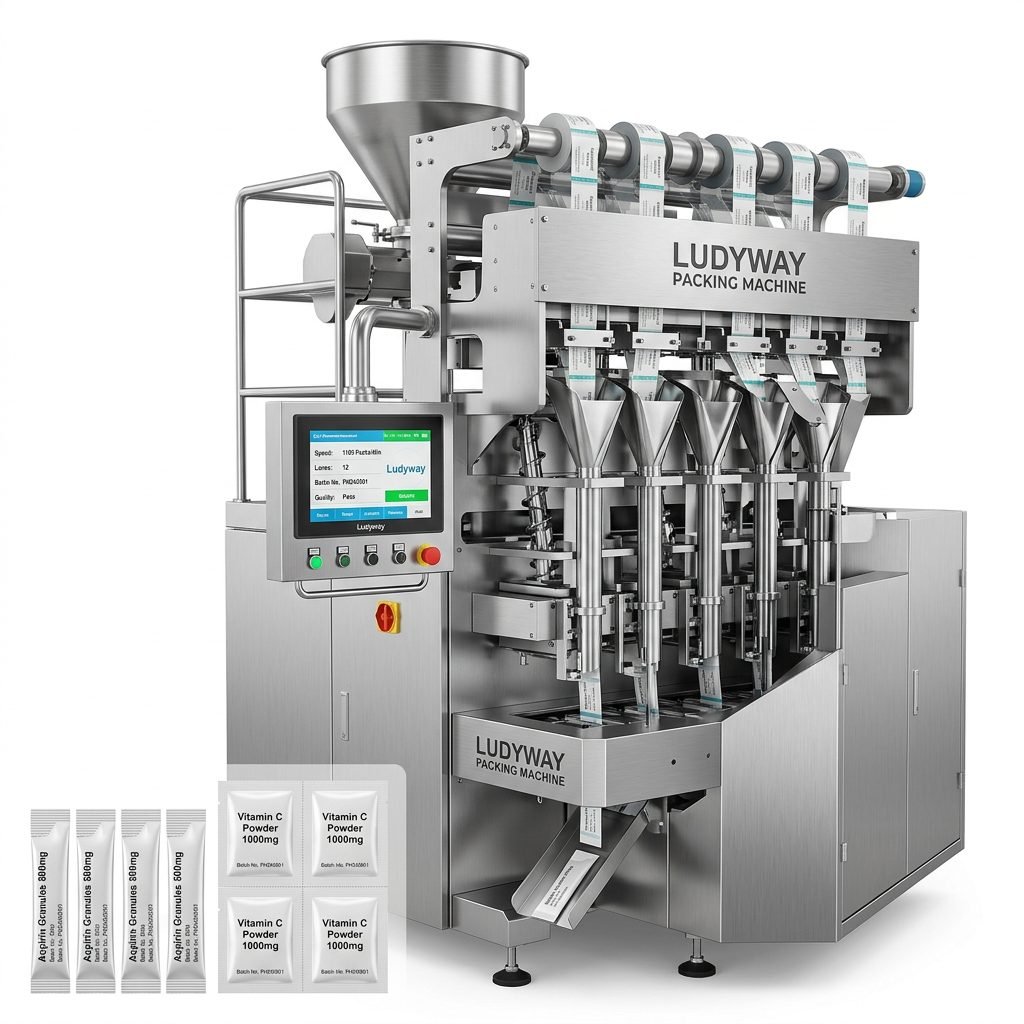
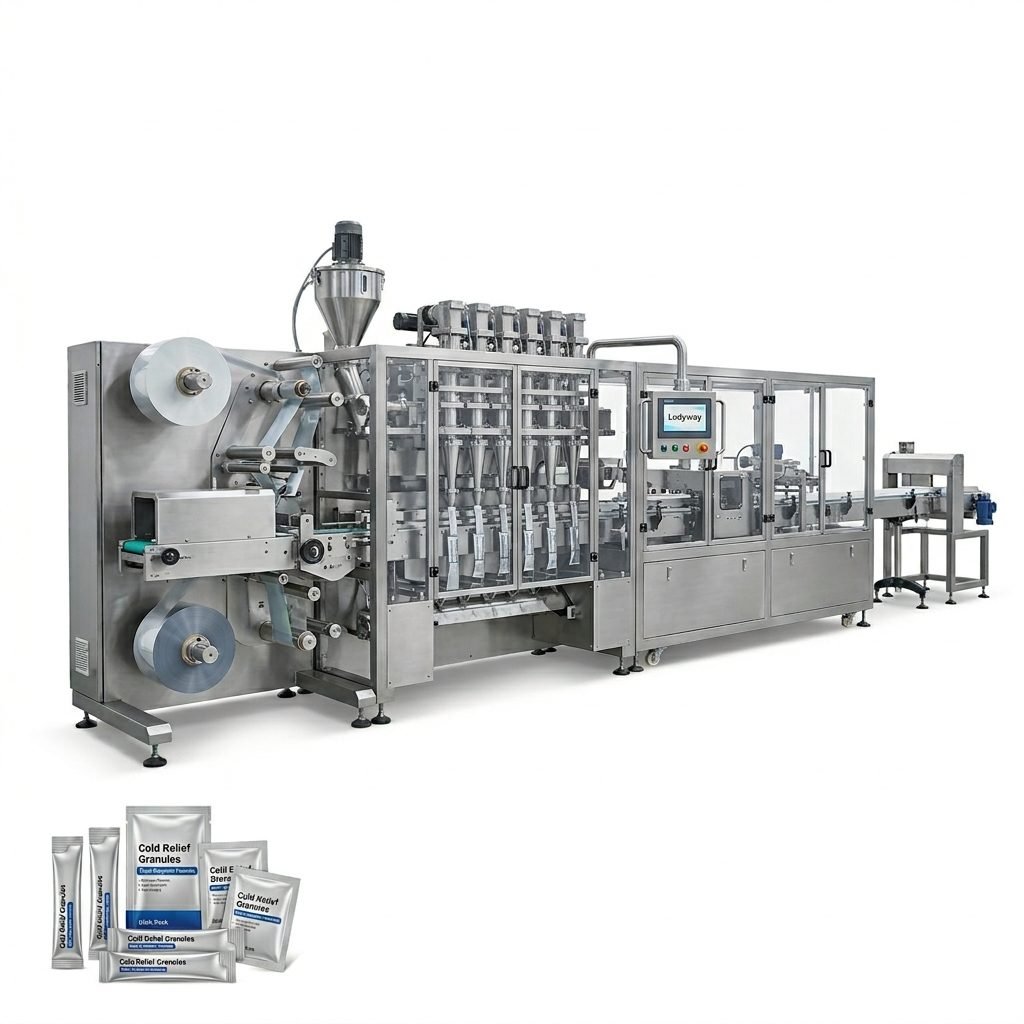
Pharmaceutical-grade multi-lane system with stainless steel product path and validated sealing controls.
A Practical Upgrade Roadmap
Log one to two weeks of downtime causes, actual speed versus rated speed, and reject reasons. Calculate OEE for the current line.
Rank losses by minutes per shift. Match each loss to the upgrade category that addresses it, from feeding to end-of-line.
Define product characteristics, target output, pack formats, film specs and utilities. Request a line balance from the supplier.
Run a factory acceptance test with your actual product and film. Confirm fill accuracy, seal integrity and sustained speed.
Plan installation, operator training and validation documents. Re-measure OEE after 30 days to confirm the gain.
What to Prepare When Requesting a Quotation
Packaging machinery is quoted against a specification, so the more complete your brief, the faster and more accurate the proposal. Lead times for standard multi-lane machines typically run 45–90 days after drawing approval, and turnkey lines with cartoning and palletizing run longer, so an early, complete specification protects your project schedule.
Product and Pack Information
- Product type and flow behavior: free-flowing granule, cohesive powder, dusty, hygroscopic, viscous or thin liquid
- Bulk density, particle size range and any temperature or humidity sensitivity
- Fill weight or volume range per pack and required accuracy
- Pack format and dimensions: stick pack, three-side or four-side seal sachet, pillow bag, premade pouch, bottle or tube
- Film structure, width, thickness and whether mono-material recyclable films are planned
Production and Site Requirements
- Target output in packs per minute or per shift, and the number of SKUs and changeovers per day
- Downstream requirements: counting, cartoning, case packing, palletizing, coding and inspection
- Available floor space, ceiling height, electrical supply and compressed air
- Hygiene and compliance level: food grade, GMP pharmaceutical, washdown, explosion-proof for fine powders
- Preferred PLC and HMI brands, documentation language and validation support needed
Why Manufacturers Choose Ludyway for Capacity Upgrades
Ludyway is one of the largest packaging machine manufacturers in China, specializing in advanced packaging equipment and turnkey production solutions for the food, pharmaceutical and health industries. Founded in 1993 and headquartered in Zhongshan, Guangdong, the company combines more than 30 years of engineering experience with a 20,000㎡ manufacturing facility, 130+ packaging specialists and over 200 manufacturing equipment units.
The range covers more than 50 intelligent packaging machine models, including multi-lane stick pack and sachet systems, powder and granule dosing, liquid filling, feeding and conveying, inspection, cartoning and palletizing, so a capacity upgrade can be delivered as a single matched system rather than a collection of mismatched vendors. Serving customers in over 100 countries and regions, Ludyway’s export growth is documented in this industry press release on its global expansion.
Capacity-Boosting Packaging Systems
Multi-Lane Stick Pack Machine
Packaging Machine, Granule / Powder / Liquid
Quote on Request
Vacuum Feeder System
Material Handling, Automatic Conveyor Type
Quote on Request
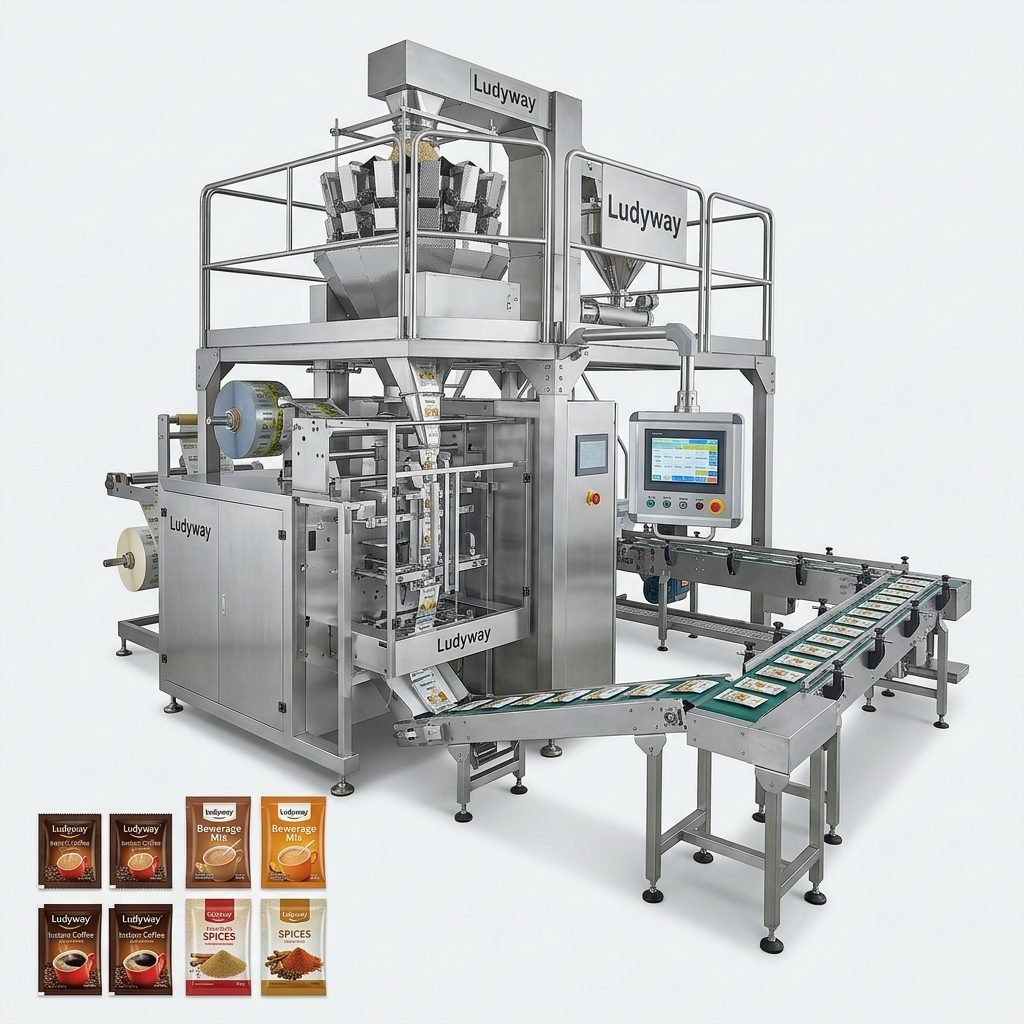
Multi-Lane Sachet Line
Turnkey Line, High-Speed Granule & Powder
Quote on Request
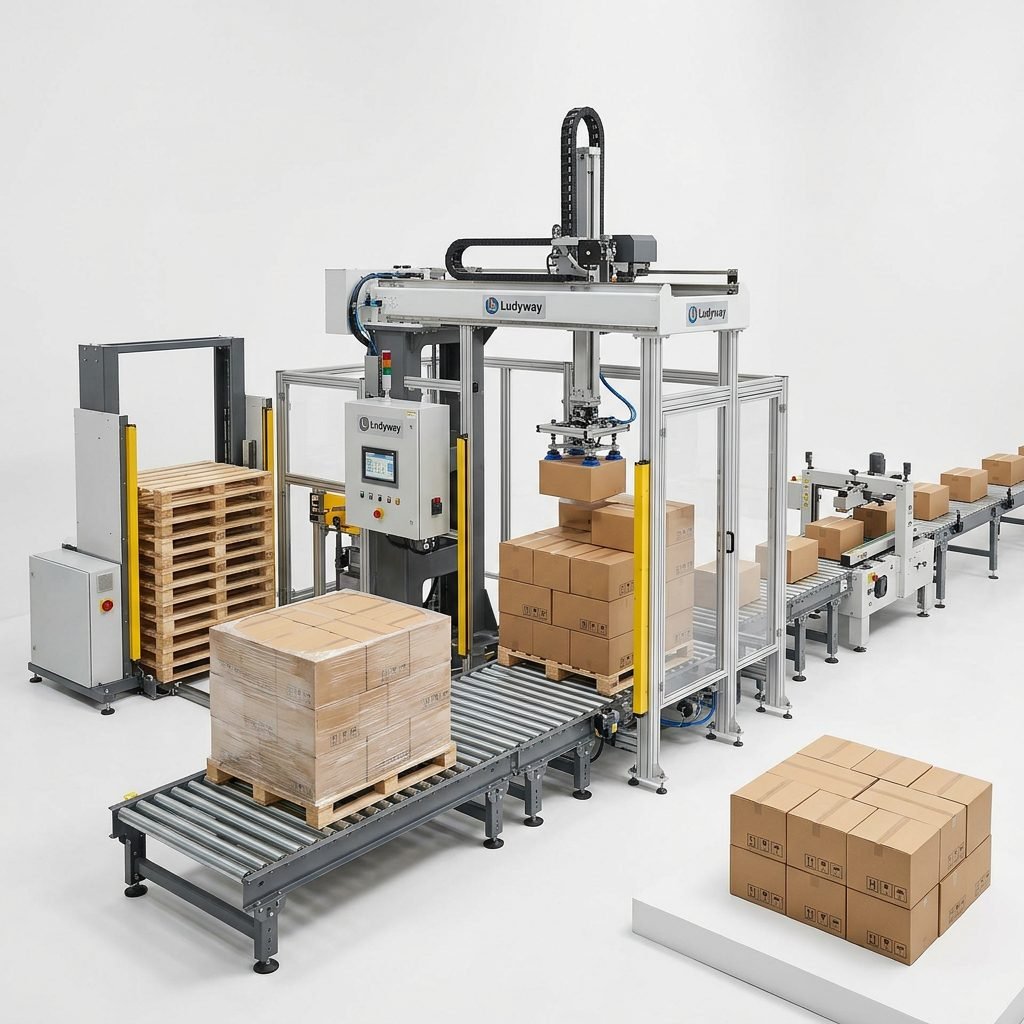
Automated Palletizing System
End-of-Line Automation, High-Speed
Quote on Request
Frequently Asked Questions
How much can a multi-lane machine increase output compared with my current single-lane sachet machine?
Output scales roughly with lane count. Replacing a 60-pack-per-minute single-lane machine with an 8-lane stick pack system running at 60 cycles per minute yields around 480 packs per minute from the same operator headcount. Actual figures depend on product flow characteristics, fill weight and film, which is why a factory acceptance test with your own product is recommended.
Can dosing and feeding upgrades be installed on machines from another manufacturer?
In most cases yes. Vacuum feeders, bucket elevators, checkweighers and metal detectors are standalone units with their own controls and can be interfaced via simple run/stop signals. Servo dosing heads require mechanical and electrical matching, so the supplier will ask for drawings, hopper dimensions and PLC details before confirming compatibility.
What is the typical lead time and minimum order for a packaging machine upgrade?
Standard multi-lane machines are usually delivered 45–90 days after drawing approval, standalone feeders and inspection units in less time, and full turnkey lines with cartoning and palletizing in longer windows depending on scope. Machines are sold as single units, so there is no multi-unit minimum; the specification and acceptance criteria define the order.
Will upgrading affect my food safety or GMP certification?
Changes to product-contact surfaces, sealing parameters or inspection steps should be documented in your change control system. Request material certificates for stainless steel and polymer contact parts, confirm compliance with FDA food contact requirements or relevant pharmacopoeia, and plan IQ/OQ/PQ documentation for pharmaceutical lines. A supplier experienced in GMP projects will provide these documents as part of the delivery.
Which upgrade should I prioritize if the budget only allows one this year?
Choose the upgrade that addresses your largest measured loss. If the filler frequently waits for product, automated feeding gives the fastest return. If you run many SKUs, quick-changeover tooling and recipe control usually win. If demand has outgrown the machine itself, a multi-lane system is the only option that resets the speed ceiling.
Request a Line Assessment or Technical Quotation
Share your product details, target output and current line layout, and Ludyway’s engineering team will propose a balanced upgrade path, whether that is a single feeding or dosing retrofit or a complete multi-lane turnkey line with end-of-line automation. Product samples can be tested in the factory before you commit, and a full machine catalog with technical specifications is available on request.
E-mail: info@ludyway.com · WhatsApp: +86 131 2959 2456 · Factory: Nanlang Town, Zhongshan, Guangdong, China. Factory visits and meetings at international packaging exhibitions are welcome.