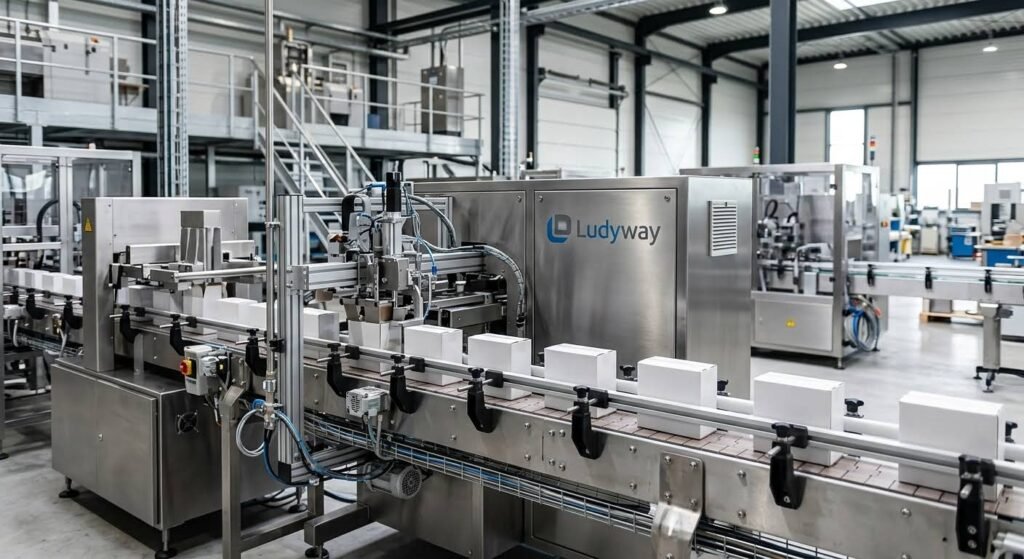
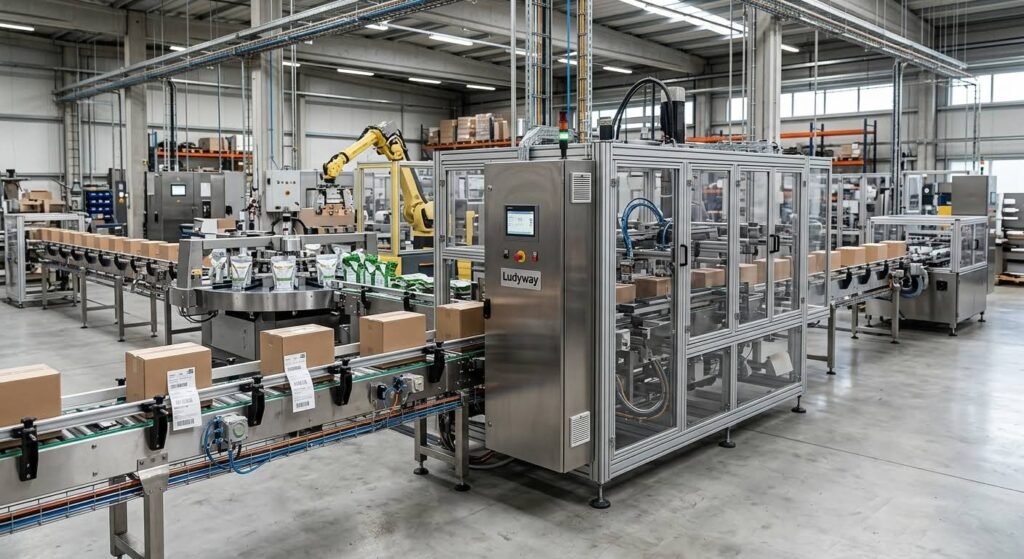
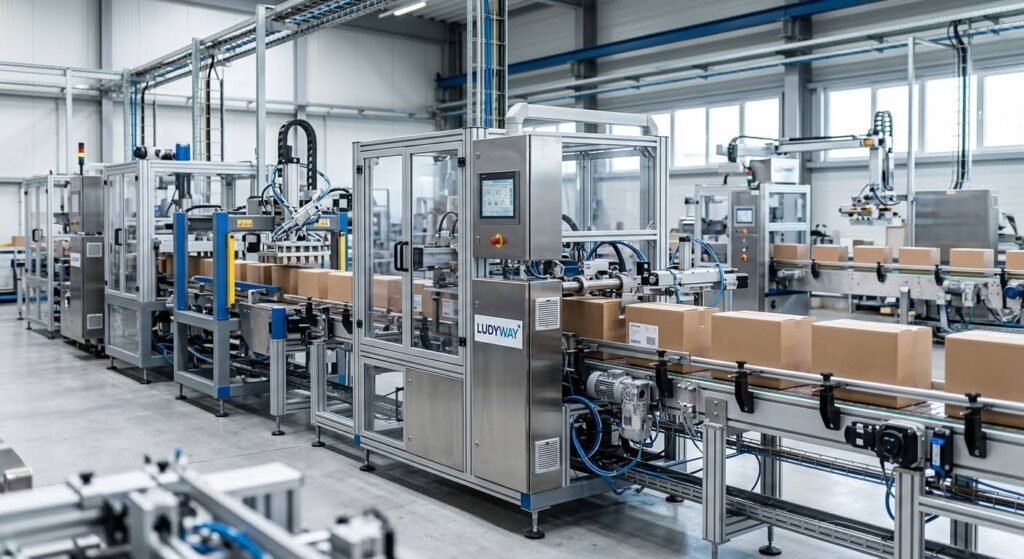
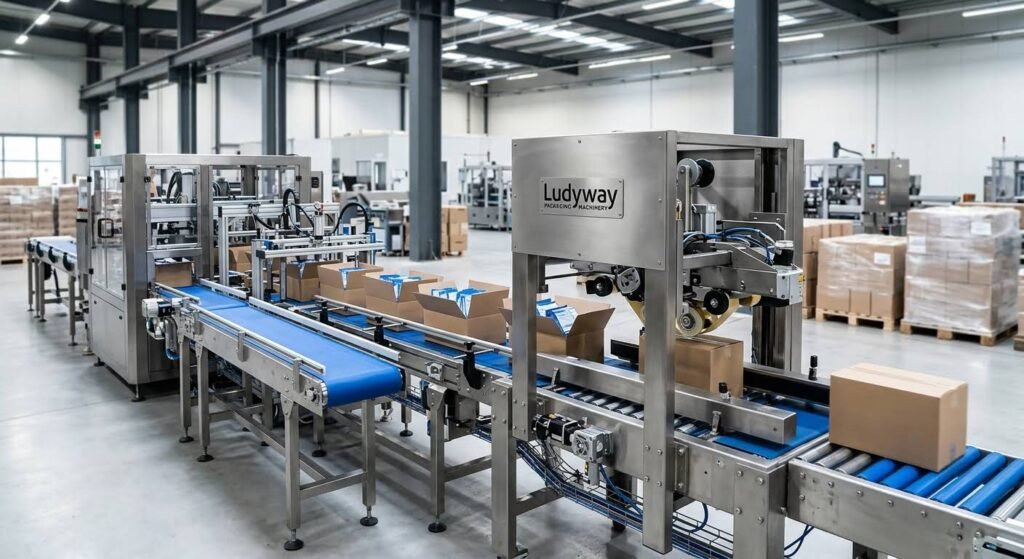
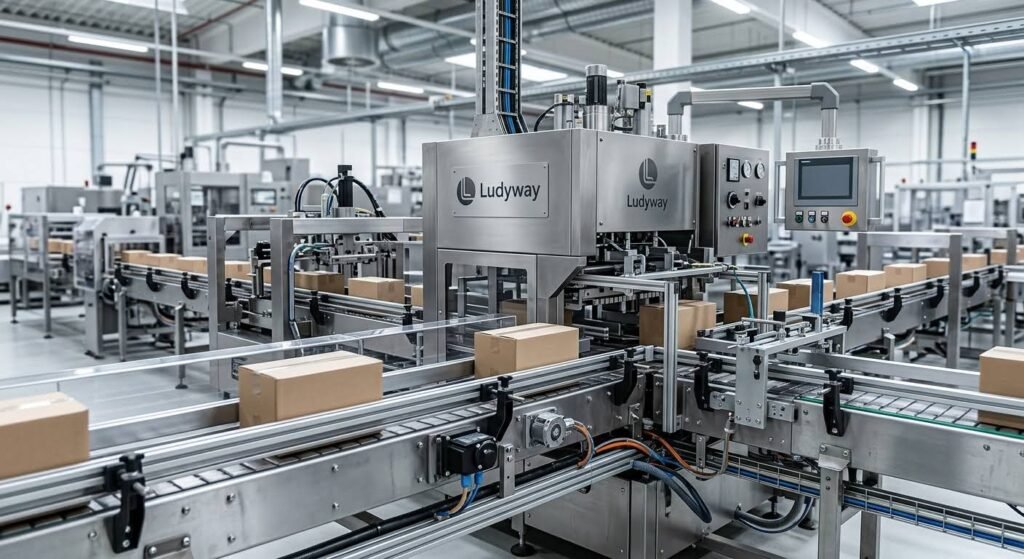
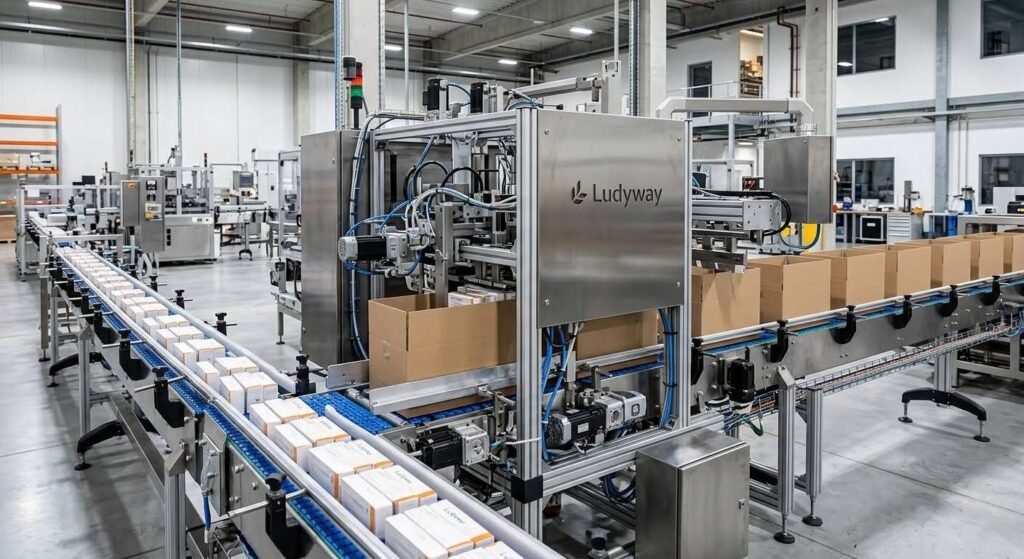
In the fast-paced world of manufacturing, efficient packaging is a critical link between production and the market. General packaging equipment encompasses a wide range of machines designed to automate the process of placing products into containers, pouches, or other forms of packaging for distribution, sale, and use. Selecting the right machinery is not just about speed; it’s about precision, reliability, and aligning technology with your specific product characteristics and business goals.

Core Types of General Packaging Equipment
The landscape of packaging machinery is diverse, with each type serving a distinct function in the production line.
Filling Machines
These are the workhorses of packaging, responsible for accurately dispensing product into containers. The technology varies significantly based on the product’s physical state.
- Liquid Fillers: Used for beverages, oils, sauces, and chemicals. Common types include gravity, piston, pump, and volumetric fillers.
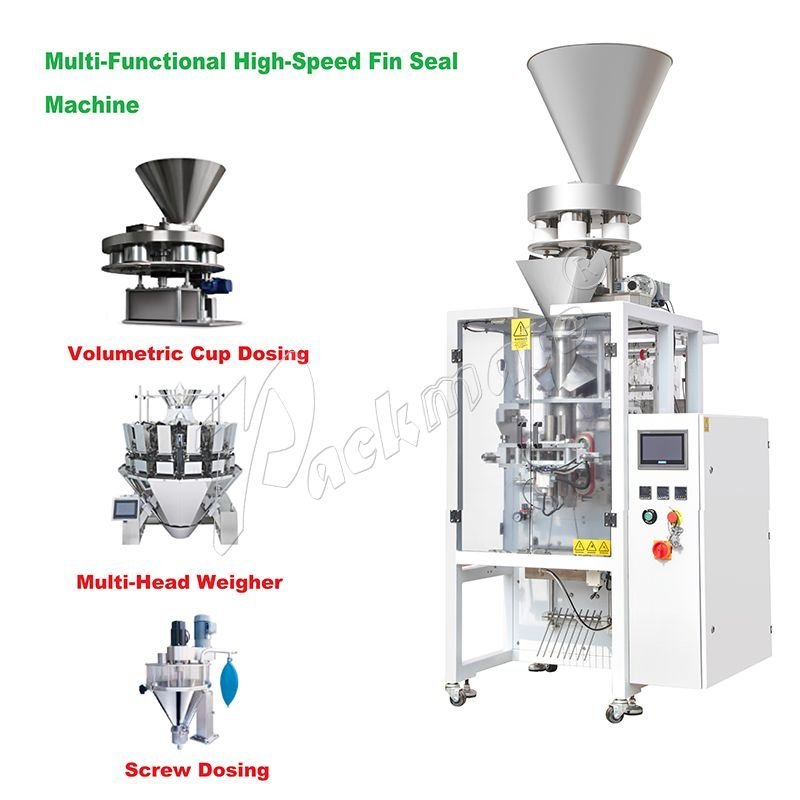
- Powder Fillers: Essential for flour, spices, protein powders, and pharmaceuticals. Auger fillers are the most prevalent, using a screw mechanism for precise measurement.
- Granule Fillers: Handle products like coffee beans, nuts, seeds, and grains. They often use weigh scales or volumetric cups for accuracy.
For businesses dealing with granules, powders, or liquids, choosing a filler with the appropriate dispensing technology is the single most important factor for minimizing waste and ensuring consistent package weight.
Sealing Machines
Once filled, packages must be securely closed. Sealing methods depend on the packaging material.
- Heat Sealers: Apply heat and pressure to melt and fuse thermoplastic layers in pouches, sachets, and stick packs. This is common for food and pharmaceutical products requiring airtight barriers.
- Cap Sealers & Cappers: Apply screw caps, snap-on lids, or induction seals to bottles, jars, and tubs.
Form-Fill-Seal (FFS) Machines
These highly integrated systems represent the pinnacle of packaging automation. They create the package from a roll of film, fill it with product, and seal it—all in one continuous operation.
- Vertical Form-Fill-Seal (VFFS): Ideal for loose products like snacks, candies, and hardware. The bag is formed vertically around a filling tube.
- Horizontal Form-Fill-Seal (HFFS): Often used for grouped or blister-packed items like cookies, bars, or medical devices.
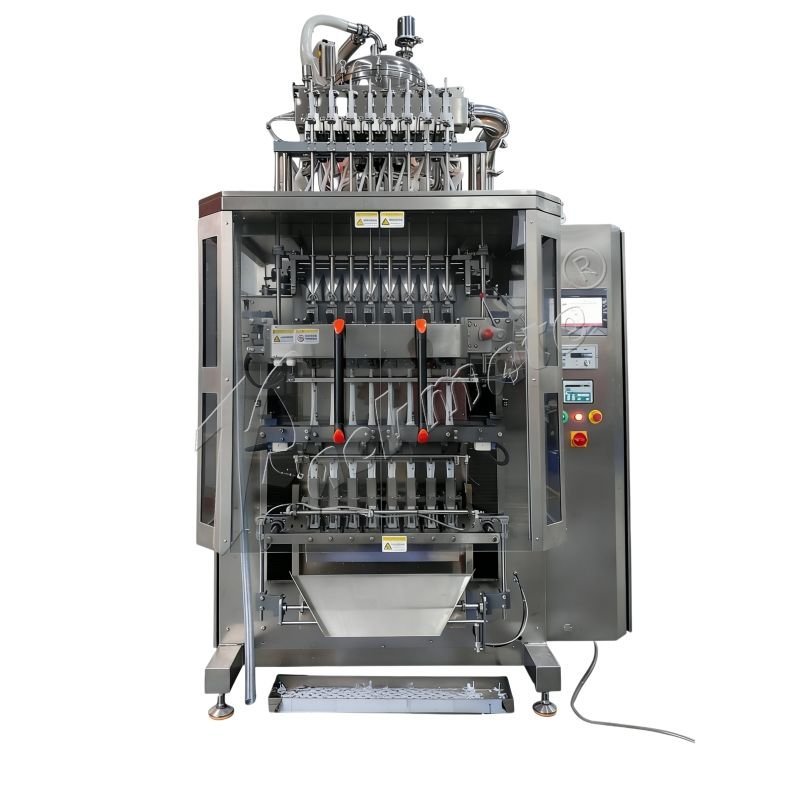
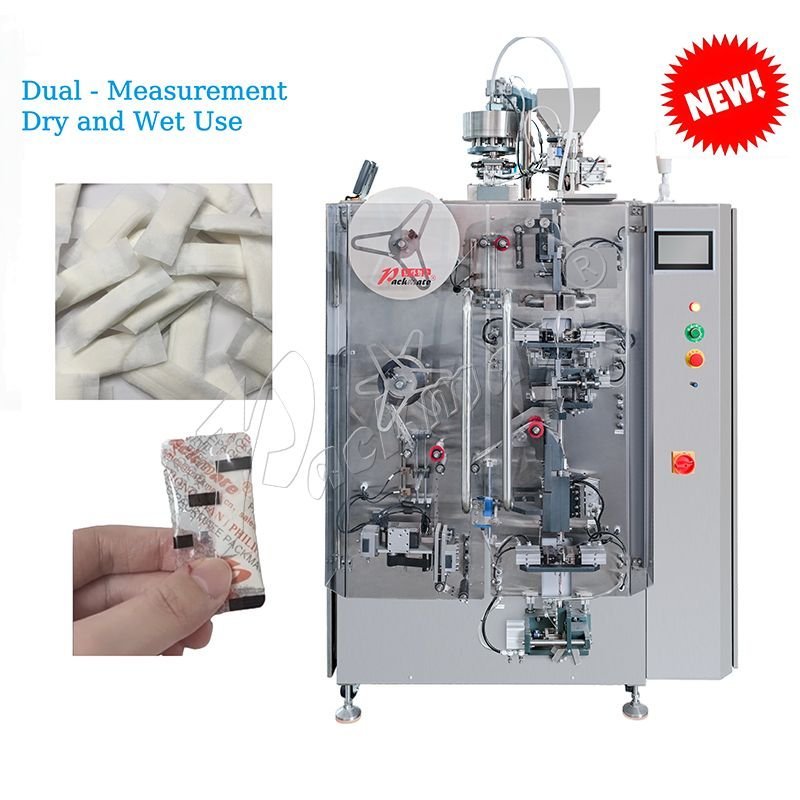
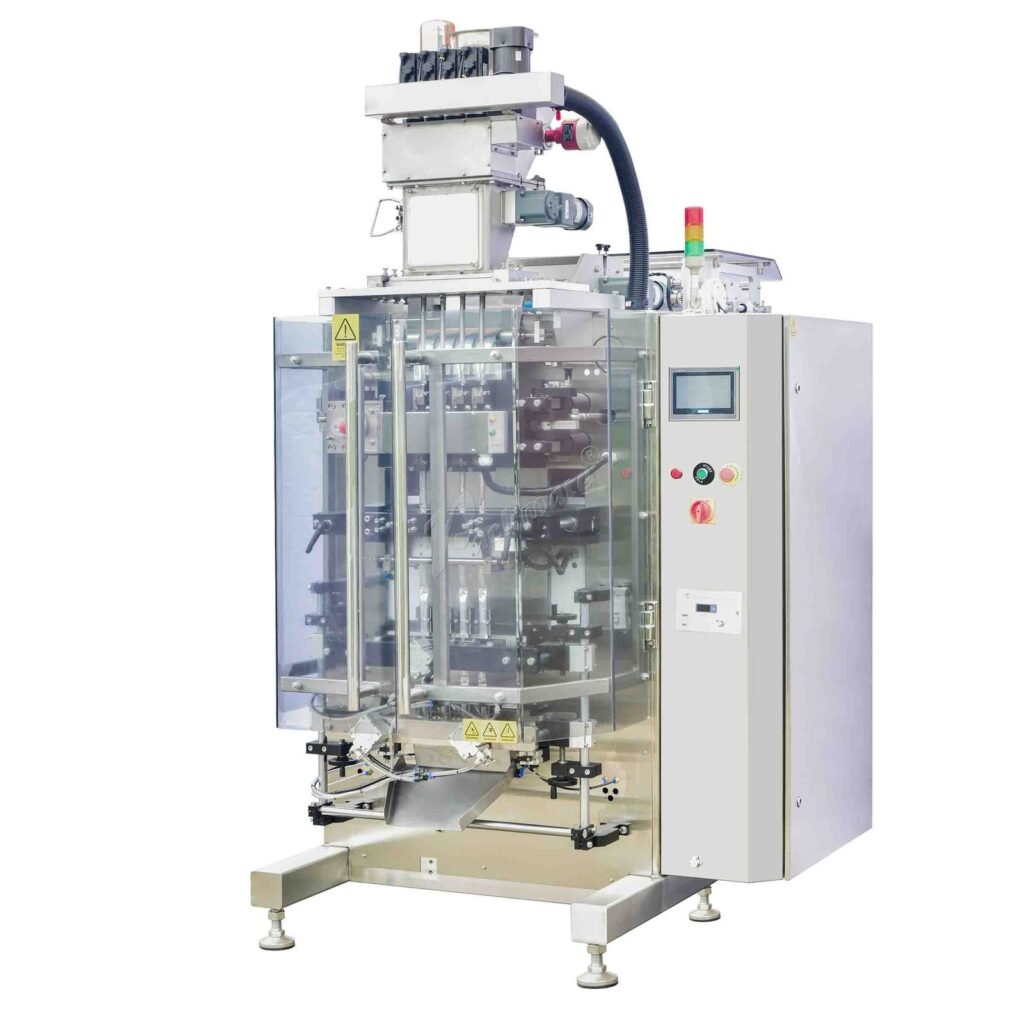
- Sachet & Stick Pack Machines: A specialized type of VFFS machine that produces small, single-serve pouches. Multi-lane stick pack machines can produce several rows of stick packs simultaneously, dramatically increasing output for products like instant drink mixes, supplements, and condiments.
Labeling and Coding Equipment
This equipment applies vital information to the package.
- Labelers: Apply pre-printed pressure-sensitive or glue-applied labels with branding, ingredients, and barcodes.
- Coders & Markers: Print variable data like batch numbers, expiry dates, and lot codes directly onto the package using inkjet, laser, or thermal transfer technologies.
Primary Uses and Industry Applications
General packaging equipment is the backbone of countless industries, each with unique requirements.
Food & Beverage Industry
This sector demands hygiene, speed, and the ability to handle diverse products—from dry grains to viscous sauces. Equipment must often be easy to clean (CIP/SIP capable) and comply with food safety standards like FDA or EU regulations. Stick pack and sachet machines are extremely popular for portion-controlled sugars, coffee, sauces, and spices.
Pharmaceutical & Healthcare
Precision and sterility are non-negotiable. Machines must offer exceptional accuracy in filling powders and tablets, often in cleanroom environments. The integrity of the seal is critical to prevent contamination. Packaging formats like sachets for powders or stick packs for liquid doses are common for unit-dose medications and supplements.
Chemical & Industrial
Durability and safety take precedence. Equipment must be constructed from materials resistant to corrosive substances and designed to handle potentially hazardous materials safely, often with dust containment features for powders.
Cosmetics & Personal Care
Aesthetics and precision filling of creams, lotions, and gels are key. Machines often integrate with elegant bottle handling and capping systems.
A turnkey production solution integrates various pieces of equipment—like a feeder, filler, sealer, and labeler—into one synchronized, automated line. This approach, offered by experienced providers, minimizes manual handling, optimizes floor space, and ensures a smooth workflow from raw material to finished, ready-to-ship package.
How to Choose the Right Packaging Machines for Your Production
Investing in packaging machinery is a significant decision. A systematic evaluation will ensure you select equipment that delivers a strong return on investment.
1. Analyze Your Product Characteristics
This is the foundational step. Every property of your product dictates machine requirements.
- Physical State: Is it a liquid, powder, granule, solid, or paste? This directly determines the type of filling system needed.
- Flowability & Hygroscopicity: Does it flow freely like rice, or is it cohesive like icing sugar? Is it moisture-sensitive? These factors affect hopper design and filling technology.
- Abrasiveness or Corrosiveness: Products like certain spices or chemicals may require specialized, wear-resistant contact parts.
2. Define Your Packaging Specifications
The package itself sets parameters for the machine.
- Package Type & Material: Rigid containers (bottles, cans), flexible pouches, stick packs, sachets? Each requires different handling and sealing mechanisms.
- Size & Weight Range: The machine must be adjustable across the range of package sizes and fill weights you plan to use.
- Required Output Speed (Packages Per Minute): Calculate your current and future production needs. Don’t under-specify and create a bottleneck, or over-specify and pay for unused capacity.
3. Evaluate Machine Features and Build Quality
Look beyond the basic function to the details that ensure longevity and ease of use.
- Construction Materials: Stainless steel (especially grade 304 or 316) is preferred for food and pharmaceutical use due to its corrosion resistance and cleanability.
- Control System & UI: A modern, intuitive touchscreen interface with recipe storage simplifies changeovers and operator training.
- Changeover Ease: How quickly and easily can you switch from one package size to another? Look for quick-adjust mechanisms.
- Accuracy & Repeatability: What is the machine’s weight or volume tolerance? Consistent accuracy reduces product giveaway.
4. Consider Integration and Support
The machine does not operate in a vacuum.
- Line Integration: Will the machine fit into your existing line? Consider dimensions, power requirements, and communication protocols (e.g., PLC connectivity).
- Supplier Expertise & Support: Choose a partner with proven industry experience. Do they offer comprehensive after-sales service, training, spare parts availability, and technical support? A supplier’s reputation and longevity are good indicators of reliability.
- Compliance & Safety: Ensure the machine meets all relevant local and international safety standards (CE, UL, etc.).
By methodically working through these criteria—Product, Package, Performance, and Partner—you can make a confident investment that boosts your productivity, consistency, and bottom line for years to come.
Frequently Asked Questions (FAQs)
What is the main difference between a sachet machine and a stick pack machine?
Both are types of vertical form-fill-seal machines. The primary difference is the package shape. A sachet machine typically produces a wider, pillow-style pouch. A stick pack machine produces a long, narrow, tube-like pouch. Stick packs are often used for single-serve liquid or powder products where the shape is convenient for tearing and pouring or mixing.
How important is after-sales service when buying packaging machinery?
Extremely important. Packaging machines are complex and require maintenance. A supplier with a strong service network can provide timely troubleshooting, spare parts, and preventive maintenance to minimize costly downtime. This support is often more valuable than a slightly lower initial machine cost.
Can one machine handle different types of products (e.g., powders and granules)?
Some versatile filling machines can handle products with similar flow characteristics, but it often requires a change of parts (like the auger screw for a powder vs. a granule). For radically different products (e.g., liquids vs. powders), different machine technologies are usually required. Discuss your specific product range with the equipment supplier.
What does “turnkey production solution” mean?
A turnkey solution means the supplier provides a complete, ready-to-operate production line. They take responsibility for engineering the line layout, supplying and integrating all machines (feeding, filling, sealing, labeling, etc.), installation, commissioning, and operator training. You essentially “turn the key” to start production.
How do I determine the right production speed for my needs?
Calculate your required annual output, then factor in your number of shifts and working days. This gives you a required average output per minute. Always choose a machine with a rated speed 15-20% higher than this calculated average to account for peak demand, minor stoppages, and future growth.