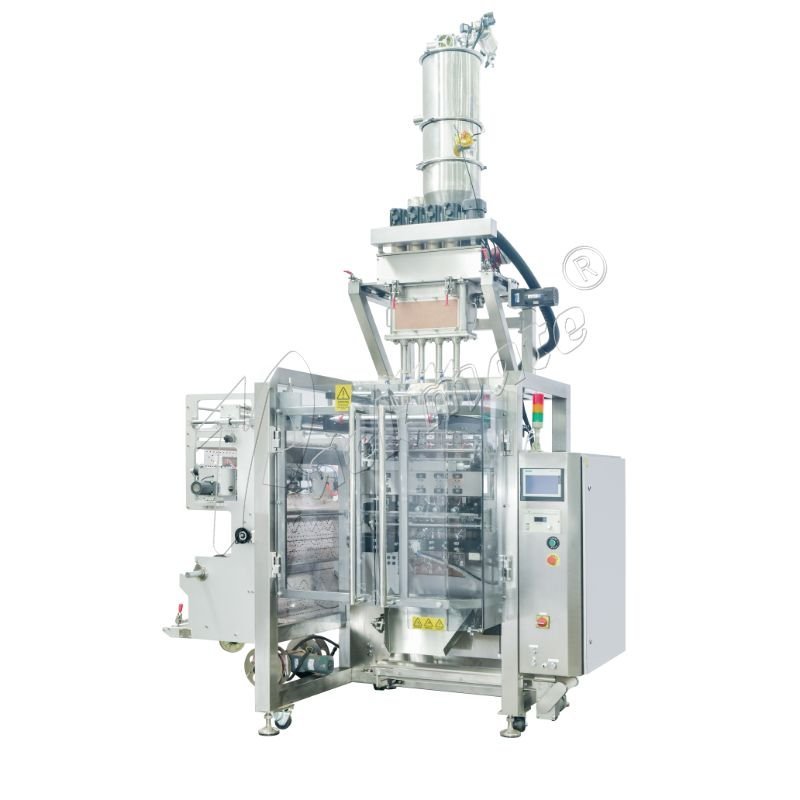
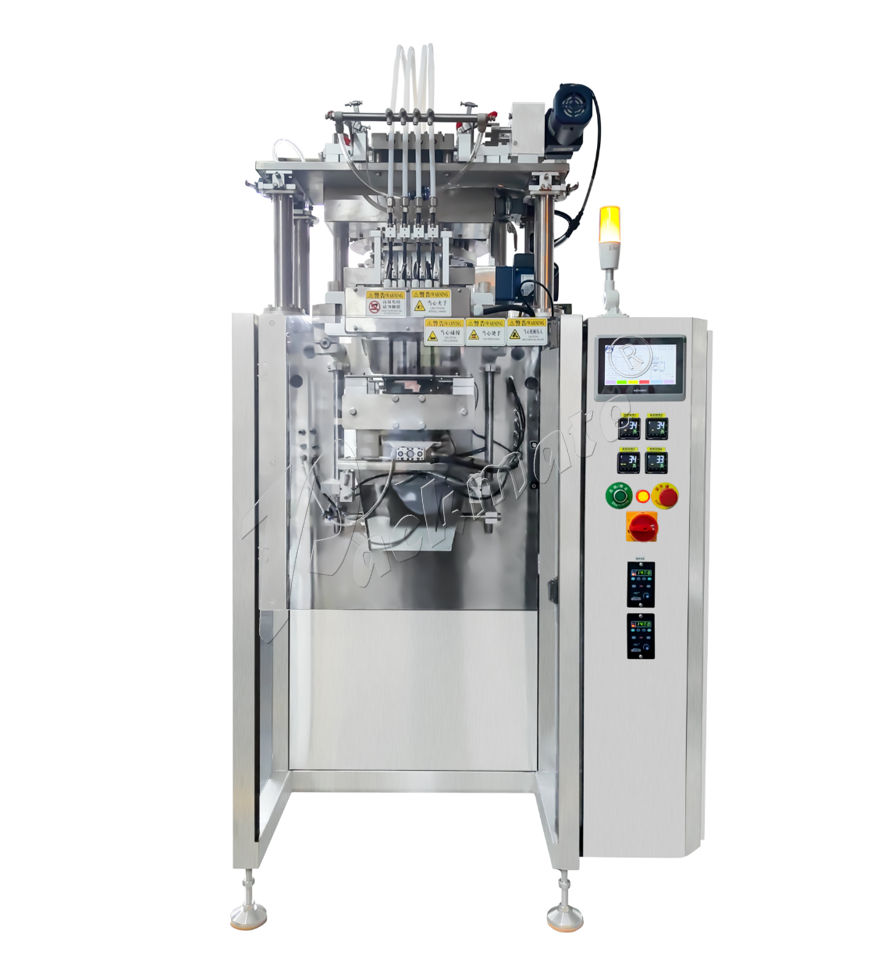
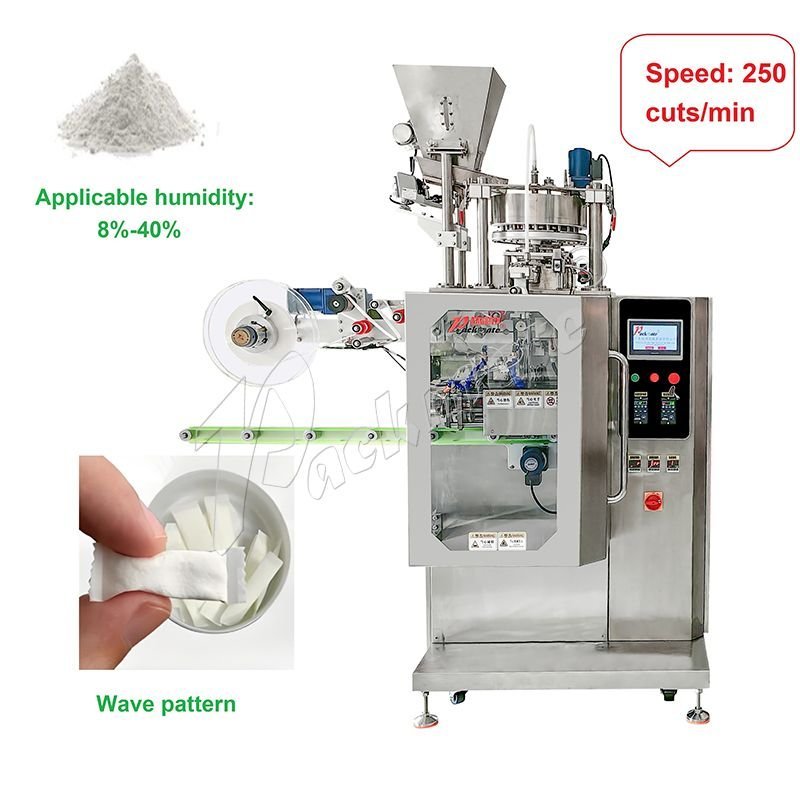
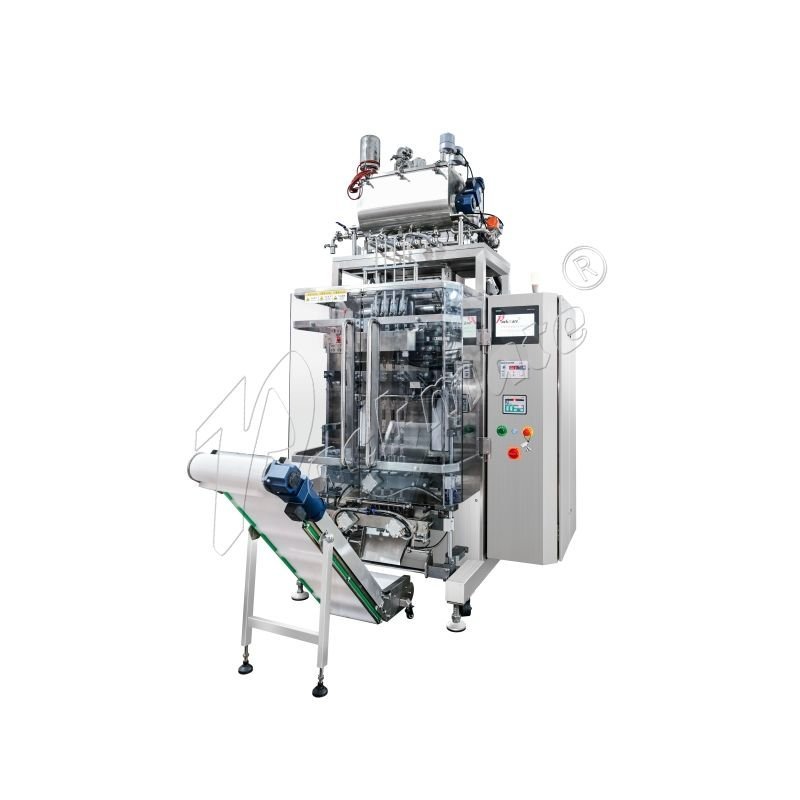
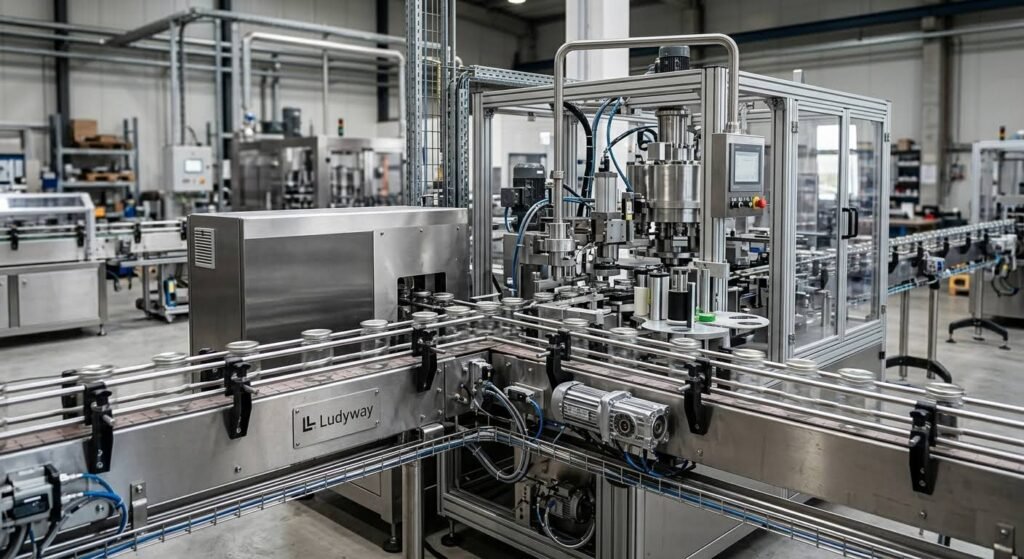
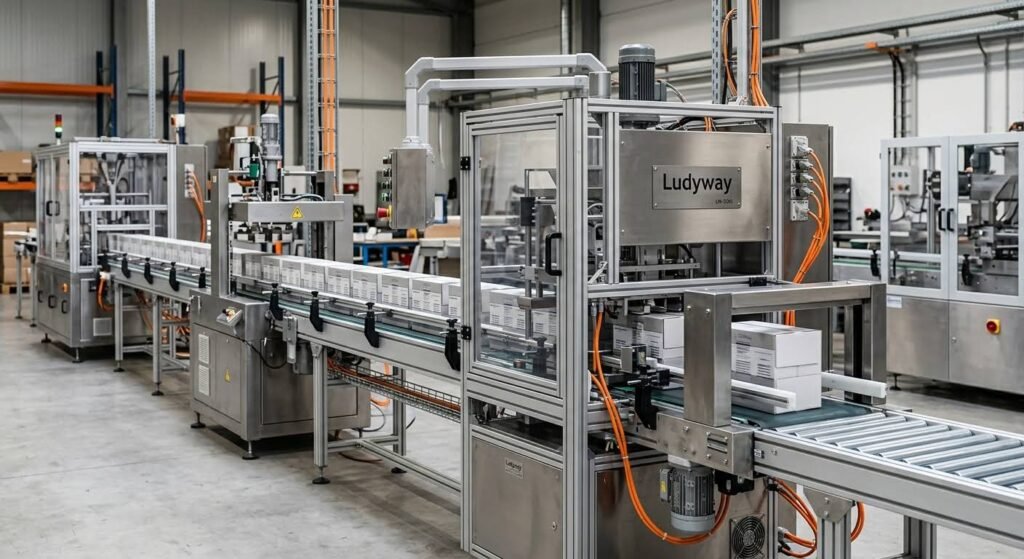
The global shift towards sustainability has transformed manufacturing priorities, with eco-friendly packaging emerging as a critical component of corporate responsibility and consumer demand. For businesses seeking to reduce their environmental footprint, investing in sustainable packaging machinery is no longer optional—it’s essential for long-term viability and market competitiveness. This comprehensive guide explores the latest eco-friendly packaging machinery solutions and sustainable equipment options designed to support greener production processes across various industries.
The Growing Demand for Sustainable Packaging Solutions
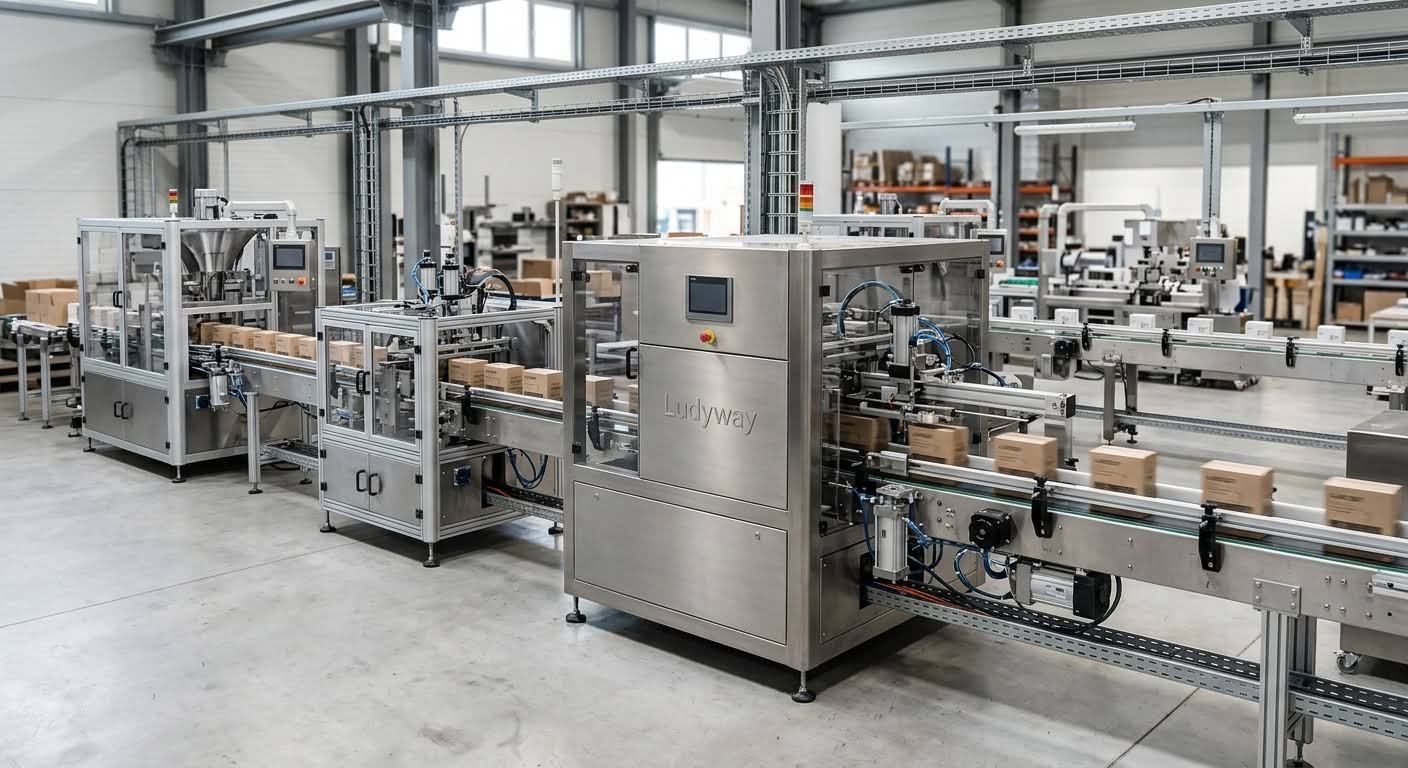
Consumer awareness and regulatory pressures have accelerated the adoption of sustainable packaging practices worldwide. Modern packaging machinery must now address multiple environmental concerns while maintaining operational efficiency and cost-effectiveness. Sustainable equipment goes beyond basic functionality to incorporate energy efficiency, material optimization, waste reduction, and compatibility with eco-friendly packaging materials.
Key Market Drivers:
• Consumer preference for environmentally responsible brands
• Government regulations on packaging waste and recyclability
• Corporate sustainability commitments and ESG reporting requirements
• Cost savings through material optimization and energy efficiency
Energy-Efficient Packaging Machinery
Modern sustainable packaging equipment incorporates advanced energy-saving technologies that significantly reduce power consumption compared to traditional machinery. Variable frequency drives, intelligent power management systems, and optimized mechanical designs contribute to lower operational costs while minimizing carbon emissions. These systems often feature automatic standby modes, efficient servo motors, and heat recovery mechanisms that make them ideal for continuous production environments.
Energy-efficient machinery typically demonstrates 20-40% lower power consumption than conventional equipment, with some advanced models achieving even greater savings through innovative engineering solutions. The reduced energy requirements not only lower operating expenses but also contribute to smaller carbon footprints throughout the equipment lifecycle.
Material Optimization and Waste Reduction Systems
Sustainable packaging machinery excels at material optimization through precision control systems that minimize waste during production. Advanced equipment features include:
Precision Material Handling:
High-accuracy weighing and filling systems ensure exact material usage without excess
Intelligent Web Control:
Advanced tension control and registration systems minimize packaging film waste
Reject Recovery Mechanisms:
Automated systems for recovering and reusing materials from rejected packages
Compatibility with Eco-Friendly Materials
Modern sustainable packaging machinery is specifically engineered to handle biodegradable, compostable, and recyclable materials that challenge conventional equipment. These machines accommodate materials with different physical properties, including:
• Biodegradable films and laminates
• Compostable packaging substrates
• Recycled content materials with variable characteristics
• Monomaterials designed for easier recycling
• Plant-based packaging alternatives
Specialized heating systems, modified sealing technologies, and adaptive material handling components ensure reliable performance with these sustainable alternatives. Equipment manufacturers have developed proprietary technologies to address the unique challenges presented by eco-friendly materials, including their sometimes reduced strength, different thermal properties, and variable thickness characteristics.
Advanced Automation for Sustainable Production
Automation plays a crucial role in sustainable packaging operations by optimizing resource utilization and minimizing human error. Intelligent packaging systems incorporate:
Predictive Maintenance Systems: Advanced sensors and analytics predict maintenance needs before failures occur, preventing material waste from unexpected downtime and optimizing spare parts usage.
Production Monitoring Software: Real-time tracking of material consumption, energy usage, and waste generation enables continuous improvement and identifies optimization opportunities.
Adaptive Control Systems: Self-adjusting parameters based on material characteristics and environmental conditions ensure optimal performance with minimal resource consumption.
Water and Chemical Reduction Technologies
Sustainable packaging machinery incorporates innovative approaches to reduce water consumption and eliminate harmful chemicals from production processes. Dry lubrication systems, water-free cleaning technologies, and chemical-free sterilization methods contribute to greener operations while maintaining hygiene standards required for food and pharmaceutical applications.
Environmental Benefits Achieved:
• Up to 90% reduction in cleaning water consumption
• Elimination of chemical lubricants and cleaning agents
• Reduced wastewater treatment requirements
• Improved workplace safety and reduced environmental liability
Lifecycle Considerations and Circular Economy Integration
Truly sustainable packaging machinery considers the entire equipment lifecycle, from manufacturing through end-of-life processing. Leading equipment manufacturers now design for disassembly, use recycled materials in machine construction, and offer take-back programs for obsolete equipment. This circular approach extends beyond the packaging process itself to include the machinery that produces it.
Modern sustainable equipment often features modular designs that allow for component upgrades rather than complete machine replacement, extending service life and reducing waste. Manufacturers are increasingly using standardized components that can be reused across different machine models, further supporting circular economy principles.
Implementation Strategies for Sustainable Packaging Equipment
Successfully transitioning to sustainable packaging machinery requires careful planning and strategic implementation. Key considerations include:
1. Comprehensive Assessment: Evaluate current packaging processes, material usage, energy consumption, and waste generation to identify improvement opportunities.
2. Phased Implementation: Gradually introduce sustainable equipment through pilot projects before full-scale deployment, allowing for process optimization and staff training.
3. Supplier Collaboration: Work closely with equipment manufacturers who understand sustainable packaging challenges and can provide customized solutions. Companies like Ludyway Machinery offer specialized expertise in sustainable packaging systems.
4. Performance Monitoring: Establish metrics to track environmental and economic benefits, ensuring the equipment delivers expected sustainability improvements.
5. Staff Training and Engagement: Educate operators and maintenance personnel on sustainable operating practices to maximize equipment performance and longevity.
Return on Investment Considerations
While sustainable packaging machinery may require higher initial investment, the long-term benefits typically justify the expenditure through:
• Reduced material costs through optimized usage
• Lower energy and utility expenses
• Decreased waste disposal costs
• Enhanced brand value and market positioning
• Regulatory compliance and reduced environmental liabilities
Many businesses achieve full return on investment within 2-3 years through these combined benefits, with ongoing savings continuing throughout the equipment’s service life. Additionally, sustainable equipment often commands higher resale value and demonstrates greater reliability due to its advanced design and construction quality.
Future Trends in Sustainable Packaging Machinery
The evolution of eco-friendly packaging equipment continues with several emerging trends:
Artificial Intelligence Integration:
AI-powered systems that optimize packaging parameters in real-time based on material characteristics, environmental conditions, and production requirements.
Closed-Loop Material Systems:
Machinery designed to work with packaging materials that can be continuously recycled within production facilities.
Carbon-Neutral Equipment:
Manufacturing processes and machine operations designed to achieve net-zero carbon emissions through renewable energy integration and carbon offsetting.
These advancements promise to further enhance the sustainability of packaging operations while maintaining or improving productivity and quality standards. The integration of Internet of Things (IoT) technologies enables even greater optimization through data collection and analysis across entire production networks.
As sustainability becomes increasingly important to consumers, regulators, and businesses themselves, investing in eco-friendly packaging machinery represents both an environmental imperative and a strategic business decision. The right equipment can transform packaging operations from environmental liabilities into sustainability assets while delivering tangible economic benefits.
Frequently Asked Questions
What types of sustainable materials can modern packaging machinery handle?
Modern sustainable packaging equipment is designed to handle various eco-friendly materials including biodegradable films, compostable substrates, recycled content materials, monomaterials for easier recycling, and plant-based alternatives. Advanced machines feature specialized heating, sealing, and handling systems to accommodate these materials’ unique properties.
How much energy savings can I expect from sustainable packaging equipment?
Energy-efficient packaging machinery typically reduces power consumption by 20-40% compared to conventional equipment. Advanced models with intelligent power management, efficient servo motors, and heat recovery systems can achieve even greater savings, significantly lowering operating costs and carbon emissions.
What is the typical return on investment for sustainable packaging machinery?
Most businesses achieve full ROI within 2-3 years through combined savings from reduced material usage, lower energy consumption, decreased waste disposal costs, and enhanced operational efficiency. The exact timeframe depends on production volume, material costs, and local utility rates.
Can existing packaging lines be upgraded for sustainability?
Yes, many existing packaging lines can be upgraded with sustainable components and technologies. Retrofitting options include energy-efficient motors, precision control systems, material optimization software, and compatibility upgrades for eco-friendly materials. A professional assessment can determine the most cost-effective upgrade path.
How does sustainable packaging equipment support circular economy goals?
Sustainable machinery supports circular economy principles through design for disassembly, use of recycled materials in construction, modular components for easy upgrading, and compatibility with recyclable packaging materials. Some manufacturers offer take-back programs and remanufacturing services to extend equipment lifecycles.