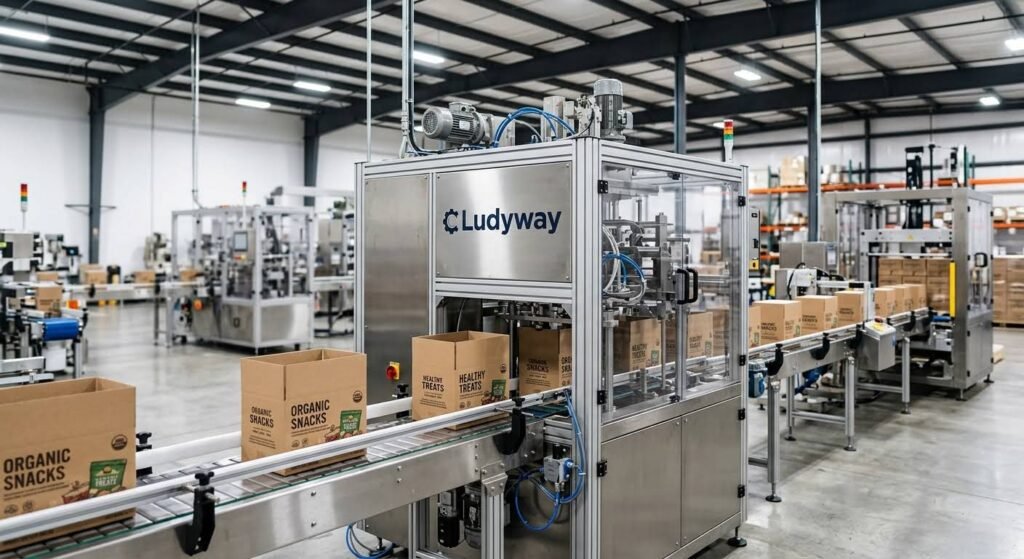
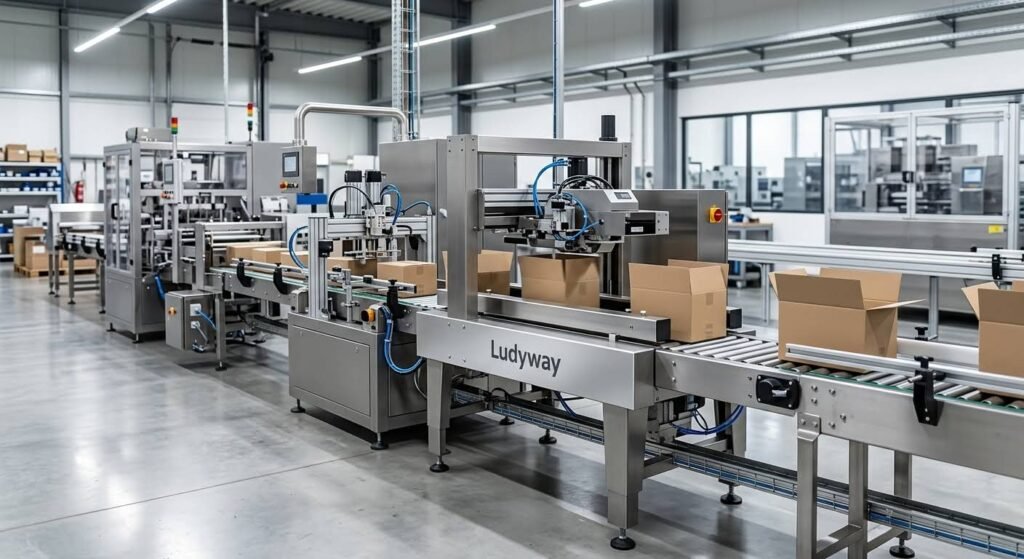
Selecting the right meat packaging machine manufacturer is a critical decision that directly impacts your production efficiency, product quality, and bottom line. The market offers a vast array of suppliers, from global industrial giants to specialized regional experts. This guide will help you navigate the landscape of top manufacturers and provide a clear framework for choosing the perfect partner for your specific needs.
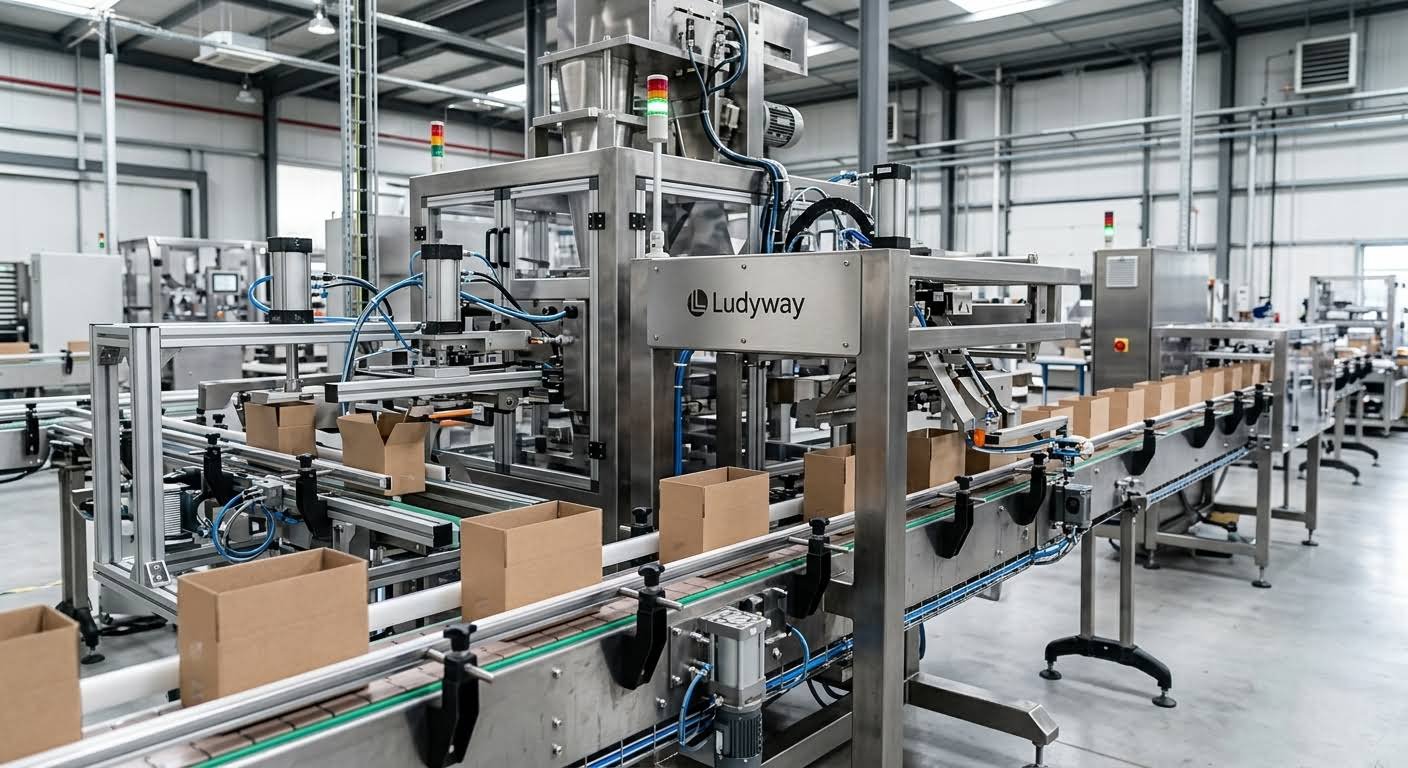
Understanding the Meat Packaging Machine Landscape
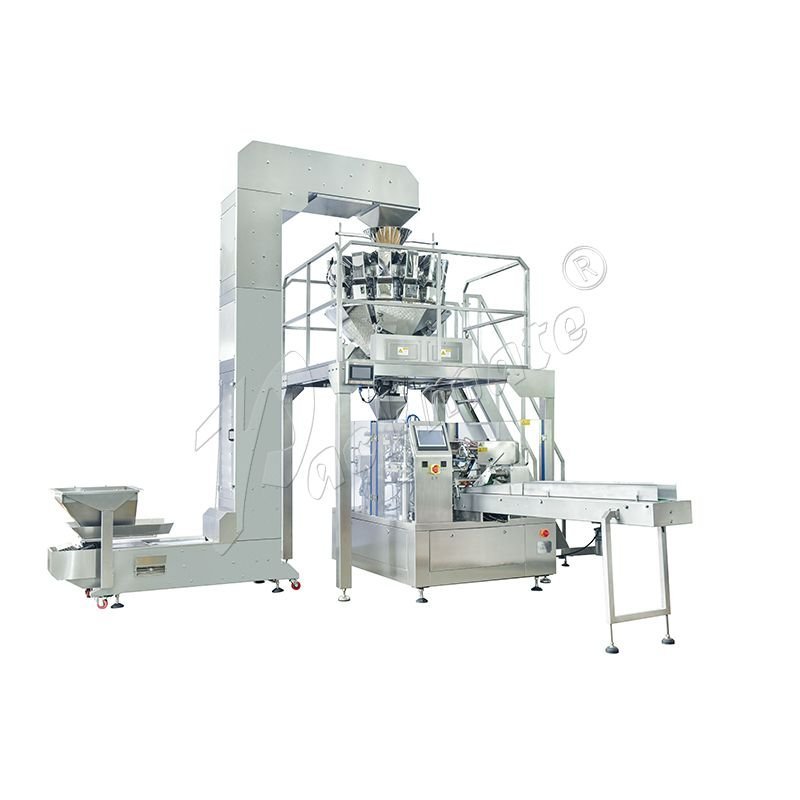
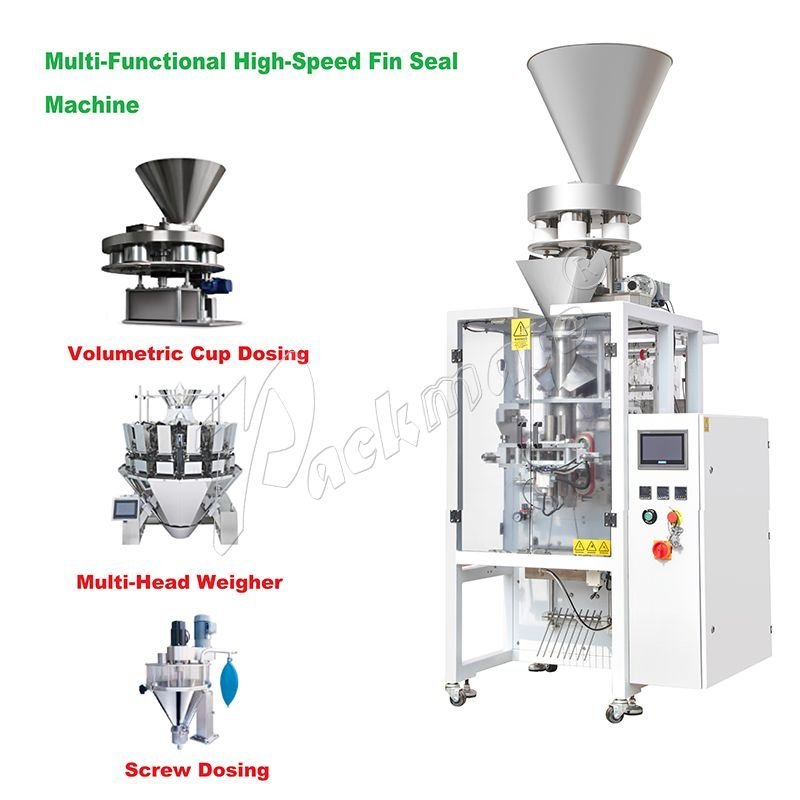
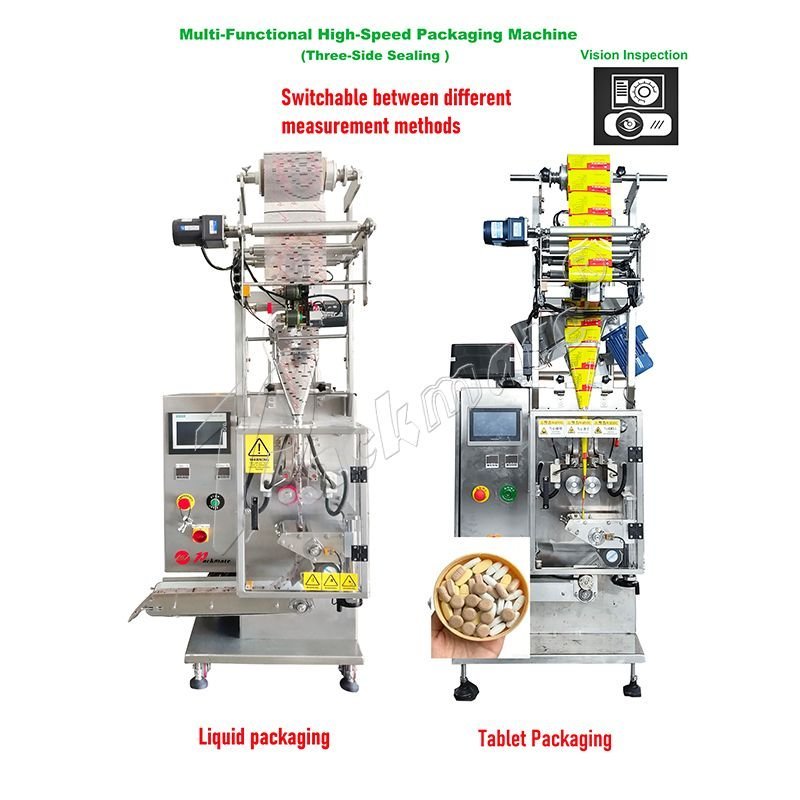
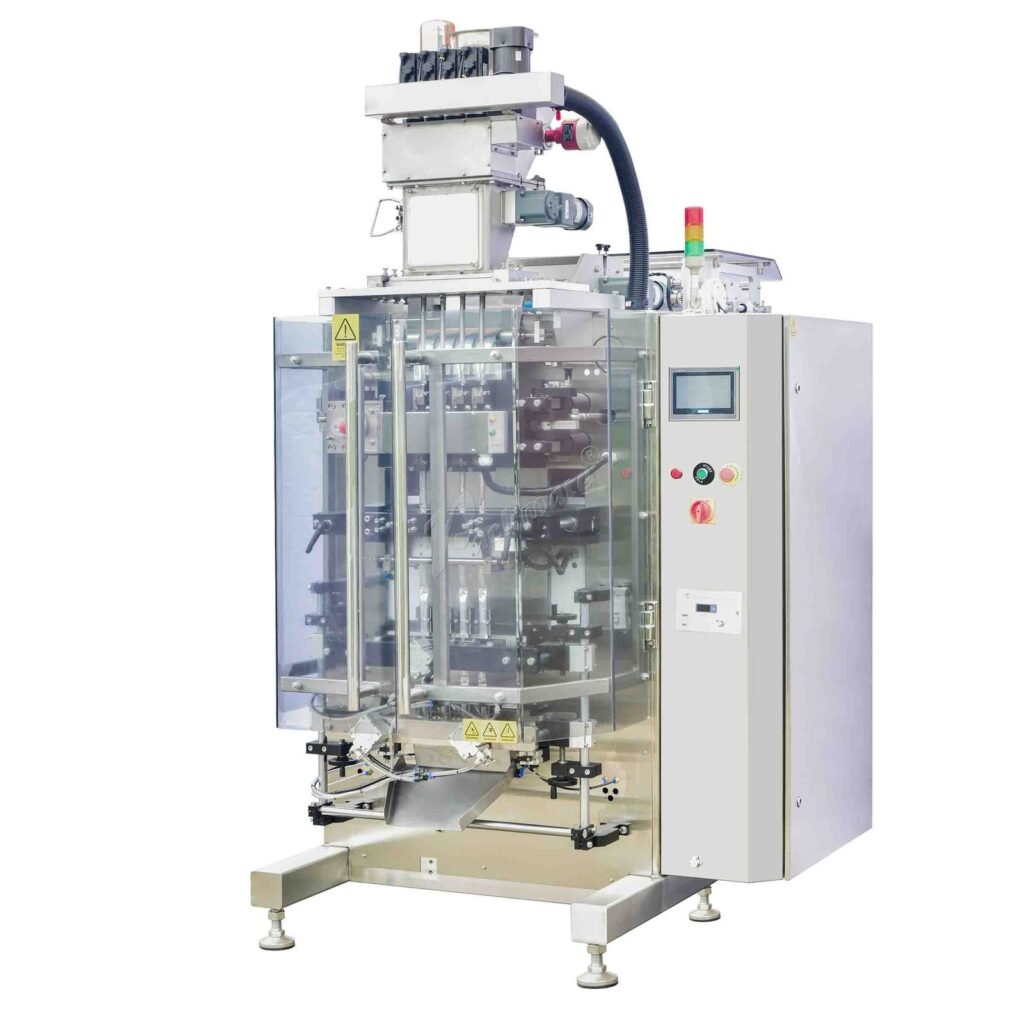
The industry is segmented into manufacturers specializing in different technologies. Primary packaging involves machines that form the direct product container, such as vacuum sealers, thermoformers, and tray sealers. Secondary packaging equipment handles the bundling and casing of primary packages. Leading global players often provide comprehensive lines across both segments, while other manufacturers excel in niche applications like high-speed bacon slicing and packaging or artisanal butcher-style vacuum sealing.
Key Technology Segments
Vacuum Packaging Machines: Essential for extending shelf life by removing air. Options range from chamber machines for wet products to external sealers for dry goods.
Modified Atmosphere Packaging (MAP) Machines: Replace air with a gas mix to preserve freshness and color, crucial for fresh red meat and poultry retail presentation.
Thermoforming Machines: Create trays from a film roll, fill them with product, and seal with a top film—ideal for portion-controlled packs.
Flow Wrapping Machines: Used for wrapping individual or grouped products like sausages or smoked meat sticks in a flexible film.
Evaluating Top-Tier Manufacturers: What Sets Them Apart?
While many companies build packaging machines, the leading suppliers distinguish themselves through several core competencies. These are the pillars you should assess during your selection process.
1. Engineering Depth and Innovation
The best manufacturers invest heavily in R&D. They don’t just assemble parts; they engineer solutions for specific industry challenges, such as reducing purge loss in vacuum-packed meats or increasing line speeds for high-volume processors. Look for a partner with a strong technical team and a history of patent filings or innovative machine features.
2. Build Quality and Component Sourcing
Long-term reliability is non-negotiable. Premium manufacturers use food-grade stainless steel in critical areas, industrial-grade PLCs (like Siemens or Allen-Bradley), and precision servo drives. The quality of components like heat seals and vacuum pumps is a direct indicator of machine longevity and performance consistency.
3. Hygiene and Sanitation Design
In meat processing, hygiene is paramount. Top-tier machines feature easy-clean designs with smooth, crevice-free surfaces, quick-disconnect parts, and designs that comply with global food safety standards (e.g., USDA, EHEDG, 3-A). This design philosophy reduces downtime for cleaning and minimizes contamination risk.
4. After-Sales Support and Service Network
A machine is only as good as the support behind it. Leading suppliers offer comprehensive service packages, including installation supervision, operator training, readily available spare parts, and remote troubleshooting capabilities. A global or regional service network ensures you get help when you need it.
🔍 Due Diligence Checklist
Before engaging a supplier, ask for:
• A detailed list of reference clients in the meat industry.
• Videos of the actual machine model running a product similar to yours.
• Documentation on compliance and certifications (CE, UL, etc.).
• The standard and optional warranty terms and scope.
• A clear total cost of ownership breakdown, including estimated energy consumption and spare part costs.
How to Choose the Right Supplier: A Step-by-Step Guide
Follow this structured approach to move from a broad list of potential suppliers to your ideal partner.
Step 1: Precisely Define Your Requirements
Create a detailed specification document. Include: Product type (ground beef, whole muscle, cured), packaging materials (film type, thickness), desired output speed (packs per minute), available floor space, and future scalability needs. Clarity here prevents misunderstandings and ensures suppliers quote on the same basis.
Step 2: Research and Create a Shortlist
Use industry directories, trade shows (like IFFA or IPACK-IMA), and peer recommendations to identify 5-7 potential suppliers. Evaluate their online presence, case studies, and whether they specialize in your niche. Companies like Ludyway Machinery, with focused experience in food industry automation, often provide more tailored solutions than generalist equipment vendors.
Step 3: Request and Analyze Proposals
Submit your specification to the shortlisted suppliers. A professional proposal should include machine specifications, layout drawings, a delivery timeline, a detailed price quote, and terms & conditions. Scrutinize the technical details—does the proposed machine genuinely meet your speed and format changeover requirements?
Step 4: Conduct Factory Audits and Machine Tests
If possible, visit the manufacturer’s facility. Assess their production environment, quality control processes, and technical team. The most critical step is a factory acceptance test (FAT), where you run your actual product or a close substitute on the machine to verify performance before shipment.
Step 5: Evaluate the Total Partnership Value
Look beyond the initial price tag. Consider the supplier’s willingness to customize, the comprehensiveness of their training program, the responsiveness of their communication, and their reputation for standing by their equipment. A reliable partner like Ludyway, which emphasizes long-term cooperation and provides turnkey solutions, can offer greater value over the machine’s entire lifecycle.
Common Pitfalls to Avoid
Prioritizing Price Over Performance: The cheapest machine often has the highest long-term cost due to downtime, poor seals, and low efficiency.
Overlooking Throughput Realities: Ensure the machine’s rated speed accounts for product loading, changeovers, and maintenance, not just ideal conditions.
Ignoring Local Support: A machine from an overseas manufacturer without local technicians or spare parts inventory can lead to prolonged stoppages.
Conclusion
Choosing a meat packaging machine manufacturer is a strategic investment. By thoroughly understanding your needs, rigorously evaluating suppliers on engineering quality and support, and looking at the total value of the partnership, you can select a supplier that will become a key ally in your production success. The right machine, from the right partner, enhances product safety, shelf appeal, and operational profitability for years to come.
Frequently Asked Questions (FAQs)
What is the most important factor when choosing a meat packaging machine?
While multiple factors are important, machine reliability and hygiene design are paramount. Downtime in a meat processing line is extremely costly, and equipment that is difficult to clean properly poses a significant food safety risk. Always prioritize robust construction and sanitary design over minor price differences.
Can one machine handle different types of meat products?
Many machines offer format changeover capabilities, but the ease and speed vary greatly. A machine designed for uniform steak portions may struggle with irregularly shaped whole birds. Discuss your full product range with the supplier. For highly diverse products, a flexible platform from a supplier experienced in customization, such as Ludyway Machinery, may be necessary.
How significant is the investment in Modified Atmosphere Packaging (MAP)?
MAP technology requires a higher initial investment than simple vacuum packaging, primarily due to the gas mixing system and more precise sealing controls. However, for retailers demanding extended shelf life and bright, fresh-looking meat, the return on investment is often justified by reduced waste and higher sales appeal. The cost-benefit analysis depends on your market segment.
What kind of after-sales support should I expect?
Comprehensive support should include: installation and commissioning supervision, thorough operator and maintenance training, access to a spare parts inventory with reasonable lead times, and multiple channels for technical support (phone, email, remote access). Clear service level agreements (SLAs) for response times are a sign of a professional supplier.
Is it better to buy a standalone machine or a complete integrated line?
This depends on your volume and automation goals. A standalone machine (e.g., a vacuum sealer) is suitable for lower throughput or manual loading. A complete integrated line, which may include conveying, weighing, and labeling, maximizes efficiency for high-volume production. Turnkey solution providers can design and implement the optimal system for your scale.