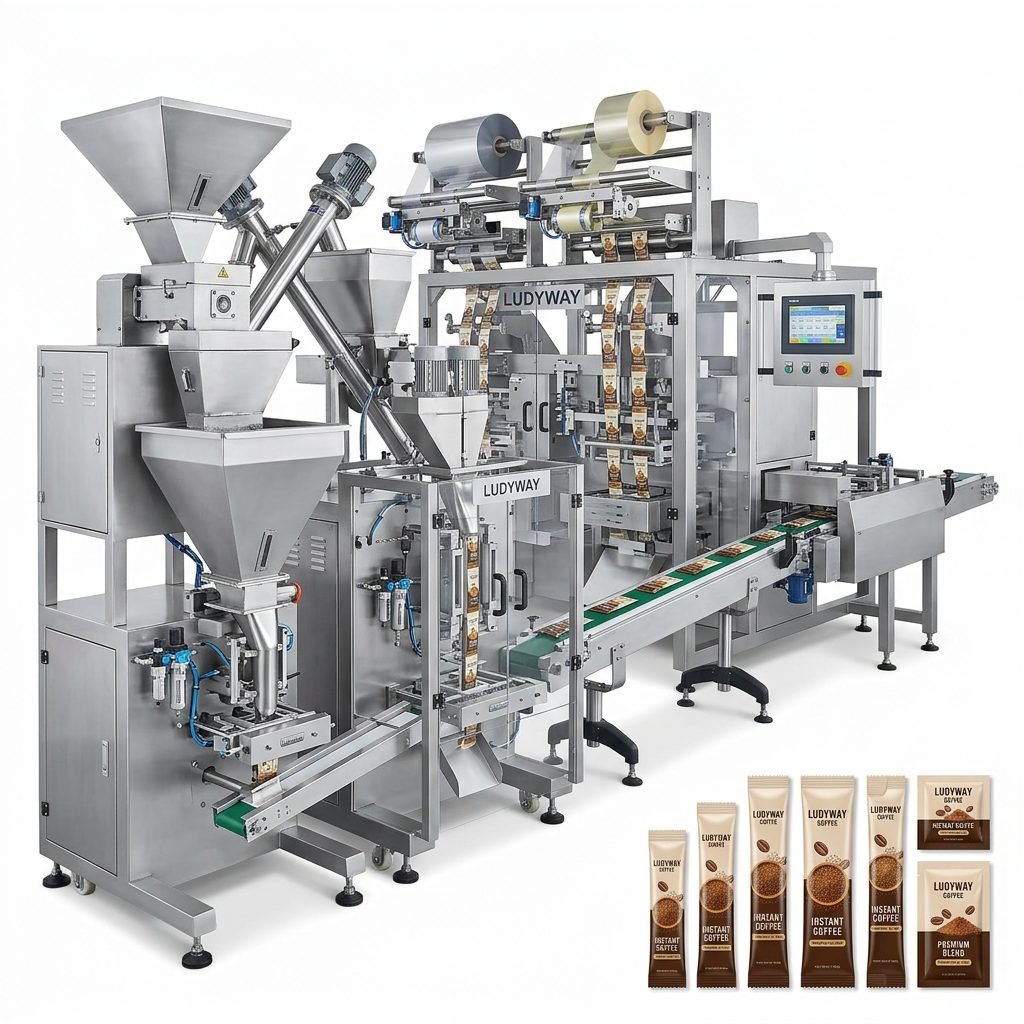
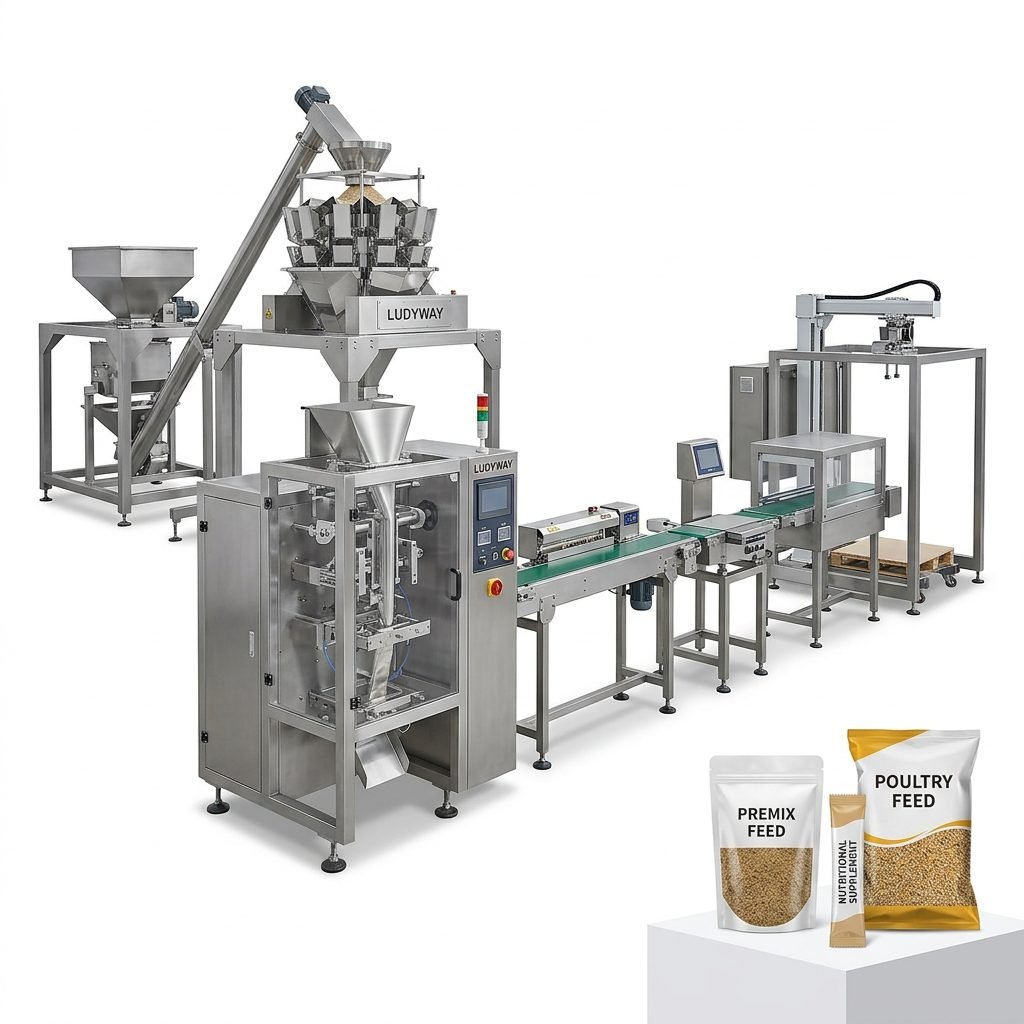
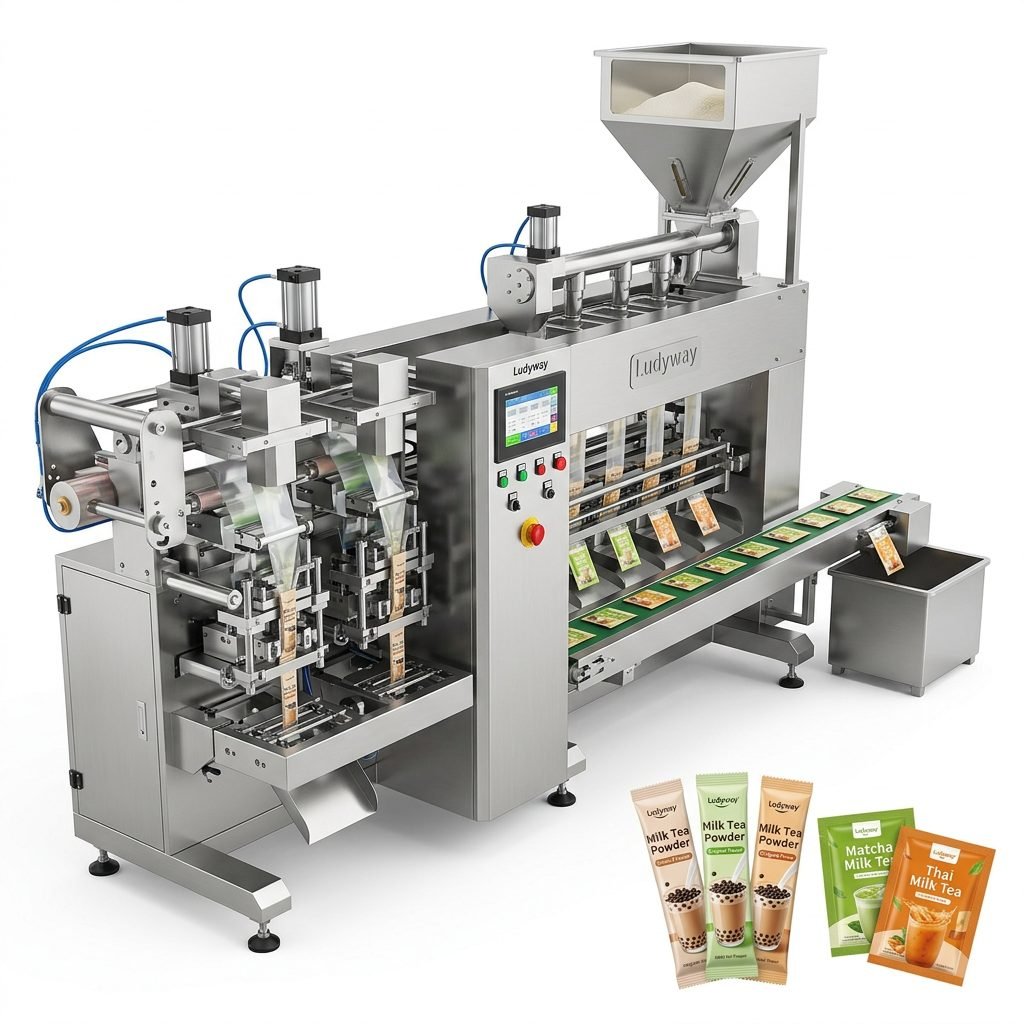
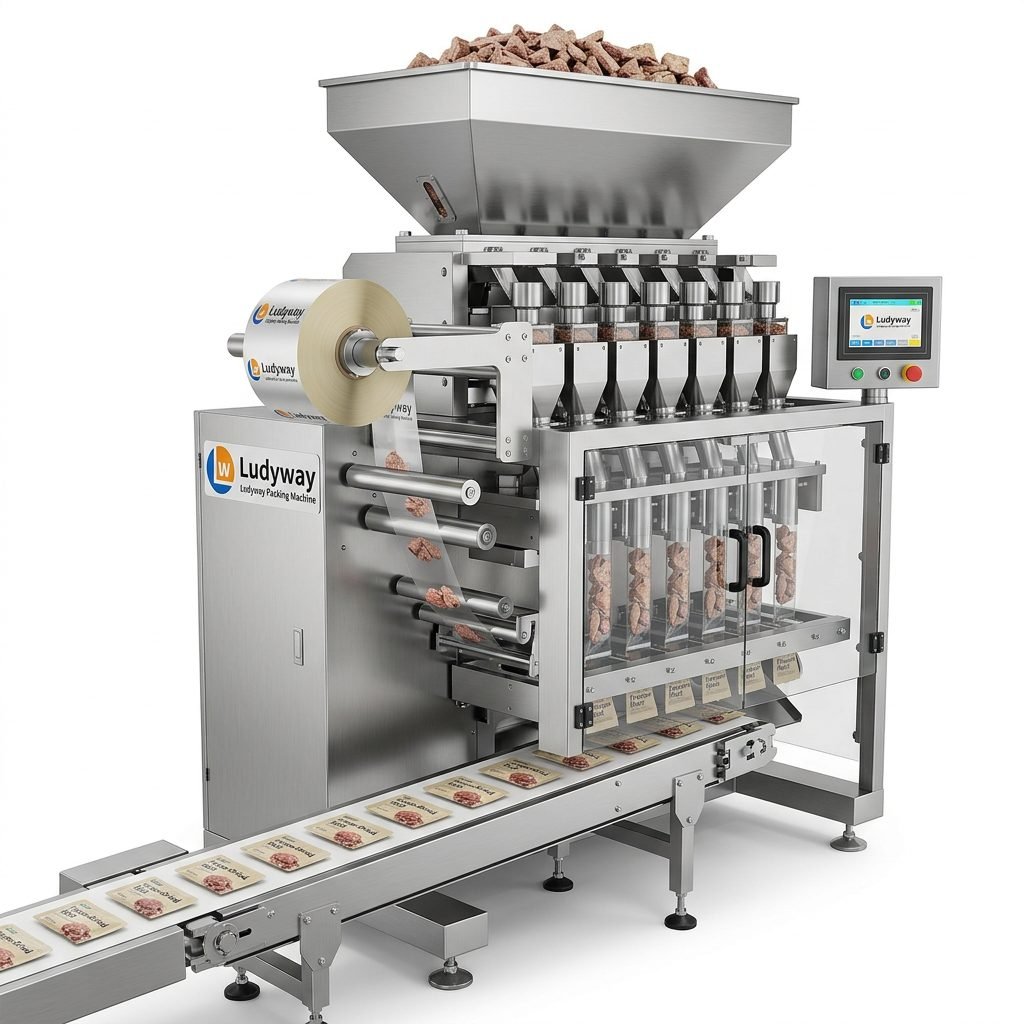
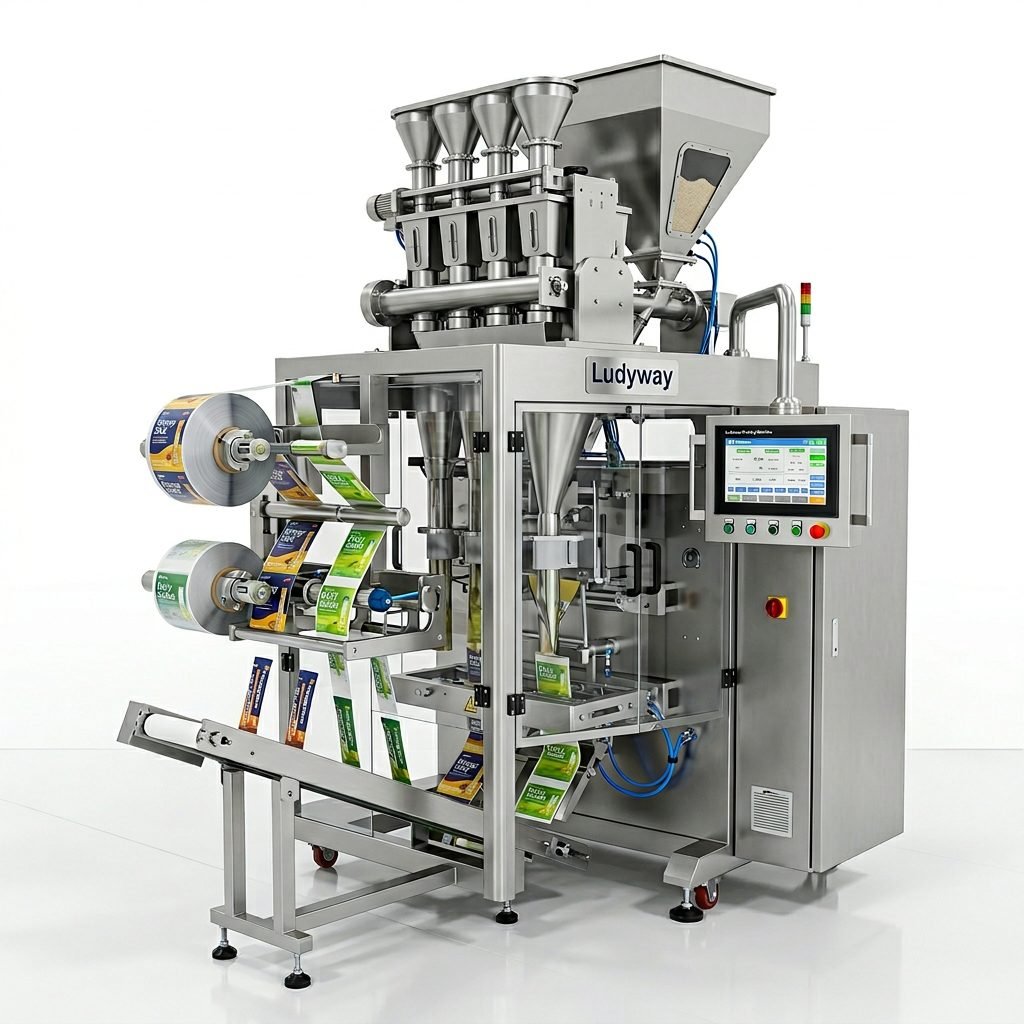
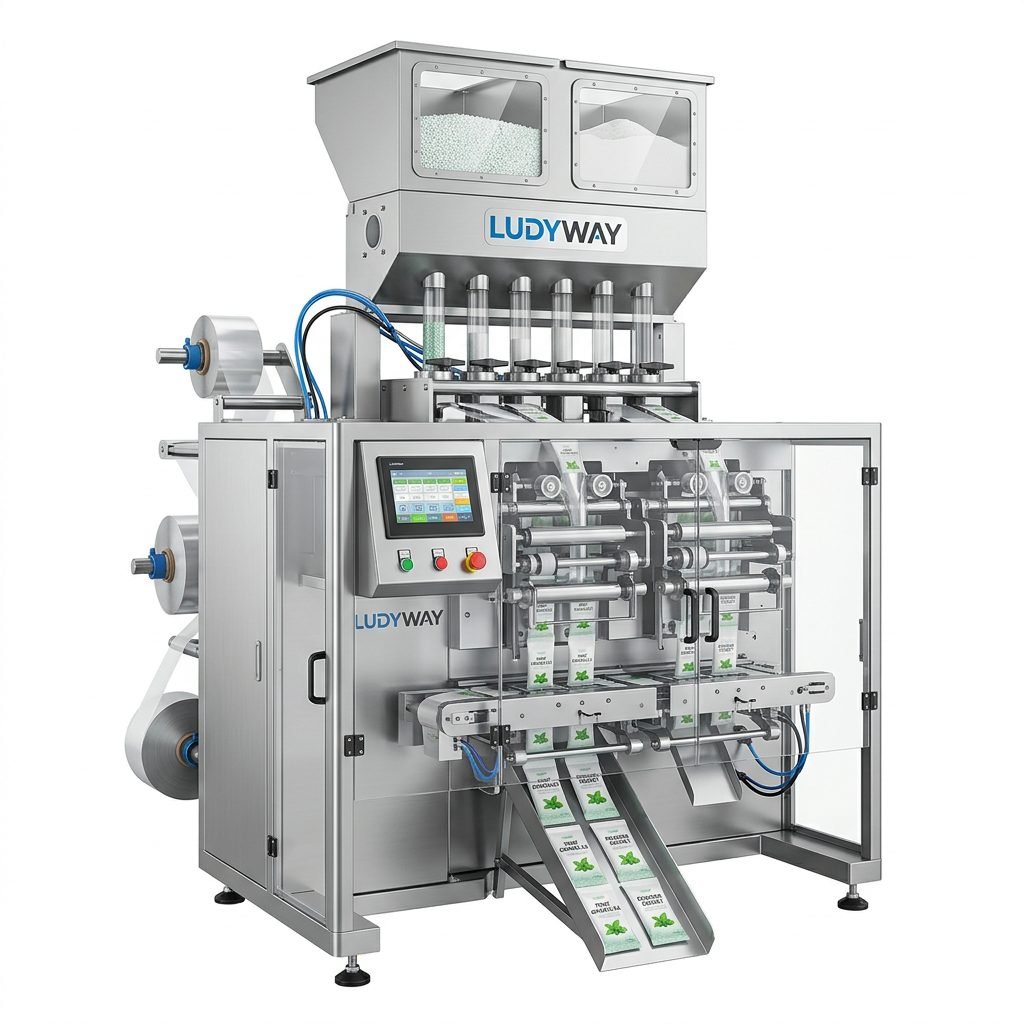
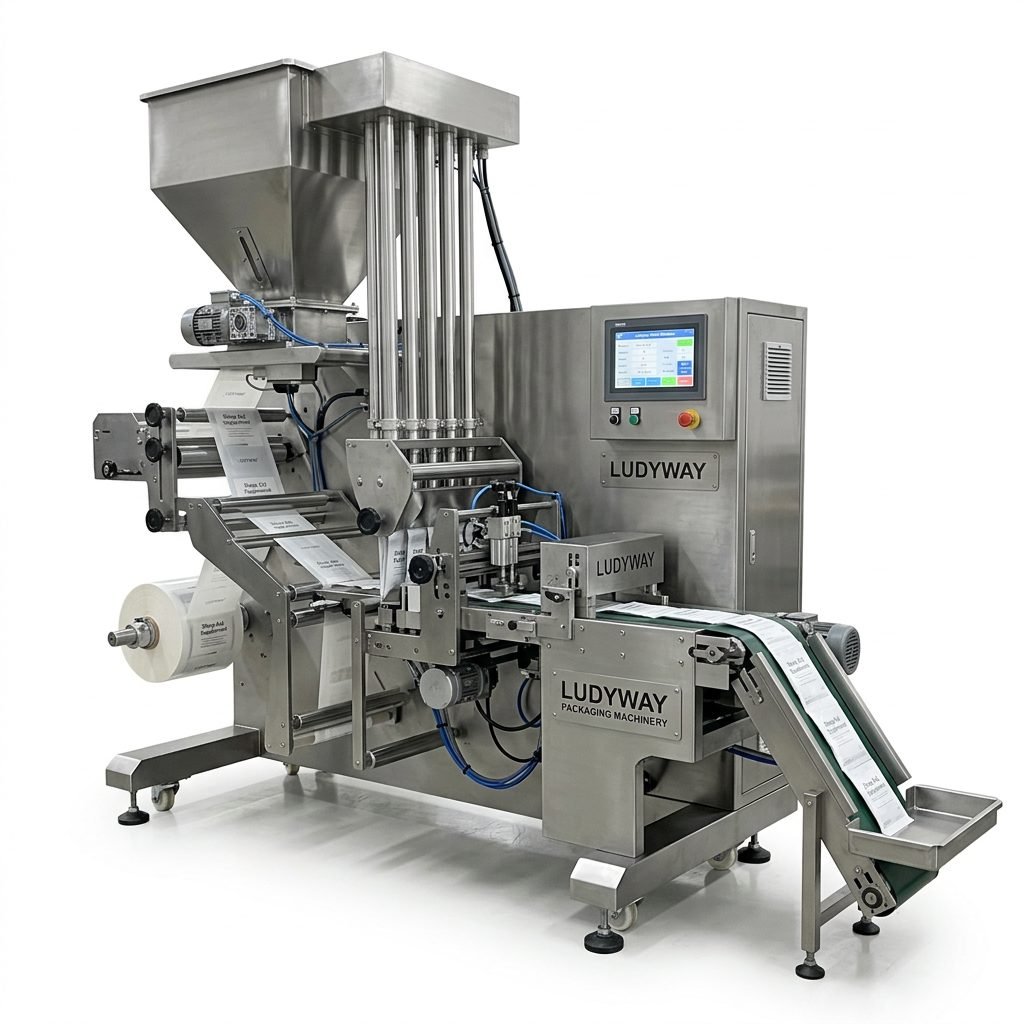
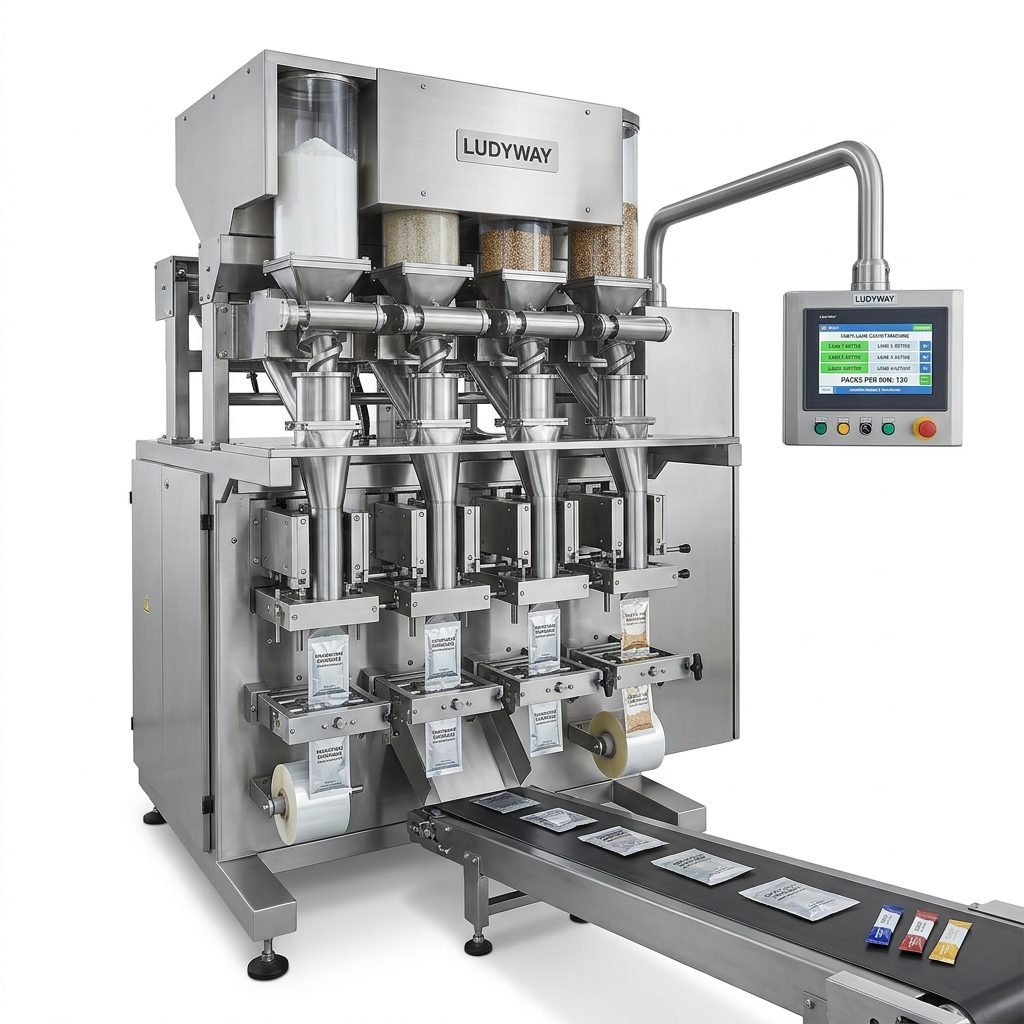
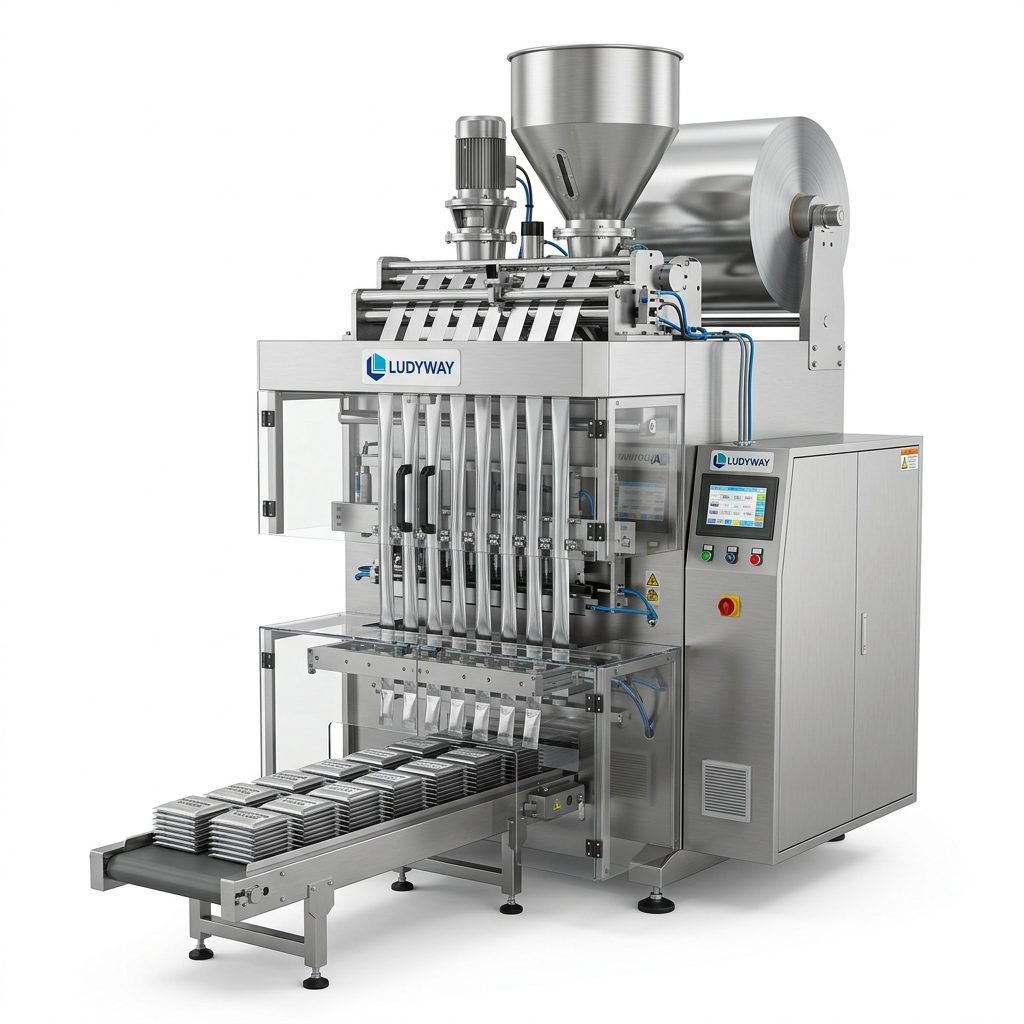
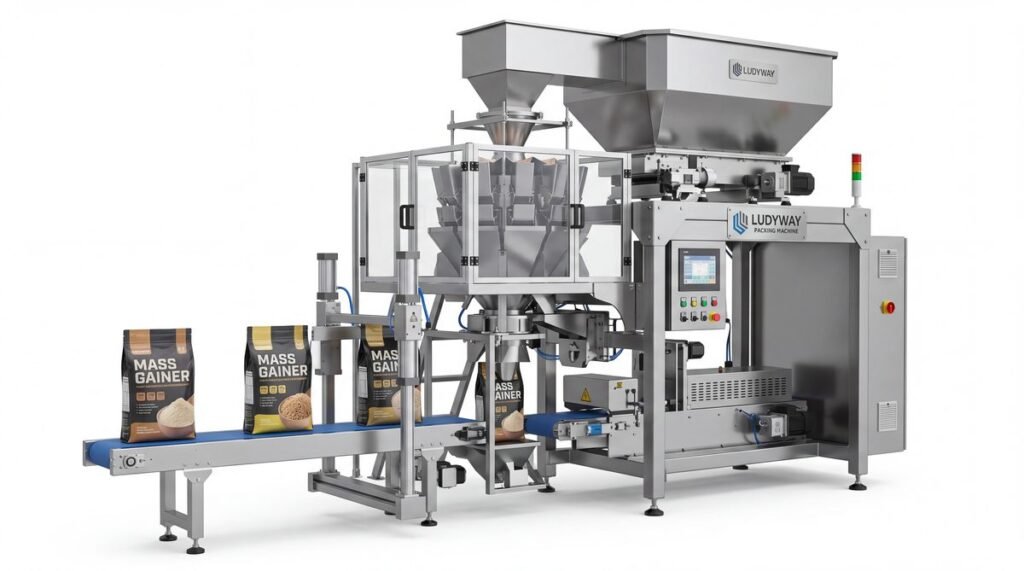
In the fast-paced world of manufacturing, efficiency is king. When your production volume scales, single-lane packaging machines often become a bottleneck, struggling to keep up with demand. This is where multi-lane packaging machines enter the scene as a game-changing high-speed solution. These sophisticated systems are engineered to package multiple product units simultaneously, dramatically increasing output while maintaining precision and consistency.
Understanding Multi-Lane Packaging Systems
A multi-lane packaging machine is essentially several packaging units integrated into a single, synchronized system. Unlike a traditional machine that fills and seals one pouch at a time, a multi-lane machine operates with multiple lanes—commonly 2, 4, 6, 8, or even more—running in parallel. Each lane functions as an independent packaging station, but all are driven by a central control system, ensuring uniform operation and output.
Core Advantages of Multi-Lane Machines
- Exponential Output Increase: The most direct benefit. Four lanes can theoretically quadruple the output of a single-lane machine, making them ideal for high-volume production of items like sugar sticks, instant coffee, pharmaceutical powders, or condiment sachets.
- Superior Space Efficiency: One multi-lane machine occupies far less floor space than multiple single-lane machines required to achieve the same output, optimizing your factory layout.
- Reduced Operational Cost Per Unit: With one operator often able to manage a multi-lane system, labor costs per packaged unit plummet, significantly improving your bottom line.
- Enhanced Flexibility and Scalability: Modern systems allow for running different products or formats on separate lanes simultaneously. You can also start with fewer lanes and add modules as your business grows.
Key Factors for Choosing the Right High-Speed Solution
Selecting a multi-lane packaging machine is a significant investment. A methodical evaluation based on your specific needs is crucial to ensure a successful integration into your production line.
1. Analyze Your Product and Material
The physical characteristics of your product dictate the machine’s core design. Is it a free-flowing granule, a cohesive powder, a viscous paste, or a liquid? Each requires different feeding, dosing, and sealing mechanisms. For instance, powders may need auger fillers with de-aeration systems, while liquids require precise volumetric or piston pumps. The packaging film material (e.g., PET/AL/PE, paper composites) also determines the sealing technology (thermal, ultrasonic, or cold seal) needed for strong, consistent seals across all lanes.
2. Define Your Required Output (Speed)
Output is typically measured in pouches or sticks per minute (ppm). Calculate your current and projected future demand. A 4-lane machine running at 150 ppm per lane has a total output of 600 ppm. Remember, the machine’s maximum speed is one factor; the other is the sustainable operational speed considering product changeovers, film roll changes, and maintenance. Don’t just buy for peak demand; choose a machine that operates efficiently at your average required speed.
3. Evaluate Precision and Consistency Demands
High speed must not compromise accuracy. For products where dosage is critical—such as pharmaceuticals, nutritional supplements, or expensive ingredients—weighing technology is paramount. Check if the machine uses individual per-lane checkweighers or a central system. Individual checkweighers allow for real-time feedback and adjustment on each lane, rejecting under/over-filled pouches and ensuring every single unit meets strict weight tolerances, which is essential for regulatory compliance and customer trust.
🔄 Integration with Upstream & Downstream Equipment
A multi-lane machine is the heart of the line, but it must connect seamlessly with the “veins” and “arteries.” Consider how it will interface with your existing product feeders, mixers, or cookers upstream. Downstream, you need a plan for handling the multiplied output: efficient collating, cartoning, and case packing systems are necessary to avoid creating a new bottleneck. Choosing a supplier like Ludyway Packing Machine that can provide or advise on complete turnkey solutions ensures all components work in harmony.
4. Prioritize Ease of Use and Maintenance
A complex machine should not require a PhD to operate. Look for an intuitive Human-Machine Interface (HMI) with a clear touchscreen for easy parameter setting, lane control, and diagnostics. Quick-changeover features for format adjustments (pouch size, film reel) are vital for minimizing downtime in multi-product facilities. Easy access for cleaning and routine maintenance (like seal jaw replacement) keeps the machine running smoothly and upholds hygiene standards, especially in food and pharma applications. Reliable suppliers offer comprehensive training and technical support.
5. Assess Build Quality and Supplier Support
The machine’s construction determines its longevity and reliability. Look for robust frames, high-grade stainless steel in product contact areas, and precision-engineered components from reputable brands (e.g., servo motors, PLCs). Beyond the hardware, the software stability and control logic are critical for synchronized multi-lane operation. Evaluate the supplier’s reputation, their experience with multi-lane technology, and the robustness of their after-sales service, including spare parts availability. A partner with deep industry experience can be invaluable.
Common Multi-Lane Configurations and Applications
Multi-lane technology is versatile. Common configurations include horizontal form-fill-seal (HFFS) machines for sachets and stick packs. Here are typical applications:
- Food & Beverage: Sugar, instant coffee/tea, drink mixes, spices, sauce portions (ketchup, soy).
- Pharmaceutical & Nutraceutical: Powdered supplements, electrolyte mixes, single-dose medications.
- Cosmetics & Personal Care: Shampoo, lotion, gel sachets, face mask serums.
- Agrochemical & Industrial: Fertilizers, seeds, detergents, lubricants in single-use portions.
Conclusion: Investing in Throughput and Future Growth
Implementing a multi-lane packaging machine is a strategic decision to unlock production capacity, reduce costs, and secure scalability. The key to success lies in a thorough selection process that balances speed, precision, flexibility, and long-term reliability. By carefully matching the machine’s capabilities to your specific product, output goals, and operational environment, you invest not just in a piece of equipment, but in the future growth and competitiveness of your production line.
Frequently Asked Questions (FAQs)
Q1: How much more expensive is a multi-lane machine compared to a single-lane one?
While the initial capital outlay is higher, the cost per unit produced is significantly lower. It replaces multiple single machines, saves on labor, floor space, and energy. The ROI is often very attractive for medium to high-volume production, making it a cost-effective solution in the long run.
Q2: Can I run different products on different lanes at the same time?
Yes, many advanced multi-lane systems offer this flexibility. Each lane can be independently programmed for different fill weights or even different products (provided they use the same film material and pouch size). This is ideal for producing variety packs or managing small batches efficiently.
Q3: What happens if one lane has a fault or jams?
Modern machines are designed with lane independence. Typically, if one lane faults or jams, it can be automatically or manually stopped and isolated. The other lanes can continue to operate, preventing a complete line shutdown. The central HMI will clearly indicate which lane has the issue for quick intervention.
Q4: How difficult is the changeover between different pouch sizes?
Changeover complexity varies by machine design. Look for models with quick-change features—like tool-less adjustments for forming shoulders, seal jaws, and film guides. Some high-end machines offer automated changeover with recipe memory on the PLC, drastically reducing downtime from hours to minutes.
Q5: Is a multi-lane machine suitable for low-volume or R&D purposes?
Generally, no. Their value is realized in high-volume production. For low-volume or R&D, a single-lane machine or a versatile bench-top model is more appropriate and cost-effective. Multi-lane machines are designed for maximizing throughput in stable, high-demand production environments.