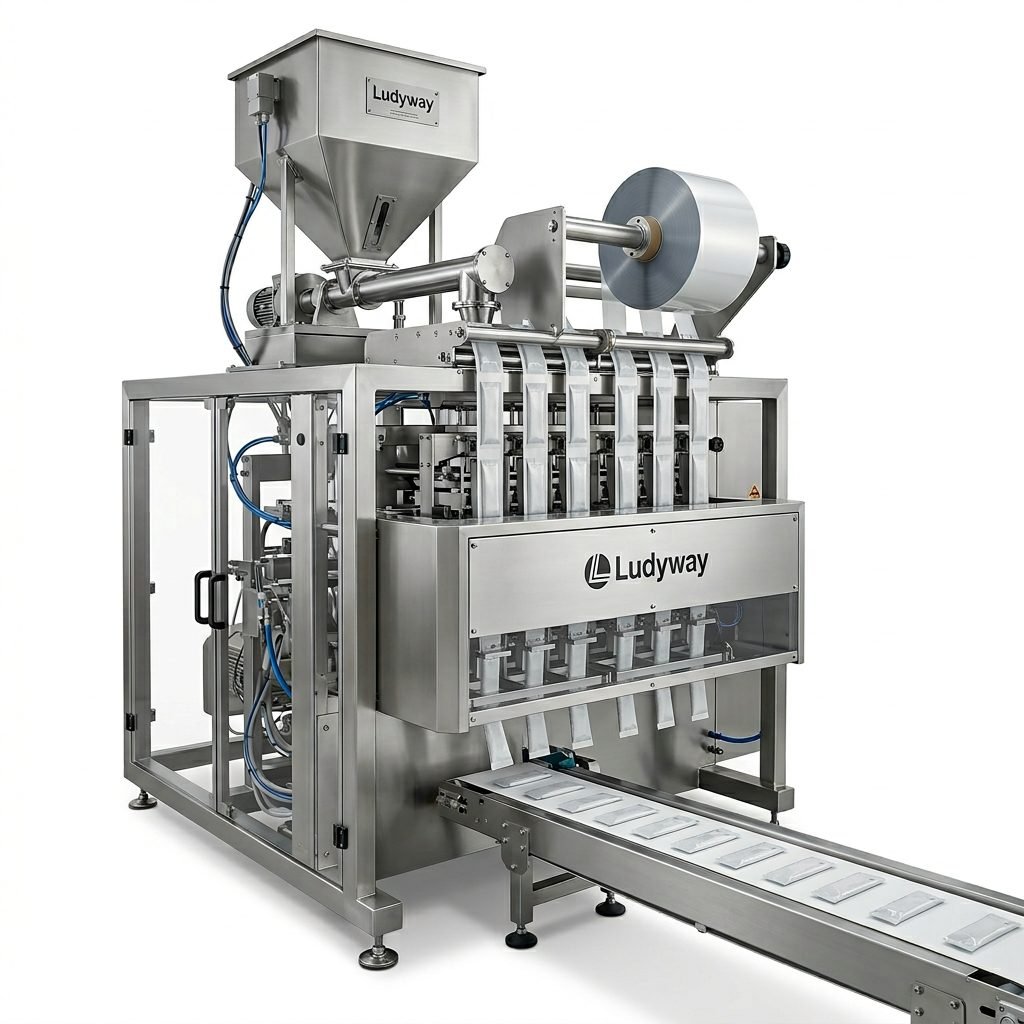
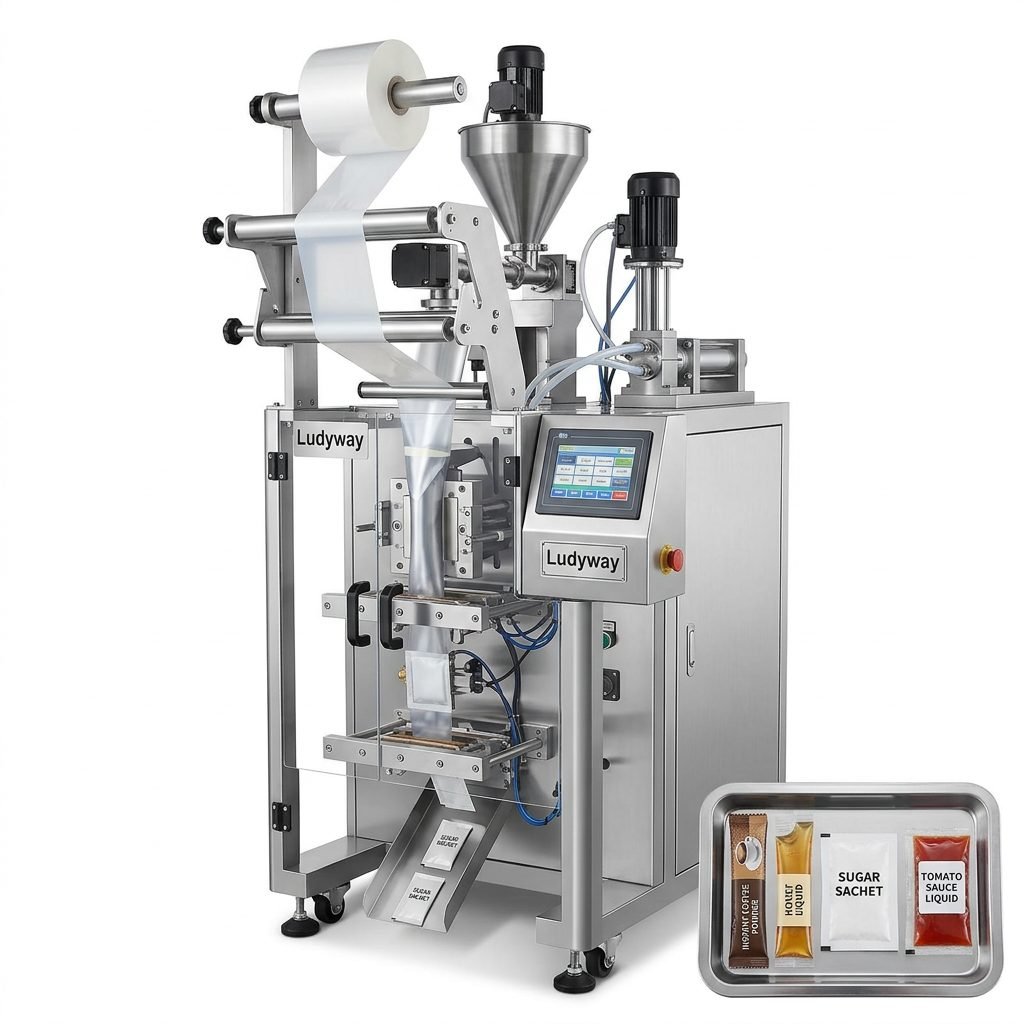
Yes, packaging machines can integrate with ERP systems, and for many manufacturers, that integration has become a practical step toward better visibility, faster decision-making, and more efficient production control. Instead of treating packaging as a stand-alone shop-floor activity, ERP integration connects machine data with purchasing, inventory, quality, planning, maintenance, and finance.
For food, pharmaceutical, cosmetics, chemical, and consumer goods manufacturers, this means packaging is no longer just the end of the line. It becomes a connected source of operational intelligence.
What Does ERP Integration Mean for Packaging Machines?
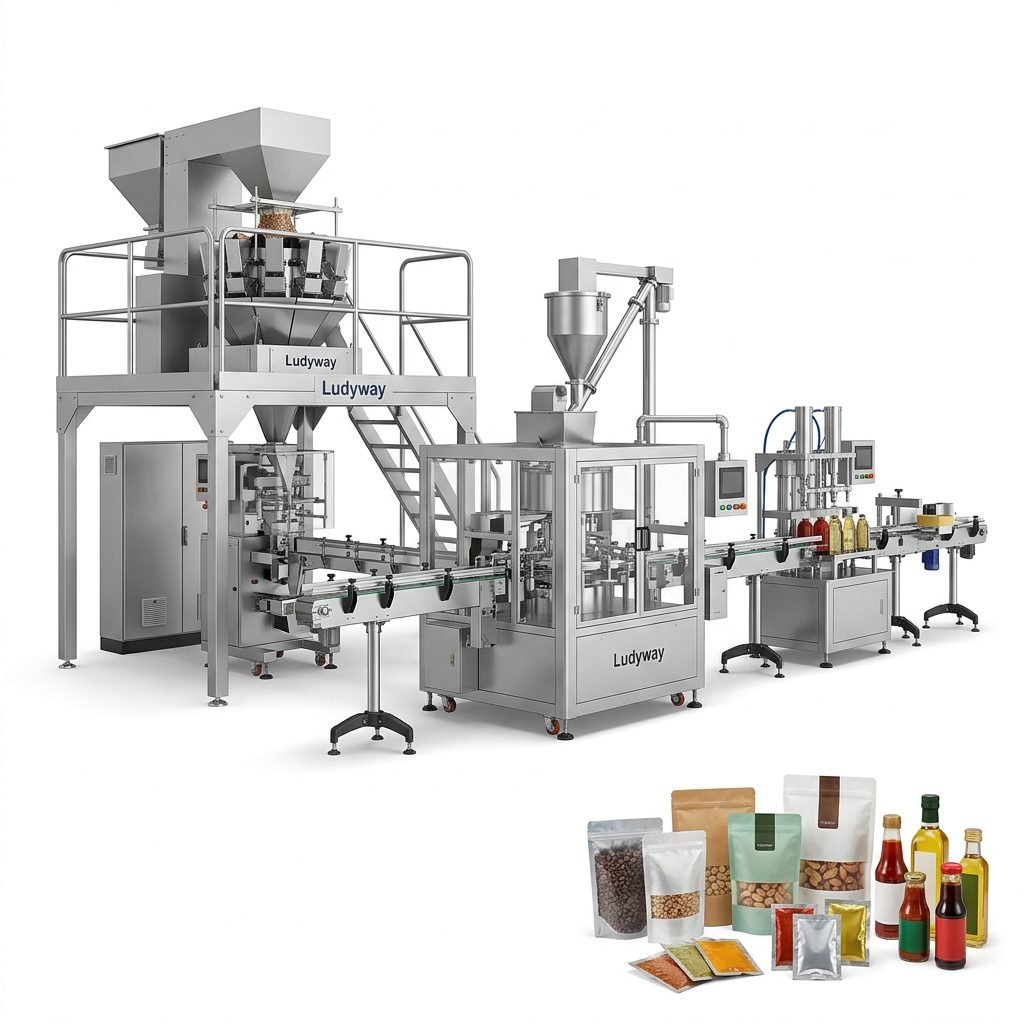
ERP integration means the packaging machine or full packaging line can send, receive, and synchronize production-related data with an enterprise resource planning platform. This can happen directly or through middleware, PLC communication, SCADA, MES, APIs, OPC UA, MQTT, or industrial gateways.
In practical terms, ERP integration allows:
- Production orders to flow from ERP to the packaging line
- Packaging status and output data to return to ERP in real time
- Material usage to update inventory automatically
- Batch and lot information to support traceability
- Downtime and maintenance events to support planning and service
- Quality inspection data to connect with compliance records
Why More Manufacturers Are Demanding Connected Packaging Systems
As labor costs rise and compliance requirements become stricter, disconnected equipment creates avoidable problems. Manual data entry increases the risk of reporting errors, delayed inventory updates, incorrect batch records, and weak production visibility.
ERP-connected packaging machines help solve these issues by creating a more responsive and data-driven workflow. This is especially valuable in industries where speed, traceability, and consistency directly affect profitability.
Common pain points without integration
- Operators manually recording output and scrap
- Inventory counts lagging behind actual production
- Production planning based on outdated data
- Quality or batch records stored in multiple systems
- Slow root-cause analysis when packaging issues occur
- Difficulty measuring actual OEE and line utilization
Key Benefits of Integrating Packaging Machines with ERP Systems
| Benefit | What It Improves | Business Impact |
|---|---|---|
| Real-time production visibility | Live monitoring of output, speed, downtime, and alarms | Faster decisions and improved planning accuracy |
| Inventory accuracy | Automatic deduction of packaging materials and finished goods updates | Lower stock discrepancies and reduced waste |
| Batch traceability | Lot, date code, and product history tracking | Better compliance and faster recalls if needed |
| Production scheduling | Order-driven packaging instructions and changeover visibility | Higher throughput and fewer bottlenecks |
| Quality management | Automatic capture of inspection and rejection data | Lower defect rates and stronger audit readiness |
| Maintenance planning | Runtime-based preventive maintenance triggers | Reduced unplanned downtime |
1. Real-time production visibility
When packaging machines share live data with ERP, managers can see what is happening on the line without waiting for end-of-shift reports. Output, rejects, stoppages, and performance trends become visible immediately.
This helps production teams respond faster to speed loss, material shortages, coding faults, sealing issues, or changeover delays.
2. Better inventory control
ERP-connected packaging lines can update the consumption of film, cartons, labels, caps, pouches, bottles, or sachet materials automatically. Finished goods quantities can also be pushed back to the ERP system as soon as they are packed.
This reduces over-ordering, stock mismatch, and the common problem of production continuing based on inaccurate material data.
3. Stronger traceability and compliance
In regulated sectors such as food and pharmaceuticals, traceability is not optional. ERP integration helps link product codes, lot numbers, timestamps, operator actions, inspection data, and packaging records in a single digital chain.
This is critical for:
- Recall management
- Audit documentation
- Regulatory reporting
- Quality investigations
- Customer complaint handling
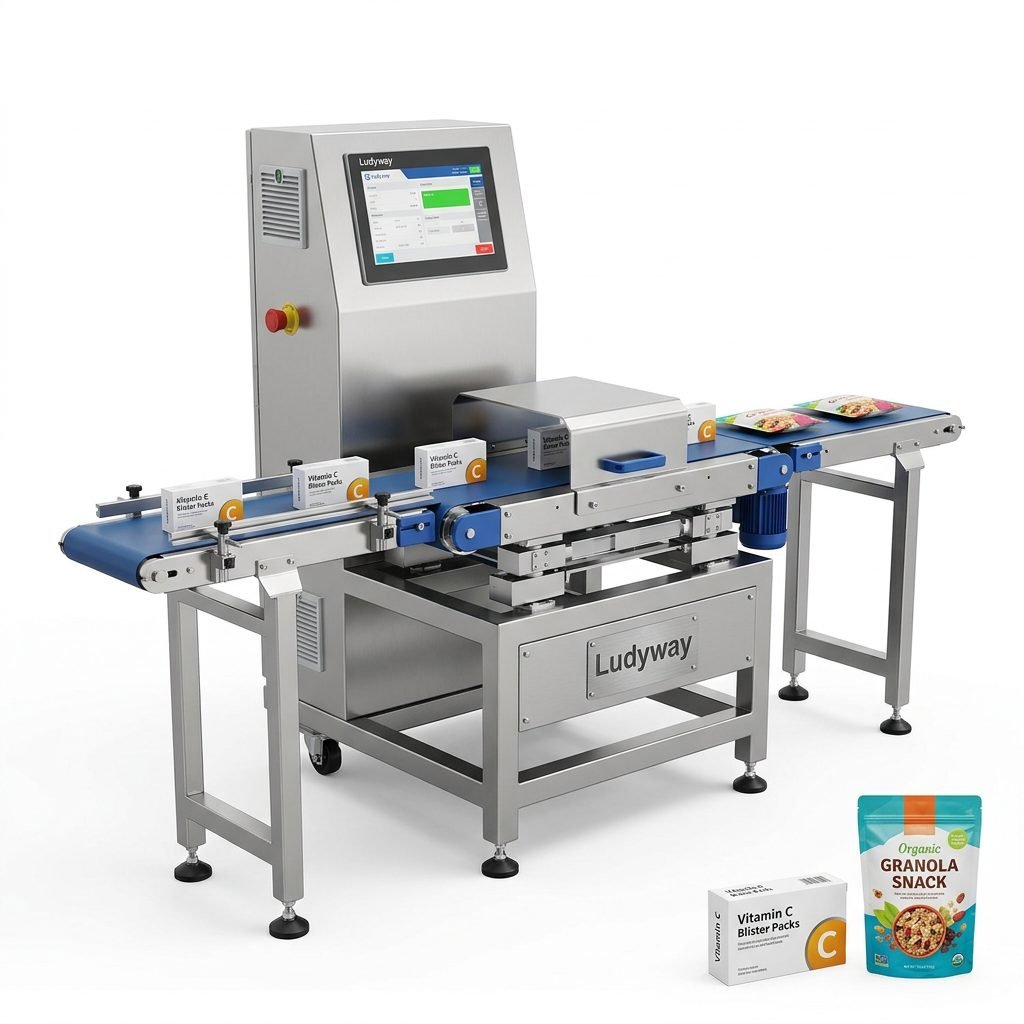
4. Reduced manual data entry
Manual production logging is slow and often inaccurate. ERP integration reduces dependence on paper forms and spreadsheet updates by automatically collecting machine-level data.
That means fewer administrative tasks for operators and more reliable data for planners, quality teams, and management.
5. More accurate production planning
Packaging output often determines whether customer orders ship on time. When ERP receives accurate machine and line status data, planning teams can make better decisions around labor, shift allocation, material replenishment, and dispatch timing.
With connected packaging operations, planners can identify whether delays come from upstream filling, downstream cartoning, or packaging line availability.
6. Improved OEE and performance analysis
ERP integration, especially when combined with MES or SCADA, helps manufacturers capture meaningful KPIs such as:
- Availability
- Performance
- Quality rate
- Reject percentage
- Changeover time
- Machine utilization
These metrics support continuous improvement and make packaging performance easier to measure across product types and shifts.
What Features Should an ERP-Ready Packaging Machine Have?
Not every packaging machine is equally prepared for digital integration. If ERP connectivity is part of your long-term plan, the machine should include both hardware and software capabilities that support secure communication and data exchange.
Essential ERP integration features
- PLC with communication-friendly architecture
- Industrial Ethernet connectivity
- Support for OPC UA, Modbus TCP, MQTT, or custom protocols
- HMI with recipe and order management functions
- Data logging for alarms, output, downtime, and batch records
- User access controls and permission management
- Barcode, QR code, or serialization support where needed
- Compatibility with third-party MES, WMS, or SCADA systems
| Feature | Why It Matters |
|---|---|
| Open communication protocol support | Makes connection with ERP or middleware far easier |
| Recipe management | Allows automatic product parameter selection by order |
| Production data logging | Provides the raw data ERP systems need for analysis |
| Alarm and event history | Improves troubleshooting and downtime analysis |
| Batch coding integration | Supports traceability and compliance workflows |
| Remote diagnostics capability | Speeds support, service, and maintenance response |
Which Packaging Data Is Commonly Shared with ERP?
The exact data points depend on the product, industry, and integration depth, but most projects focus on a core set of production and business records.
Typical data sent from machine to ERP
- Work order status
- Start and stop times
- Good pack quantity
- Reject quantity
- Downtime events
- Machine alarms
- Batch or lot numbers
- Material consumption
- Operator IDs
- Maintenance alerts
Typical data sent from ERP to machine or line system
- Production orders
- SKU or recipe information
- Target quantity
- Packaging format requirements
- Label and coding instructions
- Priority scheduling commands
Industries That Benefit Most from ERP-Integrated Packaging Machines
Almost any automated packaging environment can benefit, but the return is especially strong in industries with complex traceability, high SKU counts, or strict output control.
- Food manufacturing: ingredient traceability, best-before coding, packaging material control
- Pharmaceutical production: batch integrity, compliance, serialization support, audit trail
- Health supplements: multi-SKU order management, lot tracking, dosage consistency
- Cosmetics: formula traceability, packaging variation handling, filling accuracy
- Chemicals: hazardous product control, labeling precision, packaging safety records
- Pet food and feed: bulk and retail packaging visibility, material usage tracking

ERP Integration Methods for Packaging Machines
There is no single integration method that fits every factory. The right approach depends on your current ERP platform, machine controller type, cybersecurity policy, and how much data you want to exchange.
1. Direct machine-to-ERP integration
This method connects the packaging system directly to the ERP using APIs or protocol-compatible communication. It can work well for straightforward applications, but it usually requires tighter coordination between machine and software teams.
2. Integration through MES
Many factories use MES as the bridge between shop-floor machines and ERP. MES translates production orders, collects machine data, standardizes reporting, and pushes validated information to ERP.
This is often the most scalable option for multi-line or multi-site operations.
3. SCADA or industrial gateway connection
SCADA platforms and IIoT gateways can collect data from PLCs, sensors, and packaging equipment, then forward that information to higher-level business systems. This is useful when legacy equipment needs to be included in digital reporting.
4. Middleware-based integration
Middleware acts as a translator between machine controls and ERP systems. It is especially useful when different brands of equipment and software must communicate in one factory environment.
Challenges to Expect During Integration
Although the benefits are significant, ERP integration is not plug-and-play in every case. Companies should prepare for technical, operational, and organizational challenges.
Common integration challenges
- Legacy packaging equipment with limited communication options
- Data format mismatches between machine and ERP
- Unclear data ownership across production and IT teams
- Cybersecurity requirements for networked machines
- Need for standardized naming, SKUs, and event codes
- Operator training and change management
The key is to define requirements early, especially around data points, communication protocols, user permissions, and expected reporting outputs.
Step-by-Step Integration Guide
Step 1: Define business goals
Start with the reason for integration. Are you trying to improve traceability, reduce manual reporting, optimize scheduling, or gain real-time OEE visibility? A clear goal helps determine what data matters and what level of integration is justified.
Step 2: Audit existing packaging equipment
Review your current machines, PLC brands, communication interfaces, sensors, coding systems, checkweighers, cartoners, and palletizing units. Identify which equipment is already digital-ready and which may require upgrades or gateways.
Step 3: Map the required data flow
List what needs to move from ERP to machine and from machine back to ERP. Keep the first phase practical. Many successful projects begin with a limited set of high-value data rather than trying to digitize everything at once.
Step 4: Select the integration architecture
Choose whether the connection will be direct, MES-based, SCADA-based, or middleware-supported. This decision should involve production, engineering, automation, IT, and quality teams.
Step 5: Standardize machine tags and event definitions
Before data can be useful, it must be consistent. Standardize downtime categories, alarm naming, batch identifiers, SKU references, and output counters so the ERP receives clean and comparable records.
Step 6: Validate cybersecurity and access control
Connected packaging systems should follow secure network practices. Define user roles, restrict unauthorized changes, and coordinate with IT on firewall, remote access, backup, and update policies.
Step 7: Run a pilot line
Instead of digitizing the whole plant immediately, test one machine or one packaging line first. This helps verify data accuracy, uncover workflow issues, and build confidence before broader rollout.
Step 8: Train operators and supervisors
Integration succeeds when operators understand the workflow. They should know how production orders appear, how status changes are recorded, and how alarms, rejects, and batch information affect ERP records.
Step 9: Measure results and expand
Track the original KPIs that justified the project, such as reporting time reduction, inventory accuracy, downtime visibility, or traceability improvement. Then expand integration to adjacent machines and lines.
Best Practices for a Successful Packaging-to-ERP Project
- Begin with high-value use cases rather than full-system complexity
- Use open communication standards where possible
- Include both IT and production teams from the start
- Keep machine data definitions simple and consistent
- Design for future expansion across other lines
- Prioritize traceability, reporting accuracy, and maintainability
Should You Upgrade Existing Machines or Buy ERP-Ready Equipment?
If your current equipment is mechanically sound but digitally limited, retrofitting may be enough. Gateways, sensors, PLC updates, and HMI improvements can often bring useful connectivity to older lines.
However, if you are planning a major automation investment, buying ERP-ready equipment from the beginning is usually more efficient. Modern systems are far easier to integrate, maintain, and scale.
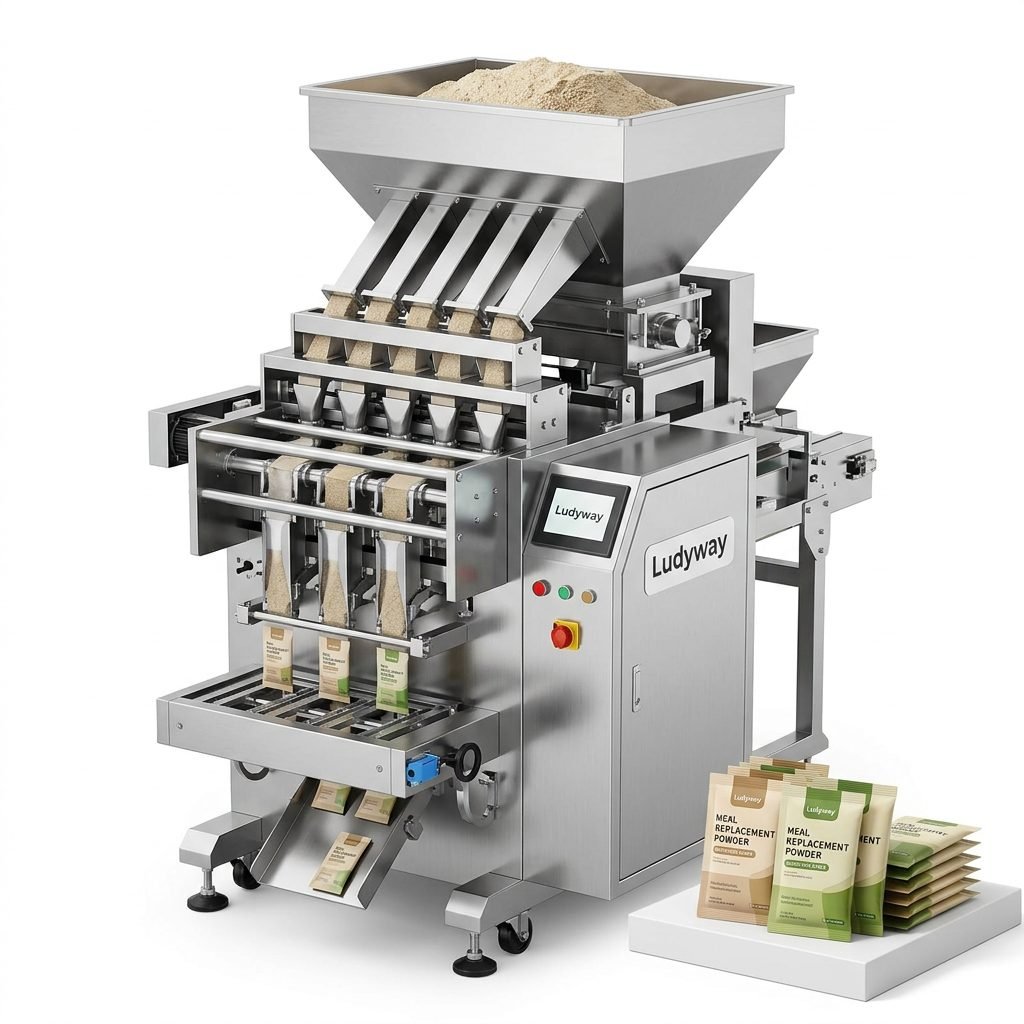
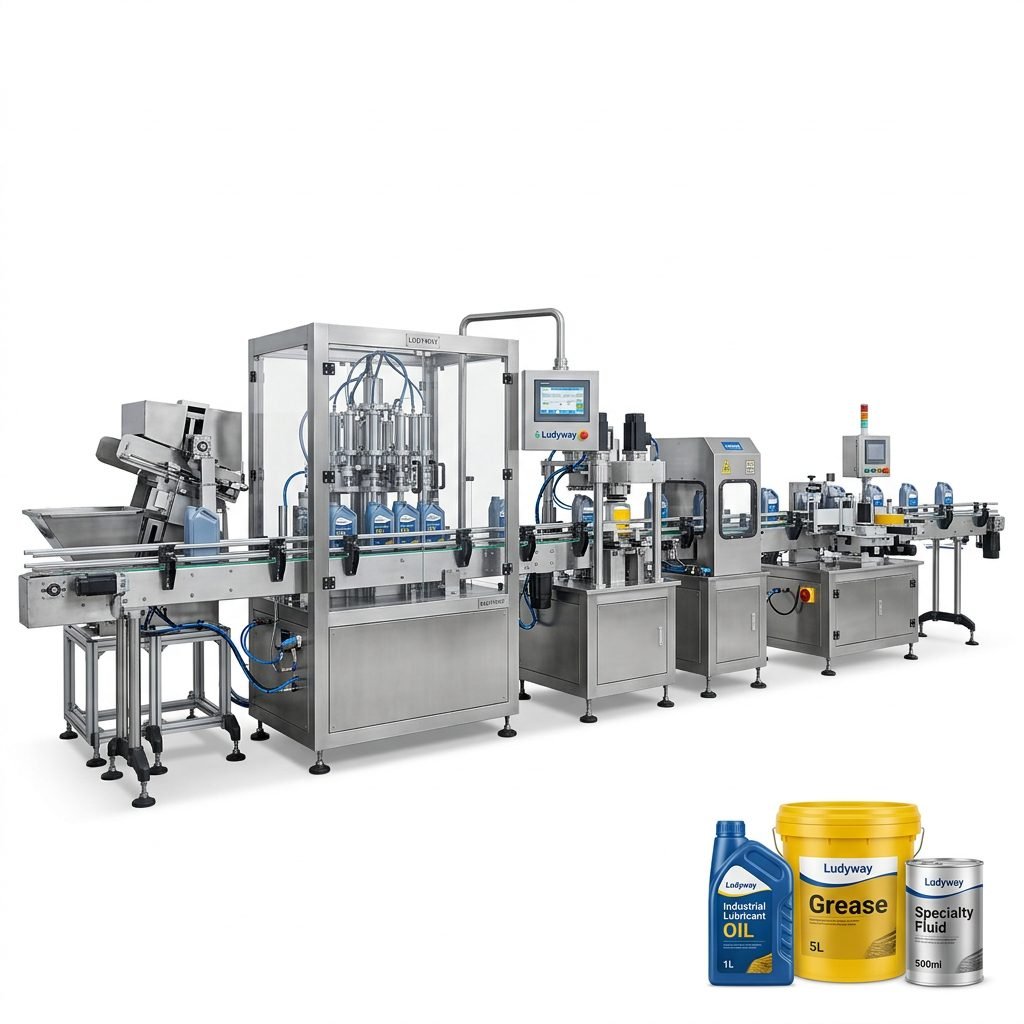
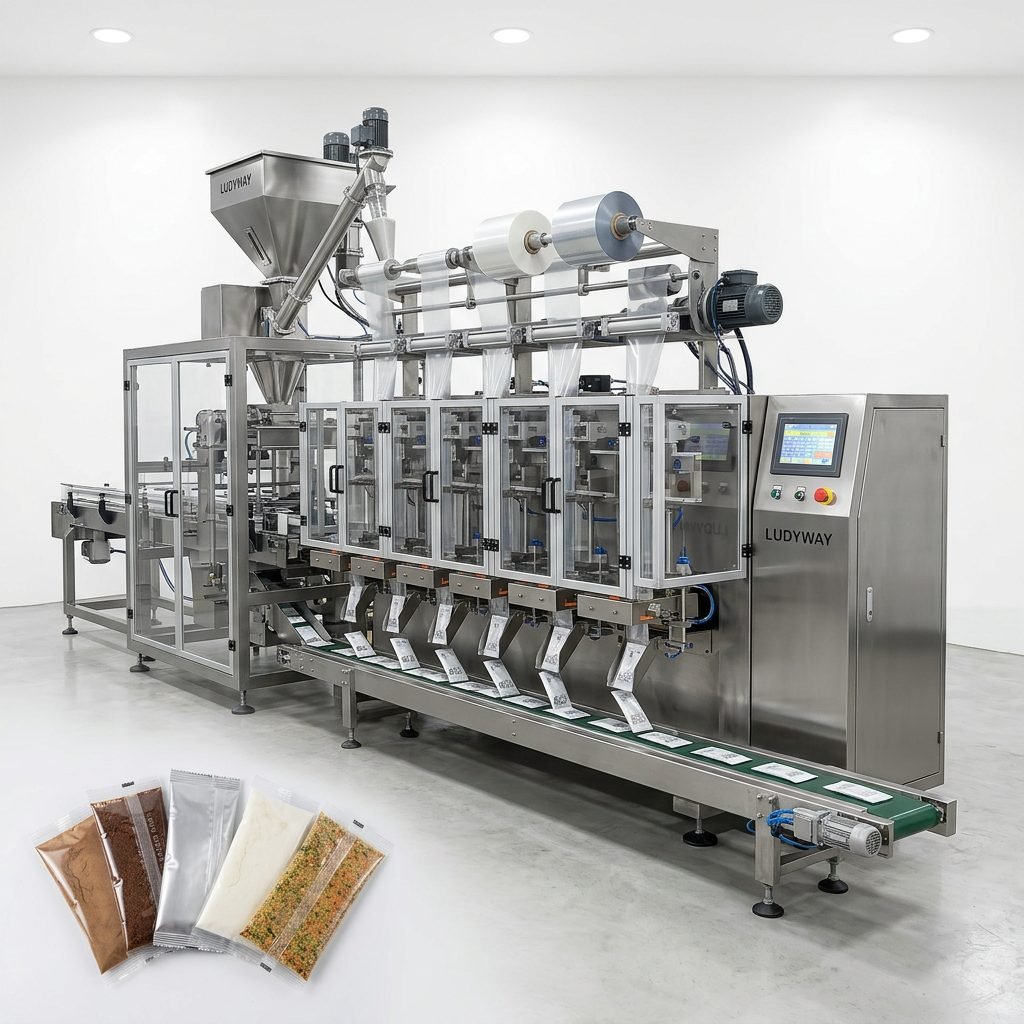
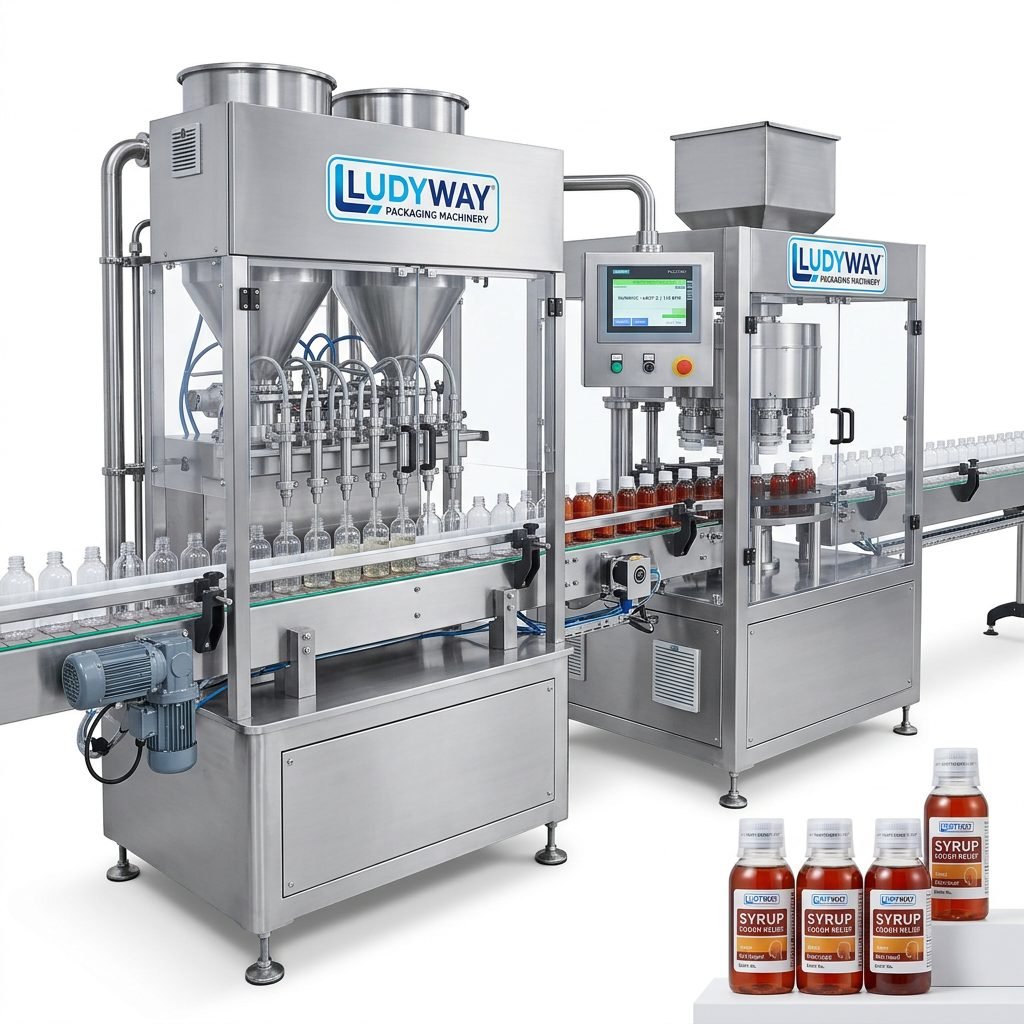
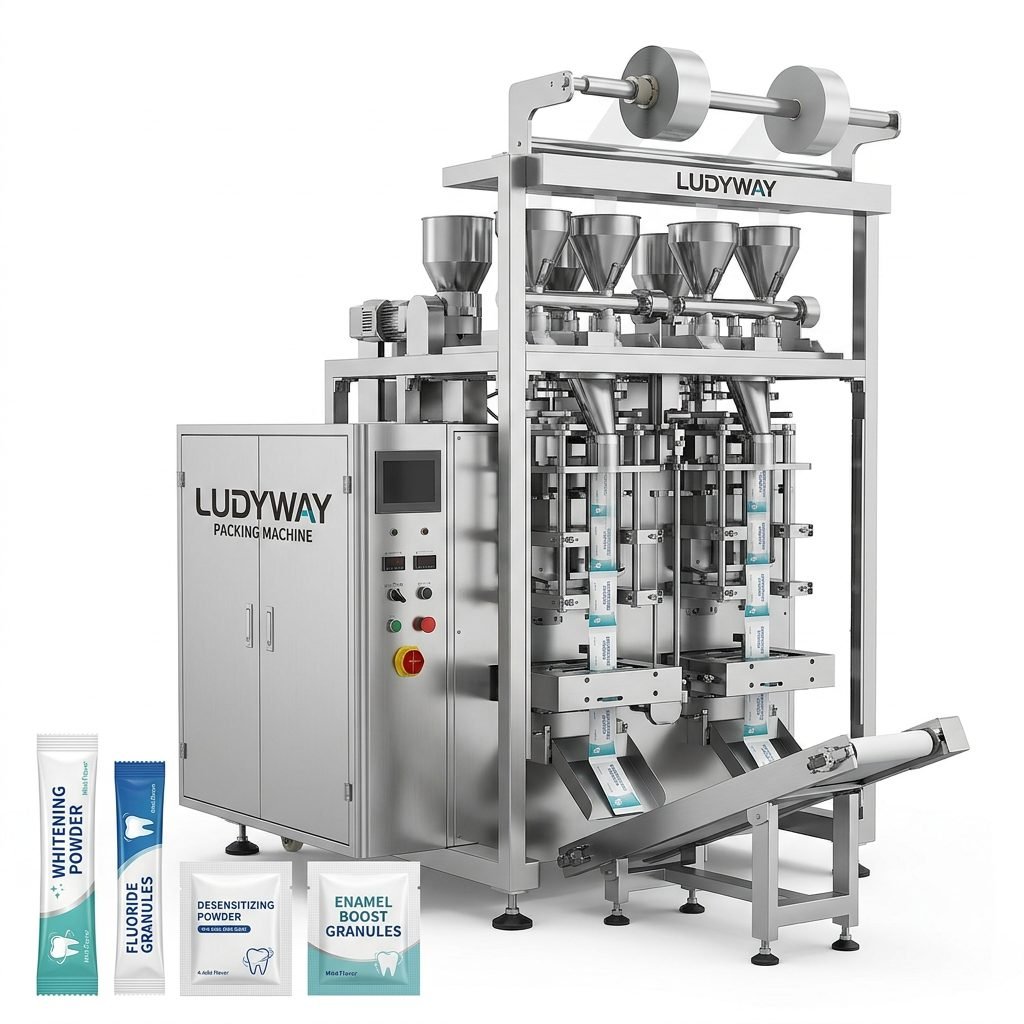
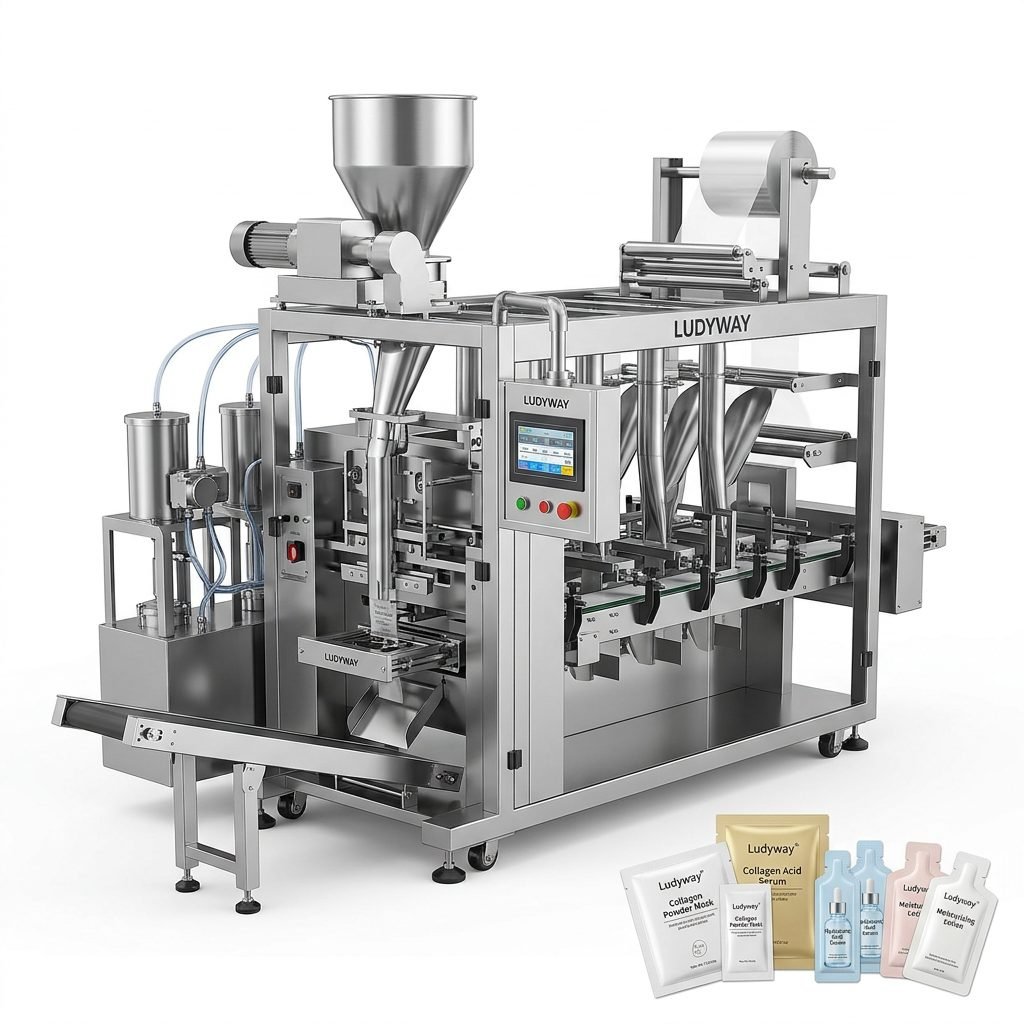
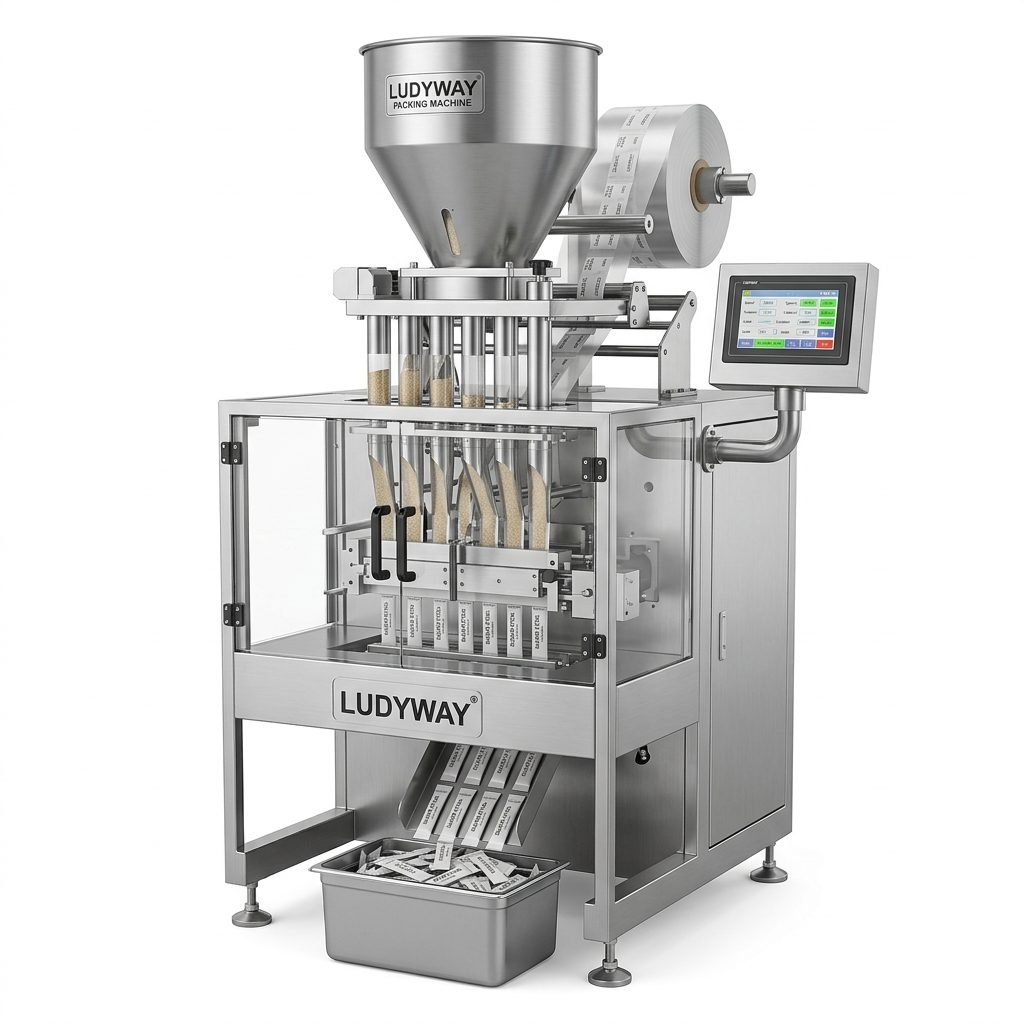
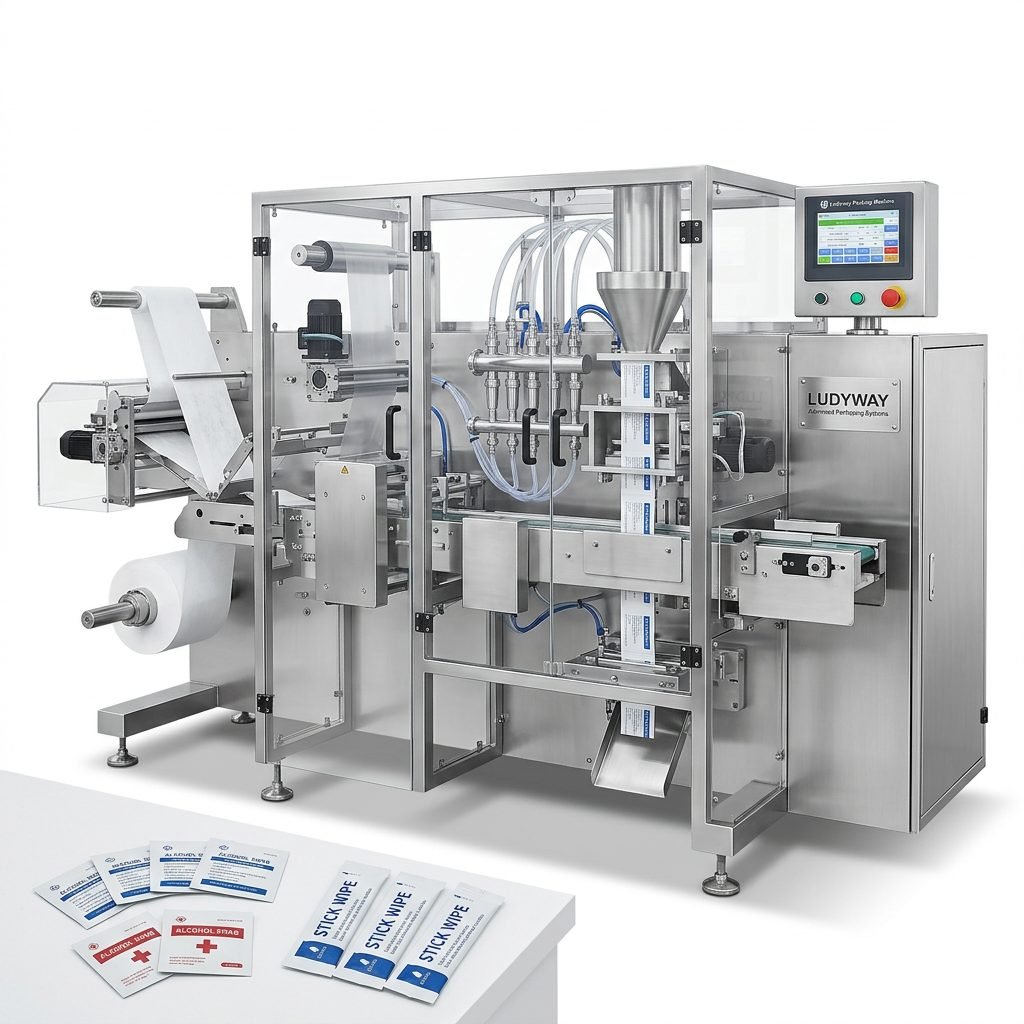
Manufacturers looking for connected machinery and turnkey automation often review suppliers with deep experience in multi-format packaging lines, such as packaging machine manufacturer Ludyway, especially for food, pharmaceutical, supplement, cosmetic, and related packaging applications.
What to Ask a Packaging Machine Supplier Before Buying
- Which communication protocols does the machine support?
- Can the machine exchange data with ERP, MES, or SCADA platforms?
- What production data can be logged and exported?
- Does the HMI support recipe, batch, and order management?
- Can the supplier assist with third-party software integration?
- Is remote diagnostics available?
- How are cybersecurity and user permissions handled?
- Can the solution scale into a full turnkey packaging line?
Final Perspective for Manufacturers
Packaging machine ERP integration is no longer just an advanced feature for large factories. It is becoming a standard requirement for manufacturers that need stronger traceability, tighter inventory control, and faster production decisions.
If your packaging operation still depends on manual reporting and disconnected equipment, integration can deliver measurable value. The best results come from choosing machines with open connectivity, setting clear data objectives, and treating packaging as part of a wider digital manufacturing strategy.
In short: yes, packaging machines can integrate with ERP systems, and when done correctly, the result is a smarter, more visible, and more scalable production environment.