Industry outlook: Packaging automation is moving from a productivity upgrade to a strategic manufacturing requirement, and 2026 is widely expected to mark a major acceleration point.
Across food, pharmaceutical, personal care, chemical, and health supplement industries, manufacturers are facing the same pressure: produce faster, maintain tighter quality control, reduce labor dependency, and respond to shorter product cycles. In that environment, packaging automation technology is no longer viewed as a back-end function. It is becoming a core driver of factory competitiveness.
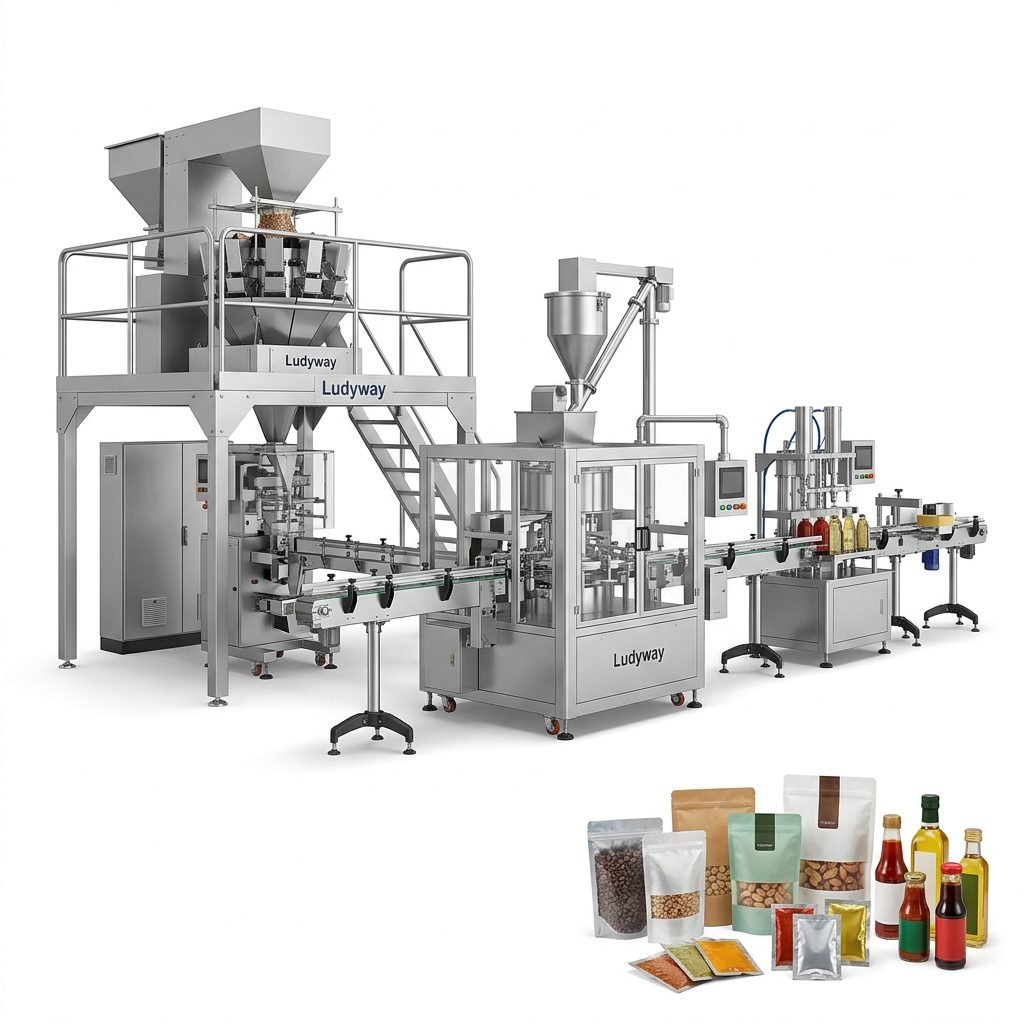
Why 2026 Could Be a Turning Point
Several trends are converging at once. Global manufacturers are investing in intelligent machinery, digital monitoring, flexible production layouts, and integrated packaging lines that can handle multiple product types with fewer manual interventions. At the same time, rising compliance expectations and cost pressures are pushing companies to modernize packaging operations sooner rather than later.
By 2026, automated packaging systems are expected to play a more central role in overall plant design, not just in final product handling. This shift is especially visible in sectors where accuracy, hygiene, traceability, and output stability are critical.
- Labor optimization: automated filling, sealing, cartoning, labeling, and palletizing reduce repetitive manual work.
- Consistency improvement: machine-controlled dosing and sealing deliver more stable packaging quality.
- Faster changeovers: modern systems support multi-format and multi-SKU production.
- Data-driven management: equipment increasingly supports monitoring, diagnostics, and production analytics.
- Scalability: automation makes it easier to expand output without proportionally increasing labor costs.
Packaging Automation Is Expanding Beyond Speed
Traditionally, many companies measured packaging equipment mainly by line speed. That standard still matters, but in 2026 the decision criteria are broader. Buyers now focus on integration capability, maintenance efficiency, packaging precision, material compatibility, and whether the system can connect with upstream and downstream processes.
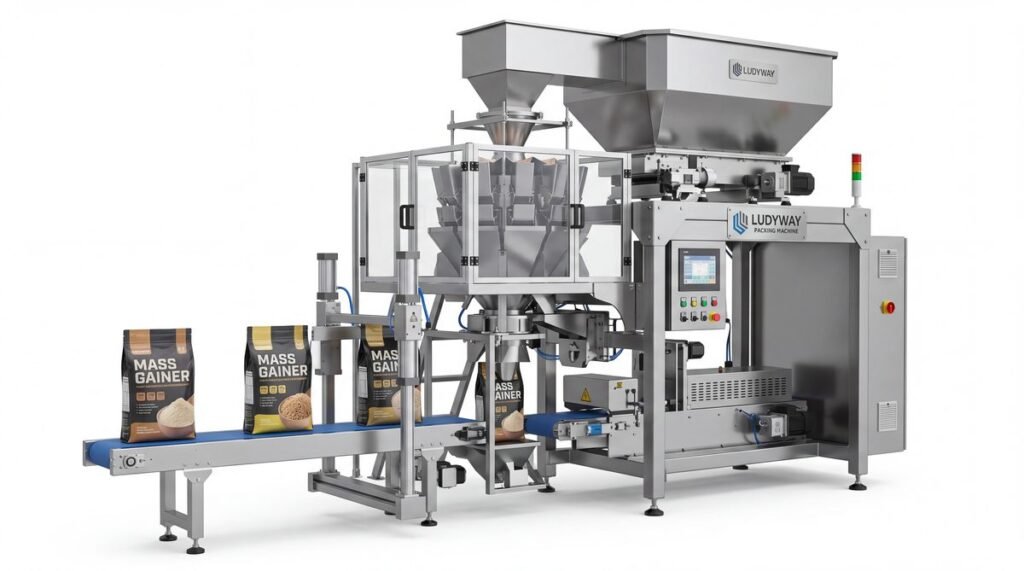
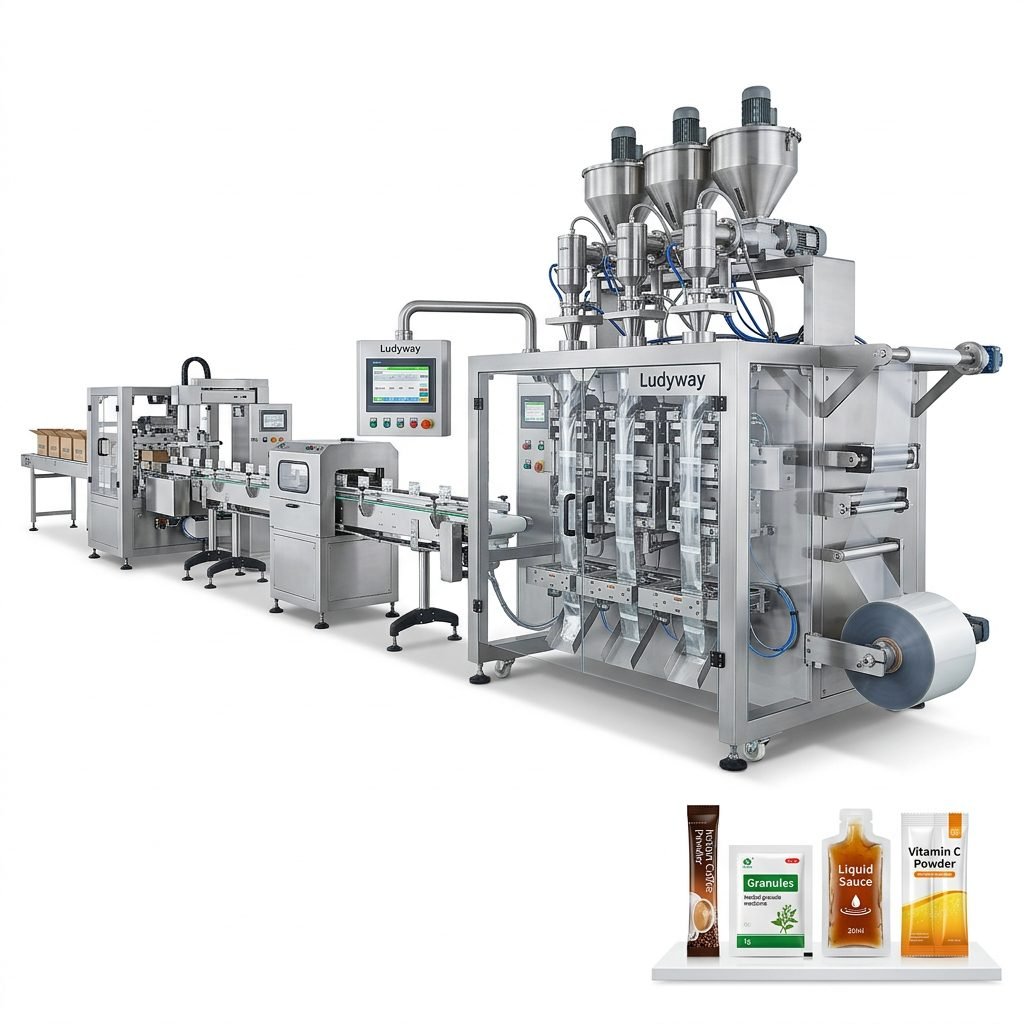
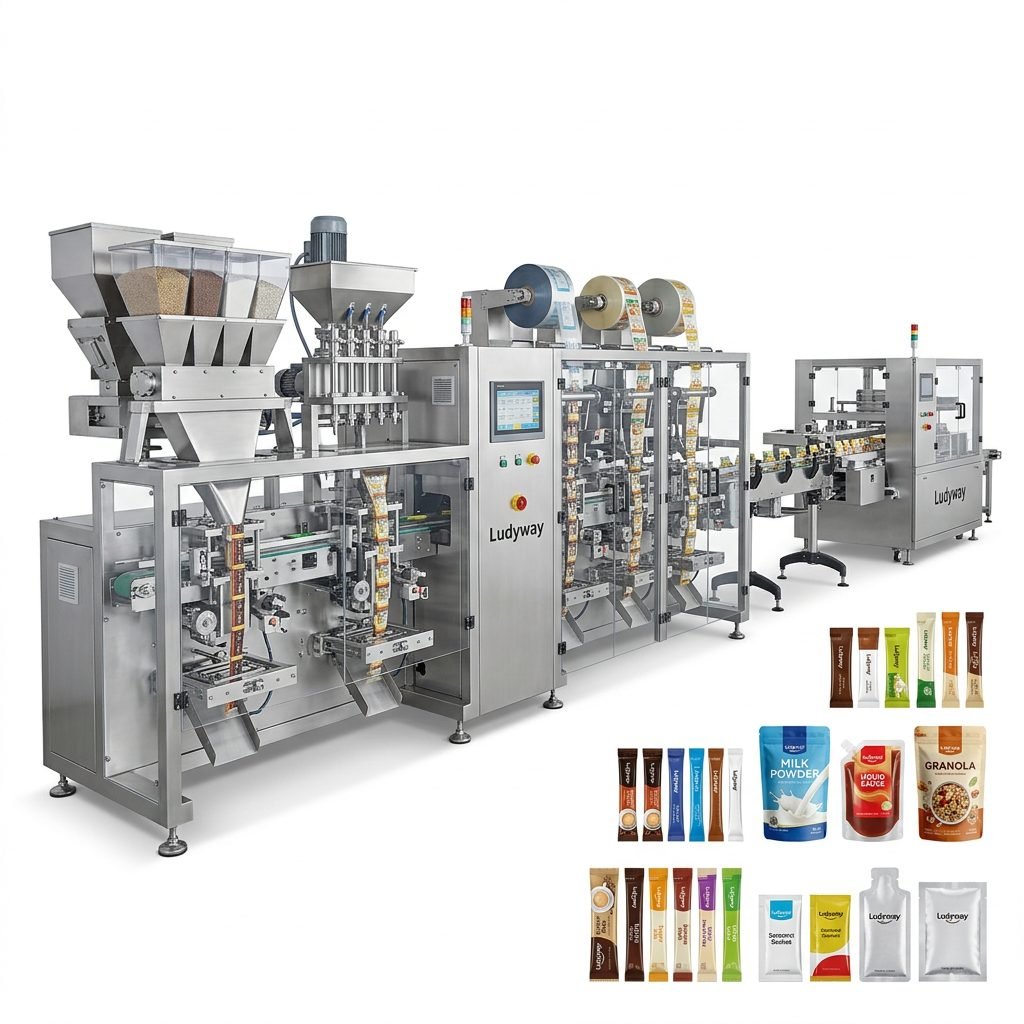
Manufacturers are increasingly choosing turnkey packaging lines rather than isolated machines. This allows them to unify feeding, weighing, filling, sealing, inspection, coding, labeling, cartoning, and end-of-line handling into one coordinated system.
What modern buyers are prioritizing
- Flexible machine architecture for powders, granules, liquids, and pastes
- Reduced downtime through stable mechanical and electrical design
- Compliance support for food-grade and pharmaceutical applications
- Lower material waste during filling and sealing
- Remote support and long-term technical service availability
Key Industries Leading the Shift
Demand is growing across a wide range of sectors, but a few industries are shaping the next wave of investment most strongly.
| Industry | Main Automation Drivers | Typical Equipment Focus |
|---|---|---|
| Food & Beverage | High volume demand, hygiene, shelf-life protection, format diversity | Sachet, stick pack, pouch, vertical packing, checkweighing |
| Pharmaceutical | Precision dosing, validation, traceability, compliance | Powder filling, blister systems, stick pack, inspection, coding |
| Health Supplements | Small-dose accuracy, multi-SKU flexibility, branding speed | Multi-lane sachet and stick pack machines, turnkey lines |
| Cosmetics & Personal Care | Convenience packaging growth, product consistency, premium presentation | Liquid and cream filling, tube filling, sachet packaging |
| Chemical & Daily Use Products | Safer handling, corrosion-resistant solutions, efficient bulk packaging | Granule, powder, and liquid packaging systems |
Technology Trends Reshaping Packaging Lines
The strongest momentum in 2026 will likely come from systems that combine automation with intelligence. Manufacturers are not only automating movement; they are also improving machine decision-making, visibility, and line-level coordination.
1. Multi-lane efficiency
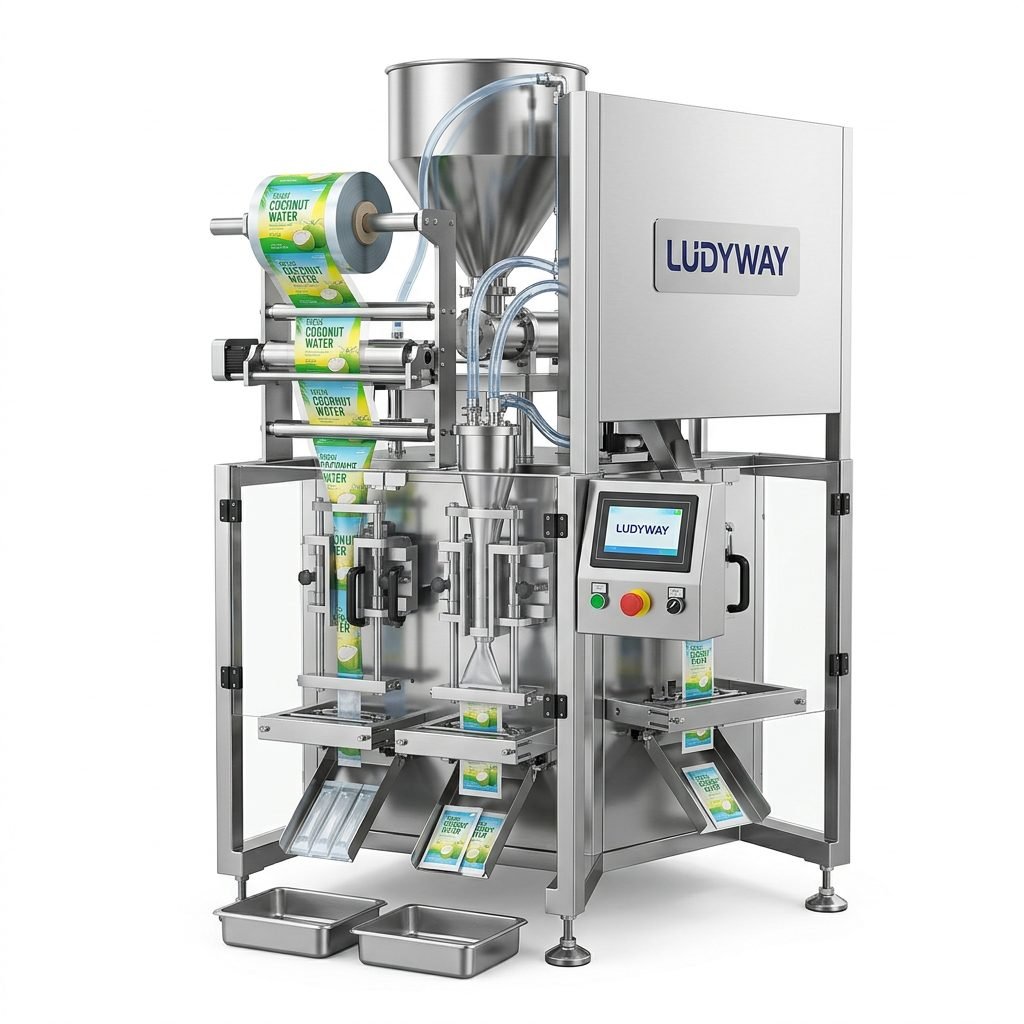
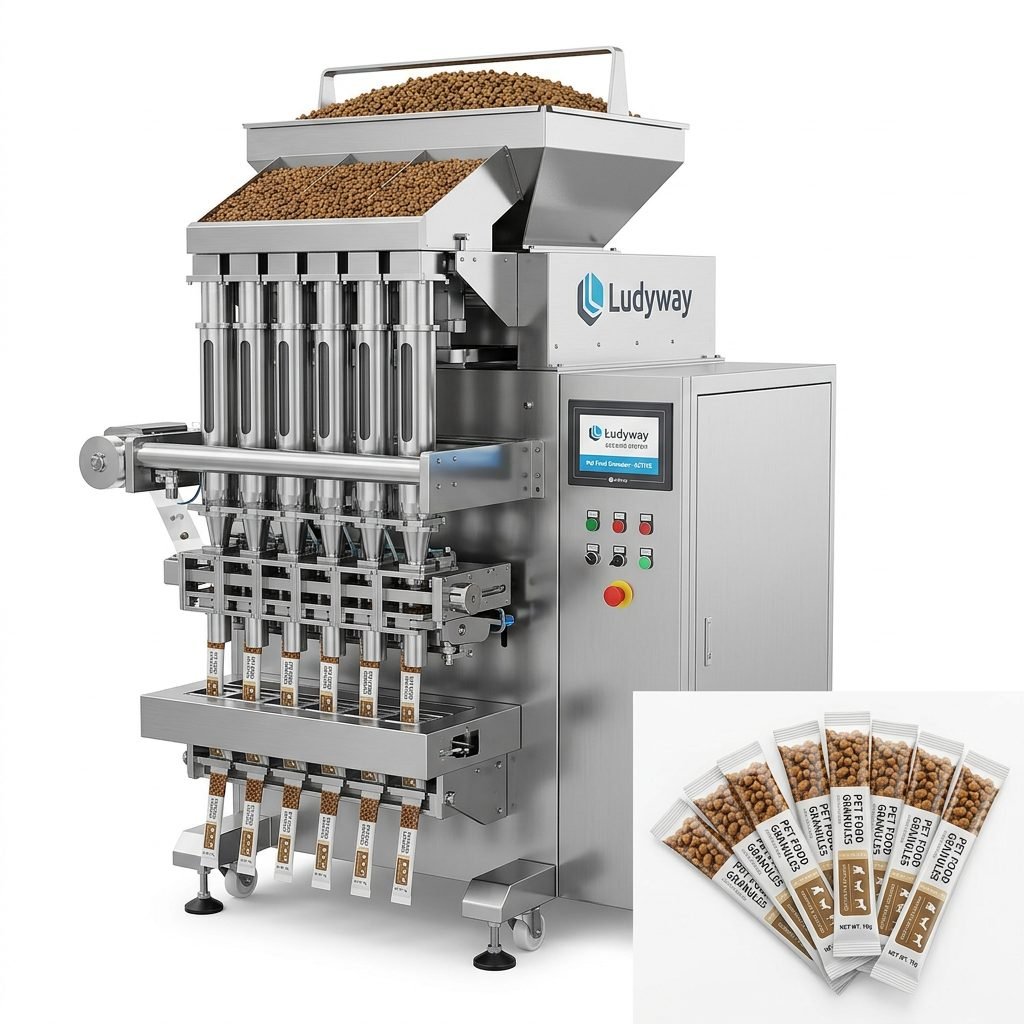
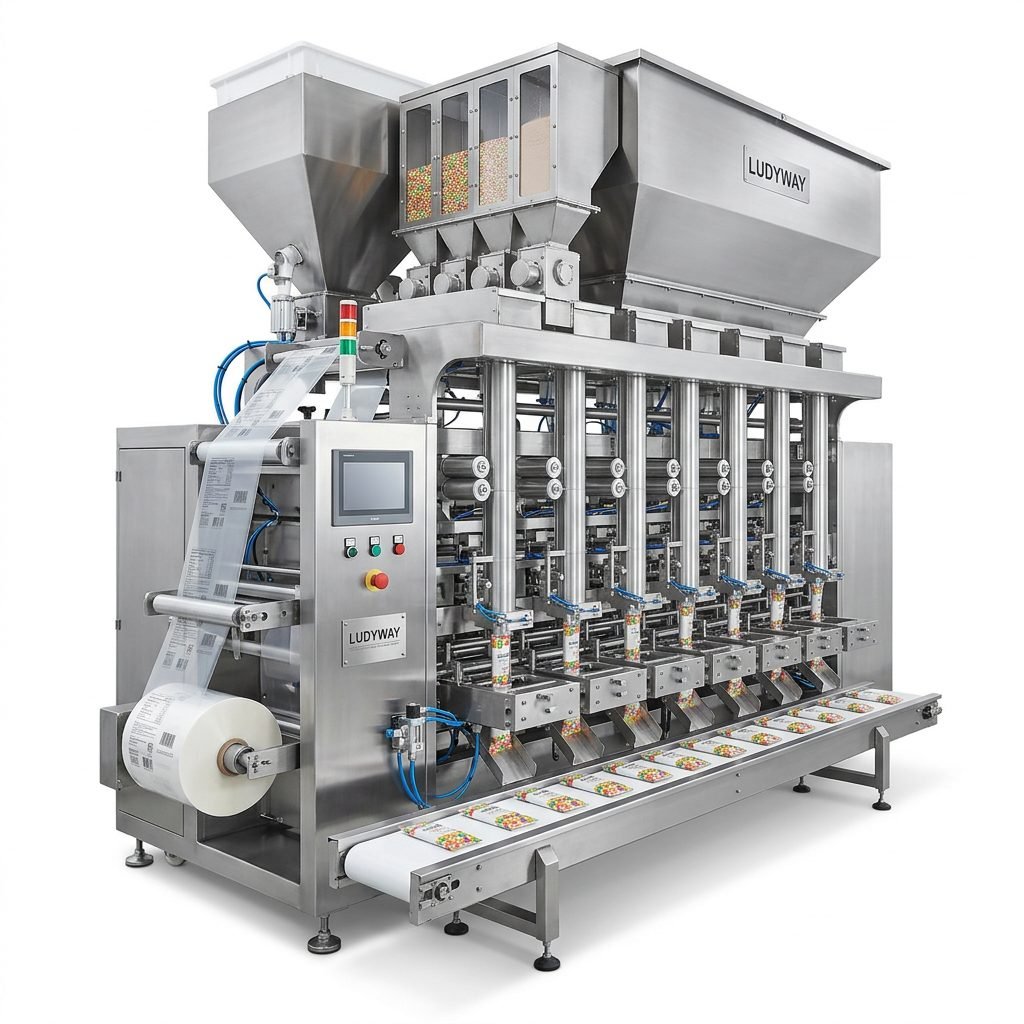
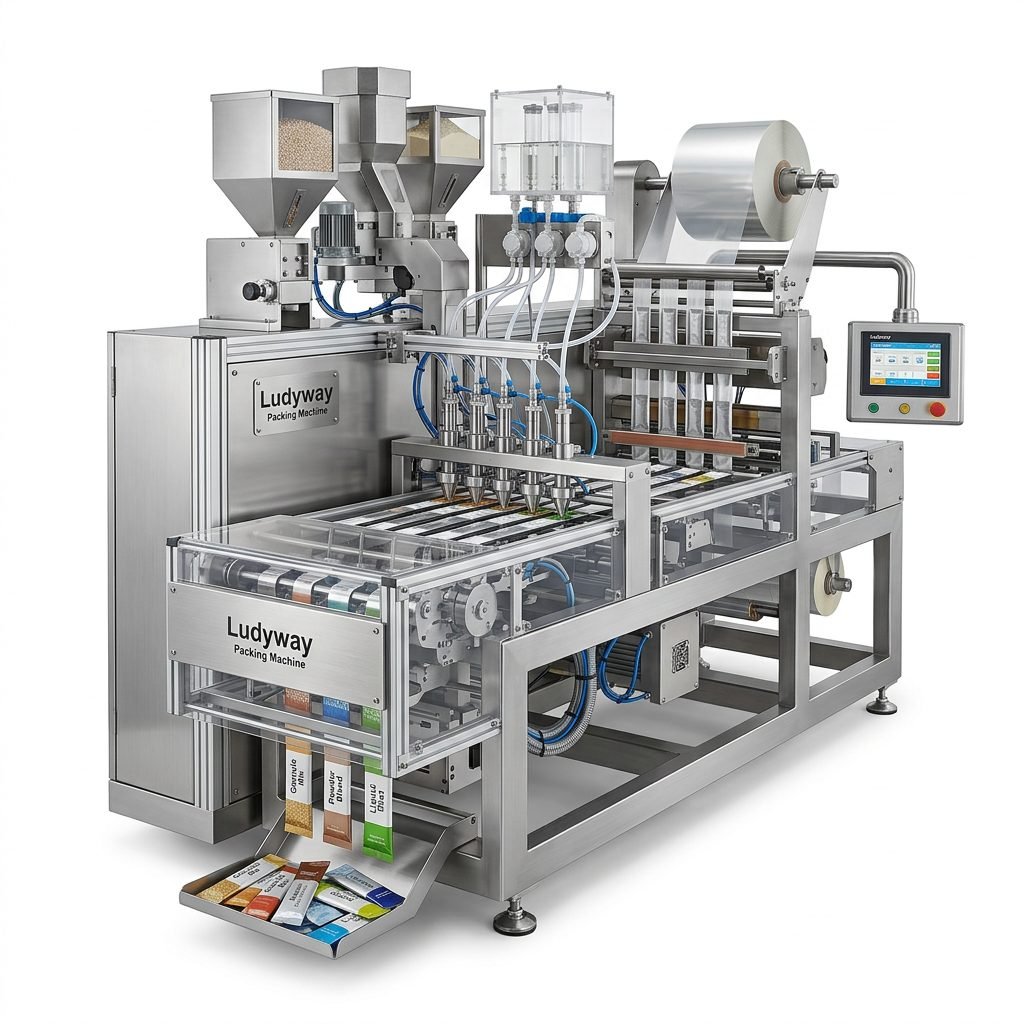
Multi-lane packaging solutions are gaining traction in applications such as nutraceutical powders, instant drinks, pharmaceuticals, sweeteners, and personal care samples. These systems help manufacturers significantly increase output without multiplying floor space requirements.
2. Turnkey integration
Buyers increasingly prefer one supplier capable of delivering the full line, from dosing and filling to final case handling. This reduces integration risk and shortens deployment cycles.
3. Smart inspection and traceability
Metal detection, checkweighing, coding, vision inspection, and batch control are becoming more standard, especially in regulated industries.
4. Flexible packaging compatibility
As brands launch more sample packs, travel-size formats, and single-dose products, machinery must support sachets, stick packs, pouches, bottles, tubes, and cartons with efficient changeover.
5. End-of-line automation
Cartoning, case packing, wrapping, and palletizing are receiving greater investment because factories want smoother line balancing and reduced bottlenecks after primary packaging.
Business Impact on Manufacturers
For plant managers and investors, the value of packaging automation in 2026 will be measured in more than throughput. A well-designed system can improve production planning, support export quality requirements, reduce operator error, and protect margins in volatile markets.
Most importantly, packaging automation is becoming a direct contributor to manufacturing resilience.
- It helps factories respond faster to labor shortages.
- It supports stable output across multiple shifts.
- It improves repeatability for global distribution standards.
- It creates a better foundation for future smart factory upgrades.
Supplier Capability Will Matter More Than Ever
As demand rises, buyers are becoming more selective about machinery partners. Companies now look for suppliers with proven export experience, broad application knowledge, customization ability, and a clear track record in integrated packaging lines.
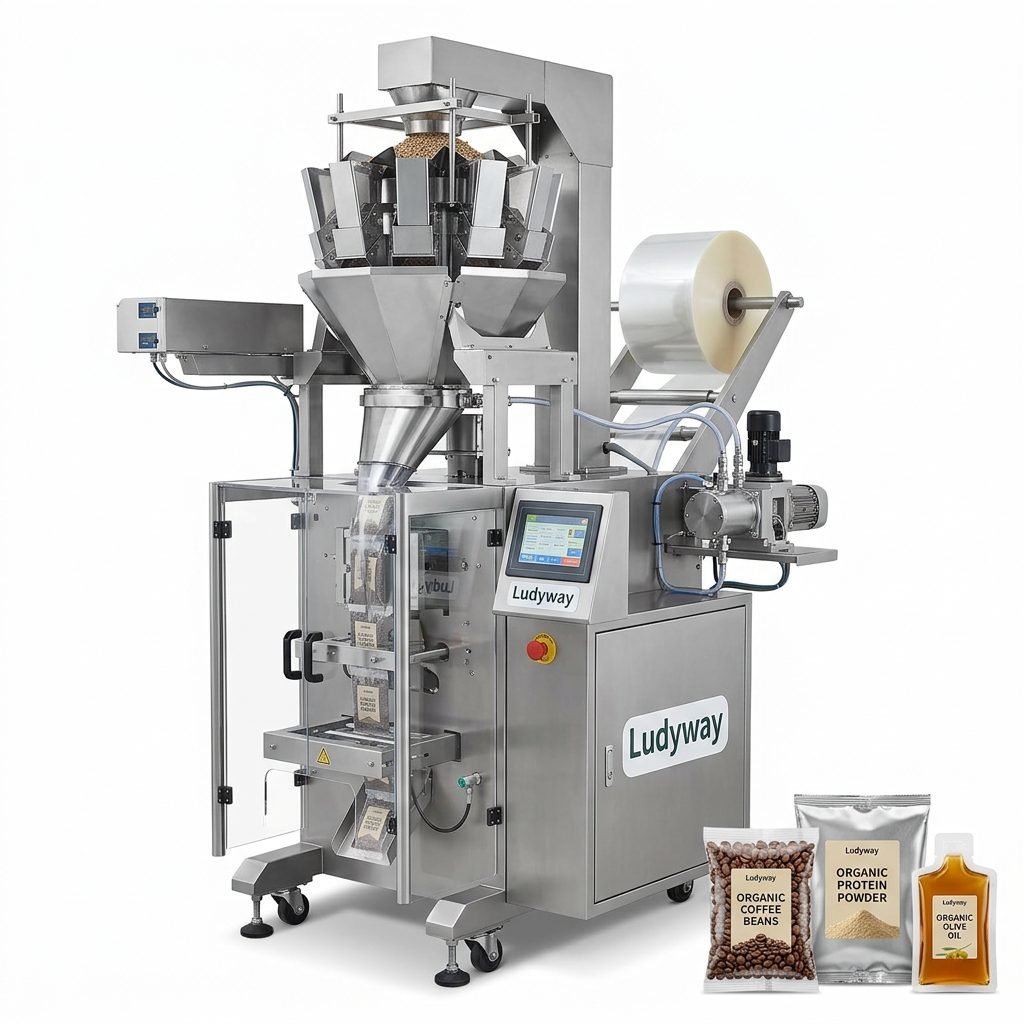
Among the manufacturers drawing attention in this space is Ludyway packaging machine manufacturer, a China-based supplier recognized for packaging machinery and turnkey packaging line solutions across food, pharmaceutical, health supplement, cosmetic, chemical, and related industries. With more than 30 years of experience, a manufacturing facility of over 20,000 square meters, and service coverage across more than 100 countries and regions, the company reflects the growing importance of experienced, export-oriented automation partners in the 2026 market.
| Supplier Evaluation Factor | Why It Matters in 2026 |
|---|---|
| Industry experience | Reduces project risk and improves application matching |
| Turnkey line capability | Supports smoother integration from feeding to palletizing |
| Customization range | Essential for multi-product and multi-format manufacturers |
| Global service support | Improves installation, training, maintenance, and uptime |
| Product portfolio breadth | Enables long-term scaling without changing supplier ecosystems |
What to Expect Next
The next stage of competition in manufacturing will not depend only on what a company produces, but also on how efficiently and consistently it packages, verifies, and delivers that product. This is why packaging automation technology is set to become a core driver of manufacturing in 2026.
Factories that invest early in scalable, intelligent, and integrated packaging systems are likely to gain advantages in cost control, compliance readiness, delivery speed, and market responsiveness. For many sectors, packaging automation is no longer optional modernization. It is becoming a central pillar of industrial growth.