The Italian food processing sector has seen remarkable growth in nut-based products, with peanut butter consumption rising over 18% annually since 2022. Whether you are a startup or an established brand, setting up a dedicated peanut butter packaging machine production line in Italy requires careful planning around equipment selection, regulatory compliance, and budget allocation. This guide covers everything you need to know to launch a successful operation.
Understanding the Italian Peanut Butter Market Landscape
Italy imports approximately 65% of its peanut-based products from within the EU and international suppliers. Local production facilities are increasingly investing in automated packaging lines to serve domestic supermarkets, specialty health stores, and export markets across Europe. The demand for single-serve sachets, stick packs, and family-sized jars continues to grow, making versatile packaging machinery a critical investment.
Core Equipment for a Peanut Butter Packaging Line
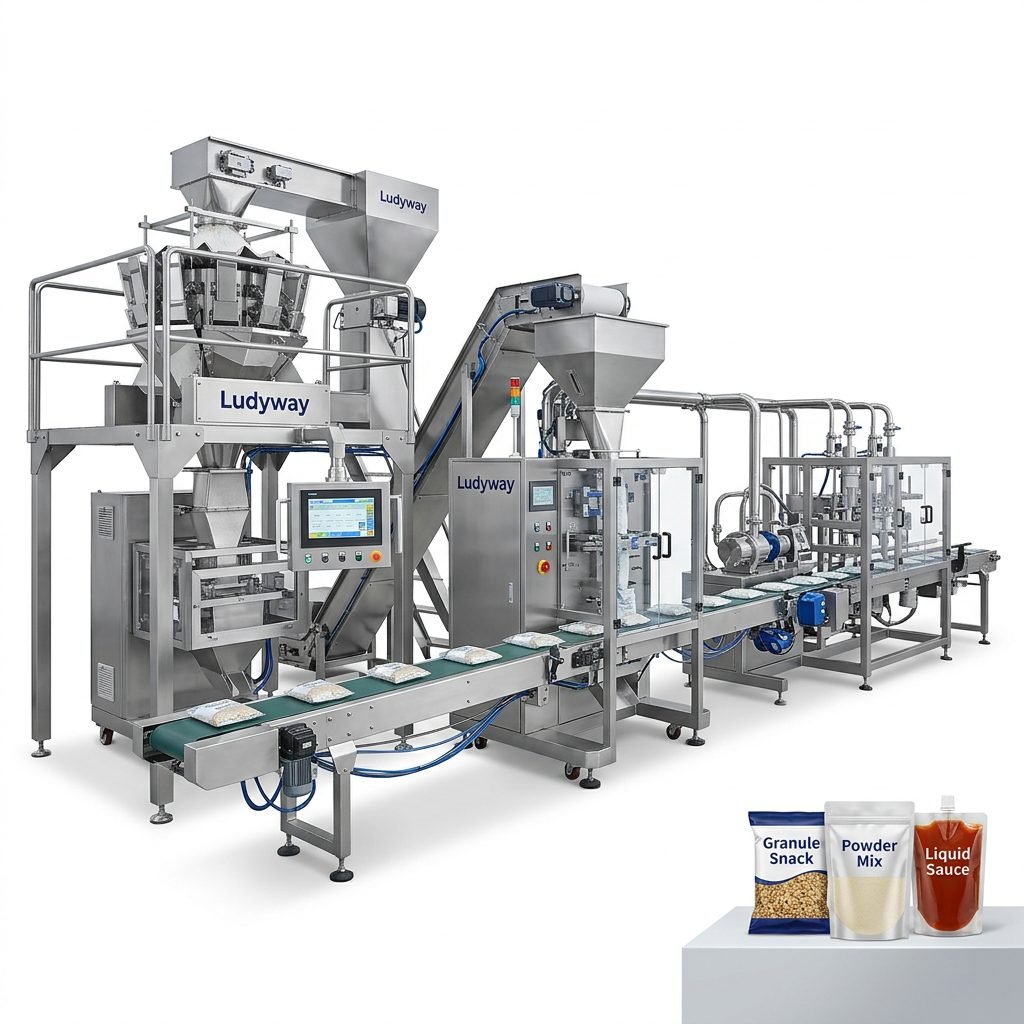
A fully integrated production line typically includes the following machinery modules. Depending on your target output—ranging from 30 to 120 packs per minute—you may select multi-lane configurations for higher throughput.
Filling and Sealing Systems
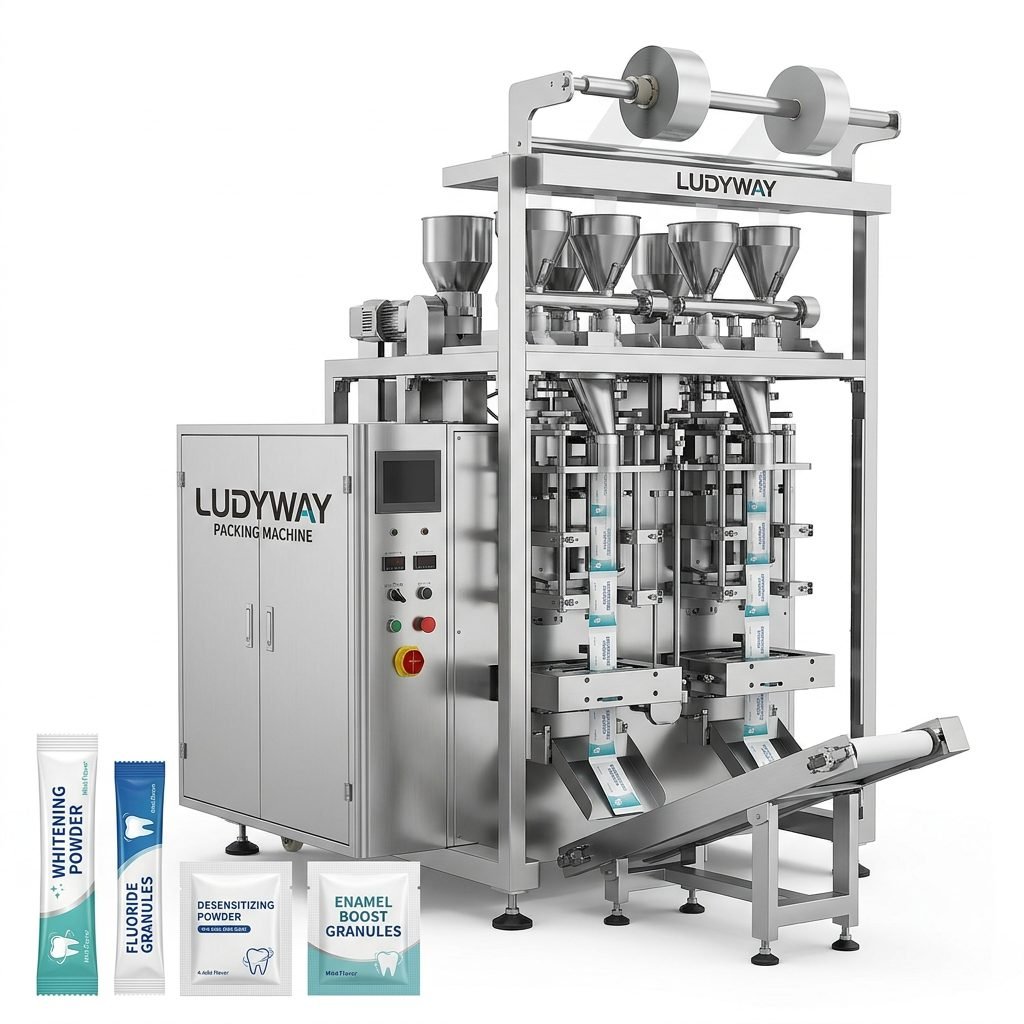
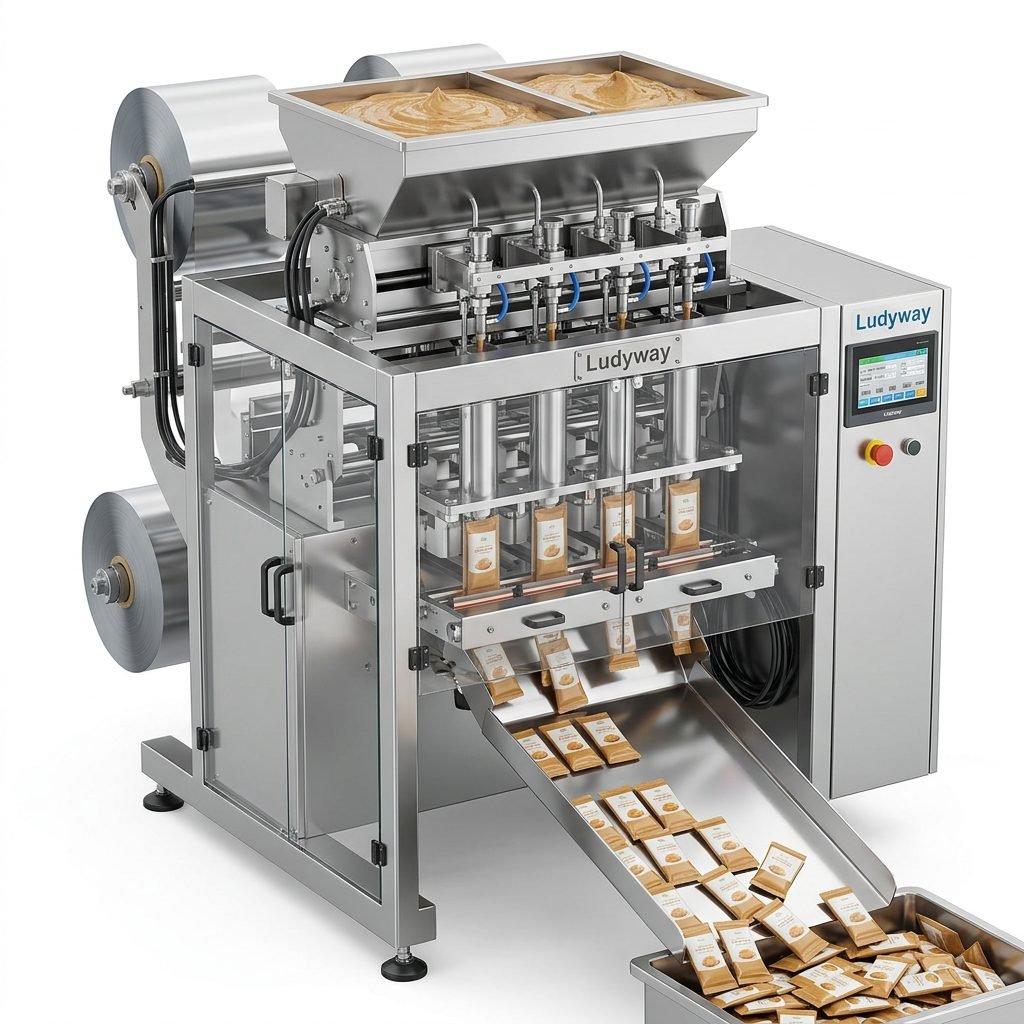
The heart of any peanut butter packaging line is the filling and sealing machine. Peanut butter presents unique challenges due to its viscous, semi-solid consistency that can vary with temperature and formulation (smooth vs. crunchy). Look for equipment with:
- Piston fillers or gear pump dosing systems for accurate portion control
- Heated hoppers to maintain optimal product flow
- Anti-drip nozzles to minimize product waste
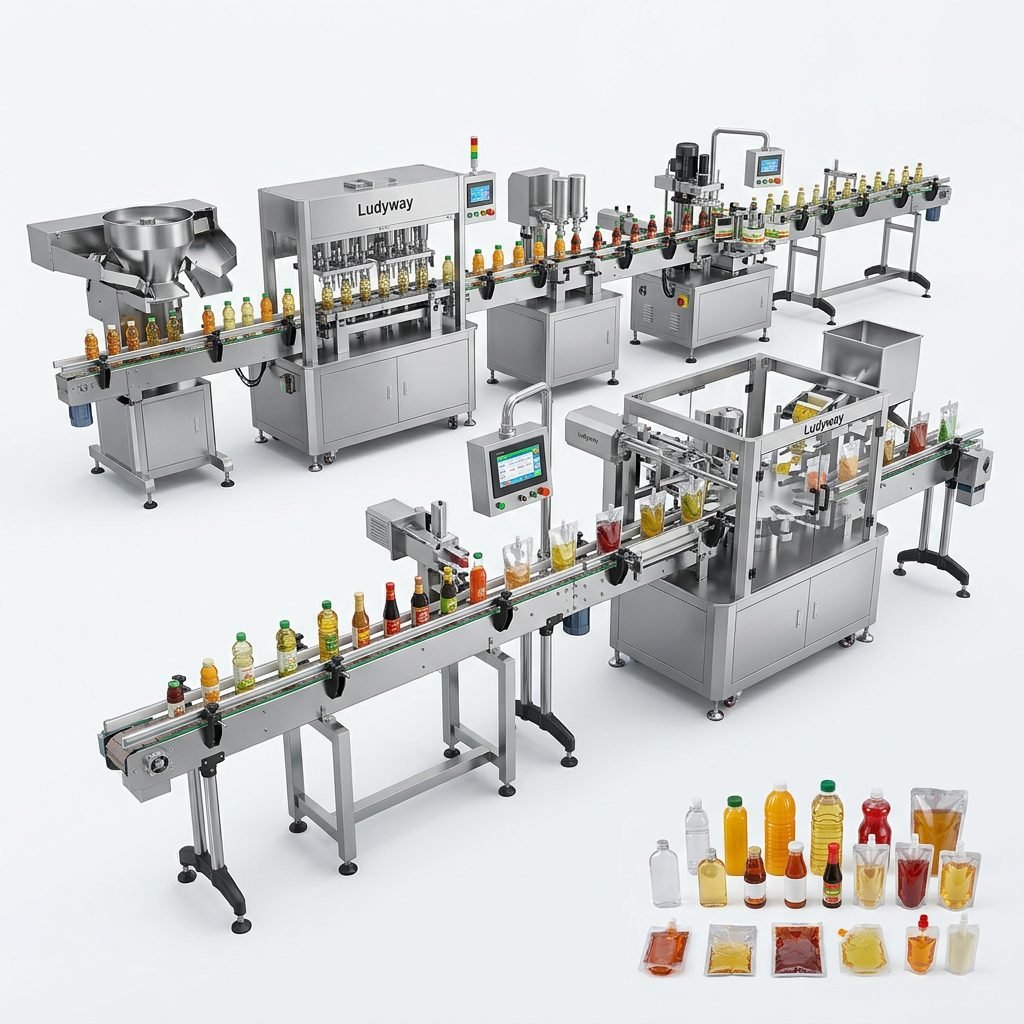
- Compatibility with multiple packaging formats: sachets, stick packs, pouches, and jars
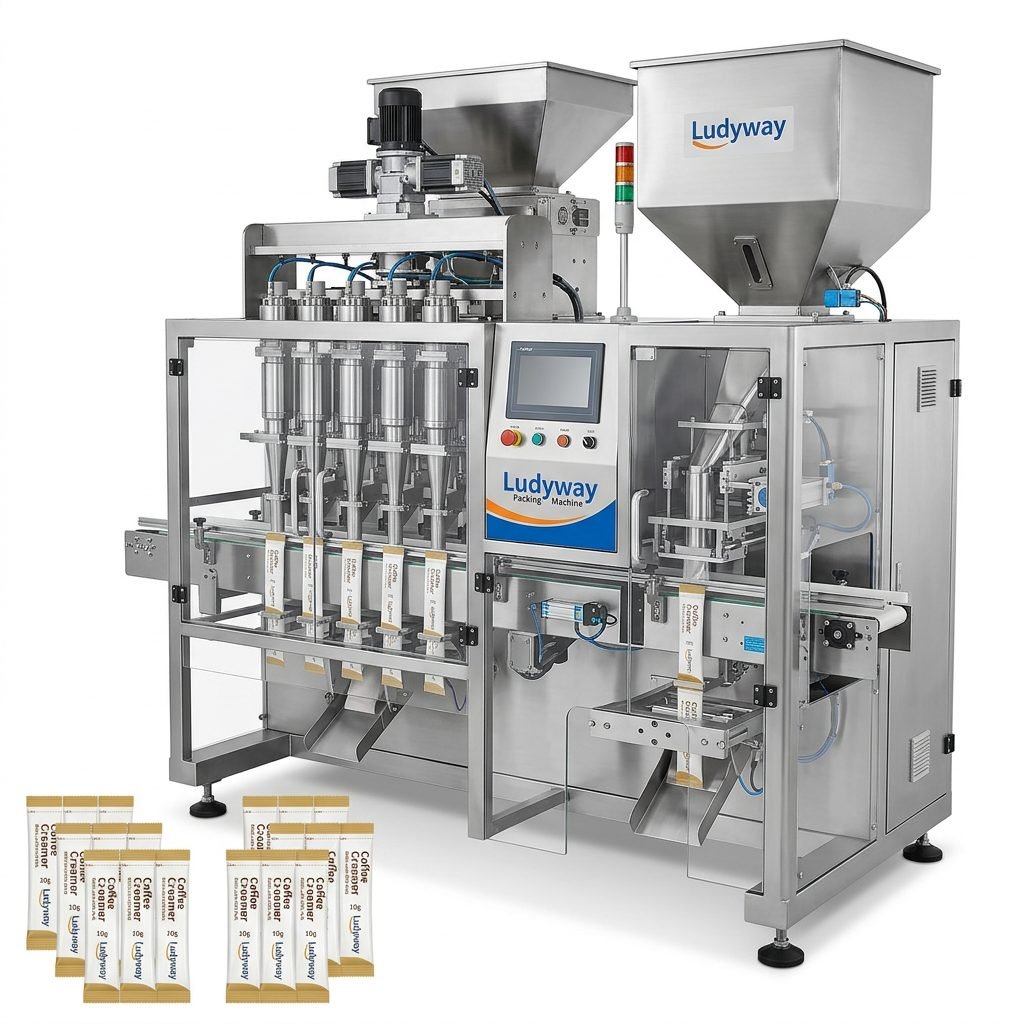
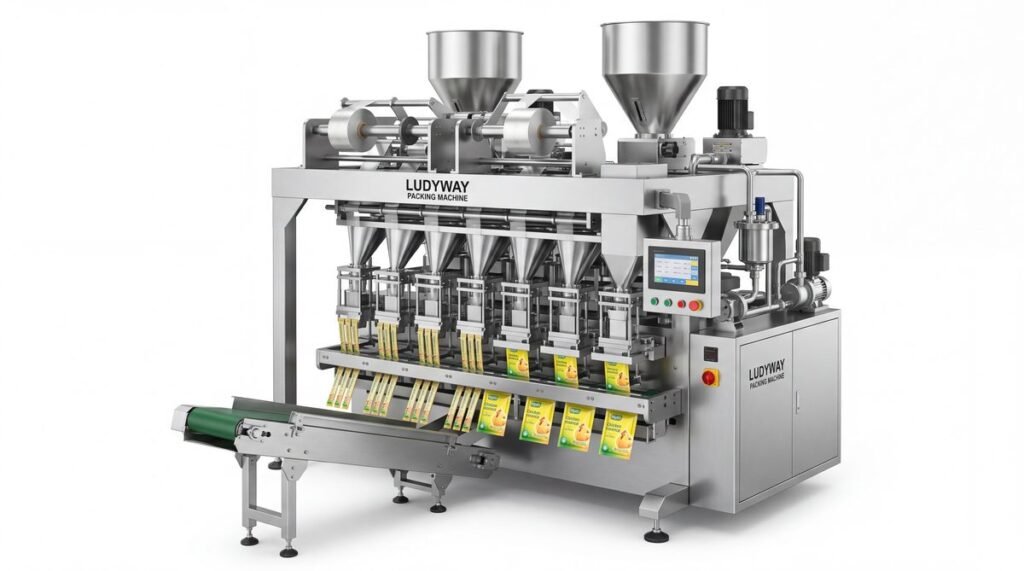
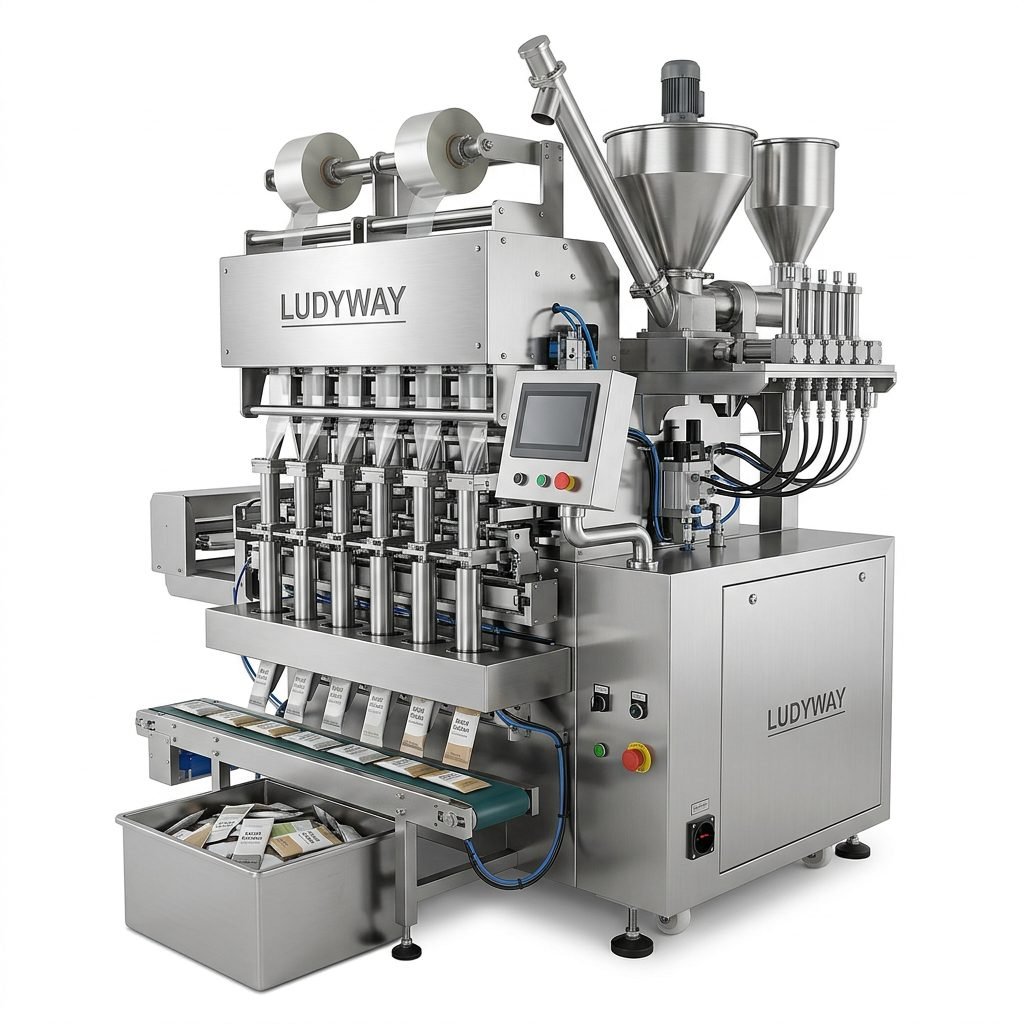
Multi-Lane Stick Pack and Sachet Machines
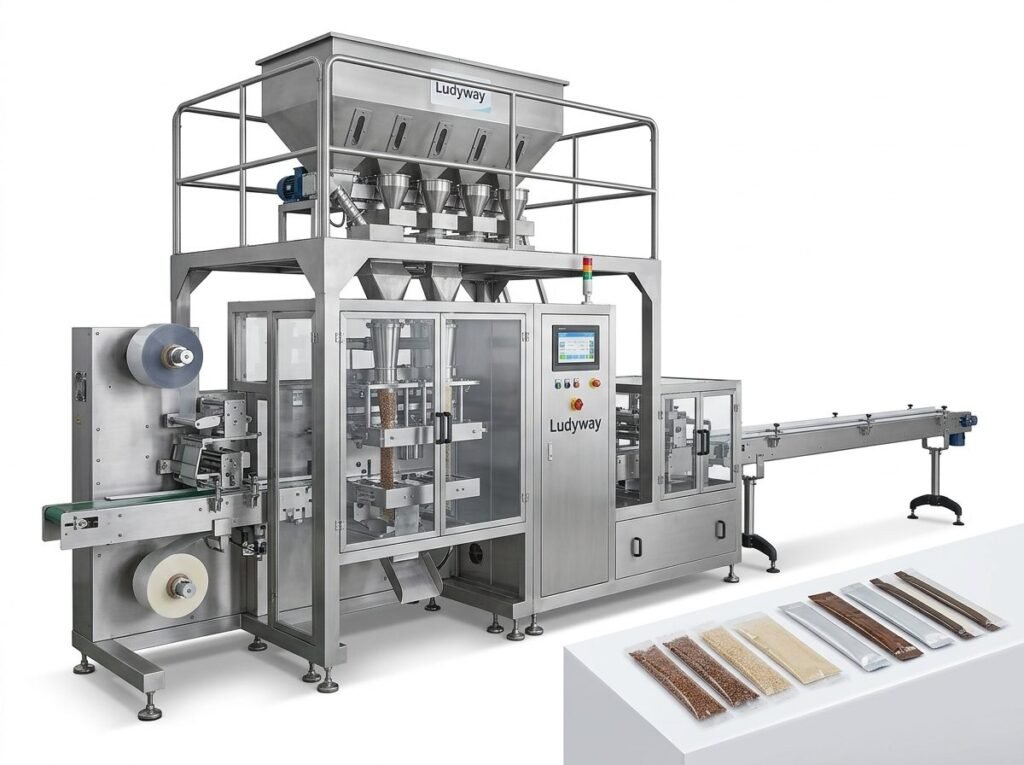
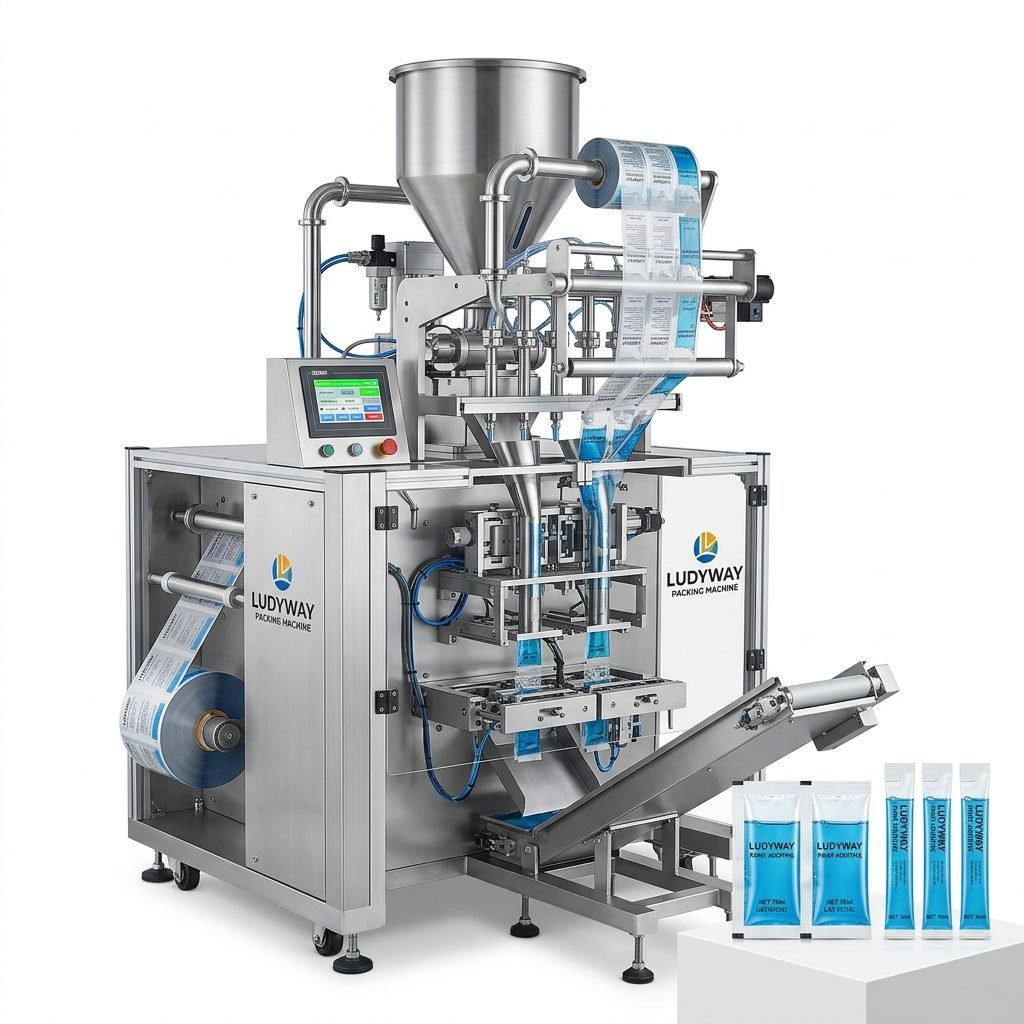
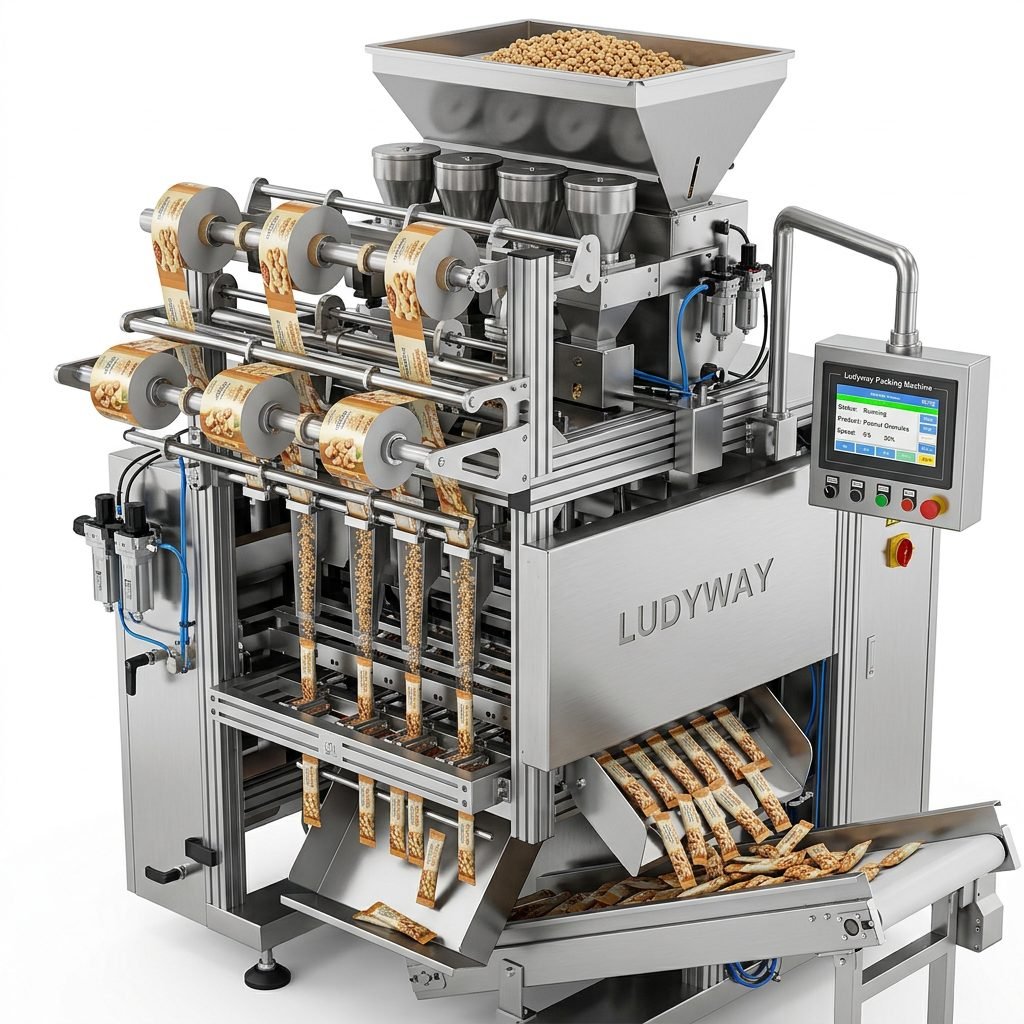
For single-serving peanut butter portions—popular in Italian cafes, hotels, and airline catering—multi-lane stick pack machines offer unmatched efficiency. A 10-lane or 12-lane configuration can produce up to 600-800 sachets per minute, significantly reducing per-unit packaging costs. These systems are ideal for portion packs ranging from 10g to 50g.
Ancillary Equipment
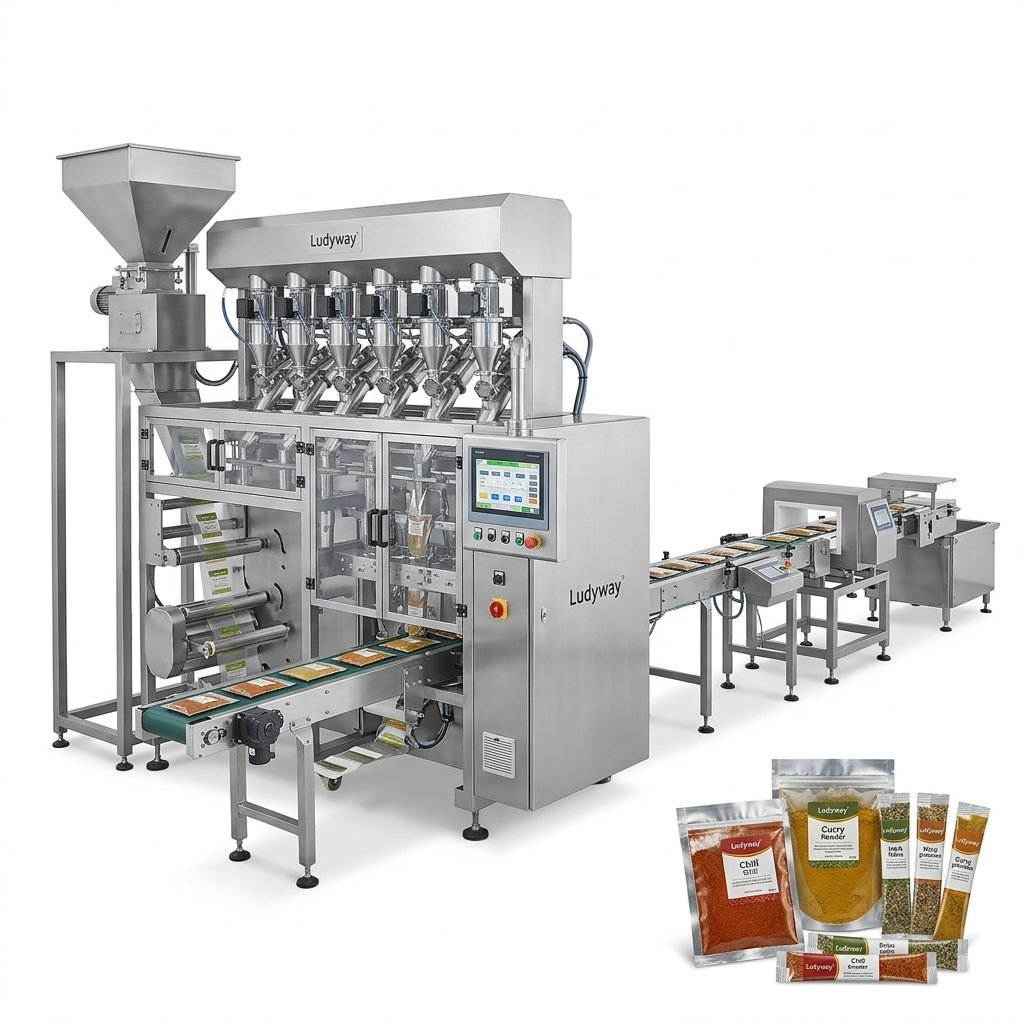
- Conveying systems: Inclined belt conveyors or bucket elevators for feeding raw peanuts or finished product
- Checkweighers: High-precision dynamic scales to ensure regulatory weight compliance under EU packaging directives
- Metal detectors: Essential for food safety and HACCP compliance in Italian facilities
- Date coding and labeling machines: Thermal transfer printers or inkjet coders for batch traceability
- Cartoning and case packing systems: Automated end-of-line packaging for retail distribution
Estimated Costs for a Peanut Butter Packaging Line in Italy
The total investment varies significantly based on automation level, production capacity, and packaging format. Below is a breakdown of typical costs for a mid-volume operation producing 3,000 to 5,000 tons annually.
| Equipment Module | Estimated Cost Range (EUR) | Key Considerations |
|---|---|---|
| Filling & Sealing Machine | €45,000 – €120,000 | Single-lane vs. multi-lane; viscosity handling |
| Multi-Lane Stick Pack System | €80,000 – €250,000 | 4 to 12 lanes; speed requirements |
| Conveying & Feeding Systems | €15,000 – €40,000 | Custom length and elevation requirements |
| Checkweigher & Metal Detector | €12,000 – €35,000 | Regulatory and food safety compliance |
| Date Coding & Labeling | €8,000 – €25,000 | Batch traceability and Italian labeling laws |
| Cartoning / End-of-Line | €30,000 – €100,000 | Automation level; retail-ready packaging |
| Installation & Commissioning | €15,000 – €35,000 | Including on-site training in Italy |
| Total Estimated Investment | €205,000 – €605,000+ | Depending on capacity and automation |
Italian and EU Regulatory Framework
Packaging machinery installed in Italy must comply with several mandatory regulations. Non-compliance can result in significant fines, production shutdowns, or product recalls. Below are the key requirements:
CE Marking and Machinery Directive (2006/42/EC)
All packaging equipment must carry the CE marking, confirming conformity with the EU Machinery Directive. This includes a comprehensive technical file, risk assessment documentation, and a Declaration of Conformity issued by the manufacturer. Italian authorities conduct regular inspections, and equipment lacking proper CE documentation will be flagged immediately.
Food Contact Materials Regulation (EC) No 1935/2004
Packaging materials that come into contact with peanut butter—including inner films, sachet laminates, and sealing layers—must meet EU food contact material standards. This regulation covers migration limits, material traceability, and good manufacturing practices specific to food packaging. Refer to the FDA food packaging guidelines for additional international reference standards that align with EU requirements.
Italian Packaging Waste Regulations
Italy adheres to the EU Packaging and Packaging Waste Directive with additional national requirements under CONAI (Consorzio Nazionale Imballaggi). Producers must register with CONAI and contribute to packaging waste recovery and recycling schemes. This applies to all packaging placed on the Italian market, including imported finished goods.
HACCP and Food Safety Compliance
Italian food production facilities must implement a HACCP (Hazard Analysis and Critical Control Points) plan. For peanut butter packaging, critical control points include allergen management (peanuts are a declared allergen under EU Regulation 1169/2011), metal detection, and seal integrity verification. Your packaging equipment should support these control measures with integrated monitoring and documentation capabilities.
Key Considerations When Selecting Equipment for the Italian Market
- Multilingual HMI interfaces: Ensure the machine control panel supports Italian, English, and other European languages for operator convenience
- Voltage and electrical standards: Italy operates on 400V three-phase / 230V single-phase at 50Hz; verify compatibility before ordering
- After-sales support: Prioritize suppliers with local technical support in Italy or the EU to minimize downtime
- Format changeover flexibility: The Italian retail market demands diverse pack sizes; quick-change tooling reduces downtime between SKUs
- Energy efficiency certifications: Equipment meeting EU energy standards may qualify for regional investment incentives
Choosing the Right Packaging Machinery Partner
Selecting a reliable equipment supplier is critical for long-term success. Look for manufacturers with proven experience in viscous food packaging, a portfolio of international installations, and CE-certified machinery. Ludyway, with over 30 years of industry expertise and a 20,000㎡ modern production facility, offers more than 50 intelligent packaging machine models serving customers in over 100 countries. Their engineering team can design turnkey peanut butter packaging solutions tailored to your production requirements, from multi-lane sachet systems to fully automated end-of-line integration.
Operational Tips for Running a Peanut Butter Packaging Line in Italy
- Temperature control: Maintain ambient temperatures between 18°C and 25°C in the packaging area to ensure consistent product viscosity
- Cleaning protocols: Implement CIP (Clean-in-Place) capable systems or easy-disassembly designs for thorough sanitation between production runs
- Allergen segregation: If packaging multiple products, dedicate the peanut butter line or implement validated cleaning procedures to prevent cross-contamination
- Staff training: Invest in comprehensive operator training covering machine operation, troubleshooting, and Italian food safety regulations
- Preventive maintenance: Schedule regular maintenance aligned with Italian production calendars, noting peak seasons around holidays
Frequently Asked Questions
How long does it take to set up a peanut butter packaging line in Italy?
From order confirmation to full production, expect 3 to 6 months including equipment manufacturing, shipping, customs clearance, installation, commissioning, and operator training. Italian import procedures may add 2-3 weeks for customs documentation and CE compliance verification.
Can I package both smooth and crunchy peanut butter on the same line?
Yes, most modern filling systems can handle both textures. However, crunchy varieties require larger nozzle diameters and may need different agitator settings to prevent particle separation. Verify with your equipment supplier that the system is rated for particulate sizes up to 2-4mm.
What are the ongoing operational costs?
Beyond the initial equipment investment, budget for €30,000 – €60,000 annually covering packaging materials, spare parts, maintenance contracts, CONAI contributions, and energy consumption for a mid-volume line running single shift operations.
Conclusion
Setting up a peanut butter packaging machine production line in Italy is a strategic investment that requires careful navigation of equipment selection, regulatory compliance, and cost management. By choosing CE-certified, high-performance machinery and partnering with experienced suppliers, you can build a competitive operation capable of serving the growing Italian and European markets. Start by defining your packaging format, production capacity, and budget, then consult with equipment manufacturers to design a tailored solution that meets both your commercial goals and Italy’s stringent food safety standards.