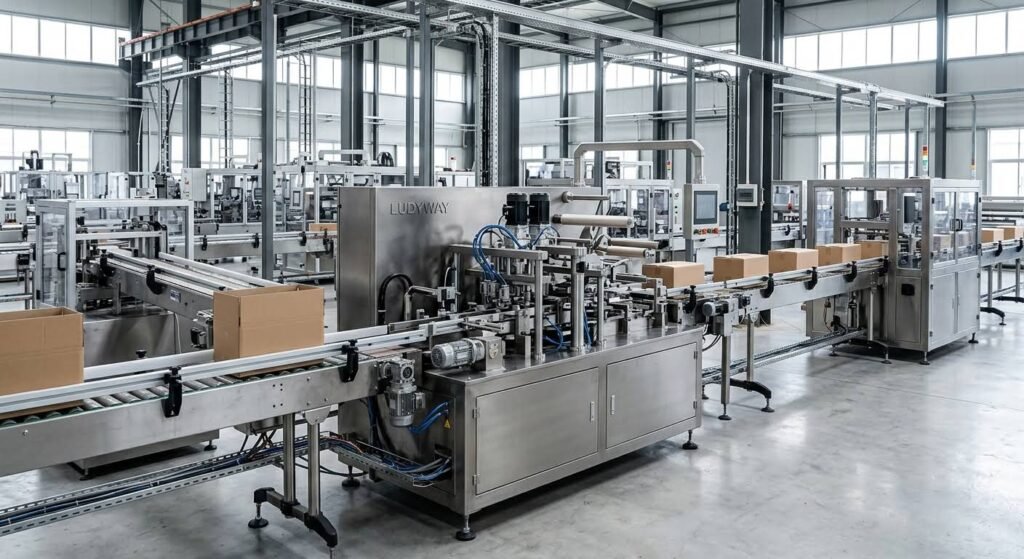
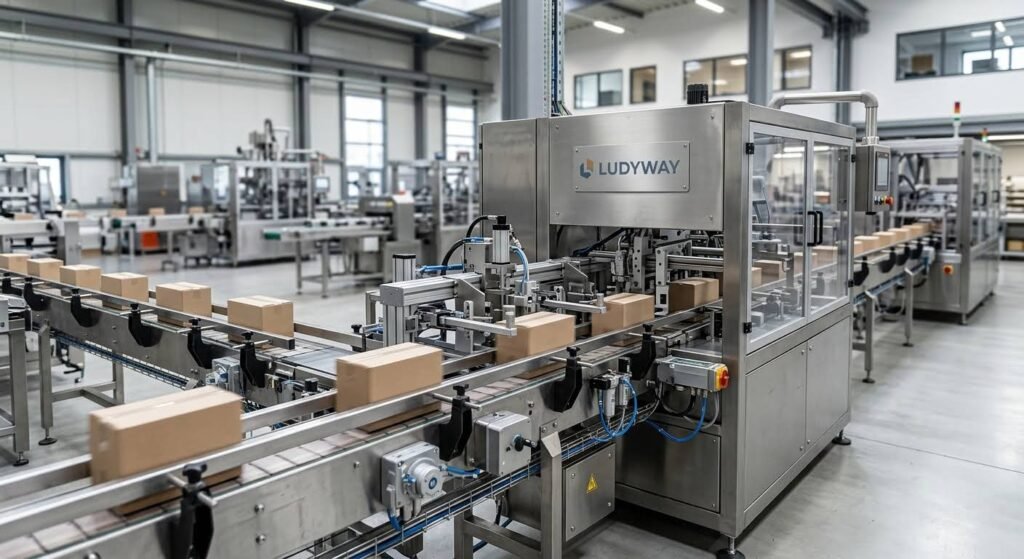
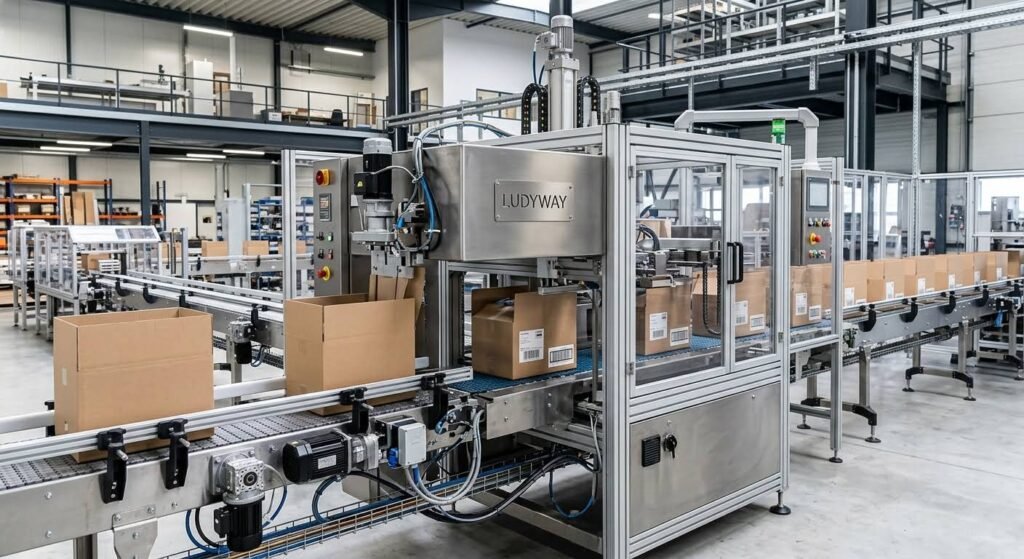
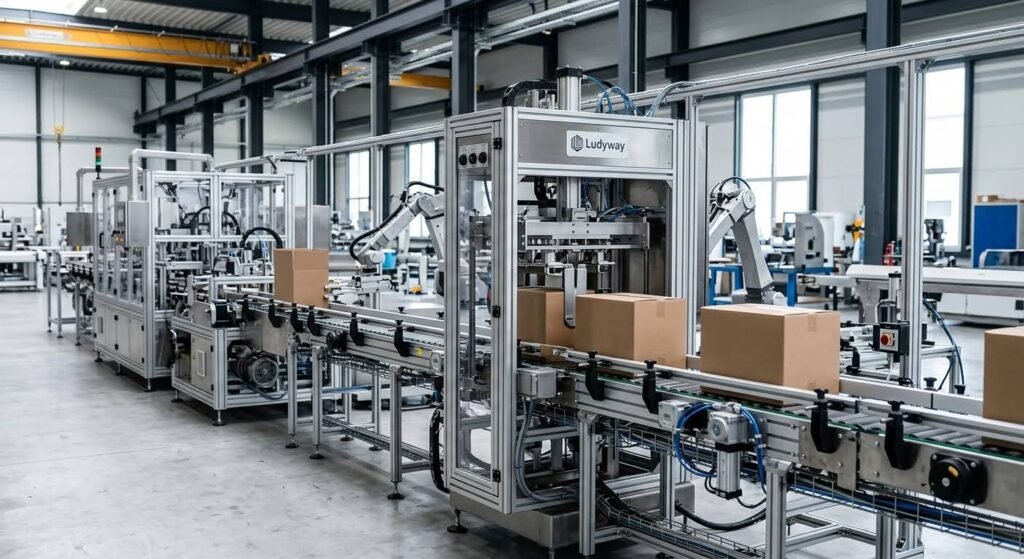
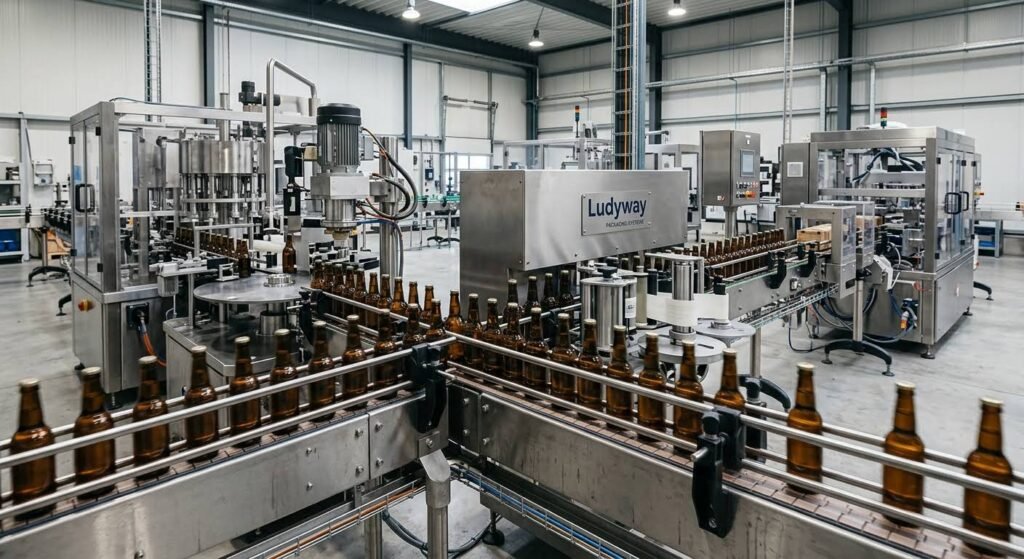
Effective maintenance of packaging equipment is a cornerstone of operational efficiency in manufacturing. Unplanned downtime can disrupt production schedules, increase costs, and impact product quality. A proactive, systematic approach to maintenance is not merely a recommendation—it is a critical business strategy. This guide provides essential tips, actionable checklists, and scheduling frameworks designed to minimize downtime and maximize the lifespan of your packaging machinery.

The High Cost of Neglect: Why Maintenance Matters
When packaging lines halt unexpectedly, the repercussions extend far beyond the immediate repair bill. Production targets are missed, labor costs rise as teams stand idle, and delivery commitments to customers are jeopardized. More insidiously, poorly maintained equipment can lead to inconsistent packaging, product waste, and even safety hazards. Investing in a robust maintenance program is an investment in reliability, quality, and profitability.
Key Benefits of a Proactive Maintenance Plan:
- Extended Equipment Lifespan: Regular care prevents the premature wear and tear that leads to major breakdowns.
- Consistent Product Quality: Well-calibrated machines ensure precise filling, sealing, and labeling every time.
- Enhanced Operator Safety: Identifying and fixing potential hazards protects your workforce.
- Predictable Operational Budgeting: Reducing emergency repairs allows for better financial planning.
Essential Daily & Weekly Maintenance Tips
Consistency is key. These routine actions form the first line of defense against equipment failure.
Daily Tasks (Start or End of Shift)
1
Visual Inspection & Cleaning: Wipe down all machine surfaces, lenses, and sensors. Remove product dust, grease, and debris that can interfere with sensors and moving parts.
2
Lubrication Check: Verify oil levels and grease points as specified in the machine manual. Use only recommended lubricants.
3
Listen and Feel: Operate the machine briefly and listen for unusual noises (grinding, knocking). Feel for excessive vibration or heat from motors and bearings.
Weekly Tasks
A
Inspect Sealing Jaws & Cutters: Check for wear, residue buildup, or damage. Clean thoroughly to ensure consistent seal integrity.
B
Check Mechanical Fasteners: Tighten any loose bolts, nuts, or screws on frames, guards, and moving assemblies.
C
Verify Pneumatic Systems: Drain moisture from air filters and regulators. Check for air leaks in hoses and fittings.
Comprehensive Maintenance Checklists
Use these detailed checklists to guide more thorough inspections. Adapt them to your specific packaging machine models.
Monthly Mechanical & Electrical Checklist
- Inspect drive belts, chains, and gears for tension and wear. Adjust or replace as needed.
- Check electrical connections for tightness and signs of overheating (discoloration).
- Test emergency stop buttons and all safety interlocks for proper function.
- Calibrate weighing scales and filling systems for accuracy.
- Expect more from your equipment. Partnering with a professional packaging expert can help tailor these checks.
Quarterly/Seasonal Deep-Clean Checklist
- Perform a complete machine degreasing and sanitization, especially for food and pharmaceutical applications.
- Replace air intake filters and inspect vacuum pumps.
- Lubricate all guide rails, bearings, and cam followers with appropriate grease.
- Review and update machine software/firmware if applicable.
Building Your Maintenance Schedule: A Strategic Framework
A static schedule is less effective than a dynamic one. Combine time-based and usage-based triggers.
1. Time-Based Schedule (TBM)
Perform tasks at fixed intervals (daily, weekly, monthly). This is ideal for cleaning, lubrication, and visual inspections. Create a color-coded calendar accessible to all shift leads.
2. Usage-Based Schedule
Trigger maintenance after a certain number of production cycles, hours of operation, or units packaged. This is highly effective for wear parts like sealing jaws, cutters, and gaskets. Modern intelligent packaging machines often have hour meters to facilitate this.
3. Condition-Based Monitoring
Utilize sensor data (vibration, temperature, pressure) to predict failures before they occur. This represents the pinnacle of predictive maintenance, moving from “fix it when it breaks” to “service it before it fails.”
Pro Tip: Document Everything
Maintain a detailed log for every machine. Record every inspection, adjustment, part replacement, and unusual occurrence. This logbook becomes an invaluable tool for troubleshooting recurring issues, planning part inventories, and demonstrating compliance for quality audits.
Partnering for Long-Term Reliability
While internal maintenance is crucial, a strong partnership with your equipment provider is irreplaceable. Look for a partner who offers comprehensive technical support, readily available spare parts, and expert training for your technicians. A provider with deep industry experience can offer invaluable insights into optimizing your specific packaging line for longevity and performance.
Frequently Asked Questions (FAQs)
1. How often should I replace common wear parts like sealing jaws?
There’s no universal answer—it depends on production volume, packaging material, and machine settings. Monitor seal quality regularly. Under high use, jaws may need re-tooling or replacement every 3-6 months. Always consult your machine manual and maintain a small inventory of critical wear parts.
2. What’s the single most important daily maintenance task?
Thorough cleaning and visual inspection. Removing dust, spillage, and debris prevents a majority of sensor errors, mechanical jams, and contamination issues. It also forces operators to look closely at the machine, often catching small problems before they escalate.
3. Can I skip maintenance if production demands are high?
Skipping maintenance is the fastest way to guarantee a major, prolonged breakdown. It is a classic case of being “penny wise and pound foolish.” A scheduled 30-minute stop is always less costly than an unplanned 8-hour line shutdown during peak production.
4. How do I create a maintenance schedule if I don’t have the manual?
Contact your machine supplier immediately to obtain the official manual. In the interim, start with the universal basics outlined above (cleaning, lubrication, fastener checks) and document machine behavior closely to establish your own baseline intervals.
5. What training do my operators need for basic maintenance?
Operators should be fully trained in Lockout/Tagout (LOTO) procedures, daily cleaning routines, basic lubrication points, and how to perform a pre-start visual and operational check. They should also know how to identify and report abnormal sounds, smells, or machine behavior to a supervisor or technician immediately.