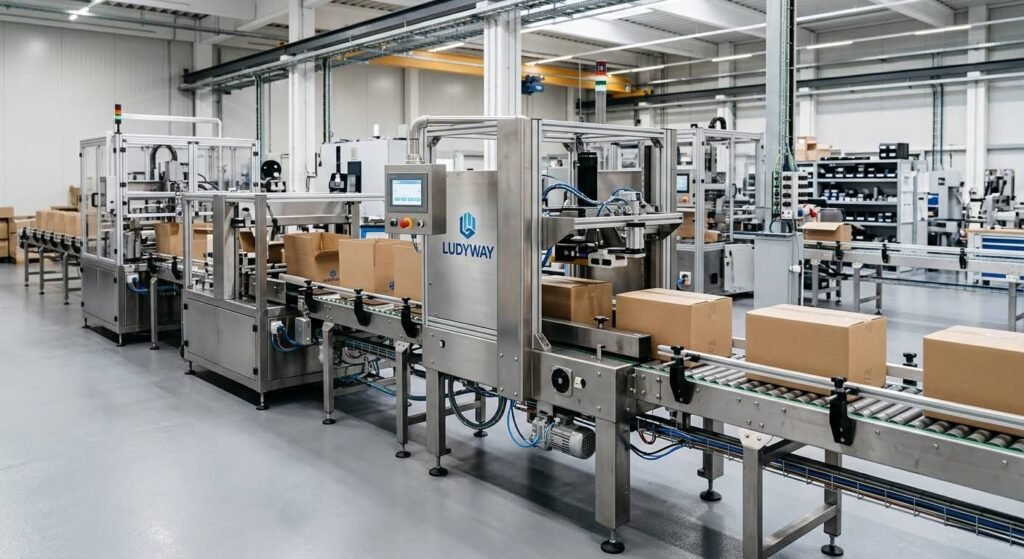
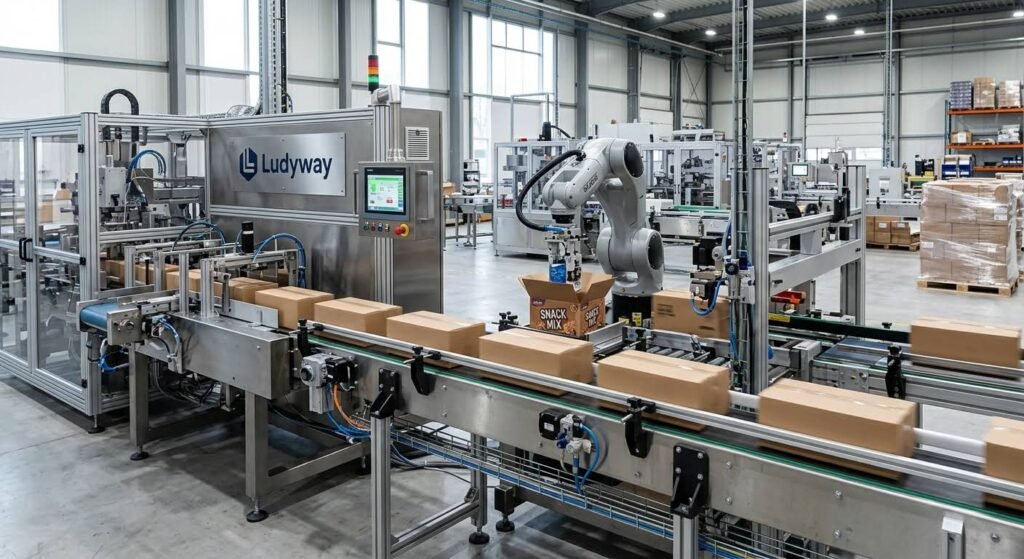
The German packaging machinery market stands as a cornerstone of Europe’s industrial landscape, renowned for its engineering precision, technological innovation, and unwavering commitment to quality. This sector is not merely an industry but a reflection of Germany’s broader engineering culture—a culture that values Ordnung (order), efficiency, and meticulous craftsmanship. For German manufacturers and their global clients, packaging machinery is more than equipment; it is a critical component in ensuring product integrity, optimizing production lines, and upholding the nation’s reputation for reliability. As global supply chains evolve and consumer demands shift towards sustainability and personalization, understanding the size, growth opportunities, key trends, and competitive dynamics of this market is essential for any stakeholder in the manufacturing and logistics sectors.
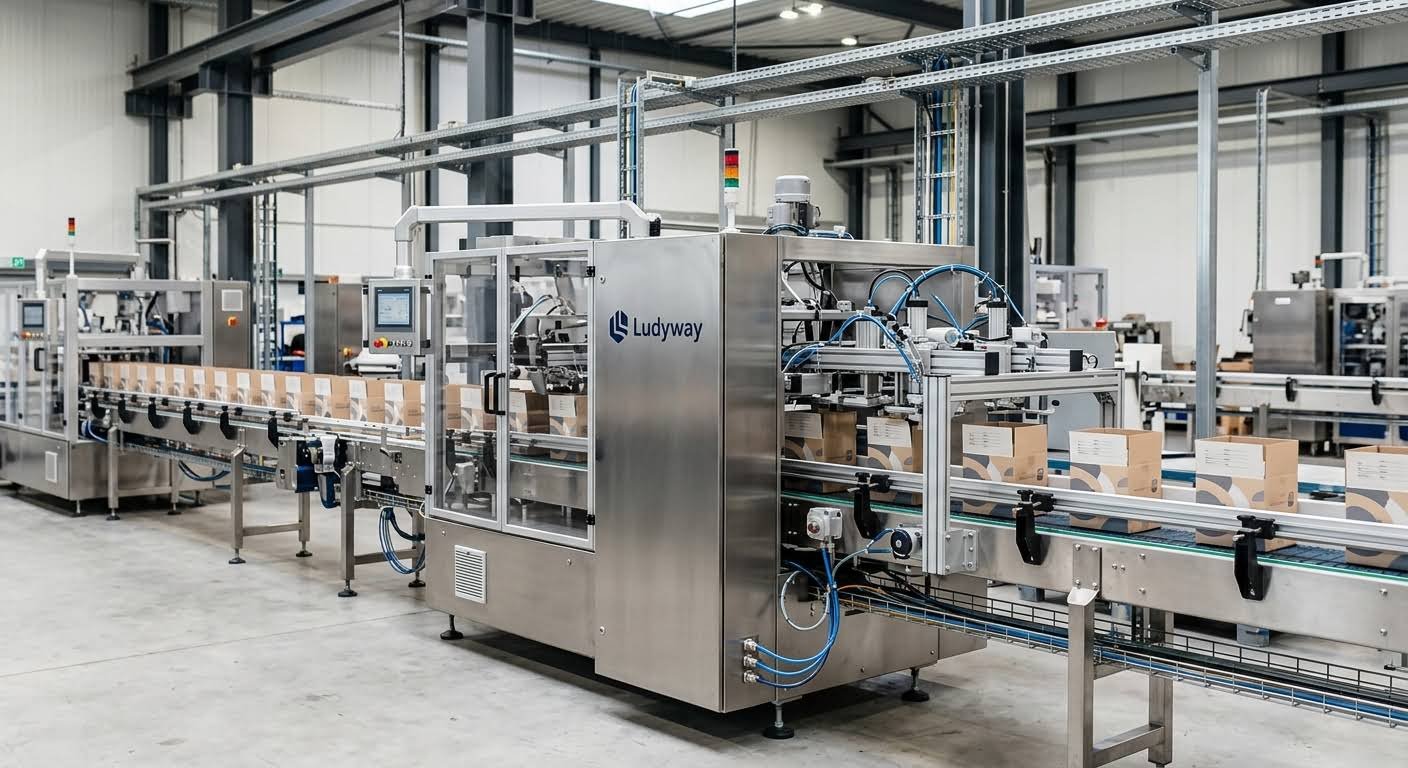
Market Size and Economic Footprint
Germany is the world’s largest exporter of packaging machinery, a title it has held for decades. The market is a significant contributor to the national economy, with annual production value consistently measured in the multi-billion Euro range. This dominance is anchored in the country’s robust Mittelstand—the small and medium-sized enterprises that form the backbone of German industry. These companies often specialize in niche, high-value segments of packaging technology, from filling and sealing to labelling and palletizing. The domestic market is mature and sophisticated, driven by demanding local clients in the automotive, chemical, pharmaceutical, and food & beverage industries. These sectors require packaging solutions that meet stringent regulatory standards, particularly in food safety (e.g., EU regulations) and pharmaceutical compliance, which in turn pushes machinery manufacturers towards continuous innovation. The export orientation is profound, with a substantial majority of production shipped to international markets, including North America, Asia, and other European countries, solidifying Germany’s role as the global packaging technology hub.
Key Driver: The “Made in Germany” Ethos
The global trust in “Made in Germany” is a priceless asset. This label signifies durability, precision engineering, and long-term reliability. For end-users, investing in German packaging machinery is often seen as investing in reduced downtime, higher overall equipment effectiveness (OEE), and lower total cost of ownership over the machine’s lifecycle, despite a potentially higher initial investment.
Growth Opportunities on the Horizon
The market’s future growth is tied to several powerful global megatrends:
- Sustainability and the Circular Economy: This is the single most transformative driver. Demand is exploding for machinery that can handle recyclable mono-materials, reduce material usage (light-weighting), and integrate seamlessly with recycling processes. German engineers are at the forefront of developing systems for bio-based and compostable packaging formats.
- E-commerce and Logistics Packaging: The relentless growth of online retail requires robust, right-sized, and automated packaging solutions for fulfilment centres. Machinery that creates on-demand, perfectly sized corrugated boxes or paper-padded mailers is experiencing surging demand.
- Digitalization and Industry 4.0: The integration of IoT sensors, AI, and cloud connectivity into packaging lines is creating smart factories. Predictive maintenance, real-time production data analytics, and remote troubleshooting are becoming standard expectations, opening new revenue streams for machinery providers through digital services.
- Pharmaceutical and Healthcare Expansion: An aging global population and heightened health awareness are driving growth in pharmaceutical, nutraceutical, and medical device packaging. This requires ultra-clean, high-precision machinery capable of handling sensitive products and providing impeccable traceability.
Cultural Insight: German Pragmatism and Long-term Planning
Growth in this market is not pursued recklessly. It aligns with the German business principle of Nachhaltigkeit (sustainability in the broadest sense). Investments in R&D for sustainable or digital technologies are viewed through a lens of long-term viability and ethical responsibility, not just short-term profit. This pragmatic, future-oriented approach ensures that growth opportunities are pursued with depth and technical substance.
Key Trends Shaping the Industry
The current technological landscape is defined by several interconnected trends:
1. Flexibility and Modularity
Short product lifecycles and the need for mass customization are making rigid, single-purpose lines obsolete. The trend is towards modular machines that can be quickly reconfigured to handle different package sizes, shapes, and materials with minimal changeover time and waste.
2. Hyper-Automation and Robotics
Collaborative robots (cobots) are increasingly deployed for tasks like pick-and-place, case packing, and palletizing, working safely alongside humans. This addresses labor shortages and increases line flexibility and ergonomics.
3. Smart Packaging Integration
Machinery is evolving to apply and integrate smart elements like NFC tags, QR codes, and RFID labels that enable supply chain transparency, anti-counterfeiting, and direct consumer engagement.
Competitive Landscape: Precision and Specialization
The German packaging machinery landscape is highly competitive yet collaborative, characterized by specialization rather than cut-throat price wars. It comprises:
- Global Titans: Large, publicly traded corporations offering comprehensive product portfolios and total line solutions for multinational clients.
- Hidden Champions (Heimliche Gewinner): The heart of the industry. These are often family-owned Mittelstand companies that are world leaders in a specific niche, such as tube filling, chocolate wrapping, or sterile barrier packaging.
- Specialist Innovators: Agile firms focusing on emerging technologies like digital printing, sustainable material handling, or AI-driven vision inspection systems.
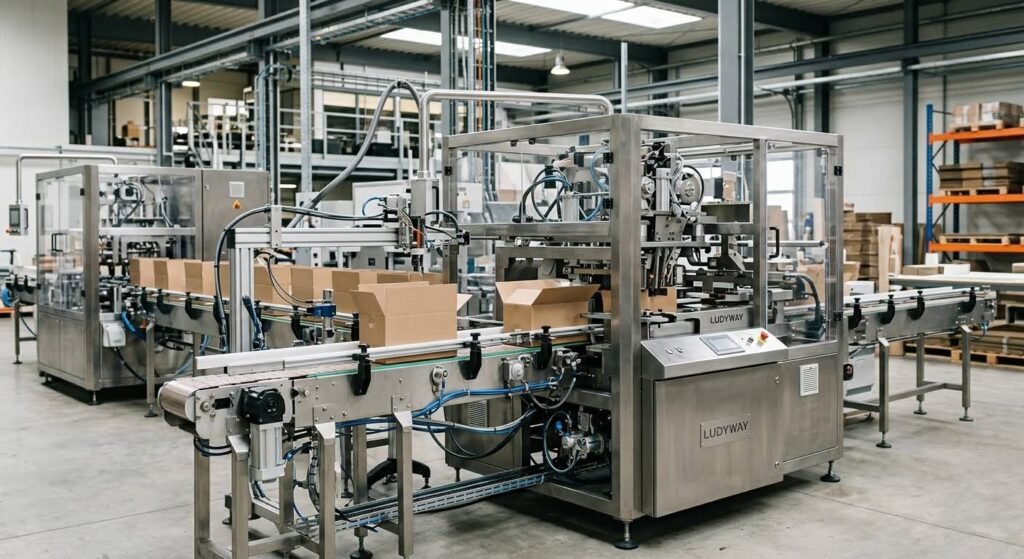
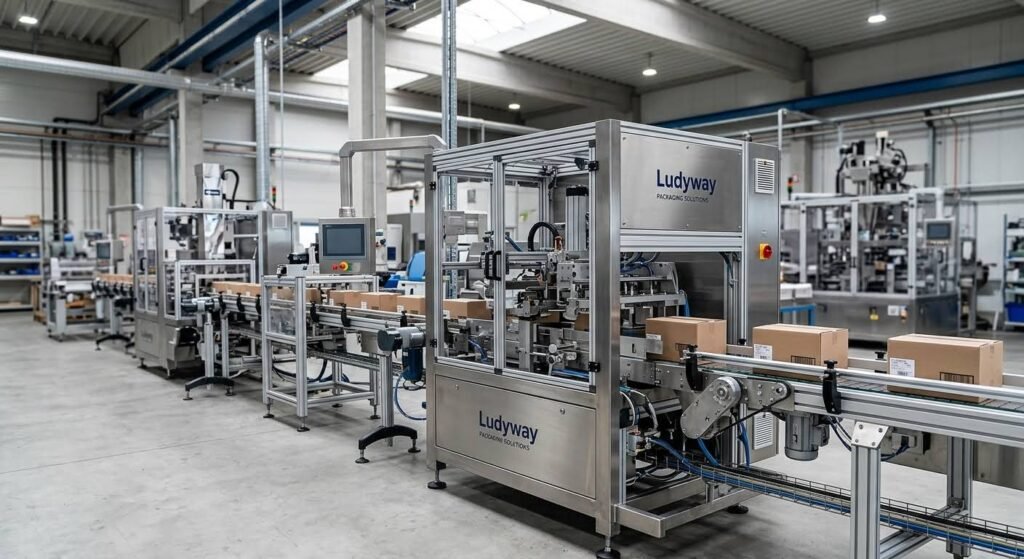
Competition is increasingly international, with strong contenders from Italy and emerging technological prowess from Asia. The German response has been to double down on core strengths: unparalleled engineering quality, deep process knowledge, and the ability to provide complex, customized turnkey solutions. Success hinges on building long-term, trust-based partnerships with customers, providing extensive training, and maintaining a global service network. Companies like Ludyway Machinery, with decades of focused experience, exemplify this approach by providing tailored automated packaging solutions that align with the high standards expected from the market.
The Role of Strategic Partnerships
In the German business culture, a handshake signifies a serious commitment. The competitive landscape thrives on deep, strategic partnerships between machinery builders, material suppliers, and end-users. These collaborations, often lasting for generations, fuel co-innovation. For instance, a chocolate manufacturer might work closely with a wrapper manufacturer for years to develop a new, high-speed packaging line for a novel product shape. This collaborative, rather than purely transactional, model is a key differentiator for the German ecosystem. Exploring the history and partnerships of established players reveals how these long-term relationships are fundamental to sustained innovation.
Conclusion: A Market Built for the Future
The Germany packaging machinery market is a dynamic fusion of tradition and cutting-edge innovation. Its size is a testament to historical excellence, while its growth trajectory is firmly locked into the future’s demands: sustainability, digitalization, and flexibility. The competitive landscape, rooted in a culture of specialization and deep technical expertise, is well-positioned to navigate these shifts. For buyers worldwide, choosing German packaging technology continues to mean investing in precision, reliability, and a partnership geared towards long-term productivity. As the global push for smarter and greener packaging intensifies, Germany’s engineering prowess and systematic approach will undoubtedly keep it at the forefront of shaping how products are protected, presented, and delivered around the world. The commitment to providing complete, reliable solutions for complex global production needs remains the enduring hallmark of this vital industry.
Frequently Asked Questions (FAQs)
What makes German packaging machinery different from competitors?
German machinery is distinguished by its exceptional engineering quality, focus on durability and long-term reliability (lower total cost of ownership), and deep integration with Industry 4.0 principles. It is designed for high precision, often catering to complex, regulated industries like pharmaceuticals.
How is the market addressing sustainability concerns?
Manufacturers are innovating in three key areas: 1) Machinery designed for processing recyclable mono-materials and bio-based films, 2) “Light-weighting” technology that uses minimal material, and 3) Developing equipment that supports refillable and reusable packaging systems, aligning with the circular economy.
What is the impact of Industry 4.0 on packaging lines?
Industry 4.0 brings connectivity and intelligence. Modern German packaging machines are equipped with IoT sensors for predictive maintenance, generate data for optimizing Overall Equipment Effectiveness (OEE), and allow for remote monitoring and control, minimizing downtime and enabling agile production.
Is flexibility really that important in packaging machinery?
Absolutely. Market demands for smaller batch sizes, limited editions, and personalized packaging require machinery that can change over quickly between products. Modular and flexible designs reduce downtime and waste, making production more responsive and cost-effective.
Why is the German Mittelstand so crucial to this sector?
The Mittelstand (small and medium-sized enterprises) are the innovation engine. These often family-owned companies specialize in niche technologies, allowing for deep expertise, rapid decision-making, and long-term customer relationships. They focus on high-value, customized solutions rather than commoditized, low-cost equipment.