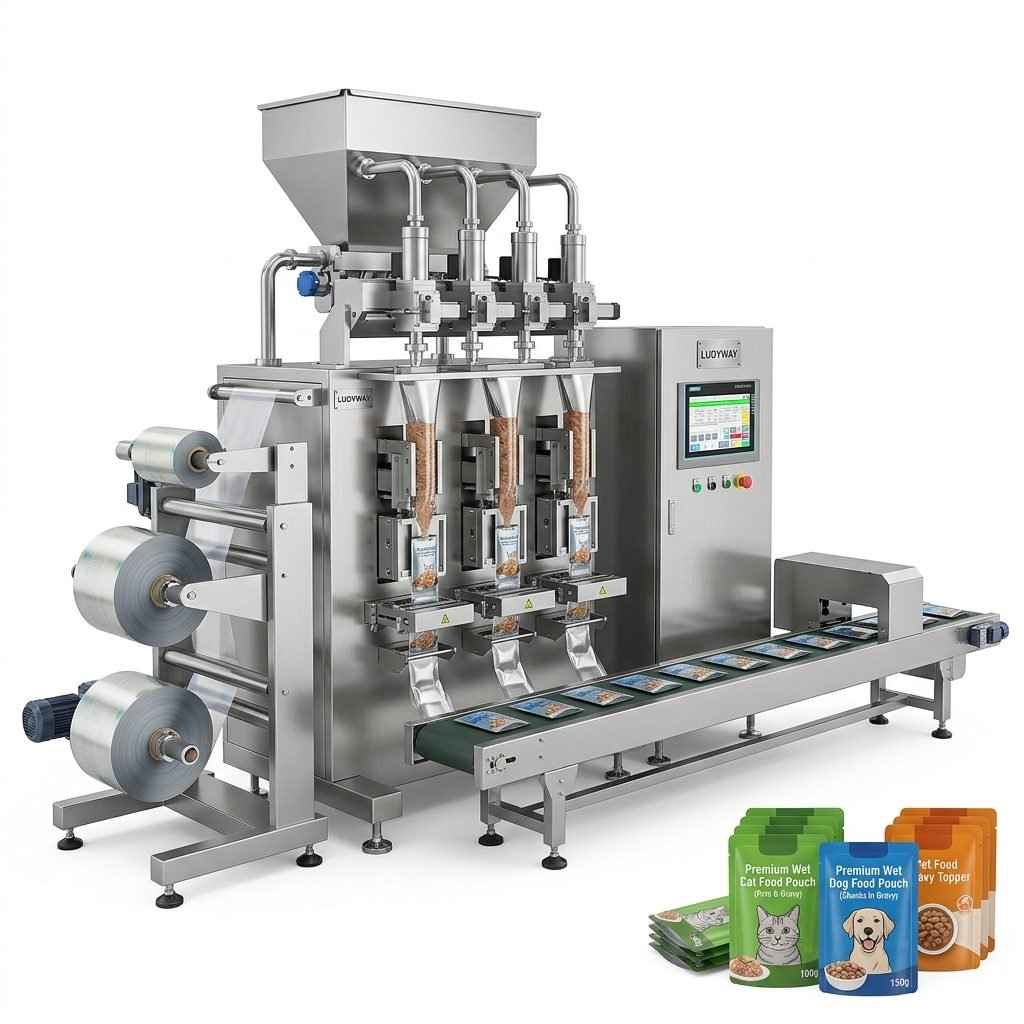
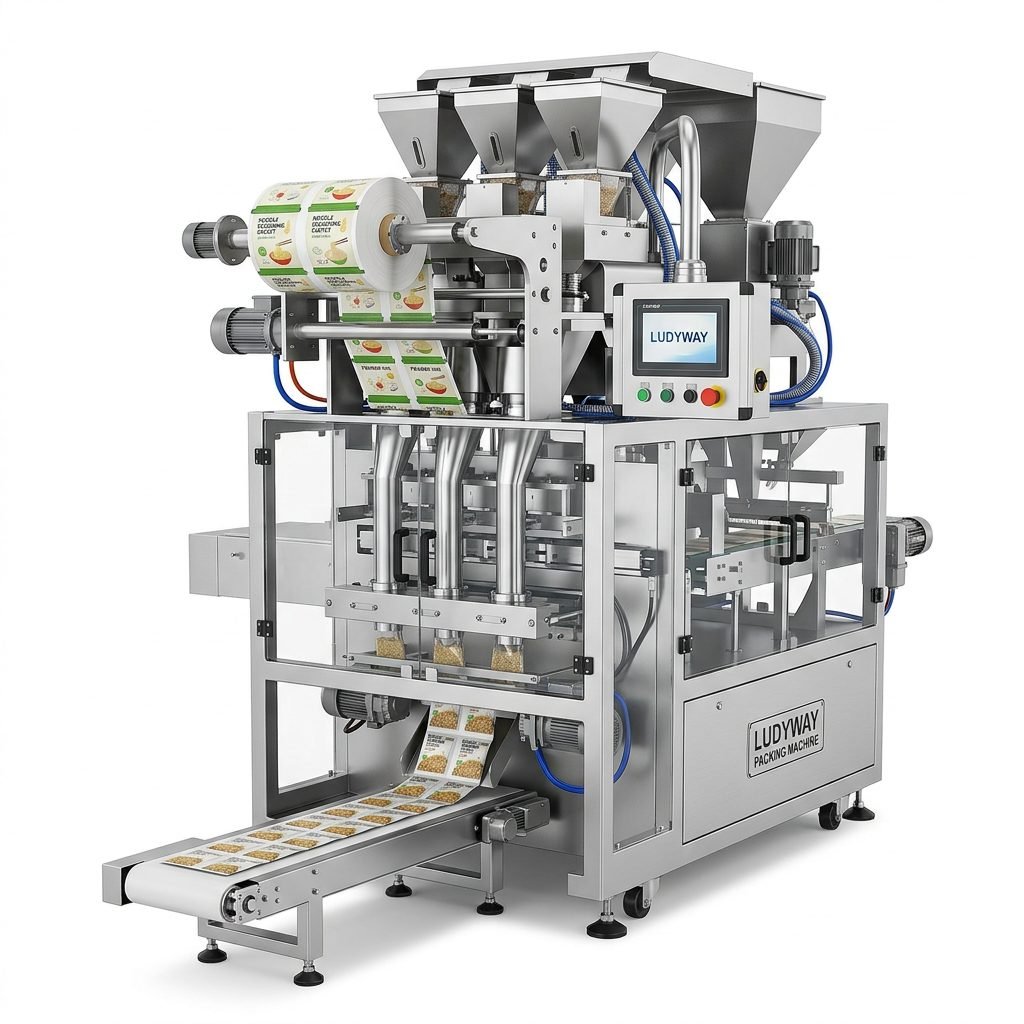
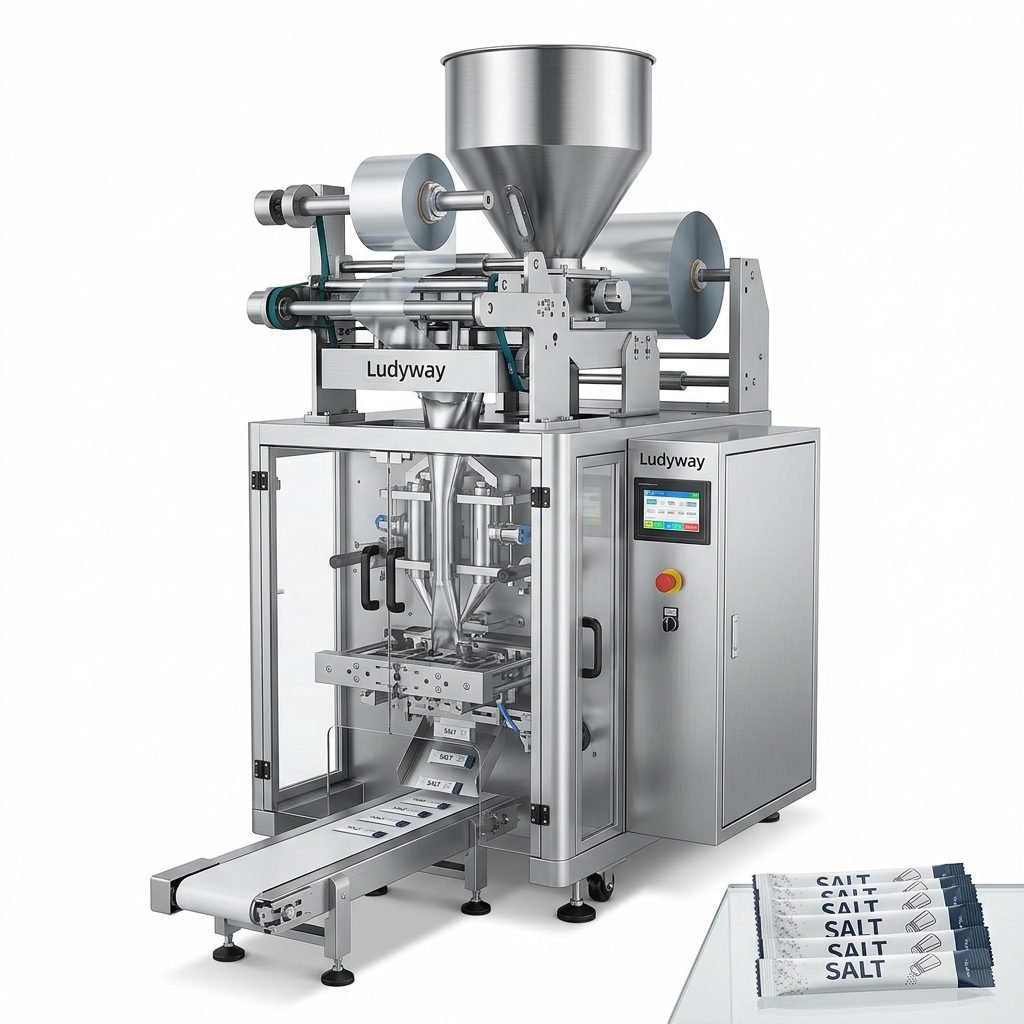
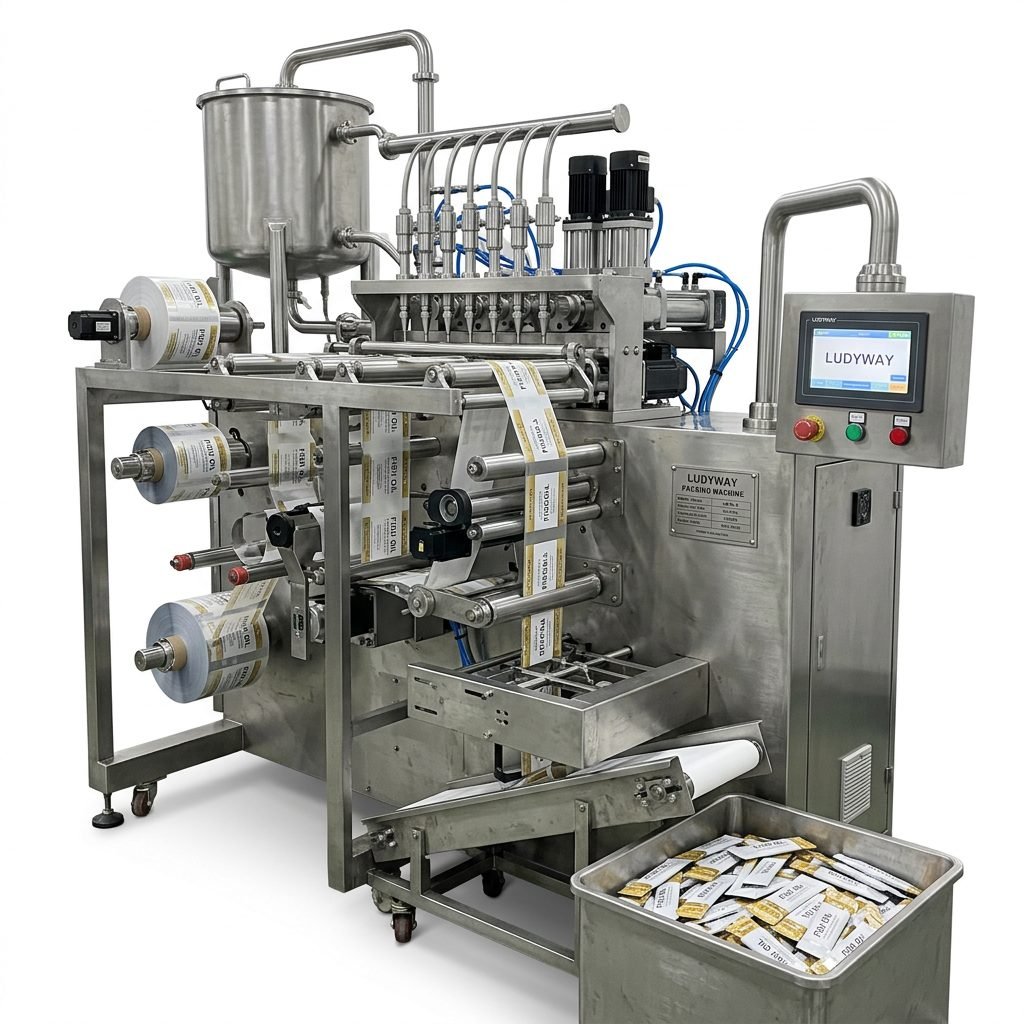
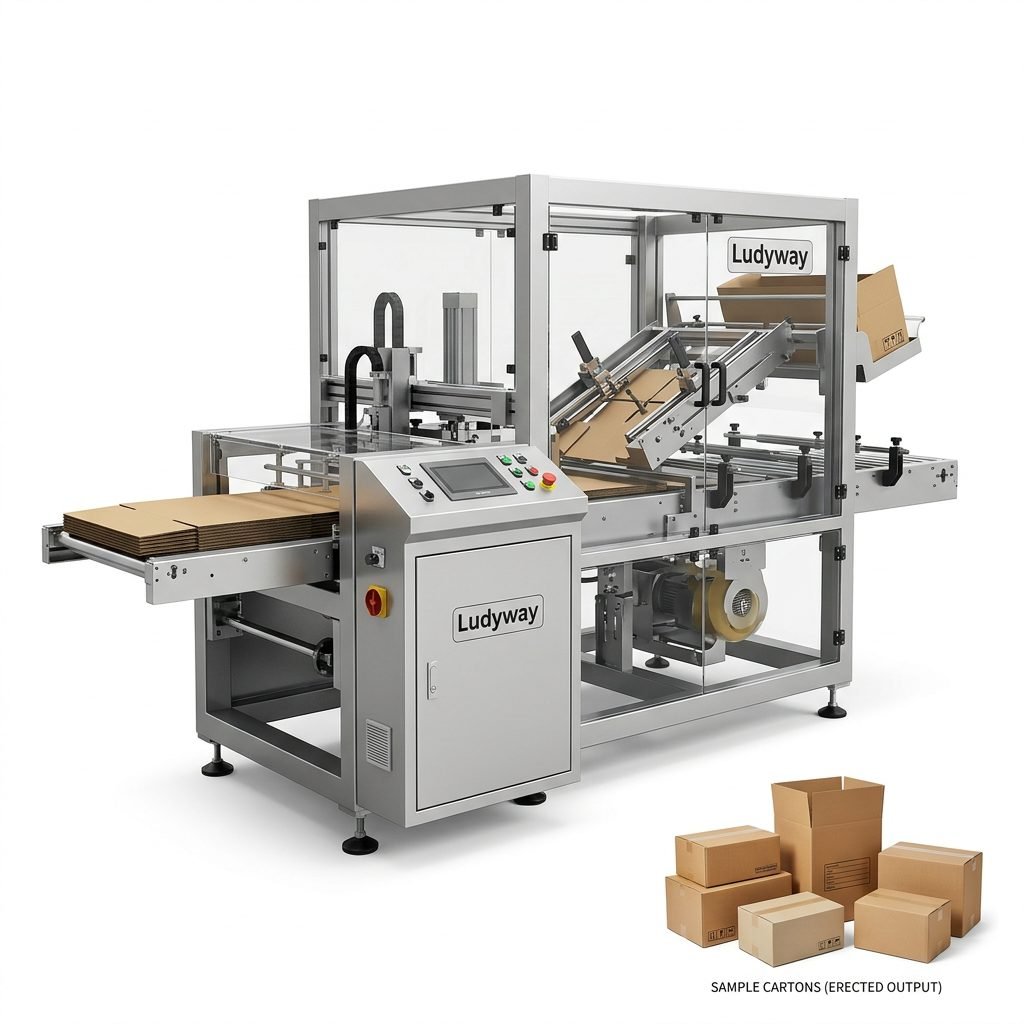
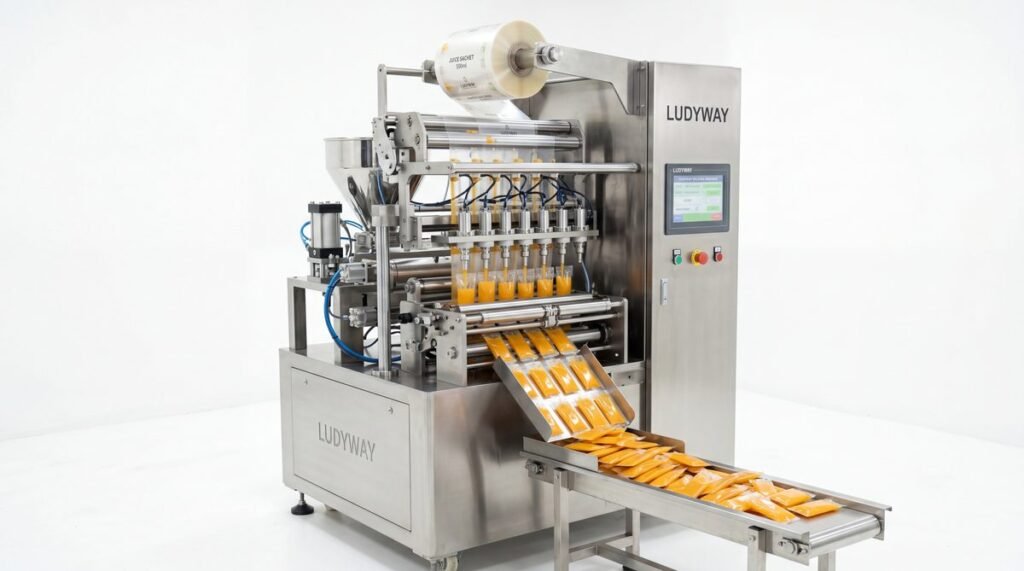
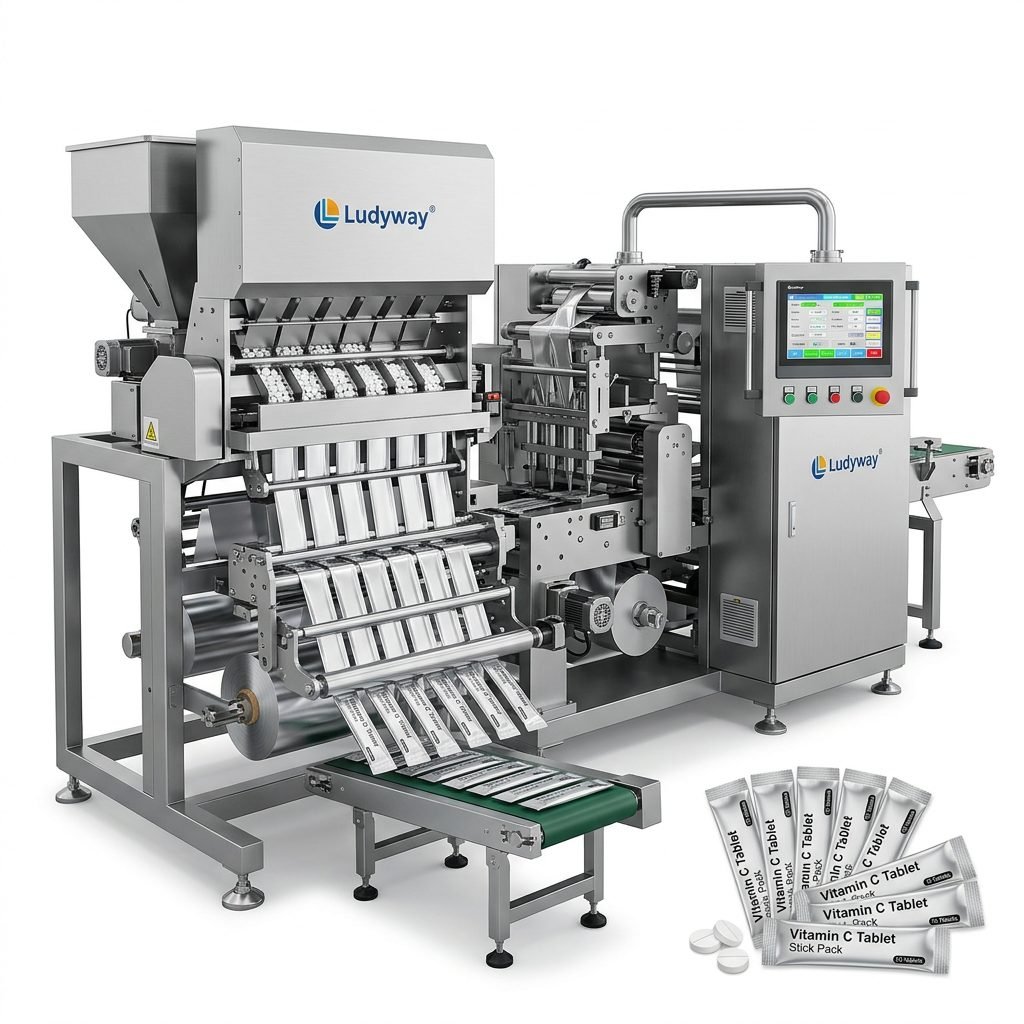
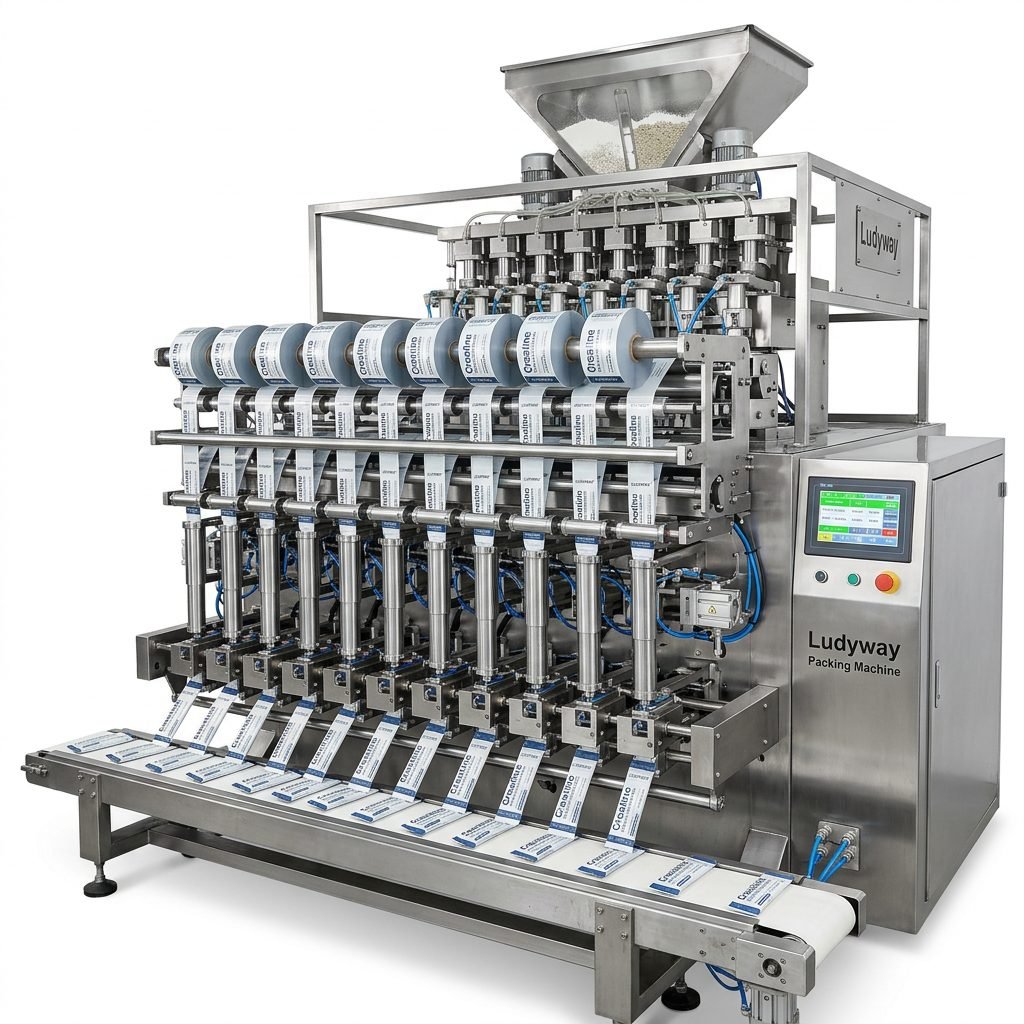
In the fast-paced world of modern manufacturing, efficiency, hygiene, and product protection are paramount. Horizontal Form Fill Seal (HFFS) packaging machinery stands as a cornerstone technology for achieving these goals across diverse industries. This versatile equipment automates the process of forming a pouch from a roll of film, precisely measuring and filling the product, and then sealing it—all in a continuous horizontal motion. Its ability to handle a wide array of products, from food items like snacks and coffee to pharmaceuticals, chemicals, and hardware, makes it an indispensable asset for production lines aiming for speed, consistency, and reduced operational costs.
How Does Horizontal FFS Packaging Work?
The operation of an HFFS machine is a marvel of synchronized engineering, typically following a consistent sequence. The process begins with a roll of packaging film—which can be laminated, coated, or plain—being fed into the machine. The film is drawn over a forming shoulder, a critical component that gently shapes the flat material into a tube. This tube then travels over a hollow sealing cylinder or a similar forming device.
As the film tube moves horizontally, the longitudinal seal is created, often using heat or ultrasonic methods, to form a continuous sleeve. The product is then dispensed into this sleeve through a filling system. The type of filler—be it a volumetric cup, auger screw, pump, or weigh scale—is chosen based on the product’s characteristics (granular, powdery, liquid, or solid). Immediately after filling, the transverse seals are made. These are the seals that create the individual pouches, simultaneously cutting the film between them. The finished, sealed packages are then discharged onto a conveyor or collection system, ready for secondary packaging or distribution.
Key Advantage: This continuous horizontal motion allows for very high production speeds, often reaching hundreds of packages per minute, making it ideal for high-volume output.
Exploring the Main Types of Horizontal FFS Machines
Not all HFFS machines are created equal. They are specialized to handle different product forms and market requirements. Understanding these types is crucial for selecting the right equipment for your application.
1. Granule & Powder HFFS Machines
Designed for free-flowing dry products like rice, seeds, spices, instant drink mixes, and detergents. They commonly employ volumetric cup fillers or auger filler systems for accurate, consistent dosing. These machines often feature dust extraction systems to maintain a clean sealing area, which is vital for achieving strong, hermetic seals.
2. Liquid & Viscous Product HFFS Machines
These are engineered to handle challenges like dripping, foaming, and precise volume control. They utilize piston pumps, peristaltic pumps, or time-pressure fillers. A key feature is often a “no-drip” nozzle design and sometimes nitrogen gas flushing before sealing to extend shelf life, commonly used for sauces, oils, shampoos, and lubricants.
3. Stick Pack Packaging Machines
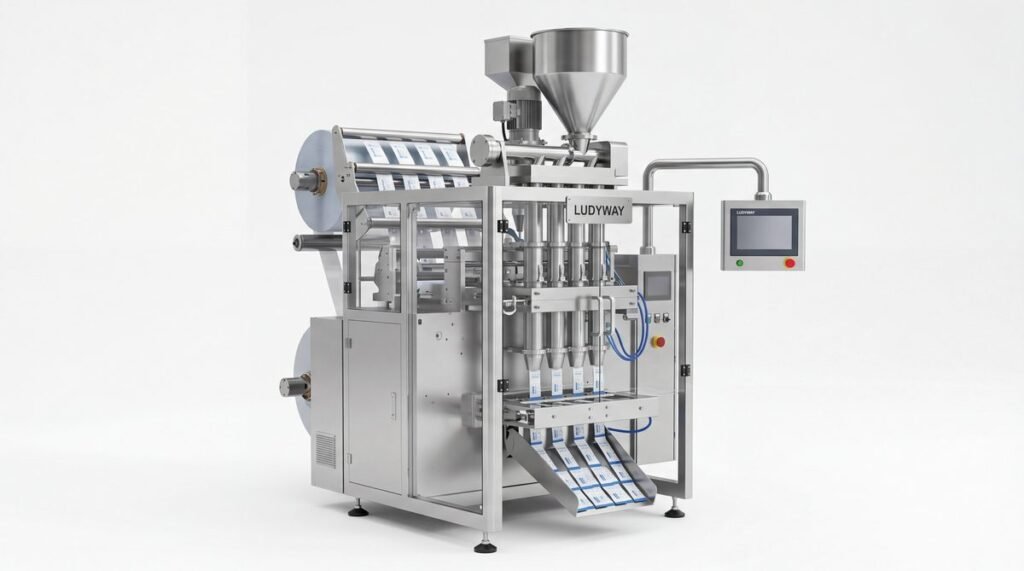
A popular subset of HFFS technology, stick pack machines produce long, narrow, single-serve pouches. They are exceptionally popular for products like sugar, instant coffee, electrolyte powders, and pharmaceuticals. Their compact format is convenient for consumers and efficient for storage and shipping. Modern multi-lane stick pack machines can produce several rows of sticks simultaneously, dramatically boosting output.
4. Multi-Lane & High-Speed HFFS Machines
For maximum productivity, multi-lane machines divide the film web into several parallel lanes, each forming, filling, and sealing its own row of packages. This configuration can multiply output without significantly increasing the machine’s footprint or linear speed, making it a cost-effective solution for large-scale production of items like candies, nuts, or hardware components.
Essential Buying Guide: What to Consider
Investing in an HFFS machine is a significant decision. Here are the critical factors to evaluate to ensure you choose a machine that delivers a strong return on investment.
Product Characteristics
This is the starting point. Analyze your product’s physical state (solid, granule, powder, liquid), its flowability, abrasiveness, hygroscopicity (tendency to absorb moisture), and any special requirements like nitrogen flushing or vacuum sealing. The product dictates the choice of filling system and film type.
Packaging Materials & Seal Integrity
The machine must be compatible with your chosen film structure (e.g., PET/AL/PE, OPP/CPP). Consider the sealing method: hot bar sealing is common and robust, but for films with aluminum layers or heat-sensitive products, ultrasonic sealing is often superior as it creates strong seals through vibration without excessive external heat. Ensure the machine can consistently deliver the seal strength required for your product’s shelf life and distribution demands.
Production Speed & Flexibility
Calculate your required output in packages per minute (PPM). Does the machine offer easy changeover for different package sizes or products? Look for features like servo-driven film pull, tool-less change parts, and recipe storage on an HMI (Human-Machine Interface) to minimize downtime between production runs.
Automation & Integration Level
Consider how the machine will fit into your line. Does it need to integrate with upstream equipment like mixers or feeders and downstream systems like cartoners or case packers? Options like automatic film splicing, CIP (Clean-in-Place) systems for food/pharma, and advanced vision inspection systems for date/batch code verification can significantly enhance overall line efficiency.
⚠️ Critical Consideration: Supplier Expertise
Beyond the machine specs, the supplier’s support is vital. A reliable partner like Ludyway Packing Machine offers more than just equipment. Look for a provider with deep application knowledge, proven experience in your industry, and the ability to offer comprehensive turnkey production solutions. They should provide robust after-sales support, including installation, training, readily available spare parts, and responsive technical service to ensure your packaging line runs smoothly for years.
Conclusion
Horizontal Form Fill Seal packaging machinery represents a smart investment for businesses seeking to automate, scale, and enhance the quality and appeal of their packaged goods. By understanding its working principle, the various types available, and carefully navigating the buying considerations—with a strong emphasis on partnering with an experienced supplier—you can implement a solution that boosts productivity, ensures product safety, and supports your brand’s growth in a competitive marketplace. The right HFFS machine is not just a piece of equipment; it’s a strategic partner in your production success.
Frequently Asked Questions (FAQs)
1. What is the main difference between Horizontal and Vertical Form Fill Seal (VFFS) machines?
The primary difference is the direction of package formation. HFFS machines form the pouch horizontally, which is ideal for products that are difficult to drop vertically (like sticky liquids or delicate items) and often allows for higher speeds and more complex package shapes. VFFS machines form the pouch vertically, typically taking up less floor space and being very efficient for free-flowing granular products.
2. What packaging films can be used with an HFFS machine?
HFFS machines are highly versatile and can run a wide range of roll-stock films, including laminates (e.g., PET/PE, PET/AL/CPP), co-extruded films, and mono-material films. The choice depends on the required barrier properties (against oxygen, moisture, light), sealability, machinability, and sustainability goals of the product.
3. How do I ensure accurate filling for my product?
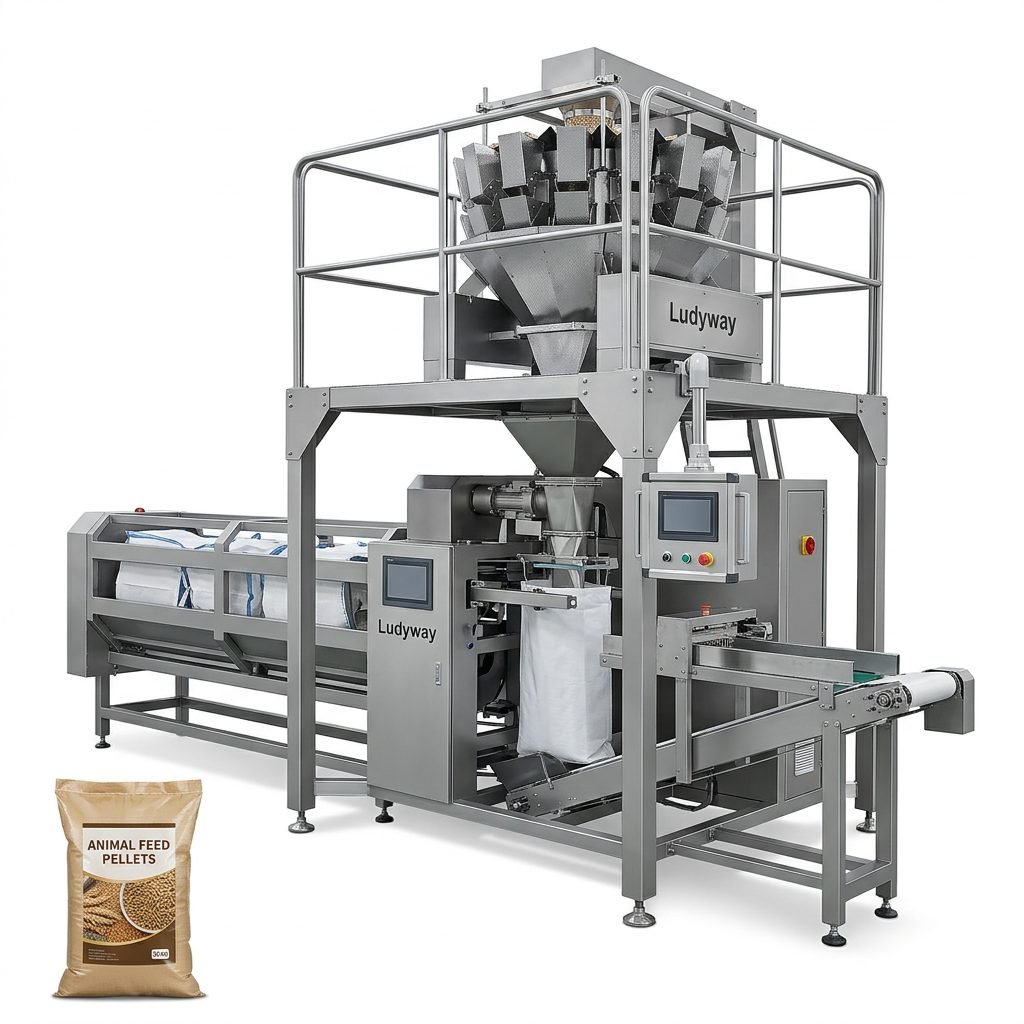
Filling accuracy is achieved by selecting the correct filling system matched to your product. Granules/powders use volumetric or auger fillers, while liquids use piston or pump fillers. For the highest precision, especially in regulated industries, multi-head weighers or net weigh scales can be integrated, which weigh each dose before filling to ensure exact weight compliance.
4. Can one HFFS machine handle different package sizes?
Yes, most modern HFFS machines are designed for changeover. The ease and speed of changeover vary by model. Look for machines with servo-driven adjustments, quick-change forming tools, and digital recipe storage to switch between different pouch lengths and widths in minutes rather than hours.
5. What kind of maintenance does an HFFS machine require?
Regular preventive maintenance is key. This typically includes daily cleaning of the sealing jaws and product contact areas, lubrication of moving parts as per the manual, and periodic inspection of wear parts like sealing bands, cutters, and forming shoulders. Choosing a supplier with a clear maintenance plan and available spare parts is essential for long-term reliability.