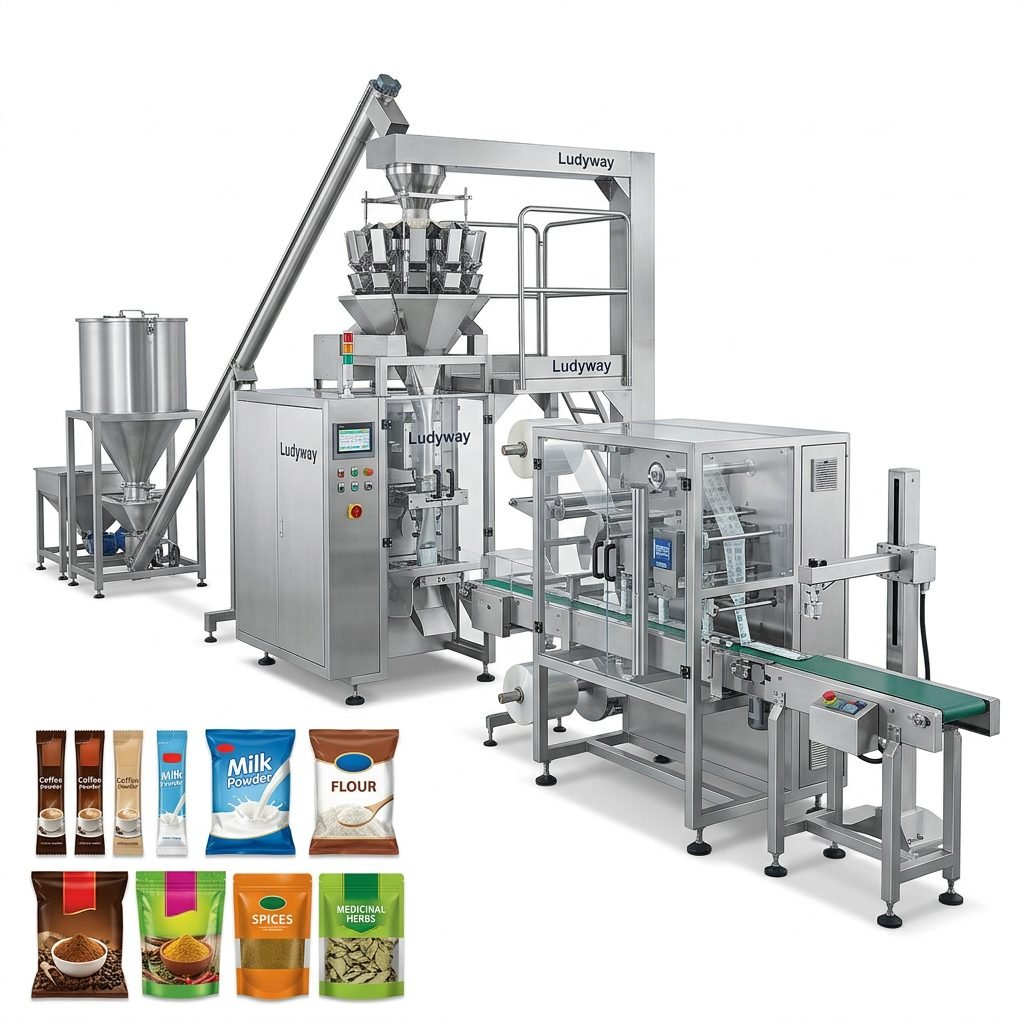
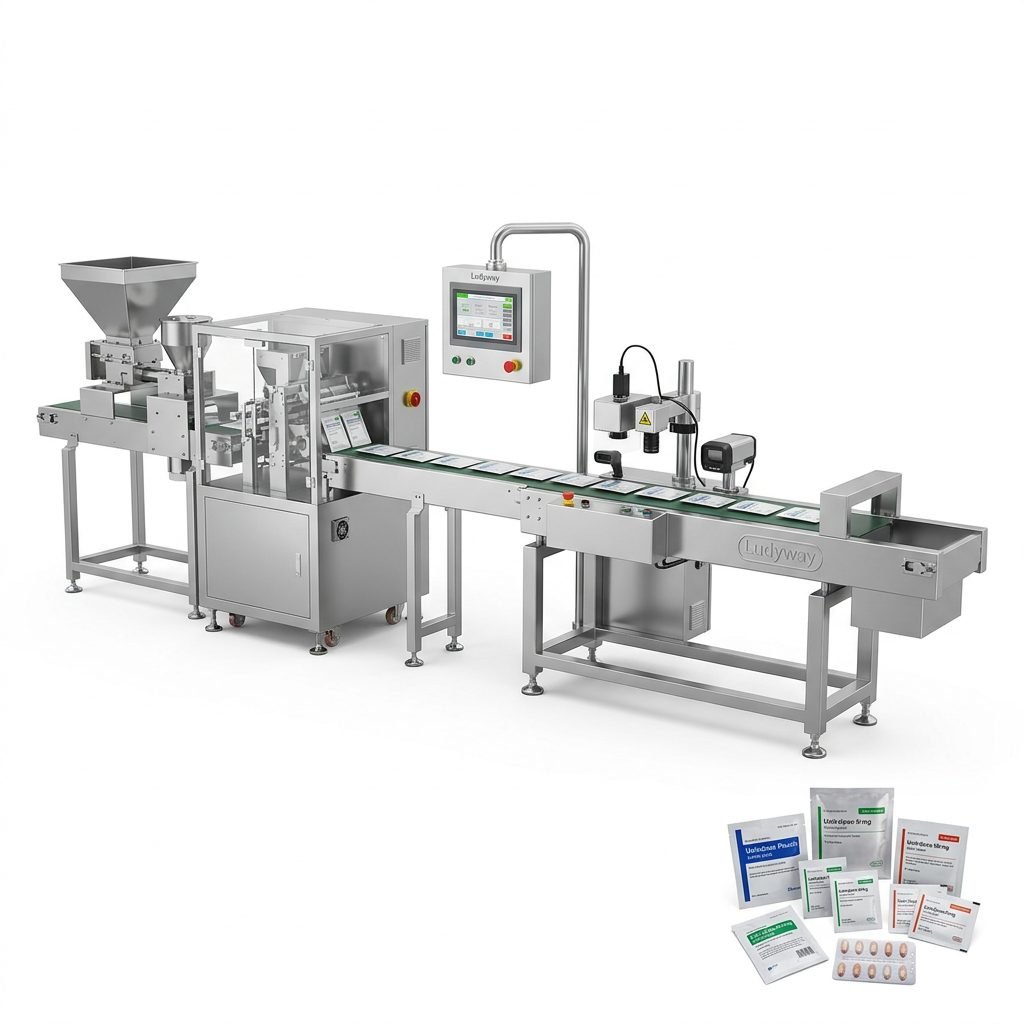
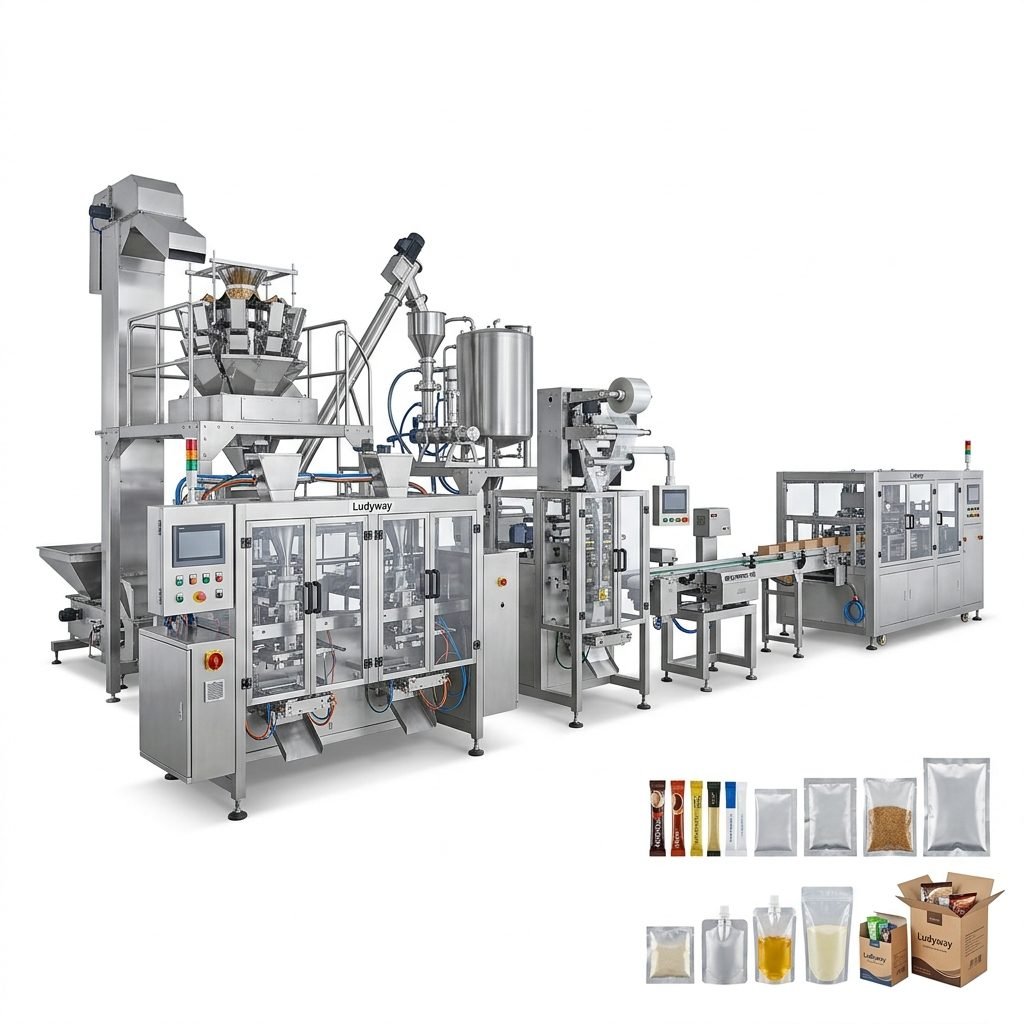
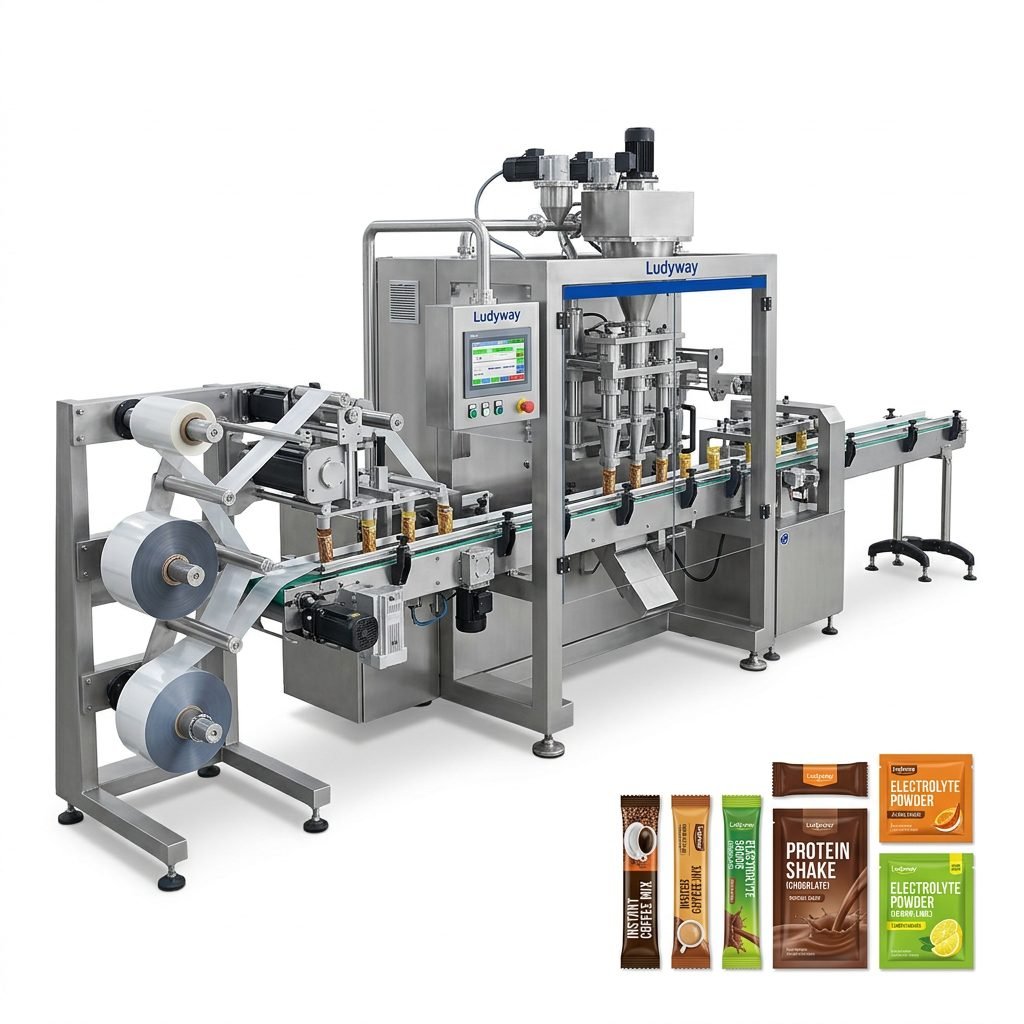
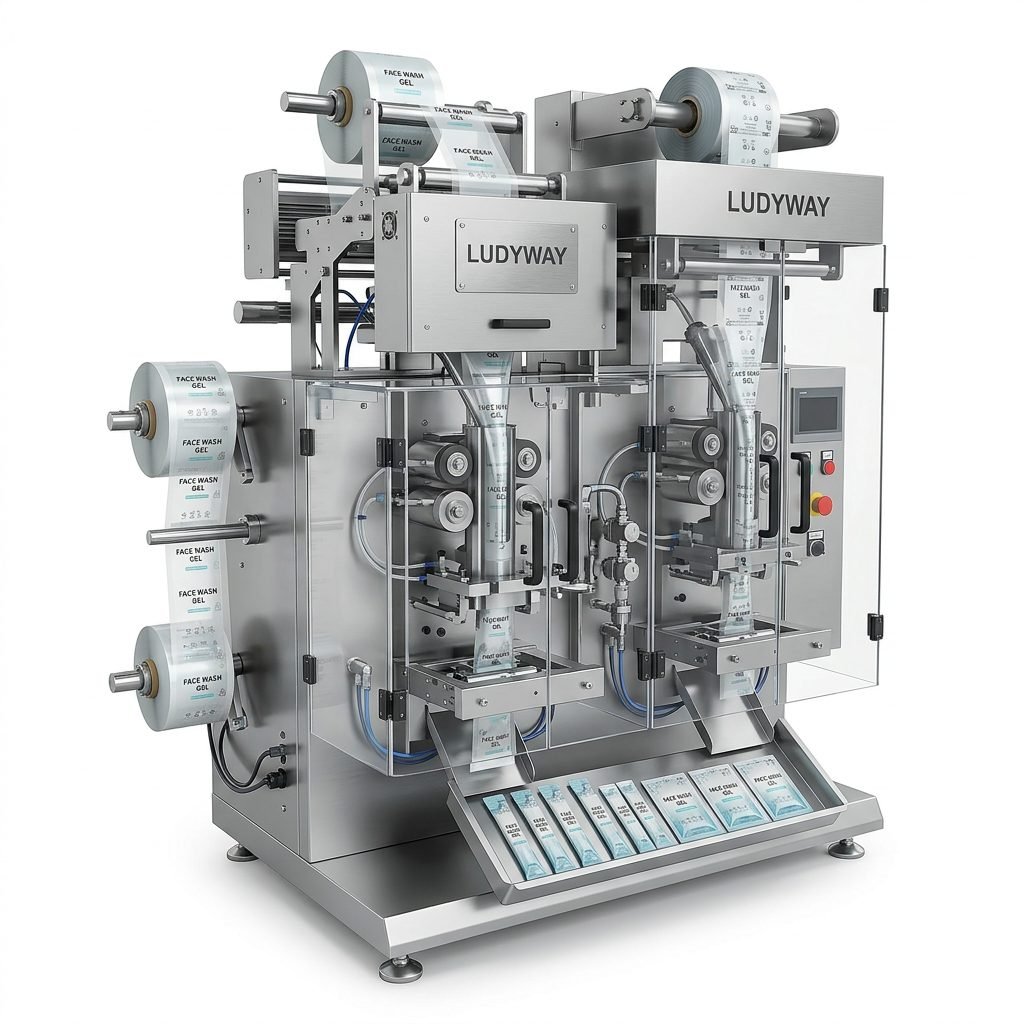
Global investment in packaging machinery automation is expected to remain on an upward path throughout 2026, as manufacturers across food, pharmaceutical, health supplement, cosmetic, and chemical sectors continue to modernize production. Rising labor costs, stricter quality requirements, faster delivery expectations, and the need for more traceable operations are all accelerating the shift from semi-automatic equipment to fully integrated packaging lines.
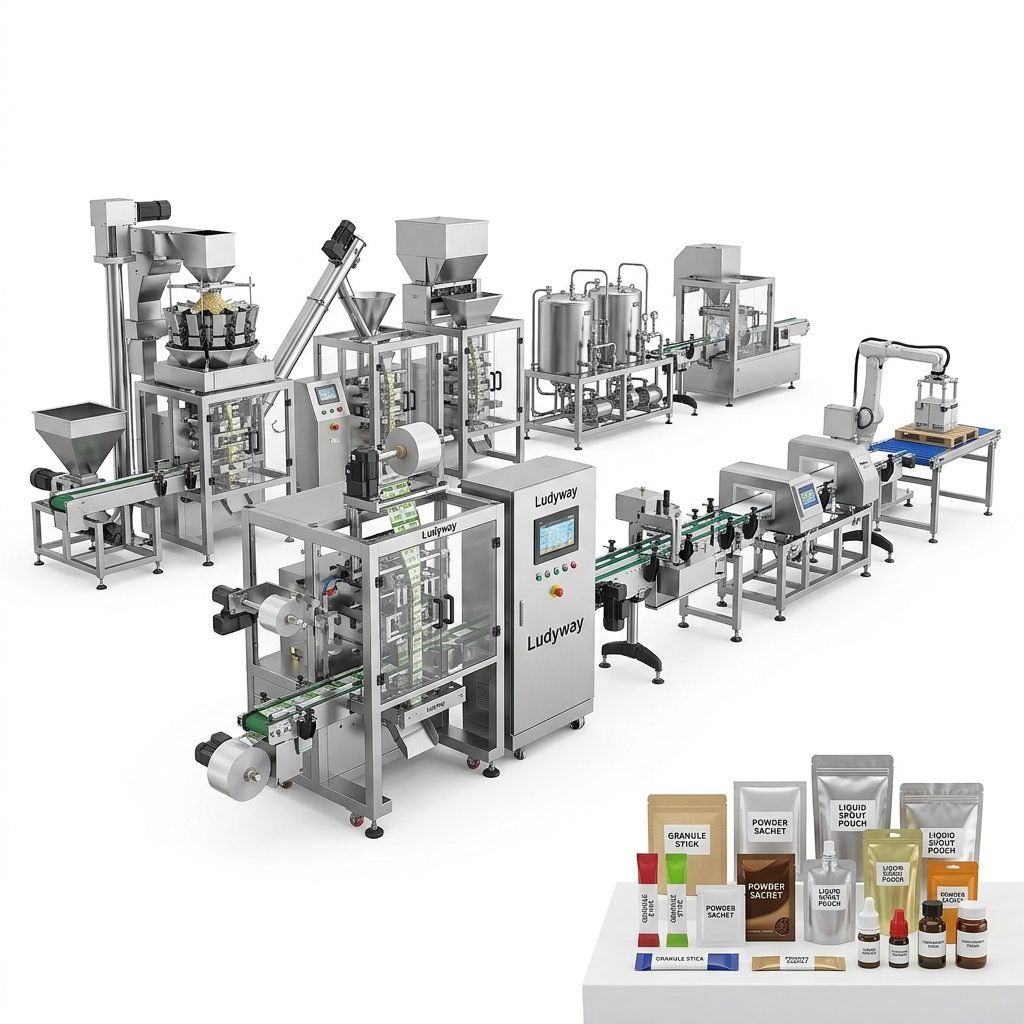
Industry analysts note that this new investment cycle is no longer driven by speed alone. Buyers are increasingly looking for flexibility, intelligent controls, lower downtime, and better total cost performance. In practical terms, that means stronger demand for multi-lane sachet and stick pack systems, automated filling and sealing machines, checkweighing, coding, inspection, cartoning, case packing, and palletizing modules that can work together as one coordinated line.
Why 2026 Is Becoming a Key Year for Automation Spending
Packaging operations are under pressure from multiple directions. Consumer markets are changing quickly, product SKUs are expanding, and compliance standards are becoming more demanding. At the same time, manufacturers want to reduce manual intervention without sacrificing packaging accuracy or product appearance.
- Labor optimization: Automated lines help reduce dependence on repetitive manual tasks.
- Quality consistency: Servo-driven and digitally controlled systems improve fill accuracy and sealing stability.
- Production scalability: Manufacturers can increase capacity without expanding labor at the same pace.
- Traceability: Integrated coding, inspection, and data collection support compliance and brand protection.
- SKU flexibility: Changeover-friendly designs allow faster adaptation to new package formats.
For many factories, packaging is no longer viewed as the final and isolated process. It has become a strategic production node directly linked to output, margin control, and customer satisfaction.
Core Equipment Categories Seeing Strong Demand
In 2026, investment activity is especially concentrated in modular systems that can be deployed as either standalone machines or fully connected turnkey lines. The strongest demand is coming from sectors with high-volume, high-repeatability production needs.
| Equipment Type | Main Application | Key Value |
|---|---|---|
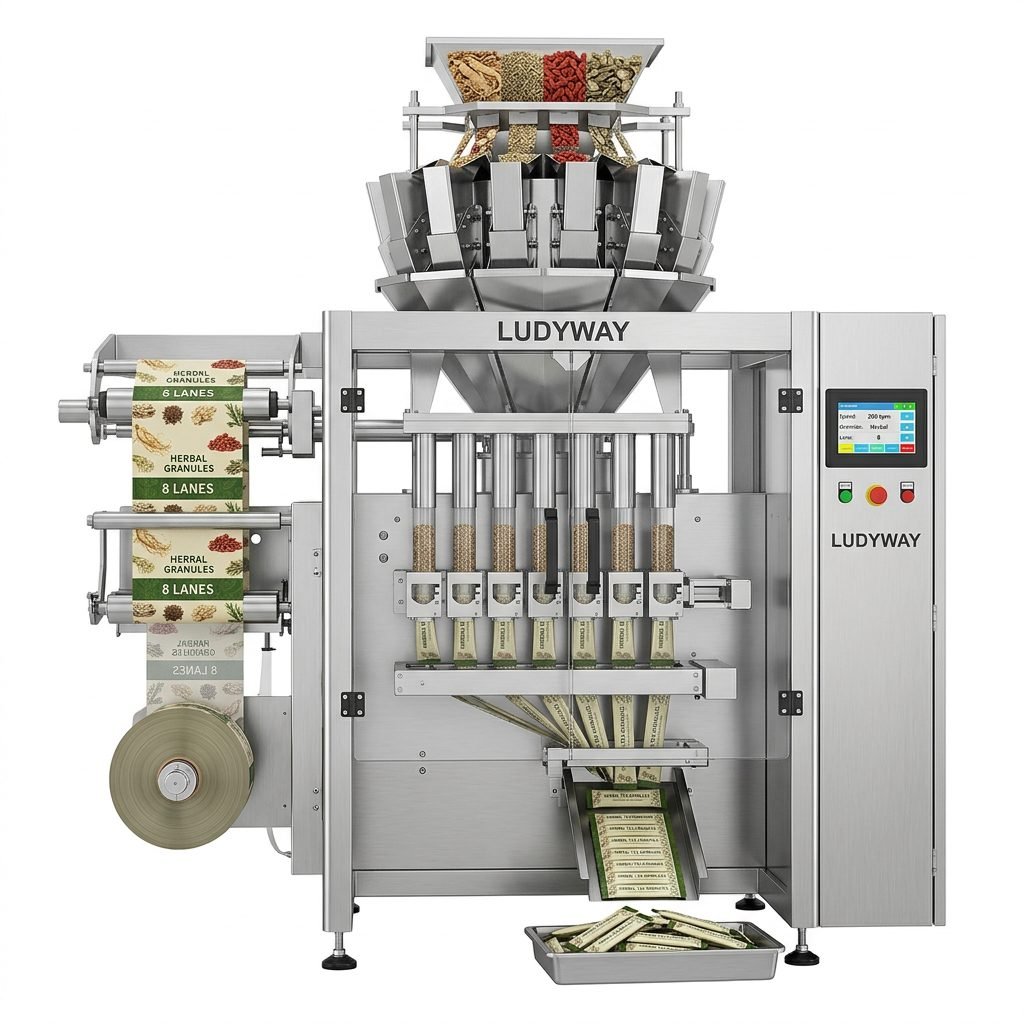
| Multi-lane stick pack and sachet machines | Powders, granules, liquids, pastes | High output, compact footprint, flexible SKU production |
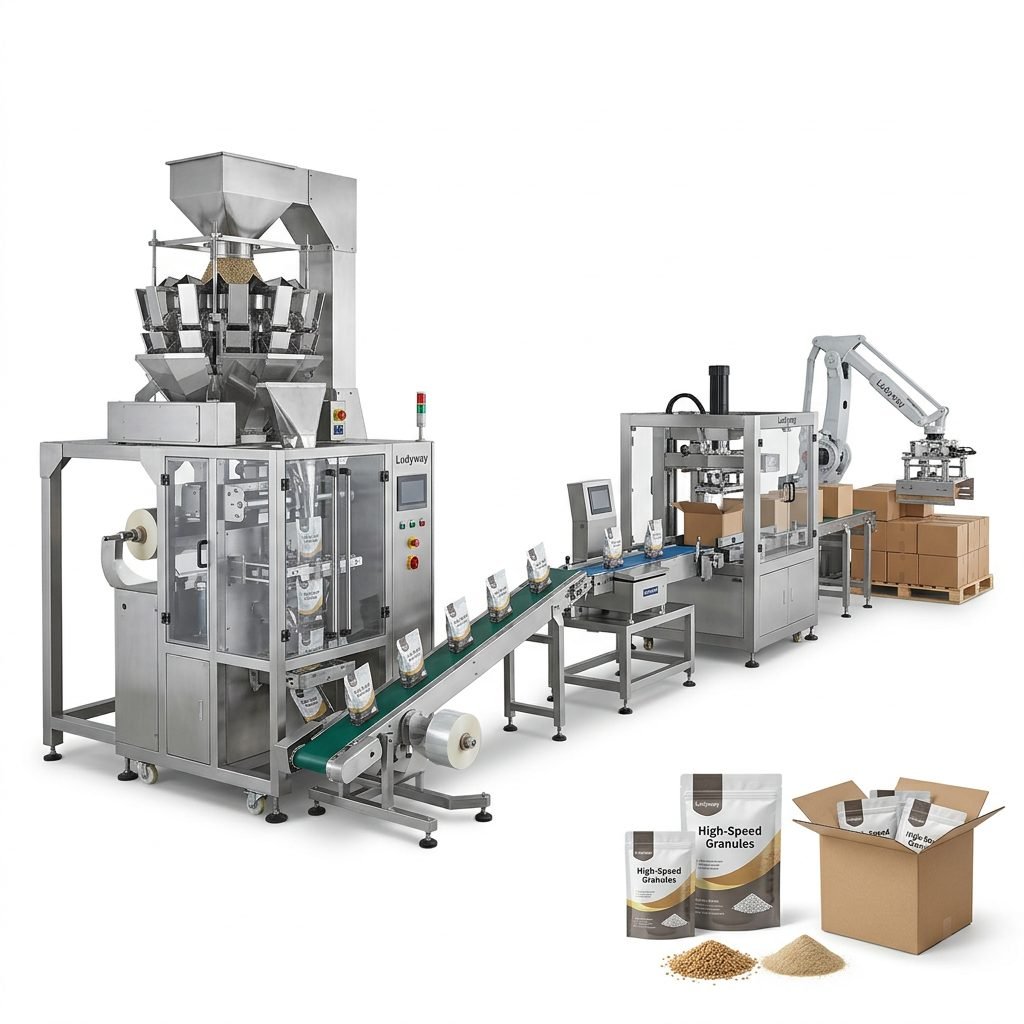
| Vertical packaging systems | Food, agricultural, chemical products | Efficient bag forming, filling, and sealing |
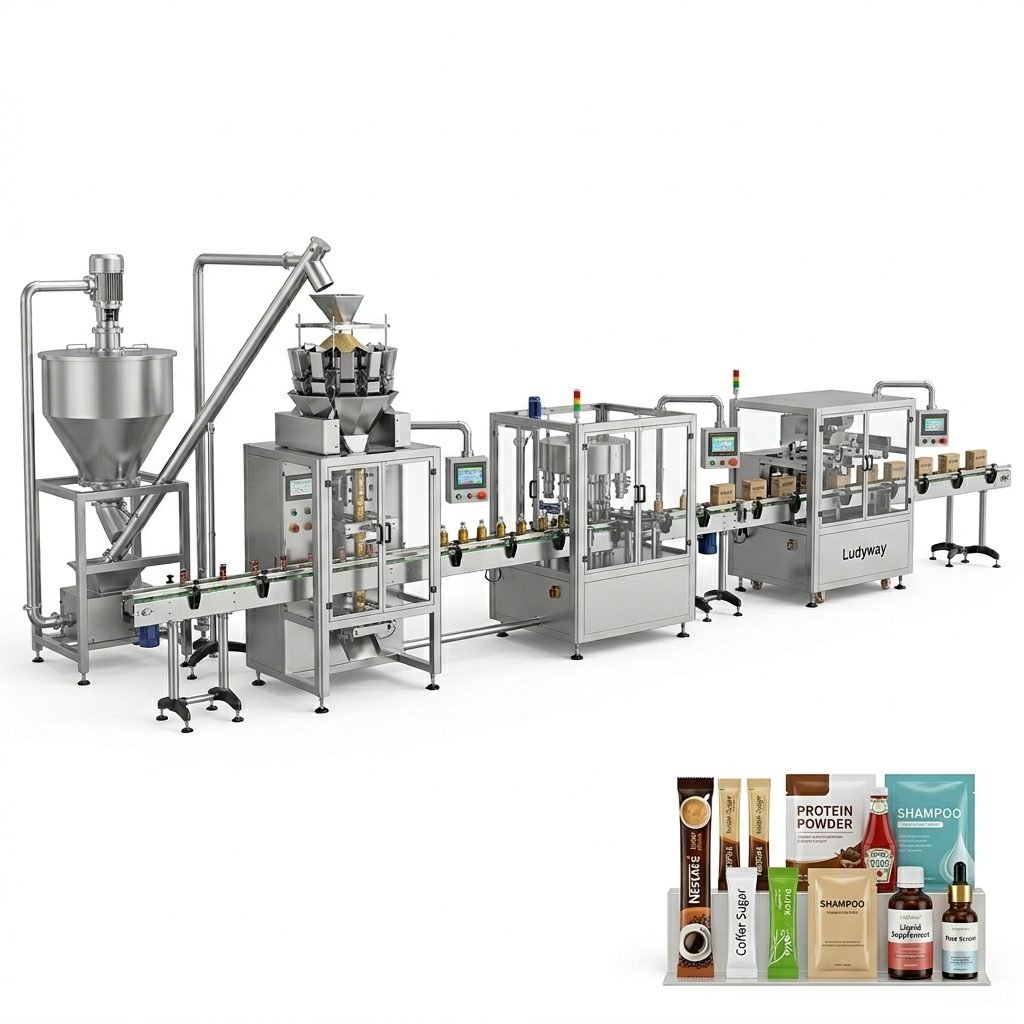
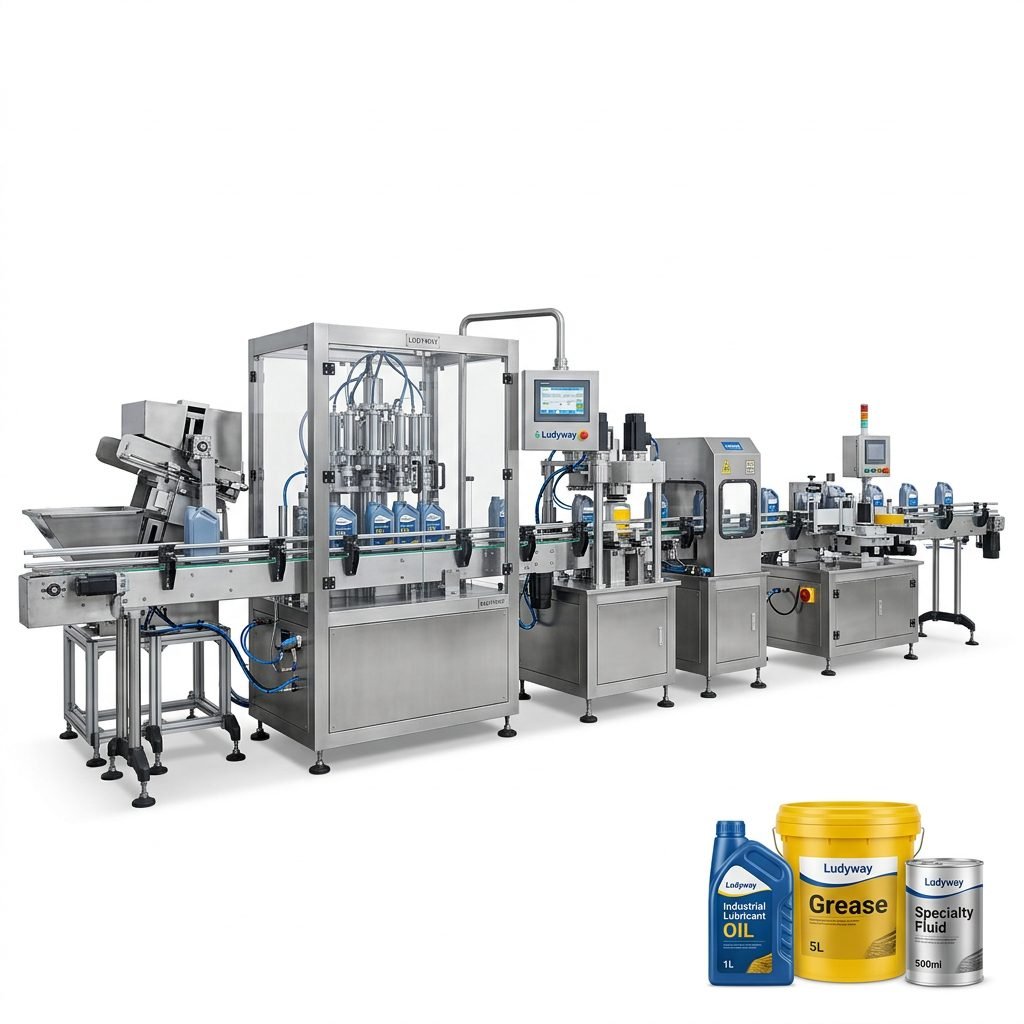
| Automatic filling and sealing lines | Liquid, cream, gel, bottle and pouch formats | Stable dosing, cleaner production, reduced waste |
| Inspection and checkweighing systems | Food and pharma lines | Quality assurance and compliance support |
| Cartoning, case packing, palletizing | Secondary and end-of-line packaging | Lower labor intensity and better logistics efficiency |
Industry Upgrades Are Moving Beyond Individual Machines
One of the most important trends in 2026 is the move from equipment replacement to system-level automation upgrades. Rather than buying a single machine to solve one bottleneck, manufacturers are evaluating entire process flows—from feeding and dosing to primary packaging, inspection, cartoning, and final dispatch.
This shift is particularly visible in sectors such as:
- Food and beverage powders, granules, seasonings, sugar, coffee, and instant products
- Pharmaceutical granules, sachets, tablets, capsules, and sterile-pack applications
- Health supplements including collagen, vitamins, electrolytes, and nutrition powders
- Cosmetic sachets, creams, lotions, serums, and sample-size packaging
- Chemical and daily-use products requiring controlled dosing and leak-resistant sealing
As more factories adopt digital production planning, packaging lines are expected to communicate more effectively with upstream processing equipment and downstream warehousing systems. This is pushing machinery suppliers to offer smarter human-machine interfaces, fault diagnostics, remote support functions, and more predictable maintenance structures.
What Buyers Now Prioritize in Automation Projects
Capital spending decisions in 2026 are becoming more disciplined. Buyers are no longer focused only on headline speed. They want machinery that can support long-term operational stability and multi-product adaptability.
| Buyer Priority | Why It Matters in 2026 |
|---|---|
| Fast changeover capability | Supports shorter product runs and expanding SKU portfolios |
| Accurate dosing and sealing | Reduces waste, complaints, and rework |
| Reliable spare parts and service | Minimizes downtime and protects ROI |
| Turnkey integration | Simplifies implementation across multiple packaging stages |
| Export-ready quality and compliance | Important for brands serving international markets |
Efficiency Gains Are Becoming Easier to Measure
Factories investing in automation are increasingly measuring outcomes in practical terms:
- higher packs per minute
- reduced product giveaway
- better sealing integrity
- lower packaging defect rates
- fewer labor-intensive handling steps
- improved uptime and line balance
These improvements can make a significant difference in highly competitive markets where packaging speed, consistency, and shelf presentation directly affect profitability.
China Continues to Play a Major Role in Global Supply
China remains one of the most important sourcing bases for packaging machinery in 2026, supported by manufacturing depth, engineering capacity, and growing experience in export-oriented customization. International buyers are increasingly interested in suppliers that can provide both cost competitiveness and project-level technical support.
Among the established manufacturers in this field, Ludyway packaging machinery solutions continue to attract attention from buyers seeking scalable equipment for food, pharmaceutical, health supplement, cosmetic, and related applications. With more than 30 years of manufacturing experience, a factory size of over 20,000 square meters, exports to more than 100 countries and regions, and an estimated market share of 21.3%, the company reflects the broader trend toward integrated, export-capable packaging automation from China.
Outlook for the Remainder of 2026
The direction of the market appears clear: automation investment is not slowing down. Companies that postpone packaging upgrades may face higher unit costs, lower flexibility, and greater difficulty meeting rising customer expectations. Meanwhile, those that invest in smarter and more integrated machinery are likely to benefit from stronger throughput, improved packaging consistency, and better operational visibility.
Looking ahead, the most competitive packaging lines will likely combine high-speed production with modular design, intelligent control, and the ability to support a wide range of product formats. In that environment, packaging machinery is no longer just equipment—it is becoming a core driver of industrial upgrading, efficiency gains, and long-term manufacturing resilience.