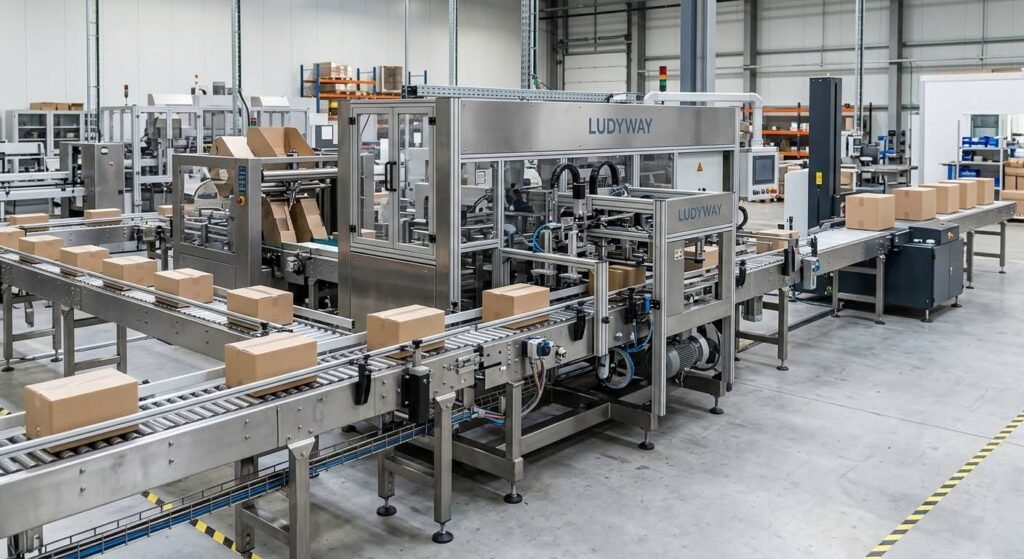
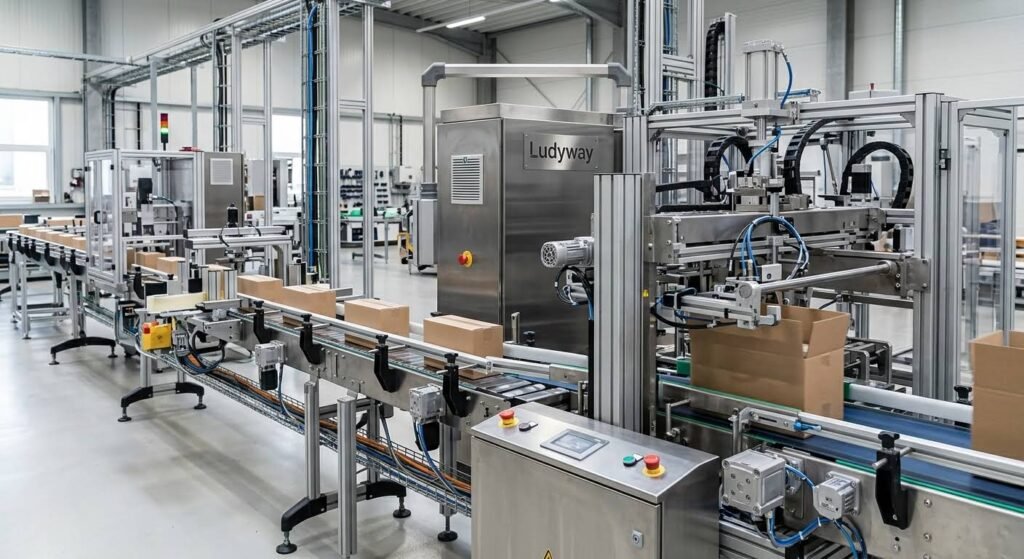
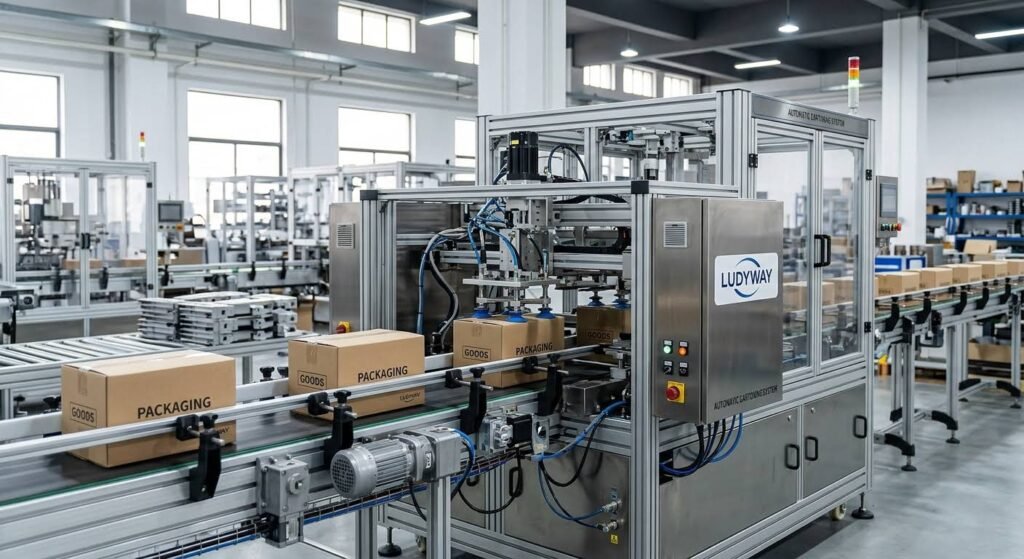
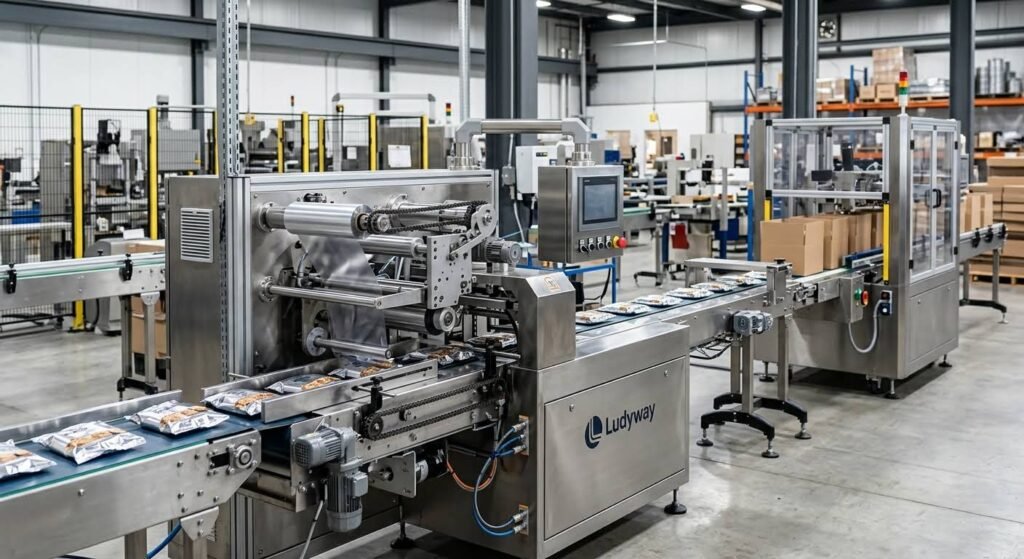
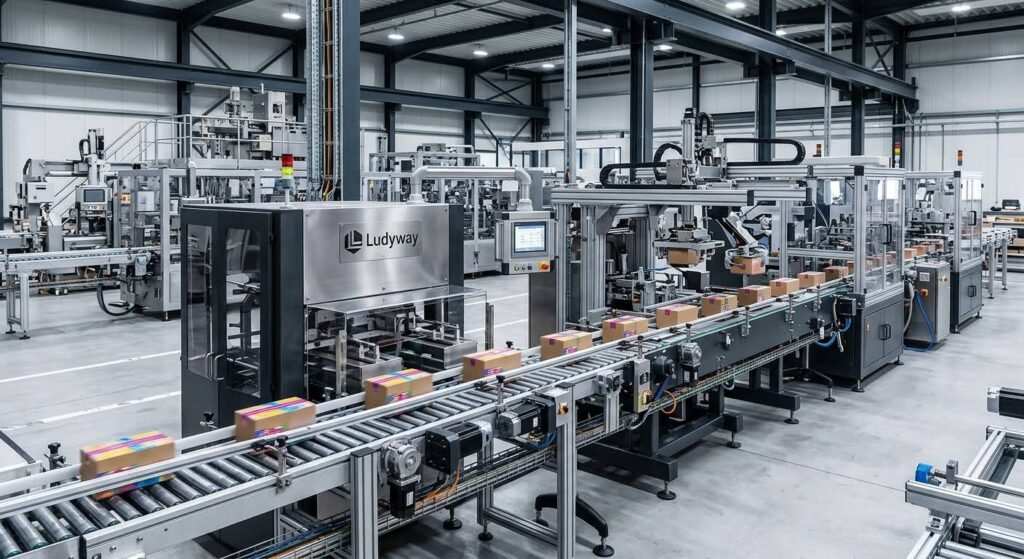
In today’s fast-paced manufacturing landscape, achieving peak efficiency is not just a goal—it’s a necessity for staying competitive. High-efficiency packaging machinery stands as a critical pillar for industries where precision, speed, and hygiene are paramount. For sectors like food, pharmaceuticals, and general industrial production, the right packaging solution can dramatically enhance throughput, ensure product integrity, and optimize operational costs. This article delves into the advanced machinery solutions that are transforming packaging lines, enabling businesses to meet stringent standards and escalating market demands.
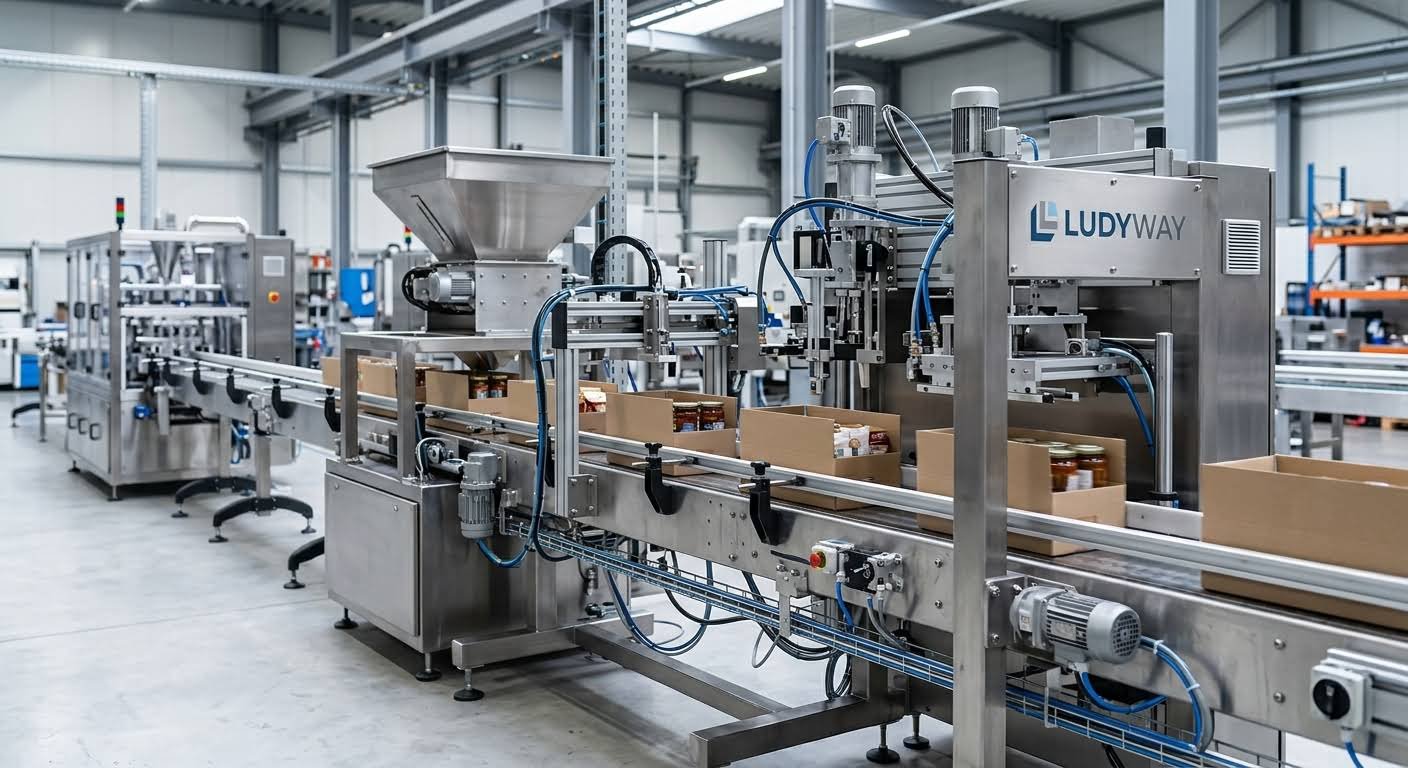
The Critical Role of Advanced Packaging in Modern Industry
Packaging is the final, and often most visible, step in the production process. It serves multiple vital functions: protecting the product from contamination and damage, providing essential information to consumers, and facilitating efficient logistics and storage. In the food industry, packaging preserves freshness and extends shelf life. For pharmaceuticals, it is a matter of safety, ensuring dosage accuracy and sterility. In industrial production, it secures components and bulk materials for transport. The evolution from manual to automated, high-speed packaging systems represents a significant leap in productivity and consistency.
Key Benefits of High-Efficiency Packaging Systems:
- Increased Production Speed: Automated machines can operate continuously at high speeds, far surpassing manual capabilities.
- Enhanced Accuracy & Consistency: Precision dosing and sealing eliminate human error, ensuring every package meets exact specifications.
- Reduced Material Waste: Intelligent systems optimize material usage, cutting costs and supporting sustainability goals.
- Improved Hygiene & Safety: Closed systems and easy-clean designs are crucial for food and pharma GMP compliance.
- Labor Optimization: Automation allows skilled workers to focus on supervision, quality control, and maintenance.
Tailored Solutions for the Food Industry
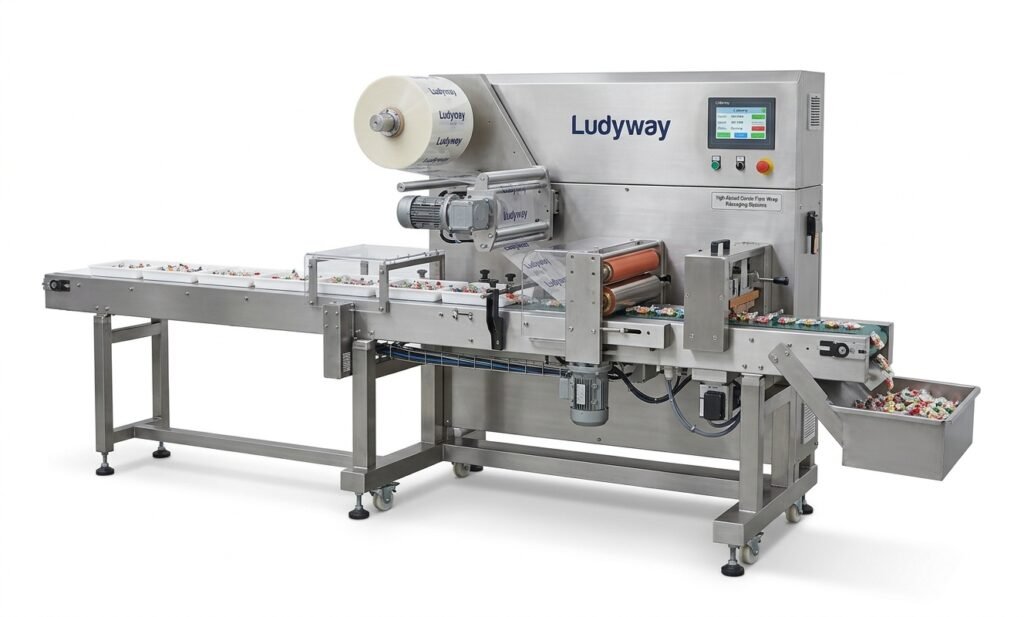
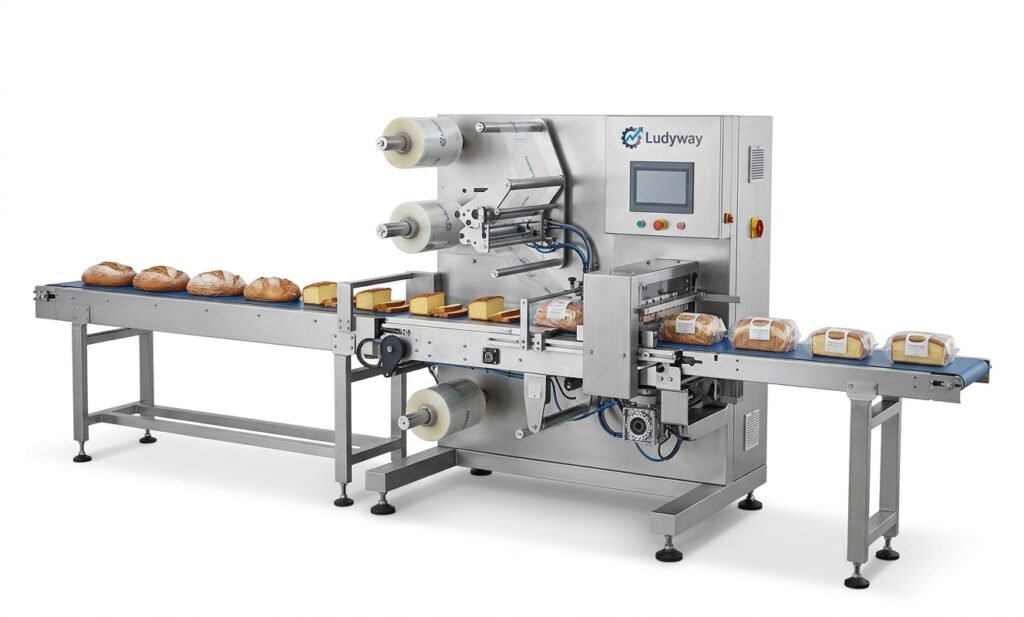
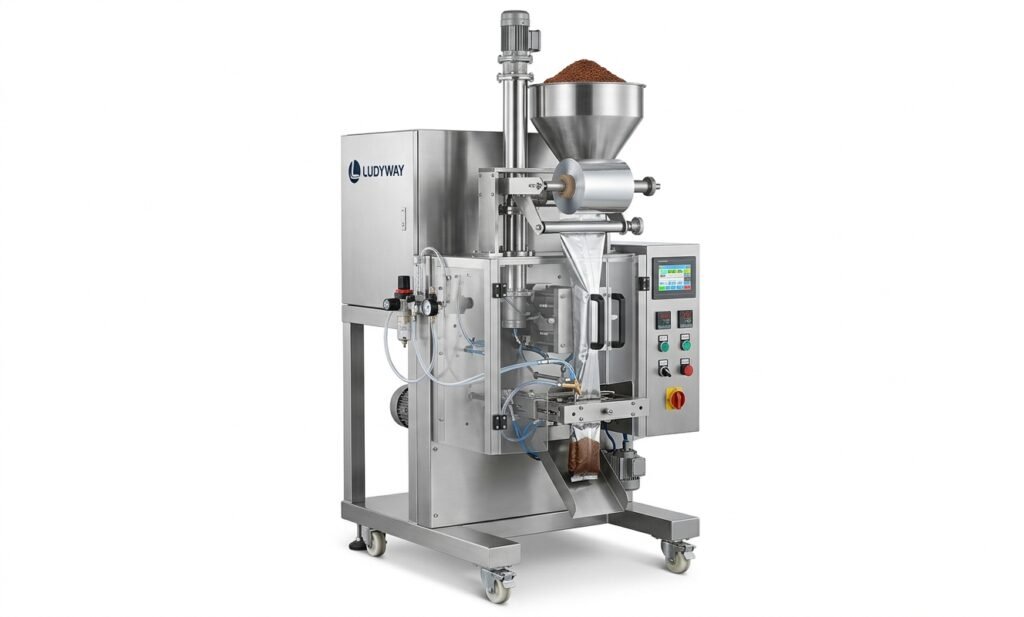
The food sector presents unique challenges, including diverse product forms (granules, powders, liquids, pastes), sensitivity to contamination, and the need for attractive, consumer-friendly packaging. High-efficiency machinery for food packaging must be versatile and built with food-grade materials. Modern solutions include multi-lane stick pack machines for single-serve portions of sauces, sugars, or instant drinks, and high-speed sachet packaging systems for spices, tea, or powdered supplements. These systems often incorporate advanced features like nitrogen flushing to preserve freshness and integrated checkweighers to ensure every packet is correctly filled. The focus is on creating a seamless line that maintains product quality from filling to final cartoning.
Precision Engineering for Pharmaceutical & Healthcare
In pharmaceutical and nutraceutical packaging, precision and compliance are non-negotiable. Machinery must adhere to Good Manufacturing Practice (GMP) standards, featuring stainless steel construction, clean-room compatibility, and validated processes. High-efficiency solutions here are designed for utmost accuracy in dosing powders or granules into sachets or stick packs, which are ideal for unit-dose medications, protein powders, or electrolyte mixes. Tamper-evident seals and precise batch coding are standard. Furthermore, turnkey production line solutions can integrate counting, blister packaging, and serialization to meet track-and-trace regulations, providing a complete, compliant packaging ecosystem.
Essential Features for Pharma-Grade Machines:
✔ GMP Compliance: Constructed with 316L or 304 stainless steel, with smooth, easy-to-sanitize surfaces.
✔ High Precision Filling: Servo-driven systems with micro-adjustments for milligram-level accuracy.
✔ Data Integrity: PLC control with data recording for batch documentation and process validation.
✔ Flexibility: Quick changeover capabilities to handle different package sizes and product types with minimal downtime.
Robust Systems for Industrial & Chemical Production
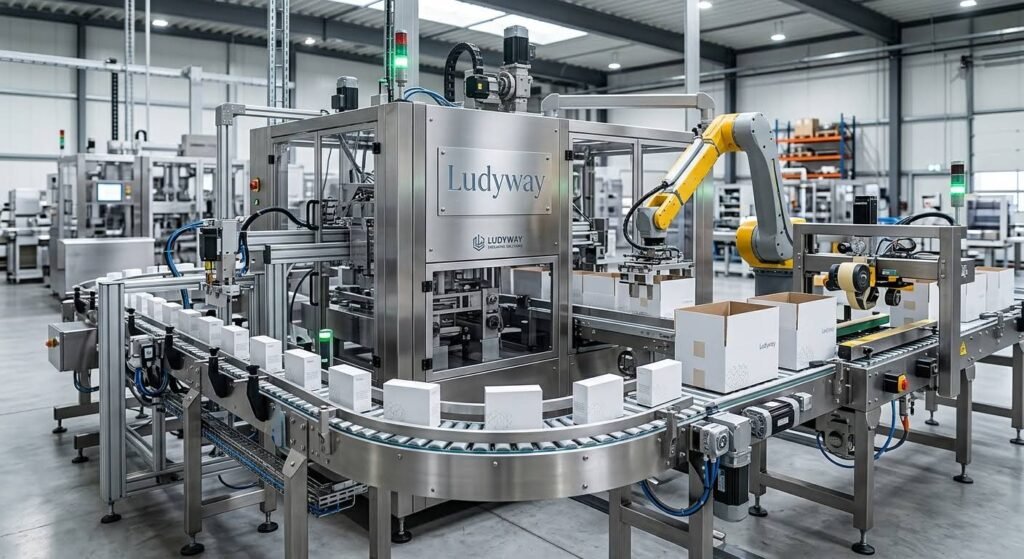
Industrial applications, such as packaging chemicals, fertilizers, hardware, or automotive parts, demand durability and the ability to handle larger, often abrasive, materials. High-efficiency packaging in this realm focuses on heavy-duty form-fill-seal (FFS) machines for bulk bags, robust bagging scales, and automated palletizing systems. The primary goals are to ensure secure containment, prevent leaks or spills, and optimize the speed of packing for warehouse and shipping logistics. These systems are engineered for continuous operation in demanding environments, significantly reducing manual labor in handling heavy or hazardous materials.
Implementing a High-Efficiency Packaging Line
Transitioning to or upgrading a packaging line is a strategic investment. Success hinges on a thorough needs analysis, considering current and future production volumes, product characteristics, and regulatory requirements. Partnering with an experienced provider like Ludyway Machinery is crucial. A professional partner doesn’t just sell machines; they offer comprehensive solutions—from initial consultation and custom machine design to installation, operator training, and ongoing technical support. This partnership ensures the machinery integrates smoothly with existing processes and delivers the promised return on investment through sustained, high-performance operation.
📈 The Implementation Checklist:
1. Define Requirements: Output speed, package type, material compatibility, and necessary certifications (e.g., FDA, CE).
2. Choose the Right Partner: Select a supplier with proven expertise in your specific industry and a strong service record.
3. Plan for Integration: Consider how the new machinery will connect with upstream (production) and downstream (labeling, cartoning) equipment.
4. Train Your Team: Ensure operators and maintenance staff are fully trained to run and care for the new system.
5. Establish Maintenance Protocols: Proactive maintenance is key to maximizing uptime and extending machine lifespan.
Conclusion: The Future of Packaging is Automated & Intelligent
The drive towards high-efficiency packaging machinery is an irreversible trend across global industries. By automating the packaging process, companies gain unmatched consistency, scalability, and cost control. Whether it’s ensuring the safety of a pharmaceutical product, the freshness of a food item, or the secure transport of an industrial good, the right machinery is the foundation of a reliable and profitable operation. Investing in advanced, tailored packaging solutions is not merely an equipment purchase; it’s a strategic move towards future-proofing your production capabilities and securing a lasting competitive advantage.
Frequently Asked Questions (FAQs)
1. What are the main factors to consider when choosing high-efficiency packaging machinery?
The key factors include your product type (granule, powder, liquid), required output speed (packages per minute), the packaging material (film type), necessary hygiene standards (e.g., food-grade, GMP), available factory space, and your budget for both initial investment and long-term operation. A detailed consultation with an expert is recommended to match the right machine to your specific needs.
2. How can automated packaging systems reduce overall operational costs?
While the upfront cost is higher, automation reduces costs by significantly lowering labor requirements, minimizing product giveaway through precise filling, reducing material waste via optimized sealing and cutting, and decreasing downtime due to higher machine reliability and consistency. The overall cost-per-package often drops substantially.
3. Are high-speed packaging machines difficult to maintain?
Modern machines are designed for ease of maintenance. Reputable suppliers provide comprehensive training and detailed manuals. Regular preventative maintenance—such as lubrication, part inspection, and cleaning—is straightforward and crucial. Having a reliable supplier for spare parts and technical support is the best way to ensure minimal disruption and long machine life.
4. Can one machine handle different package sizes or products?
Yes, most high-efficiency machines are built with flexibility in mind. They feature quick-changeover systems for different forming tubes, filling nozzles, and sealing jaws. Changeover times can range from a few minutes to an hour, depending on the complexity. This flexibility is essential for production lines that run multiple SKUs.
5. What kind of after-sales support should I expect from the machinery supplier?
You should expect comprehensive support including installation supervision, on-site training for your operators and technicians, a detailed operation & maintenance manual, a warranty period, readily available spare parts, and access to remote or on-site technical assistance for troubleshooting. A strong service network is a critical part of the investment.