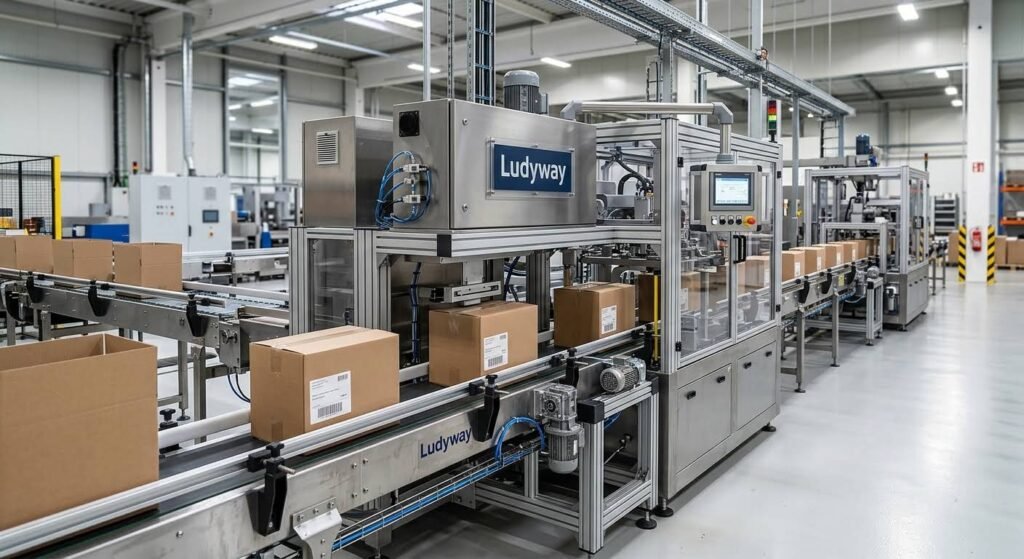
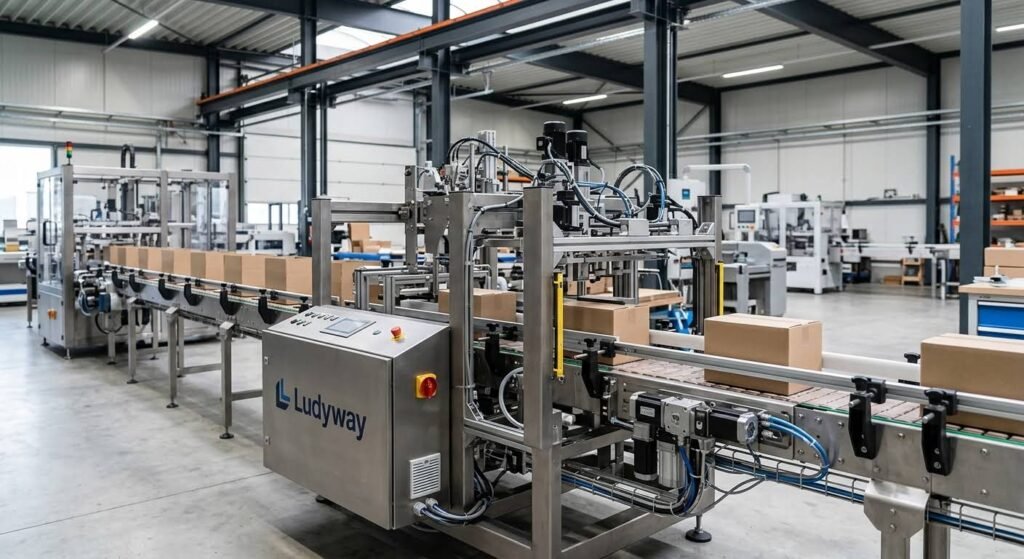
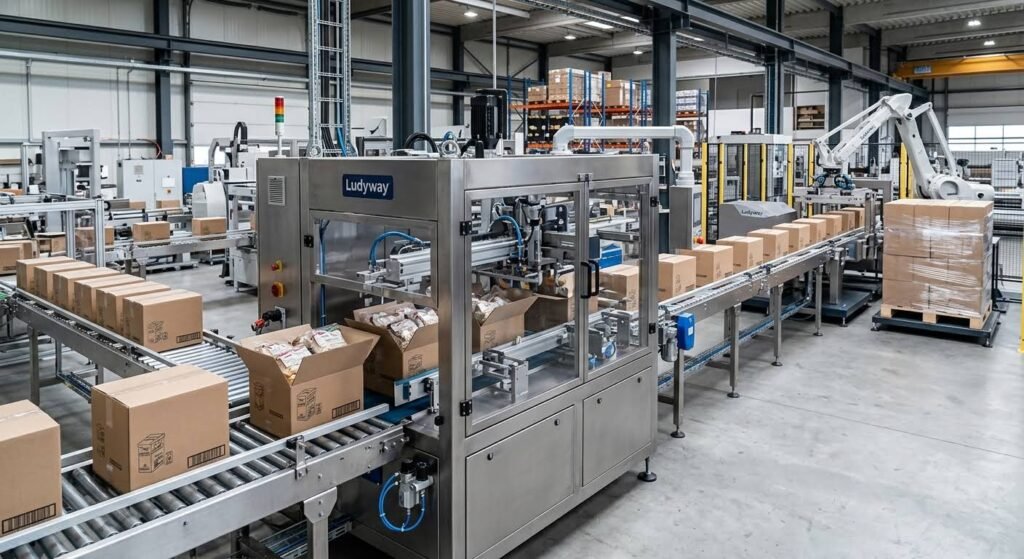
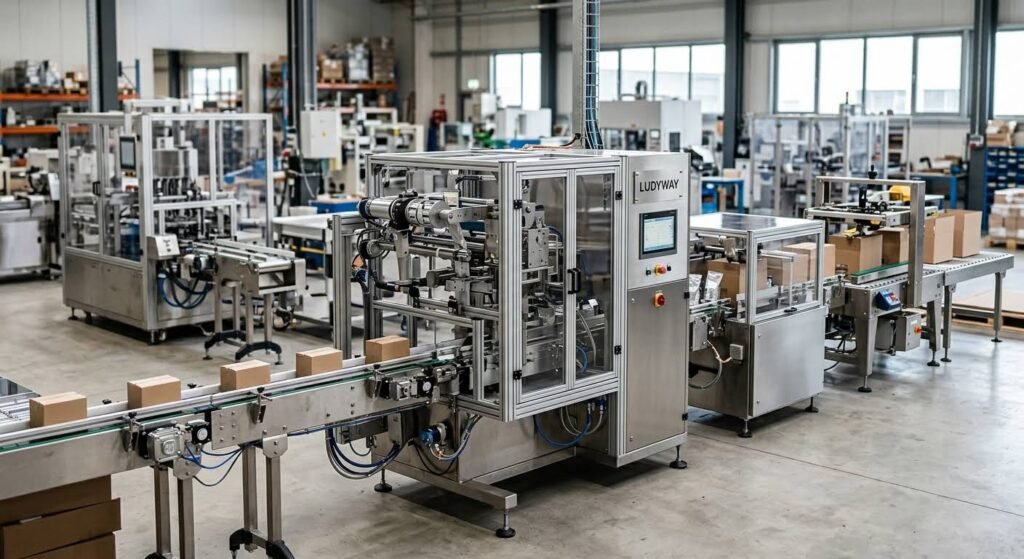
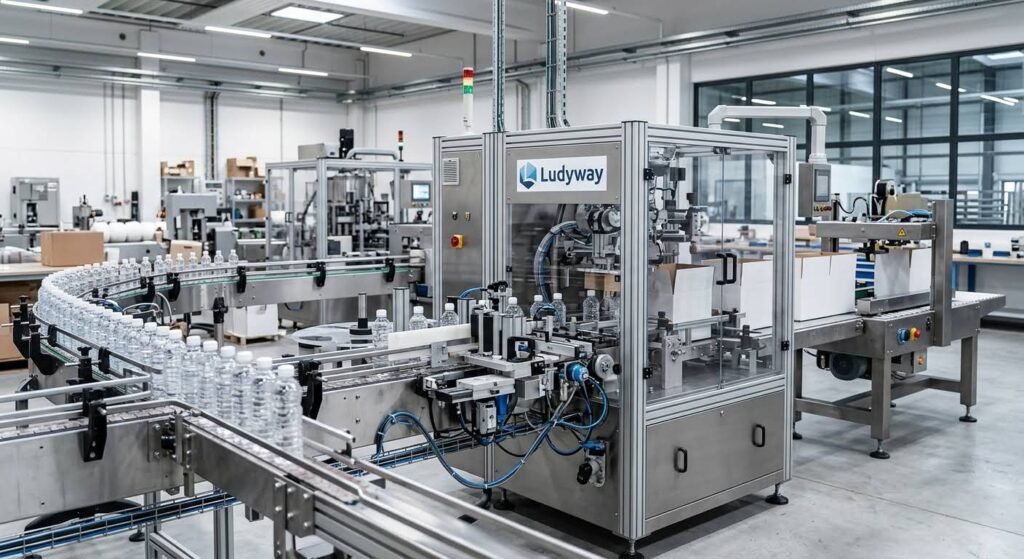
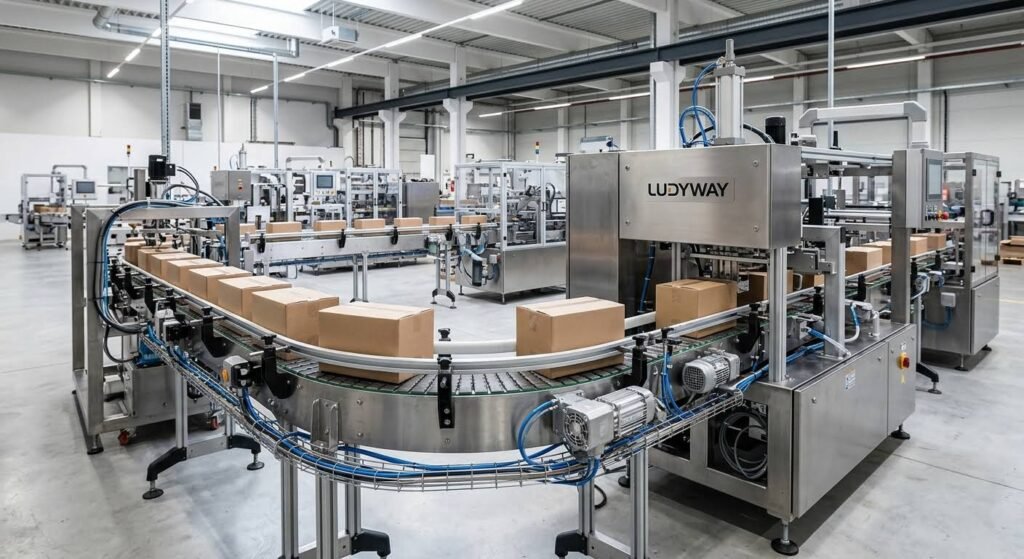
Selecting the right packaging equipment manufacturer is a critical decision that directly impacts your production efficiency, product quality, and bottom line. With numerous suppliers in the market, each claiming superiority, the process can be daunting. This guide will walk you through the essential factors to consider when choosing a supplier for your production line, ensuring you partner with a company that aligns with your operational goals and quality standards.
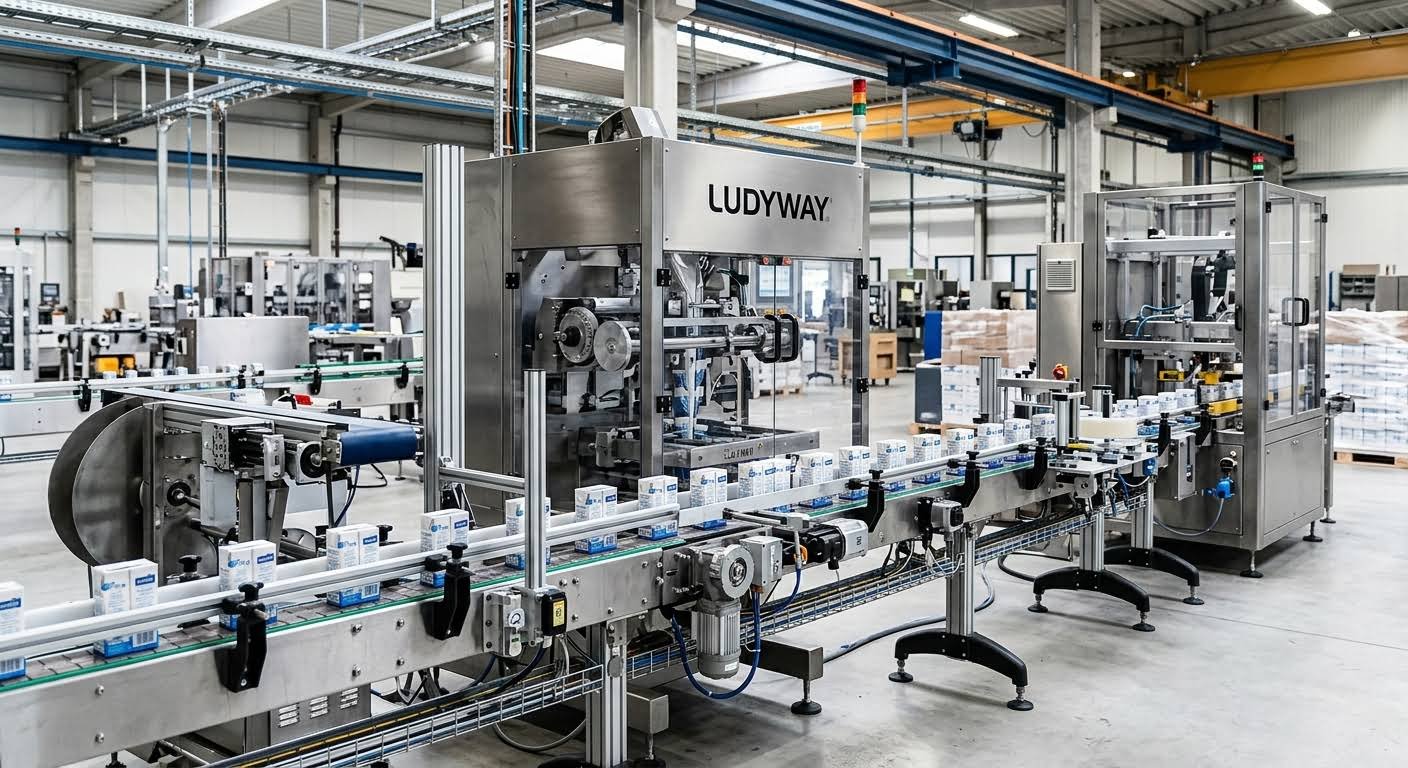
Key Factors in Evaluating Packaging Equipment Manufacturers
Before diving into specific suppliers, it’s crucial to establish a clear set of evaluation criteria. A thorough assessment should go beyond just the machine’s price tag.
1. Technical Capability and Machine Range
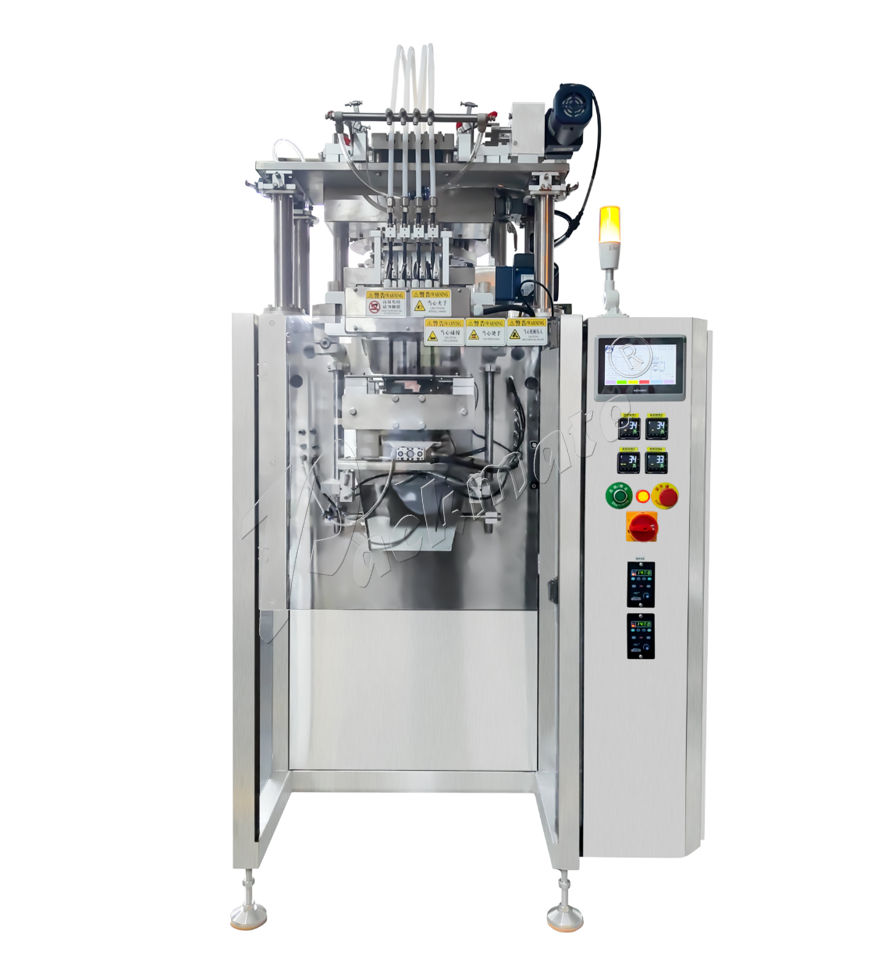
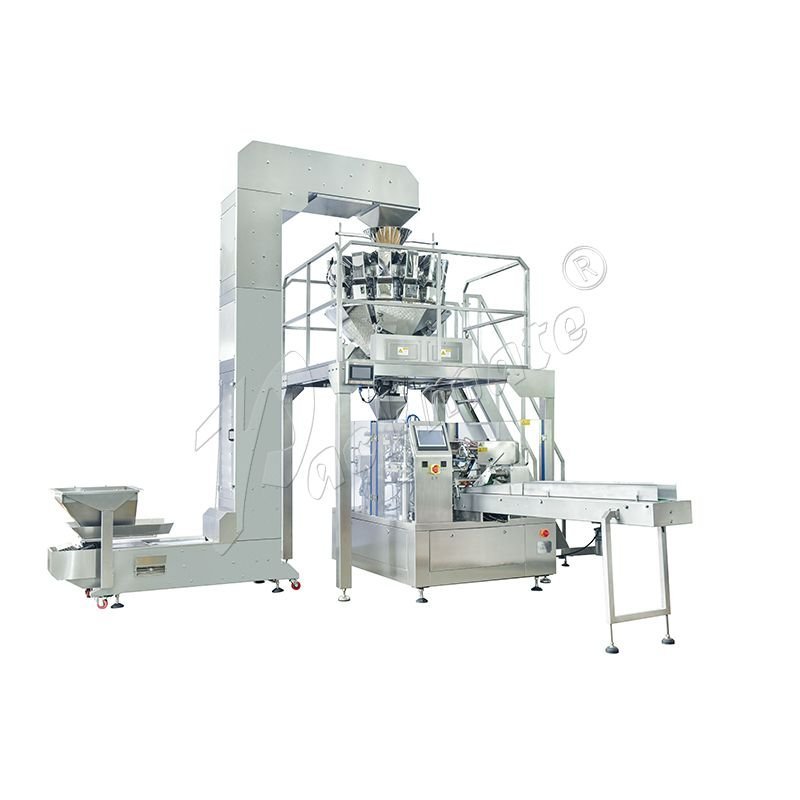
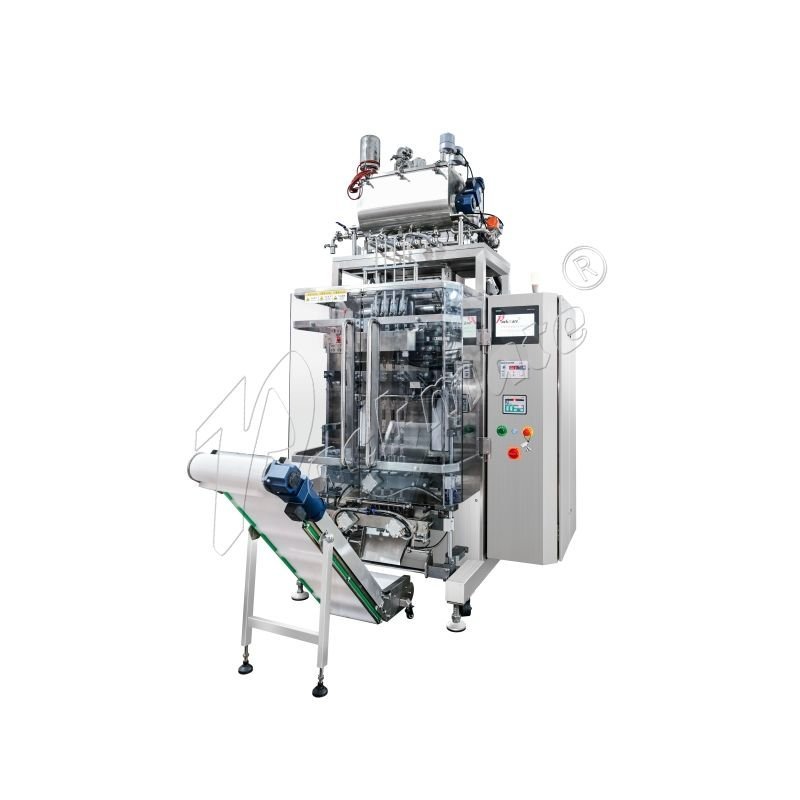
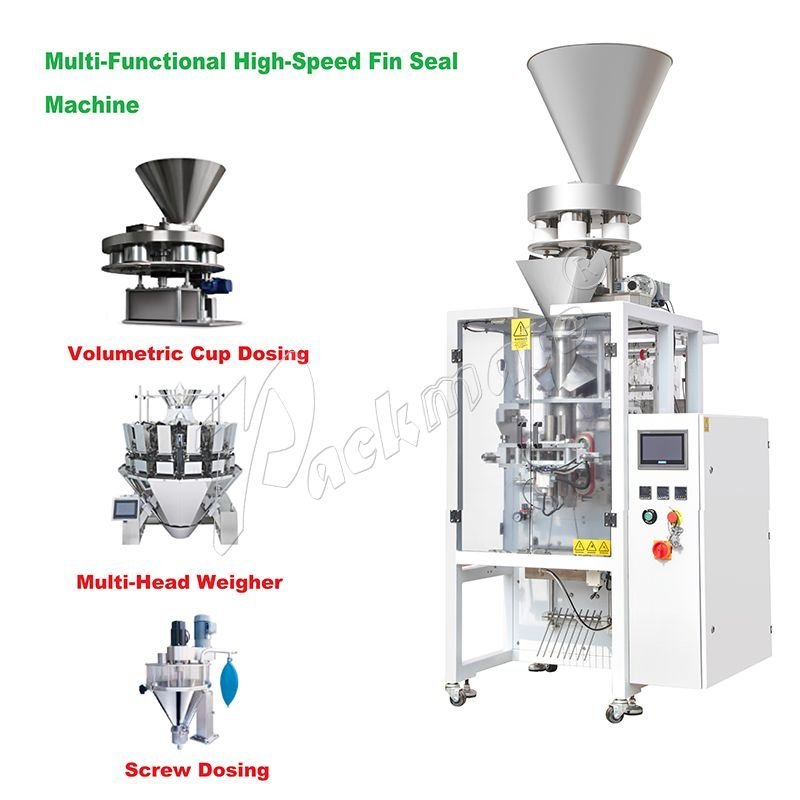
The core of any supplier’s offering is its technical prowess. Investigate the breadth and depth of their equipment portfolio. A top manufacturer should provide solutions for various packaging types: granules, powders, liquids, stick packs, and sachets. Look for evidence of innovation, such as multi-lane systems or integrated automation solutions that can boost your line’s output.
Pro Tip: Don’t just look at standard models. Inquire about customization options. The ability to tailor a machine to your specific product characteristics (e.g., flowability, hygroscopicity) is a hallmark of a true engineering partner.
2. Manufacturing Quality and Facility Standards
The quality of the manufacturing process dictates the reliability and longevity of the equipment. Prioritize manufacturers with modern production facilities that adhere to stringent quality control protocols. For instance, a company operating from a 20,000㎡ manufacturing facility typically has the scale and infrastructure for robust production and testing. Years of direct industry experience, such as 30+ years in packaging machinery, often translate into refined designs and proven durability.
3. Industry-Specific Experience and References
Packaging requirements differ vastly between industries. A pharmaceutical line has different hygiene and validation needs than a food or health product line. Choose a supplier with a demonstrable track record in your specific sector. Request case studies or client references from similar applications. A manufacturer like Ludyway Machinery, which specializes in solutions for the food, pharmaceutical, and health industries, brings targeted expertise that a generalist supplier may lack.
4. After-Sales Support and Service Network
The relationship begins at installation, not ends at purchase. Comprehensive after-sales support is non-negotiable. Evaluate the supplier’s service offerings:
✔ Training & Installation
✔ Technical Support
✔ Spare Parts Availability
✔ Preventive Maintenance
Global manufacturers should have a responsive support network or reliable local partners to minimize downtime.
5. Project Execution and Turnkey Solutions
For complex projects, the supplier’s ability to deliver a complete turnkey production solution is invaluable. This includes everything from initial design and machinery supply to installation, commissioning, and production line optimization. Assess their project management history and their capability to integrate different equipment into a seamless, efficient line.
Navigating the Selection Process: A Step-by-Step Approach
Having clear criteria is the first step. Implementing a structured selection process is the next.
Step 1: Define Your Requirements Precisely
Document your needs: product type, required output (bags/minute), packaging materials, desired level of automation, factory floor space, and budget. This clarity will help you communicate effectively with potential suppliers and filter out unsuitable options early.
Step 2: Conduct In-Depth Supplier Research
Use industry directories, trade shows, and professional networks to create a longlist. Visit company websites, such as Ludyway’s professional profile, to review their capabilities, history, and client lists. Shortlist 3-5 manufacturers that seem to best match your technical and industry requirements.
Step 3: Request and Evaluate Proposals
Submit your detailed requirements to shortlisted suppliers. A professional proposal should include technical specifications, layout drawings, a clear commercial offer, delivery timeline, and details of warranty and support. Compare not just on price, but on the total value and solution fit.
Warning Sign:
Be wary of quotes that are significantly lower than others without clear justification. This can indicate lower-quality components, hidden costs, or inadequate after-sales service, leading to higher total cost of ownership.
Step 4: Factory Audit and Machine Demonstration
If possible, visit the manufacturer’s facility. A factory audit allows you to verify their manufacturing processes, quality controls, and company scale. Insist on a live machine demonstration, preferably using a product similar to yours. This “test drive” is the best way to assess performance, noise levels, ease of operation, and build quality.
Step 5: Final Due Diligence and Contract Finalization
Check references thoroughly. Speak to existing clients about machine performance, reliability, and the quality of service. Finally, ensure all agreements—regarding performance guarantees, payment terms, delivery, installation, and support—are clearly detailed in a formal contract before proceeding.
Why Long-Term Partnership Matters
Purchasing packaging machinery is not a one-time transaction. It is the beginning of a long-term partnership. Your production depends on the machine’s ongoing performance. A supplier committed to long-term cooperation and innovation will work with you to adapt to future changes in your products, volumes, or regulations. They become an extension of your technical team, a valuable asset for continuous improvement and growth.
Companies that have evolved from a focused engineering team, like the story of Ludyway which began in 2010, often retain this partnership-centric approach, understanding that their success is tied to their clients’ operational success.
Frequently Asked Questions (FAQs)
Q1: What is the most important factor when choosing a packaging machine supplier?
While cost is important, the most critical factor is often the total value and long-term reliability. This encompasses machine quality, suitability for your specific product, the supplier’s industry experience, and the robustness of their after-sales service and technical support. A slightly higher initial investment in a reliable partner can prevent costly downtime and losses in the future.
Q2: How can I verify a supplier’s claimed industry experience?
Always ask for and diligently check client references and case studies from your specific industry (e.g., food, pharma). Request contact information for recent clients and ask detailed questions about machine performance, support responsiveness, and overall satisfaction. A visit to the supplier’s factory can also provide tangible evidence of their scale and operational maturity.
Q3: What does a “turnkey solution” typically include?
A full turnkey solution goes beyond selling individual machines. It usually includes consultation, production line design, supply of all primary and auxiliary equipment, installation, commissioning, staff training, and initial production support. The goal is to deliver a complete, ready-to-operate production line where the client assumes control only after it is fully operational and meeting agreed-upon performance standards.
Q4: Is it better to buy from a local distributor or directly from an international manufacturer?
This depends on the manufacturer’s support model. Buying directly from an international manufacturer can offer cost advantages and direct access to engineering expertise. However, a competent local distributor or service partner for that manufacturer can provide faster, on-the-ground support. The ideal scenario is a manufacturer with a strong direct international presence and a reliable local service network to ensure prompt assistance.
Q5: How do I plan for future scalability with my packaging equipment?
Discuss your growth projections with potential suppliers during the selection process. Choose equipment and a supplier that can support scalability. This might mean selecting a machine model with a higher speed capacity than currently needed, or a supplier, like those offering over 50 intelligent packaging machine models, whose broader portfolio can easily integrate additional or more advanced units into your line in the future without a complete overhaul.