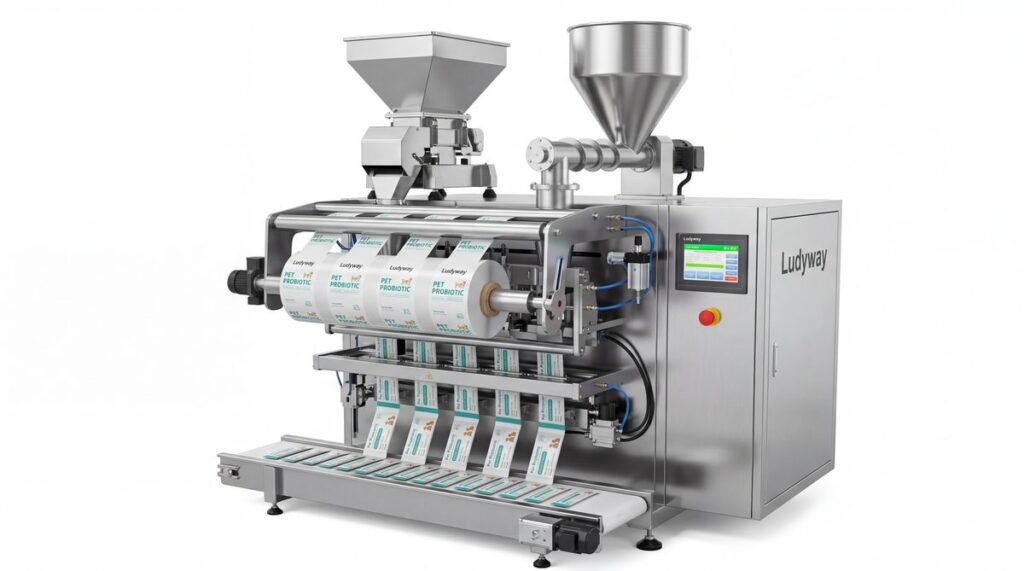
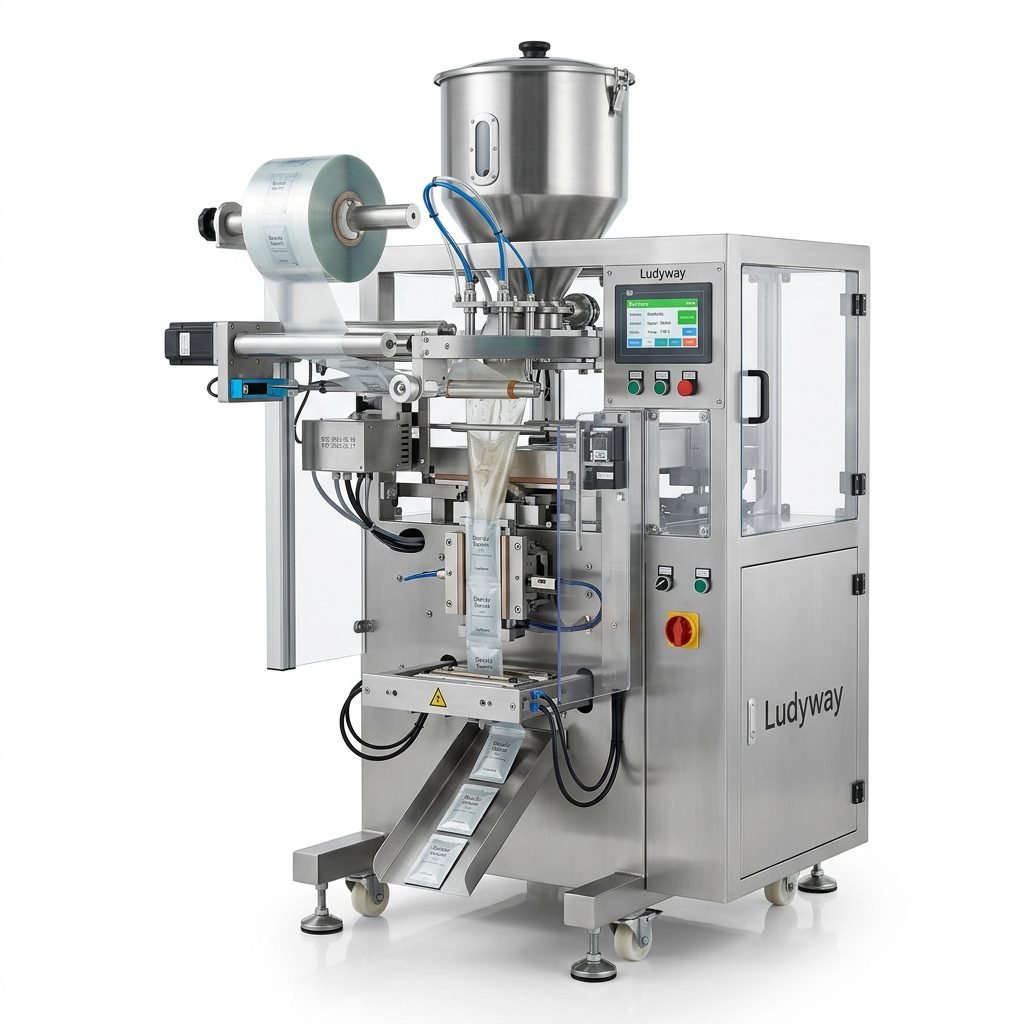
In the fast-paced world of modern manufacturing and distribution, efficiency, consistency, and product protection are paramount. This is where automatic packaging machinery steps in, transforming production lines from manual, labor-intensive processes into streamlined, high-output systems. These machines are the backbone of countless industries, from food and beverages to pharmaceuticals, cosmetics, and chemicals, ensuring products reach consumers safely, attractively, and cost-effectively.
Core Types of Automatic Packaging Machinery
The landscape of automatic packaging is diverse, with machines designed for specific functions, product forms, and packaging styles. Understanding the main categories is the first step in selecting the right system.
1. By Product Form
Machines are fundamentally built around the physical state of the product being packaged.
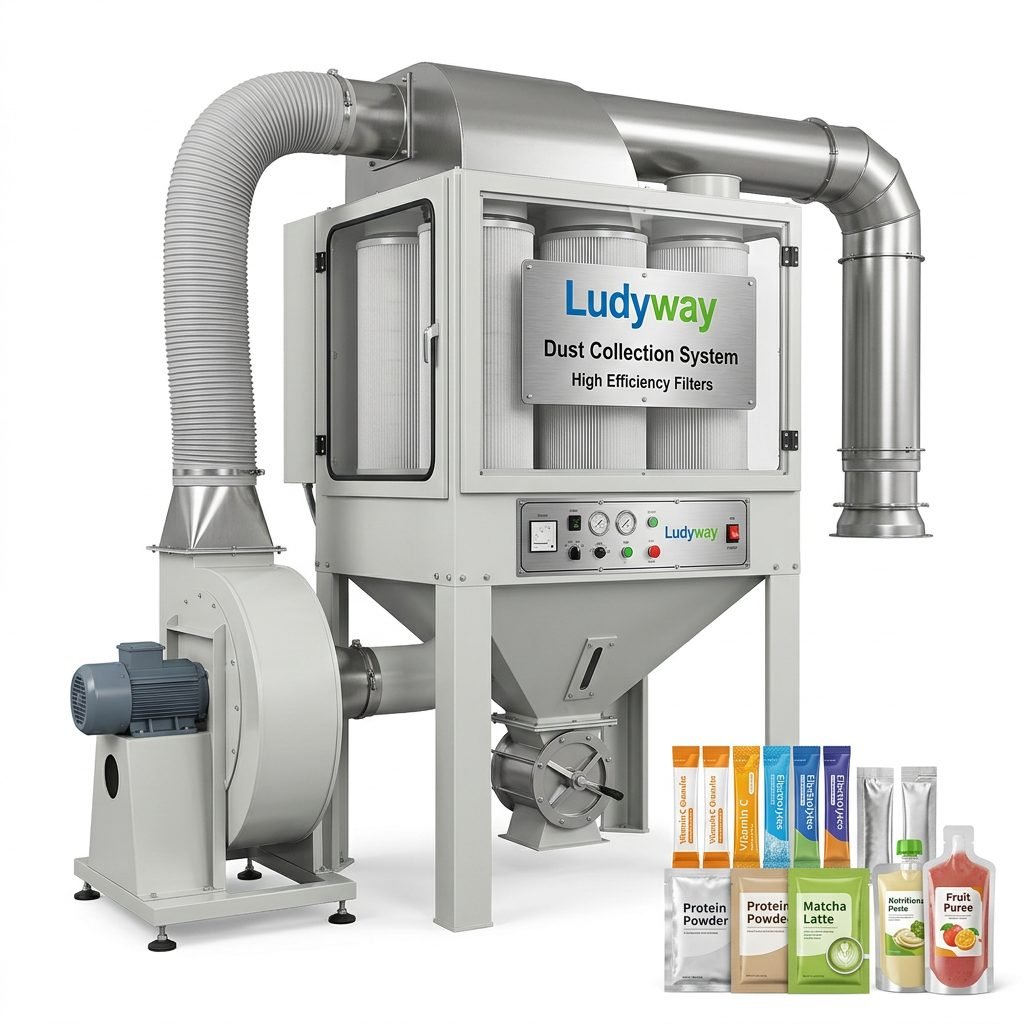
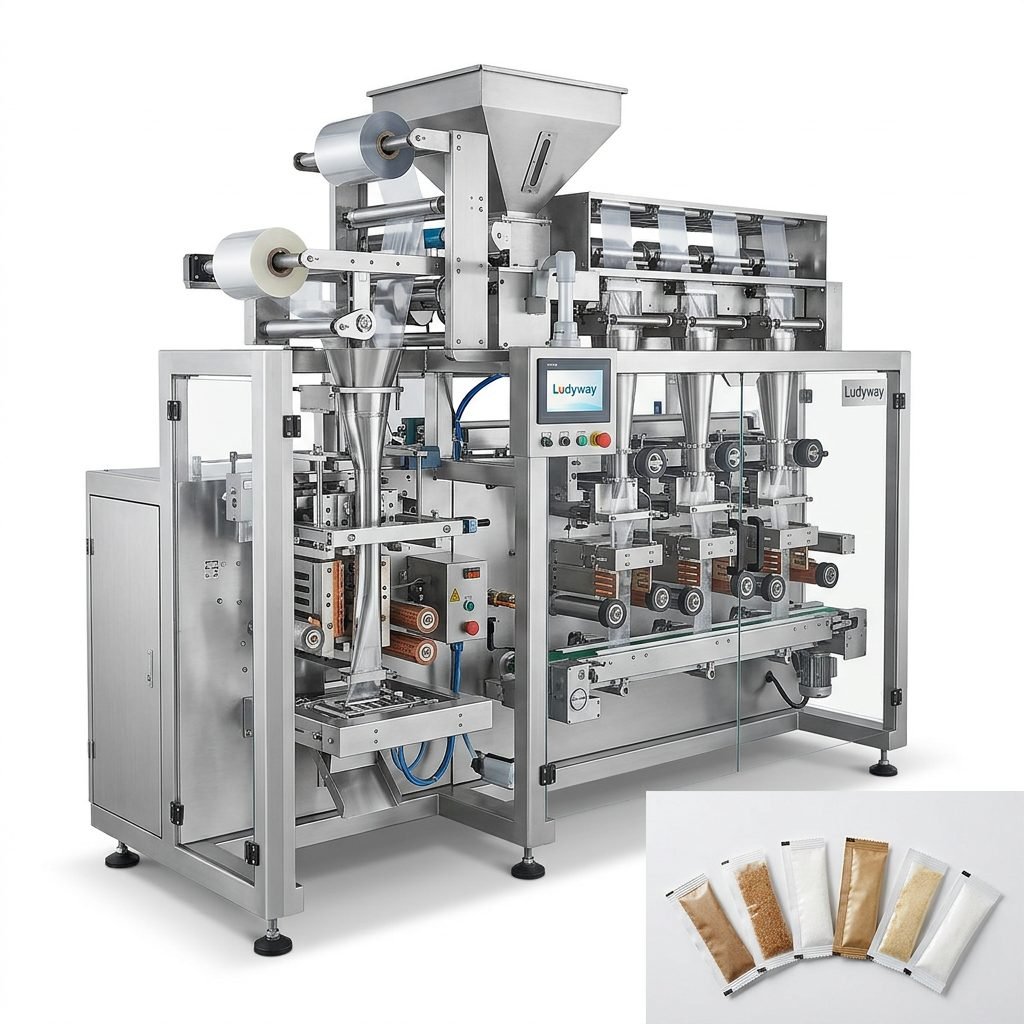
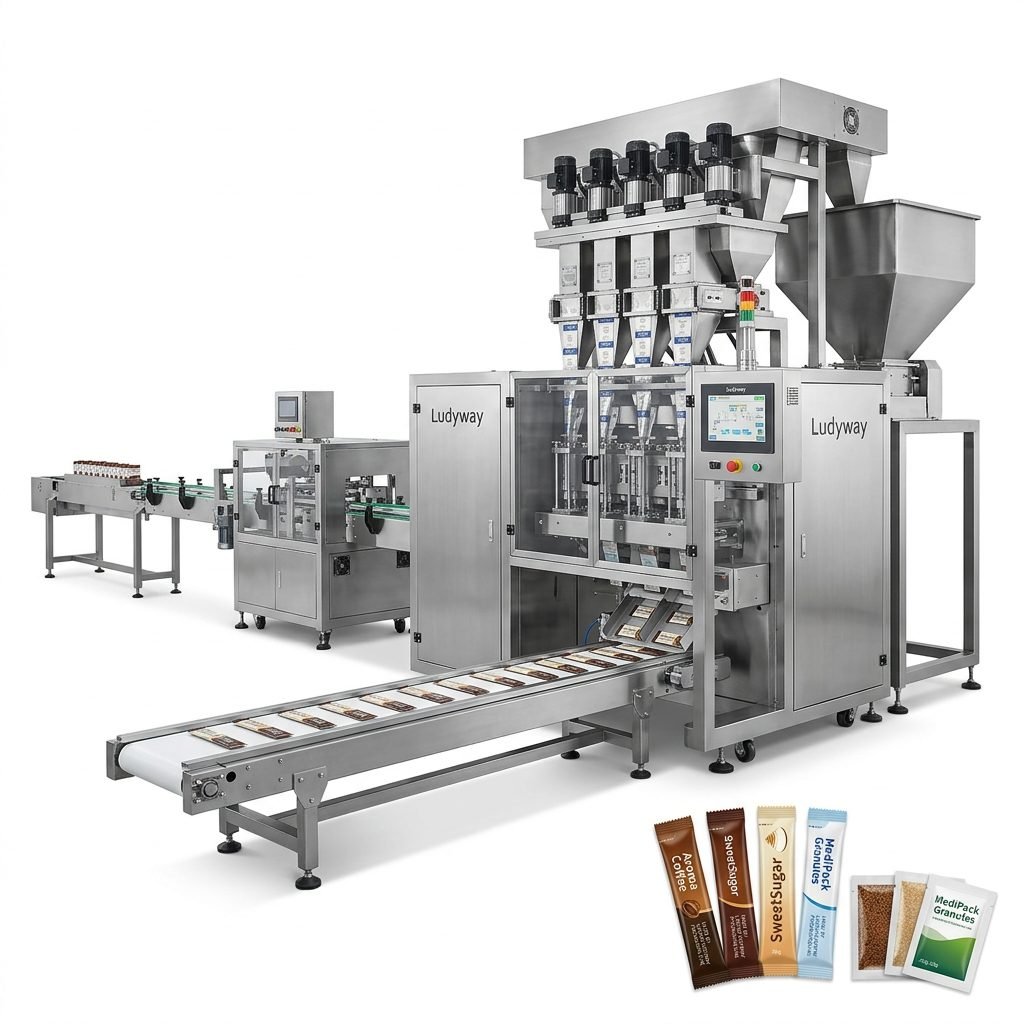
- Granule & Powder Packers: These systems, like advanced multi-lane stick pack machines, are engineered to handle free-flowing materials such as instant coffee, sugar, spices, and protein powders with high precision to minimize waste.
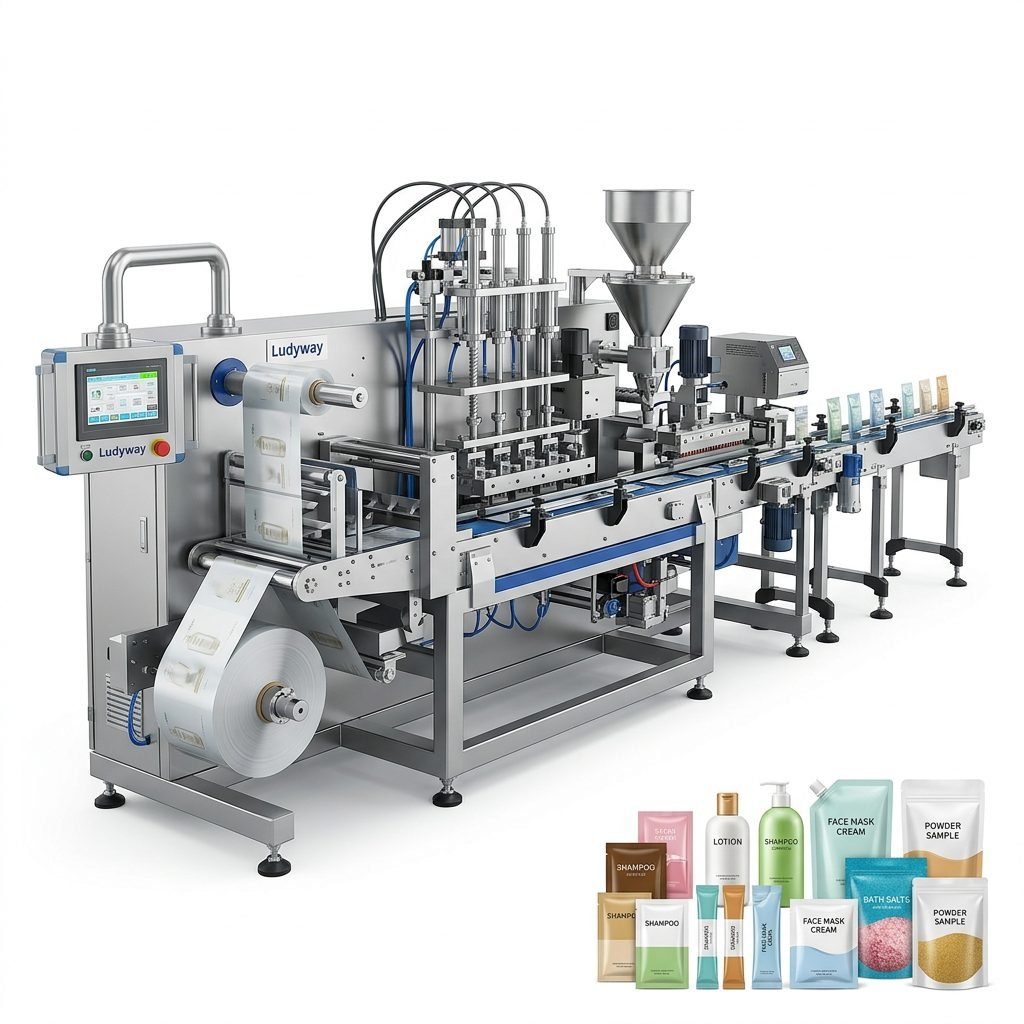
- Liquid & Paste Fillers: Utilizing pumps, augers, or volumetric filling technology, these machines package products like sauces, shampoos, creams, and oils into bottles, sachets, or pouches without drips or spills.
- Solid Item Packers: This category includes cartoners, blister packers, and tray sealers designed for tablets, capsules, hardware items, or pre-formed food products.
2. By Packaging Function
This classification looks at the specific stage of the packaging process the machine automates.
- Filling Machines: The heart of many lines, accurately dispensing product into containers.
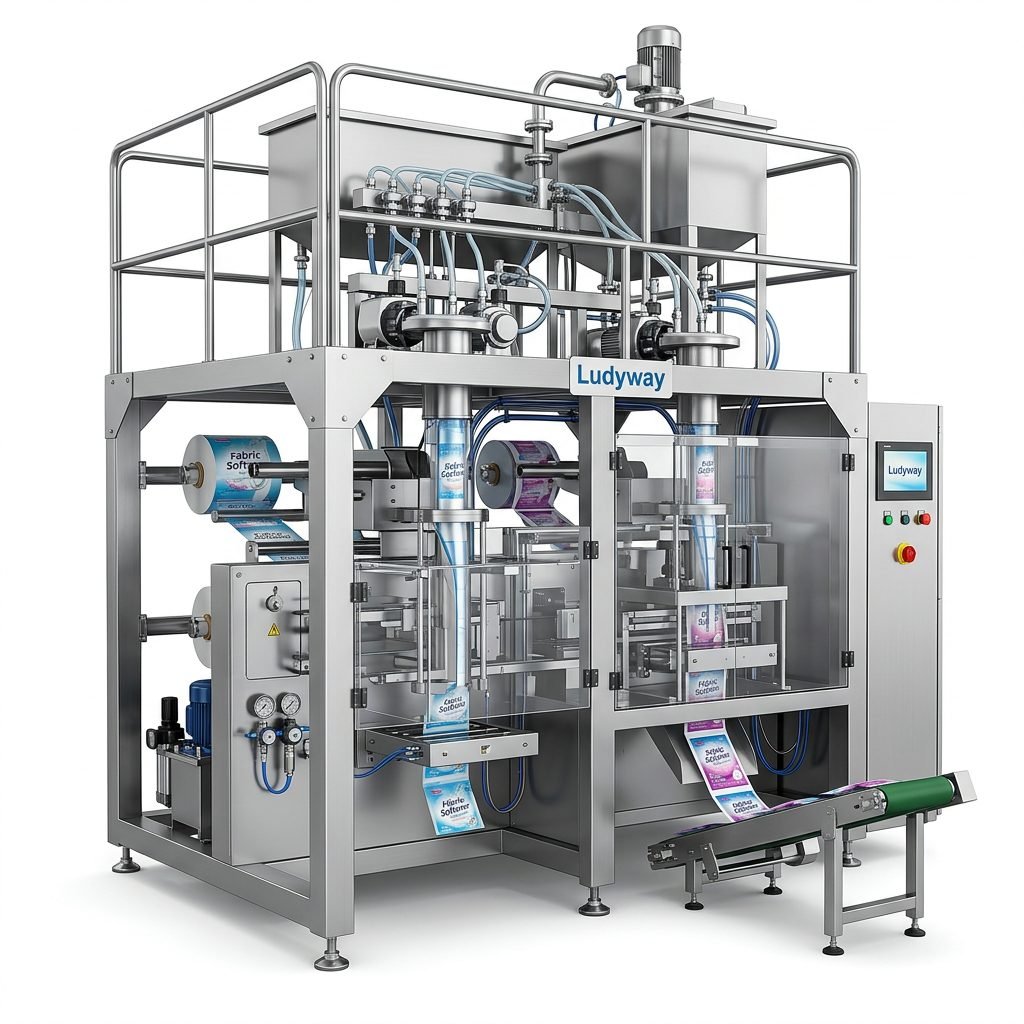
- Sealing Machines: Apply heat, pressure, or adhesive to securely close bags, pouches, or cups. This includes vertical form-fill-seal (VFFS) and horizontal form-fill-seal (HFFS) systems.
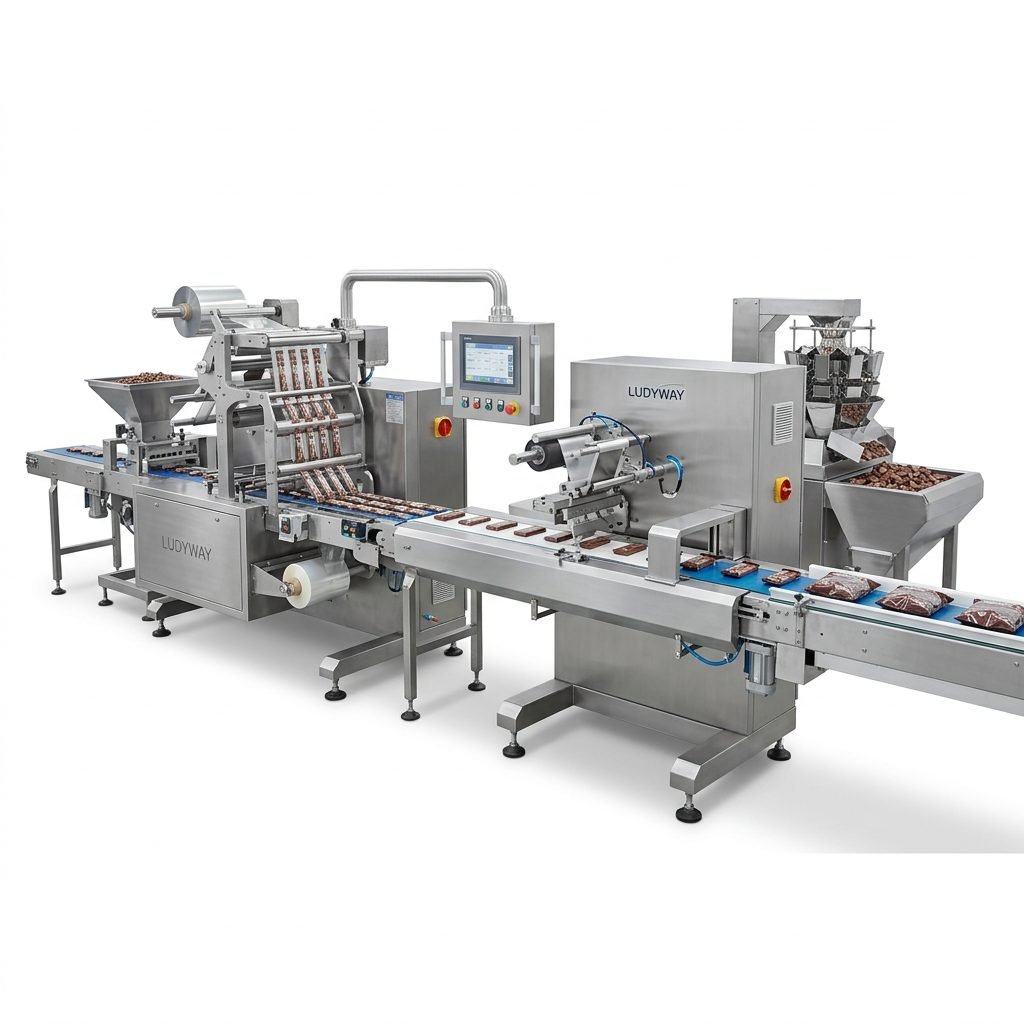
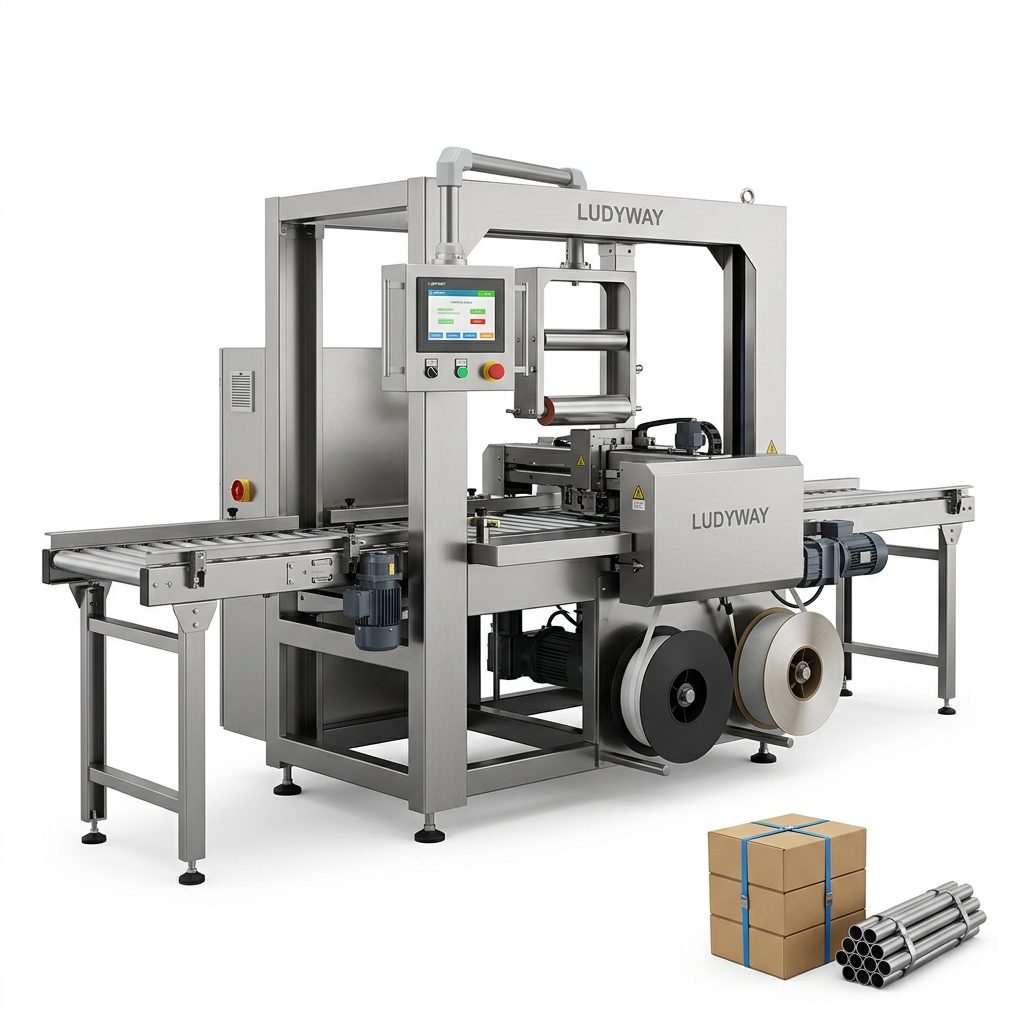
- Wrapping & Bundling Machines: Used to bundle multiple products together (e.g., shrink wrapping beverage cans) or wrap individual items like chocolate bars.
- Labeling & Coding Machines: Apply product labels, barcodes, and expiration dates automatically, ensuring traceability and compliance.
3. By System Integration Level
The choice between a standalone unit and a complete line depends heavily on production scale and goals.
- Standalone Machines: Perform a single function, like filling or sealing. Ideal for small businesses or specific, low-volume tasks.
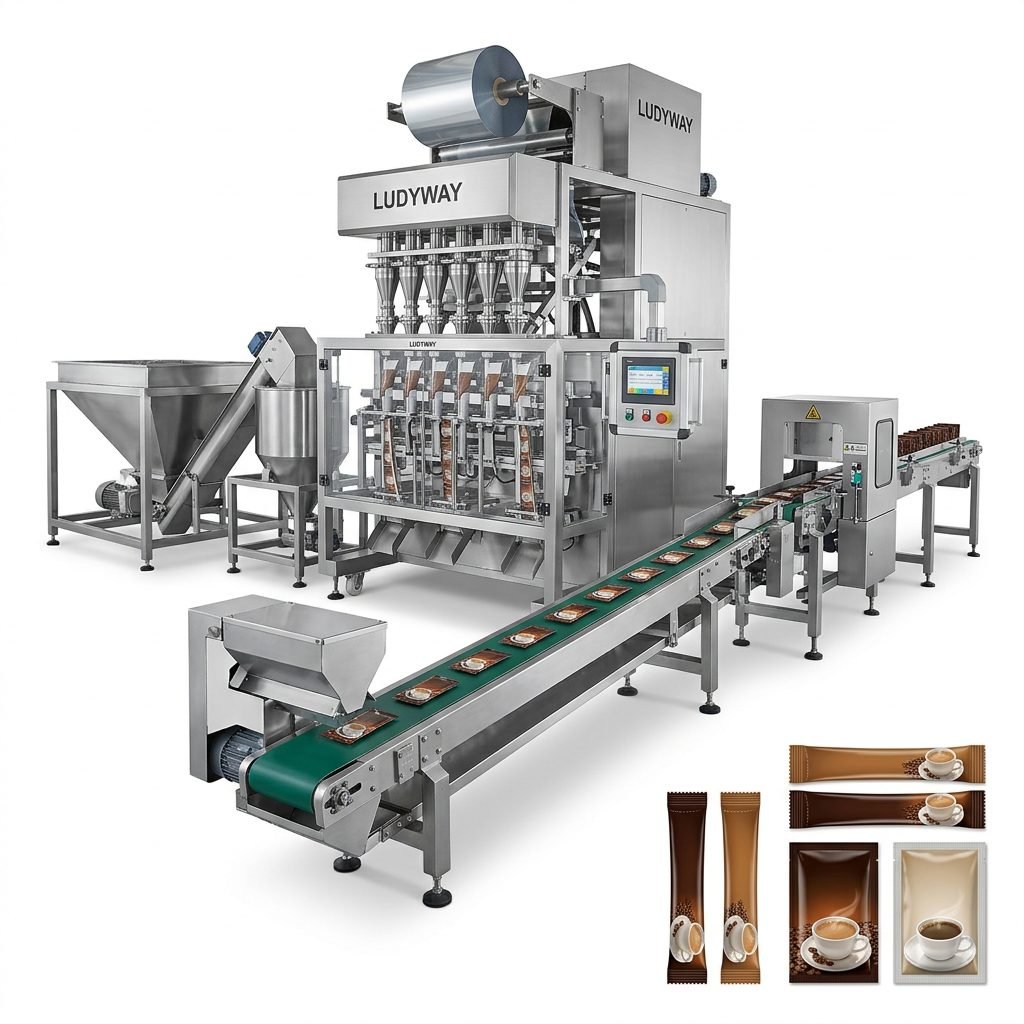
- Integrated Packaging Lines: Combine multiple machines (e.g., filler, capper, labeler) into a synchronized system for end-to-end automation, maximizing throughput for high-volume production.
- Turnkey Solutions: These are complete, ready-to-operate lines provided by suppliers like Ludyway Machinery, which handle design, installation, and commissioning, offering a single point of responsibility for complex projects.
Working Principles: How Automation Unfolds
While each machine type operates differently, most automatic packaging systems follow a generalized sequence of automated steps to replace manual labor.
The Common Operational Sequence
- Product Feeding & Metering: Bulk product is fed from a hopper. Precision mechanisms like servo-driven augers, pumps, or weigh cells then meter the exact amount required for each pack.
- Packaging Material Forming: A roll of film (for pouches) or pre-made containers are fed into the machine. For VFFS machines, the film is formed into a tube around a filling cylinder.
- Filling: The measured product is dispensed into the waiting package. This step is critical for accuracy and speed.
- Sealing: The open end of the package is sealed using heated jaws (for thermoplastic films) or other methods. In bagging, this often creates the top seal and cuts the individual pack from the film roll.
- Discharge & Secondary Packaging: Finished packs are discharged onto a conveyor, often proceeding to cartoning, case packing, or palletizing stations.
Modern machines are governed by Programmable Logic Controllers (PLCs) and Human-Machine Interfaces (HMIs), allowing operators to set parameters, monitor performance, and diagnose issues easily. The integration of servo motors has been a game-changer, offering superior control over speed, position, and torque compared to older mechanical systems, leading to smoother operation, higher accuracy, and easier changeovers.
How to Choose the Right Automatic Packaging System
Selecting the ideal machinery is a strategic investment. A misstep can lead to downtime, product waste, and lost revenue. Here is a structured framework to guide your decision.
1. Define Your Core Requirements
Start with a clear analysis of your own needs.
- Product Characteristics: What is the physical form (granule, liquid, solid)? Is it abrasive, corrosive, or sensitive? What is the target fill weight/volume?
- Packaging Specifications: What is the bag, pouch, or container material (e.g., laminated film, PET)? What are the required dimensions?
- Production Output (Speed): Calculate your required packs-per-minute (PPM) or units-per-hour, considering both current demand and future growth projections.
- Accuracy & Compliance: Determine the legal and quality tolerance for fill weight. Industries like pharmaceuticals have extremely strict requirements.
2. Evaluate Machine Capabilities & Technology
Match the machine’s specs directly against your requirements list.
- Filling Technology: Is volumetric, auger, or net-weight filling best for your product’s consistency and accuracy needs?
- Speed & Flexibility: Can the machine meet your target PPM? How long does it take to change over for a different product or package size (changeover time)?
- Construction & Hygiene: For food or pharmaceutical use, does it have a sanitary design with easy-clean surfaces (e.g., stainless steel)?
- Control System & Connectivity: Is the HMI user-friendly? Does it offer data logging or connectivity for Industry 4.0 integration?
3. Assess the Supplier
The machine is only as good as the company behind it. A reliable partner is crucial.
- Experience & Reputation: Look for a supplier with a proven track record in your specific industry. Companies like Ludyway Machinery, with decades of focus on packaging solutions, bring valuable application knowledge.
- Technical Support & Service: What is their warranty policy? Do they offer readily available spare parts, on-site training, and remote troubleshooting support?
- Testing & Customization: Can you send product samples for a live test run? Will they customize the machine to fit your unique line layout or special requirements?
- Total Cost of Ownership (TCO): Look beyond the initial purchase price. Consider energy consumption, maintenance costs, expected lifespan, and potential for future upgrades.
Conclusion: Investing in Automated Efficiency
Automatic packaging machinery is no longer a luxury but a necessity for businesses aiming to compete on quality, scale, and cost. From versatile granule packers to sophisticated liquid filling lines, the right system can dramatically reduce labor costs, minimize product giveaway, improve workplace safety, and ensure consistent, high-quality output. By thoroughly analyzing your product, output needs, and partnering with an experienced and reliable supplier, you can make an investment that drives productivity and profitability for years to come. The journey from manual packing to automated precision is a transformative step toward building a more resilient and competitive operation.
Frequently Asked Questions (FAQs)
What is the main difference between vertical (VFFS) and horizontal (HFFS) form-fill-seal machines?
VFFS machines form bags from a roll of film vertically, fill them, and then seal them. They are typically used for granule, powder, and liquid products in pillow or gusseted bags. HFFS machines form pouches horizontally and are often used for more complex packaging shapes, like stand-up pouches (doypack), and can handle a wider variety of products, including solids and items that need to be placed flat.
How important is it to test my product on the machine before purchasing?
It is highly recommended and often critical. A product test run at the supplier’s facility validates the machine’s ability to handle your specific material (e.g., flow characteristics, dust) and achieve the desired accuracy and speed. It also allows you to see the final packaged sample, ensuring it meets your quality standards.
What are the key maintenance requirements for an automatic packaging machine?
Regular maintenance is essential for longevity and uptime. Daily tasks include cleaning contact surfaces and visual inspections. Weekly or monthly tasks involve lubricating moving parts (as per manual), checking seals and wear parts, and calibrating weighing or filling systems. Always follow the manufacturer’s specific maintenance schedule.
Can one machine handle multiple different products or package sizes?
Yes, many modern machines are designed for flexibility. The key factor is the changeover time and process. Machines with servo-driven components and tool-less changeover features allow for quicker switching between different products or bag sizes, making them ideal for production runs with high product variety.
What should I look for in terms of machine safety features?
Essential safety features include emergency stop buttons, protective guarding around moving parts, safety interlocks that prevent operation when guards are open, and proper electrical certifications (e.g., CE, UL). A reputable supplier will ensure the machine complies with relevant safety standards for your region.