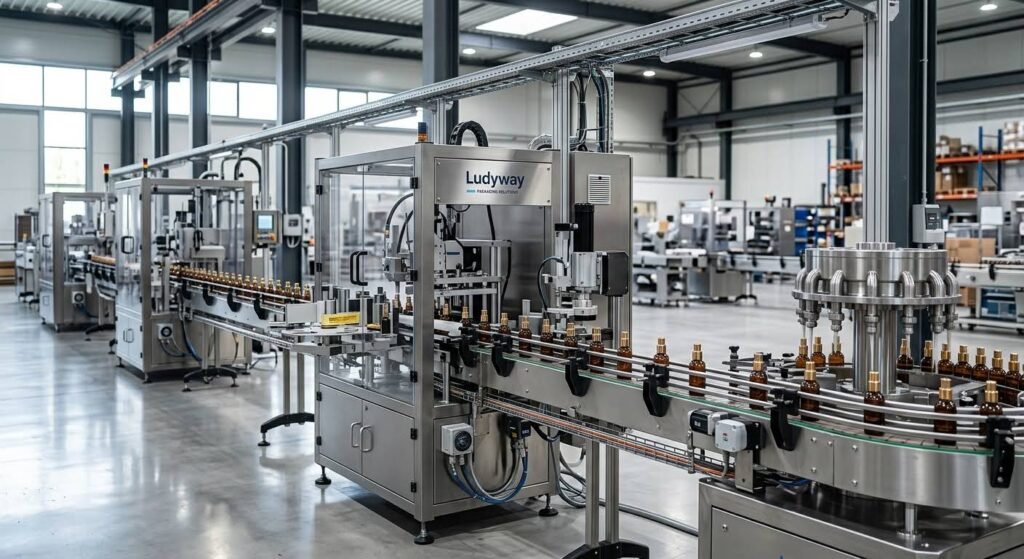
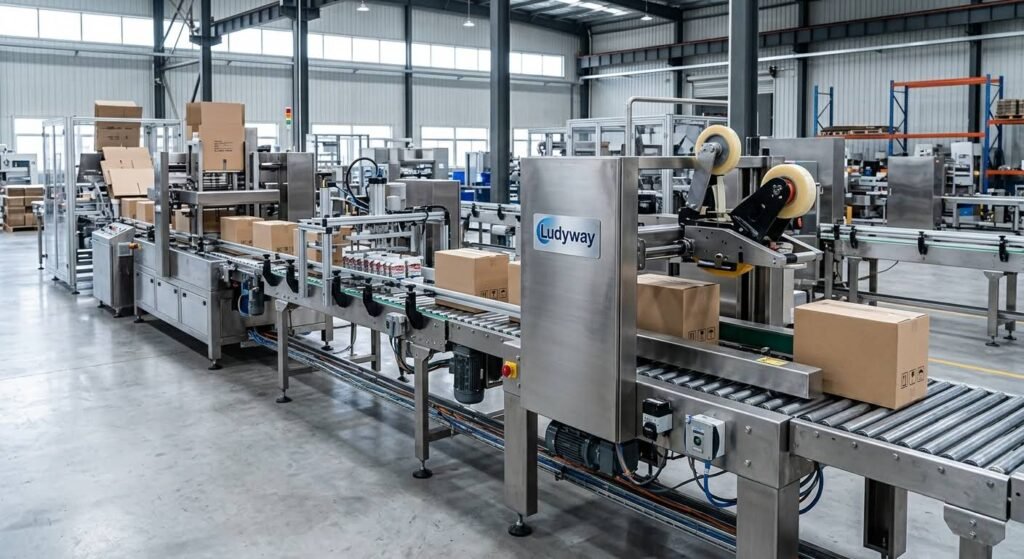
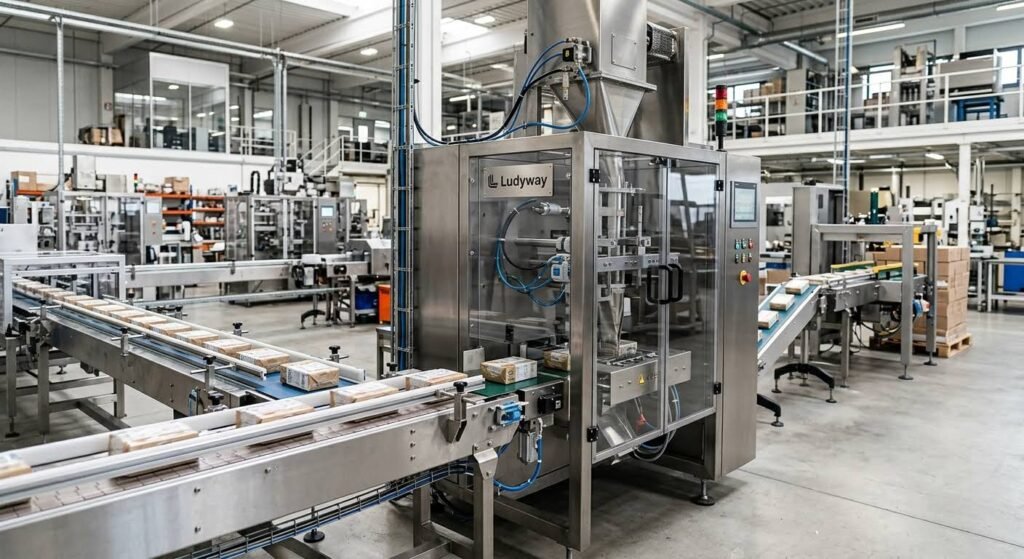
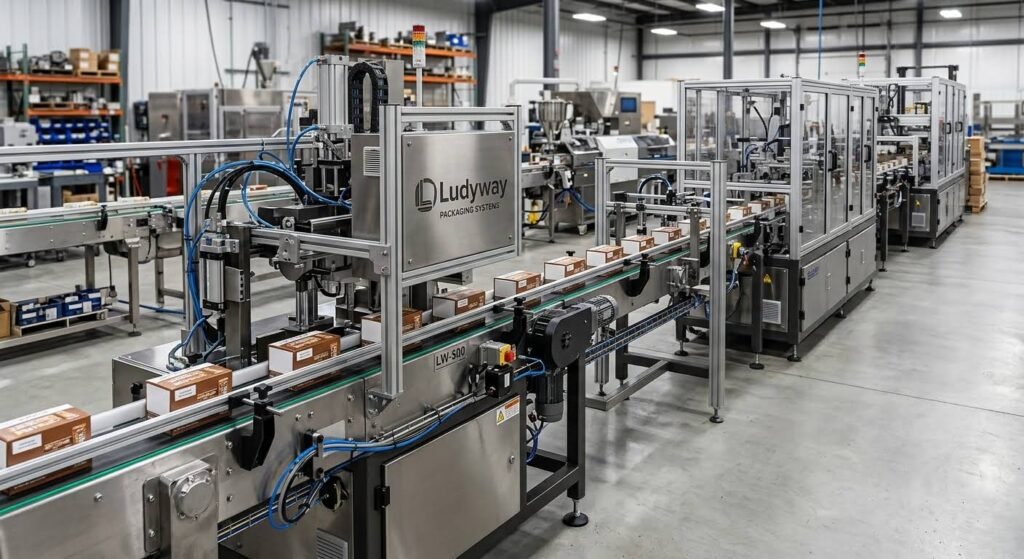
In today’s fast-paced manufacturing world, efficiency and adaptability are paramount. Whether you operate a compact start-up facility or a sprawling industrial complex, the right packaging equipment can dramatically impact your productivity, product quality, and bottom line. High-performance packaging solutions are no longer a luxury but a necessity for staying competitive.
The Core Challenge: Scaling Packaging Operations Seamlessly
The primary hurdle for many businesses is finding equipment that grows with them. A solution perfect for a small batch today might become a bottleneck tomorrow. Conversely, investing in an overly complex, large-scale system for a nascent operation can strain resources. The ideal approach involves modular, scalable packaging technology that delivers consistent high performance across different production volumes.
Key Performance Indicators for Modern Packaging Lines:
→ Speed & Uptime: Maximum cycles per minute with minimal unplanned downtime.
→ Flexibility & Changeover: Quick adaptation to different product types, formats, and materials.
→ Accuracy & Waste Reduction: Precise filling, sealing, and labeling to minimize product give-away and material waste.
→ Integration Capability: Ability to connect seamlessly with upstream and downstream processes (e.g., filling, cartoning, palletizing).
Tailored Solutions for Small to Mid-Size Manufacturing Lines
For smaller operations, the focus is often on versatility, ease of use, and a favorable return on investment. Compact, all-in-one packaging systems are highly valuable. These machines often handle multiple functions—like dosing, forming, filling, and sealing—within a single footprint. They allow businesses to package a variety of products, from granules and powders to liquids and creams, without requiring a large capital outlay or extensive floor space.
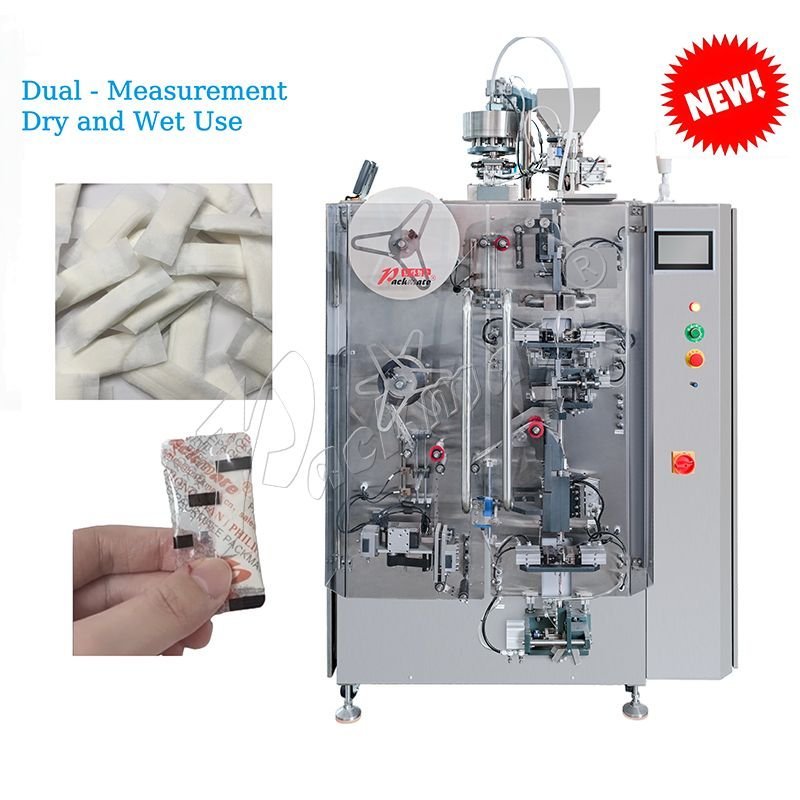
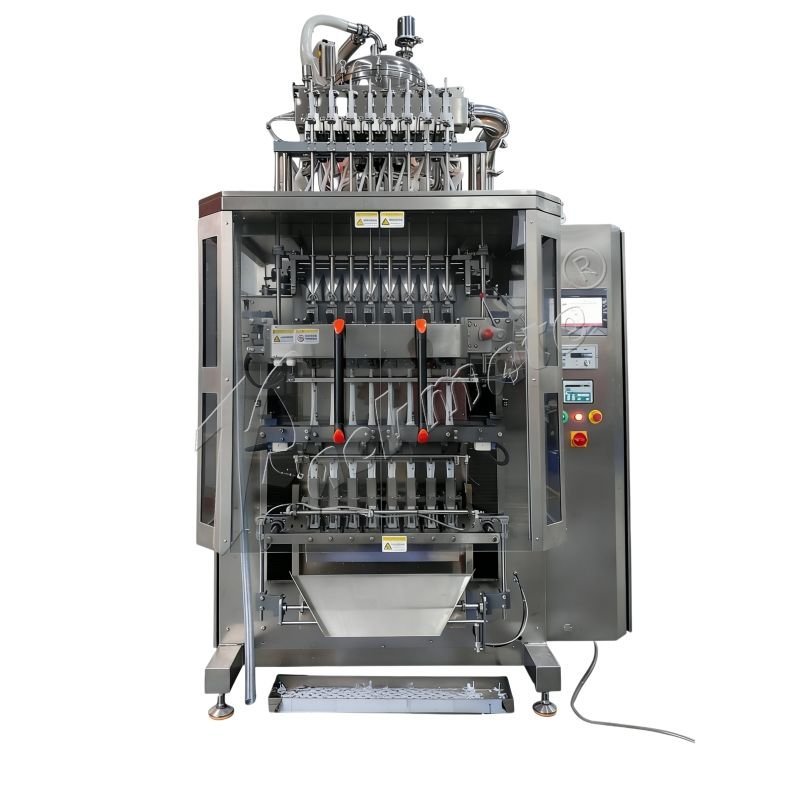
Modern sachet packaging machines and stick pack machines are exemplary for this segment. They are designed for quick changeovers, enabling short runs of different products, which is ideal for niche markets, sample production, or contract packaging. The integration of user-friendly touchscreen interfaces and recipe memory functions allows operators to switch between jobs with minimal effort and training.
Benefits for Growing Businesses:
Lower Initial Investment
Operational Agility
Energy & Space Efficient
Advanced Systems for Large-Scale, High-Volume Production
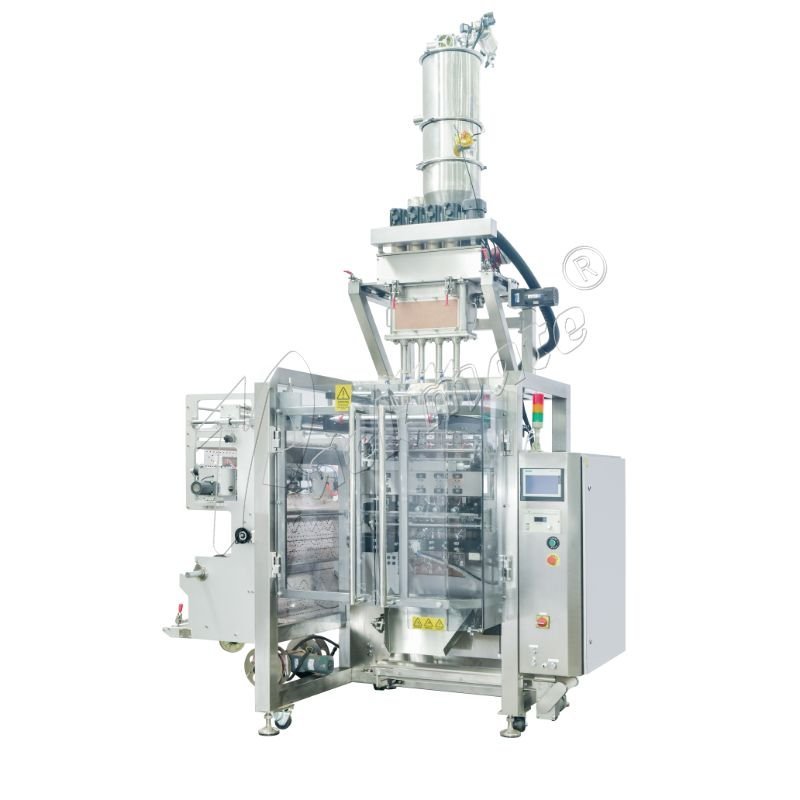
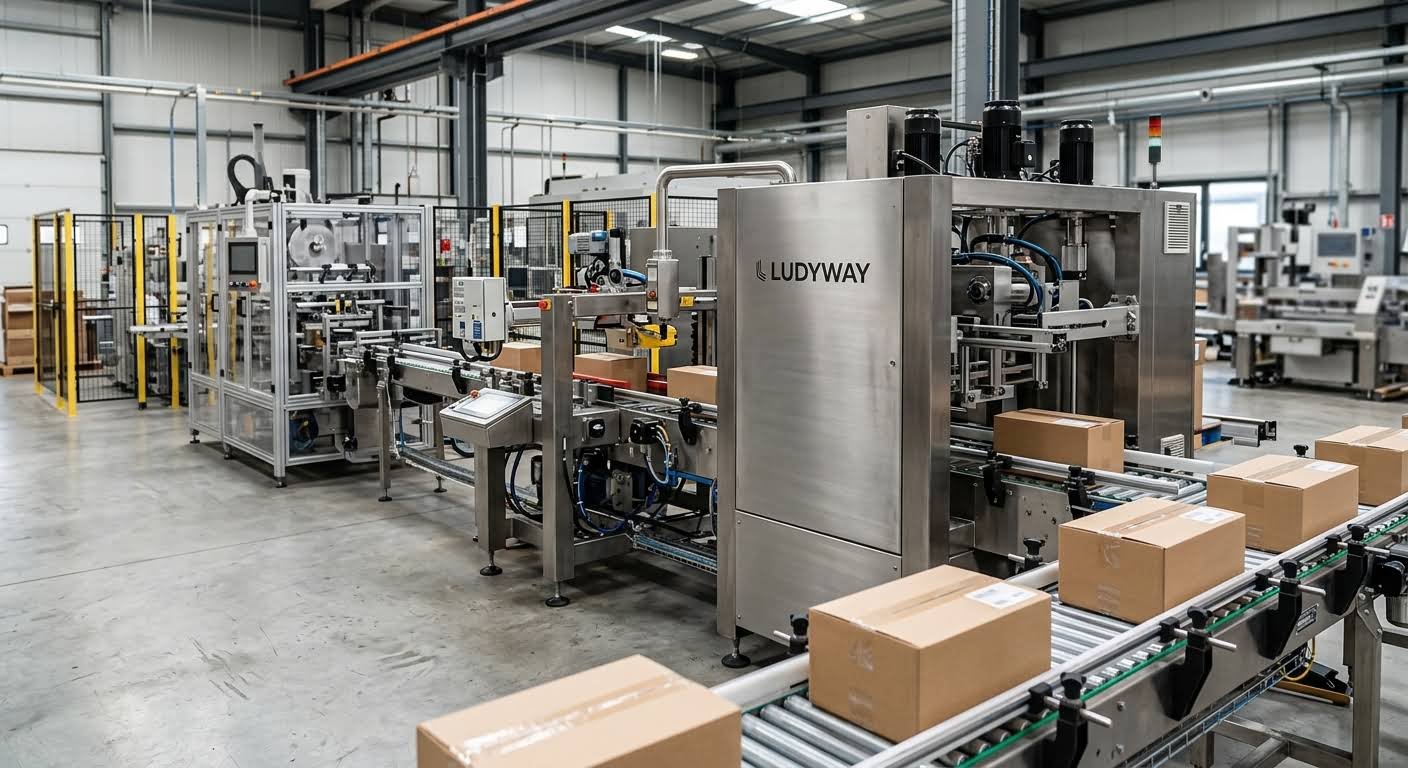
Large manufacturing lines demand robustness, extreme speed, and unparalleled reliability. Downtime is exponentially more costly. Here, high-performance translates to fully automated, integrated production lines. These systems often feature multi-lane configurations, where several packaging machines run in parallel, synchronized by sophisticated control systems and industrial robotics for handling and collation.
The machinery is built with premium components for 24/7 operation and includes advanced features like real-time monitoring, predictive maintenance alerts, and comprehensive data reporting for OEE (Overall Equipment Effectiveness) tracking. Integration with Factory 4.0 and IIoT (Industrial Internet of Things) platforms is increasingly standard, allowing for centralized management and optimization of the entire packaging hall.
The Turnkey Advantage for Large Lines:
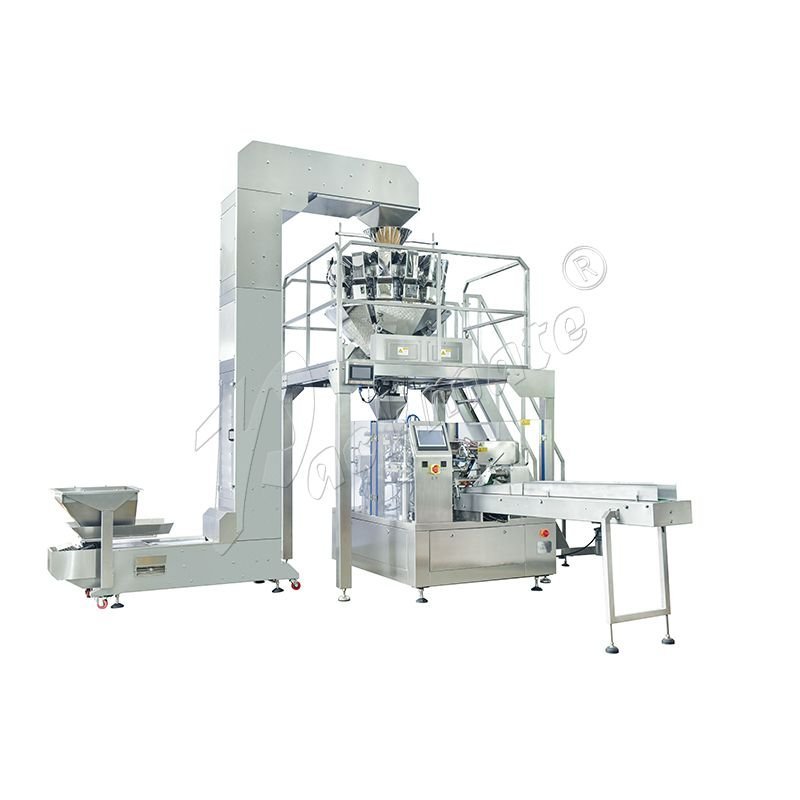
For major projects, partnering with a provider that offers turnkey solutions is critical. This means a single source responsibility for the entire line—from the initial packaging machine (like a high-speed pouching system) through secondary packaging (cartoning, case packing) and sometimes onto palletizing. This approach ensures compatibility, simplifies project management, and guarantees a single point for service and support.
The Role of Innovation and Expert Partnership
Behind every successful packaging line is a combination of innovative engineering and deep industry expertise. Companies that have evolved with the market for decades, like Ludyway Machinery, bring invaluable experience. With over 30 years in the industry, such partners understand the nuanced requirements of different sectors—be it the stringent hygiene standards in pharmaceuticals, the need for aroma preservation in food, or the high-volume demands of daily chemicals.
This expertise translates into more than just equipment supply; it encompasses consulting, custom engineering for unique applications, comprehensive after-sales support, and spare parts logistics. It ensures that the high-performance solution delivered is not just a machine, but a reliable production asset tailored to your specific long-term goals.
Future-Proofing Your Investment
Choosing a packaging solution today requires foresight. Opt for platforms that are software-upgradable and mechanically adaptable. Can the machine handle new, sustainable packaging materials? Can its speed be upgraded? Is the control system open to integrating new sensors or data analytics tools? Answering “yes” to these questions protects your investment against rapid technological obsolescence.
Ultimately, selecting high-performance packaging equipment is a strategic decision. By focusing on scalability, reliability, and partnering with an experienced provider, manufacturers of all sizes can build packaging operations that are not only efficient today but are also poised to meet the challenges and opportunities of tomorrow.
Frequently Asked Questions (FAQs)
1. Can the same packaging machine model be effective for both small and large production runs?
Yes, many modern machines are designed with this flexibility in mind. Key features to look for include quick-change tooling, recipe memory for different products, and a wide operational speed range. This allows efficient small-batch production while maintaining the capability to run at higher speeds when needed, maximizing the return on your investment.
2. What is the most important factor to consider when scaling up a packaging line?
The most critical factor is system integration and control architecture. As you add more machines (like multiple filling heads or downstream cartoners), ensuring they communicate seamlessly through a central PLC or SCADA system is vital to maintain synchronization, efficiency, and collect unified production data.
3. How can I reduce waste and improve sustainability with new packaging equipment?
High-performance equipment aids sustainability through precision. Advanced servo-driven filling systems minimize product overfill. Accurate sealing jaws reduce film waste from misaligned seals. Furthermore, many new machines are compatible with mono-material and recyclable film structures, helping you meet eco-friendly packaging goals without sacrificing performance.
4. What does “turnkey packaging solution” mean, and is it worth it?
A turnkey solution means the supplier handles the entire project from design and manufacturing to installation, commissioning, and training, delivering a production-ready line. It is often worth the investment for large-scale or complex projects as it reduces your internal project management burden, ensures component compatibility, and provides a single point of accountability for performance and service.
5. How long does it typically take to see a return on investment (ROI) on new packaging machinery?
The ROI period varies based on the machine’s cost, the labor savings, increased output, and reduced waste it enables. For standard automated machines replacing manual operations, ROI can often be achieved in 1 to 3 years. High-speed, large-scale lines might have a longer capital payback period but are justified by the massive scale of production and operational savings they unlock.