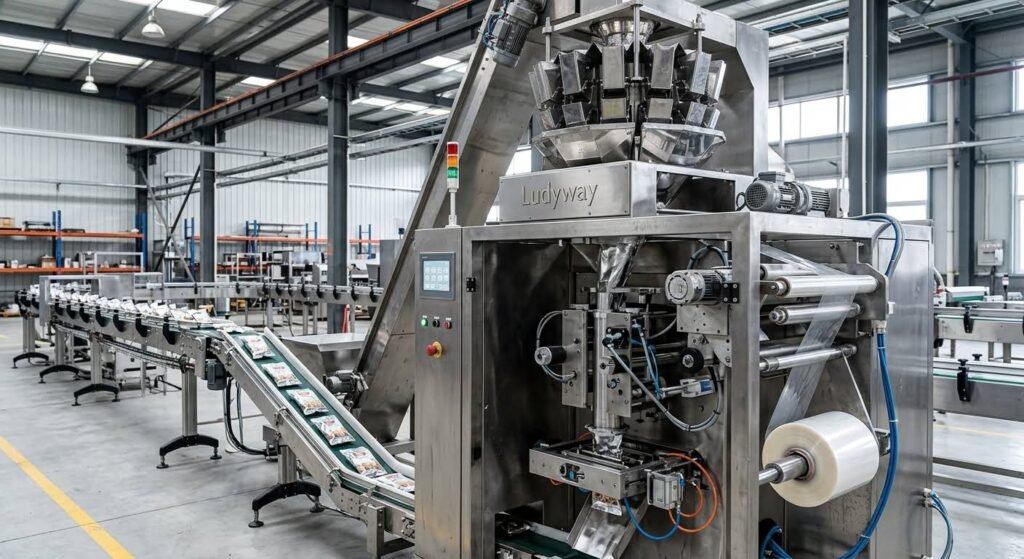
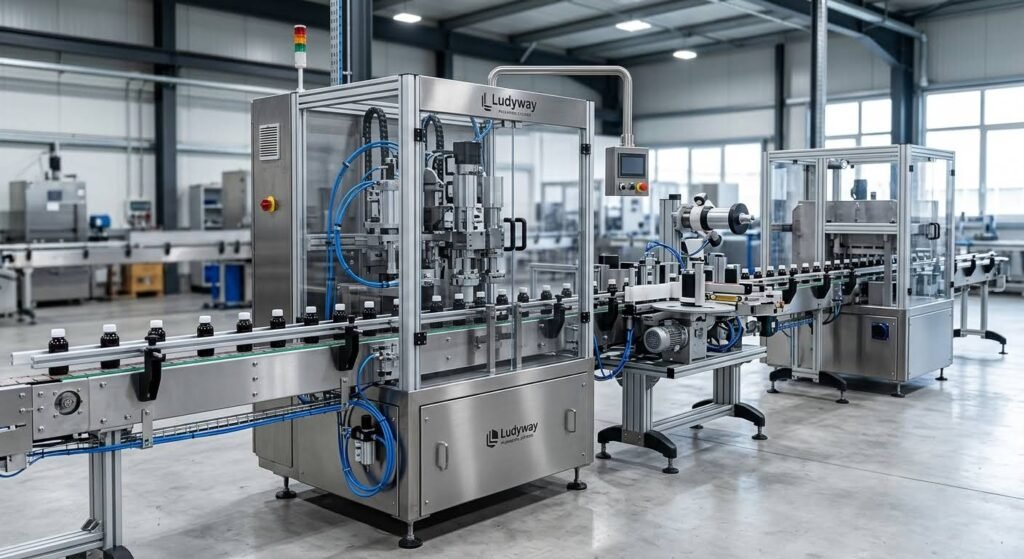
The rise of online shopping has fundamentally transformed retail, placing immense pressure on e-commerce businesses to deliver products quickly, securely, and in pristine condition. At the heart of this fulfillment challenge lies a critical operational component: e-commerce packaging machinery. Selecting the right automated packaging solutions is no longer a luxury but a necessity for scaling operations, controlling costs, and enhancing customer satisfaction. This guide will navigate the key considerations for choosing automated packaging systems tailored to the unique demands of online order fulfillment.
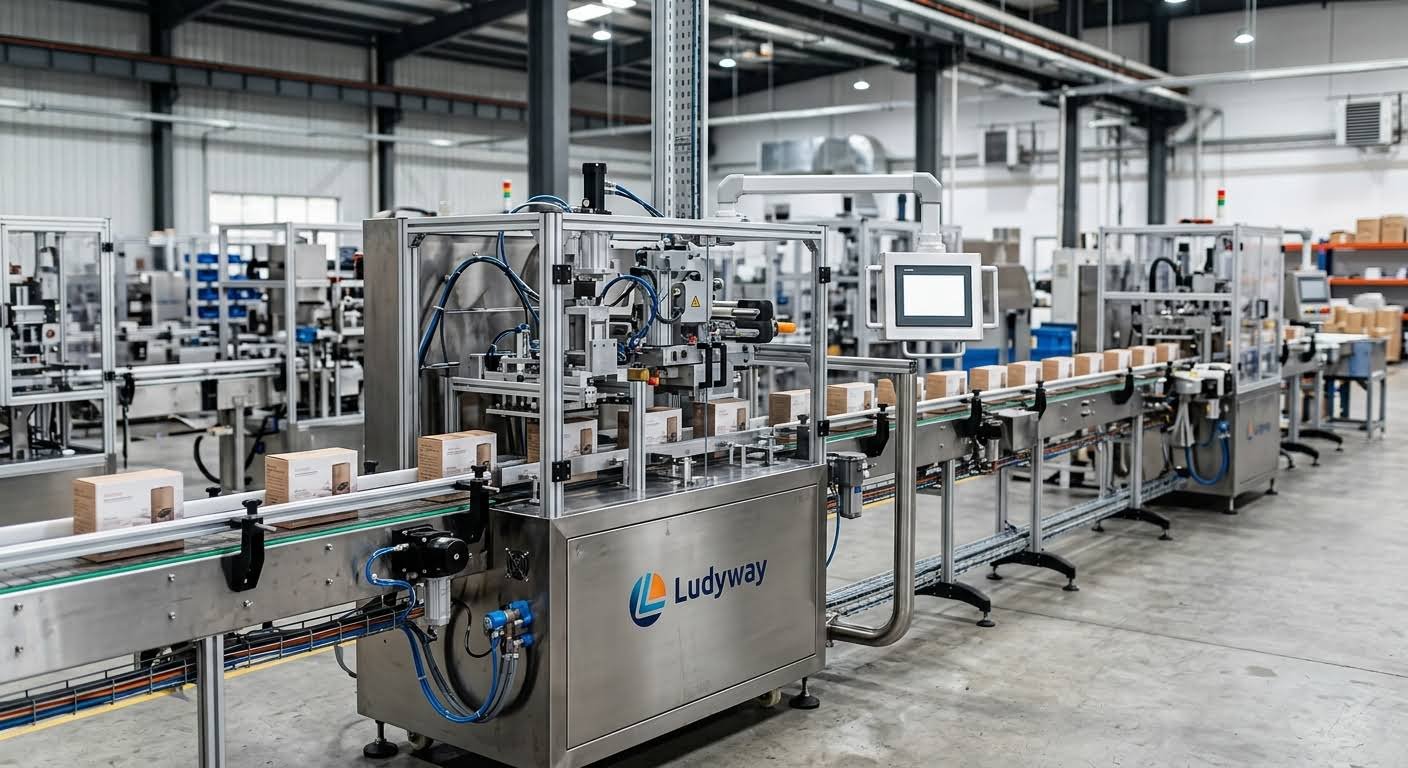
Understanding the E-Commerce Packaging Landscape
Unlike traditional bulk packaging, e-commerce packaging deals with single or small multi-item orders. The machinery must be versatile, fast, and capable of handling a wide variety of product shapes and sizes. The primary goal is to create a secure, appropriately sized parcel that minimizes material waste and maximizes efficiency through automation.
Core Packaging Processes for Online Orders:
- Picking & Sorting: While often upstream, integrated systems can direct items to specific packaging stations.
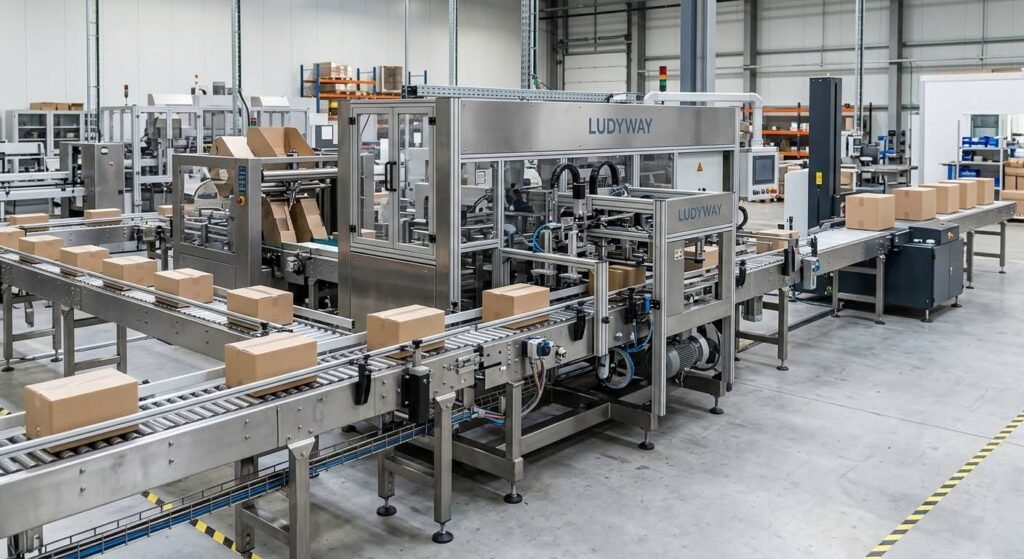
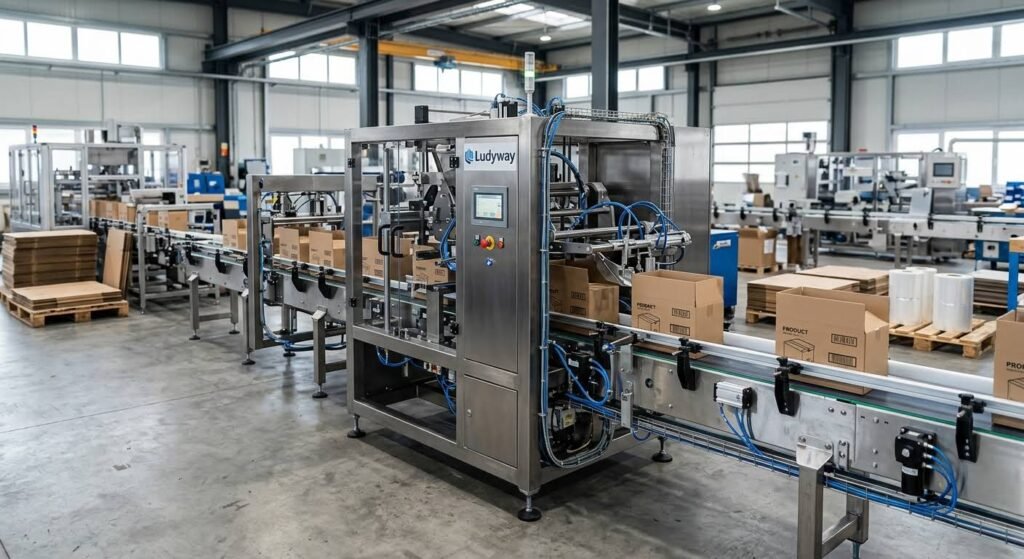
- Carton Erection & Taping: Automated machines that form shipping boxes from flat blanks and seal them securely.
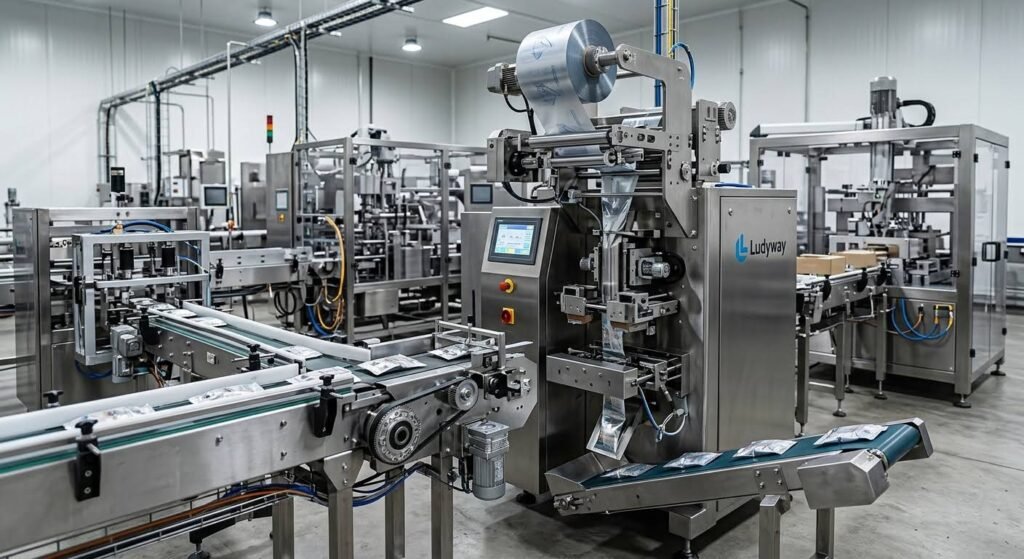
- Polybag Sealing & Labeling: For soft goods, automated baggers that insert products, heat-seal, and apply shipping labels.
- Automated Void Fill & Cushioning: Systems that dispense air pillows, paper, or foam to protect items in transit.
- Weighing, Dimensioning & Shipping: Integrated scales and scanners that capture parcel data for carrier rate selection and label printing.
Key Factors in Choosing Your Automated Packaging Solution
1. Assess Your Product Profile & Order Characteristics
The nature of your products is the foremost deciding factor. A business shipping delicate electronics has vastly different needs from one shipping apparel or subscription boxes.
- Product Dimensions & Variability: Do you have a standardized product size or a vast SKU range? Machines with adjustable settings or intelligent sizing systems are crucial for high variability.
- Fragility & Protection Needs: Determine the level of cushioning required. This will dictate whether you need integrated void-fill systems.
- Order Volume & Peak Scalability: Calculate your average daily orders and projected growth. The machinery must handle base volume efficiently and scale up for seasonal peaks.
2. Define Your Automation Goals: Efficiency vs. Flexibility
Are you aiming for maximum speed on a limited SKU set, or do you need a flexible system that can adapt to new products quickly? High-speed, dedicated machines offer incredible throughput but less flexibility. Modular, programmable systems offer greater adaptability for growing or changing product lines.
3. Integration with Existing Systems (WMS, OMS, Carriers)
Your packaging machinery should not be an island. Seamless integration with your Warehouse Management System (WMS), Order Management System (OMS), and carrier software (like UPS, FedEx, DHL) is critical. Look for solutions with robust API capabilities or pre-built connectors to enable real-time data flow for labeling, tracking, and inventory updates. For expert guidance on integrating such systems, consider consulting with professional packaging solution providers who understand end-to-end fulfillment workflows.
4. Total Cost of Ownership (TCO) Analysis
Look beyond the initial purchase price. A comprehensive TCO analysis includes:
Initial Investment: Machine cost, installation, and training.
Operational Costs: Consumables (tape, ink, void fill material), energy consumption, and routine maintenance.
Labor Impact: How much manual labor is reduced? This is a key ROI driver.
Downtime & Support: Reliability of the machine and the cost/availability of technical support and spare parts.
5. Sustainability and Material Optimization
Modern consumers and regulations increasingly favor sustainable practices. The right machinery can be a powerful tool for reducing your environmental footprint.
- Right-Sizing: Automated dimensioning systems ensure the smallest possible box is used, saving material and reducing shipping costs.
- Material Choice: Machines that can handle recycled content cartons or biodegradable void fill and tapes.
- Reduced Waste: Precision dispensing of tapes and cushioning materials minimizes excess use. Learn more about how industry innovation is driving sustainable packaging automation forward.
Types of E-Commerce Packaging Machinery to Consider
Automatic Carton Erection & Sealing Systems
These systems take flat corrugated blanks, form them into boxes, bottom-tape them, and after product insertion, seal the top. Ideal for medium to high-volume operations with semi-standardized box sizes.
Automated Bagging & Polybag Systems
Perfect for soft goods, apparel, and non-fragile items. They automatically insert the product into a polybag, heat-seal it, and apply the shipping label, often at very high speeds.
On-Demand Void Fill & Cushioning Systems
These machines create protective cushioning (like air pillows or paper) only as needed, eliminating storage of bulky pre-formed materials and allowing for perfect package fit.
Automated Taping Systems
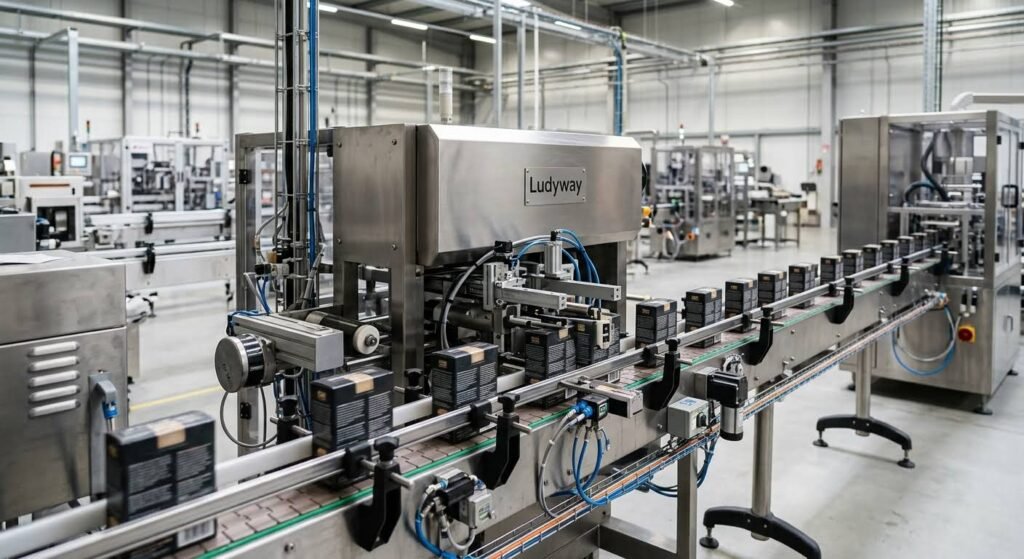
From simple semi-automatic tape dispensers to fully automated random case sealers that apply tape to various box sizes without adjustment, these systems ensure consistent, secure seals.
Weigh-in-Motion & Dimensioning Systems
Integrated scales and camera/scanner arrays that automatically capture the weight and dimensions of a packed parcel. This data is instantly sent to your shipping software for accurate rate shopping and label generation, a critical step for businesses optimizing for global logistics.
Implementation and Partner Selection
Choosing the right technology partner is as important as choosing the machine. Look for suppliers with proven experience in e-commerce fulfillment. They should offer comprehensive support, including site planning, installation, training, and readily available spare parts. A partner who understands your long-term growth trajectory can recommend scalable solutions.
Final Checklist Before You Invest:
✅ Conduct a thorough audit of your current packaging process and pain points.
✅ Request live demonstrations or case studies relevant to your product type.
✅ Get detailed quotes that include all ancillary costs (installation, training, first-year support).
✅ Verify the machine’s connectivity and compatibility with your software ecosystem.
✅ Plan for a phased implementation and employee training schedule.
Frequently Asked Questions (FAQs)
1. What is the typical ROI period for automated e-commerce packaging machinery?
Return on Investment can vary widely based on order volume, labor costs, and machine complexity. For medium to high-volume operations (500+ orders/day), many businesses see an ROI within 12 to 24 months through significant labor savings, reduced material waste, and lower shipping costs from right-sized packaging.
2. Can automated packaging systems handle a large variety of box sizes?
Yes. Modern random case sealers and carton erectors are designed to handle a wide range of box sizes without manual changeover. They use adjustable guides or intelligent vision systems to adapt to different dimensions on the fly, making them ideal for e-commerce with diverse SKUs.
3. How do I ensure the machinery integrates with my existing warehouse software?
This is a critical pre-purchase question. Discuss your WMS/OMS details with potential suppliers. Leading packaging machinery providers offer machines with standard communication protocols (like TCP/IP) and often have experience building custom API integrations. Always request a technical compatibility review during the selection process.
4. What are the main maintenance requirements for this type of equipment?
Regular maintenance typically includes cleaning sensors and lenses, checking and replacing wear items like sealing wires or tape heads, lubricating moving parts, and ensuring electrical connections are secure. A reputable supplier will provide a detailed maintenance schedule and training for your operators.
5. Is automated packaging machinery suitable for a small but growing e-commerce business?
Absolutely. The market offers scalable solutions. A small business might start with a semi-automatic taping or bagging station to improve consistency and speed. As volume grows, modular systems can be expanded. The key is to choose a platform or partner that allows for easy upgrades, preventing you from outgrowing your investment too quickly.