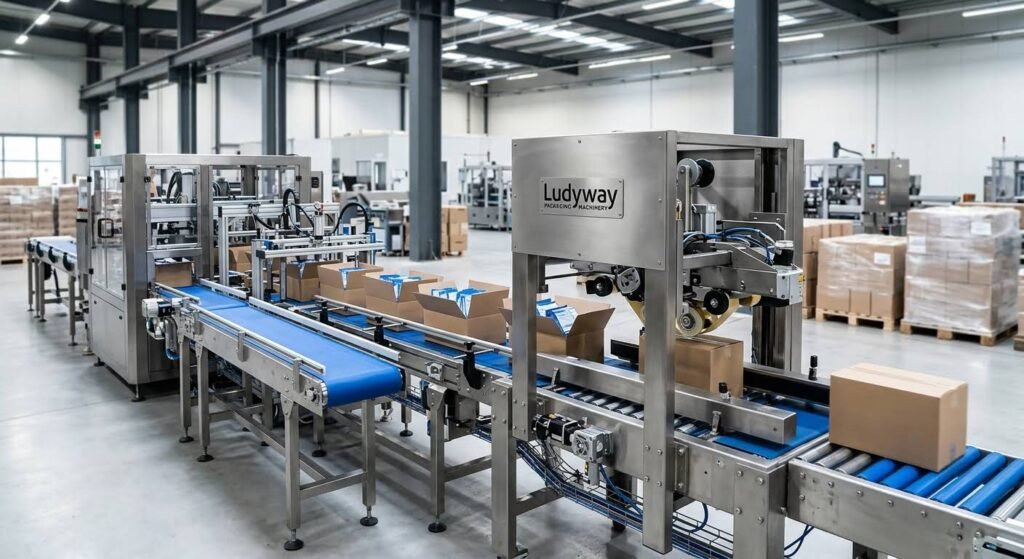
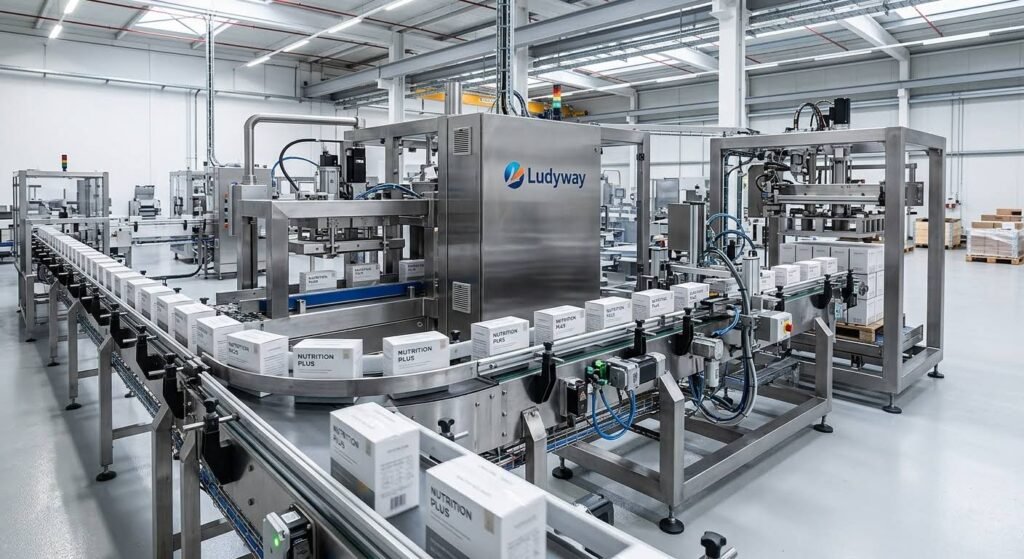
In today’s fast-paced manufacturing world, selecting the right electronics packaging machine is a critical decision that impacts efficiency, product safety, and your bottom line. Whether you are packaging delicate circuit boards, consumer gadgets, or industrial components, the correct system ensures your products arrive intact and presentable. This comprehensive guide will walk you through the different types of packaging machines, their key benefits, and a step-by-step process to help you choose the perfect system for your specific needs.
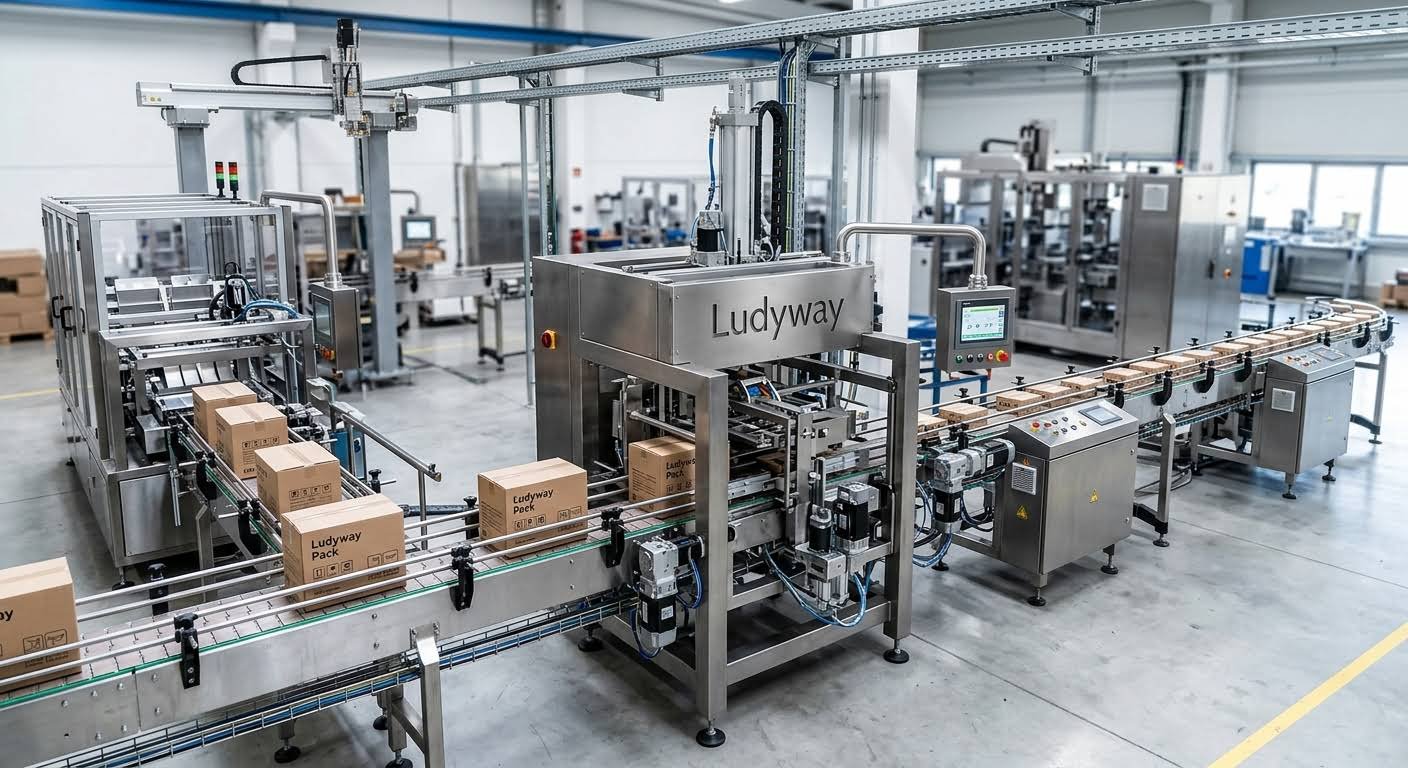
Understanding the Core Types of Electronics Packaging Machines
The electronics industry requires precision and care, leading to a variety of specialized packaging solutions. Here’s a breakdown of the most common types:
1. Shrink Wrapping Systems
These machines use a polymer film that shrinks tightly around the product when heat is applied. They are ideal for bundling multiple items, creating tamper-evident seals, or providing a sleek, contoured package. Loose components, software boxes, and accessory kits are often packaged this way.
2. Vacuum Forming & Blister Packaging Machines
Perfect for securing small, delicate items like USB drives, chips, or connectors. A plastic blister is formed around the product and sealed to a cardboard backing. This provides excellent visibility, protection from dust and moisture, and retail-ready appeal.
3. Cartoning & Case Packing Machines
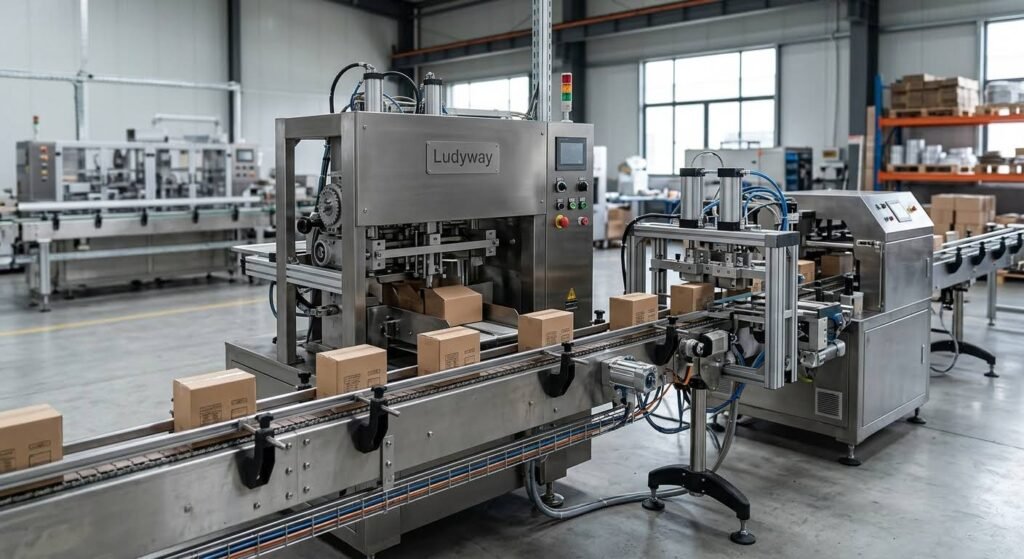
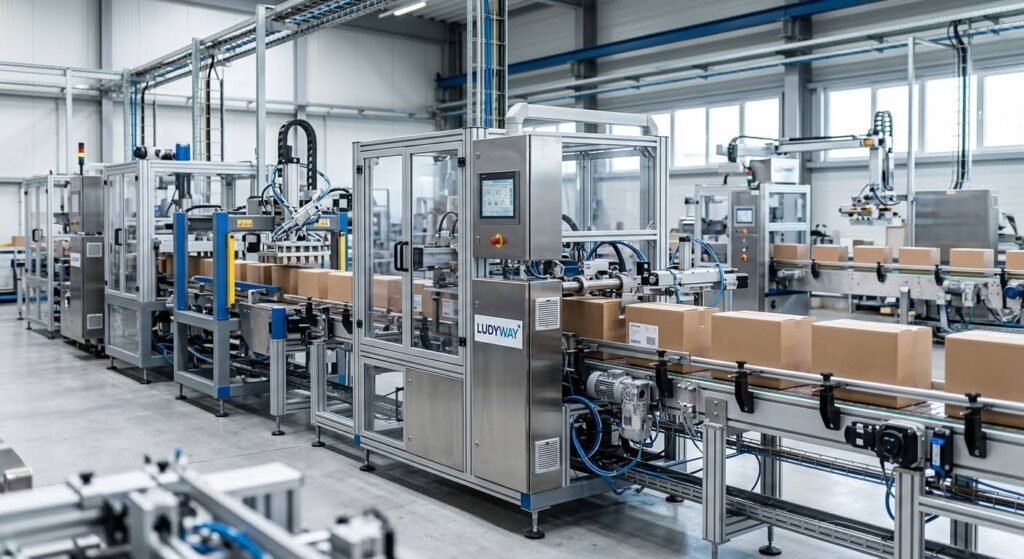
These automate the process of placing finished products into boxes or corrugated cases. They are essential for high-volume operations packaging finished goods like smartphones, routers, or power banks for shipment. Systems range from semi-automatic to fully robotic.
4. ESD-Safe & Anti-Static Packaging Systems
A critical category for sensitive electronic components. These machines use specialized materials that dissipate electrostatic charge, preventing damage to microchips and circuit boards during the packaging process.
Key Benefits of Automating Your Electronics Packaging
Investing in an automated packaging line goes beyond just speeding up the process. Here are the transformative advantages:
➤ Enhanced Product Protection: Automated systems apply consistent tension, seal quality, and cushioning, drastically reducing damage rates during handling and transit.
➤ Significant Cost Reduction: Automation lowers long-term labor costs, minimizes material waste through precise application, and optimizes your floor space.
➤ Unmatched Consistency & Brand Image: Every package leaving your line is identical—professionally sealed and labeled—strengthening your brand’s reputation for quality.
➤ Improved Scalability & Hygiene: Machines can easily scale with production demand and, in cleanroom environments, limit human contact with sensitive components.
How to Choose the Right Packaging System: A 5-Step Guide
Selecting a machine is a strategic investment. Follow this structured approach to make an informed decision.
Step 1: Analyze Your Product & Materials
Start with a deep dive into what you’re packaging. Consider the size, weight, fragility, and electrostatic sensitivity of your items. Also, decide on packaging materials: shrink film, blister clamshells, corrugated cardboard, or ESD-safe bags. The machine must be compatible with your chosen materials.
Step 2: Define Your Output Requirements
Calculate your current and projected production speed (packages per minute/hour). A professional packaging expert can help you match a machine’s capability to your volume needs without over- or under-investing.
Step 3: Evaluate Integration & Footprint
Will the new machine integrate smoothly with your existing production line (conveyors, labelers, etc.)? Measure your available floor space carefully. A supplier with strong engineering capabilities can often design a compact, efficient layout.
Step 4: Prioritize Key Features & Support
Look for features like user-friendly touchscreen controls, quick-changeover mechanisms for different product sizes, and robust safety guards. Crucially, assess the manufacturer’s after-sales support, availability of spare parts, and quality of training provided.
Step 5: Consider Total Cost of Ownership (TCO)
Look beyond the initial purchase price. Factor in long-term costs like energy consumption, routine maintenance, potential downtime, and the cost of consumables (films, adhesives). A reliable machine from an experienced supplier like Ludyway Machinery may have a higher upfront cost but a much lower TCO due to durability and efficiency.
Conclusion
Choosing the ideal electronics packaging machine is a multifaceted process that requires careful consideration of your product type, production goals, and operational constraints. By understanding the different machine types, recognizing the clear benefits of automation, and methodically following a selection framework, you can invest in a system that protects your products, boosts your efficiency, and supports your business growth for years to come. Partnering with an experienced provider ensures you get a tailored solution and the support needed for a successful integration.
Frequently Asked Questions (FAQs)
Q1: What is the most important factor when choosing a packaging machine for sensitive circuit boards?
A: The paramount factor is ESD (Electrostatic Discharge) protection. You must choose a system designed for ESD-safe packaging, which uses conductive or dissipative materials and often includes grounding mechanisms to prevent static damage during the packaging process.
Q2: Can one machine handle packaging for different sizes of electronic products?
A: Yes, many modern machines offer quick-changeover features. Look for models with adjustable sealing jaws, programmable settings, and tool-less adjustments to switch between different product dimensions with minimal downtime, enhancing flexibility for batch production.
Q3: How does automated packaging improve cost-efficiency?
A: Automation improves cost-efficiency primarily through labor savings, reduced material waste, and higher throughput. Machines apply materials with precision, minimize human error, and operate at consistent speeds, lowering the per-unit packaging cost and increasing overall output.
Q4: What kind of maintenance do these machines typically require?
A: Regular maintenance includes daily cleaning of sealing elements, periodic lubrication of moving parts, inspection of electrical components, and calibration of sensors. A reputable supplier will provide a clear maintenance schedule and ready access to spare parts to ensure optimal uptime.
Q5: Is it possible to get a customized packaging solution for a unique product shape?
A: Absolutely. Many packaging machinery providers specialize in customized and turnkey solutions. They can engineer specific forming tools, feeding mechanisms, and handling systems to accommodate irregular or delicate product shapes, ensuring secure and presentable packaging.