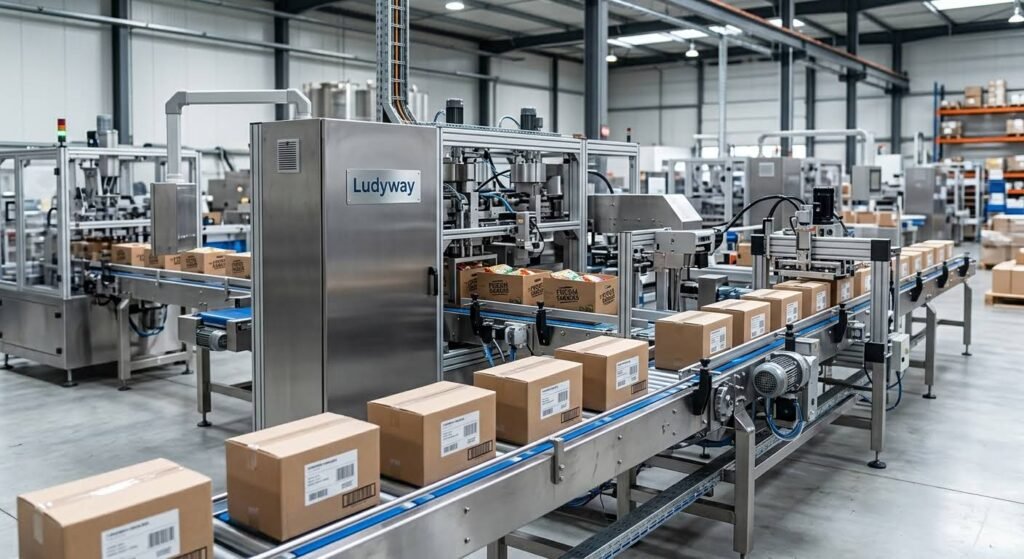
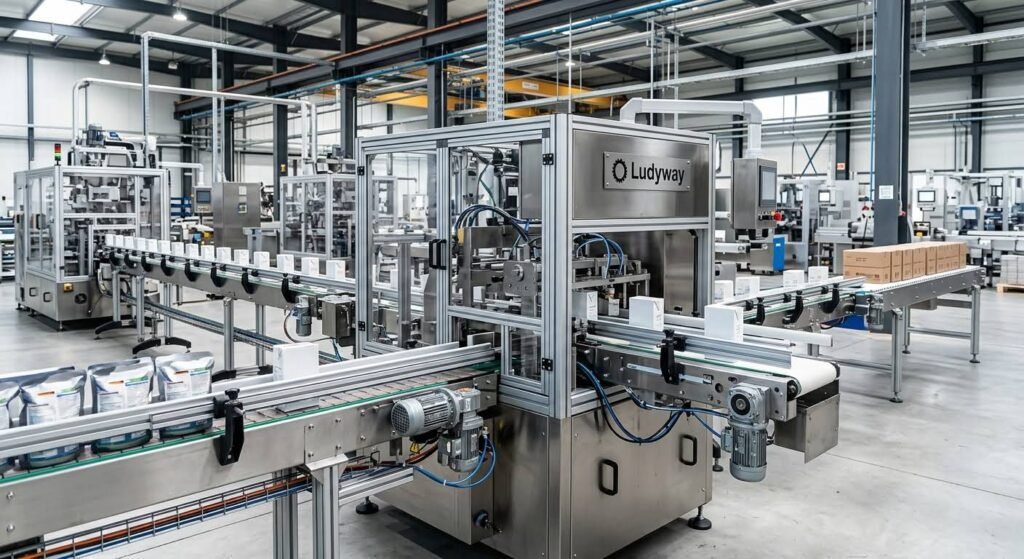
Selecting the right packaging equipment for a glass wool production line is a critical decision that impacts efficiency, product integrity, and overall operational costs. This comprehensive guide is designed to navigate you through the key considerations, equipment types, and features essential for optimizing your packaging process.
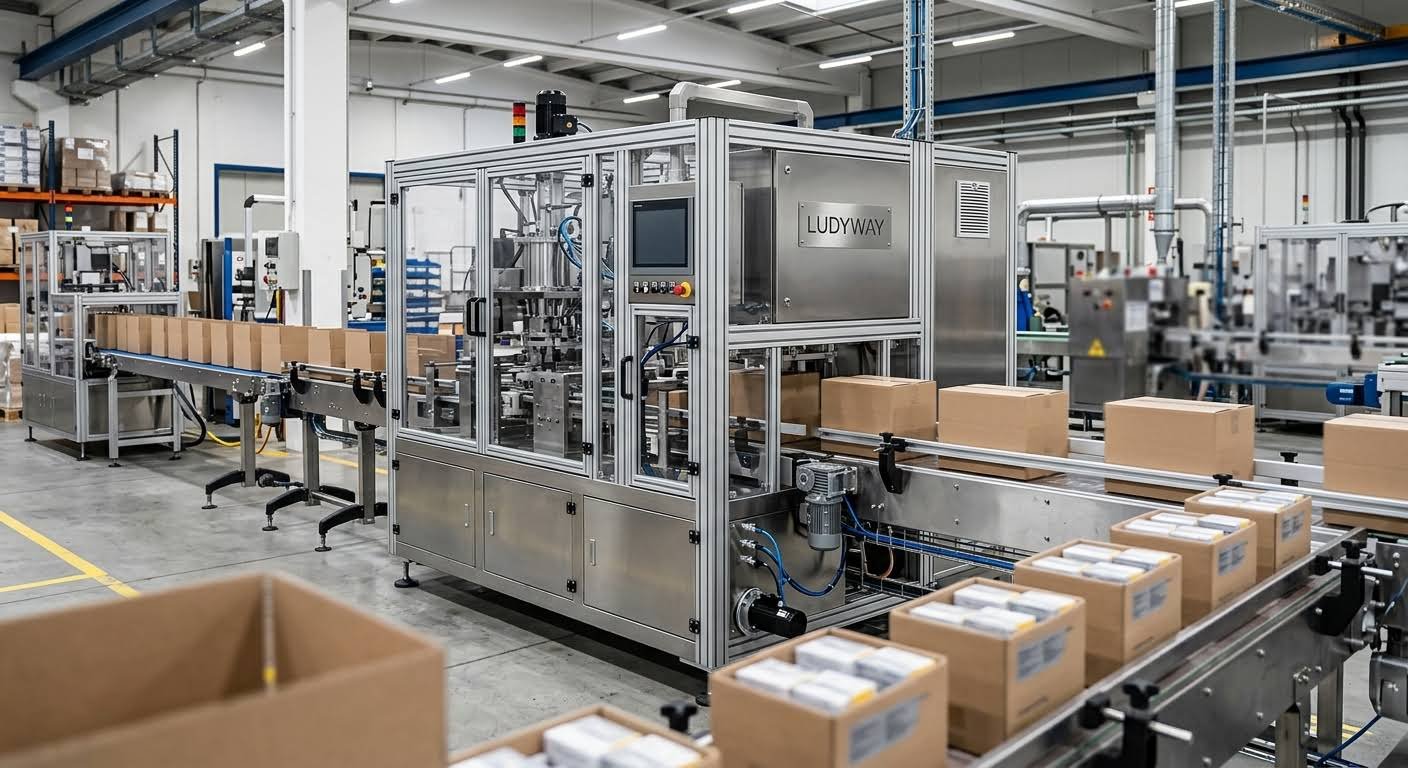
Understanding Glass Wool Packaging Requirements
Glass wool, a fibrous material made from recycled glass, demands specific handling during packaging. Its lightweight yet bulky nature, coupled with its insulating properties, requires equipment that can manage volume without compromising the material’s structure. The primary goals are to protect the product from compression and moisture, ensure consistent package sizing, and maintain high-speed output to match production rates.
Key Packaging Challenges for Glass Wool:
- Dust Control: Fibers can become airborne, requiring enclosed or dust-managed systems.
- Volume Management: Equipment must effectively compress and shape the wool for efficient bagging or wrapping.
- Bagging Integrity: Seals must be strong to prevent fiber leakage during handling and transport.
Core Equipment for a Complete Packaging Line
A fully automated line integrates several machines. Each plays a vital role in transforming loose glass wool bales or rolls into market-ready, protected products.
1. Automatic Baling Press
This is often the first step in the packaging sequence. A baling press compresses loose glass wool into dense, uniform bales or rolls. This significantly reduces the product’s volume, leading to substantial savings on storage space and transportation costs. Look for presses with adjustable compression force to handle different wool densities and automated tying or wrapping systems for a seamless transfer to the next stage.
2. Stretch Wrapping Machines
For securing compressed bales, stretch wrapping is a highly efficient method. These machines apply multiple layers of stretch film around the bale, creating a tight, waterproof, and dust-proof barrier. Rotary arm or rotary ring wrappers are common. Key features to consider include pre-stretch film technology to reduce film usage and variable speed controls to adjust wrap tension based on bale stability.
3. Bagging and Sleeving Systems
Many glass wool products, especially rolls or cut slabs, are packaged in polyethylene bags or sleeves for retail or added protection. Automatic bagging machines open, place, and seal bags around the product at high speeds. For optimal performance, ensure the system has a gentle product handling mechanism to avoid tearing the wool and a reliable heat sealing or impulse sealing unit that works consistently with plastic films.
4. Case Packing and Palletizing Robots
Once individual items are bagged or wrapped, they need to be organized into shipping cases and onto pallets. Robotic case packers and palletizers offer unmatched speed, precision, and flexibility. They can handle various package sizes and create stable pallet loads, which is crucial for preventing damage during logistics. Integration with line control software allows for real-time adjustments and data collection.
🛠️ Essential Technical Features to Evaluate
When comparing equipment, go beyond the basic function. Scrutinize these technical aspects:
- Automation Level & PLC Control: A user-friendly Programmable Logic Controller (PLC) interface allows for easy recipe changes, fault diagnosis, and integration with plant-wide systems.
- Speed & Throughput (Units/Hour): Match the machine’s capacity to your production line’s output to avoid bottlenecks. Always account for peak production periods.
- Durability & Construction: Glass wool production can be abrasive. Look for machines with hardened contact surfaces, stainless steel in critical areas, and robust frames.
- Safety & Dust Containment: Interlocked guards, emergency stops, and integrated dust extraction ports are non-negotiable for operator safety and plant cleanliness.
- Energy Efficiency: Motors with variable frequency drives (VFDs) and energy-saving modes can significantly reduce long-term operating expenses.
Selecting the Right Supplier: Beyond the Machine
Your relationship with the equipment supplier is as important as the machinery itself. A reliable partner like Ludyway Machinery provides value that extends far beyond the initial sale.
Comprehensive Support Services
Ensure your supplier offers detailed factory acceptance testing (FAT) before shipment, professional installation supervision, and thorough operator training. Access to a readily available spare parts inventory and responsive technical support—whether remote or on-site—is critical for minimizing downtime.
Customization and Line Integration
Off-the-shelf solutions rarely fit perfectly. A superior supplier will have the engineering expertise to customize machine elements (like infeed conveyors or sealing jaws) and ensure all components in your turnkey production line communicate and function as a cohesive unit. They should act as a single point of responsibility for the entire packaging process.
Proven Industry Experience
A supplier with a long history, such as one with over 30 years in the packaging industry, brings invaluable practical knowledge. They understand the unique challenges of handling materials like glass wool and can foresee potential issues, offering more reliable and proven solutions. Review their case studies and client references in similar industries.
Optimizing Your Packaging Operation
After installation, continuous improvement is key. Utilize data from machine sensors to analyze performance and identify areas for speed or waste reduction. Regularly review packaging materials; sometimes, a slight upgrade in film or bag quality can reduce breakages and improve line efficiency. Most importantly, keep your operators involved—their daily insights are invaluable for smooth and efficient running.
Final Checklist Before Purchase
- Have you audited your current line’s precise speed and failure points?
- Does the equipment specification match your product’s exact dimensions and density?
- Has the supplier provided a clear total cost of ownership (TCO) analysis, including energy, spare parts, and maintenance?
- Are the warranty terms, service level agreements (SLAs), and training programs clearly defined?
- Has a factory test been scheduled using a sample of your glass wool product?
Frequently Asked Questions (FAQs)
What is the most critical factor when choosing a glass wool bagging machine?
The most critical factor is gentle product handling. The machine must be designed to transfer and position the glass wool without aggressive forces that can tear the material or disrupt its fibrous matrix, which would degrade its insulating value. A well-designed infeed and forming system is paramount.
Can one stretch wrapper handle different bale sizes?
Yes, but you must specify this requirement. Modern wrappers with automatic film carriage adjustment and programmable recipes can accommodate a range of bale dimensions. The machine’s PLC can store different settings for height, wrap count, and film tension, allowing quick changeovers between product lines.
How important is after-sales service for packaging equipment?
Extremely important. Packaging equipment is a long-term investment. Reliable, fast after-sales service and readily available genuine spare parts are essential for maintaining high line uptime. Before purchasing, investigate the supplier’s service network, response time commitments, and parts inventory policy.
Is it better to buy individual machines or a complete turnkey line from one supplier?
For a new or majorly upgraded line, a complete turnkey solution from a single, experienced supplier is generally recommended. It ensures compatibility between all components, simplifies communication and accountability, and often results in more efficient installation, commissioning, and ongoing support.
What are the common maintenance requirements for this type of equipment?
Common maintenance includes regular lubrication of chains and bearings, inspection and cleaning of sealing elements (jaws, wires), checking film or bag feed mechanisms for wear, and verifying the calibration of sensors and safety systems. A proactive maintenance schedule based on the supplier’s manual prevents unplanned stoppages.