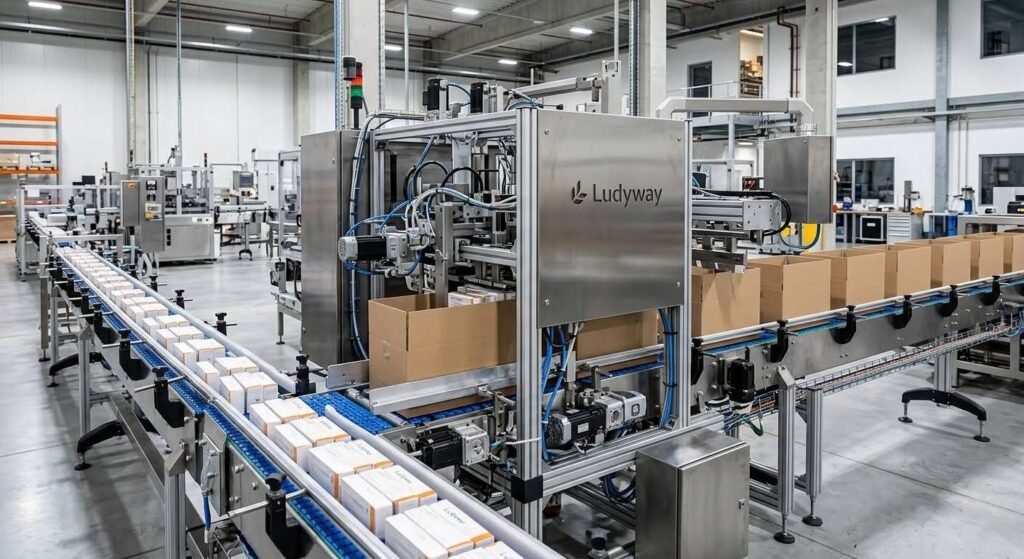
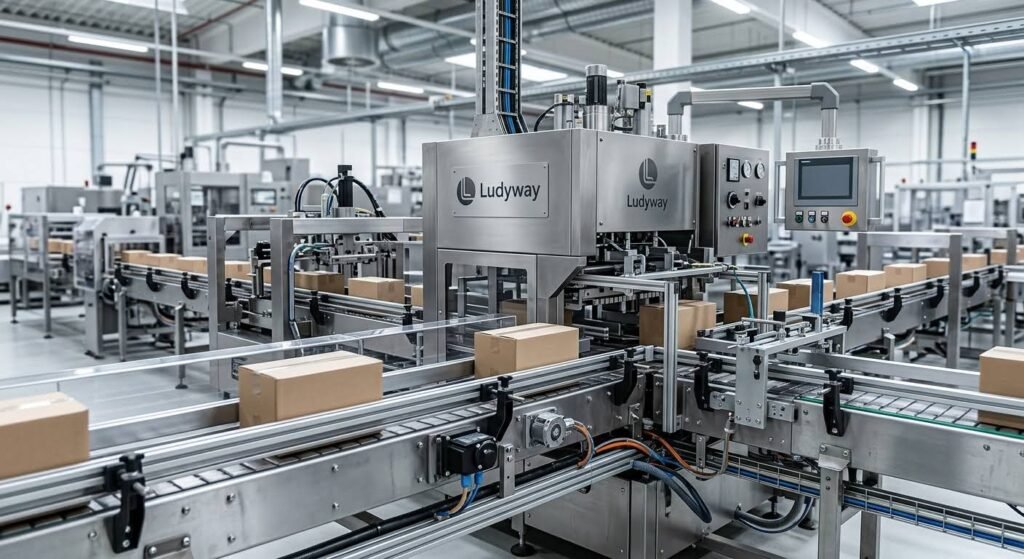
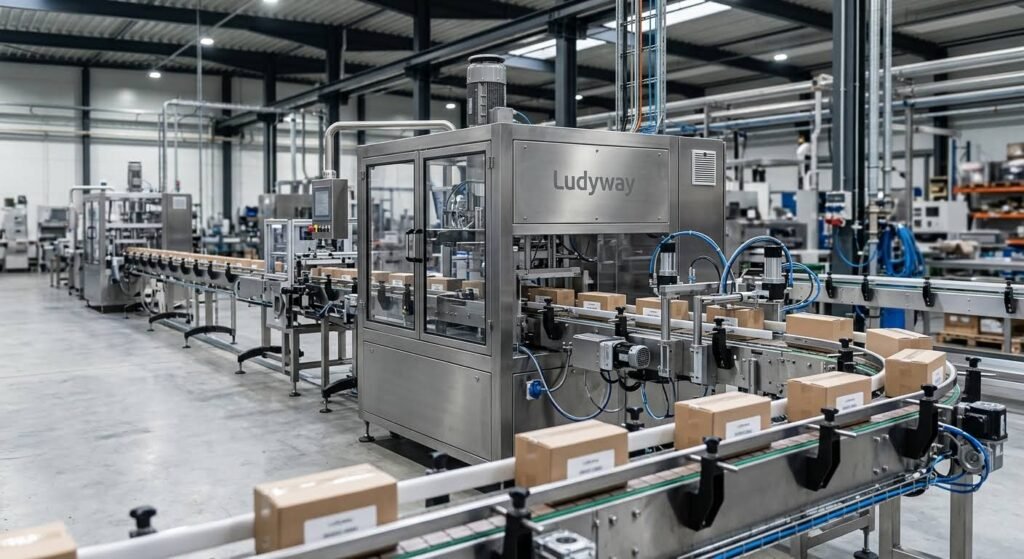
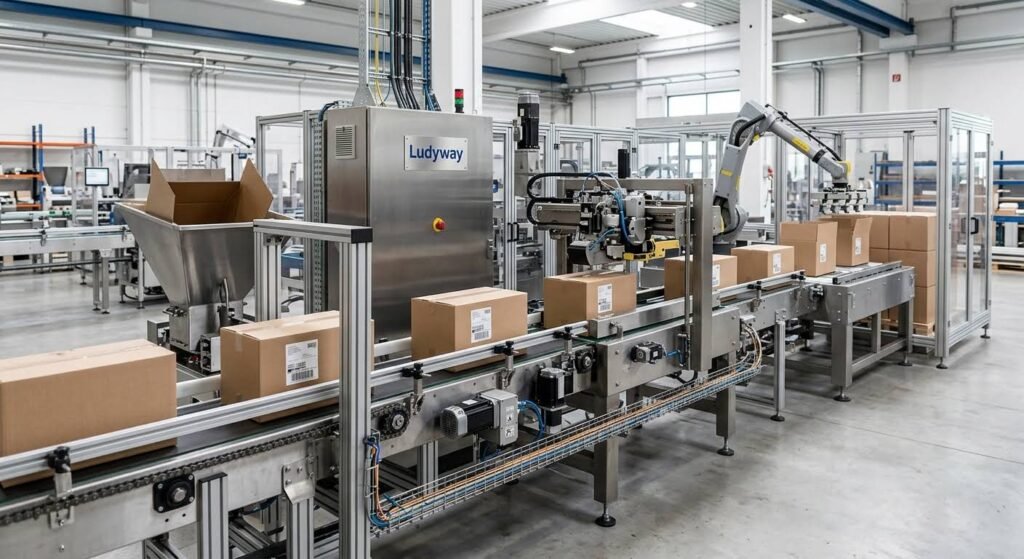
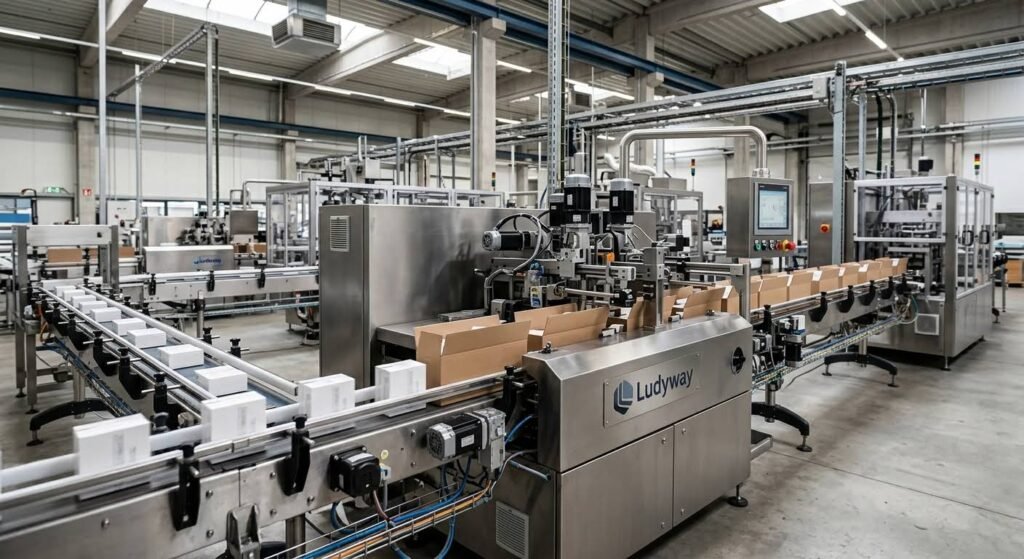
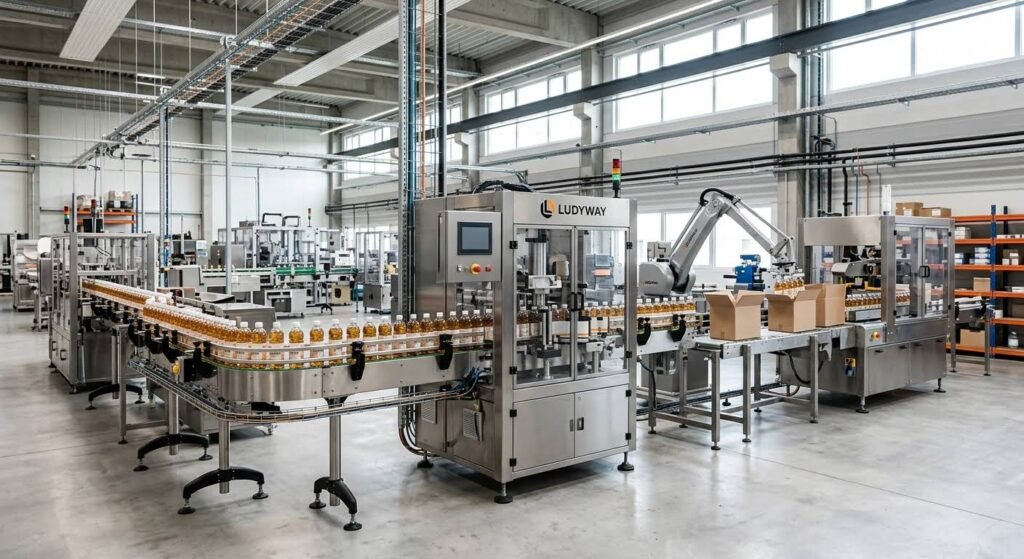
Shea butter, a prized natural ingredient in cosmetics and pharmaceuticals, requires specialized packaging to preserve its quality and extend shelf life. Selecting the right shea butter packaging machine is crucial for manufacturers aiming to enhance efficiency, maintain product integrity, and meet market demands. This guide explores the types of packaging machines available, their benefits, and key factors to consider when choosing the ideal equipment for your production line.
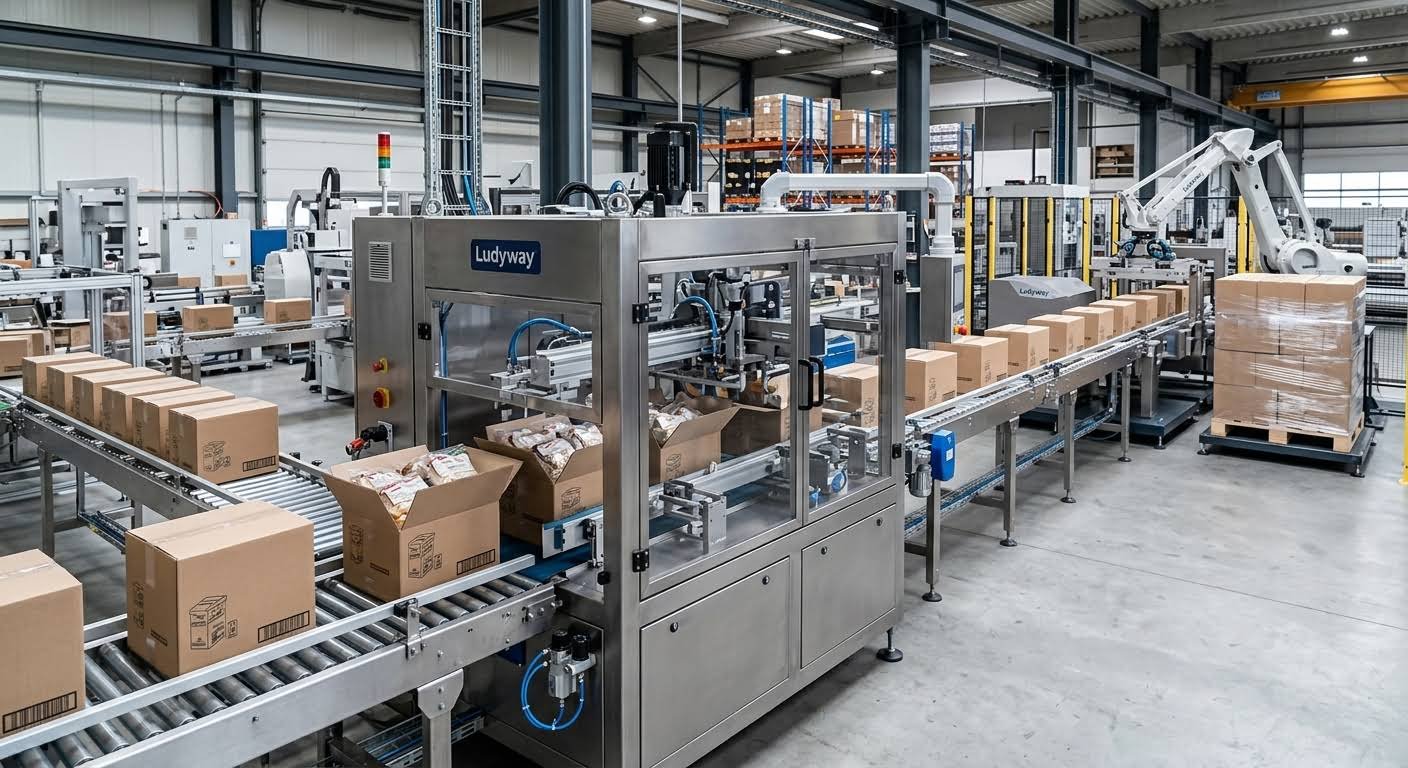
Types of Shea Butter Packaging Machines
Different packaging formats and production scales require specific types of machinery. Understanding the primary categories helps in making an informed decision.
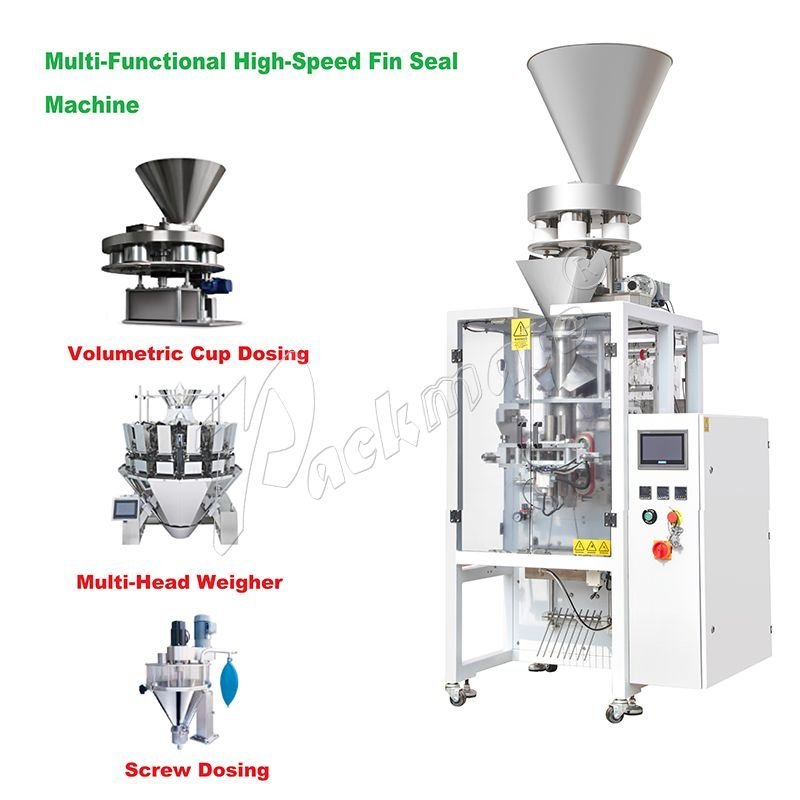
Vertical Form-Fill-Seal (VFFS) Machines
These are among the most common machines for packaging shea butter. They form bags from a roll of film, fill them with the product, and then seal them. VFFS machines are highly versatile and suitable for packaging shea butter in various forms—such as raw chunks, refined butter, or whipped formulations—into pouches or sachets. They offer high-speed operation and are ideal for medium to large-scale production.
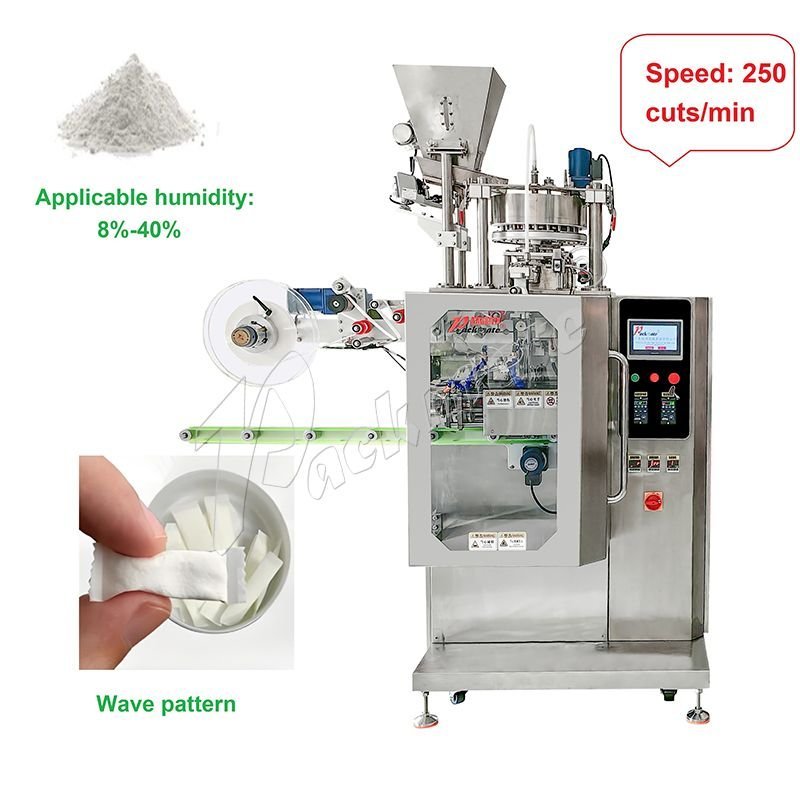
Stick Pack Machines
For single-use or sample-sized portions, stick pack machines are perfect. They create long, narrow packets that are convenient for consumers. Shea butter in stick packs is popular in travel kits, sample promotions, and as additives in cosmetic sets. These machines often feature multi-lane designs, significantly boosting output for small-portion packaging.
Sachet Packaging Machines
Sachet machines package shea butter into small, flat pouches. They are similar to stick pack machines but typically produce wider packets. This format is excellent for lotions, creams, or blended shea butter products. Modern sachet machines can handle various materials, including laminated films that provide an excellent barrier against moisture and air.
Liquid & Paste Filling Machines
When shea butter is processed into a semi-liquid or creamy consistency, liquid filling machines become necessary. These machines accurately dispense viscous products into jars, tubes, or bottles. They often include capping, sealing, and labeling functions, making them suitable for complete turnkey production lines for finished cosmetic products.
Auger Filling Machines
Specifically designed for powders and granular or semi-solid products, auger fillers use a rotating screw to dispense product. For shea butter that is grated, powdered, or in small chunks, auger filling machines provide high accuracy. They are often integrated with VFFS or sachet machines for a fully automated packaging process.
Benefits of Using Specialized Packaging Machinery
Investing in the right packaging equipment delivers significant advantages for shea butter producers, impacting everything from product quality to brand reputation.
Enhanced Product Protection & Shelf Life
Shea butter is sensitive to oxidation and contamination. Automated machines ensure hermetic seals with consistent quality, locking out air and moisture. This preservation of the butter’s natural properties, like its moisturizing capabilities, is critical for customer satisfaction.
Increased Production Efficiency & Speed
Manual packaging is slow and inconsistent. Automated machines dramatically increase output, allowing businesses to scale up operations and meet larger orders without compromising on speed or package quality.
Improved Accuracy & Reduced Waste
Precision filling systems ensure each package contains the exact amount of shea butter, minimizing product giveaway and material waste. This accuracy directly improves profit margins and supports sustainable manufacturing practices.
Versatility & Brand Customization
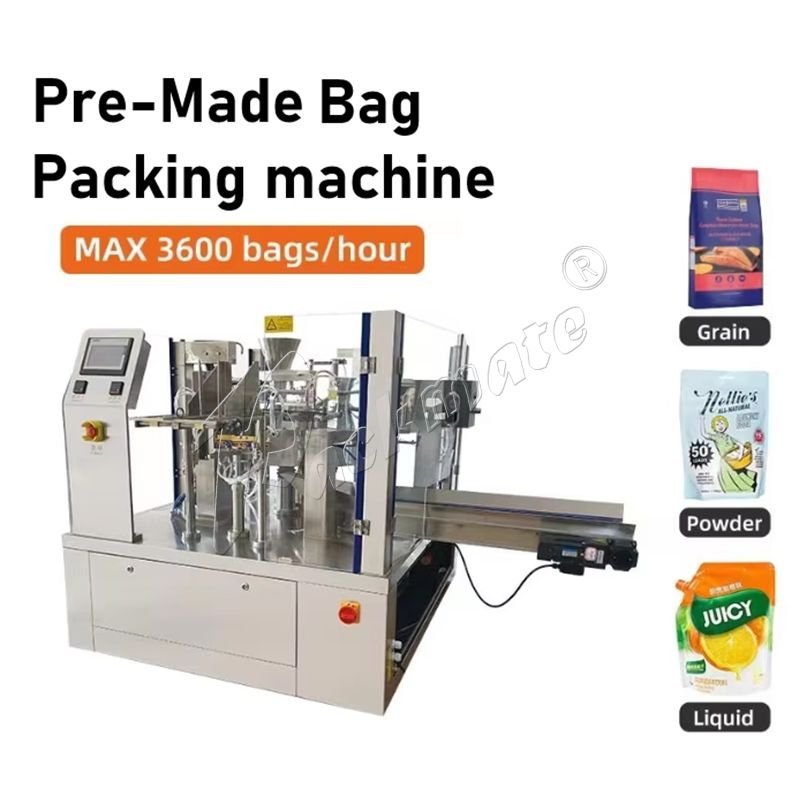
Modern machines can handle a range of package sizes and materials. This allows brands to offer diverse product lines—from small sample sachets to large retail pouches—and use custom-printed films to enhance brand visibility and appeal on shelves.
Hygiene & Compliance
Automated systems minimize human contact with the product, which is especially important for cosmetics and pharmaceuticals. This reduces contamination risks and helps manufacturers comply with stringent international health and safety standards.
How to Choose the Right Shea Butter Packaging Machine
Selecting equipment is a strategic decision. Consider these factors to find a machine that aligns with your current needs and future growth.
1. Assess Your Product Form and Viscosity
The physical state of your shea butter is the primary deciding factor. Is it solid, semi-solid, creamy, or powdered? For solid chunks, a vertical form-fill-seal machine with a coarse product feed might be best. For creams or liquid blends, a piston or pump-based liquid filler integrated with a capping system is necessary. Always test your product with the machine supplier to ensure compatibility.
2. Determine Required Packaging Speed (Output)
Calculate your current and projected daily/weekly output. A small business might suffice with a semi-automatic machine producing 20-40 packs per minute, while a large manufacturer may need a fully automatic, multi-lane system exceeding 200 packs per minute. Choosing a machine with slightly higher capacity than your current needs can accommodate future expansion.
3. Consider Packaging Materials and Formats
Decide on your final package type: stand-up pouches, flat sachets, stick packs, jars, or tubes. The machine must be compatible with your chosen material (e.g., PET/AL/PE laminate for high barrier properties). Also, consider if you need features like gas flushing (for nitrogen flushing to prevent oxidation) or zipper applicators for resealable pouches.
4. Evaluate Machine Durability and Ease of Maintenance
Look for machines constructed with food-grade stainless steel in contact parts for durability and ease of cleaning. Inquire about the availability of spare parts and the supplier’s technical support. A reliable packaging machinery brand with a strong service network can prevent prolonged downtime.
5. Factor in Budget and Total Cost of Ownership
Beyond the initial purchase price, consider operational costs: energy consumption, required manpower, maintenance, and material waste rates. Investing in a slightly more expensive but robust and efficient machine from a reputable supplier like Ludyway Machinery often leads to lower long-term costs and higher return on investment.
6. Check for Automation and Integration Capabilities
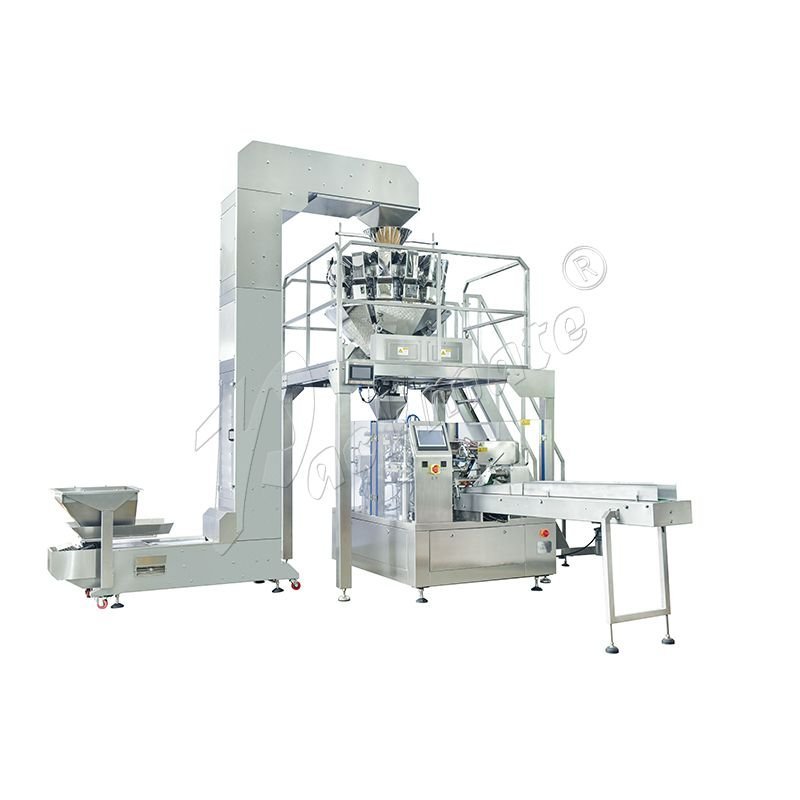
If you plan to build an automated production line, ensure the packaging machine can integrate with upstream equipment (like melt tanks or mixers) and downstream systems (like cartoners or case packers). Machines with PLC controls and HMI touchscreens offer better flexibility and data tracking for intelligent packaging operations.
7. Verify Supplier Expertise and After-Sales Support
Choose a supplier with proven experience in the cosmetic or food industry. They should understand the specific challenges of packaging natural butters. Review their company history and client testimonials. Ensure they offer comprehensive after-sales services, including installation, training, warranty, and prompt technical assistance, which are vital for continuous operation.
Frequently Asked Questions (FAQs)
Q1: Can one machine package both solid shea butter and shea butter cream?
It depends on the machine’s design. Some advanced vertical form-fill-seal machines can be configured with interchangeable filling systems (e.g., auger for solids, piston for creams). However, for optimal efficiency and minimal changeover time, dedicated lines for different product viscosities are often recommended for high-volume production.
Q2: What packaging material is best to preserve shea butter’s quality?
Multi-layer laminated films, such as those with an aluminum foil layer (PET/AL/PE), offer the best barrier against oxygen, moisture, and light, which can degrade shea butter. For a more sustainable option, high-barrier metallized films are also effective. The choice depends on your shelf-life requirements and brand positioning.
Q3: How important is nitrogen flushing in shea butter packaging?
Very important for extending shelf life. Nitrogen flushing displaces oxygen inside the package before sealing, significantly slowing down the oxidation process that causes rancidity. If you are targeting a long shelf life (e.g., 18-24 months), choosing a machine equipped with a nitrogen flushing system is highly advisable.
Q4: What is the typical maintenance required for these machines?
Daily cleaning of product contact parts is essential. Regular maintenance includes lubricating moving parts, checking seal jaw temperatures and pressures, and inspecting film feeding systems. A professional supplier will provide a detailed maintenance schedule and training for your operators to ensure consistent performance.
Q5: Can I get a customized machine for a unique package shape?
Yes, many experienced manufacturers offer customization. This may involve creating custom forming collars for unique pouch shapes, special filling nozzles, or integrating specific secondary packaging equipment. Discuss your requirements in detail during the planning phase with your machinery partner.