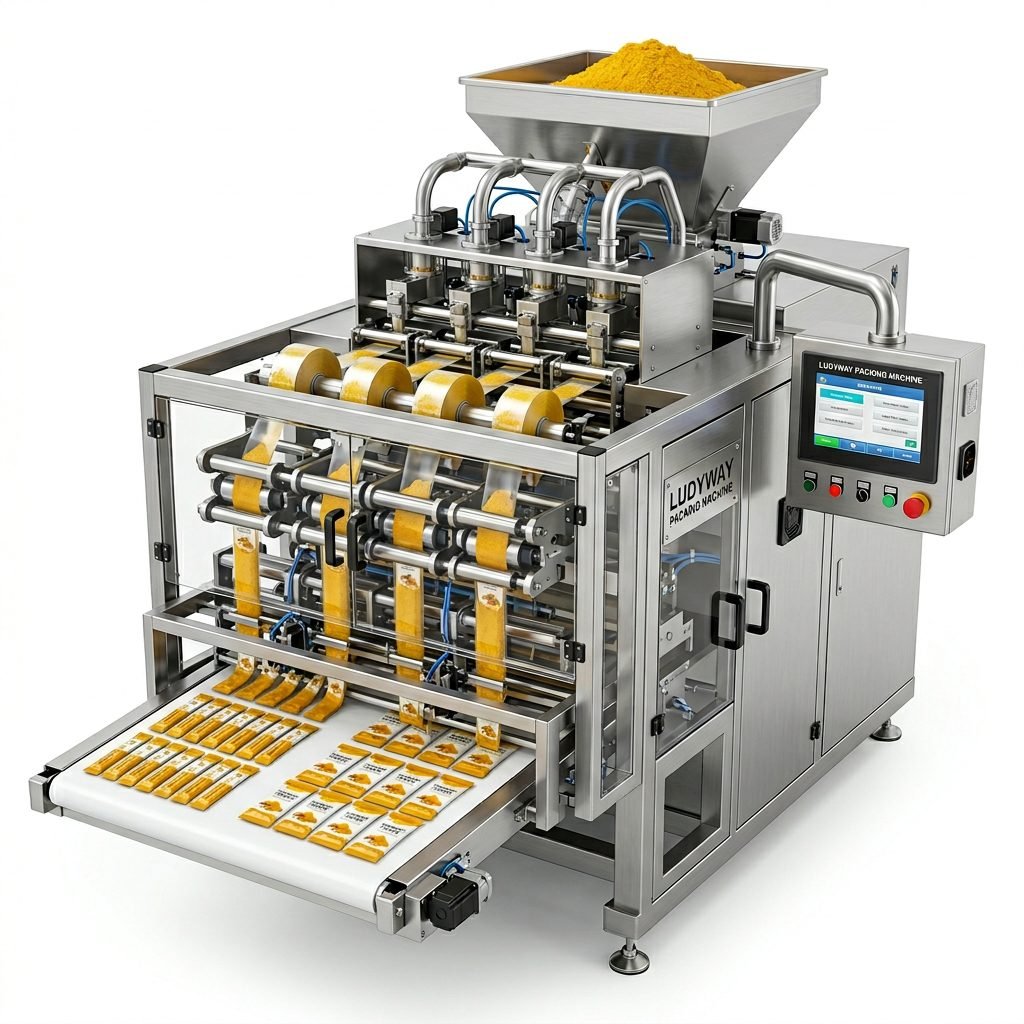
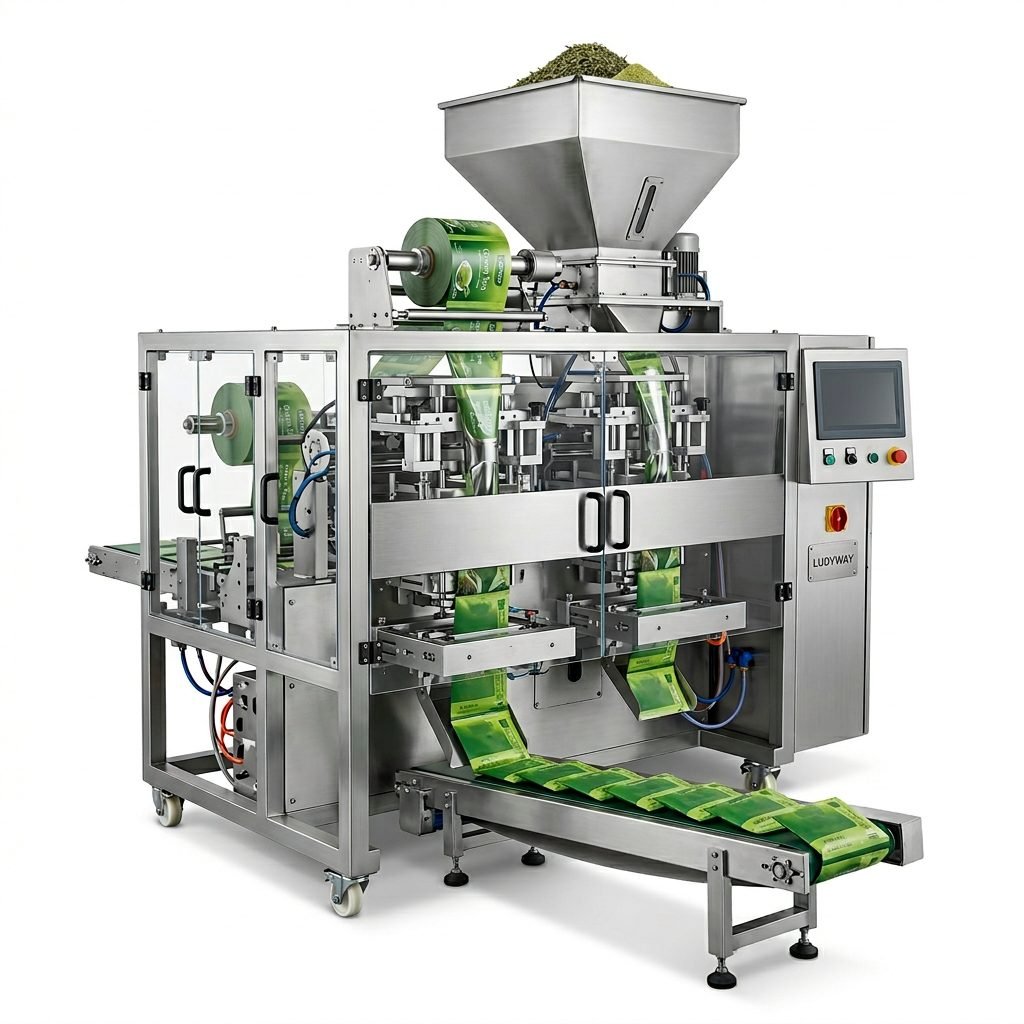
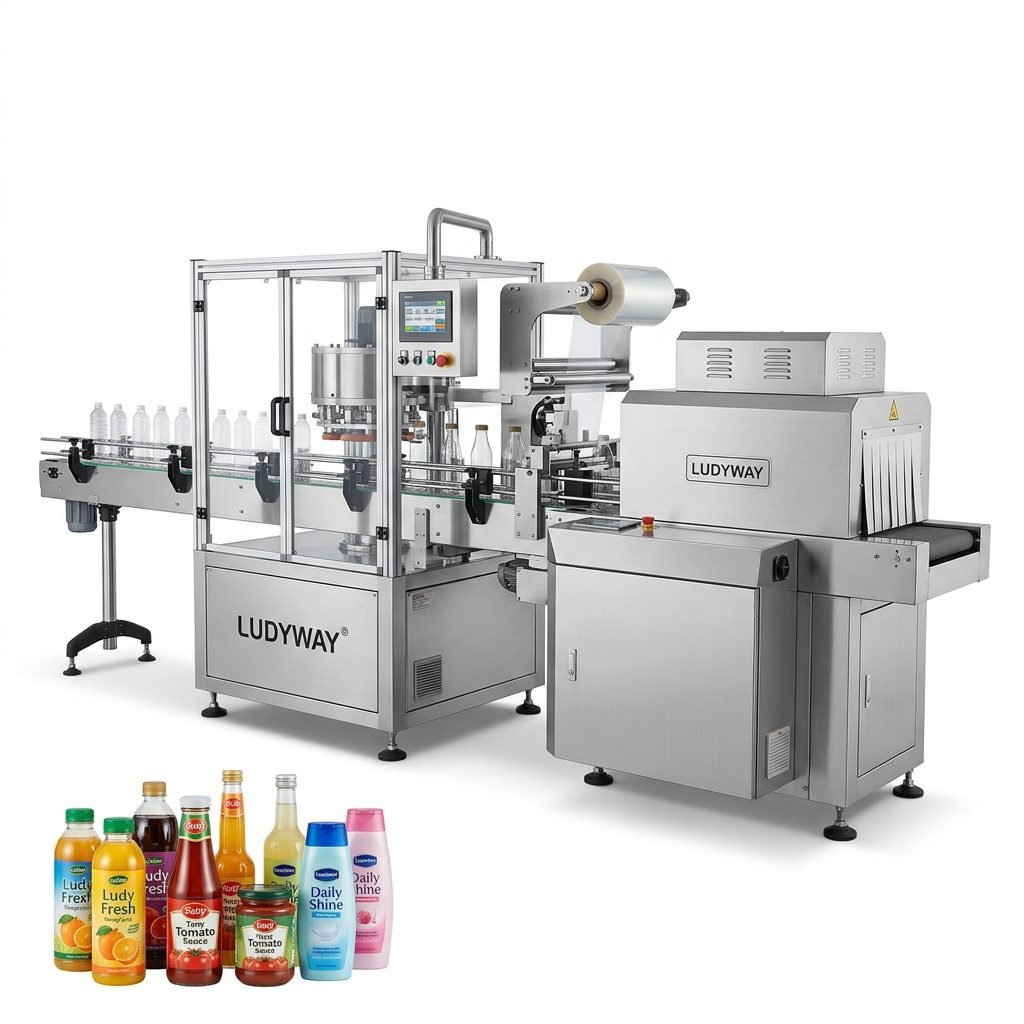
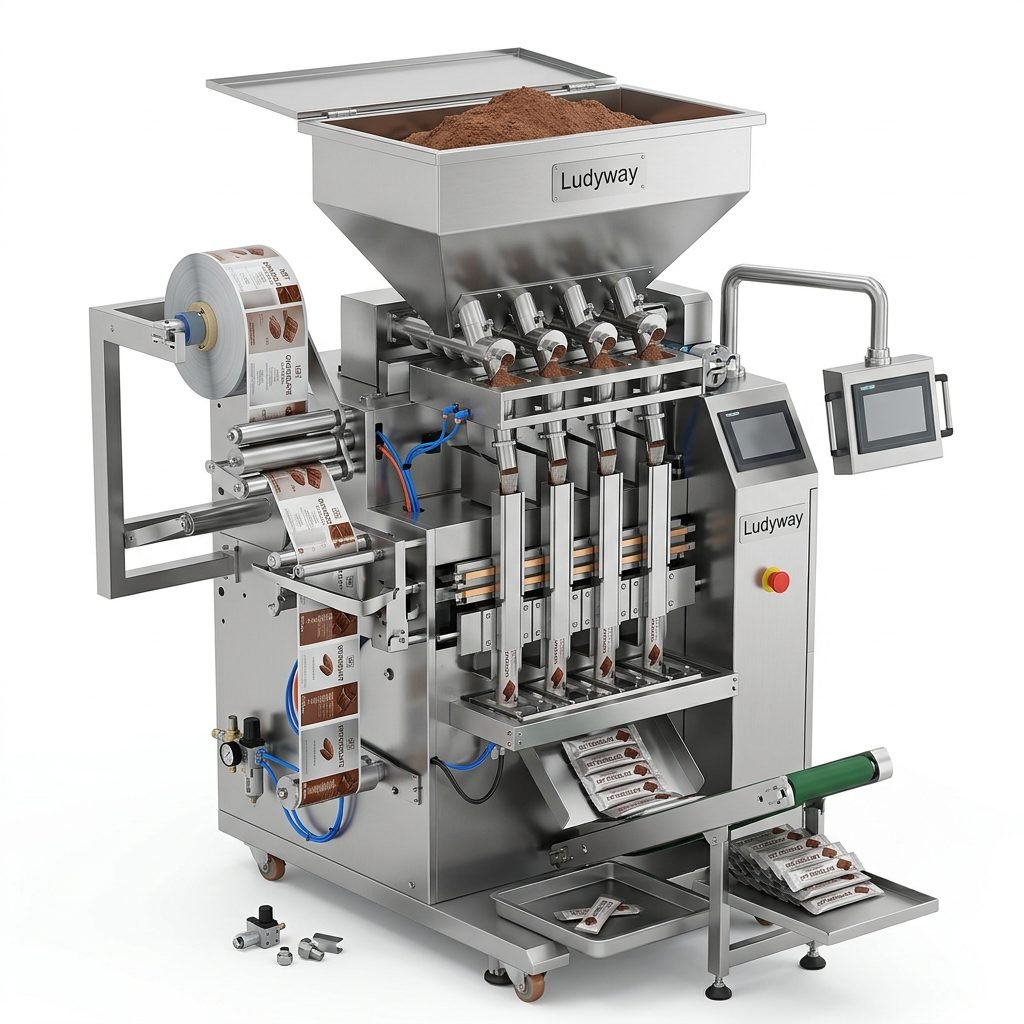
Selecting the right soup packaging machine is a critical decision for any food production operation. The efficiency, reliability, and output quality of your entire line hinge on this core equipment. This guide provides a structured approach to evaluating and choosing the best soup packaging equipment for your specific needs.
Understanding Your Production Requirements
The first step is a thorough internal assessment. Key questions to answer include: What is your target daily or weekly output volume? What are the physical characteristics of your soup product (e.g., viscosity, presence of solids, temperature)? What is your preferred primary packaging format—sachets, pouches, cups, or bottles? Furthermore, consider your available floor space, utility connections (power, water), and the skill level of your operational staff. Clearly defining these parameters creates a benchmark for all subsequent equipment evaluation.
Key Consideration: Future scalability. Choose a machine that can accommodate moderate increases in production speed or format changes without requiring a complete replacement.
Core Machine Types for Soup Packaging
Soup packaging generally falls into two broad categories: liquid filling and viscous filling, each with specialized machinery.
Liquid Filling Machines
For clear or thin broths, volumetric piston fillers or gravity fillers are common. They offer high-speed, accurate filling for pouches or bottles. Rotary piston fillers are particularly suited for high-volume continuous production lines.
Viscous & Particulate Filling Machines
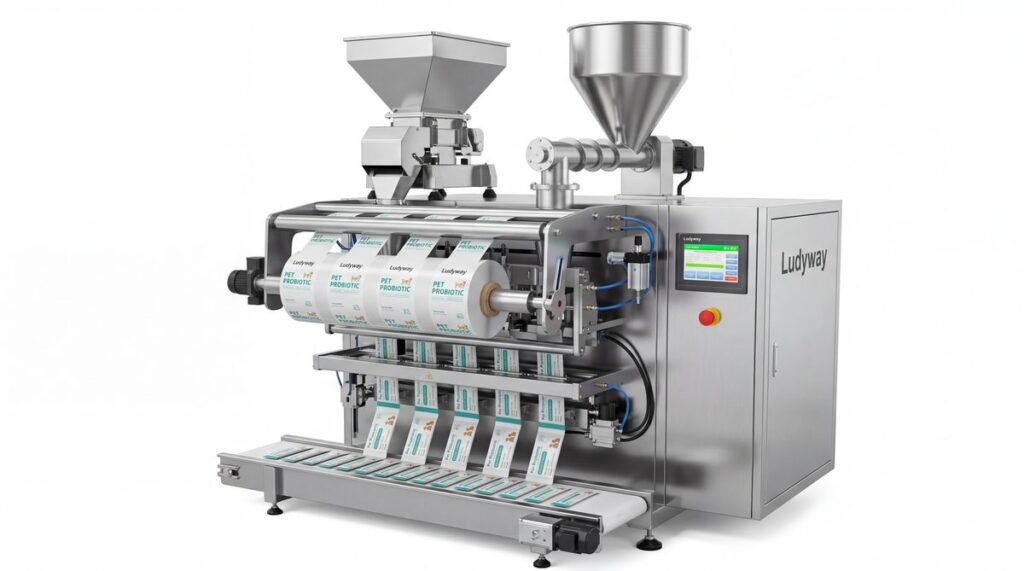
For chunky soups, stews, or thick purees, pump fillers (such as lobe pump or servo pump systems) are necessary. These machines handle product with solids and higher viscosity without separation or damage. Some advanced models include integrated stirring mechanisms to maintain homogeneity during the filling process.
Evaluating Critical Technical Features
Beyond the basic type, dive into the technical specifications that impact performance and longevity.
Accuracy and Speed
Filling accuracy directly affects product consistency and cost control. Look for machines with precision weighing or volumetric systems. Speed, measured in cycles per minute or pouches per hour, must align with your output targets. Remember, the fastest machine may not be the most accurate for your product.
Material Compatibility and Hygiene
The machine must be constructed from materials compatible with food contact and capable of withstanding frequent cleaning. Stainless steel (particularly grades like 304 or 316) for product-contact parts is essential. The design should facilitate easy access for cleaning and maintenance, supporting high hygiene standards.
Automation and Control Level
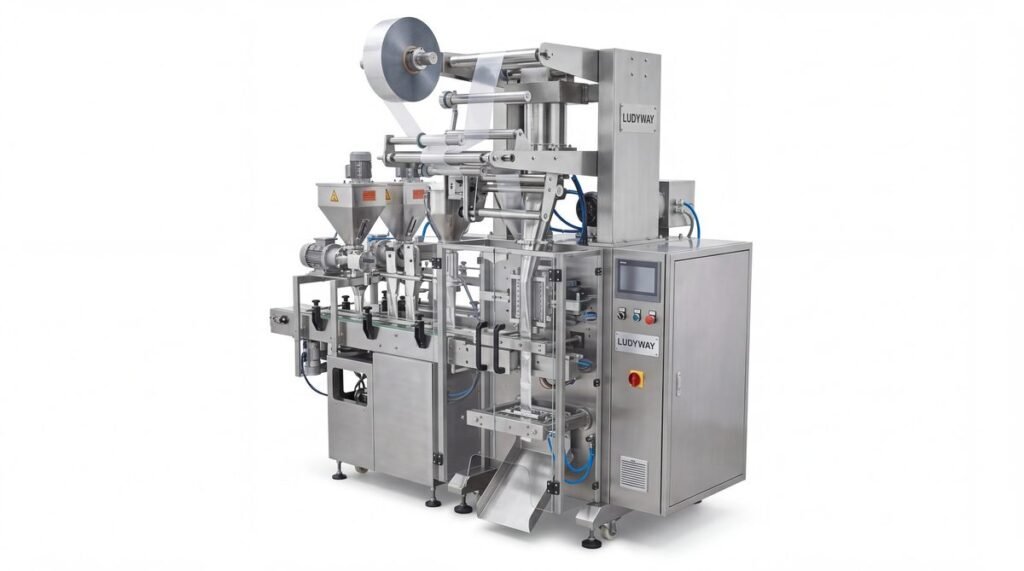
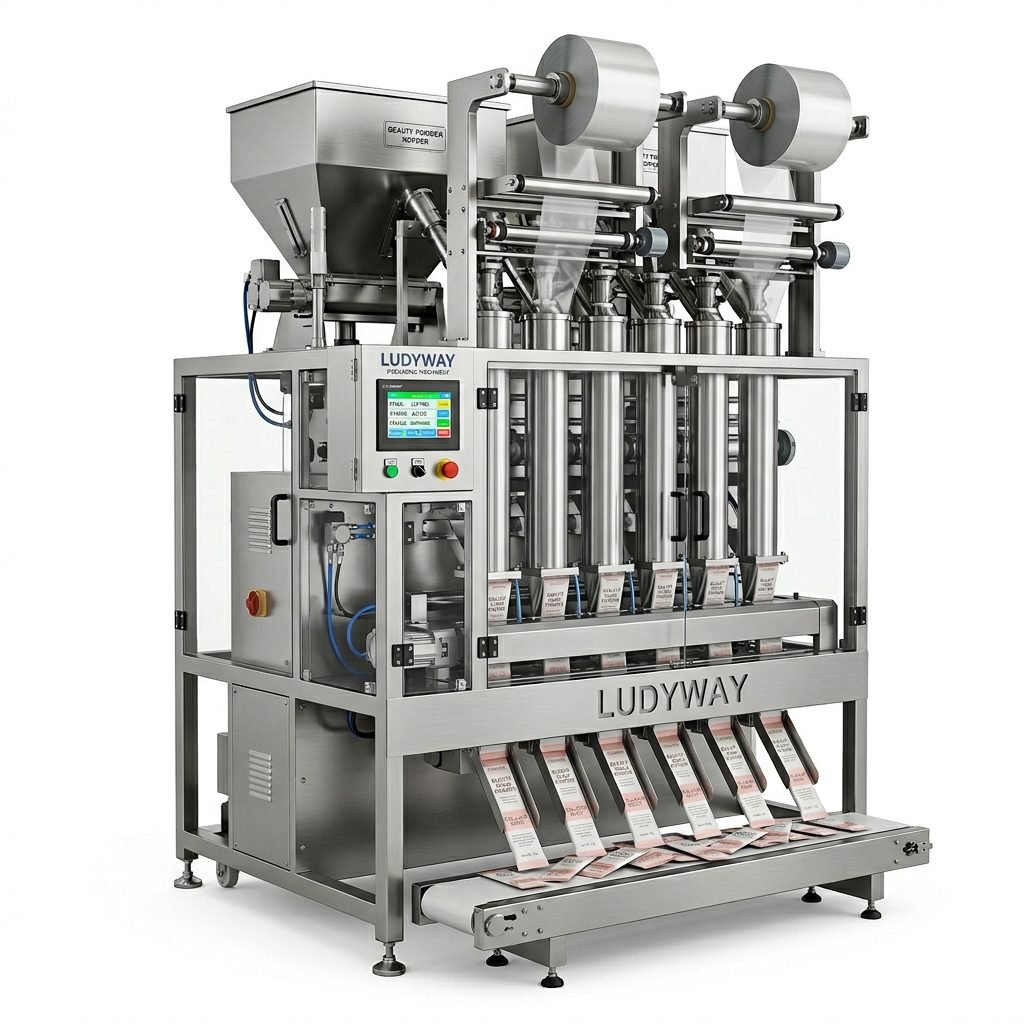
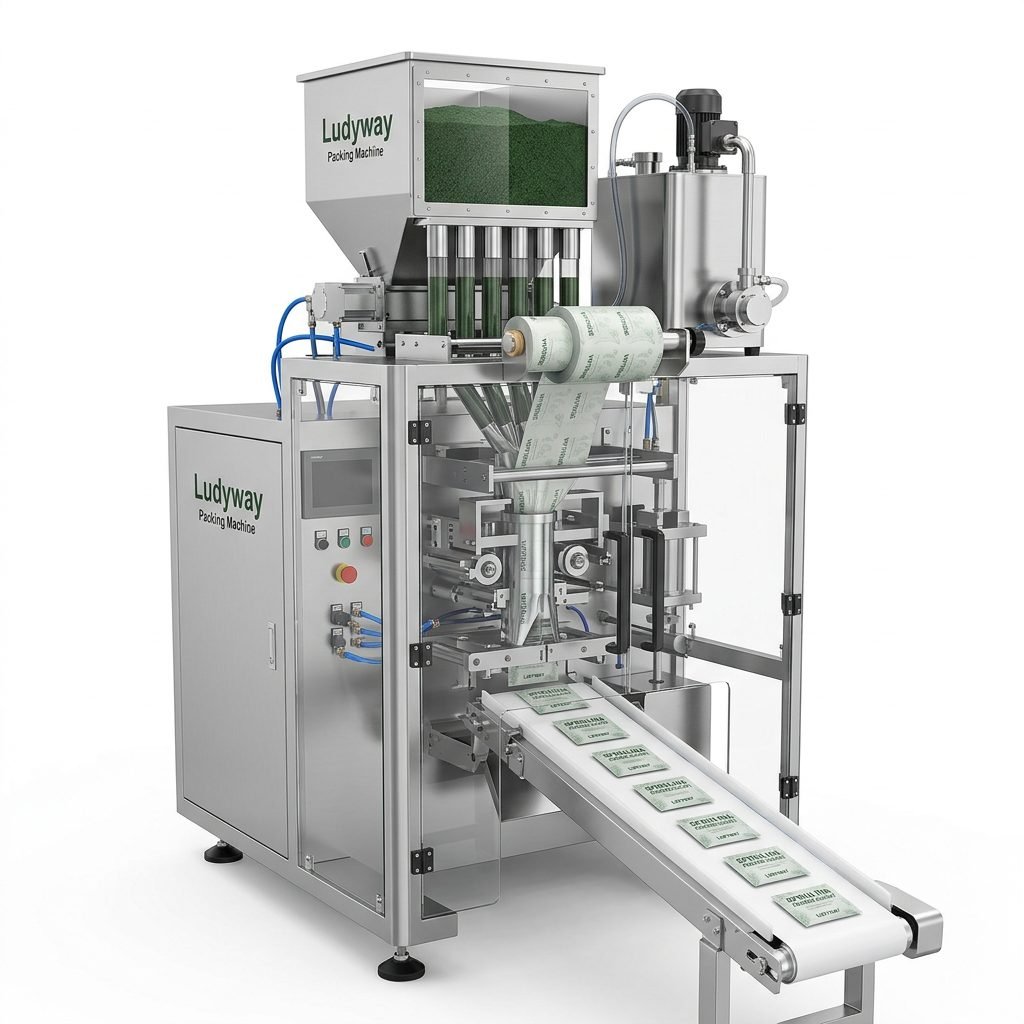
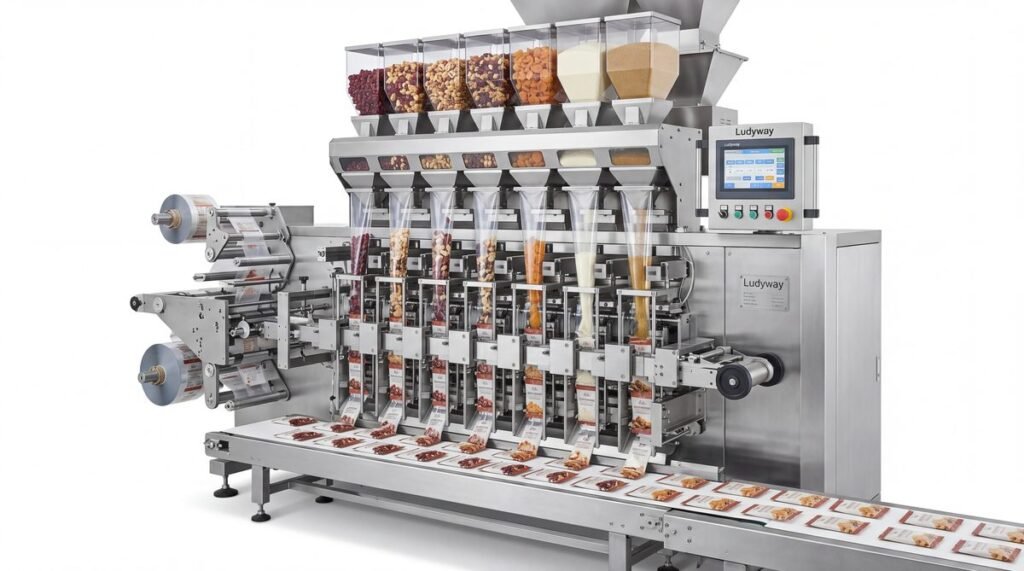
Modern machines offer varying degrees of automation. Basic models may require manual bag placement, while fully automated systems integrate forming, filling, and sealing from a roll of film. Consider your labor costs and desired operational simplicity. Touchscreen PLC controls with recipe memory can significantly reduce changeover time and operator error.
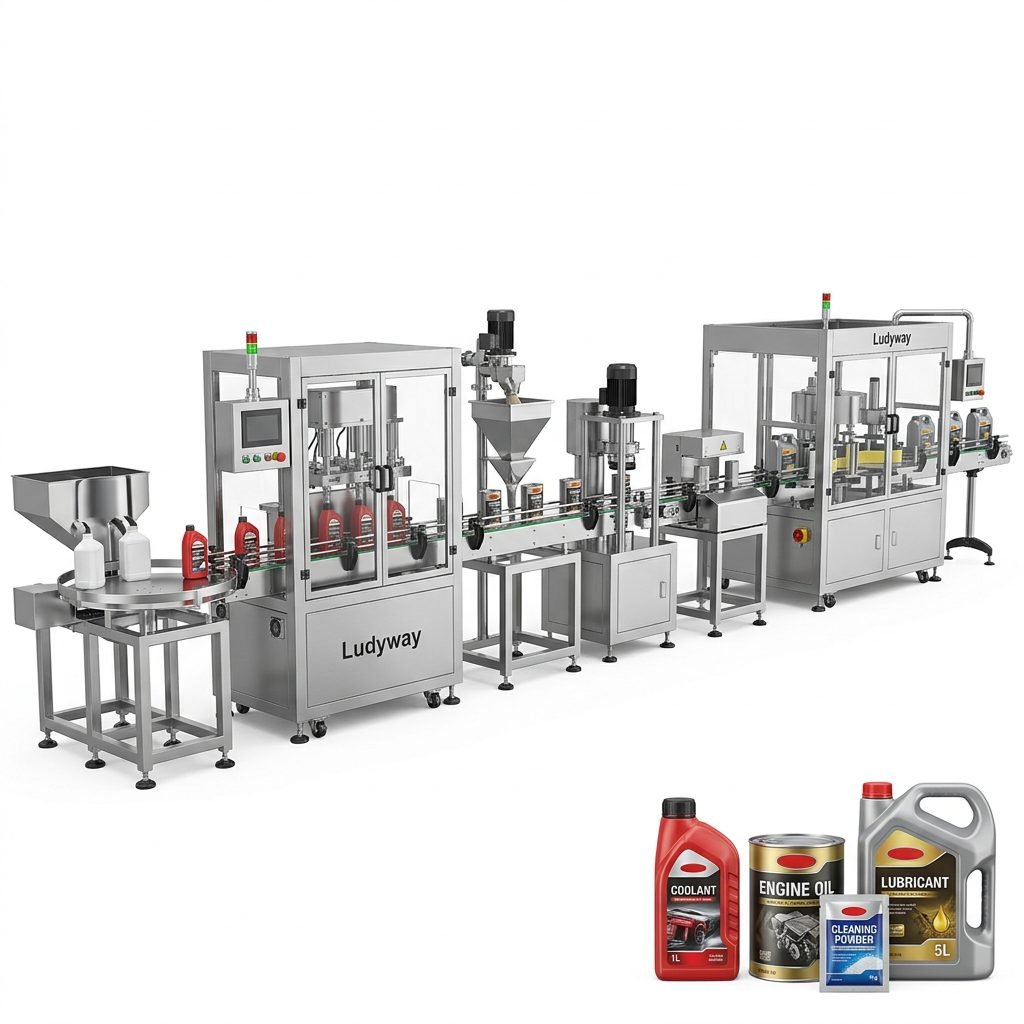
Integration Warning: Ensure the new machine can communicate effectively with your existing upstream (cooking/preparation) and downstream (sealing/coding/packing) equipment. Compatibility issues can create bottlenecks.
Supplier Selection and Support
The machine manufacturer is as important as the machine itself. A reliable partner ensures long-term success.
Manufacturer Expertise and Reputation
Investigate the supplier’s specific experience with soup or similar viscous liquid products. Review their case studies or client list. A supplier with a strong track record in the food industry, like Ludyway Machinery, which brings over 30 years of packaging expertise, can provide invaluable application-specific guidance. Their history of developing solutions for the food, pharmaceutical, and health industries indicates a depth of process knowledge.
Service and Technical Support
Evaluate the support structure. What does the installation and training process involve? What is the response time for technical support? Are spare parts readily available? A supplier with a global support network can be crucial for uninterrupted production. Consider the value of comprehensive training for your team to ensure optimal machine operation and basic troubleshooting.
After-Sales and Spare Parts
Clarify the warranty terms and the availability of a spare parts inventory. A prompt after-sales service can minimize downtime. Some reputable suppliers maintain a large inventory of standard parts and offer expedited shipping for critical components.
Financial and Operational Analysis
The final decision must be justified by a clear financial and operational analysis.
Compare the total cost of ownership, not just the purchase price. Include estimated costs for installation, energy consumption, routine maintenance, and potential spare parts over a 5-year period. Calculate the potential return on investment based on increased output, reduced labor, and lower product giveaway from improved accuracy.
Perform a risk assessment. What are the consequences of machine failure? How robust is the backup plan? Choosing a machine from a manufacturer known for reliability and durability, supported by a strong service agreement, mitigates operational risk.
By methodically progressing through these stages—from defining needs, analyzing technical features, vetting suppliers, to conducting financial analysis—you transform the selection process from a daunting purchase into a strategic investment. The right soup packaging machine becomes a pillar of your production line’s efficiency, quality, and growth for years to come.
Common Questions (FAQs)
What is the typical maintenance schedule for a soup packaging machine?
Daily cleaning and inspection of seals and nozzles are essential. Scheduled preventive maintenance, often quarterly or bi-annually, should include lubrication, calibration of filling systems, and inspection of moving parts, as recommended by the manufacturer.
Can one machine handle different soup varieties (thin broth and thick stew)?
Some advanced pump filler models with adjustable settings and changeable pump types can handle a range. However, significant viscosity differences often require dedicated machine configurations or substantial changeover time. It’s best to discuss your specific product range with the supplier.
How important is the packaging film material to the machine’s operation?
Extremely important. The machine’s forming and sealing systems are designed for specific film types (multilayer laminates, etc.). Using an incompatible film can lead to poor seal integrity, jams, and production stoppages. Always use film recommended or approved by the machine manufacturer.
What training is usually provided for operators?
Quality suppliers offer on-site installation training covering basic operation, daily cleaning, routine maintenance, and safety procedures. More comprehensive training programs might include troubleshooting common faults and understanding the control system.
How do I ensure the machine meets food safety regulatory standards?
Choose equipment constructed with appropriate food-grade materials (e.g., stainless steel) and with design features that allow for proper cleaning and sanitization. Request documentation from the supplier, such as material certificates, to verify compliance with relevant standards (like FDA requirements in the USA or EU regulations).