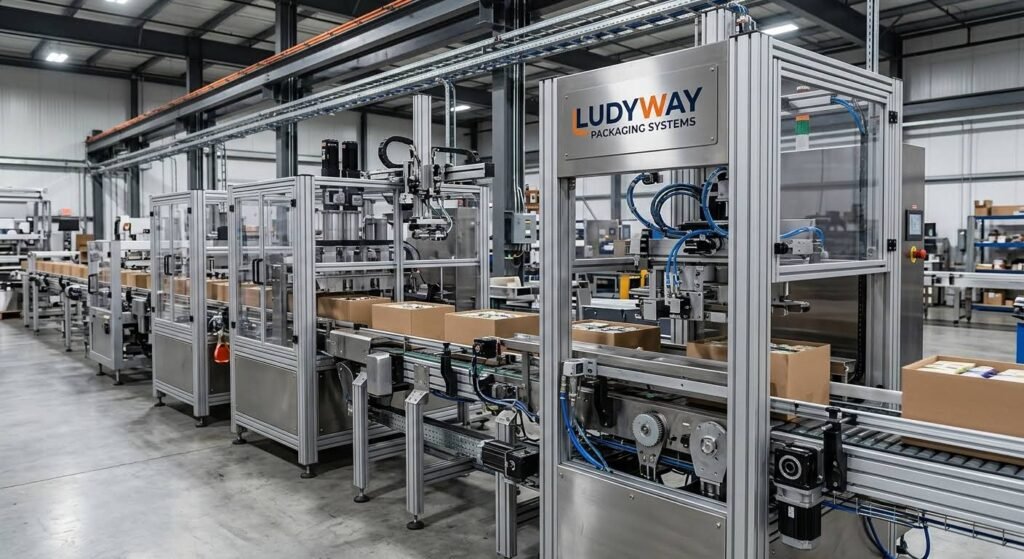
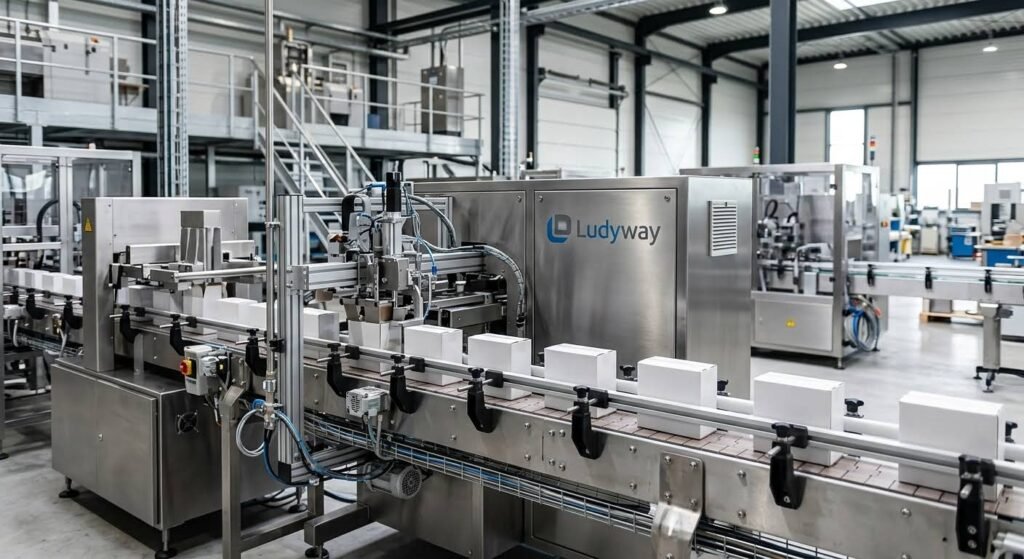
Effective maintenance and timely repair of packaging equipment are critical for maintaining production efficiency, ensuring product quality, and controlling operational costs. A proactive approach to troubleshooting and maintenance can prevent minor issues from escalating into major, costly breakdowns. This guide provides essential troubleshooting steps, practical maintenance tips, and cost-saving repair strategies to help you keep your packaging lines running smoothly.
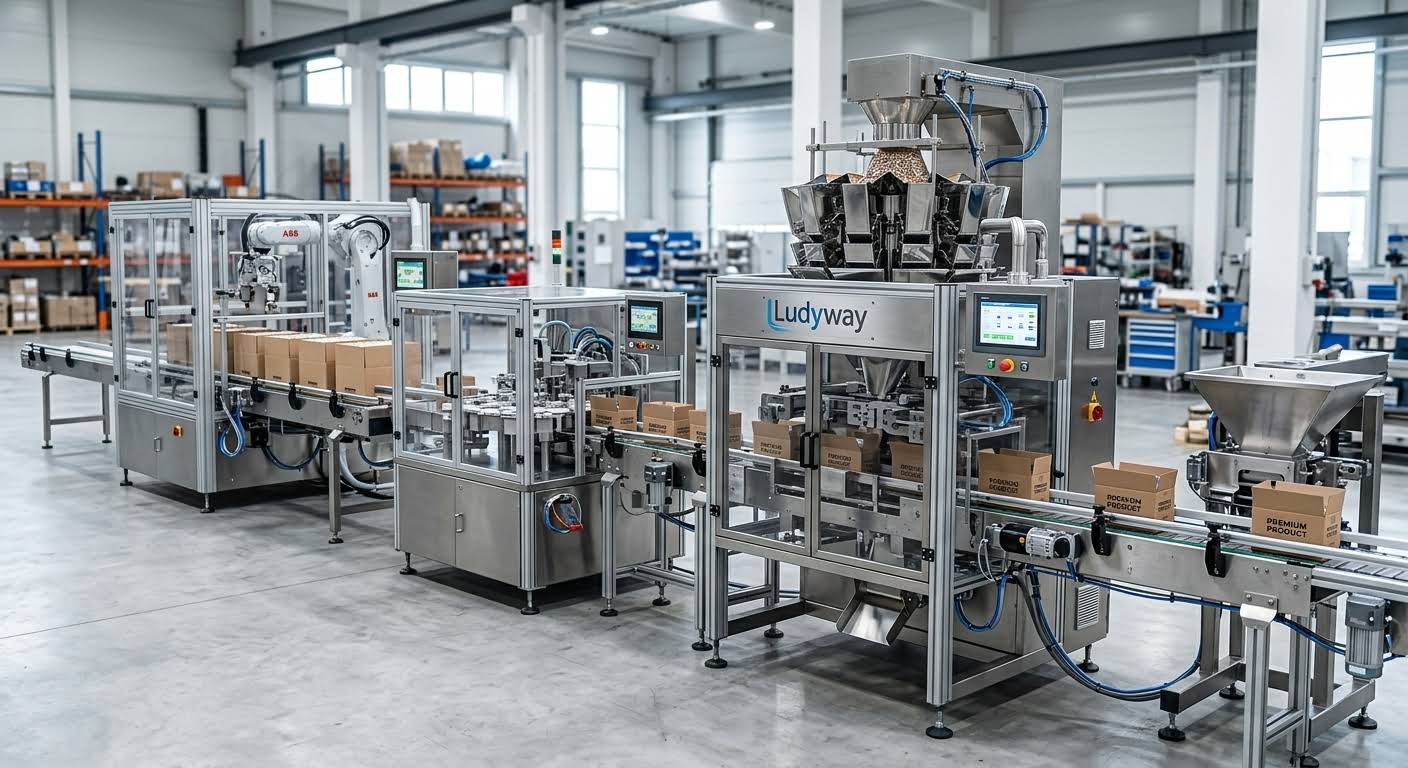
Common Packaging Equipment Issues and Troubleshooting Steps
Identifying the root cause of a malfunction is the first step toward a solution. Here are some frequent problems encountered across various packaging machines, from sachet and stick pack machines to granule and powder fillers.
1. Inconsistent Sealing or Poor Seal Integrity
This is a prevalent issue that can lead to product spoilage and customer complaints. Potential causes include:
❯ Contaminated Sealing Jaws: Residue from product dust or film can prevent a clean, hot seal. Regular cleaning with approved solvents is essential.
❯ Incorrect Temperature or Pressure: Verify the heater temperature settings and the pressure applied by the sealing jaws. Adjust according to the packaging film specifications.
❯ Worn or Damaged Heater Bands/Sealing Elements: Inspect for physical damage or uneven wear. Replace components that are no longer providing uniform heat.
2. Inaccurate Filling or Dosing
Whether dealing with liquids, powders, or granules, inaccurate fills result in giveaway, regulatory non-compliance, and profit loss.
❯ Clogged Nozzles or Augers: Hygroscopic or cohesive products can cause buildup. Implement a strict cleaning schedule and use air purges if available.
❯ Mechanical Wear in Dosing Systems: Check augers, pistons, and pumps for wear. Recalibrate the dosing system after any component replacement.
❯ Fluctuating Product Characteristics: Changes in product density, viscosity, or granule size can affect volume-based fills. Consider switching to weight-based checkweighing systems for critical accuracy.
3. Film Feeding or Web Tension Problems
Misaligned or erratically fed packaging film causes jams, wrinkles, and machine stoppages.
❯ Misaligned Film Rolls: Ensure the film roll is mounted correctly on the unwind shaft and that guides are properly adjusted.
❯ Incorrect Web Tension: Too much tension can tear the film; too little can cause slack and misfeeds. Adjust the brake or clutch on the unwind stand.
❯ Faulty Registration Sensor: If the machine uses photoelectric eyes for print registration, clean the sensor lens and ensure it is correctly detecting the registration mark.
Proactive Maintenance Tips to Minimize Downtime
Preventive maintenance is far more cost-effective than reactive repairs. A structured maintenance program extends equipment life and ensures consistent performance.
Daily and Weekly Maintenance Routines
Daily: Perform a visual inspection for loose parts, leaks, or unusual noises. Clean all product contact surfaces, sealing jaws, and film guides. Lubricate moving parts as specified in the manual (avoid over-lubrication near product zones).
Weekly: Check and tighten all bolts, nuts, and fasteners. Inspect belts and chains for tension and wear. Test safety interlocks and emergency stop functions. Clean filters on pneumatic and vacuum systems.
Scheduled Professional Servicing
Even with excellent in-house care, professional servicing is crucial. Schedule annual or bi-annual maintenance with qualified technicians, such as the service team at Ludyway Machinery. They can perform deep diagnostics, replace wear items before they fail, and update machine software, ensuring your equipment meets its original performance specifications.
Cost-Saving Repair Strategies and Solutions
When repairs are necessary, smart strategies can significantly reduce expenses without compromising on quality or machine longevity.
1. Invest in Operator Training
The most significant cost-saving measure is a well-trained operator. Operators who understand basic machine functions can perform minor adjustments, identify early warning signs, and conduct routine maintenance, preventing many common issues. Ludyway’s packaging experts often emphasize that knowledgeable operators are the first line of defense against costly downtime.
2. Maintain a Critical Spare Parts Inventory
Analyze your machine’s history and maintain a small inventory of high-wear, mission-critical parts. Common items include:
- Heater bands and sealing jaws
- Photoelectric sensors
- Common fuses and relays
- Specific gaskets and O-rings
- Drive belts for critical axes
This minimizes waiting time for parts to arrive from suppliers, getting your line back up in hours instead of days.
3. Consider Remanufactured or Quality-Compatible Parts
For non-safety-critical components, high-quality compatible parts can offer substantial savings over OEM parts without sacrificing performance. Always source from reputable suppliers. For complex assemblies or proprietary components, however, OEM parts from your original manufacturer, like those available through Ludyway’s support network, ensure perfect fit and function, avoiding further damage from ill-fitting parts.
4. Implement a Condition Monitoring System
For high-value production lines, invest in basic condition monitoring. This can be as simple as tracking motor amperage, bearing temperatures, or vibration levels. A gradual change in these readings often signals impending failure, allowing you to schedule repairs during planned downtime rather than facing an unexpected catastrophic failure.
FAQs: Packaging Equipment Repair and Maintenance
1. How often should I schedule professional maintenance for my packaging machine?
It depends on usage. For single-shift, five-day-a-week operations, an annual professional service is typically sufficient. For 24/7 operations or environments with high dust or moisture, bi-annual servicing is recommended. Always follow the intervals specified in your machine’s manual.
2. Can I use generic lubricants on my packaging equipment?
No. It is crucial to use the lubricant types (e.g., food-grade, synthetic) specified by the manufacturer. Using incorrect lubricants can damage seals, attract contaminants, and in food/pharma applications, cause product contamination.
3. What is the most common mistake that leads to premature machine failure?
The most common mistake is neglecting basic cleaning. Product residue, dust, and debris accelerate wear on moving parts, clog sensors, and degrade sealing surfaces. A clean machine is a reliable machine.
4. Should I repair an old machine or replace it?
Consider replacement if repair costs exceed 50% of the value of a new, more efficient model, or if the machine cannot meet current production speed, accuracy, or safety standards. Modern machines from providers like Ludyway Machinery often offer energy savings and faster changeovers that provide a rapid return on investment.
5. How can I reduce repair costs on my aging packaging line?
Focus on proactive maintenance, maintain a strategic spare parts inventory, and train your operators thoroughly. Building a relationship with a reliable service provider for scheduled check-ups can also help manage costs by identifying issues early.