In today’s fast-paced manufacturing world, advanced packaging equipment is the backbone of efficient, reliable, and cost-effective production. From food and pharmaceuticals to health products, the right packaging system can dramatically impact product quality, shelf life, and brand perception. This guide delves into the core types of modern packaging machinery, explores the key technologies driving innovation, and provides a clear framework for selecting the perfect system for your specific operational needs.
Core Types of Advanced Packaging Equipment
The landscape of packaging machinery is diverse, with each type designed for specific formats, materials, and production speeds. Understanding these categories is the first step toward making an informed investment.
Vertical Form-Fill-Seal (VFFS) Machines
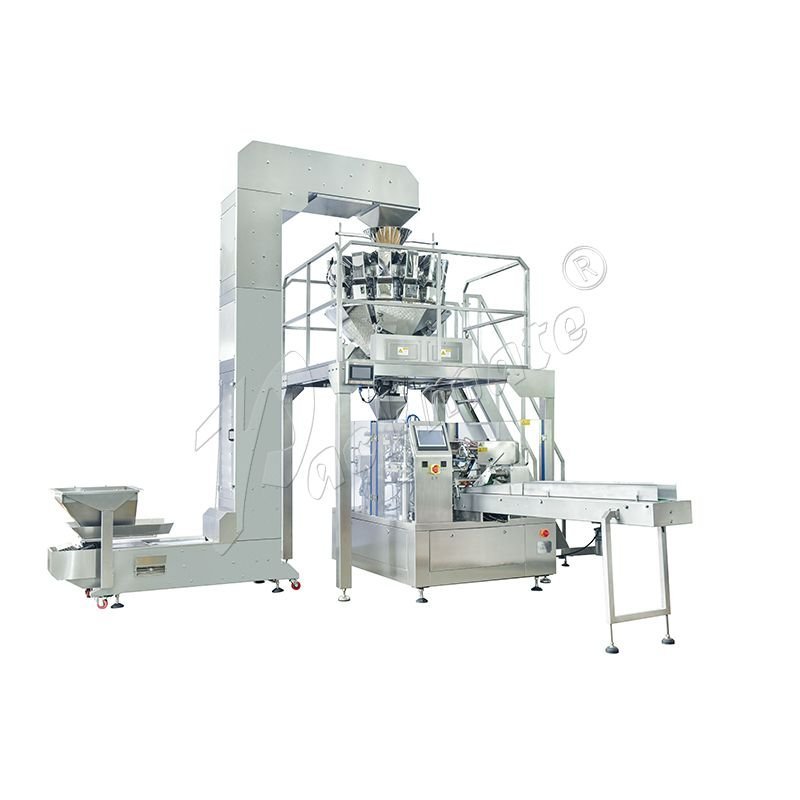
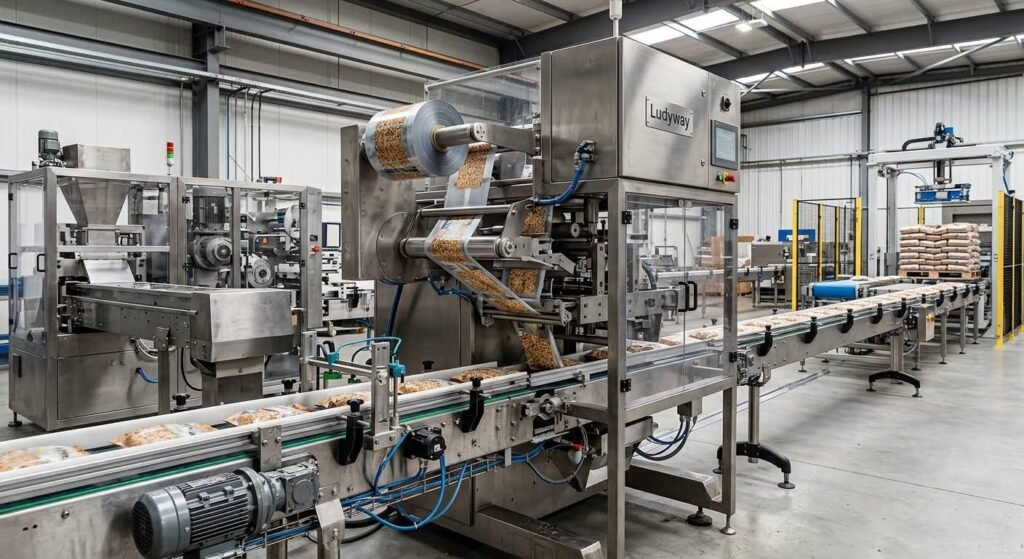
These are among the most versatile and widely used systems. They form a tube from a roll of packaging film, fill it with the product, and then seal it to create individual pouches or bags. Ideal for granules, powders, snacks, and liquids, VFFS machines are praised for their efficiency and ability to handle a wide range of products with quick changeover times.
Horizontal Form-Fill-Seal (HFFS) Machines
HFFS machines are typically used for more rigid structures or when a product needs to be presented in a specific orientation, like blister packs for pharmaceuticals or trays for baked goods. The film is formed horizontally, filled, and then lidded with a top web. They excel in creating high-integrity, visually appealing packages with excellent barrier properties.
Stick Pack and Sachet Packaging Machines
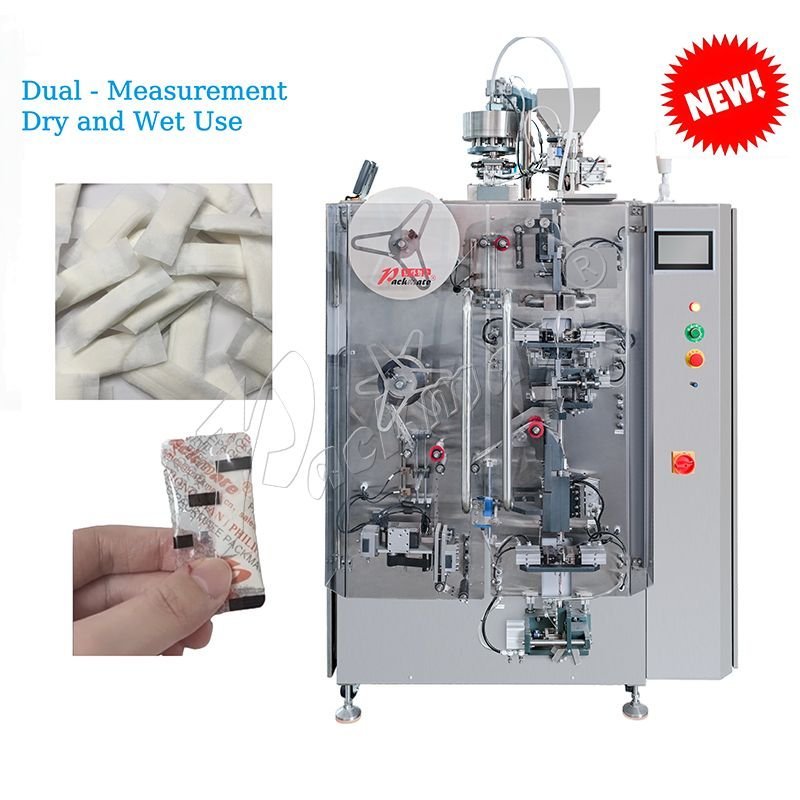
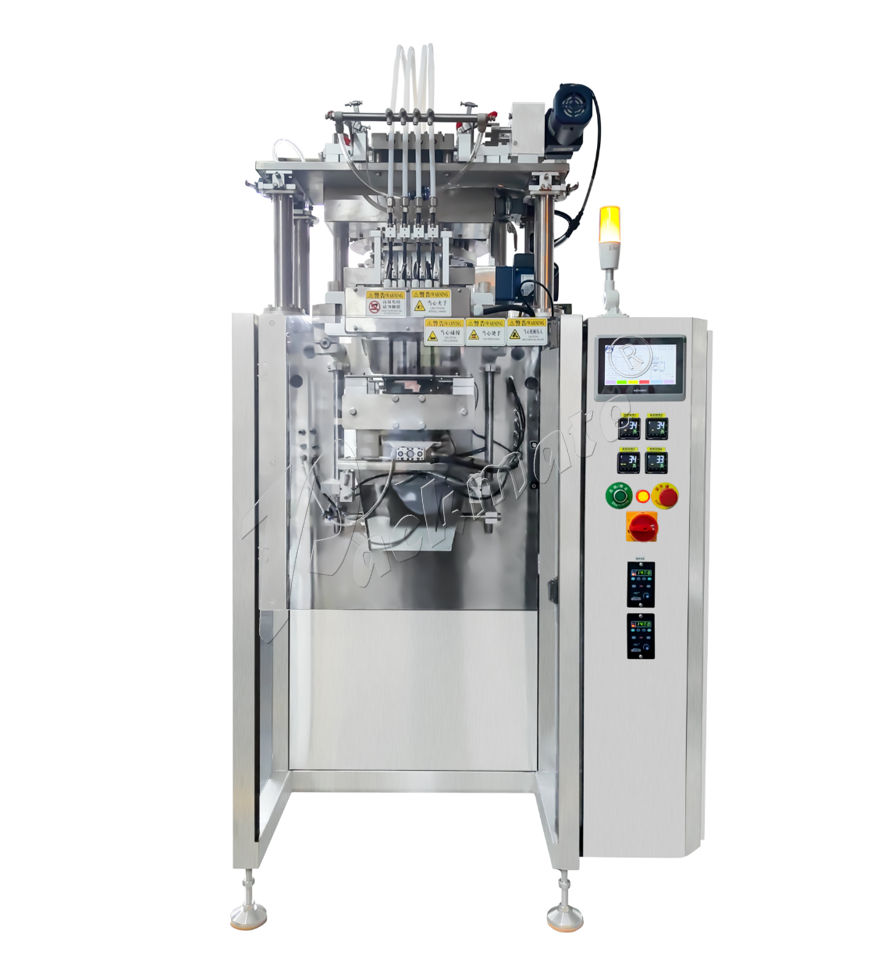
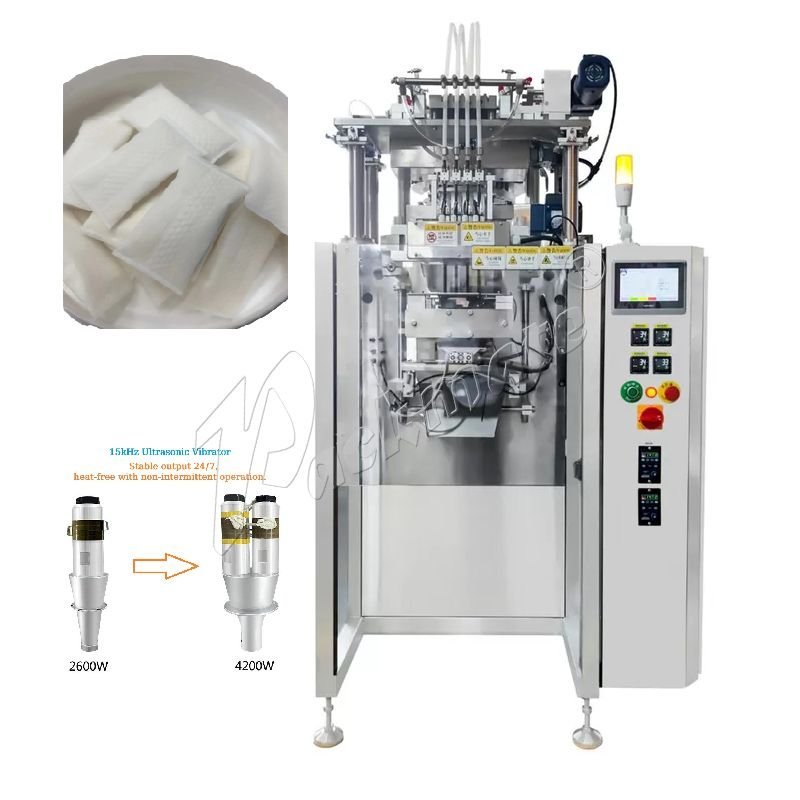
Designed for single-serve or sample-sized products, these machines produce slim, elongated stick packs or small rectangular sachets. They are extremely popular in the food, beverage (like instant coffee or drink mixes), pharmaceutical, and cosmetic industries. Modern multi-lane systems can produce hundreds of stick packs per minute, offering incredible output for small-portion packaging.
Did You Know?
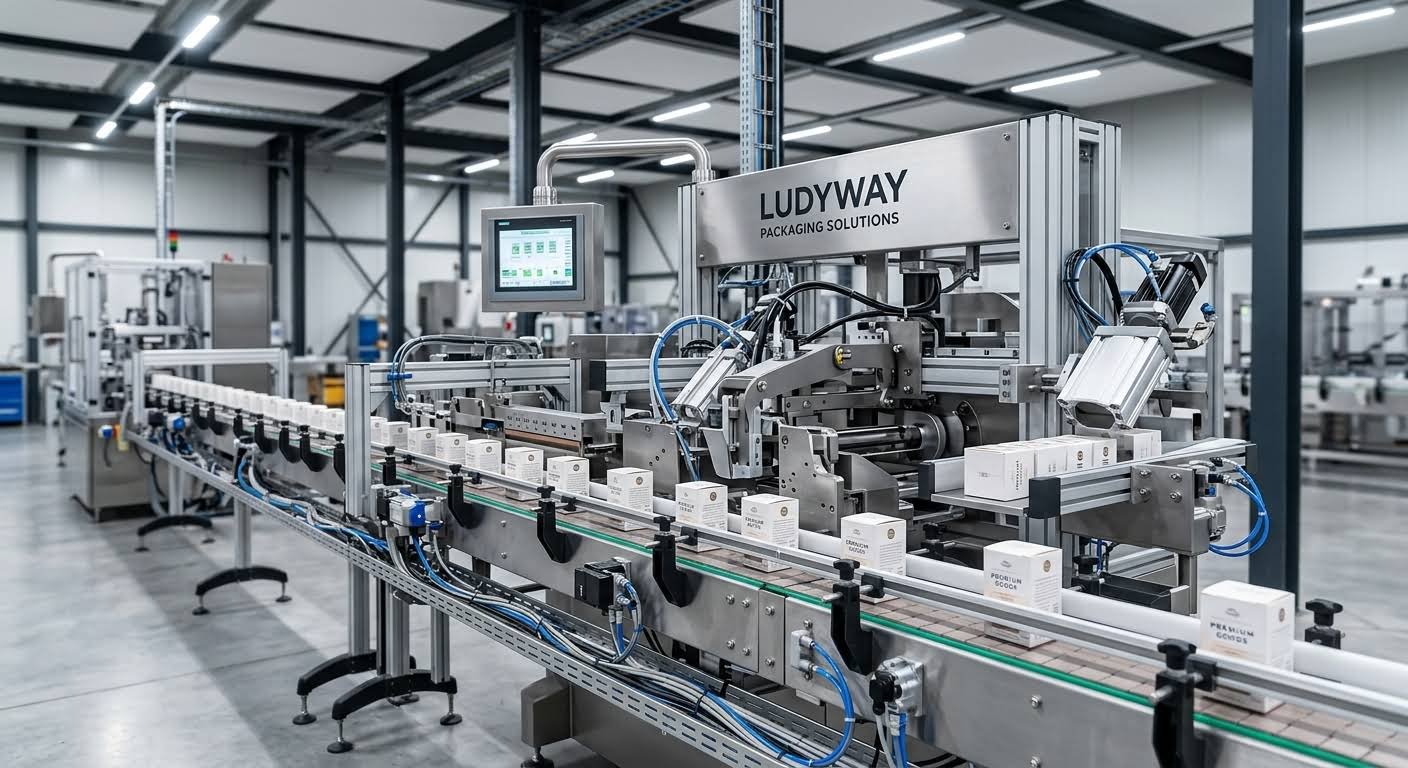
Leading suppliers like Ludyway Packaging Machinery offer intelligent multi-lane stick pack systems that integrate weighing, filling, and sealing into one seamless, high-speed operation, maximizing efficiency for producers of powdered supplements, instant beverages, and condiments.
Liquid and Pouch Filling Machines
This category encompasses everything from simple volumetric fillers for water or oils to sophisticated aseptic filling lines for dairy or pharmaceutical solutions. Technologies include piston fillers, gravity fillers, and vacuum fillers, each chosen based on the liquid’s viscosity, fill accuracy requirements, and needed hygiene level (e.g., sanitary vs. aseptic).
Key Technologies Powering Modern Packaging
Beyond mechanical automation, several cutting-edge technologies are defining the next generation of packaging equipment.
Servo-Driven Automation
Replacing traditional mechanical cams and gears, servo motors provide unparalleled control, precision, and flexibility. They allow for touchscreen adjustment of machine parameters, reduce mechanical wear and tear, enable smoother operation at higher speeds, and simplify format changeovers, leading to less downtime.
Integrated Vision Inspection Systems
Quality control is automated through high-resolution cameras that inspect every package for defects. These systems can check for correct fill levels, verify date/batch codes, ensure seal integrity, and confirm label presence and accuracy. Reject mechanisms automatically remove any sub-standard package from the line.
Industrial IoT and Data Connectivity
Smart packaging machines are now nodes on the factory network. They collect real-time data on OEE (Overall Equipment Effectiveness), production counts, downtime reasons, and maintenance alerts. This data can be accessed via HMIs or remote dashboards, enabling predictive maintenance, better production planning, and continuous process optimization.
Advanced Material Handling & Robotics
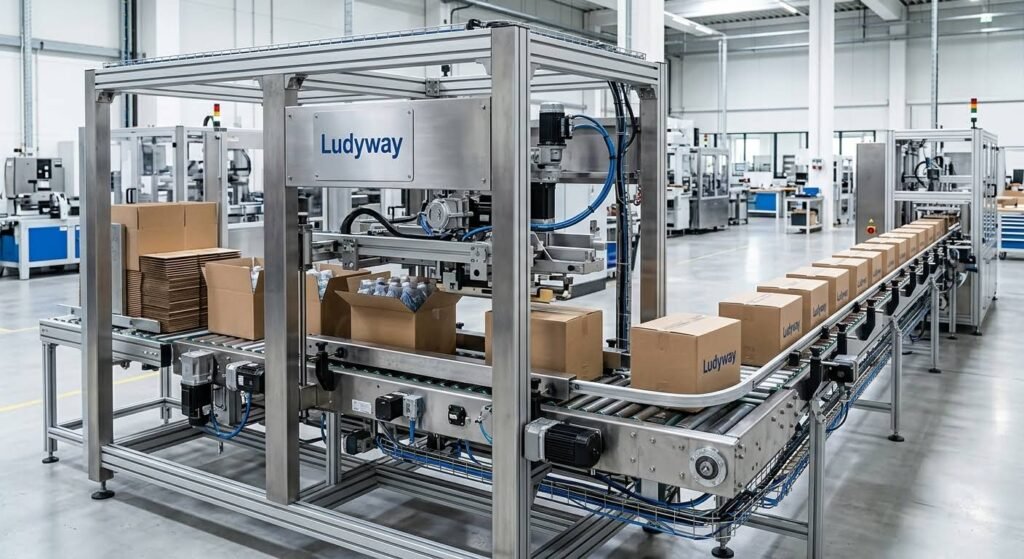
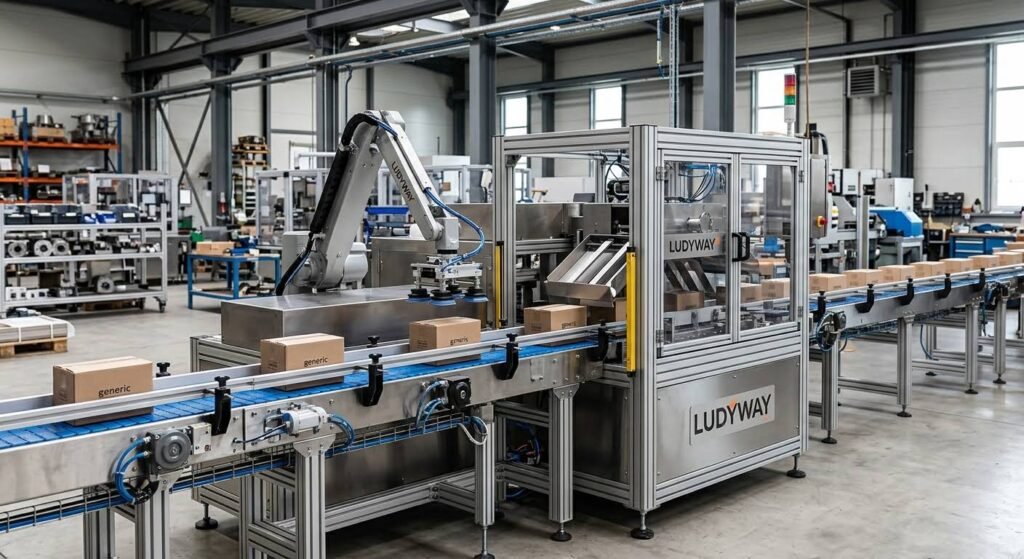
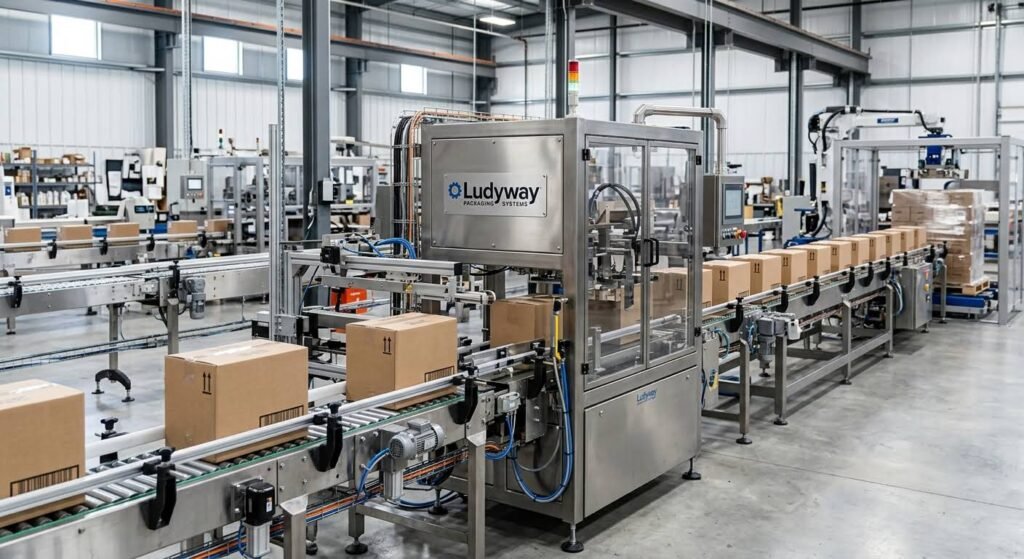
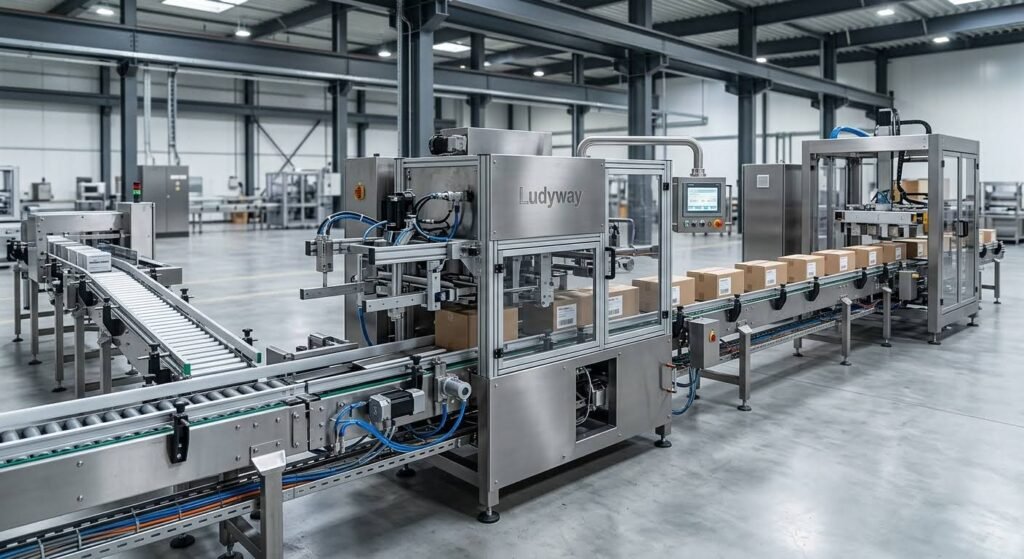
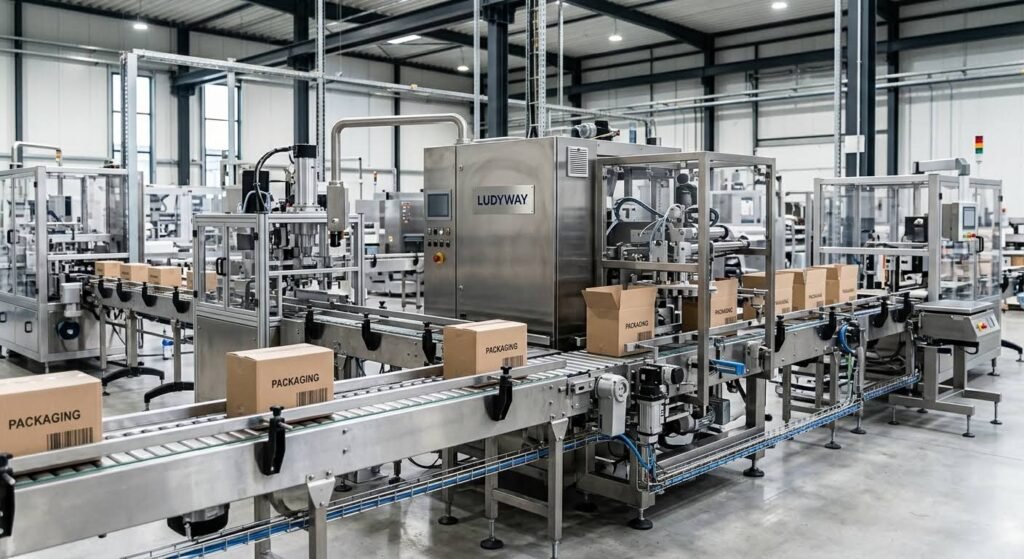
To create complete turnkey solutions, packaging lines are integrated with robotic arms for case packing and palletizing, automated guided vehicles (AGVs) for material transport, and sophisticated feeding systems that ensure a consistent supply of product to the primary packaging machine.
How to Choose the Right Packaging System: A Strategic Guide
Selecting equipment is a significant capital decision. A systematic evaluation based on your specific needs will ensure a successful outcome.
1. Define Your Product and Package Specifications
Start with the basics. What is the physical form (powder, granule, liquid, solid)? What are its characteristics (hygroscopic, abrasive, fragile)? Determine your desired package type (stick pack, stand-up pouch, sachet), material (multi-layer laminate, mono-film), and required barrier properties (against moisture, oxygen, light).
2. Assess Your Production Requirements
- Output Speed: Calculate your required packs per minute/hour/shift. Factor in future growth.
- Flexibility: Will you run one product constantly or need frequent changeovers between different products or package sizes? Look for machines with quick-change tooling and recipe memory.
- Accuracy: Define your acceptable fill weight tolerance. High-value products like pharmaceuticals require near-perfect accuracy, often needing multi-head weigh scales or precision liquid pumps.
3. Evaluate Integration and Footprint
Consider the entire line, not just the primary packer. How will the product be fed? How will filled packages be handled, cartoned, and palletized? Ensure the chosen system can integrate with upstream and downstream equipment. Also, verify the machine’s physical footprint fits within your available factory space, including access for maintenance.
Pro Tip: The Value of a Turnkey Partner
Partnering with a provider that offers complete turnkey solutions can drastically simplify the process. They handle the integration of dosing, packaging, and handling equipment into one cohesive, optimized line. This single-point responsibility reduces project risk, ensures compatibility between components, and provides unified technical support, as demonstrated by providers with extensive industry experience and engineering capabilities.
4. Analyze Total Cost of Ownership (TCO)
Look beyond the initial purchase price. Factor in:
• Operational Costs: Energy consumption, compressed air usage, required labor.
• Maintenance & Spare Parts: Availability and cost of wear parts, ease of service.
• Downtime Cost: A more reliable, service-friendly machine may have a higher upfront cost but a much lower TCO.
5. Prioritize Supplier Support and Reliability
The machine is only as good as the company behind it. Investigate the supplier’s reputation, their history of innovation and technical support, and the availability of local service engineers. Request references from current clients with similar applications. A reliable partner ensures your investment is protected for the long term.
Conclusion
Investing in advanced packaging equipment is a strategic decision that directly impacts productivity, product quality, and profitability. By thoroughly understanding the different machine types, leveraging modern technologies like servo drives and IoT connectivity, and following a disciplined selection process focused on your specific product, output, and operational goals, you can choose a system that delivers lasting value. The ideal partner will not only supply robust machinery but also provide the expertise and support to ensure your packaging line is a cornerstone of your production success for years to come.
Frequently Asked Questions (FAQs)
What is the main difference between VFFS and HFFS machines?
Vertical Form-Fill-Seal (VFFS) machines create bags from a single roll of film in a vertical orientation, best for free-flowing products like granules and powders. Horizontal Form-Fill-Seal (HFFS) machines form packages horizontally, often using pre-made trays or a bottom web, and are ideal for more solid items, blister packs, or products requiring a specific presentation.
How important is servo technology in a new packaging machine?
Extremely important. Servo-driven machines offer superior precision, flexibility, and energy efficiency compared to mechanical machines. They allow for digital setup and changeovers, reduce maintenance, enable smoother operation at higher speeds, and are essential for modern, adaptable production lines.
What should I look for in a packaging machine supplier?
Prioritize proven industry experience, a strong portfolio of successful installations, reliable after-sales service and spare parts availability, and the ability to provide comprehensive support from testing and installation to training and maintenance. A partner committed to long-term cooperation and innovation is invaluable.
Can one machine handle different package sizes?
Yes, most modern machines are designed for flexibility. The key is “changeover time.” Look for machines with quick-change tooling systems and digital recipe storage. The faster and simpler the changeover, the more viable it is to run multiple products or sizes on a single machine.
Why consider a multi-lane stick pack machine?
Multi-lane machines dramatically increase output by packaging multiple sticks simultaneously. For high-volume production of single-serve products (e.g., instant coffee, sugar, supplements), they offer the best return on investment by maximizing production speed and efficiency within a compact footprint.