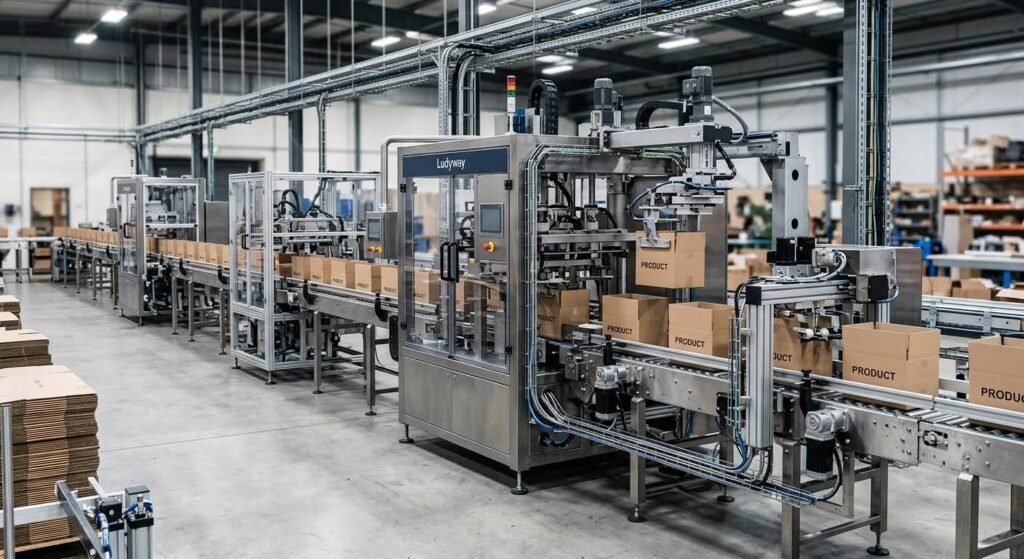
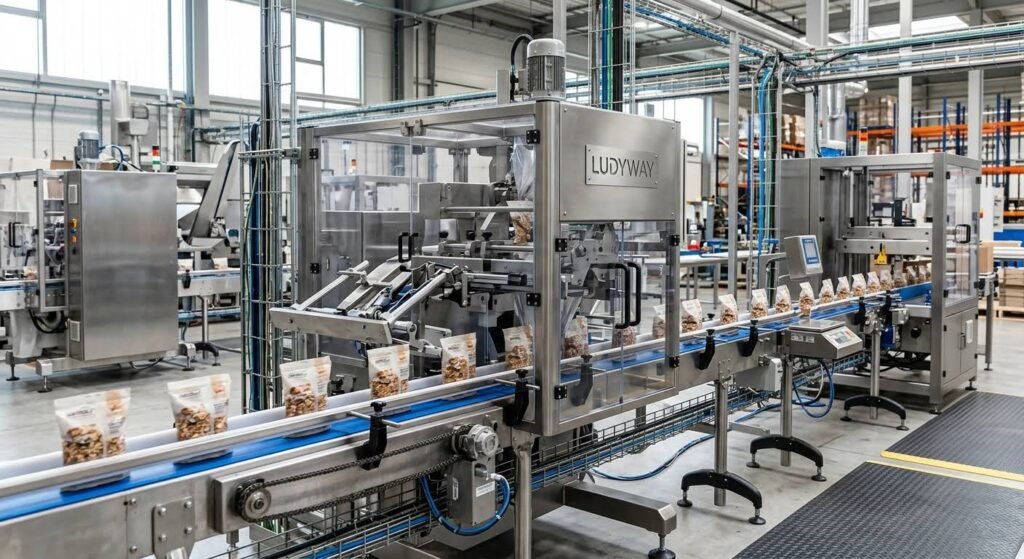
In today’s fast-paced manufacturing world, efficiency and accuracy are paramount. For businesses handling powders, granules, liquids, or solid products, the right packaging system is not just a machine—it’s a critical component of the production line that impacts speed, cost, and product quality. An automatic weighing and packaging machine integrates precise measurement with high-speed bagging, sealing, and coding into one seamless operation.

This guide will explore the different types of automatic weighing and packaging systems, their diverse applications across industries, and provide a clear framework for selecting the ideal system for your specific production needs. Whether you are upgrading an existing line or automating for the first time, understanding these fundamentals is the first step toward enhanced productivity.
Core Types of Automatic Weighing & Packaging Machines
The market offers a variety of systems, each designed for specific product characteristics and output requirements. The main distinction often lies in the weighing technology and the packaging format.
By Weighing Technology
Gross Weighing Systems: These machines weigh the product after it has been dispensed into the bag or container. They are highly accurate and ideal for free-flowing products like rice, seeds, or granules where precise final weight is critical. The entire package is weighed, compensating for any minor variations in the bag weight itself.
Net Weighing Systems (Multi-Head Weighers): The industry standard for snacks, frozen foods, and irregular items. Product is distributed across multiple weigh buckets. A computer calculates the optimal combination of buckets to achieve the target weight before discharging into the bag. This method offers incredible speed and accuracy for non-free-flowing products.
Auger Filling Systems: Perfect for powders, spices, and fine granules. A rotating auger screw within a hopper meters out product by volume, which is correlated to weight. They are excellent for dusty products and can be equipped with tools to prevent compaction or segregation.
Liquid & Viscous Filling Systems: Utilize piston pumps, peristaltic pumps, or gravity flow to accurately fill liquids, pastes, creams, or oils into pouches, bottles, or sachets. Accuracy is maintained through precise volumetric displacement.
By Packaging Format
The machine must be compatible with your desired package type, which is often dictated by market needs and consumer convenience.
Vertical Form-Fill-Seal (VFFS)
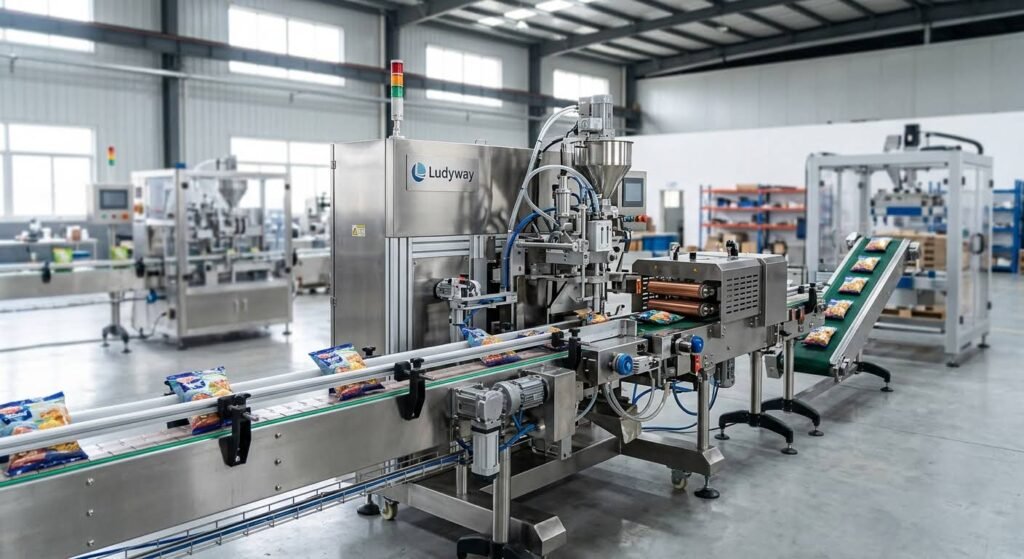
The most common type. It forms a bag from a roll of flat packaging film, fills it with the weighed product, and then seals it. It’s incredibly versatile for creating pillow bags, gusseted bags, or block-bottom bags for a vast range of products from chips to hardware.
Horizontal Form-Fill-Seal (HFFS)
Often used for more rigid trays or flow-wrap applications. The product is placed into pre-formed pockets or on a flat web of film, which is then sealed with a top layer. Common for biscuits, chocolate bars, and medical blister packs.
Pre-Made Pouch Systems
These machines handle bags that are already pre-manufactured (stand-up pouches, zipper bags, etc.). They open, fill, and seal the pouches. Ideal for premium products, liquids, or applications requiring unique bag shapes that are difficult to form from a roll.
Stick Pack & Sachet Machines
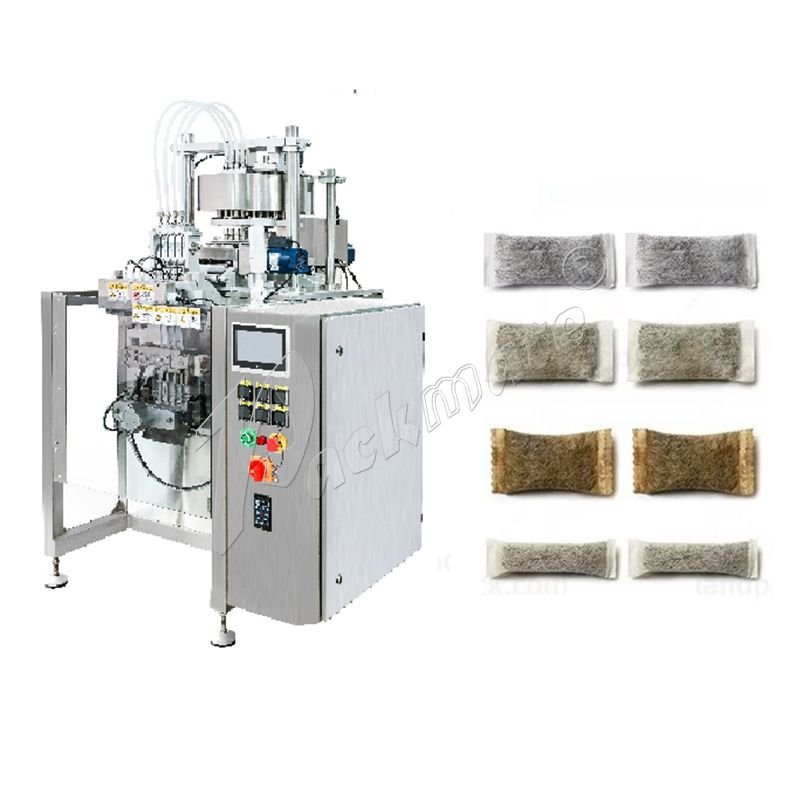
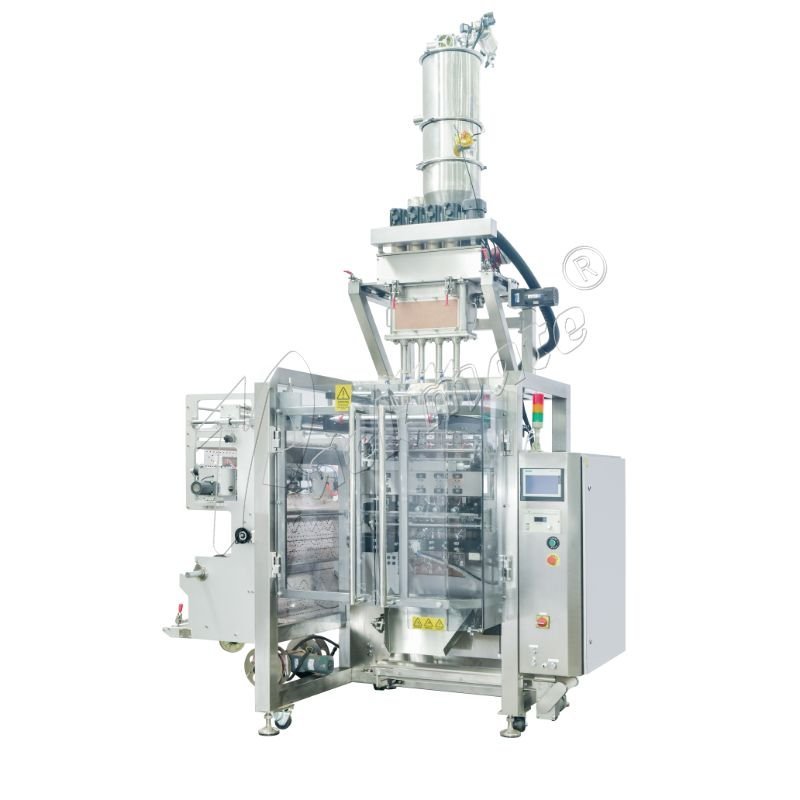
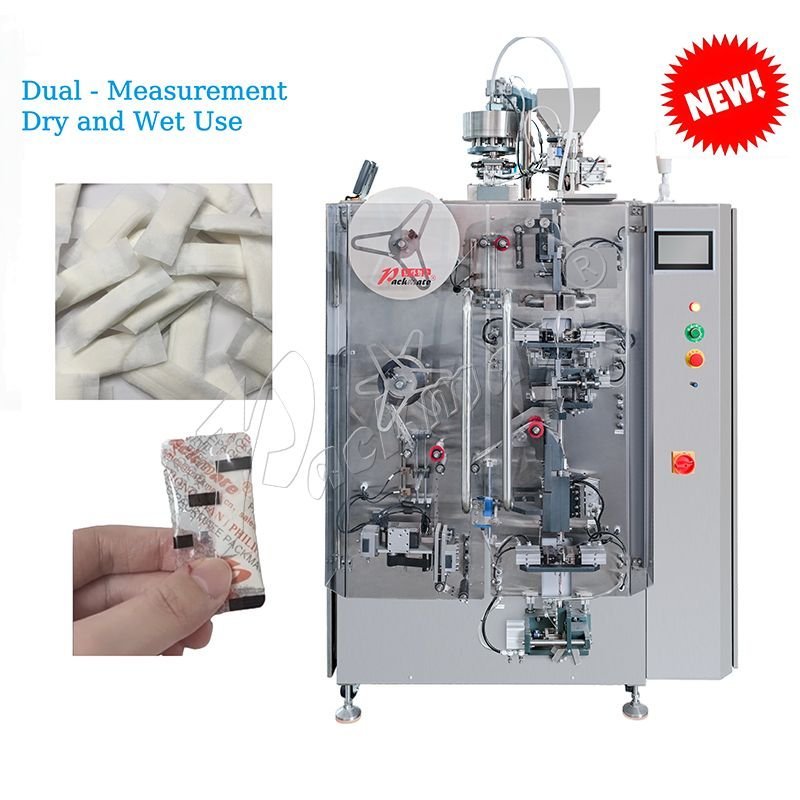
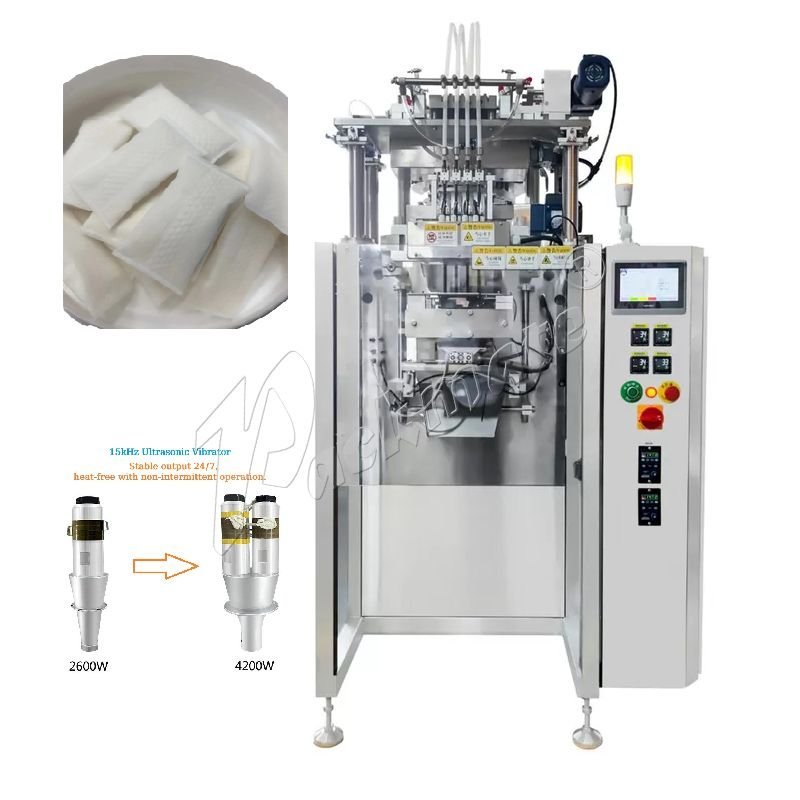
Specialized for creating small, single-serve packages from roll film. They are perfect for powdered drinks, condiments, pharmaceuticals, and samples. Modern multi-lane systems can produce dozens of sticks per minute, offering exceptional efficiency for high-volume, low-weight packaging. Companies like Ludyway Packaging Machinery offer advanced multi-lane stick pack systems designed for maximum output and reliability in these demanding applications.
Key Industries and Applications
The adaptability of these machines makes them indispensable across numerous sectors.
Food & Beverage
The largest application sector. From snacks and coffee to flour and sugar, automatic packaging ensures hygiene, speed, and portion control. Multi-head weighers dominate snack packaging, while auger fillers are essential for powdered drink mixes and spices.
Pharmaceutical & Healthcare
Accuracy and contamination control are non-negotiable. Machines with stainless steel construction, easy-clean designs, and ultra-precise micro-ingredient feeders are used for powder supplements, herbal teas, and single-dose medicinal sachets. The reliability of the supplier is critical here; experienced providers like Ludyway understand the stringent requirements of this industry.
Chemical & Agricultural
Packaging fertilizers, pesticides, seeds, or industrial powders requires robust machines that can handle abrasive or corrosive materials. Dust extraction systems and corrosion-resistant components are key features.
Non-Food Granules & Solids
This includes hardware (screws, nails), pet food, and recycled materials. Durability and the ability to handle sharp or irregular objects are the primary concerns.
How to Choose the Right System: A Step-by-Step Guide
Selecting the optimal machine is a strategic investment. Here are the critical factors to evaluate.
1. Analyze Your Product
This is the most important step. Define your product’s physical characteristics:
● Flowability: Does it flow like sand or clump like brown sugar?
● Density & Abrasiveness: Is it heavy, light, dusty, or gritty?
● Particle Size & Uniformity: Are the pieces consistent or varied?
● Hygroscopic/Nature: Does it absorb moisture or contain oils?
This analysis will directly point you to the suitable weighing technology (auger, weigher, etc.).
2. Define Your Output Requirements
Be realistic about your needs:
● Speed (Bags Per Minute): Calculate based on your daily/weekly production goals, allowing for maintenance downtime.
● Bag Size & Weight Range: What is the minimum and maximum weight your machine must handle? Consider future product diversification.
● Packaging Material: What type of film or laminate will you use? The machine must be compatible with its sealant layer and thickness.
3. Consider Integration & Footprint
The machine doesn’t work in isolation.
● Upstream/Downstream Equipment: Will it connect to a bucket elevator, mixer, checkweigher, or case packer? Ensure communication protocols (like PLC connectivity) are compatible.
● Factory Space & Utilities: Measure your available floor space and ensure you have the required power (voltage, phases) and compressed air supply.
● Ease of Changeover: How quickly can you switch bag sizes or products? Look for machines with tool-less adjustments and saved recipe memory.
4. Evaluate Build Quality & Support
The machine’s construction and the supplier’s service are vital for long-term value.
● Frame & Components: A sturdy frame and reputable brand electrical components (PLCs, servos, scales) ensure stability and longevity.
● Hygienic Design: For food or pharma, look for smooth surfaces, easy access for cleaning, and appropriate material grades (e.g., food-grade stainless steel).
● Supplier Expertise: Choose a partner with proven experience in your industry. They should offer comprehensive support, including installation, training, spare parts availability, and technical service. A supplier’s history matters; for instance, Ludyway Packaging Machinery brings over a decade of focused engineering experience to complex packaging challenges.
5. Understand the Total Cost of Ownership (TCO)
Look beyond the initial purchase price.
● Energy & Air Consumption: Efficient machines lower ongoing operational costs.
● Maintenance Costs & Downtime: A reliable machine with good service support minimizes lost production.
● Film Waste & Yield: A precise machine reduces product giveaway (overfilling) and film waste from sealing errors, saving significant material costs over time.
Conclusion & Final Recommendations
Investing in an automatic weighing and packaging machine is a decisive step toward modernizing your production. The right system boosts efficiency, reduces labor costs, minimizes waste, and ensures consistent, high-quality packaging that builds brand trust.
Start by thoroughly understanding your product and defining your true operational needs. Prioritize build quality and supplier reliability over the lowest initial price. A capable partner will help you navigate the technical choices and provide a solution that delivers a strong return on investment for years to come. For businesses looking for robust and intelligent packaging solutions, exploring the range offered by specialized providers is a prudent step in the selection journey.
Frequently Asked Questions (FAQs)
What is the main difference between gross and net weighing?
Gross weighing measures the product and container together after filling. Net weighing (multi-head) measures the product alone before it enters the bag. Net weighers are typically faster and better for irregular, non-free-flowing items, while gross weighers excel in high-accuracy applications for uniform products.
Can one machine handle different bag sizes?
Yes, most modern machines are designed for quick changeover between a range of bag sizes. The key is to define the minimum and maximum bag dimensions (length and width) you require and ensure the machine’s former and sealing jaws can adjust accordingly. Machines with servo motors often allow for digital, recipe-based changeovers in minutes.
How do I ensure my powder doesn’t clog the machine?
For challenging powders, specify features like vibrating hoppers, anti-bridging devices, or specialized auger designs (such as single-wall or tapered augers). The machine’s contact surfaces should be highly polished, and incorporating a de-aeration system for very fine powders can be crucial. Discuss your specific powder characteristics with the machine supplier.
What kind of maintenance do these machines require?
Daily cleaning and visual inspection are essential. Regular maintenance includes lubricating moving parts (as per manual), checking seal jaw temperatures and alignment, inspecting cutting blades, and calibrating the weighing system. A good supplier will provide a detailed maintenance schedule and training for your operators.
Is automated packaging worth it for a small business?
It can be, depending on volume and growth plans. Benefits like reduced labor, improved consistency, and enhanced professionalism often justify the investment. The market offers smaller, semi-automatic or entry-level automatic models that are cost-effective for lower output. Calculate your potential savings from reduced waste and labor to determine the payback period.