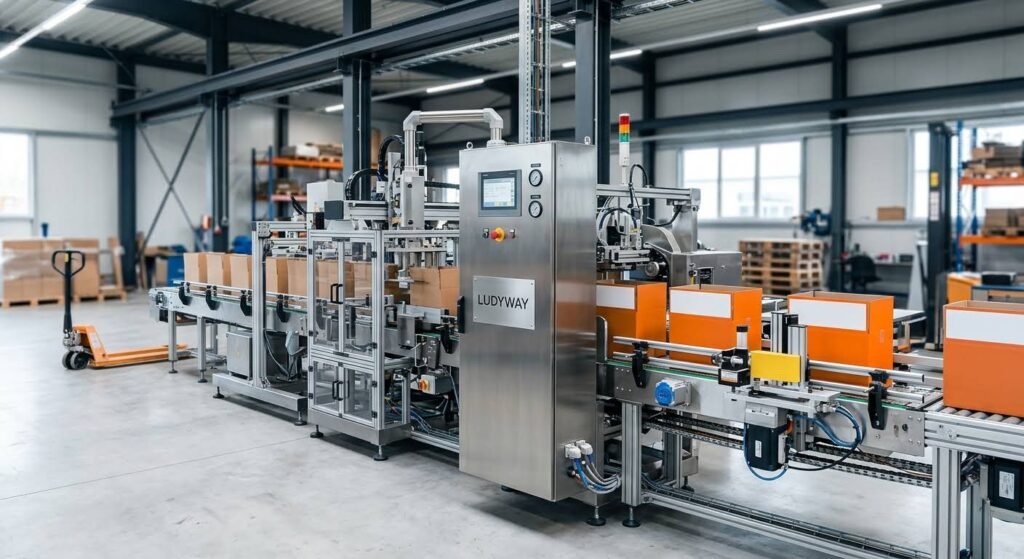
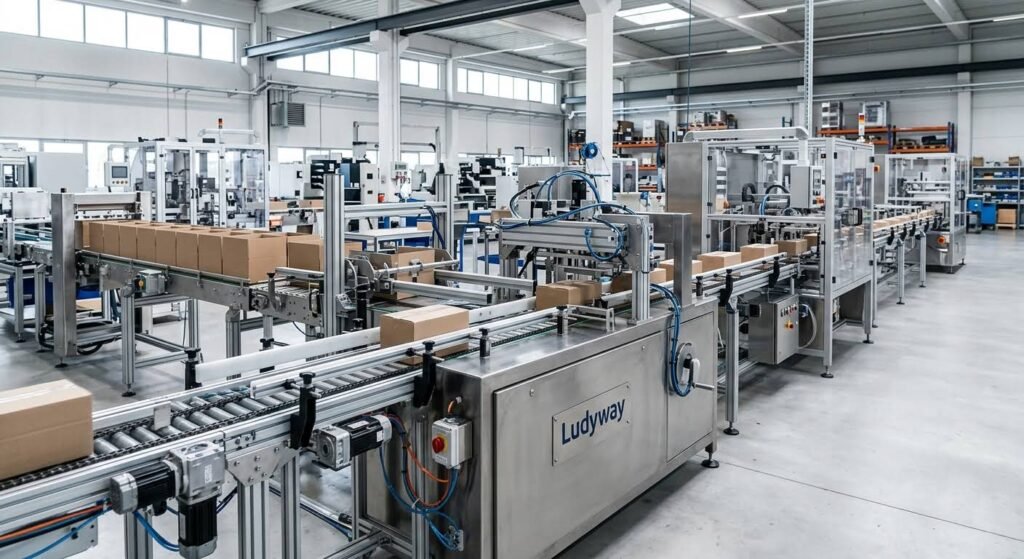
In today’s fast-paced manufacturing world, achieving high efficiency is not just a goal—it’s a necessity for survival and growth. For industries like food, beverage, and general industrial production, the packaging process is a critical juncture where efficiency gains translate directly into competitive advantage, cost savings, and market responsiveness. High-efficiency packaging machinery solutions are the engines that drive this productivity, seamlessly integrating speed, precision, and reliability to meet the demands of modern supply chains.
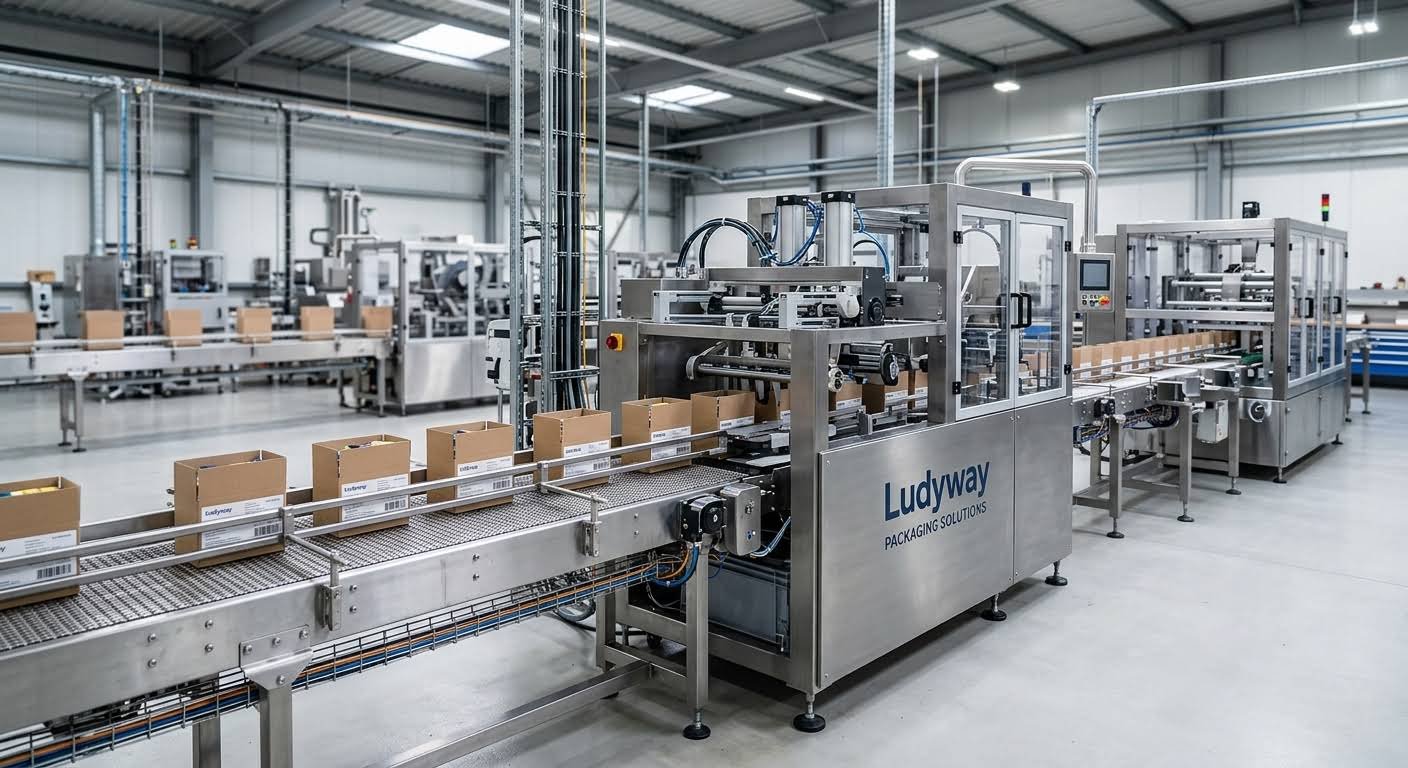
The Core Pillars of High-Efficiency Packaging
What defines a high-efficiency packaging solution? It goes beyond mere speed. True efficiency is a multifaceted concept built on several interconnected pillars that work in harmony to optimize the entire packaging operation.
Speed & Throughput: The Heart of Productivity
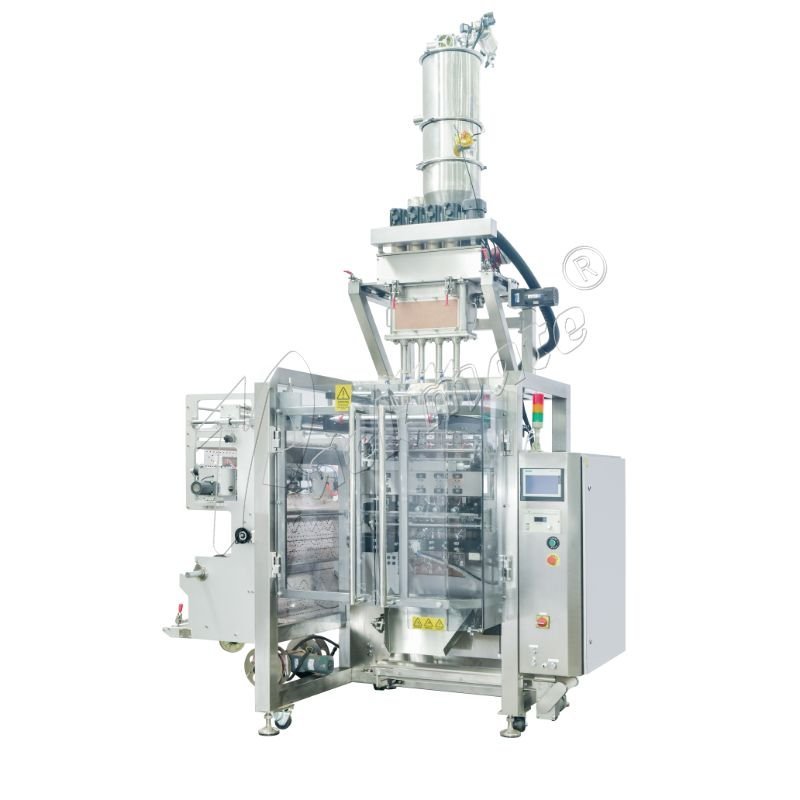
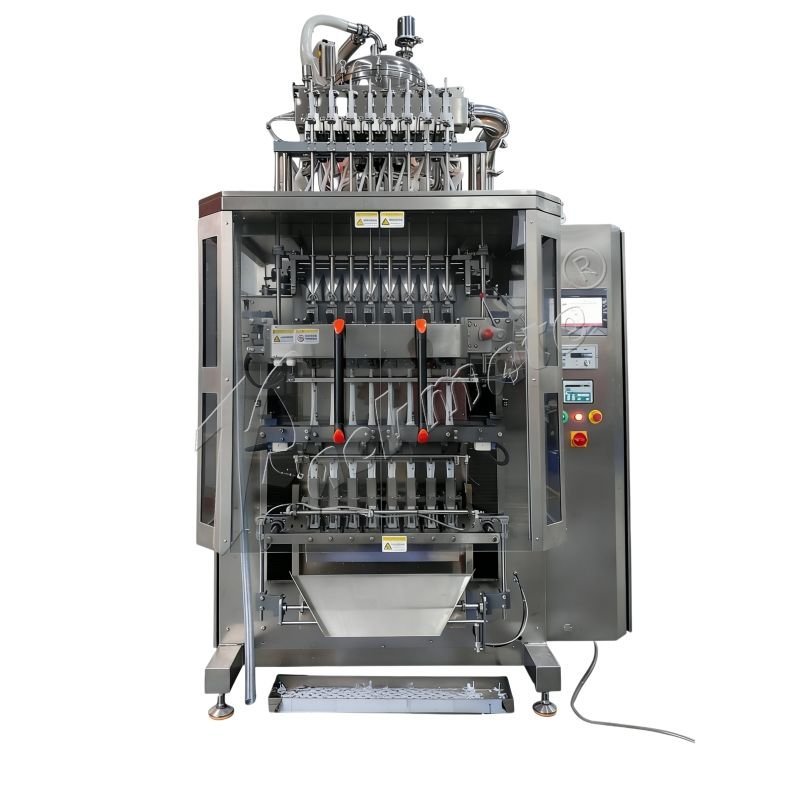
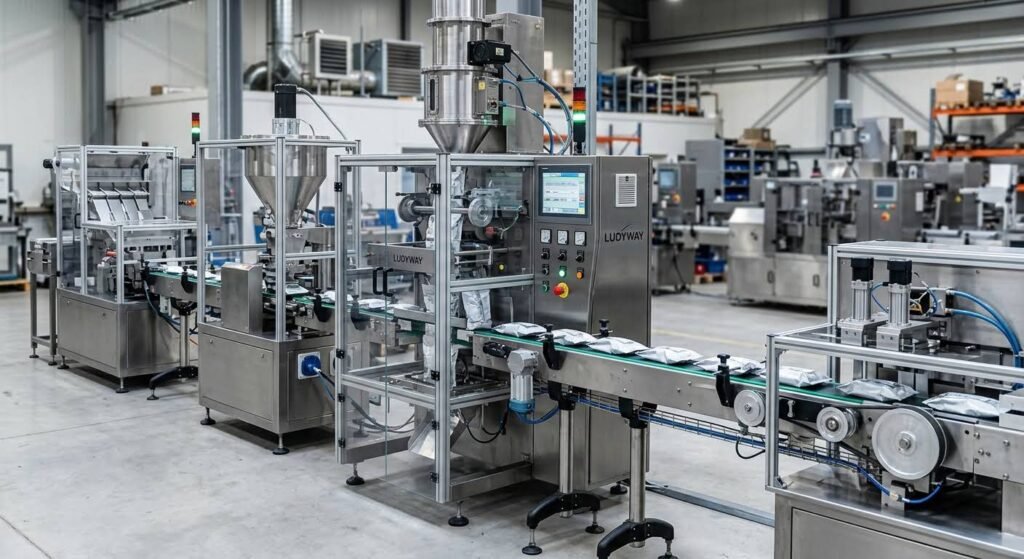
At the most fundamental level, efficiency is measured in output per unit of time. Modern high-speed machines, such as multi-lane stick pack and sachet packaging systems, are engineered to deliver exceptional cycle rates. This allows producers to meet large-volume orders and just-in-time delivery schedules without compromising on quality or requiring excessive manual labor.
Precision & Accuracy: Minimizing Waste, Maximizing Value
Efficiency is wasted if it comes at the cost of accuracy. High-precision dosing systems for granules, powders, and liquids ensure that every package contains the exact specified amount. This precision minimizes product giveaway, a significant source of lost revenue, and ensures consistent quality that builds brand trust and complies with stringent regulatory standards.
Flexibility & Quick Changeover
Market trends change rapidly. An efficient packaging line must be agile. Machinery designed for quick changeovers between different package sizes, formats, or products drastically reduces downtime. This flexibility enables manufacturers to run smaller, more customized batches efficiently, catering to niche markets and seasonal demands without sacrificing overall line utilization.
Reliability & Uptime: The Foundation of Consistent Output
The most efficient machine is the one that runs consistently. Robust engineering, quality components, and intelligent design minimize unplanned stoppages and maintenance intervals. High reliability ensures that the theoretical efficiency of the machinery is realized as sustained, real-world productivity, protecting your investment and ensuring smooth operations.
Integration & Automation
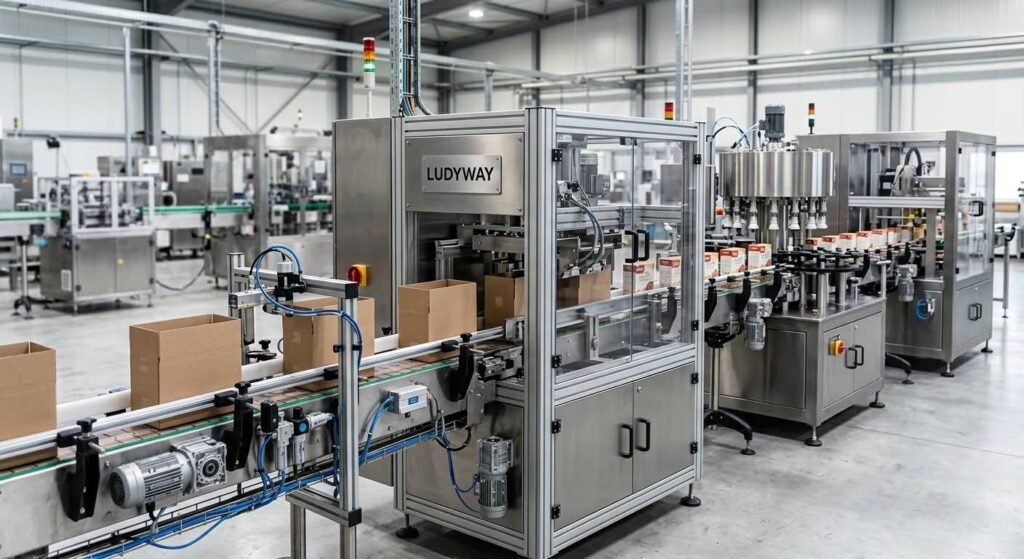
True efficiency is achieved when machinery functions as part of a cohesive system. Integrated automation solutions, from feeding and filling to sealing, coding, and cartoning, create a seamless flow. This reduces manual handling, lowers labor costs, decreases the risk of contamination (especially crucial in food and pharmaceutical sectors), and creates a streamlined, data-rich production environment.
Key Benefit Spotlight: Total Cost of Ownership (TCO)
Investing in high-efficiency machinery is an exercise in optimizing Total Cost of Ownership. While the initial investment might be higher, the long-term savings are substantial. Reduced waste, lower energy consumption, minimized downtime, and decreased labor requirements all contribute to a significantly lower cost per package over the equipment’s lifespan, delivering a strong and rapid return on investment.
Tailored Solutions for Key Industries
The principle of high efficiency must be applied with an understanding of each industry’s unique challenges and requirements.
Food & Beverage Packaging
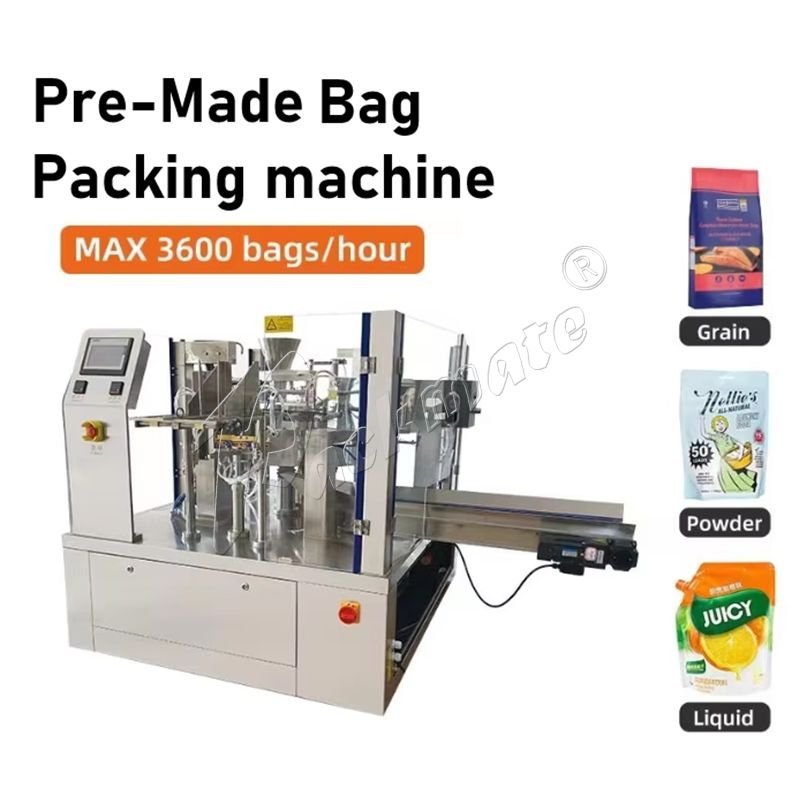
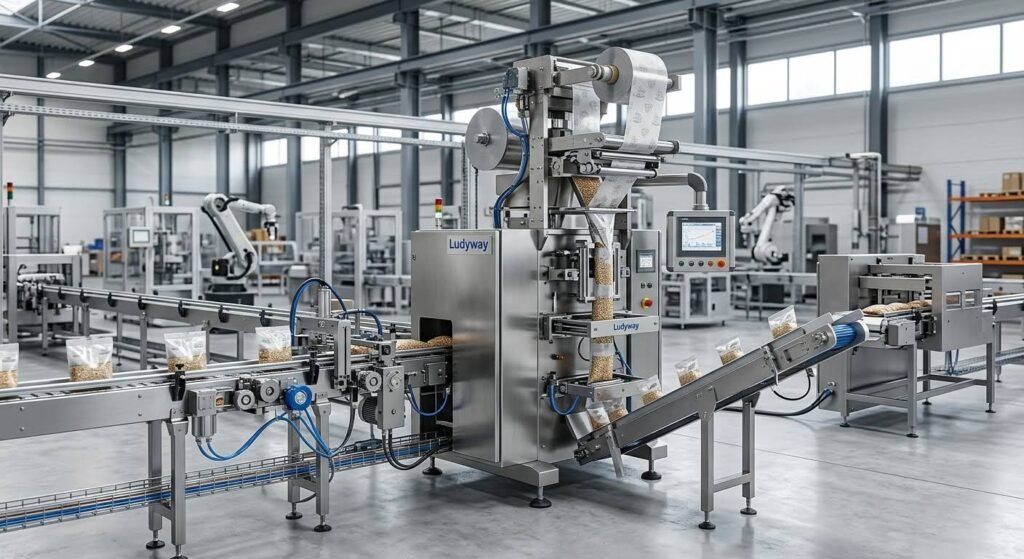
This sector demands impeccable hygiene, product freshness preservation, and appealing presentation. High-efficiency solutions here include nitrogen flushing systems for snacks to extend shelf life, ultra-clean liquid filling lines for beverages, and versatile form-fill-seal (FFS) machines that can handle everything from coffee and spices to sauces and soups. Speed is paramount to handle perishable goods, while precision ensures consistent taste and portion control.
Industrial Production Packaging
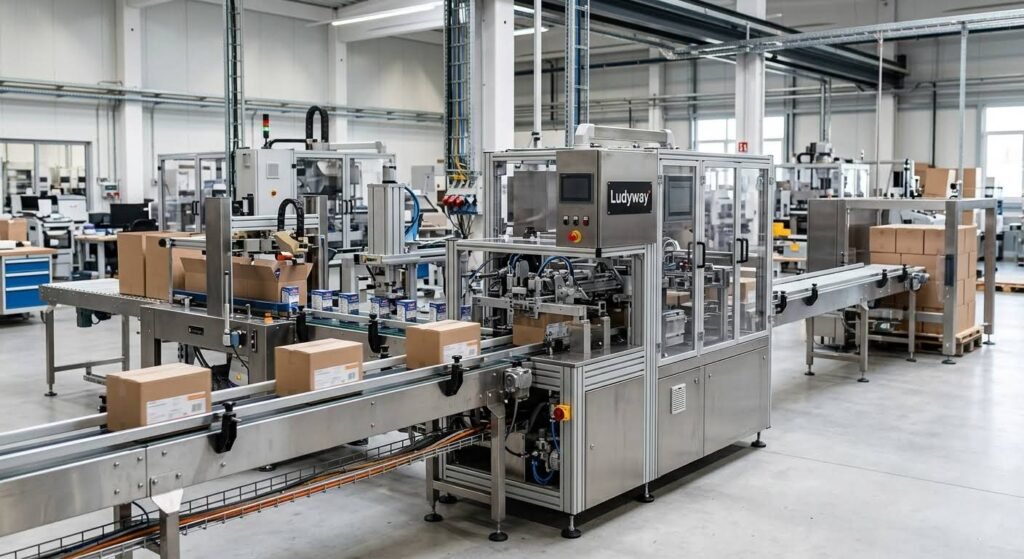
From chemicals and fertilizers to hardware and construction materials, industrial products often require robust, durable packaging. Efficiency in this realm focuses on handling abrasive or hazardous materials reliably, achieving high weights accurately, and utilizing tough packaging films. Automated bagging systems, heavy-duty filling stations, and palletizing robots are key components that drive productivity in demanding industrial environments.
The Role of Innovation and Expert Partnership
Staying at the forefront of efficiency requires continuous innovation and collaboration. Leading providers, like Ludyway Machinery, leverage decades of industry experience to develop and supply intelligent packaging solutions. With a portfolio of over 50 machine models, the focus is on creating tailored, turnkey production lines that solve specific customer challenges rather than offering one-size-fits-all equipment.
This partnership approach involves deep analysis of the client’s production goals, raw materials, and desired output. The solution might integrate specialized features like precision auger fillers for sticky powders, ultrasonic sealing for delicate films, or advanced PLC controls with IoT connectivity for predictive maintenance and production analytics. By choosing a partner with strong engineering capabilities and a global service footprint, manufacturers future-proof their operations and ensure ongoing support.
💡 Implementing Your Efficiency Upgrade: A Practical Checklist
- Conduct a thorough process audit to identify current bottlenecks in speed, waste, or downtime.
- Define clear KPIs for your new system: target output, acceptable waste percentage, required changeover time.
- Prioritize flexibility to accommodate future product lines or package redesigns.
- Evaluate the supplier’s expertise in your specific industry and their ability to provide comprehensive after-sales support and spare parts.
- Plan for integration with existing upstream and downstream equipment to ensure a smooth workflow.
Driving Sustainable Growth Through Packaging Efficiency
Ultimately, deploying high-efficiency packaging machinery is a strategic decision that fuels sustainable business growth. It enables companies to scale production reliably, improve product quality and consistency, respond agilely to market opportunities, and manage costs effectively. In the competitive landscapes of food, beverage, and industrial production, the packaging line is no longer just an endpoint—it’s a dynamic, value-creating centerpiece of modern manufacturing. Investing in the right solutions transforms packaging from a cost center into a powerful driver of profitability and brand strength.
Frequently Asked Questions (FAQs)
1. What is the typical ROI period for investing in high-efficiency packaging machinery?
The return on investment can vary based on the scale of operation and specific inefficiencies being addressed. However, by significantly reducing material waste, labor costs, and downtime while increasing output, many operations see a full ROI within 1 to 3 years. A detailed analysis based on your current costs and projected savings is recommended.
2. Can new high-speed machinery be integrated with our older existing production line equipment?
Yes, in most cases. A key service offered by professional packaging partners is the design of interfacing solutions. This can include custom conveyors, transfer systems, and control system adaptations to ensure seamless communication and material flow between new and existing equipment, protecting your prior investments.
3. How important is after-sales service and technical support when selecting a supplier?
It is critically important. The highest efficiency can only be maintained with reliable support. Look for a supplier with a proven track record of responsive service, readily available spare parts like those for common wear components, and capable technicians who can provide remote diagnostics and on-site assistance to minimize any operational interruptions.
4. Are there efficiency solutions suitable for small-batch or craft production?
Absolutely. Modern machinery is not only for mass production. Many semi-automatic and compact automatic machines offer high precision and quick changeovers, making them perfectly efficient for small-batch, high-value products like specialty teas, gourmet spices, or cosmetic samples, where flexibility and lack of waste are paramount.
5. What are the key trends in packaging machinery that will drive future efficiency gains?
Key trends include the increased use of Industrial Internet of Things (IIoT) for real-time monitoring and predictive maintenance, more sophisticated vision inspection systems for 100% quality control, and the development of adaptable robotics for handling diverse package shapes. Sustainability is also driving efficiency in material usage, with machines capable of running thinner, recyclable films without compromising seal integrity.