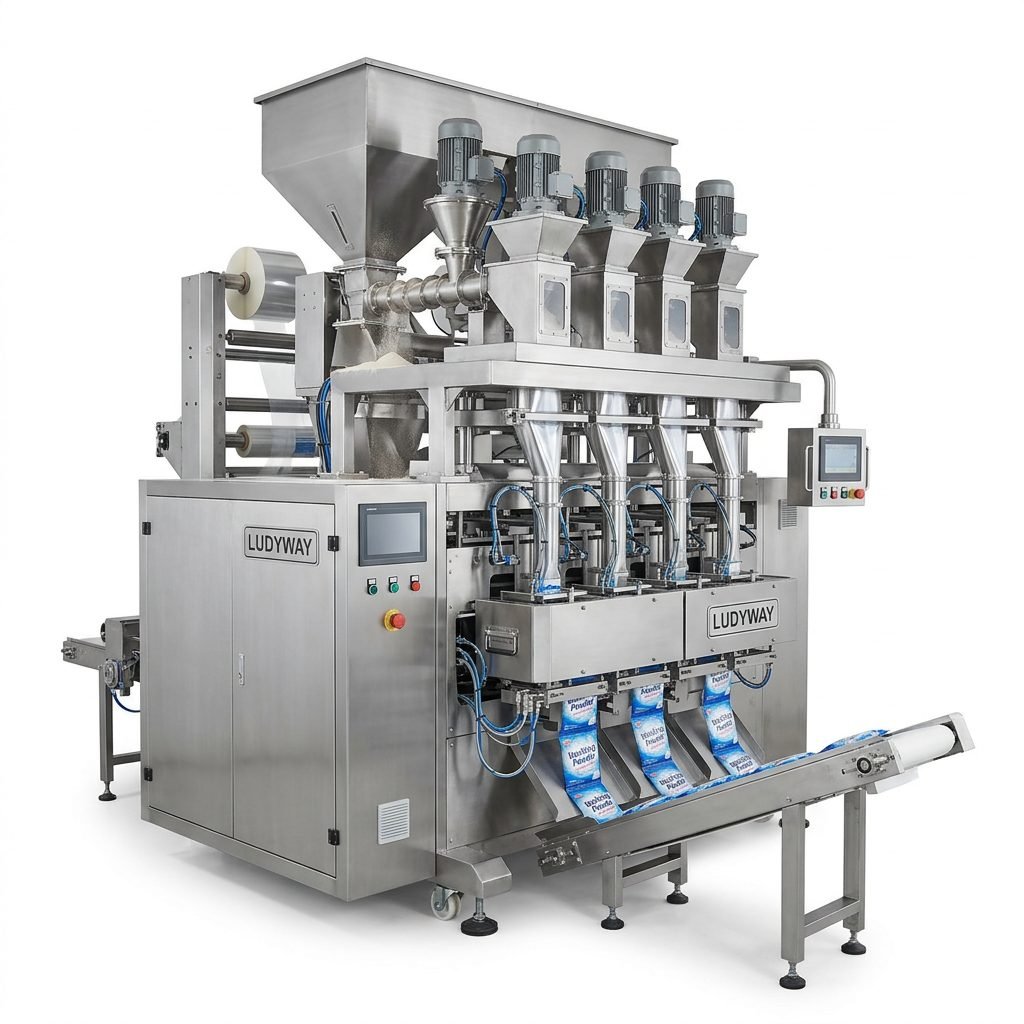
In today’s fast-paced manufacturing landscape, selecting the right cryovac packaging equipment is crucial for product integrity, shelf life, and operational efficiency. This comprehensive guide explores the various types of cryovac machinery, their wide-ranging applications, and the essential factors to consider before making an investment. Whether you are in food processing, pharmaceuticals, or industrial goods, understanding this technology is key to optimizing your packaging line.
Understanding Cryovac Packaging Technology
Cryovac packaging, often synonymous with vacuum skin packaging or modified atmosphere packaging, involves removing air from a package and sealing it to create a protective environment. This process significantly extends product shelf life by inhibiting the growth of aerobic bacteria and fungi, while also preventing oxidation and moisture loss. The core principle relies on specialized equipment that can efficiently evacuate air and apply a secure seal, often using multi-layered barrier films.
Key Takeaway: The primary function of cryovac equipment is to create an anaerobic or controlled atmosphere around a product, dramatically slowing down spoilage and preserving freshness, texture, and flavor.
Core Components of a Cryovac System
A standard cryovac packaging machine consists of several integrated components. The loading station is where products are placed onto the base web or tray. The vacuum chamber is the heart of the system, where air is evacuated. A sealing station uses heat and pressure to bond the top film to the base. Finally, a cutting mechanism separates individual packages. Advanced systems may include gas flushing modules for Modified Atmosphere Packaging (MAP), which replaces the vacuum with a specific gas mix like nitrogen or carbon dioxide.
Main Types of Cryovac Packaging Equipment
The market offers a variety of cryovac machines, each suited to different production volumes, product types, and packaging formats.
1. Chamber Vacuum Machines
These are the most common type for small to medium-scale operations. The product and packaging film are placed inside a sealed chamber. The air is removed, and the seal is made within this chamber. They are highly versatile, excellent for packaging irregularly shaped items, and are widely used in butchery, seafood, and specialty foods. Their main limitation is cycle time, as the chamber must be opened and closed for each batch.
2. External (Nozzle) Vacuum Sealers
This type uses a suction nozzle that is inserted into a specially designed bag. The air is drawn out through the nozzle before the bag is heat-sealed. They are typically more affordable and faster for bagging applications than chamber machines but are generally limited to pre-made bags and may not achieve the same level of vacuum as a chamber sealer.
3. Thermoforming Packaging Machines
These are high-speed, automated systems ideal for large-scale production. They form the package tray from a roll of plastic film using heat and pressure (thermoforming) in-line, then place the product, apply vacuum and/or gas, and seal with a top film. They offer excellent presentation, high barrier properties, and are the standard for retail-ready packages of fresh meat, cheese, and prepared meals. Companies like Ludyway Machinery provide advanced thermoforming solutions integrated into complete production lines.
4. Rotary Chamber & Tray Sealing Machines
Designed for high efficiency with pre-formed trays or containers. Multiple stations on a rotary carousel perform different functions—loading, vacuumizing, gas flushing (if MAP), sealing, and cooling—simultaneously. This continuous motion allows for very high output speeds, making them perfect for large food processors and meal kit companies.
Choosing Between Vacuum Skin Packaging (VSP) and MAP
It’s vital to distinguish between two key applications. Vacuum Skin Packaging uses a film that shrinks tightly to the product’s contours when heated, creating a “second skin.” This is superb for presentation and preventing purge (liquid loss). Modified Atmosphere Packaging replaces air with a gas mixture but doesn’t necessarily create a tight vacuum; it’s often used for fresh produce and baked goods where crushing is a concern. Many modern machines, such as those developed by industry leaders with decades of packaging experience, can be configured for both processes.
Key Applications Across Industries
Cryovac technology is indispensable across numerous sectors due to its protective qualities.
Food & Beverage
Pharmaceuticals
Electronics
Industrial Parts
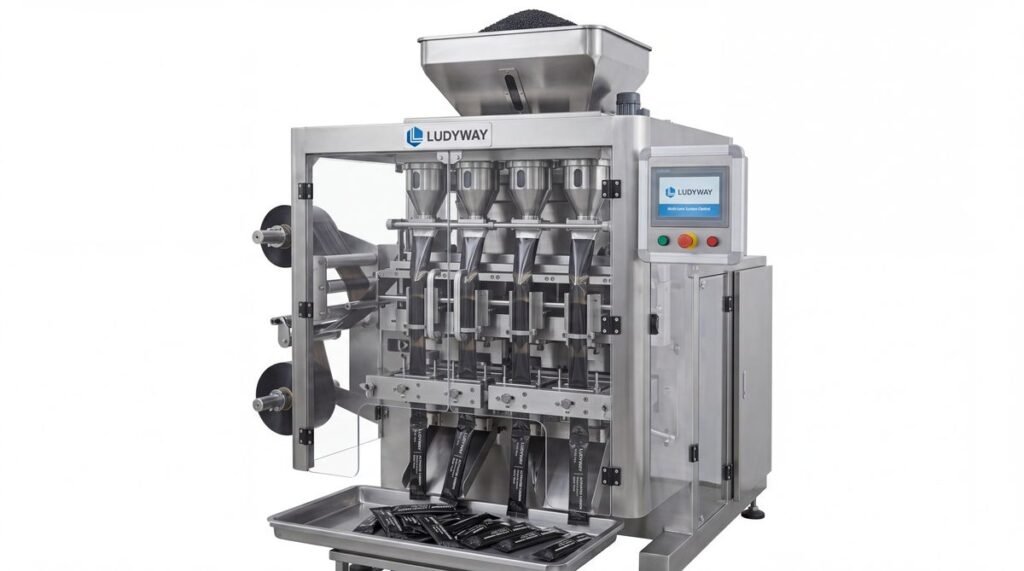
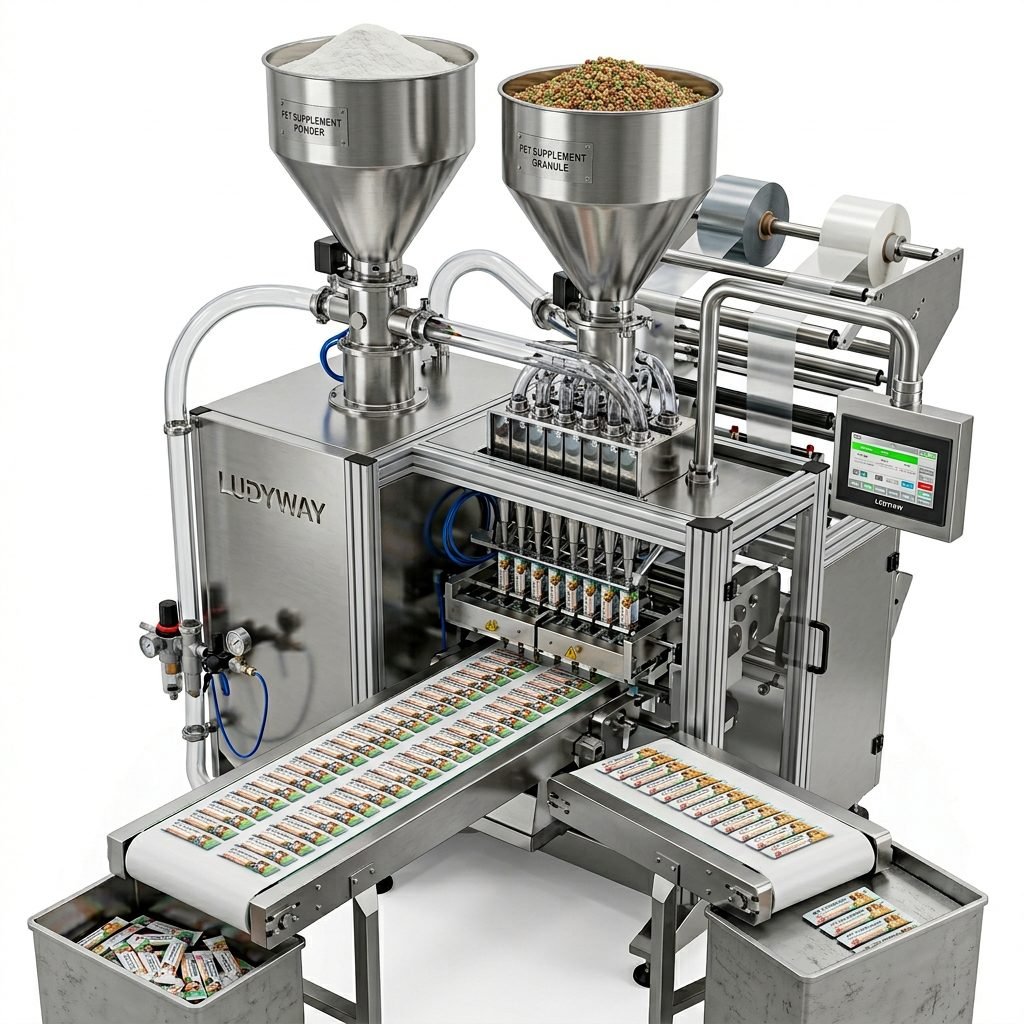
Food Industry: This is the largest application area. It is used for fresh and processed meats, poultry, seafood, cheese, prepared meals, and coffee. It locks in freshness, reduces waste, and enhances retail display. For granular or powdered food products, integrating a cryovac system with a multi-lane stick pack machine can create portion-controlled, long-shelf-life products.
Pharmaceutical & Medical: Sterility and extended shelf life are paramount. Cryovac packaging protects sensitive drugs, medical devices, and diagnostic kits from moisture, oxygen, and contamination. The precise environment control is critical for product efficacy.
Industrial & Electronics: Used to package metal parts, tools, and electronic components to prevent corrosion (by removing oxygen and moisture) during storage or shipping. This is often referred to as “dry packaging.”
Essential Buying Considerations
Investing in cryovac equipment is a significant decision. Here are the critical factors to evaluate.
1. Production Volume & Speed Requirements
Match the machine’s cycle speed (packages per hour) to your current and projected output. A small chamber sealer may suffice for an artisan butcher, while a large-scale meat processor will need a rotary thermoformer. Underestimating volume can create bottlenecks; overestimating leads to unnecessary capital expense.
2. Product Characteristics
The physical nature of your product dictates the machine type. Consider:
- Size & Shape: Irregular shapes may require chamber or skin packaging.
- Moisture/Liquid Content: Wet products need systems that handle purge effectively, often via absorbent pads in the tray.
- Fragility: Delicate items like berries may be better suited to gentle MAP than hard vacuum.
3. Packaging Materials & Film Compatibility
The machine must be compatible with the barrier films you plan to use. Consider the film’s structure (e.g., EVOH layer for high oxygen barrier), thickness, and sealing layer. The sealing jaws must provide the correct temperature, pressure, and dwell time for a reliable seal. Discuss material specifications with your packaging equipment supplier.
4. Level of Automation
Options range from manual (operator loads each cycle) to semi-automatic and fully automatic (integrated with conveyors, robotic loaders, and vision systems). Higher automation increases throughput, reduces labor costs, and improves consistency but requires a larger initial investment.
5. After-Sales Support & Service
This is perhaps the most overlooked yet critical factor. Ensure the manufacturer or distributor offers:
- Comprehensive installation and operator training.
- Readily available spare parts.
- Responsive technical support and service engineers.
- A clear warranty policy.
Partnering with an experienced provider like Ludyway Machinery, which offers professional service and technical support, safeguards your production continuity.
Frequently Asked Questions (FAQs)
What is the main difference between a vacuum sealer and a cryovac machine?
The terms are often used interchangeably, but “cryovac” is technically a brand name that became generic for vacuum skin packaging. In practice, “cryovac equipment” often refers to more sophisticated systems (chamber, thermoform, or rotary) used in commercial settings, while “vacuum sealer” can refer to simpler home-use or external nozzle models.
Can I use any plastic bag with a chamber vacuum machine?
No. You must use bags or films specifically designed for chamber vacuum sealers. They have a textured surface on one side to allow air channels for evacuation and are made of polymers that can withstand the sealing process. Using improper bags will result in failed seals and machine damage.
How much does an industrial cryovac packaging machine cost?
Costs vary dramatically based on type and automation. Basic chamber sealers start from a few thousand dollars. Semi-automatic thermoformers can range from $50,000 to $150,000. High-speed, fully automated rotary lines can cost several hundred thousand dollars or more. A detailed analysis of ROI based on reduced waste and increased shelf life is essential.
Is Modified Atmosphere Packaging (MAP) better than vacuum packaging?
It depends on the product. Vacuum packaging is superior for preventing oxidation and is ideal for dense, solid products like meat blocks. MAP is better for products that are easily crushed (chips, pastries) or require a specific gas mix to maintain color and texture (fresh red meat, salads). Many machines can perform both functions.
What regular maintenance does cryovac equipment require?
Regular maintenance is crucial for longevity and consistent seal quality. Daily tasks include cleaning the sealing gaskets and chamber. Weekly or monthly tasks involve checking and cleaning the vacuum pump oil (if oil-lubricated), inspecting the sealing jaw for residue or damage, and verifying temperature and pressure settings. Always follow the manufacturer’s specific maintenance schedule.