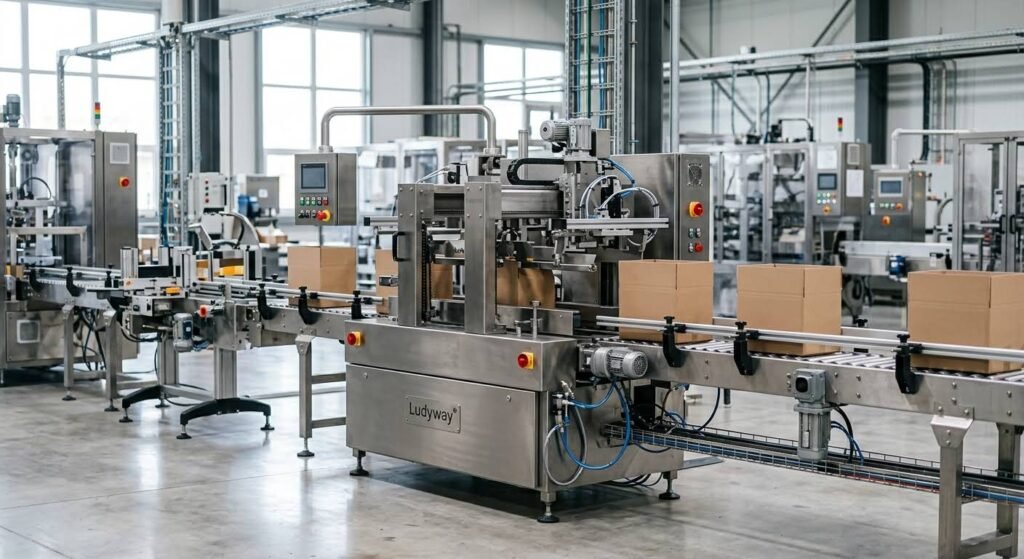
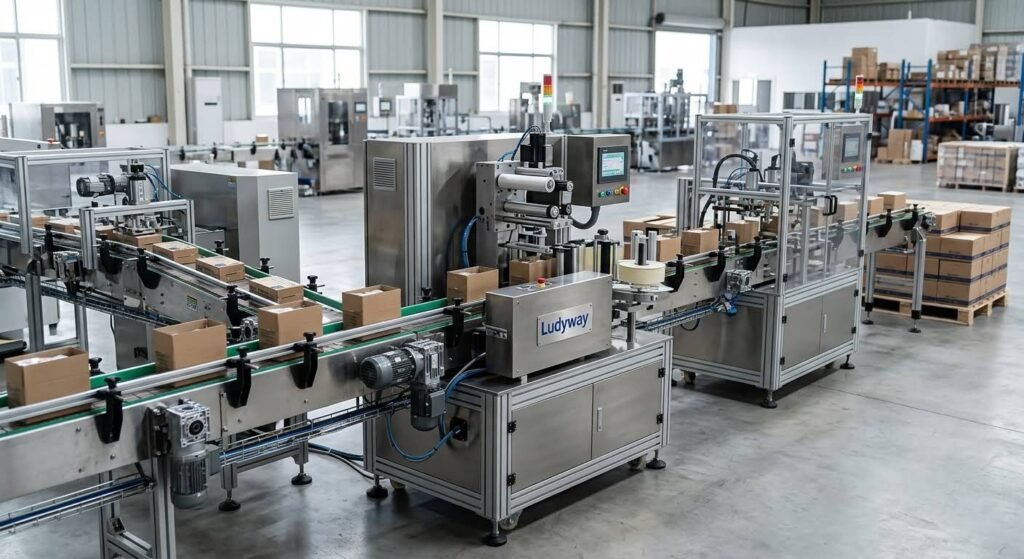
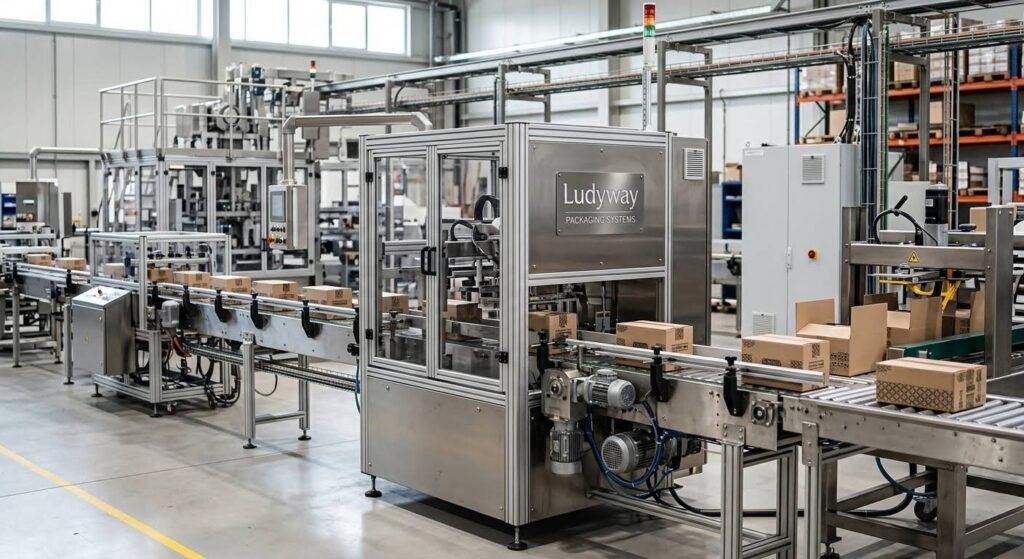
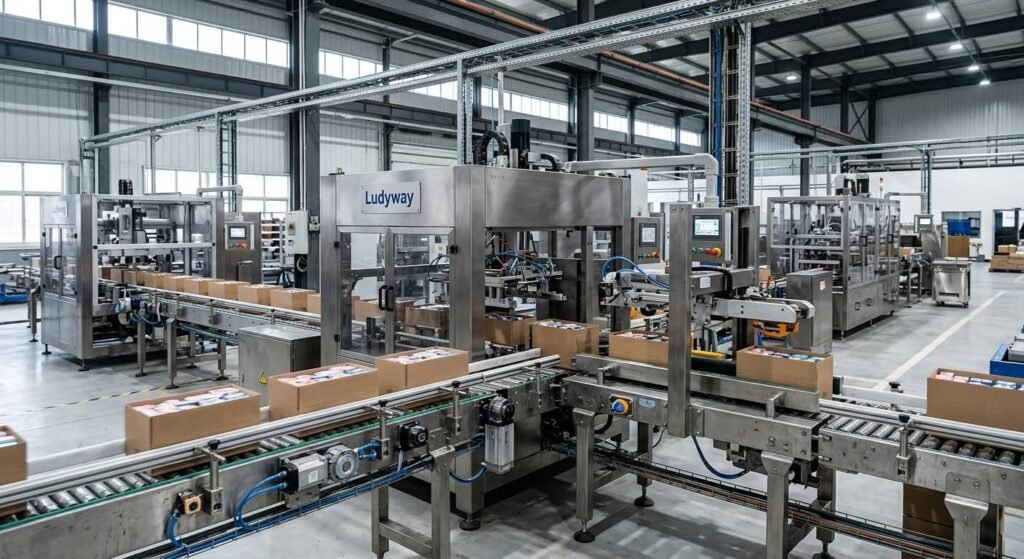
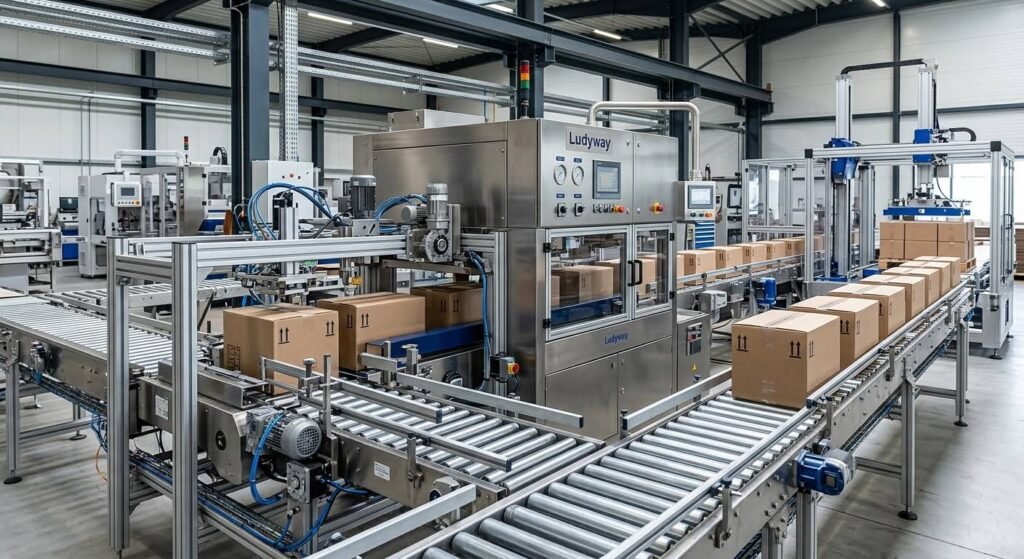
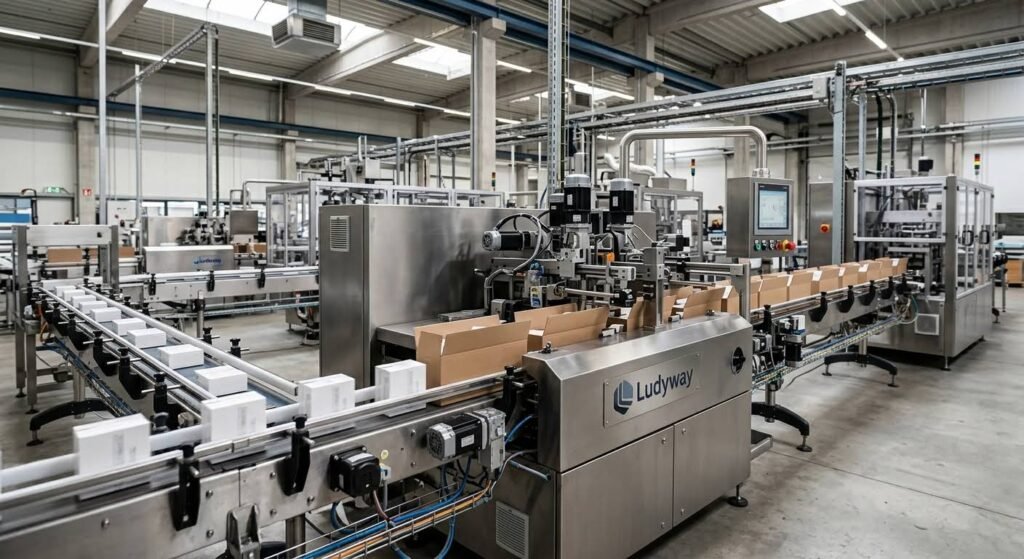
In the competitive world of product presentation and protection, skin packaging stands out as a premier method. A skin packaging machine is a specialized piece of equipment that creates a vacuum-sealed, transparent film around a product and a backing card. This process not only secures the item firmly but also enhances its visual appeal on retail shelves. For businesses looking to elevate their packaging, understanding this technology is the first step toward making an informed investment.
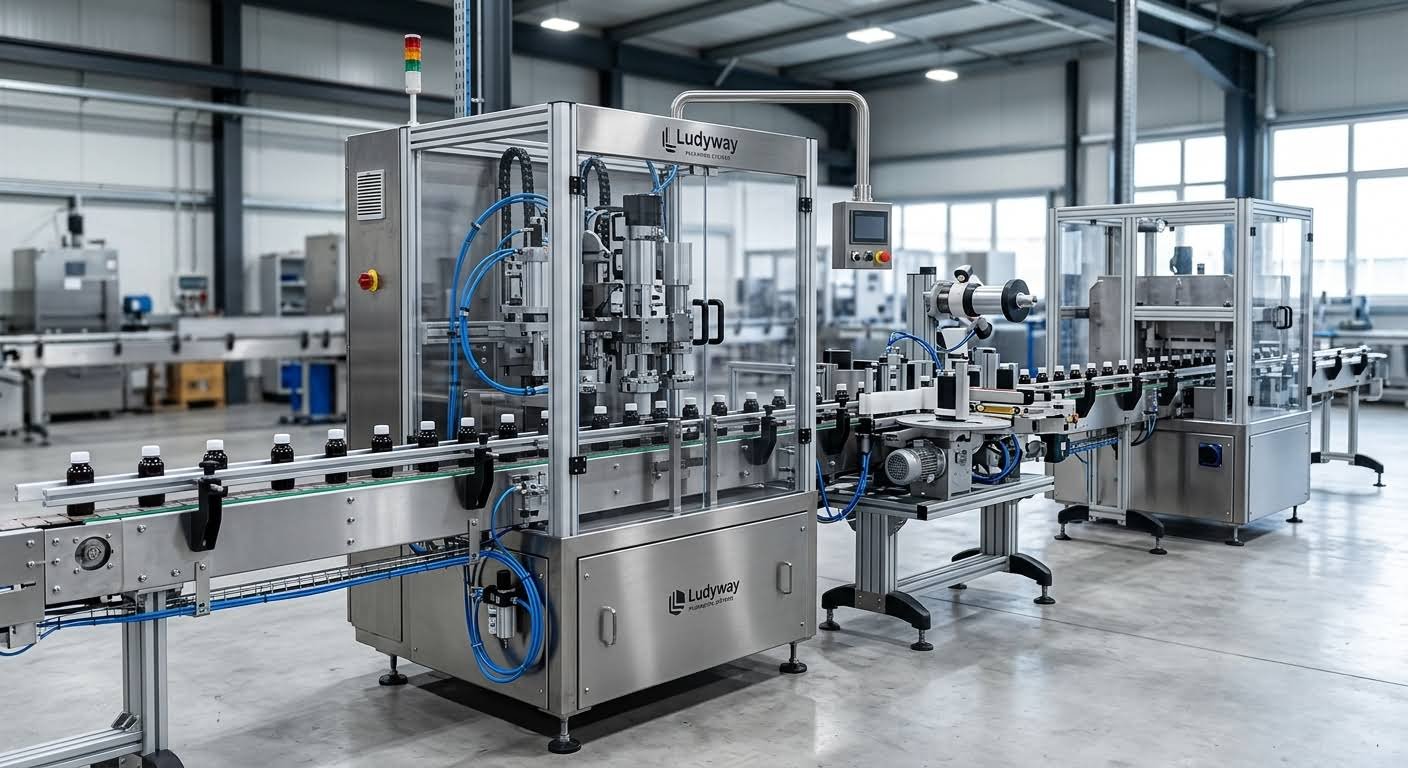
Understanding the Skin Packaging Process
The core function of a skin packaging machine is to create a “second skin” around a product. The process typically involves placing the item on a porous backing card, heating a thin plastic film until it becomes pliable, draping it over the product and card, and then applying a vacuum. This suction draws the film tightly over the product’s contours and adheres it to the card. The result is a secure, tamper-evident, and visually attractive package that highlights the product while protecting it from dust, moisture, and handling.
Key Advantages of Skin Packaging:
✔ Enhanced Product Visibility: The crystal-clear film provides a 360-degree view, crucial for impulse purchases.
✔ Superior Protection: It seals out contaminants and holds irregularly shaped items immovably in place.
✔ Cost-Effective: It often uses less material than clamshell packaging and can reduce shipping costs due to a lighter profile.
✔ Retail-Ready: The integrated card is perfect for hanging displays and can be pre-printed with branding and information.
How to Choose the Right Skin Packaging Machine
Selecting the ideal machine is not a one-size-fits-all decision. It requires a careful analysis of your specific production needs, product characteristics, and business goals. A mismatch can lead to inefficiency, increased waste, and unsatisfactory packaging quality.
1. Analyze Your Product Portfolio
Begin by assessing the products you intend to package. Consider their size, shape, height, and material. Machines have varying platen sizes (the heating and sealing area) and depth of draw capabilities. Packaging a flat tool requires a different machine specification than packaging a bulky, three-dimensional electronic component. Create a list of your most common and most challenging items to package.
2. Evaluate Production Volume and Speed Requirements
Your required output directly dictates the machine type. For low to medium volumes, a manual or semi-automatic machine may be sufficient and more budget-friendly. For high-volume production lines, a fully automatic skin packaging system is essential. These systems can integrate with automated feeding and cutting units, dramatically increasing throughput and reducing labor costs. Determine your cycles-per-hour needs both for today and projected future growth.
3. Consider Film and Material Compatibility
Not all machines work optimally with all films. The most common film is polyethylene, but you may require PVC, PET, or specialty barrier films for food or sensitive products. Ensure the machine you choose has precise and consistent temperature controls for the heating element to properly handle your chosen film gauge and type without burning or incomplete sealing.
Pro Tip: The Importance of a Good Vacuum System
The heart of a skin pack machine is its vacuum pump. A powerful and reliable pump ensures a tight, wrinkle-free seal by quickly removing all air from under the film. A weak pump can result in loose packaging, air pockets, and product failure. When evaluating machines, inquire about the pump’s specifications, maintenance needs, and noise level.
4. Assess Machine Features and Build Quality
Look beyond the basic specifications. User-friendly controls, such as a digital touchscreen interface, can simplify operation and changeovers. Robust construction with durable materials like stainless steel on critical components ensures longevity in an industrial environment. Safety features, including thermal overload protection and emergency stops, are non-negotiable. It’s often worth investing in a machine from a reputable manufacturer known for quality engineering.
5. Plan for Space, Utilities, and Support
Skin packaging machines require adequate factory floor space, access to electrical power (often three-phase), and sometimes compressed air. Measure your available space and check utility requirements beforehand. Finally, consider the supplier’s reputation for after-sales service, technical support, and spare parts availability. A machine is a long-term investment, and reliable support is crucial for minimizing downtime. Companies with extensive industry experience, like Ludyway Machinery, often provide more comprehensive project support and tailored solutions.
Integrating Your Machine into the Workflow
Purchasing the machine is only part of the solution. For maximum efficiency, consider how it will fit into your existing or new packaging line. Will operators need training? Do you have a process for trimming excess film from the finished packages? For high-speed operations, you may need downstream equipment like automatic die-cutters or conveyor systems to handle the output. A holistic view of the packaging process will ensure a smooth implementation and a faster return on investment.
Conclusion: Making an Informed Investment
Choosing the right skin packaging machine is a strategic decision that impacts product presentation, operational efficiency, and your bottom line. By methodically evaluating your products, volume, material needs, and the machine’s features and support ecosystem, you can select a system that not only meets your current demands but also scales with your business growth. The goal is to find a reliable partner in packaging that delivers consistent, high-quality results day after day.
Frequently Asked Questions (FAQs)
1. What is the main difference between skin packaging and blister packaging?
Skin packaging uses a vacuum to draw a heated film over a product onto a porous backing card. Blister packaging involves forming a rigid plastic cavity (the blister) to hold the product, which is then sealed to a backing card. Skin packs offer a tighter, more form-fitting seal, while blisters provide a more rigid protective shell.
2. Can skin packaging machines handle food products?
Yes, but it requires specific food-grade films, often with higher barrier properties (like PET or specialty laminates), and the machine must be configured to meet relevant hygiene and safety standards for food contact. The sealing process itself is excellent for preserving food freshness and creating a tamper-evident seal.
3. How do I determine the correct film thickness for my product?
Film thickness (or gauge) is chosen based on product weight, sharpness, and the desired package rigidity. Heavier or sharper items require thicker film (e.g., 10-15 mil). Lighter items can use thinner film (e.g., 5-8 mil) for cost savings. Your machine supplier or a packaging expert can recommend the best material based on your specific application.
4. What kind of maintenance does a skin packaging machine require?
Regular maintenance includes cleaning the heating element and seal bar, checking and replacing vacuum pump oil, inspecting seals and gaskets for wear, and ensuring all moving parts are lubricated. A preventive maintenance schedule, often provided by the manufacturer, is key to avoiding unplanned downtime.
5. Is it possible to get a customized machine for unique products?
Absolutely. Many manufacturers, especially those with strong engineering capabilities, offer customized solutions. This can include special platen sizes, modified heating zones for irregular shapes, deeper draw capabilities, or integration with automated feeding systems. Discussing your unique requirements with the supplier is the first step.