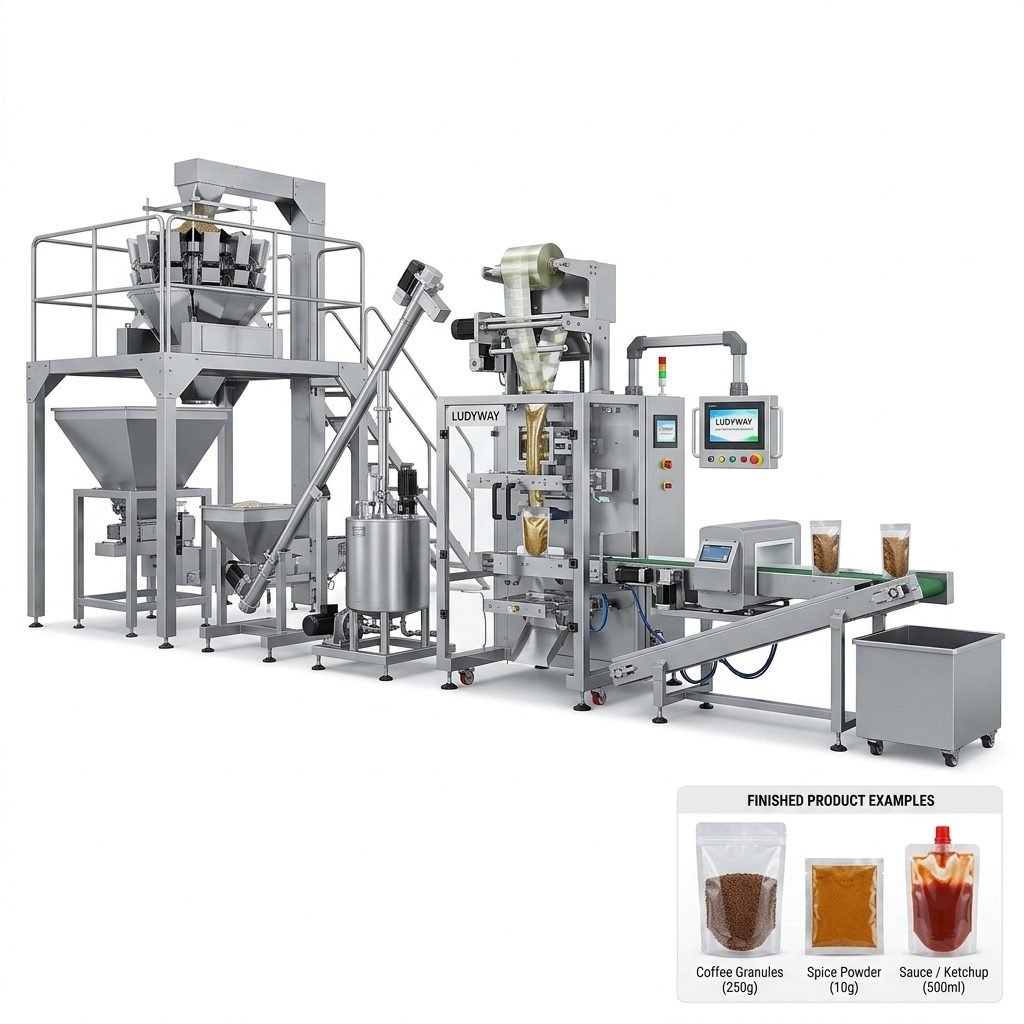
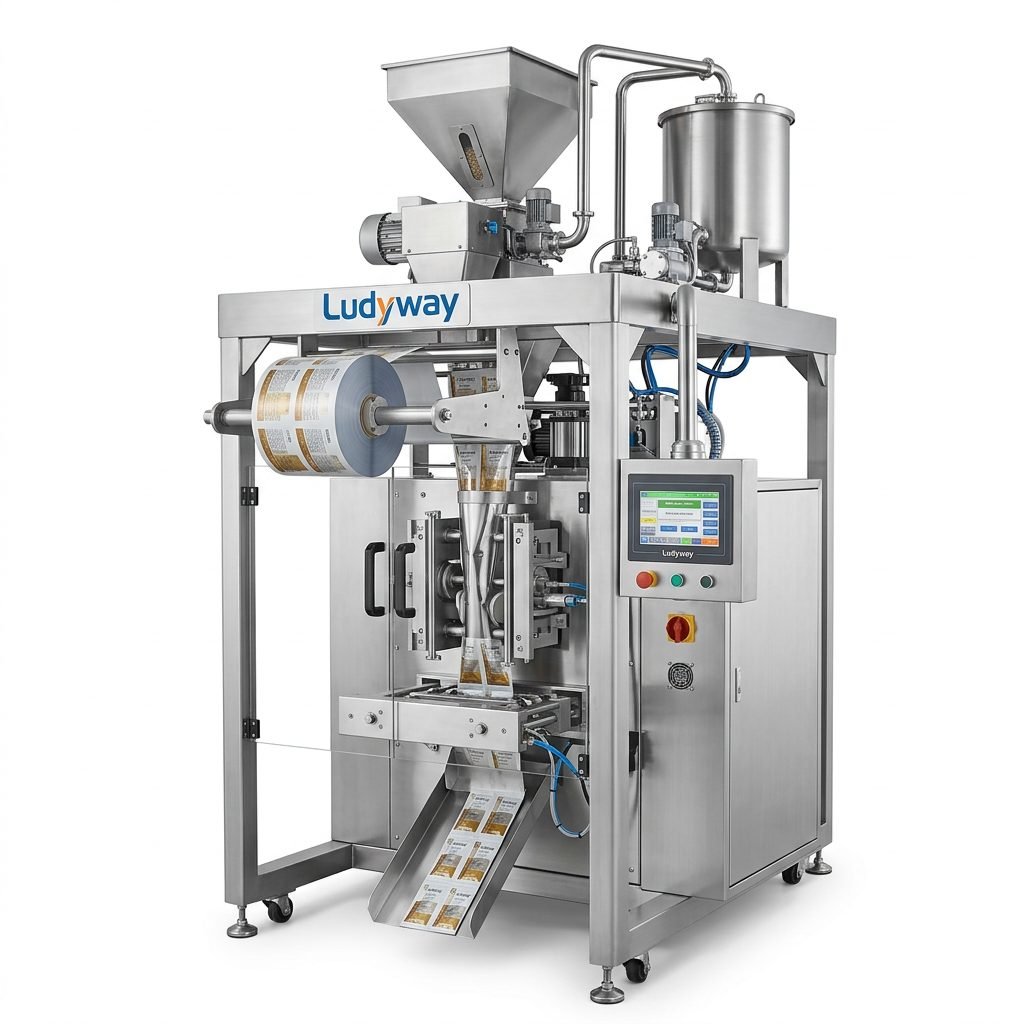
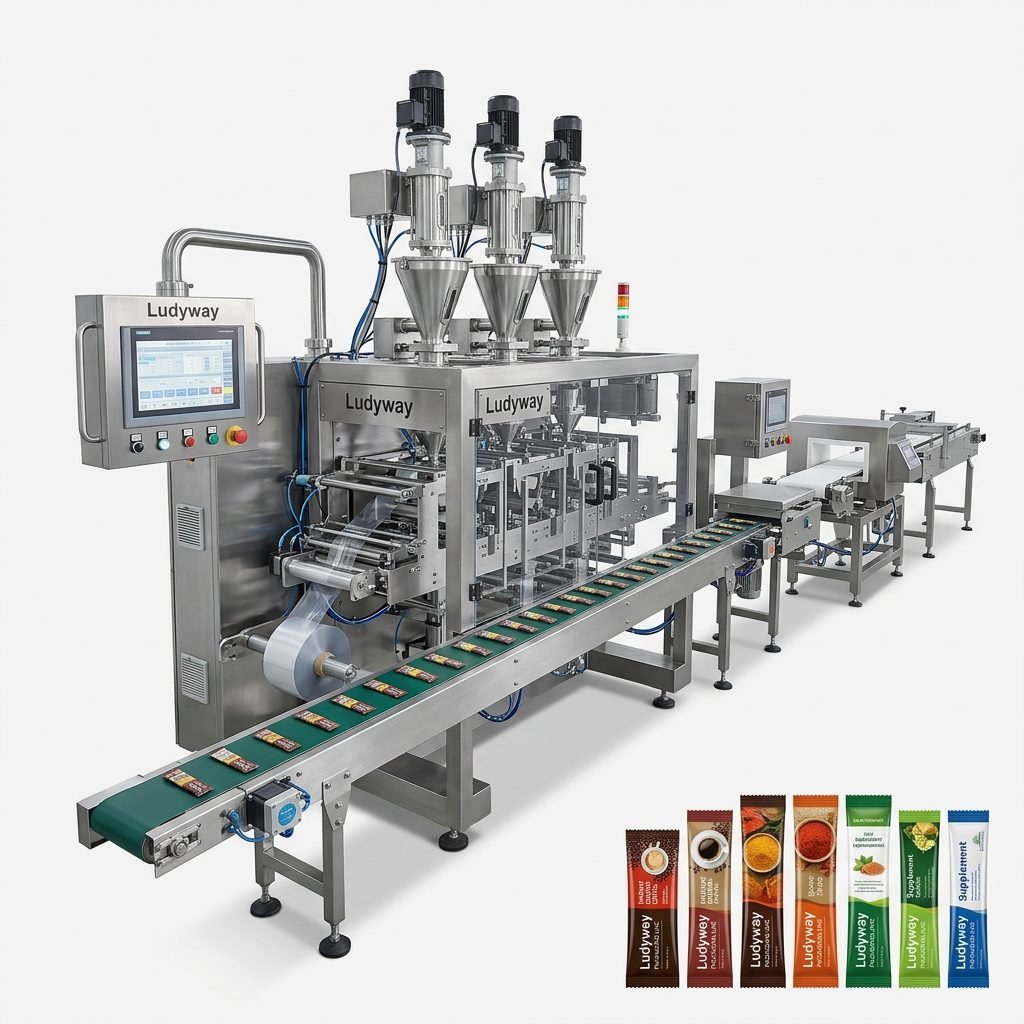
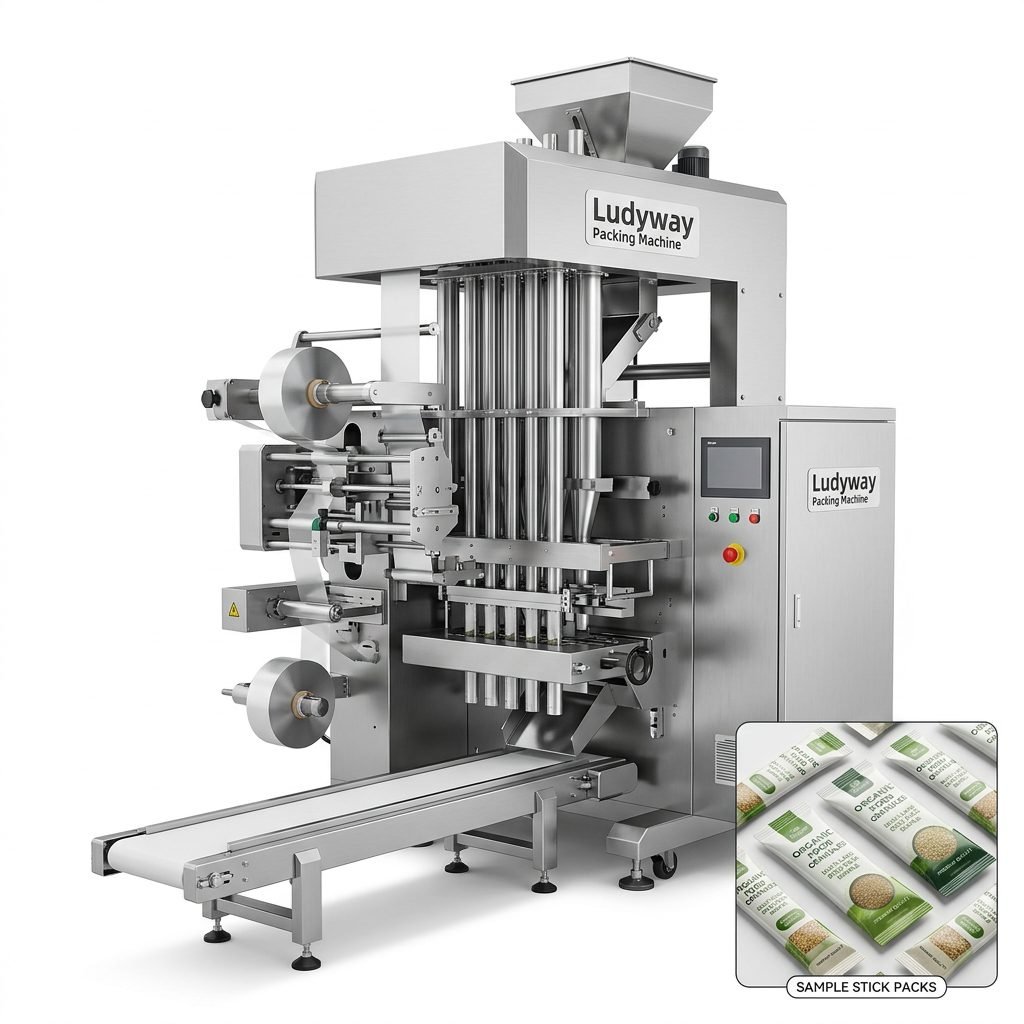
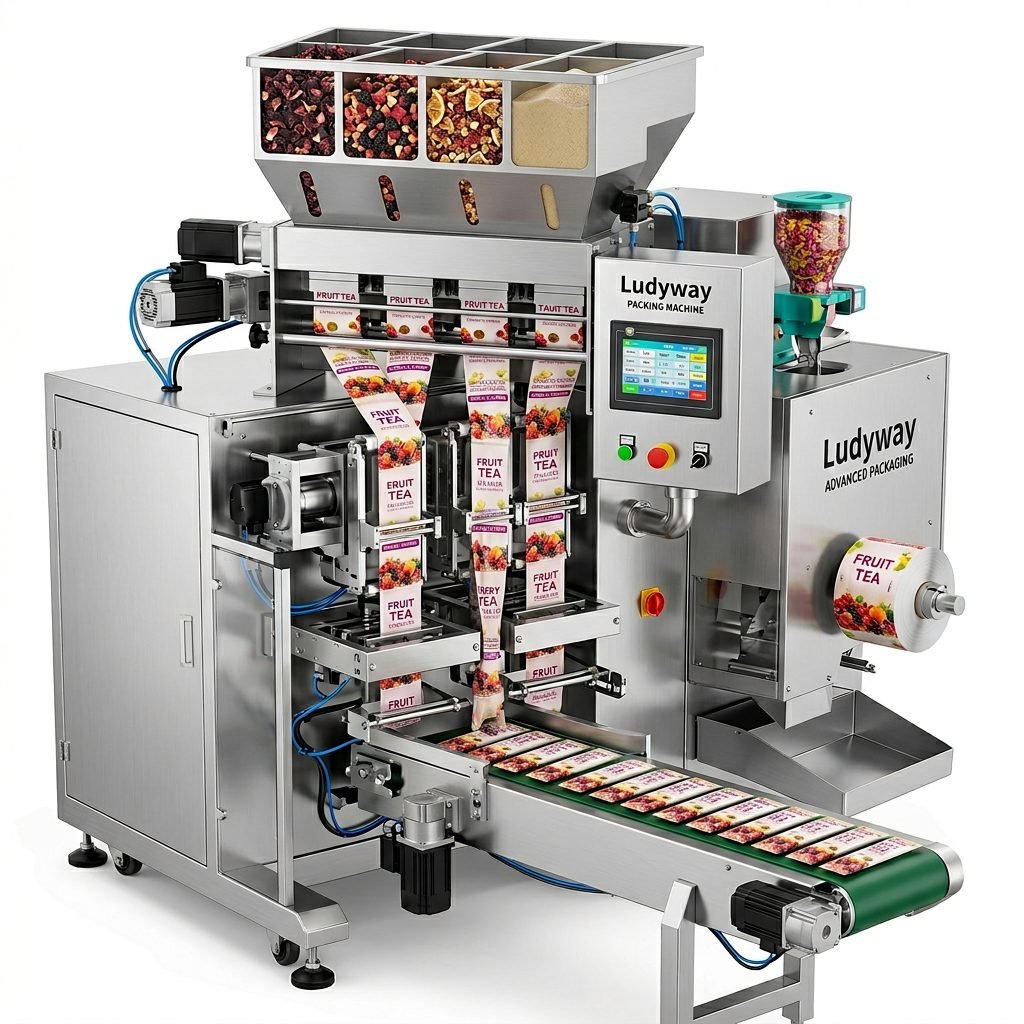
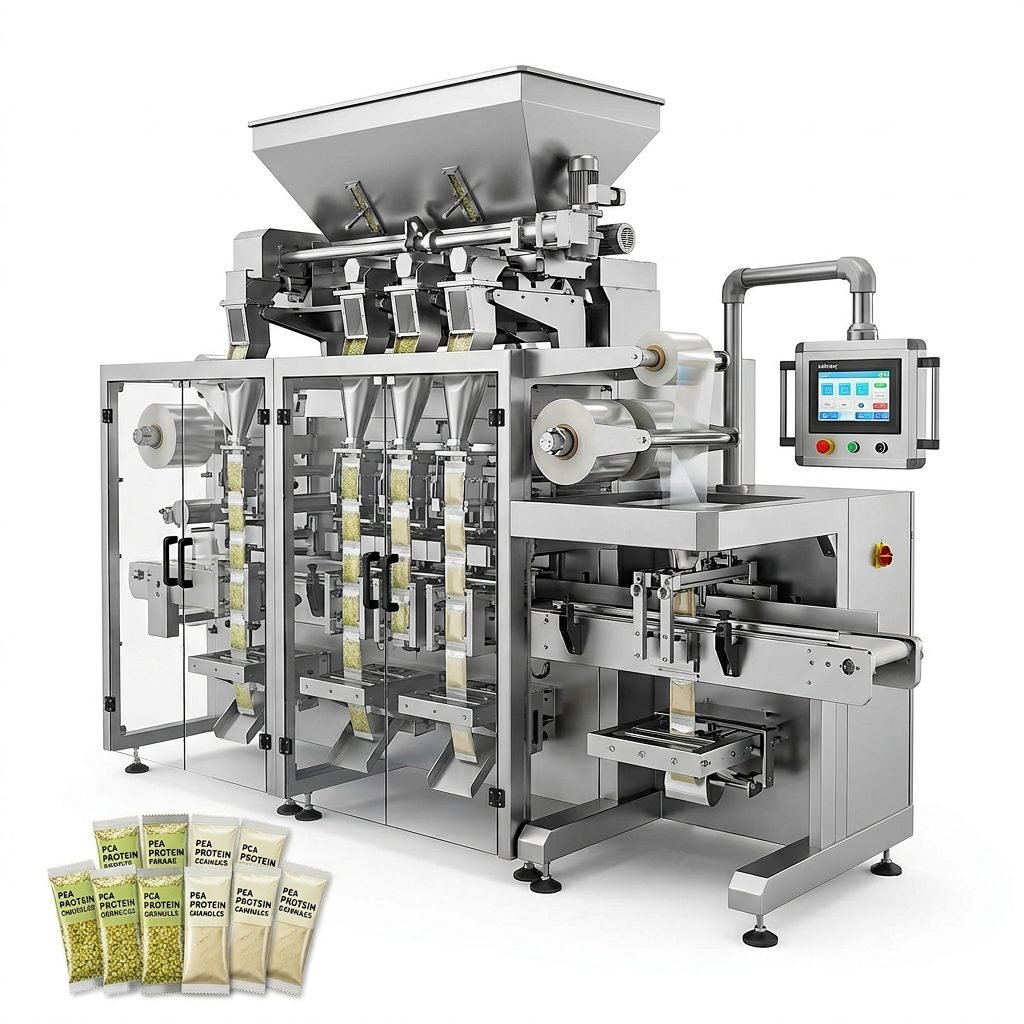
In the fast-paced world of modern manufacturing, packaging machinery is the backbone of production lines, ensuring products are sealed, protected, and presented efficiently. The performance and longevity of these complex systems depend heavily on the quality and suitability of their individual parts. Understanding the various components, their specific functions, and the criteria for selecting the right ones is crucial for minimizing downtime, optimizing output, and protecting your investment.
Core Types of Packaging Machinery Parts
Packaging machines are intricate assemblies. We can categorize the essential parts into several key functional groups.
1. Drive and Transmission Components
These are the parts responsible for generating and transferring motion throughout the machine.
- Servo Motors & Stepper Motors: Provide precise, programmable control over movement, essential for accuracy in filling, cutting, and sealing. ✔
- Gears, Belts, and Chains: Transmit power from motors to various actuators. Timing belts and precision gears ensure synchronized operation.
- Bearings and Bushings: Reduce friction in rotating shafts and linear guides, critical for smooth operation and wear reduction.
2. Product Handling and Forming Parts
This group directly interacts with the packaging material and the product itself.
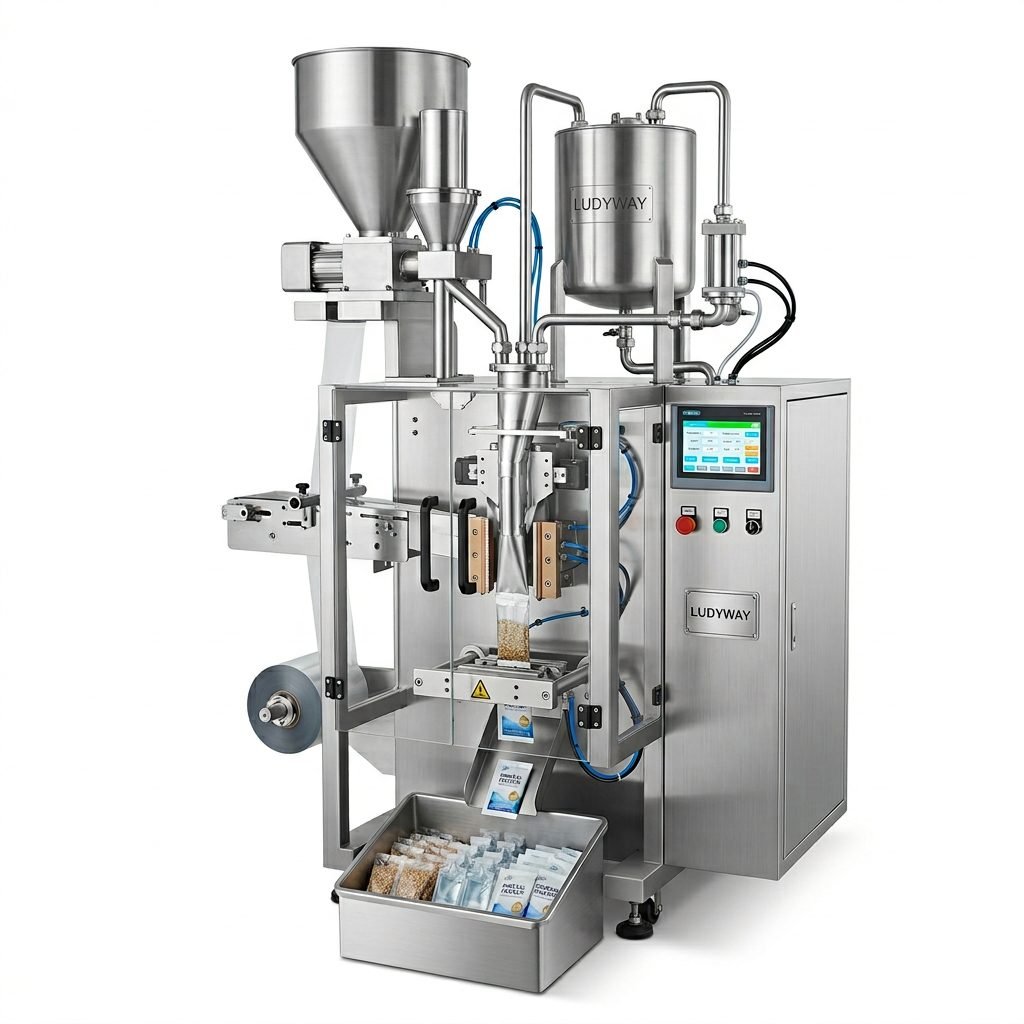
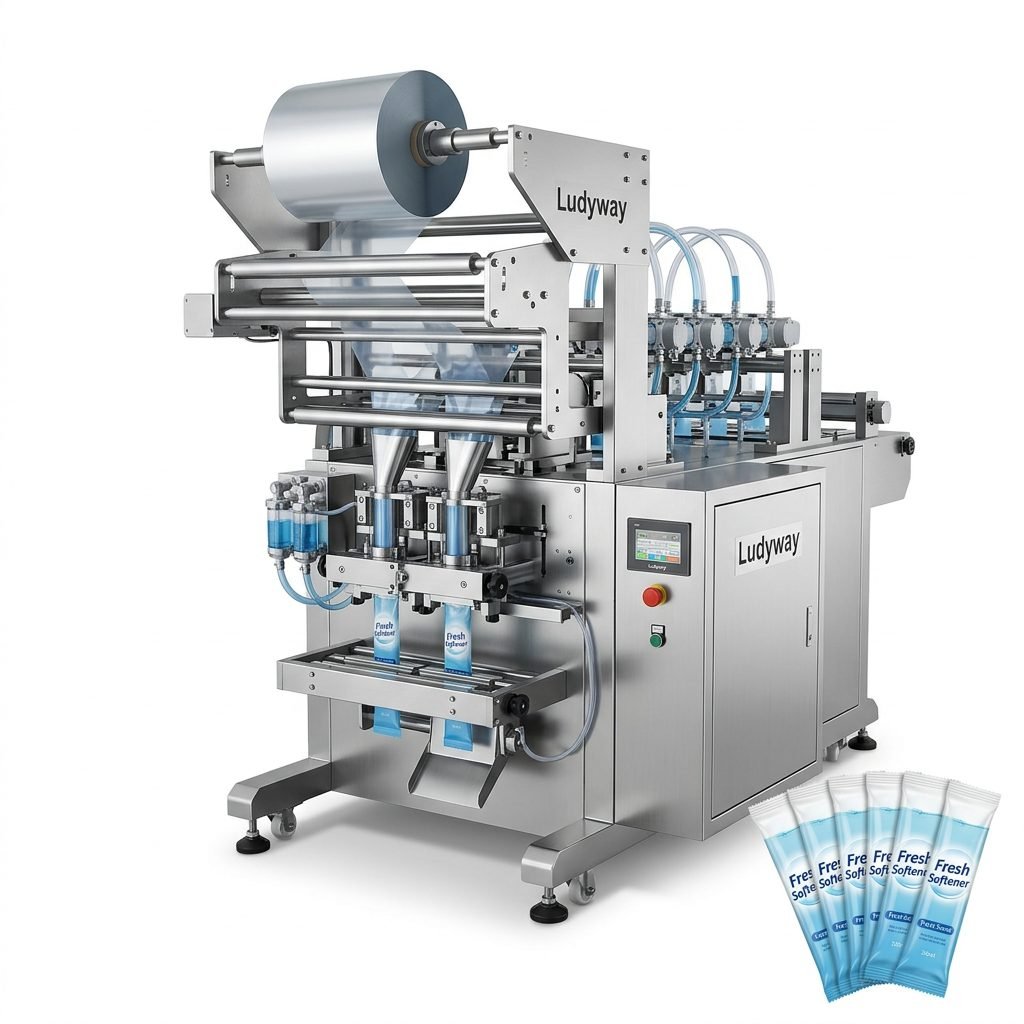
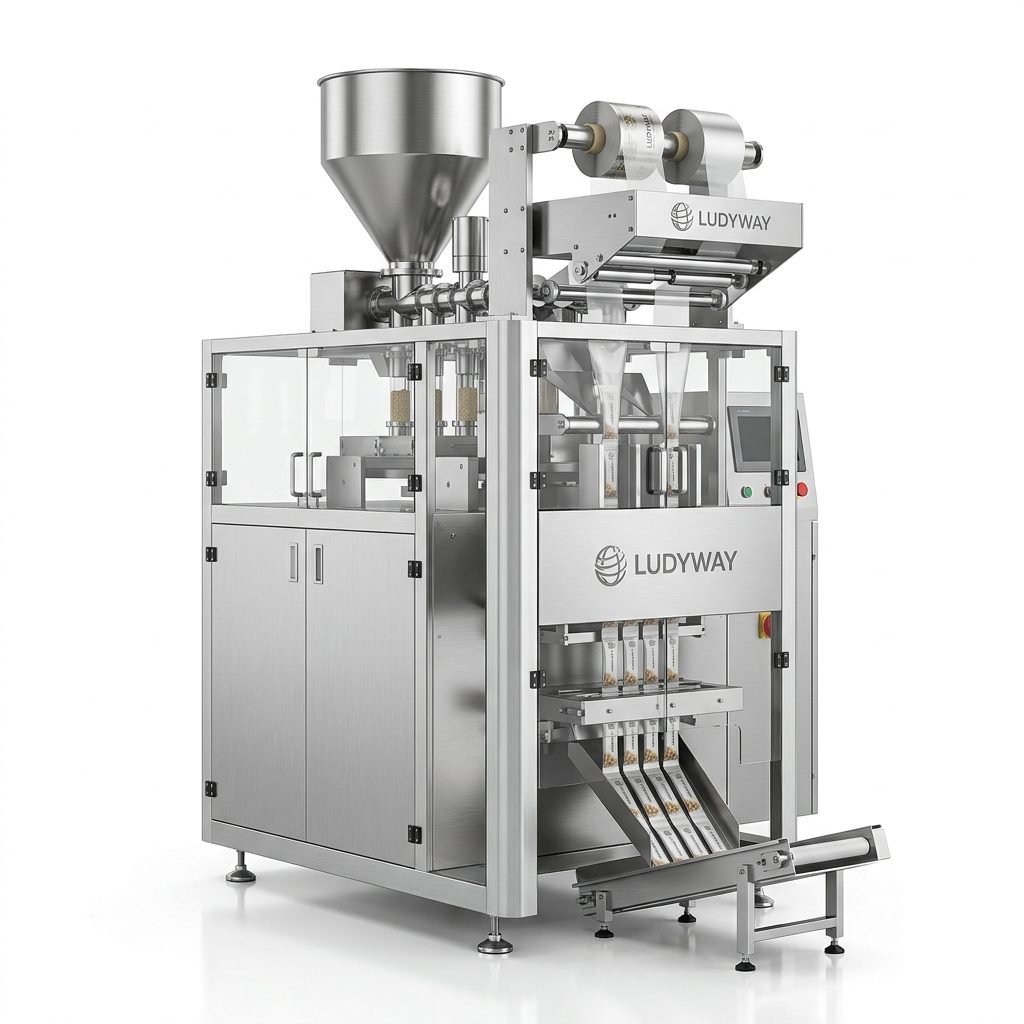
- Forming Collars and Tubes: Shape flat packaging film into the desired structure, such as a tube for vertical form-fill-seal (VFFS) machines.
- Augers & Filling Heads: Precisely measure and dispense granules, powders, or pastes. ✔ Material compatibility (e.g., stainless steel for food) is paramount.
- Feed Screws and Hoppers: Store and convey product to the filling mechanism in a consistent flow.
Key Insight:
Parts in direct contact with the product (like augers and forming tubes) must meet stringent hygiene and material safety standards, especially in food and pharmaceutical applications. Surface finish and cleanability are non-negotiable.
3. Sealing and Cutting Elements
These components create the final, sealed package.
- Heating Elements & Bands: Generate the heat required to melt and fuse packaging layers. Consistent temperature control is vital for strong, uniform seals.
- Sealing Jaws & Dies: Apply pressure and heat to create the seal. They are often custom-machined for specific package shapes and patterns.
- Cutting Knives and Blades: Separate individual packages from the film web. They can be heated (for clean cuts on sealed areas) or cold, and require regular sharpening or replacement.
4. Control and Sensing Components
The “brain” and “nervous system” of the machine.
- PLC (Programmable Logic Controller) & HMI (Human-Machine Interface): The central control unit and operator touchscreen for programming and monitoring.
- Sensors: Photoelectric, proximity, and temperature sensors provide real-time feedback on film position, product presence, and system status, enabling precise automation. ✔
- Encoders: Attached to motors or shafts to provide precise positional data, ensuring accurate filling and indexing.
Critical Functions of Key Components
Each part plays a specialized role in the packaging sequence. For instance, a servo motor doesn’t just provide power; its function is to enable variable speed control and exact positional accuracy for a filling nozzle, ensuring each bag receives the identical product weight. Similarly, a temperature sensor on a sealing jaw functions to maintain a consistent heat profile, preventing weak seals (under-heating) or film burn-through (overheating), which directly impacts package integrity and shelf life.
The interplay between mechanical parts (like gears) and electronic controls (like PLCs) is what transforms a simple action into a high-speed, reliable packaging process. Understanding this functional synergy is the first step toward effective maintenance and part selection.
How to Choose the Right Components: A Practical Guide
Selecting replacement or upgrade parts is not a generic task. A systematic approach prevents costly mistakes.
Step 1: Identify Machine and Part Specifications
Always start with the machine’s make, model, and serial number. Cross-reference the original part number if available. Measure critical dimensions of the worn part (shaft diameter, length, tooth count on gears). Note the material specification (e.g., 304 vs. 316 stainless steel, food-grade plastic).
Step 2: Match Technical Requirements
- Material Compatibility: Ensure the part material is suitable for the product (food-grade, corrosion-resistant) and can withstand operational stresses.
- Performance Specifications: For motors, match torque, speed, and voltage. For sensors, check sensing range, output type, and environmental rating (IP rating).
- Precision Grade: Bearings, gears, and shafts have tolerance grades. Using a lower-grade part can cause vibration, noise, and premature failure.
Step 3: Prioritize Quality and Source Reliability
Opt for Original Equipment Manufacturer (OEM) parts for guaranteed fit and performance, or high-quality certified alternatives from reputable suppliers. While cost is a factor, the cheapest option often leads to more frequent downtime, higher long-term costs, and potential damage to other machine sections. Partnering with an expert supplier like Ludyway Machinery, with deep application knowledge, can provide invaluable guidance.
Pro Tip for Longevity:
Implement a preventive maintenance schedule. Regularly inspect and replace wear-prone parts like seals, gaskets, and filters before they fail. Keep a small inventory of critical, high-wear items specific to your machine to minimize production stoppages. Proper lubrication of moving parts, as per the machine manual, is the simplest way to extend component life significantly.
Step 4: Consider Operational Environment and Future Needs
Will the machine be washed down frequently? Choose parts with high IP ratings. Planning to run a new, more abrasive product? Select components with higher wear resistance. When upgrading, consider if a newer technology (like a more efficient servo motor or a smarter sensor) could improve throughput or flexibility for future products. Exploring complete packaging solutions from a technical partner can reveal optimization opportunities beyond single-part replacement.
Conclusion
The reliability of your packaging line is a direct sum of the quality and care given to its individual parts. From the powerful drive of a servo motor to the precise cut of a blade, each component has a defined role. By thoroughly understanding the types and functions of these parts, and adhering to a disciplined selection process focused on specifications, quality, and proactive maintenance, you can ensure maximum uptime, consistent package quality, and a strong return on your machinery investment. Treating component selection as a strategic decision, rather than a simple procurement task, is the hallmark of efficient and modern production management.
Frequently Asked Questions (FAQs)
1. How often should common wear parts like sealing jaws or cutting blades be replaced?
There’s no universal interval. Replacement frequency depends on production hours, packaging material abrasiveness, and maintenance. Monitor performance—replace blades when cut quality declines (ragged edges) and sealing jaws when consistent seal strength becomes difficult to achieve even with temperature adjustments.
2. Can I use generic or third-party parts instead of OEM parts?
Yes, but with caution. High-quality, certified generic parts can be cost-effective for standard components like bearings or sensors. However, for critical, custom-machined parts (like forming tubes or complex sealing jaws), OEM parts are strongly recommended to ensure perfect fit, material integrity, and machine warranty compliance.
3. What are the most common signs that a packaging machine part is failing?
Key warning signs include: increased variation in product weight (auger or feed issue), weak or inconsistent seals (heating element or jaw problem), unusual noises or vibrations (bearing or gear wear), frequent machine stoppages or fault codes (sensor or control system failure), and excessive material waste.
4. How important is calibration for parts like load cells or temperature sensors?
Extremely important. Regular calibration is essential for accuracy and repeatability. An uncalibrated load cell will cause inaccurate filling, leading to product giveaways or underfills. An uncalibrated temperature sensor can cause sealing defects. Follow the manufacturer’s recommended calibration schedule.
5. Where can I get technical support for selecting the right parts for my specific machine?
Your best resources are the original machine manufacturer or a specialized packaging machinery supplier with engineering expertise. Companies like Ludyway Machinery provide direct technical support, helping you identify the correct part, source it, and often provide guidance on installation and optimization for your specific application and production goals.