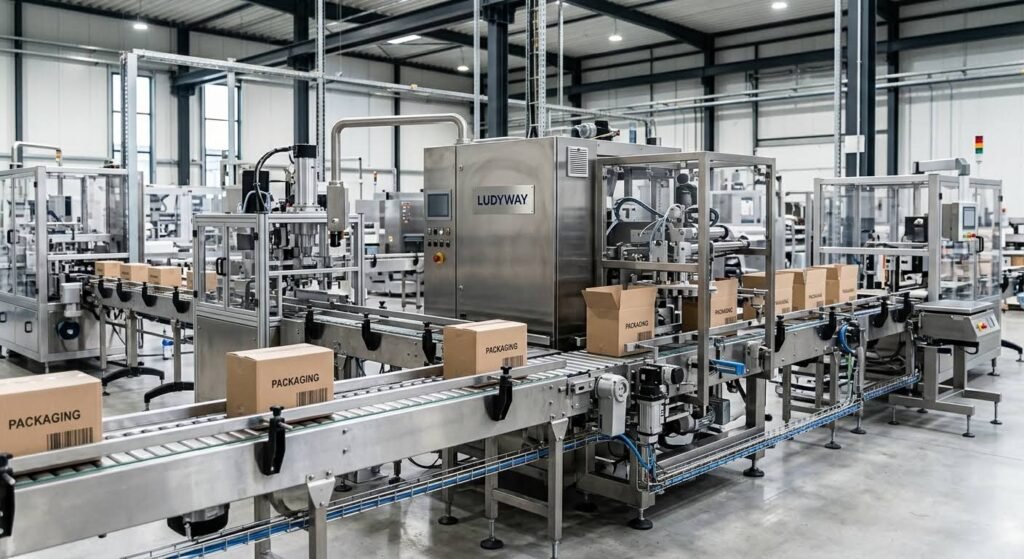
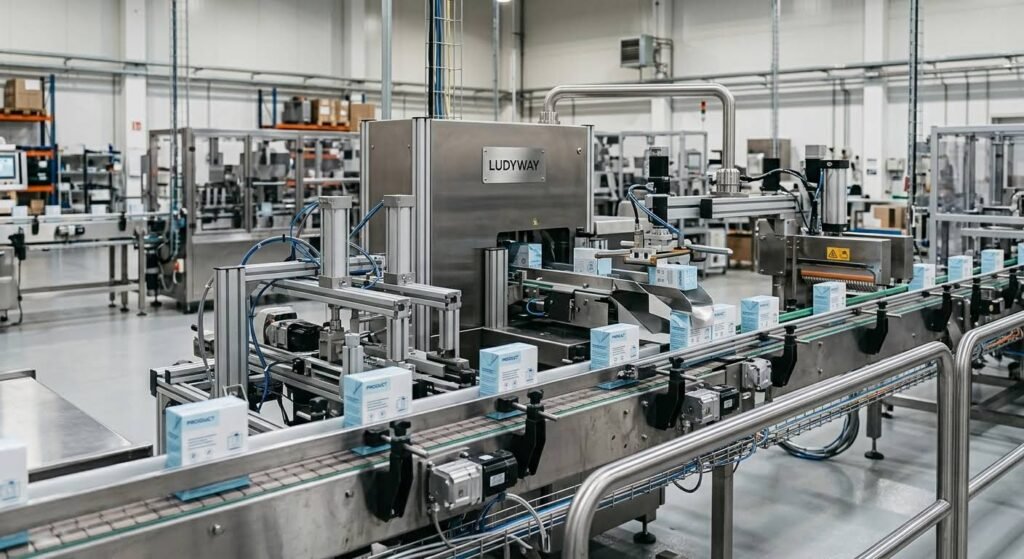
Choosing the right packaging equipment is a critical investment that directly impacts your production efficiency, product quality, and overall operational costs. Whether you are scaling up an existing line or automating a manual process, navigating the vast market of packaging machines requires a clear strategy. This guide provides a structured approach to selecting, comparing, and purchasing the optimal machinery for your specific needs.
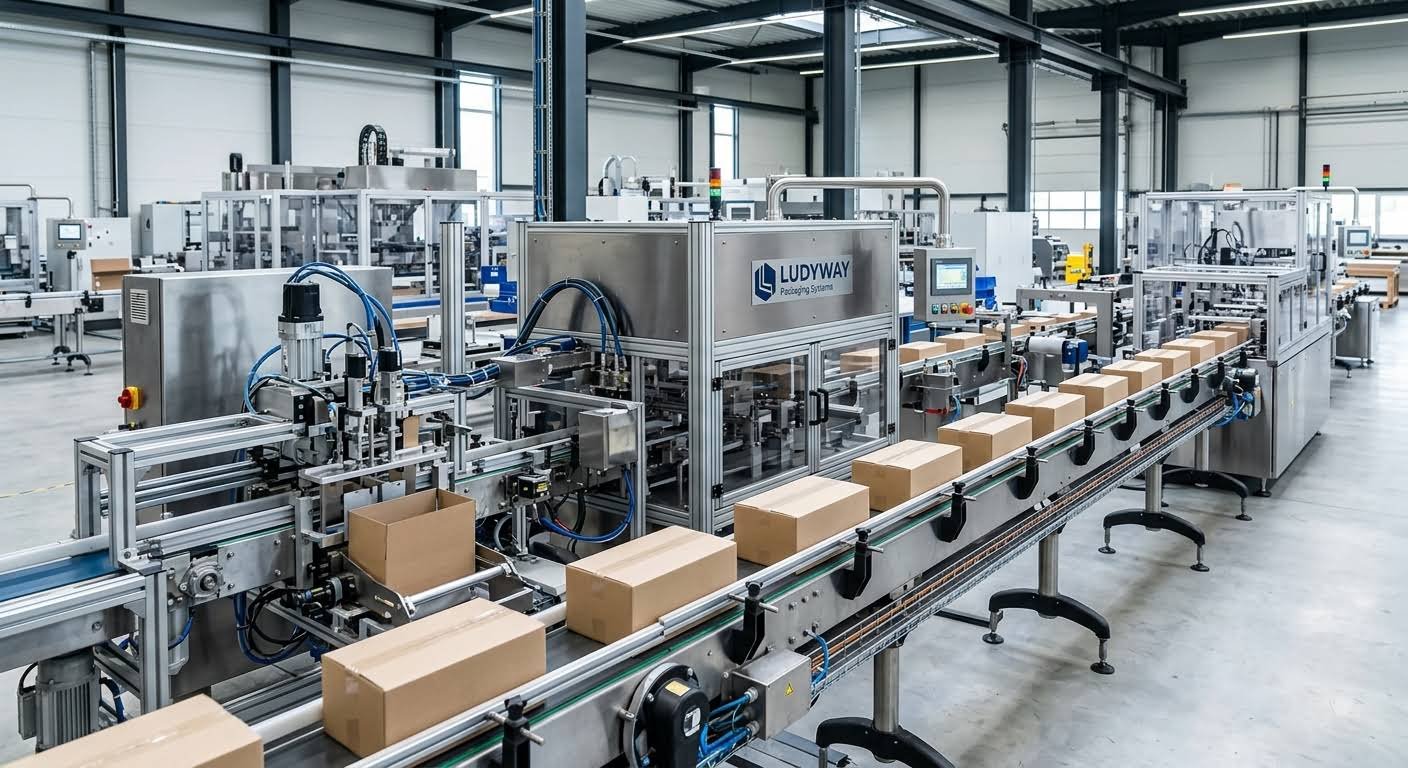
Key Takeaway: A successful purchase starts with a thorough internal assessment of your product, required output, and future goals. Skipping this step can lead to costly mismatches between machine capabilities and your actual production demands.
Phase 1: Define Your Packaging Requirements
Before browsing machine catalogs, you must crystallize your project’s specifications. This foundational phase prevents you from being swayed by features you don’t need and ensures you focus on solutions that fit.
Product Characteristics Analysis
Your product’s physical properties dictate the machine type. Answer these questions:
- Form: Is it a granule (like coffee, seeds), powder (like flour, protein powder), liquid (like sauce, oil), or a paste?
- Flowability & Hygroscopicity: Does it flow freely or is it sticky? Does it clump with moisture? This affects hopper and auger design.
- Abrasiveness or Corrosiveness: Highly abrasive products require hardened steel components, while corrosive ones need stainless steel or special coatings.
Output & Speed Specifications
Calculate your real production needs, both current and projected.
Output Formula to Consider:
Required Machine Speed (bags/min) = (Total Daily Output Requirement ÷ Operational Hours ÷ 60) × Safety Factor (e.g., 1.2)
Always factor in efficiency losses for changeovers, maintenance, and refills.
Packaging Material & Format
The machine must be compatible with your chosen packaging.
- Film Type: Laminates (PET/AL/PE), mono-films, recyclable materials.
- Bag Style: Pillow bags, stand-up pouches, stick packs, sachets, or four-side seal bags.
- Sealing Method: Thermal sealing is most common; ensure the machine’s jaw design and temperature control suit your film.
Phase 2: Research and Compare Machine Types & Suppliers
With your requirements defined, you can now effectively evaluate the market.
Understanding Core Machine Technologies
Different products are best served by specific weighing and filling systems.
For Granules & Free-Flowing Powders
Volumetric Cup Fillers: Cost-effective and simple, using calibrated cups for consistent volume filling. Ideal for uniform products like rice or beans.
Auger Fillers: Highly versatile and accurate. A rotating screw (auger) moves product from a hopper into the bag. Accuracy depends on auger design, tooling, and product consistency.
For Precision Powders & Difficult Products
Weighing Scale Systems (Gross/Net Weigh): Offer the highest accuracy. Net weighers weigh product directly into each bag. Gross weighers weigh the entire bag after filling. Essential for high-value products or where regulatory compliance is strict.
For Liquids & Pastes
Piston Fillers: Use a cylinder and piston to draw and dispense a precise volume. Excellent for viscous products like sauces, creams, or oils.
Supplier Evaluation Checklist
- Experience & Specialization: Do they have a proven track record with your product type? For instance, Ludyway Packing Machine brings over 30 years of industry experience, specializing in solutions for food, pharmaceutical, and health products.
- Technical Support & Service: What is their lead time for spare parts? Do they offer on-site installation, training, and remote support?
- Manufacturing Quality: Request videos of machines running, ask for material certificates (e.g., food-grade stainless steel), and inquire about key component brands (PLC, servos, sensors).
- Customization Capability: Can they modify standard models to handle your unique container or product?
- References & Case Studies: Ask for contact information of clients with similar applications.
Phase 3: The Procurement & Implementation Process
Turning your selection into a successful installation requires careful planning.
Requesting and Analyzing Quotations
A professional quote should be detailed, not just a bottom-line price.
- Machine Specifications: Detailed description, model, speed, accuracy, dimensions, power requirements.
- Scope of Supply: What is included? (e.g., hopper, feed system, spare parts kit, tools).
- Commercial Terms: Price, delivery (FOB, CIF, etc.), payment schedule, warranty period and coverage.
- Timeline: Realistic delivery, installation, and commissioning schedule.
Factory Acceptance Test (FAT)
Never skip the FAT. It’s your chance to verify the machine’s performance before it ships.
During the FAT, you should: Run the machine with your actual product and packaging material (or close equivalents). Measure accuracy over a sustained period. Test changeover procedures. Verify safety features and control system operation. Document all agreed-upon performance metrics.
Installation, Training, and After-Sales
A smooth start-up depends on good preparation and knowledge transfer.
Ensure your facility is ready: correct power supply, compressed air, level floor, and adequate space for operation and maintenance. Comprehensive training for your operators and maintenance technicians is crucial for long-term efficiency and minimizing downtime. Establish clear communication channels with your supplier’s technical support team.
Common Questions (FAQs)
1. What is the typical accuracy range for an auger filler versus a weigh scale system?
Auger fillers typically achieve accuracies within ±0.5% to ±1.5% of the target weight, depending on product characteristics and tooling. Weigh scale systems are far more precise, commonly achieving ±0.1% to ±0.3% accuracy, making them mandatory for high-value or tightly regulated products.
2. How important is it to do a Factory Acceptance Test (FAT)?
It is highly critical. The FAT is your primary quality control checkpoint. It allows you to verify the machine’s performance with your specific parameters before it leaves the supplier’s factory, preventing costly and time-consuming disputes after installation at your site.
3. What are the key maintenance tasks for a vertical form-fill-seal (VFFS) machine?
Daily: Clean all product contact zones, check film tracking and sealing jaws for debris. Weekly: Lubricate moving parts as per manual, inspect and tighten belts and chains. Monthly: Check wear parts like sealing jaws, cutter blades, and forming tube for damage and replace as needed.
4. Can one machine handle multiple different products or bag sizes?
Yes, but changeover complexity varies. Many machines are designed for quick changeovers with tool-less adjustments for bag length and width. However, switching between vastly different products (e.g., fine powder to granules) may require changing the filling system (auger) and a thorough cleaning, which increases downtime.
5. What should I look for in a supplier’s warranty and service agreement?
Look for clarity on coverage: parts, labor, and travel. A strong warranty (e.g., 12-18 months) covers defects in materials and workmanship. Equally important is the supplier’s commitment to ongoing support: availability of spare parts, remote diagnostics capability, and average response time for service requests.