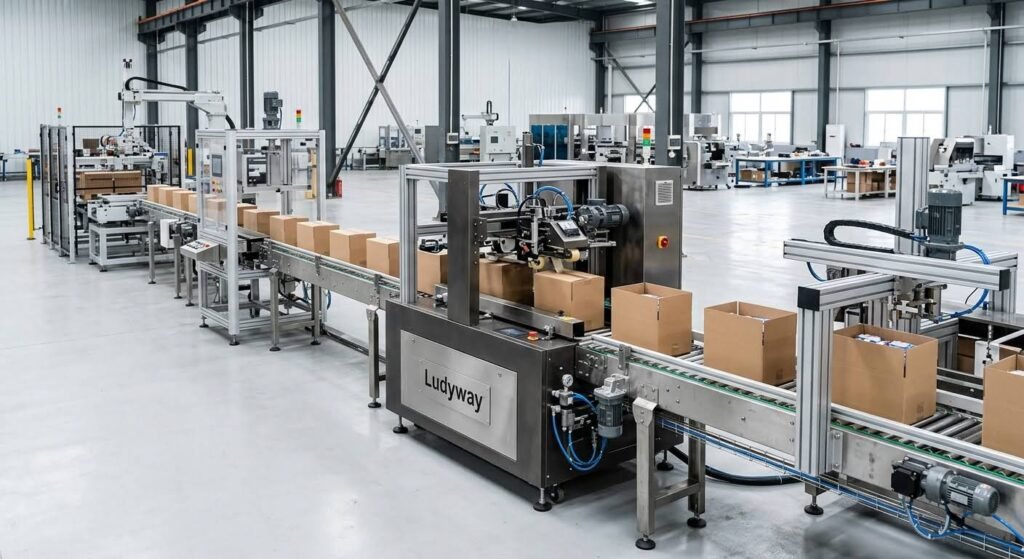
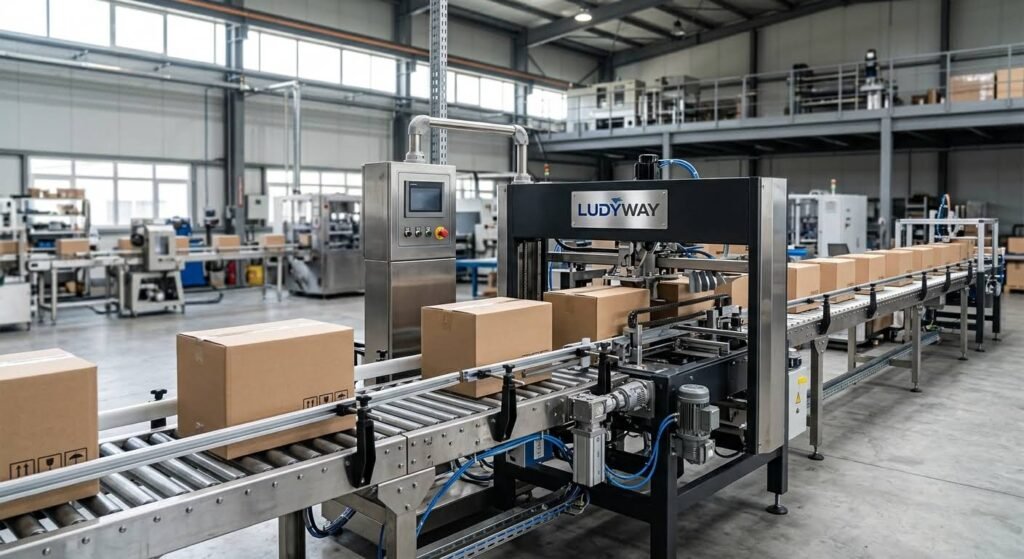
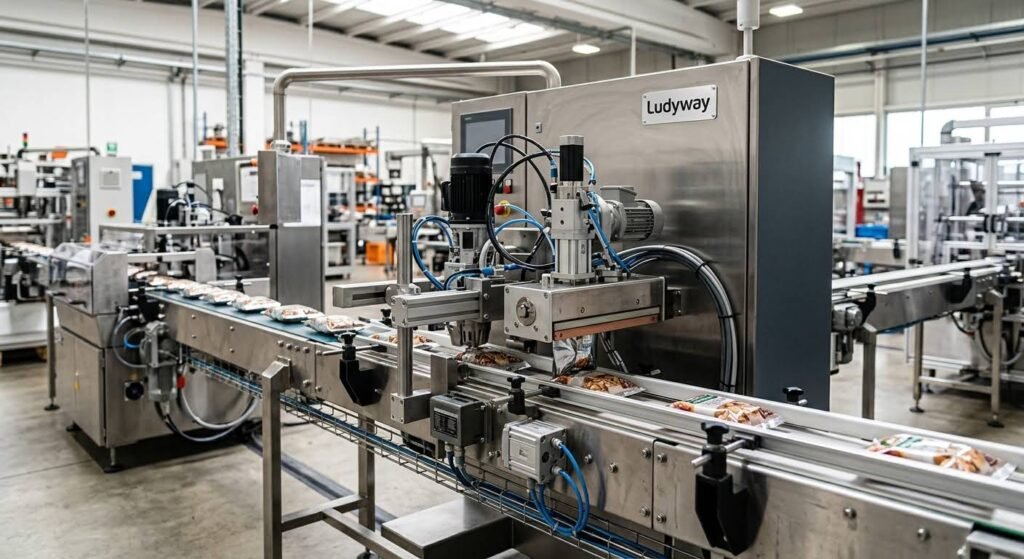
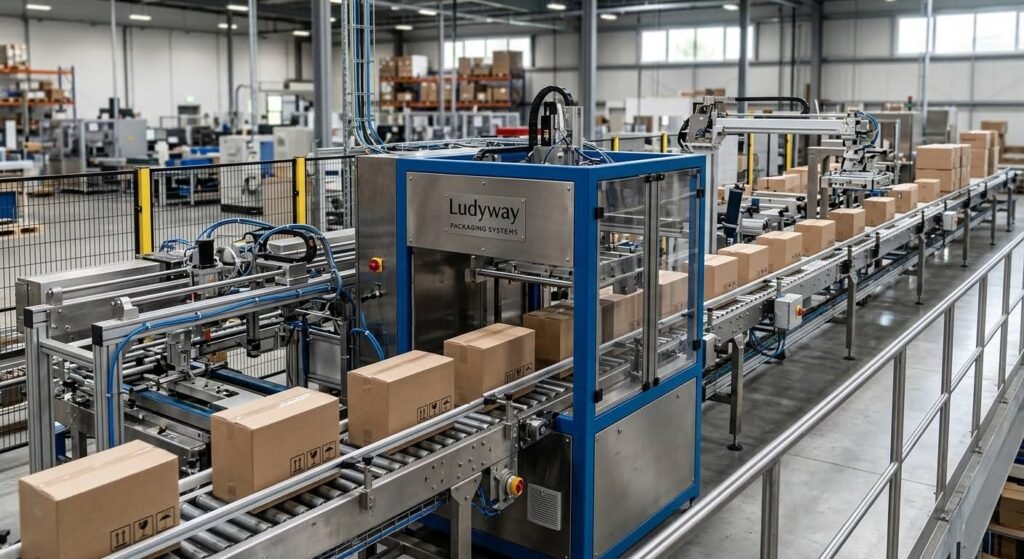
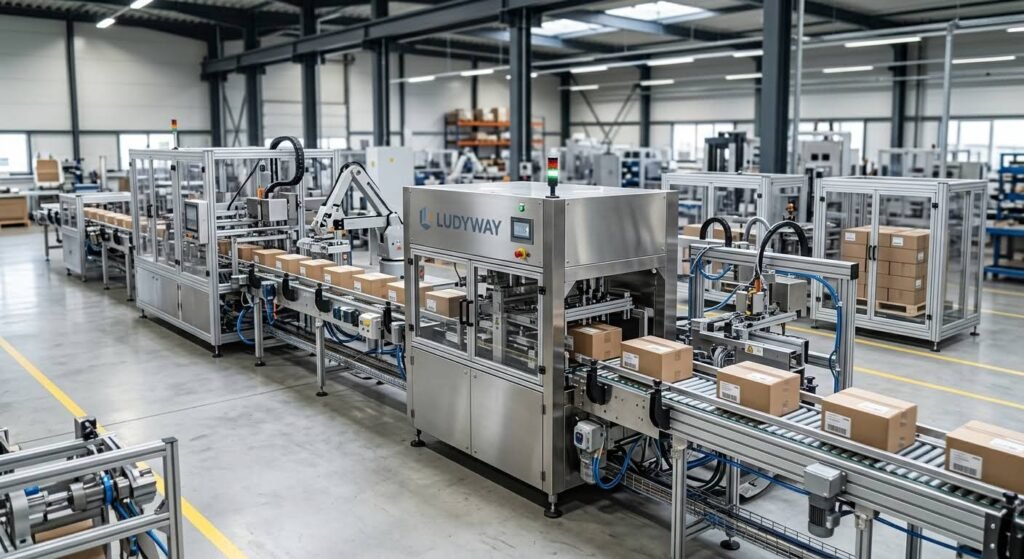
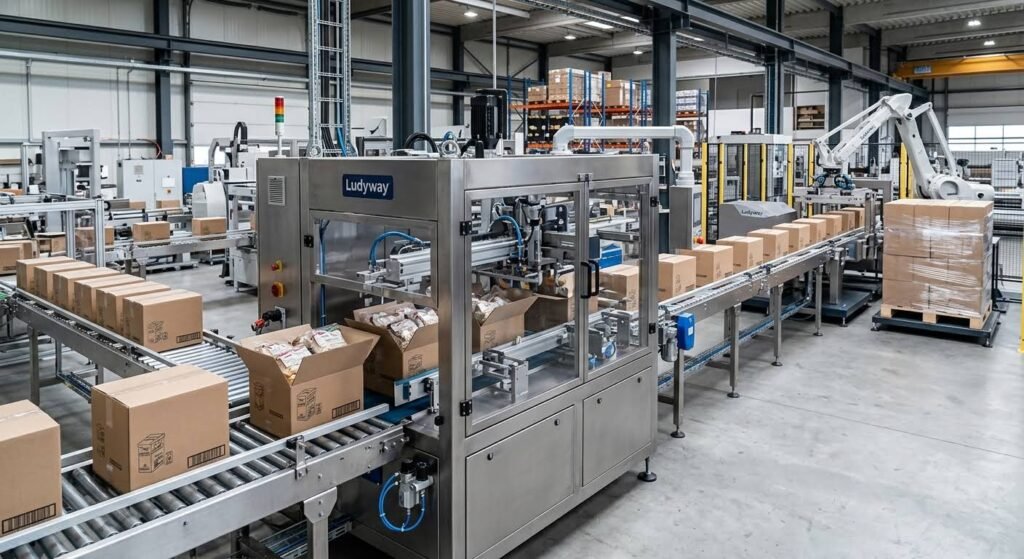
Selecting the right medical device packaging equipment is a critical decision that directly impacts product safety, regulatory compliance, and production efficiency. The packaging serves as the primary barrier against contamination and environmental factors, ensuring the sterility and integrity of medical devices from the manufacturing floor to the point of use. This guide explores the various types of equipment, their key features, and provides a structured approach to choosing the optimal system for your specific needs.
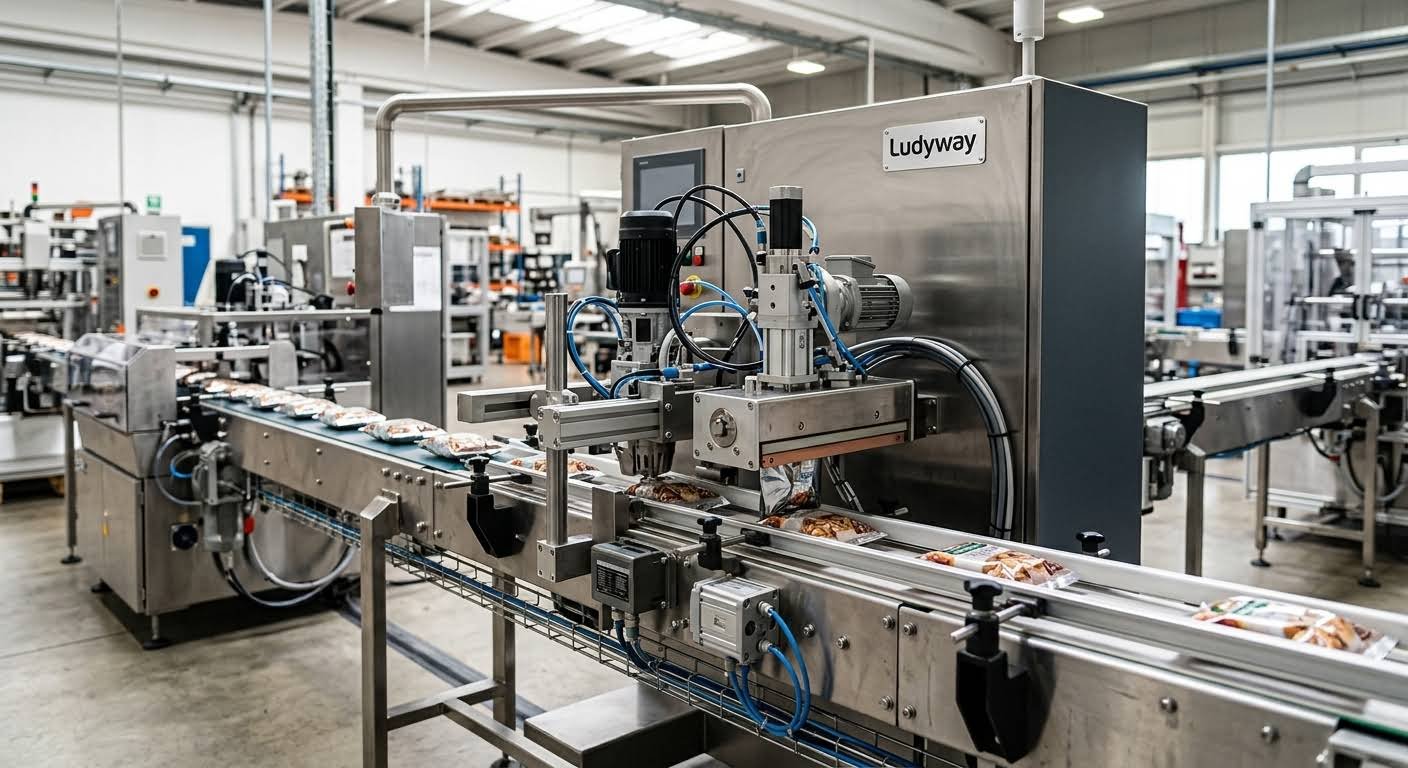
Primary Types of Medical Device Packaging Equipment
The medical device industry utilizes several specialized packaging systems, each designed for different product forms, materials, and throughput requirements.
Thermoform-Fill-Seal (TFFS) Machines
These are among the most common systems for sterile device packaging. A TFFS machine uses heat to form a cavity from a roll of thermoplastic film (like Tyvek® or a medical-grade plastic). The device is placed into the formed cavity, a lidding material (often a breathable film) is applied, and the package is hermetically sealed. This process is ideal for creating blister packs or trays for individual instruments, kits, or implants.
Key Advantage: TFFS systems offer excellent package integrity and are highly compatible with sterilization processes like Ethylene Oxide (EtO) and gamma radiation, as the lidding material allows sterilant penetration and aeration.
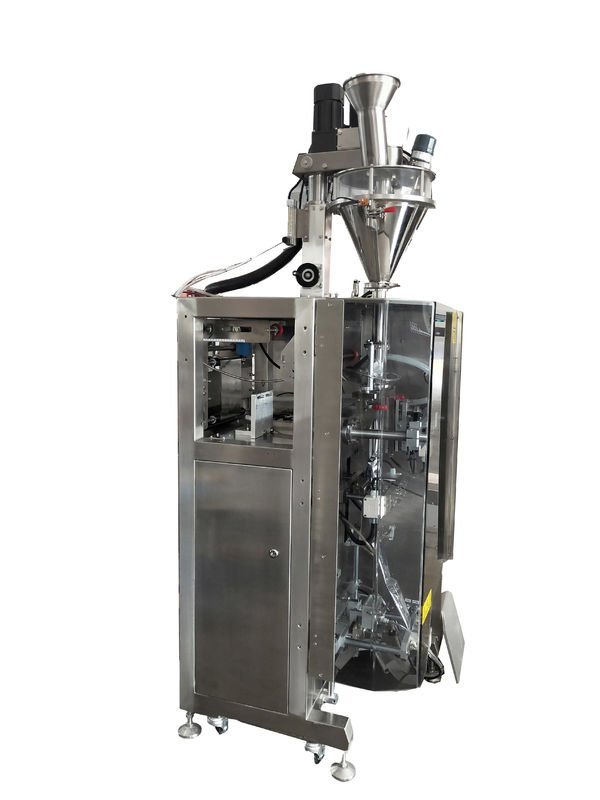
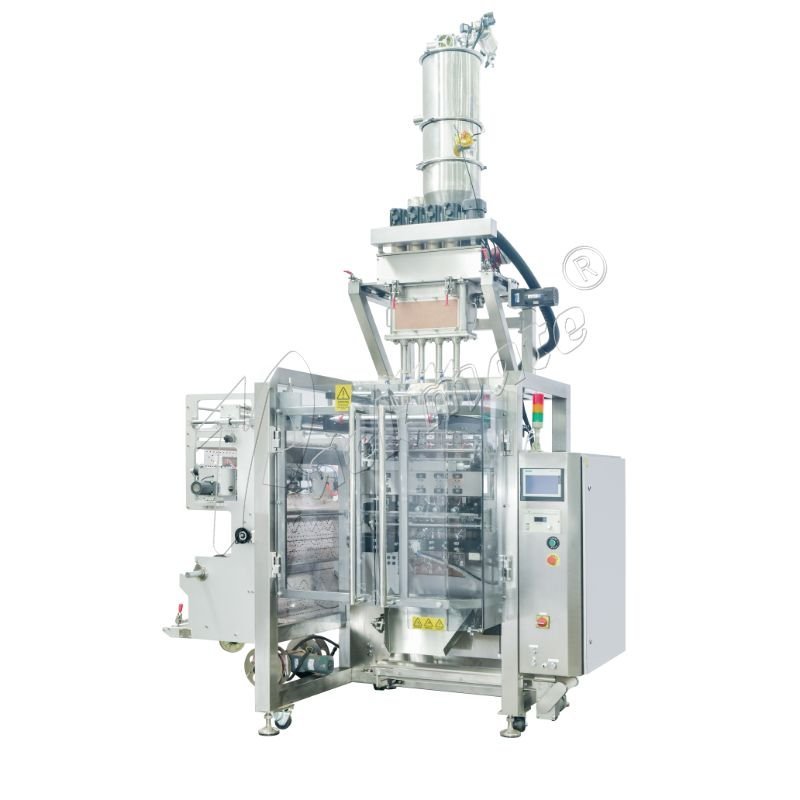
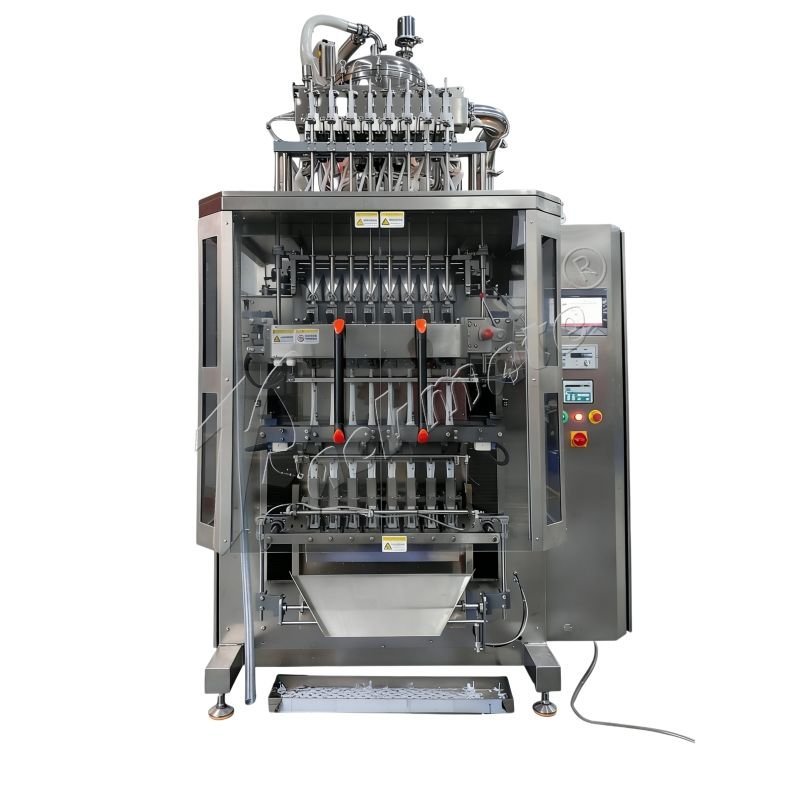
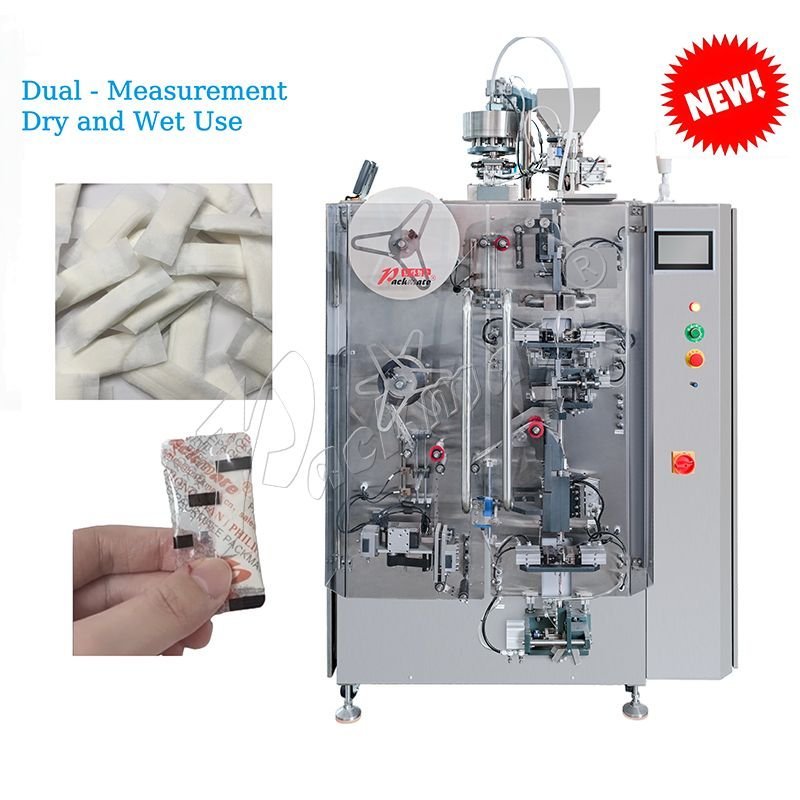
Vertical Form-Fill-Seal (VFFS) Machines
Commonly used for packaging non-sterile components, bulk items, or devices that are later sterilized in their final pouch. A VFFS machine forms a bag from a roll of flat film, fills it with the product, and seals it. It’s highly efficient for packaging items like gauze, swabs, or disposable components in single-use pouches.
Horizontal Flow Wrappers
This equipment wraps a device in a single sheet of film, creating a fin-seal or overlap seal. It is frequently used for packaging syringes, catheters, or surgical drapes that have a long, narrow profile. Flow wrappers provide a tight, conforming package that protects the product during shipping and handling.
Pouch Sealers and Tray Sealers
These are semi-automatic or automatic machines used to seal pre-made pouches or lidding onto pre-formed trays. They are versatile and often used for lower-volume production, clinical trial kits, or as part of a manual packaging line. Advanced models offer precise temperature, pressure, and dwell time control for consistent seals.
Essential Features and Capabilities to Evaluate
Beyond the basic type, the following features determine a machine’s suitability for medical device manufacturing.
1. Sterilization Compatibility
The equipment must produce packages that are compatible with your chosen sterilization method (e.g., EtO, Steam, Gamma, E-beam). This dictates the types of films and sealing parameters that can be used.
2. Material Handling and Gentleness
Systems should handle delicate, high-value devices without causing damage. Look for features like gentle product placement, vibration damping, and soft-touch conveyors.
3. Seal Integrity and Quality Control
Consistent, defect-free seals are non-negotiable. Key features include:
- Precise Thermal Control: For uniform seal strength.
- Integrated Vision Systems: For 100% inspection of seals, codes, and labels.
- Leak Detection Capability: Some systems can integrate non-destructive testing.
4. Regulatory Compliance (FDA, ISO 13485, MDR/IVDR)
The machine design should support compliance. This includes ease of cleaning, validation documentation (IQ/OQ/PQ), material traceability, and audit trails for process parameters.
⚠️ Critical Consideration: Changeover & Flexibility
If you package multiple product SKUs, evaluate the time and tooling required for changeovers. Quick-change features for forming plugs, seal dies, and film reels drastically reduce downtime and improve line efficiency.
How to Choose the Right Packaging System: A Step-by-Step Guide
Step 1: Define Your Product and Package Requirements
Start with a clear specification:
- Device Dimensions & Shape: Determines cavity size and forming method.
- Sterilization Method: Dictates film type and package design.
- Barrier Properties: Required shelf life defines moisture and oxygen barrier needs.
- Package Format: Blister, pouch, tray, or flow wrap?
Step 2: Analyze Production Volume and Speed
Match the machine’s output (packages per minute) to your current and forecasted demand. Consider future scalability. A reliable supplier with a broad portfolio can help you select a machine that won’t become a bottleneck.
Step 3: Evaluate Integration with Upstream/Downstream Processes
The packaging machine is one node in the production line. Ensure it integrates seamlessly with upstream equipment (like cleanroom conveyors or assembly stations) and downstream systems (like labeling, cartoning, or sterilization loading).
Step 4: Prioritize Ease of Use and Maintenance
Complex machines require skilled operators. Look for user-friendly HMIs (Human-Machine Interfaces), comprehensive training from the vendor, and readily available spare parts. Low maintenance design reduces long-term operational costs.
Step 5: Assess Supplier Expertise and Support
The manufacturer’s experience in the medical field is paramount. Choose a partner like Ludyway Packing Machine that understands regulatory landscapes, offers robust validation support, and provides reliable after-sales service. Review their company history and client references in the medical sector.
Step 6: Consider Total Cost of Ownership (TCO)
Look beyond the initial purchase price. Factor in costs for:
- Utilities (power, compressed air)
- Preventive maintenance and spare parts
- Compatible packaging materials (film cost/roll)
- Potential future upgrades or modifications
A slightly higher initial investment in a more efficient, reliable machine often yields a lower TCO.
Frequently Asked Questions (FAQs)
Q1: What is the most critical factor in choosing medical device packaging equipment?
The single most critical factor is ensuring the package produced is fully validated for your specific sterilization process and maintains sterility until the point of use. All other features (speed, cost, flexibility) are secondary to this fundamental requirement.
Q2: Can I use the same machine for different sterilization methods?
Possibly, but it depends heavily on the packaging materials. The machine must be capable of handling and sealing the different films required for each method (e.g., breathable Tyvek for EtO vs. specific polymers for gamma radiation). Tooling and parameter changes will be necessary.
Q3: How important is machine validation (IQ/OQ/PQ)?
It is absolutely mandatory. Installation Qualification (IQ), Operational Qualification (OQ), and Performance Qualification (PQ) are required by regulators (FDA, notified bodies) to prove the equipment consistently performs as intended under your production conditions. Never purchase equipment from a supplier who cannot provide full support for this process.
Q4: What are common causes of packaging defects, and how can equipment help prevent them?
Common defects include weak seals, wrinkles, tears, and incomplete forming. Modern equipment prevents these through precise temperature and pressure control, high-quality forming stations, and integrated vision inspection systems that reject faulty packages automatically.
Q5: How do I future-proof my packaging equipment investment?
Select a modular system from a supplier with a strong innovation track record. Consider potential needs for serialization/track-and-trace, higher speeds, or new package formats. Choosing a partner committed to R&D, like those with extensive industry experience, ensures access to upgrades and new technologies.