In today’s fast-paced manufacturing environment, efficient and reliable packaging is crucial for product integrity, brand presentation, and operational success. For professionals in the food, pharmaceutical, and health industries, selecting the right packaging machinery is a critical decision. This comprehensive PDF guide serves as an essential resource, detailing the various types of packaging machinery, key design specifications, practical selection tips, and where to find valuable free download resources to inform your investment.
Understanding the Landscape: Core Types of Packaging Machinery
The world of packaging machinery is diverse, with equipment designed for specific materials, product forms, and production speeds. Understanding these core types is the first step in making an informed choice.
Primary Packaging Machinery Categories
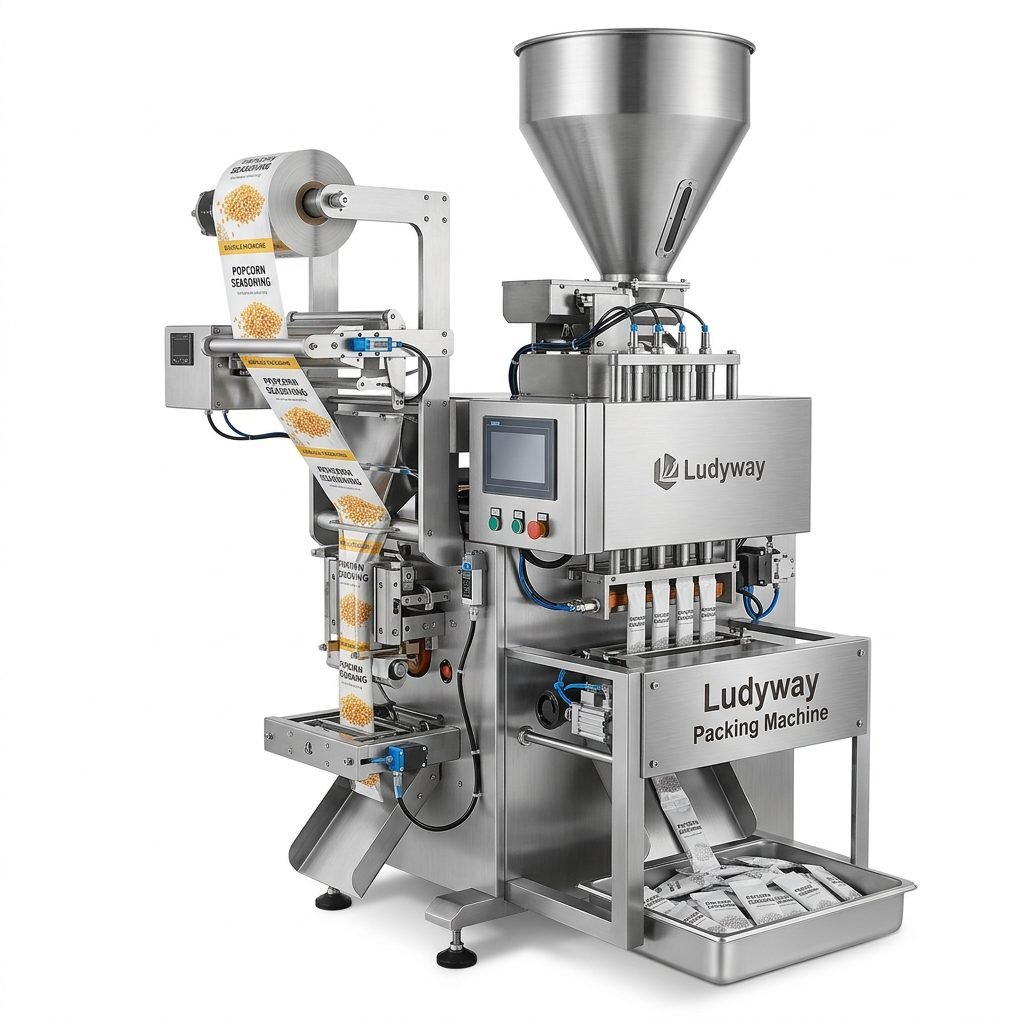
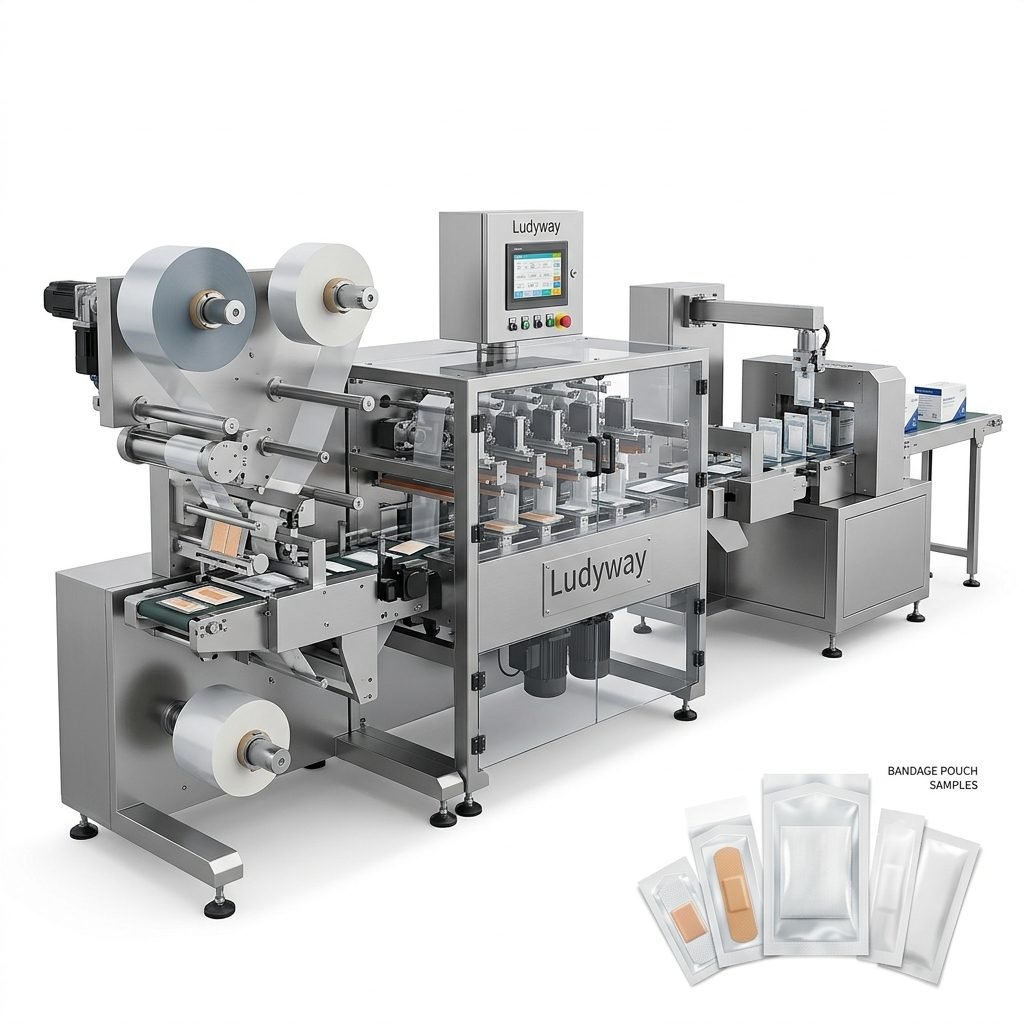
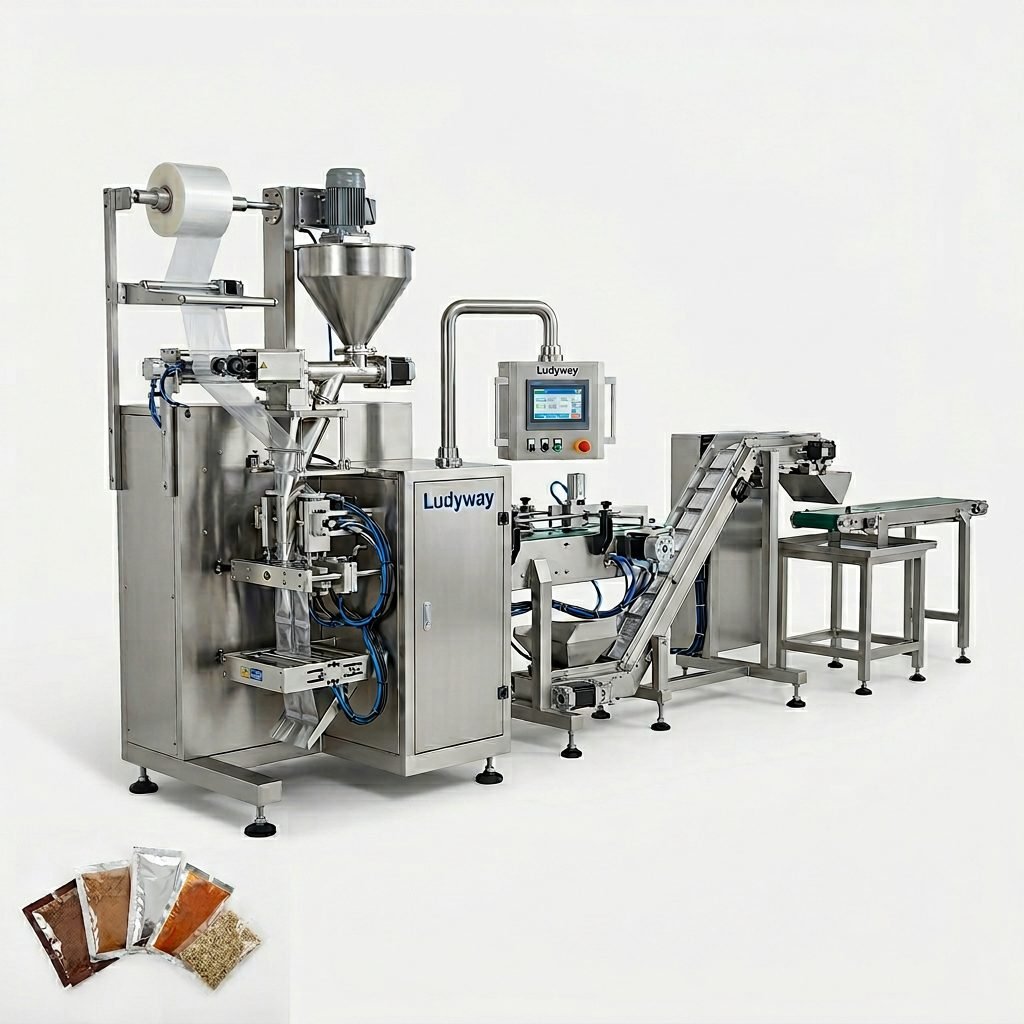
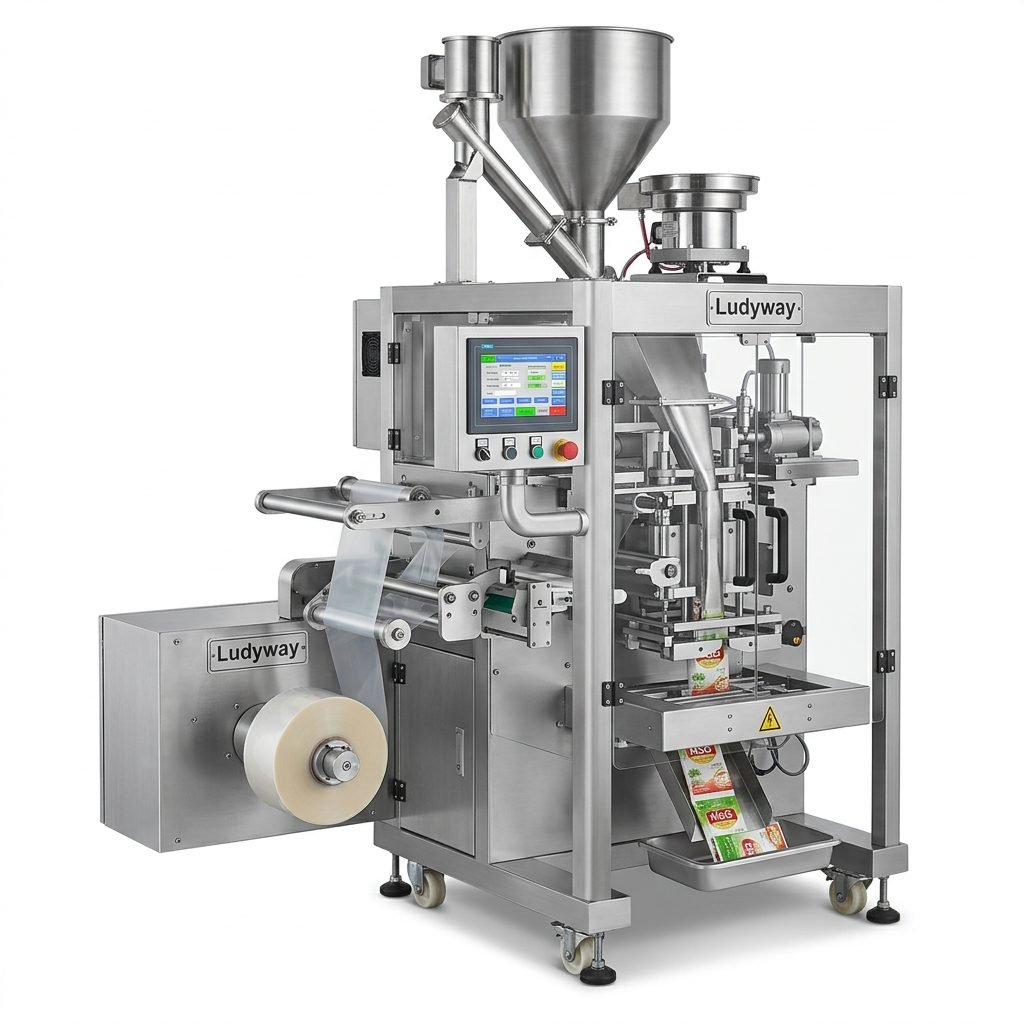
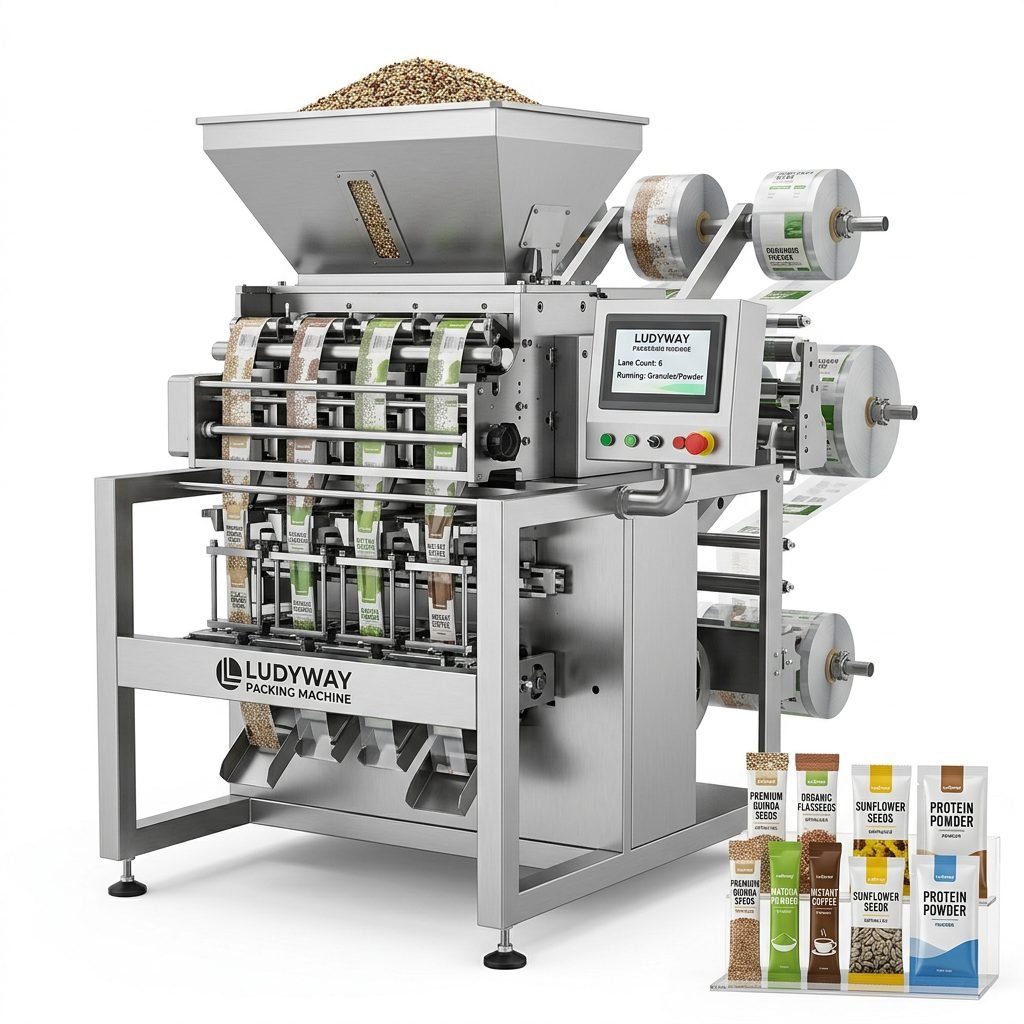
Filling and Sealing Machines: This broad category includes machines that dose a product into a pouch, sachet, or stick pack and then hermetically seal it. They are ideal for granules, powders, liquids, and pastes. Common variants are vertical form-fill-seal (VFFS) and horizontal form-fill-seal (HFFS) machines.
Cartoning and Case Packing Equipment: These machines automate the loading of primary packages (like sachets or bottles) into cartons or shipping cases. They are vital for achieving high-speed secondary packaging and palletizing readiness.
Labeling and Coding Systems: Crucial for compliance and branding, this equipment applies labels, prints batch codes, expiration dates, and other variable information directly onto the primary or secondary packaging.
Specialized Systems for Different Product Forms
Granule & Powder Packers: Designed with precision auger or cup filler systems to handle free-flowing and non-free-flowing dry products with high accuracy.
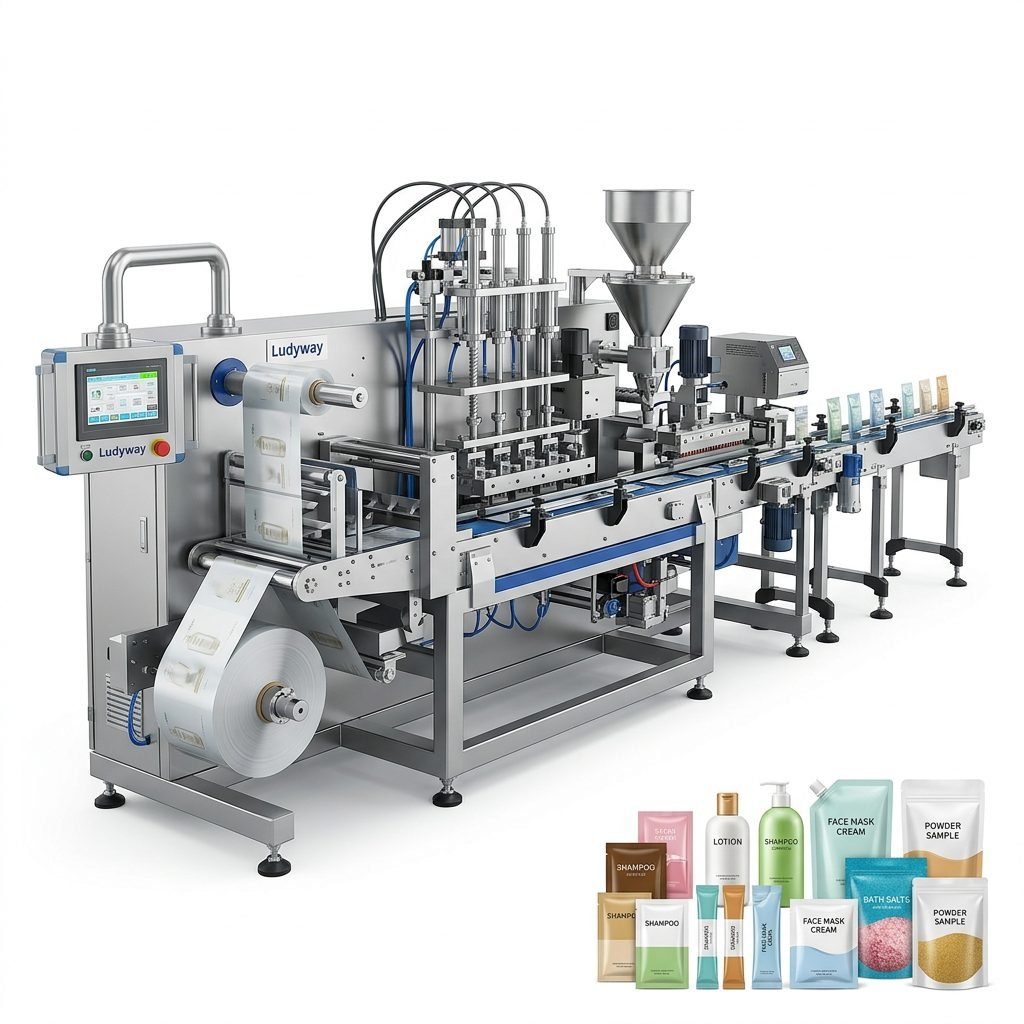
Liquid Filling Machines: Utilize piston, peristaltic, or gravity fillers to handle a wide range of viscosities, from water-like fluids to thick creams and oils.
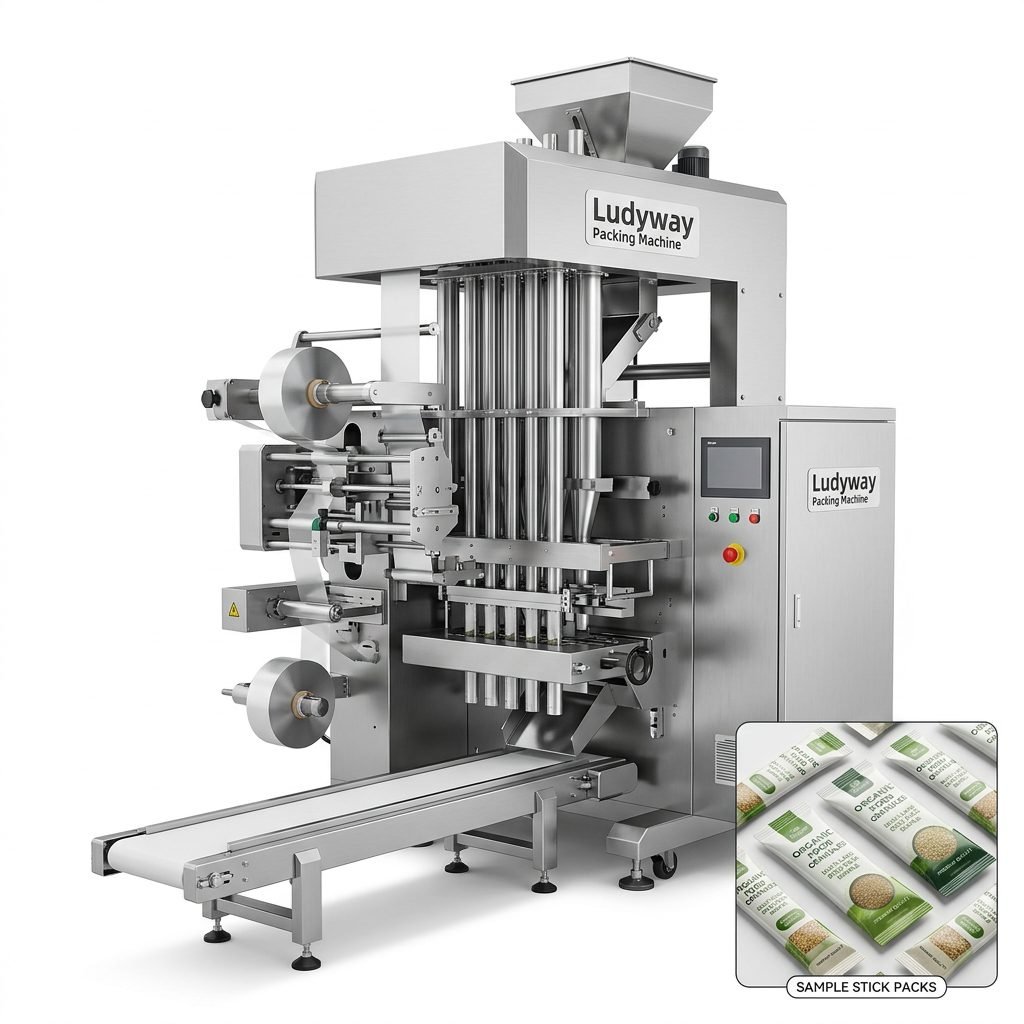
Stick Pack & Sachet Machines: Extremely popular for single-serve portions in food, beverage, and pharmaceutical samples. They offer excellent barrier properties and consumer convenience.
Decoding the Specifications: Key Design and Performance Factors
Beyond the machine type, delving into the technical specifications is where your project’s requirements meet the equipment’s capabilities. Here are the critical specs to analyze.
Speed and Output Capacity
Measured in packs per minute (PPM), this is a primary driver of production efficiency. It’s essential to match the machine’s maximum speed with your current and future projected output needs. Remember, sustainable operating speed is often more important than peak theoretical speed.
Accuracy and Precision
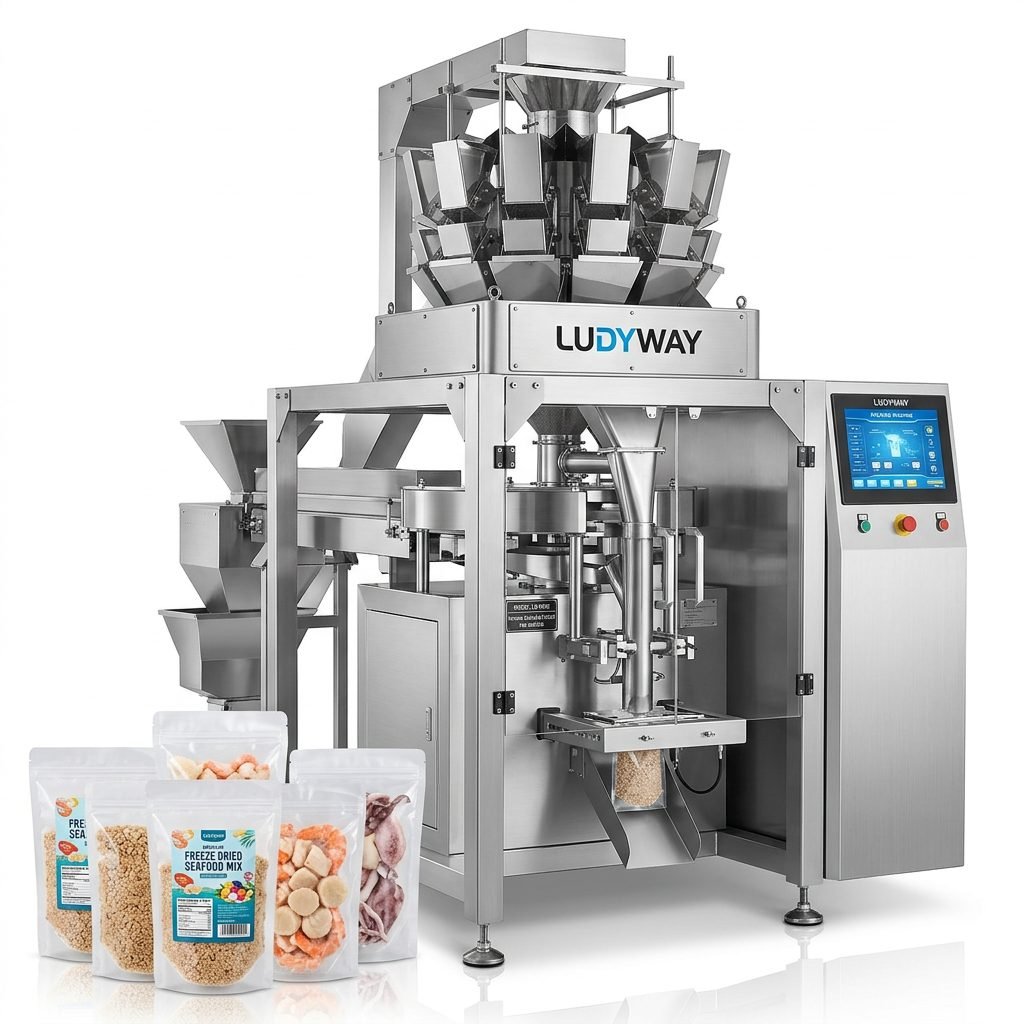
For filling operations, weight or volume accuracy is paramount to avoid product giveaways and ensure regulatory compliance. Look for machines with high-precision filling systems (e.g., servo-driven augers, precision pistons) and integrated check-weighing capabilities.
Material Compatibility and Machine Construction
The machine must be compatible with your packaging film or material (e.g., laminate structures, PET, PE). Furthermore, the construction materials of the machine itself are critical for hygiene and durability. For food and pharmaceutical applications, stainless steel (especially 304 or 316 grade) contact parts are a standard requirement for easy cleaning and corrosion resistance.
Automation and Integration Level
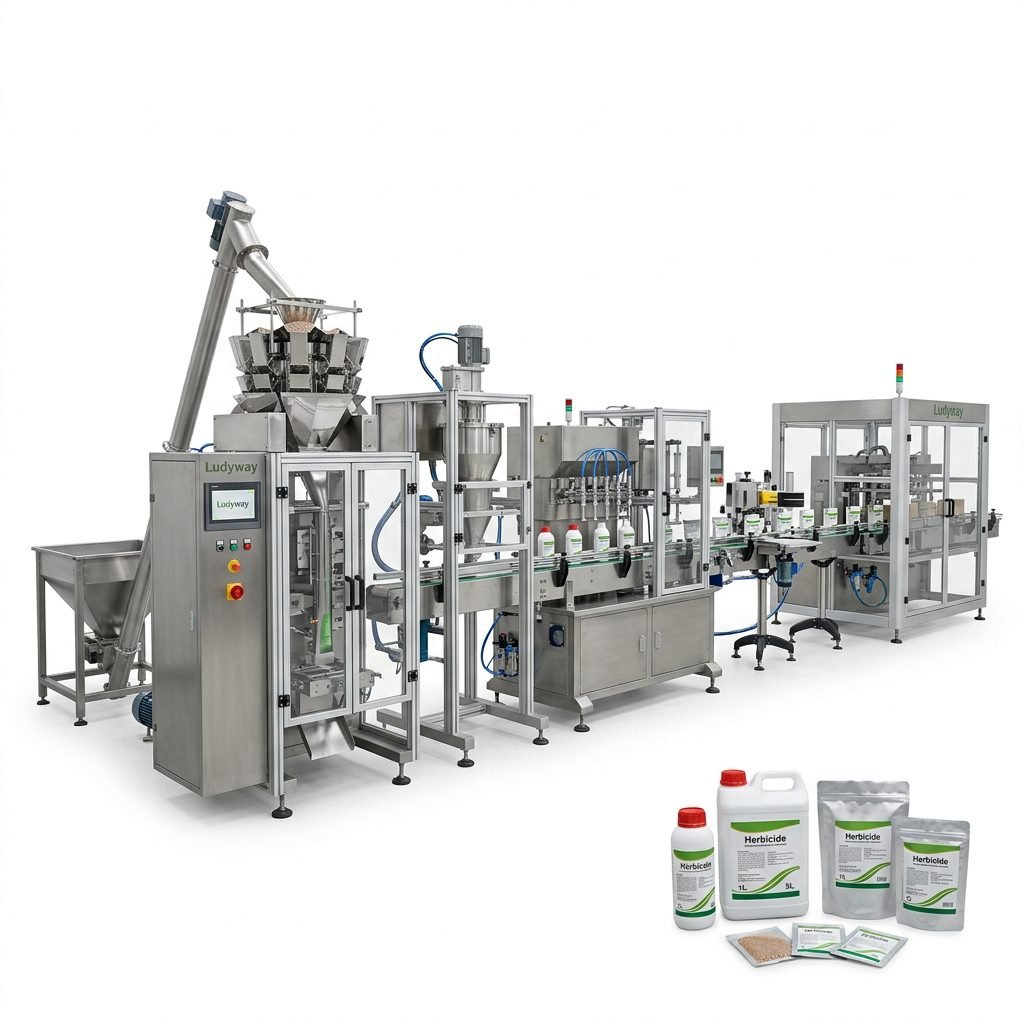
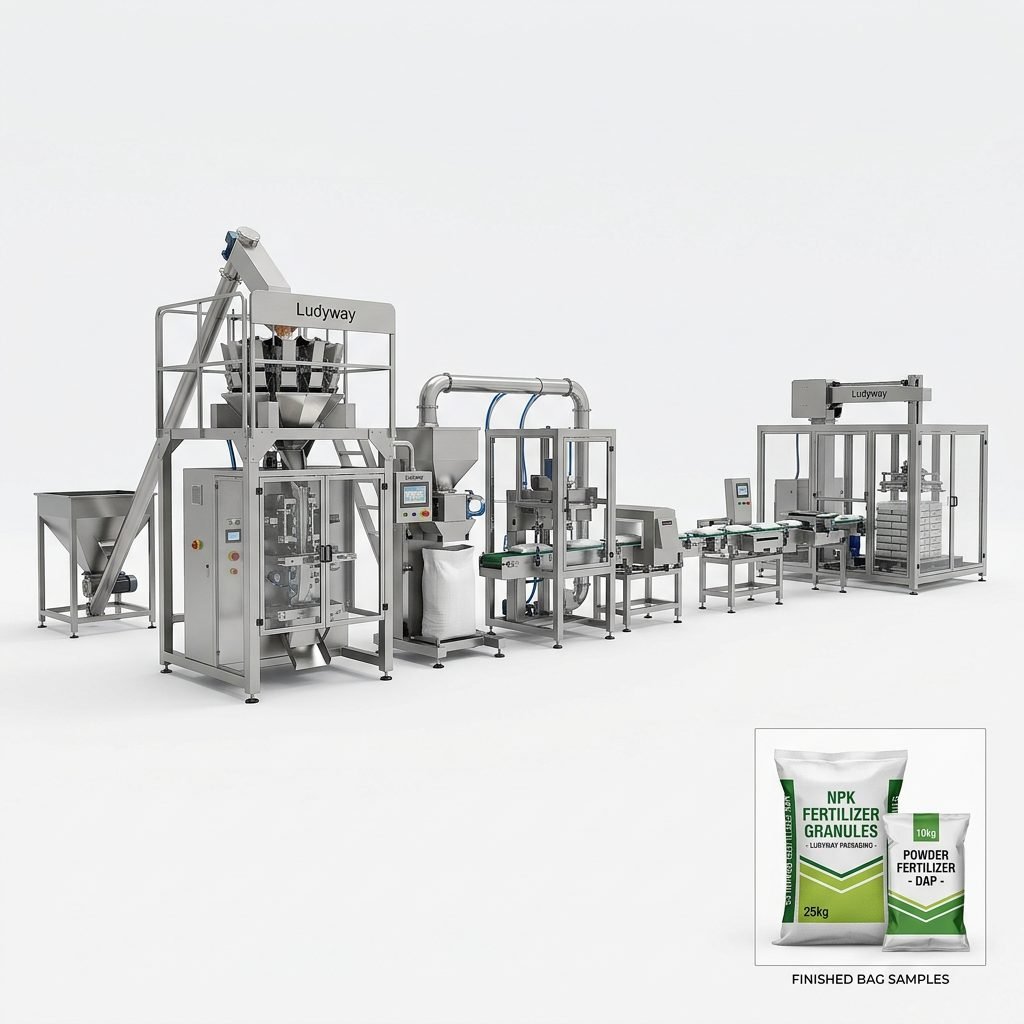
Consider the level of automation needed. Options range from semi-automatic machines requiring manual feeding to fully automated lines integrated with upstream and downstream equipment like mixers, conveyors, and cartoners. Modern machines often feature PLC control systems with touchscreen HMIs for easy operation and recipe management.
Strategic Selection: A Step-by-Step Guide to Choosing Your Machine
Selecting packaging machinery is an investment. A structured approach minimizes risk and ensures the chosen solution delivers long-term value.
Step 1: Define Your Product and Packaging Parameters
Start with absolute clarity on your product’s physical characteristics (form, density, flowability) and your desired final package (type, size, material). Create detailed samples and specifications.
Step 2: Quantify Your Production Requirements
Establish clear metrics: required output per shift/day, number of shift operations, and desired efficiency rate. This will directly point you towards the necessary machine speed and robustness.
Pro Tip: Always plan for future growth. Selecting a machine that can operate at 20-30% above your current needs provides valuable headroom for business expansion without an immediate reinvestment.
Step 3: Evaluate Supplier Expertise and Support
The machine is only part of the solution. The supplier’s expertise is equally important. Look for a partner with proven experience in your specific industry (e.g., food safety standards, pharmaceutical validation protocols). Assess their technical support, availability of spare parts, and training offerings. A supplier like Ludyway Packaging Machinery, with deep industry roots, can provide invaluable guidance beyond just equipment sales.
Step 4: Consider Total Cost of Ownership (TCO)
Look beyond the initial purchase price. Calculate the TCO by factoring in energy consumption, required maintenance, expected downtime, cost of consumables (like sealing jaws), and the potential cost of product waste due to inaccuracy.
Expanding Your Knowledge: Free Downloadable Resources
Fortunately, numerous high-quality resources are available online to aid your research without cost. These materials can provide deeper technical insights and industry benchmarks.
Where to Find Valuable Guides and Catalogs
Manufacturer Websites: Reputable machinery manufacturers often provide detailed product brochures, specification sheets, and white papers. For example, you can explore the range of sachet packaging machine solutions available through technical catalogs.
Industry Associations: Organizations like PMMI (The Association for Packaging and Processing Technologies) offer a wealth of educational content, including guides on packaging trends and technology selection.
Technical Publications and Portals: Websites dedicated to processing and packaging engineering frequently publish in-depth articles, comparison charts, and downloadable checklists for machine procurement.
Leveraging these free packaging equipment resources can significantly enhance your understanding and prepare you for more productive discussions with potential suppliers.
Conclusion and Next Steps
Navigating the selection of packaging machinery requires a careful balance of technical understanding and strategic planning. By thoroughly assessing the types of equipment available, scrutinizing key design specifications, following a disciplined selection process, and utilizing free expert resources, you can make a confident investment that boosts your production efficiency, ensures product quality, and scales with your business. The right machinery, supported by the right partner, becomes a cornerstone of your operational success.
Frequently Asked Questions (FAQs)
What is the main difference between a vertical (VFFS) and a horizontal (HFFS) form-fill-seal machine?
VFFS machines form the packaging bag from a roll of film vertically, fill the product, and then seal it. They are typically more space-efficient and common for granular, powdered, and liquid products. HFFS machines form the pouch in a horizontal plane and are often used for more complex packaging, like multi-lane sachets or products that need to be placed, not poured.
How important is machine flexibility for handling multiple products?
Flexibility is crucial if you plan to run different product sizes or types on the same line. Look for machines with quick-change parts (like augers, filler heads, and forming tubes) and digital recipe storage in the PLC. This minimizes changeover time and reduces downtime, making your operation more agile.
What are the key hygiene considerations for food or pharmaceutical packaging machines?
Hygiene is non-negotiable. Key features include: stainless steel construction on all product contact surfaces, a design with minimal crevices or dead spots, easy access for cleaning and inspection (sometimes CIP/SIP systems), and compliance with relevant standards like EHEDG, FDA, or cGMP guidelines.
Can I get a machine customized for my unique packaging needs?
Yes, many reputable suppliers offer customization and turnkey solutions. This can range from modifying a standard machine frame to accommodate a unique filler, to designing a complete integrated line from product feeding to case packing. It’s essential to communicate your specific requirements clearly during the initial consultation phase.
Where can I see the machinery in operation before purchasing?
Requesting a live product test or a video demonstration is a standard and highly recommended step. A reputable supplier should be able to run your specific product and packaging material on their equipment (either at their facility or via a partner’s site) to prove performance and output quality before you commit to a purchase. Exploring a supplier’s packaging machinery capabilities through case studies and demo videos is a great starting point.