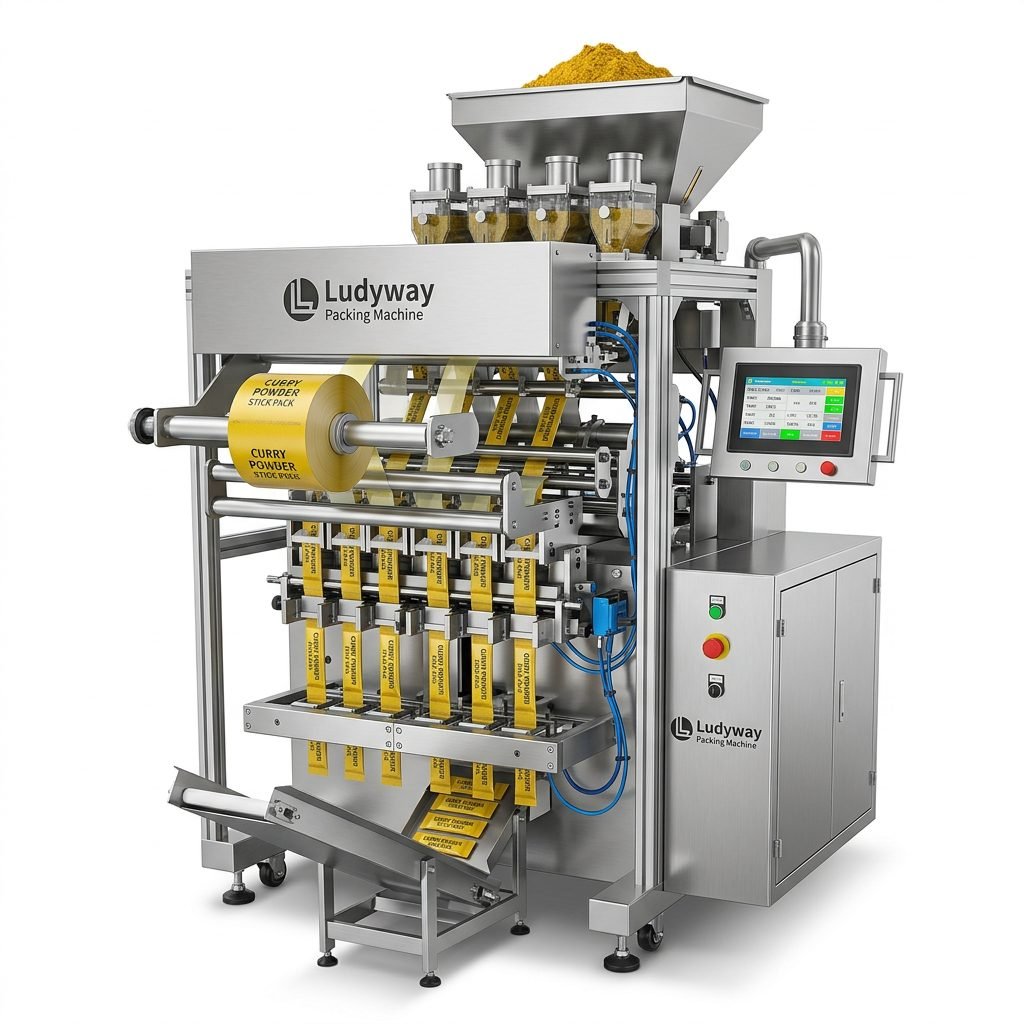
Selecting the right packaging equipment is a critical decision for any manufacturing or production business. The correct machinery can significantly enhance efficiency, reduce waste, ensure product safety, and improve your bottom line. However, with a vast array of packaging machine types, configurations, and suppliers available, the selection process can be daunting. This guide will walk you through the key factors to consider, explore the main types of packaging equipment, and provide insights into cost considerations to help you make an informed investment.
Understanding Your Core Packaging Requirements
Before diving into specific machine models, it’s essential to have a clear understanding of your own operational needs. This foundational step will narrow down your choices and prevent costly mismatches.
Product Characteristics
The nature of your product dictates the machine’s functional requirements. Consider the following:
Physical Form: Is your product a granule (like coffee or seeds), a powder (like flour or protein powder), a liquid (like sauce or shampoo), or a solid item? Each form requires different feeding, dosing, and sealing mechanisms.
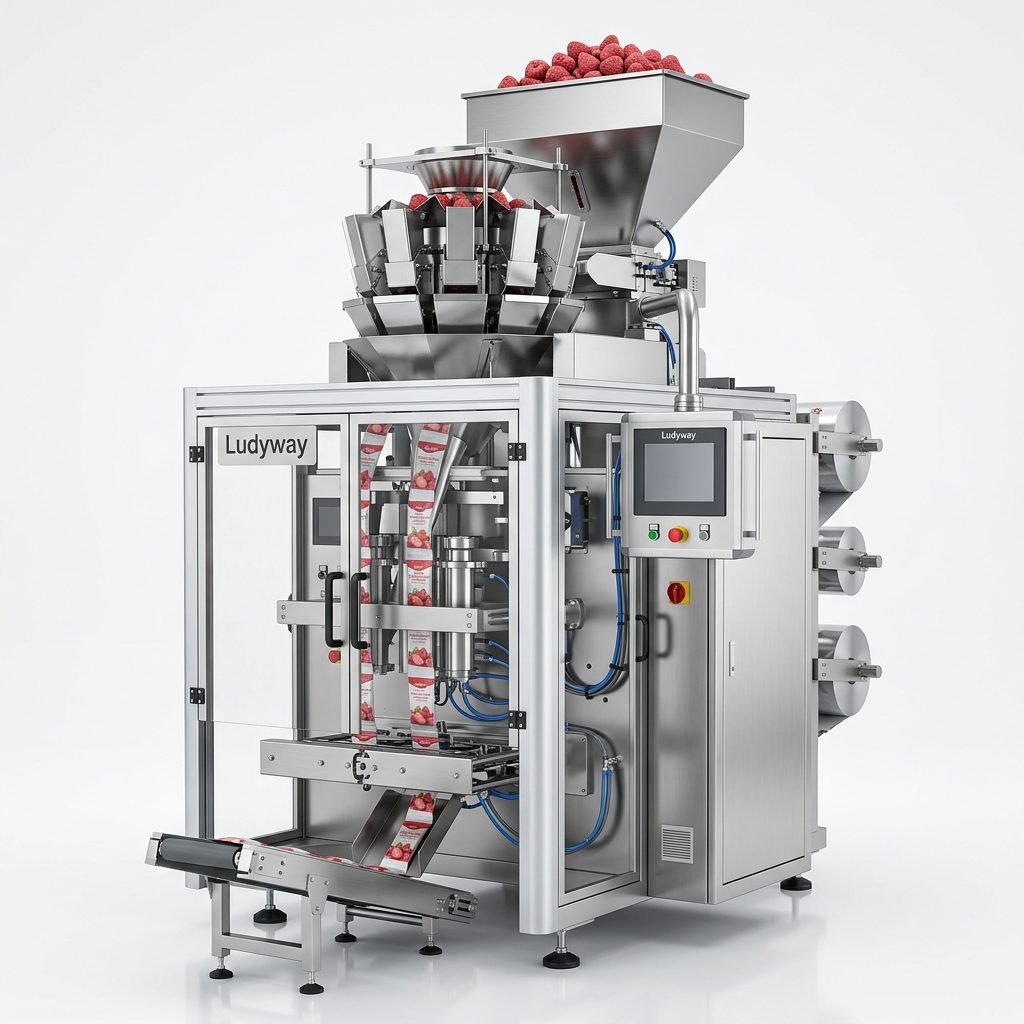
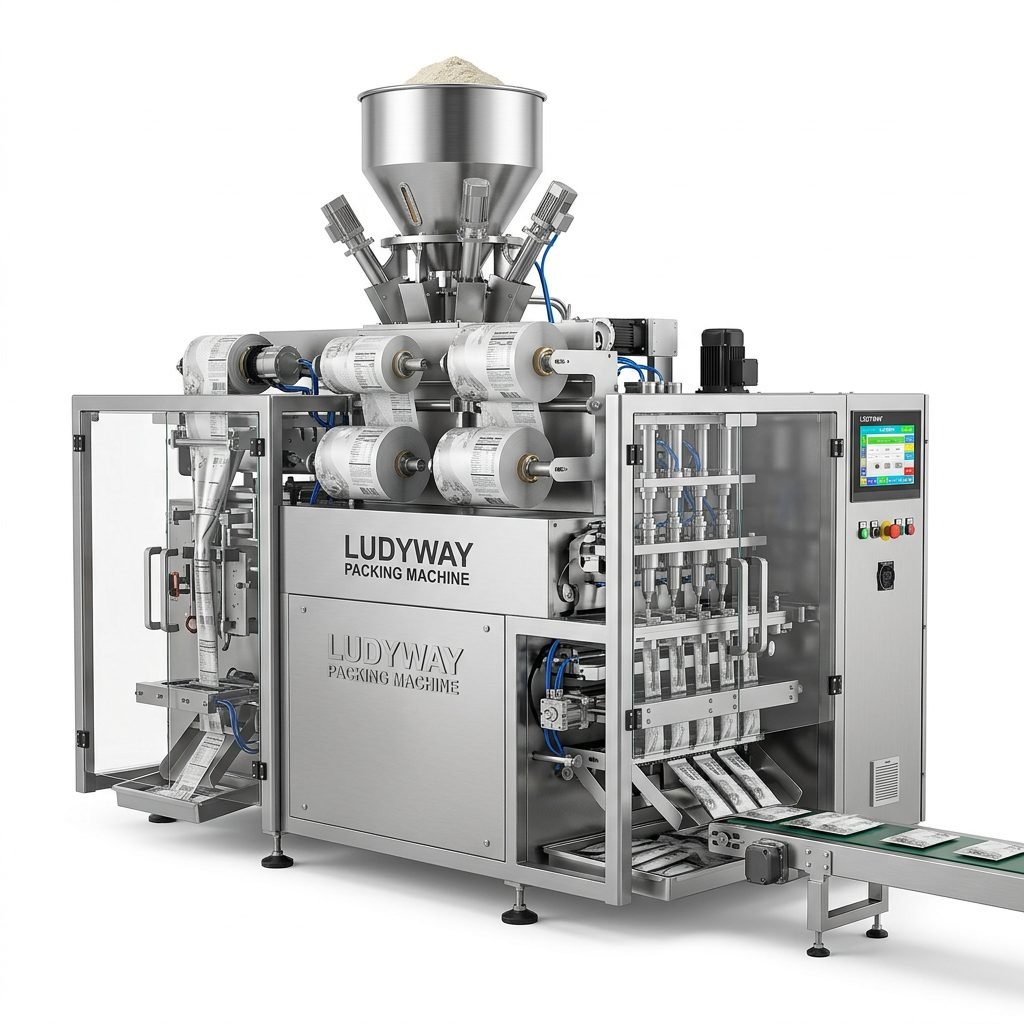
Packaging Speed (Output): Calculate your required output in packages per minute (PPM) or per hour. This is a primary driver of machine cost and complexity. A single-lane sachet machine may suffice for low-volume production, while a multi-lane stick pack machine is designed for high-speed output.
Packaging Material: The machine must be compatible with your chosen film or laminate (e.g., PET/AL/PE, OPP/CPP). Consider barrier properties for product freshness and the machine’s sealing technology (heat seal, ultrasonic seal).
Production Environment & Future Growth
Your factory’s conditions and your business trajectory are equally important.
Available Space: Measure your floor space accurately. Some automated packaging solutions are compact, while full production lines require significant layout planning.
Hygiene Standards: For food, pharmaceutical, or health products, equipment must meet specific hygiene codes (e.g., FDA, GMP). Look for features like stainless steel contact parts and easy-clean designs.
Scalability: Will your production needs increase in 2-3 years? Investing in a slightly more capable machine or a modular system from a provider like Ludyway Packaging Machinery can save you from a premature upgrade.
Key Types of Packaging Equipment
Packaging machinery can be categorized by function and the type of package it creates. Here are the most common types relevant to granule, powder, and liquid products.
Vertical Form-Fill-Seal (VFFS) Machines
These are the workhorses of the industry for creating bags from a roll of film. The machine forms a tube, fills it with product, and seals it vertically, creating pillow packs, gusseted bags, or block-bottom bags. Ideal for snacks, granules, and powders.
Horizontal Form-Fill-Seal (HFFS) Machines
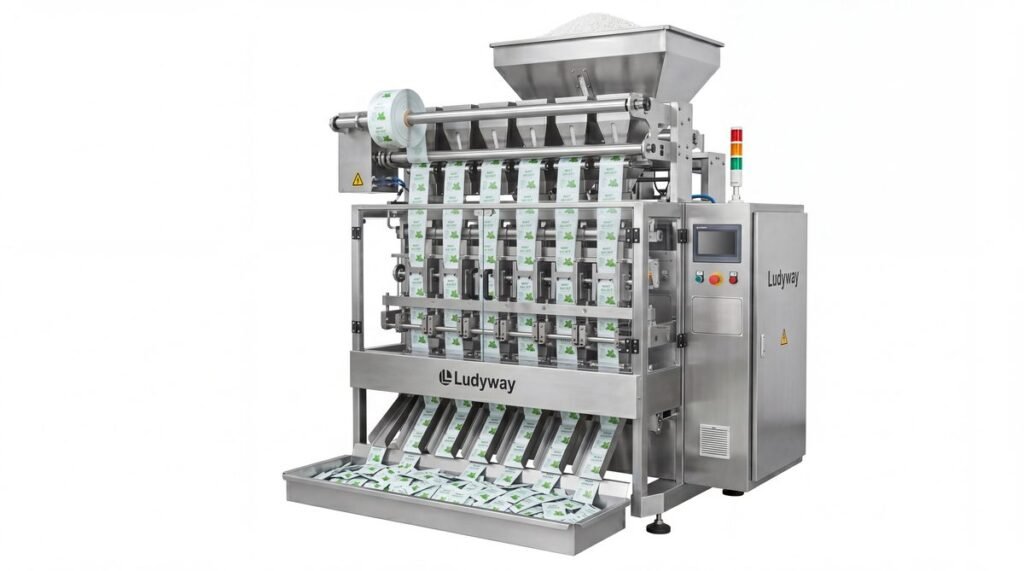
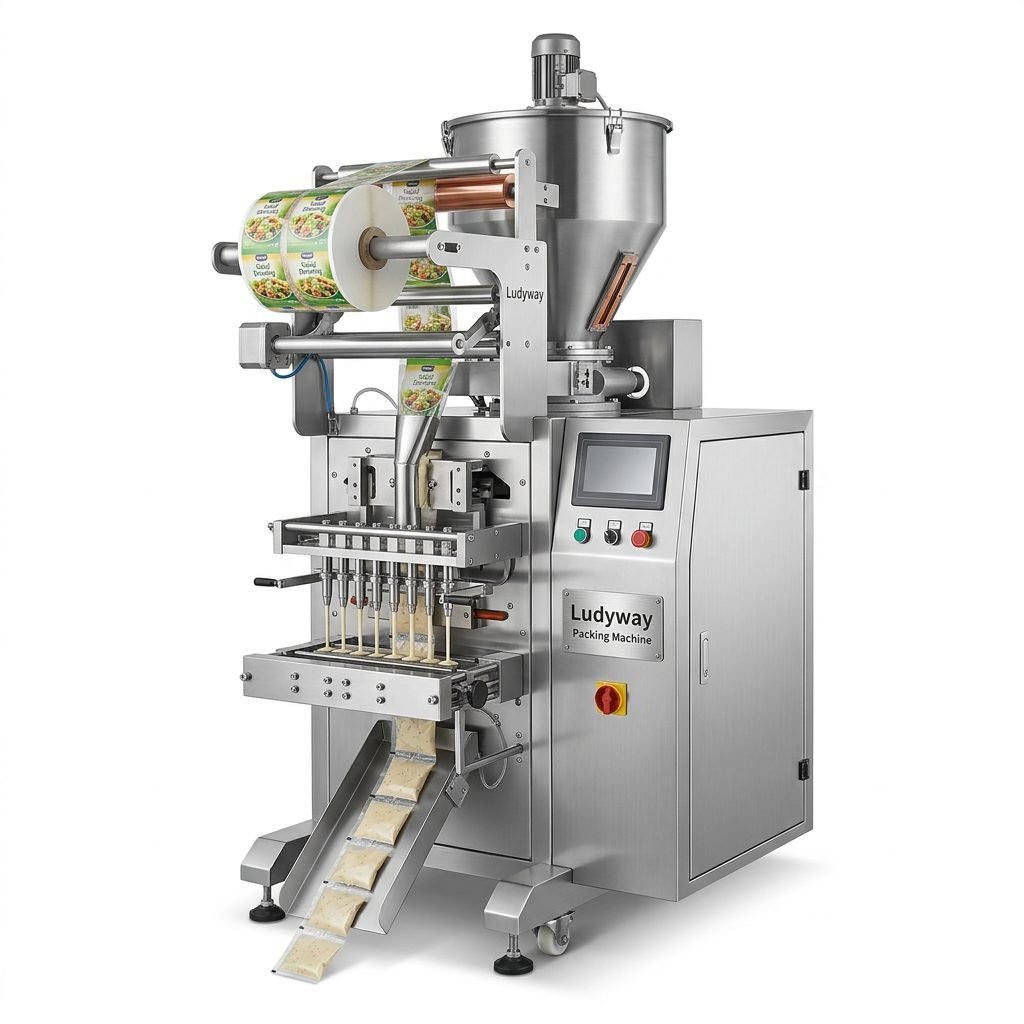
Primarily used for creating sachet and stick pack packaging. The film is fed horizontally, formed into pockets, filled, and then sealed. Perfect for single-serve portions of sauces, condiments, shampoo, or instant beverages. Multi-lane HFFS machines offer very high speeds.
Liquid & Piston Filling Machines
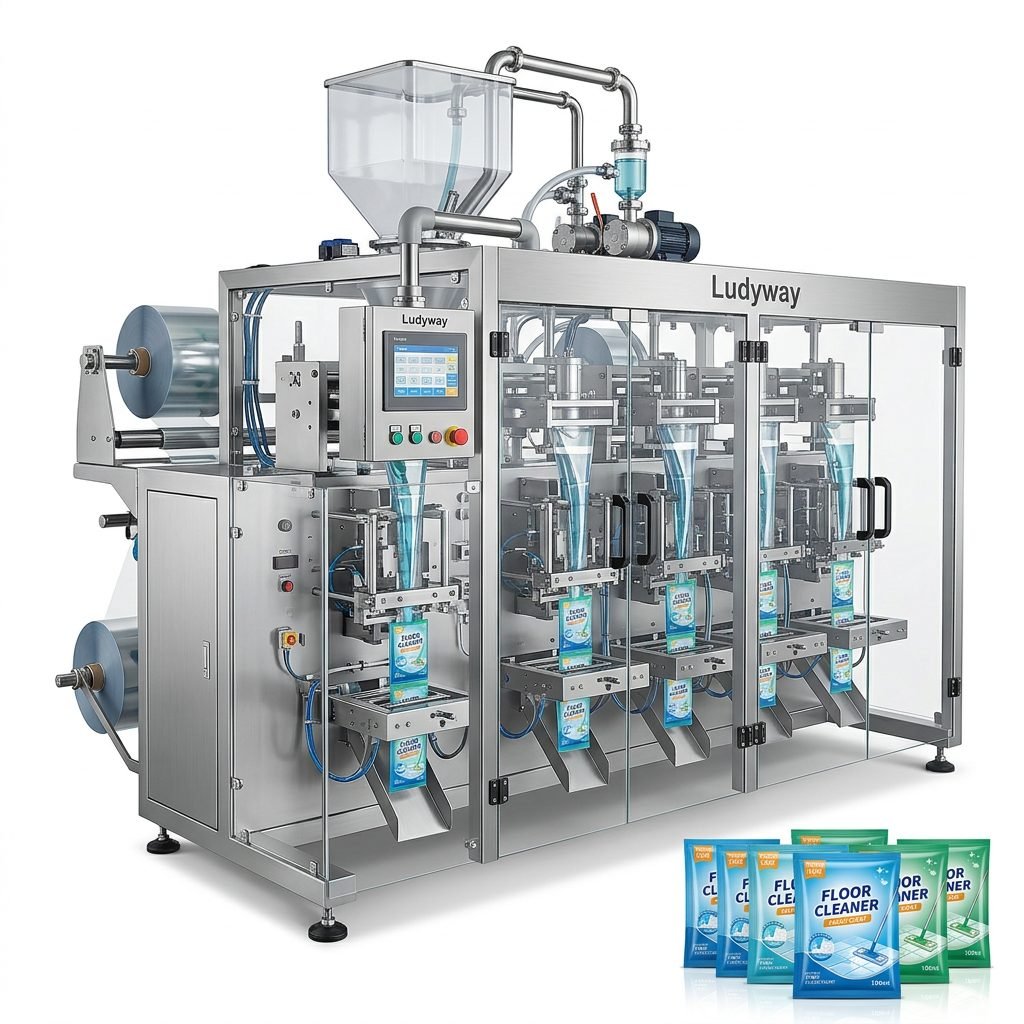
Designed specifically for viscous and liquid products. They use precise piston cylinders to draw and dispense a set volume into bottles, pouches, or sachets. Accuracy is paramount to avoid give-away and ensure compliance.
Turnkey Production Lines
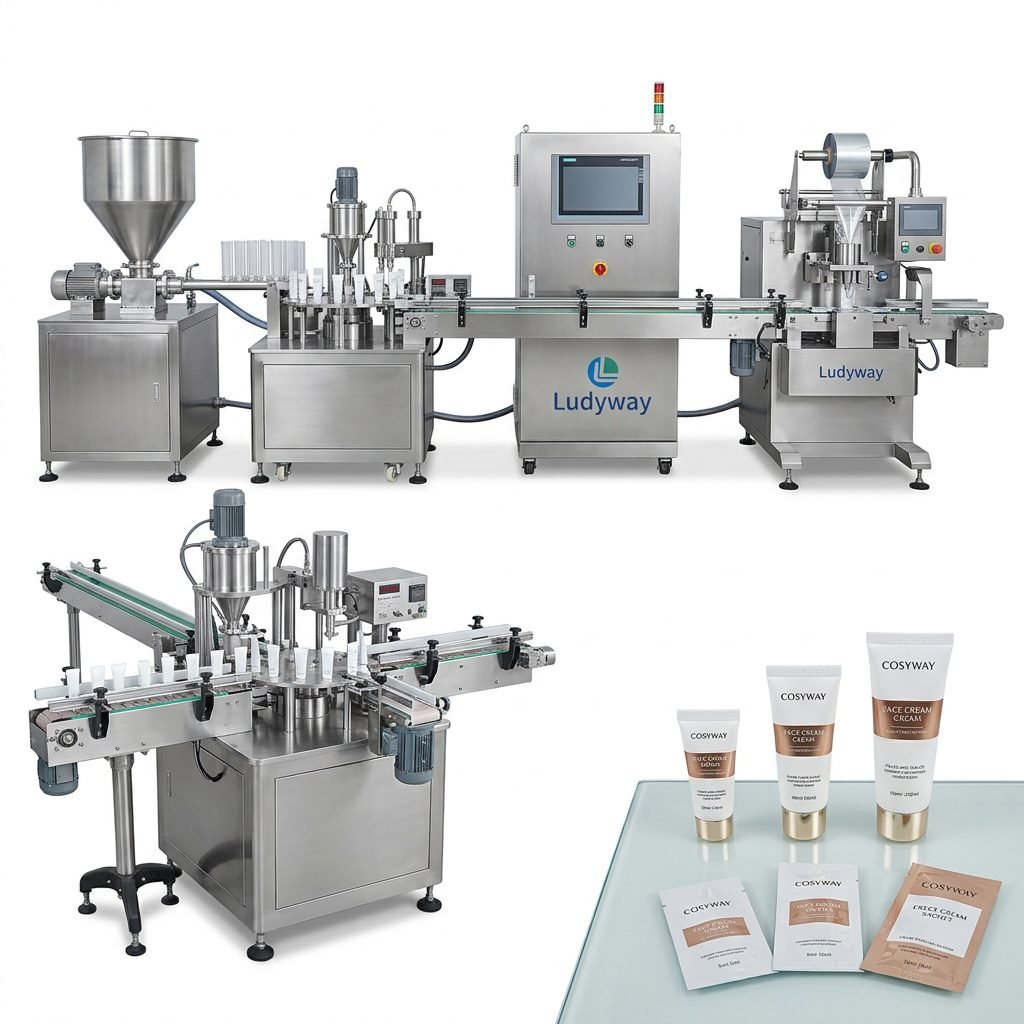
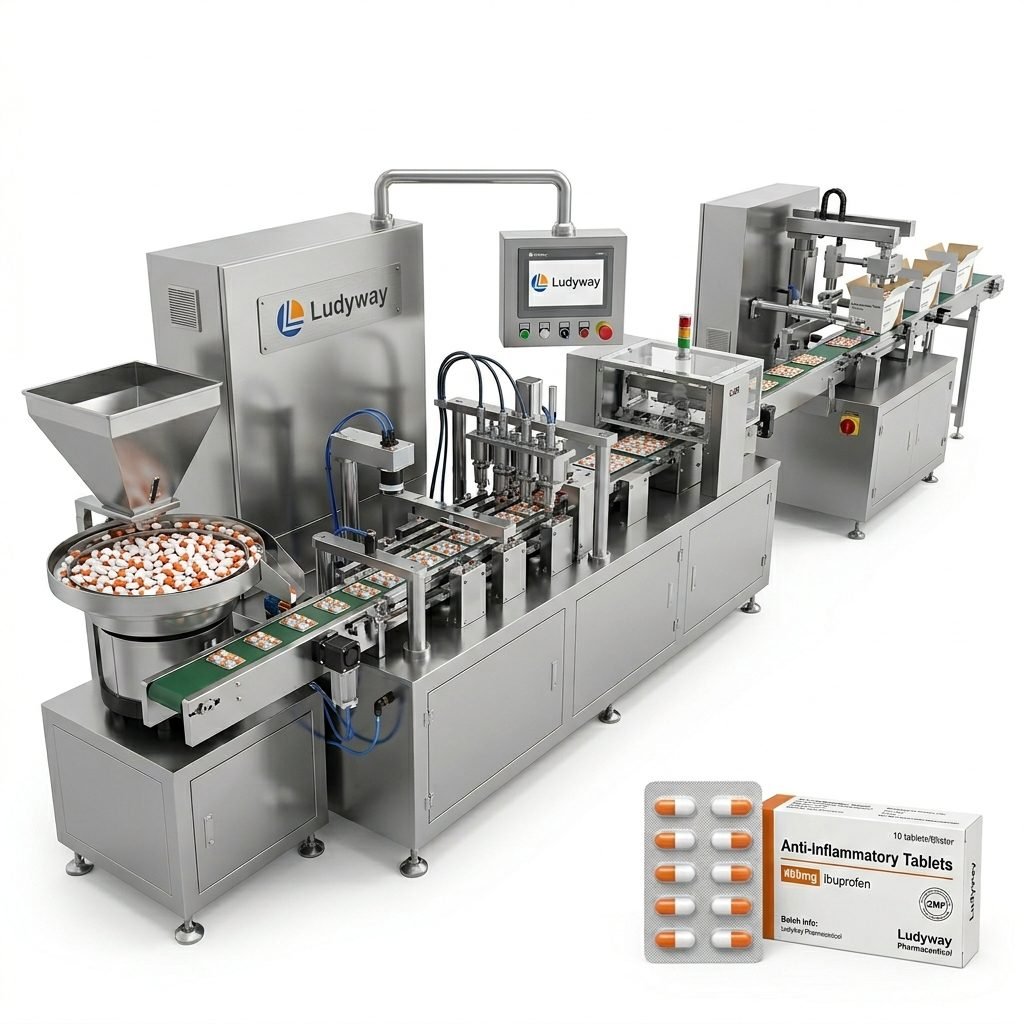
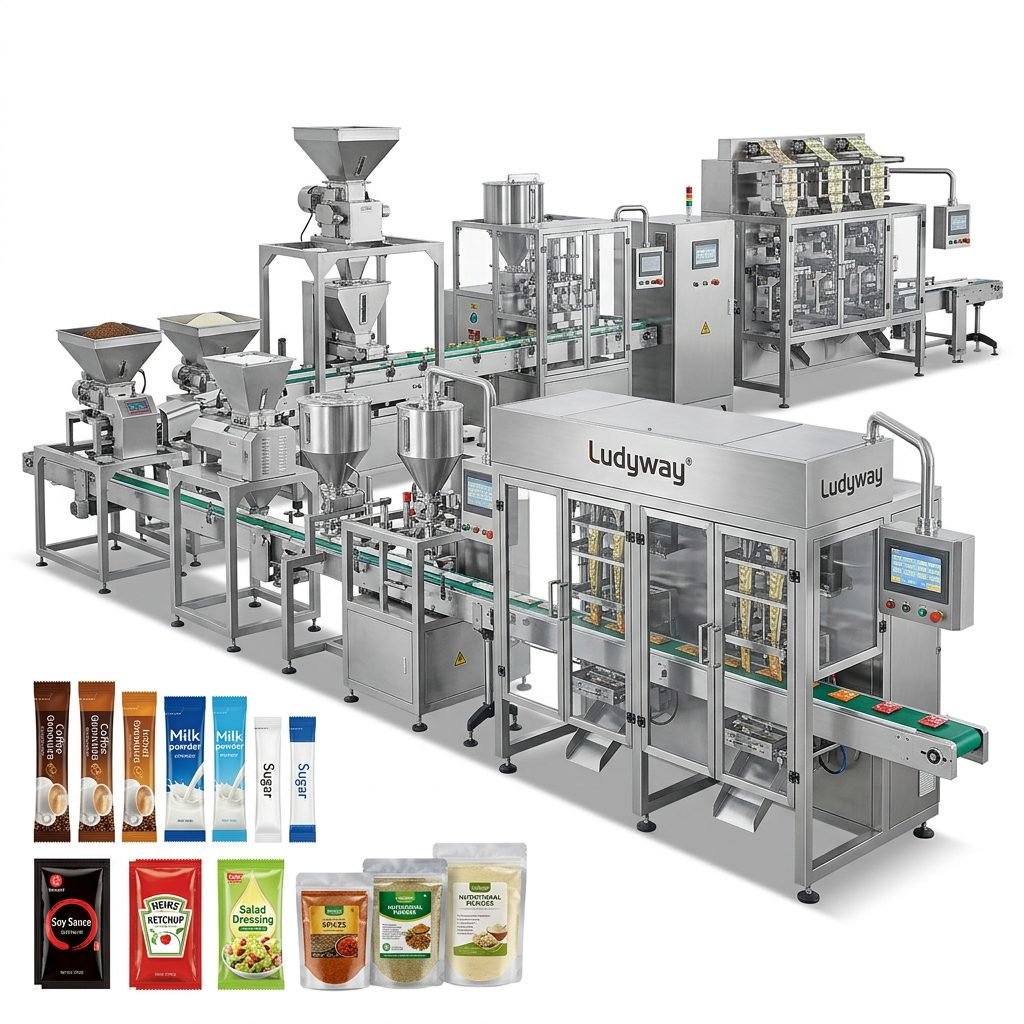
For businesses looking to automate an entire process, a turnkey production line integrates multiple machines—such as a filler, capper, labeler, and cartoner—into one synchronized system. This is a significant investment that maximizes efficiency for established, high-volume producers. Partnering with an experienced supplier is crucial for line integration and success.
Critical Factors for Evaluation and Selection
With your needs and machine types in mind, evaluate potential equipment against these critical benchmarks.
1. Machine Reliability & Build Quality
Downtime is the enemy of productivity. Investigate the machine’s construction: are critical components from reputable brands? Is the frame robust? A reliable machine from a trusted packaging machinery brand may have a higher upfront cost but lower total cost of ownership.
2. Precision and Accuracy
Consistent fill weight is non-negotiable for cost control and regulatory compliance. Look for machines with advanced servo-driven dosing systems and check-weigher compatibility. High precision minimizes product giveaway.
3. Flexibility and Changeover
If you run multiple products or package sizes, quick changeover is vital. Machines with tool-less adjustments, digital parameter recall, and modular components significantly reduce downtime between production runs.
4. Ease of Operation and Maintenance
A user-friendly HMI (Human-Machine Interface), clear manuals, and accessible service points are essential. Consider the supplier’s training program and the availability of spare parts. Good technical support is a key part of the purchase.
5. Safety and Compliance
The equipment must have necessary safety guards, emergency stops, and comply with local and international machinery safety standards (e.g., CE, UL).
Cost Considerations: Beyond the Purchase Price
The initial machine quote is just one part of the financial picture. A comprehensive cost analysis includes:
Total Cost of Ownership (TCO): Calculate energy consumption, expected maintenance costs, spare parts pricing, and potential costs of downtime over the machine’s lifespan.
Return on Investment (ROI): Factor in labor savings from automation, reduction in material waste, increased output, and improved product quality. A more capable machine often pays for itself faster.
Supplier Value: The cheapest option can be the most expensive in the long run. Evaluate the supplier’s reputation, industry experience, and commitment to after-sales service. A partner with 30+ years of industry experience brings invaluable expertise to your project.
Frequently Asked Questions (FAQs)
1. What is the lead time for receiving a new packaging machine?
Lead times vary significantly based on machine complexity and customization. Standard models may ship in 4-8 weeks, while fully customized or turnkey lines can take 3-6 months. Always confirm timelines with your supplier during the quoting process.
2. Can one machine handle different types of products (e.g., granules and powders)?
Some machines are designed with this flexibility in mind, using interchangeable dosing systems (like auger fillers for powder and cup fillers for granules). However, extensive product changeovers may require cleaning, adjustment, and possibly part changes, affecting overall efficiency.
3. How important is after-sales support, and what should it include?
Extremely important. Reliable after-sales support should include comprehensive installation and operational training, readily available spare parts, remote troubleshooting assistance, and access to service technicians for on-site repairs if needed.
4. What are the benefits of a multi-lane stick pack machine over a single-lane machine?
A multi-lane machine produces multiple stick packs simultaneously from a single web of film, dramatically increasing output speed (often 2x to 8x faster) while maintaining a smaller overall footprint compared to running multiple single-lane machines. It is the optimal choice for high-volume production of single-serve items.
5. Should I buy a new or used packaging machine?
This depends on your budget, technical expertise, and risk tolerance. A new machine comes with a warranty, latest technology, and full supplier support. A used machine has a lower initial cost but may come with unknown wear, obsolete controls, and limited support. For critical production, a new or professionally refurbished machine from a reputable source is often the safer long-term investment.