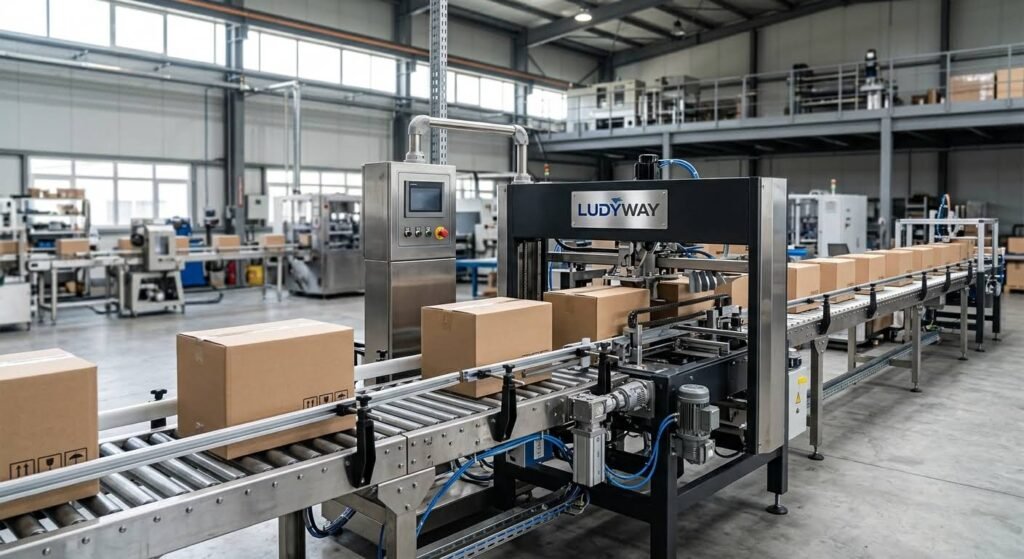
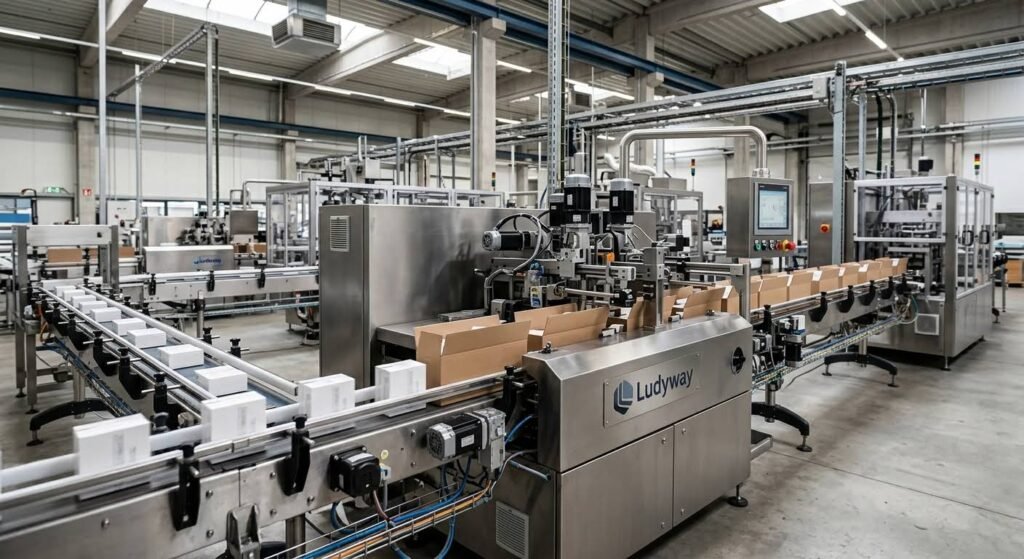
Selecting the right packaging machinery company is a critical strategic decision that directly impacts your production efficiency, product quality, and long-term operational costs. The ideal partner is more than just an equipment supplier; they become an integral part of your production ecosystem. This guide will walk you through the key considerations to ensure you choose a company that aligns perfectly with your production line needs and business goals.

Understanding Your Core Requirements
Before you begin evaluating potential suppliers, you must have a crystal-clear understanding of your own needs. This internal assessment forms the foundation of your search.
Key Questions to Ask Your Team:
→ Product Type: Are you packaging granules, powders, liquids, tablets, or viscous pastes? Each material has unique handling requirements.
→ Production Speed & Volume: What is your required output (packs per minute/hour)? What are your peak and average daily volumes?
→ Packaging Format: Do you need stick packs, sachets, pouches, bottles, or blister packs?
→ Future Growth: Does the machinery need to scale with your anticipated business growth over the next 3-5 years?
Evaluating Technical Expertise and Product Range
A supplier’s technical depth is paramount. Look for a company with a proven track record in your specific industry segment, whether it’s food, pharmaceuticals, health products, or chemicals.
Assess Their Machinery Portfolio
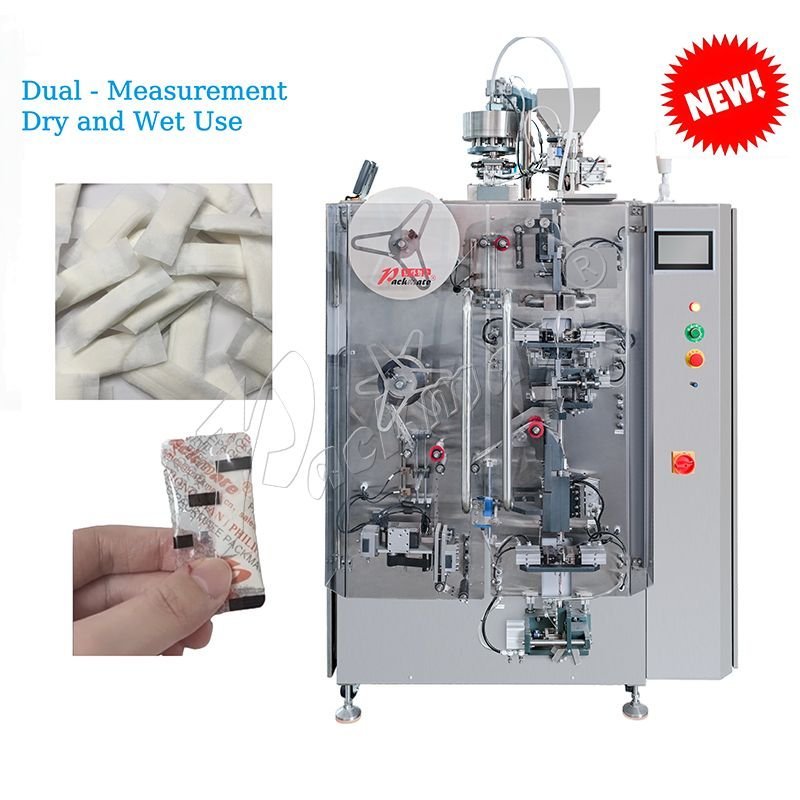
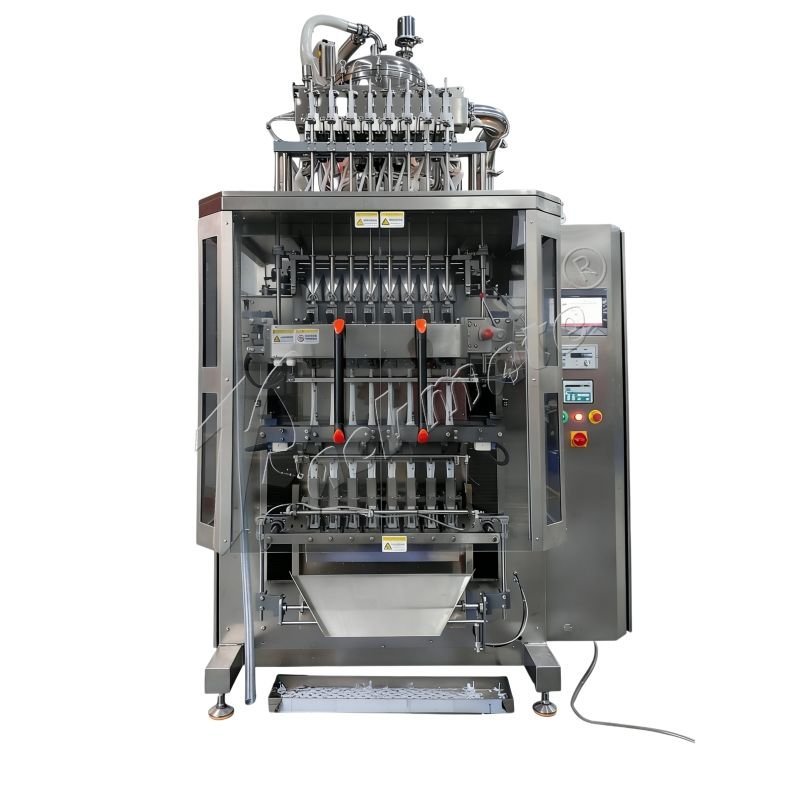
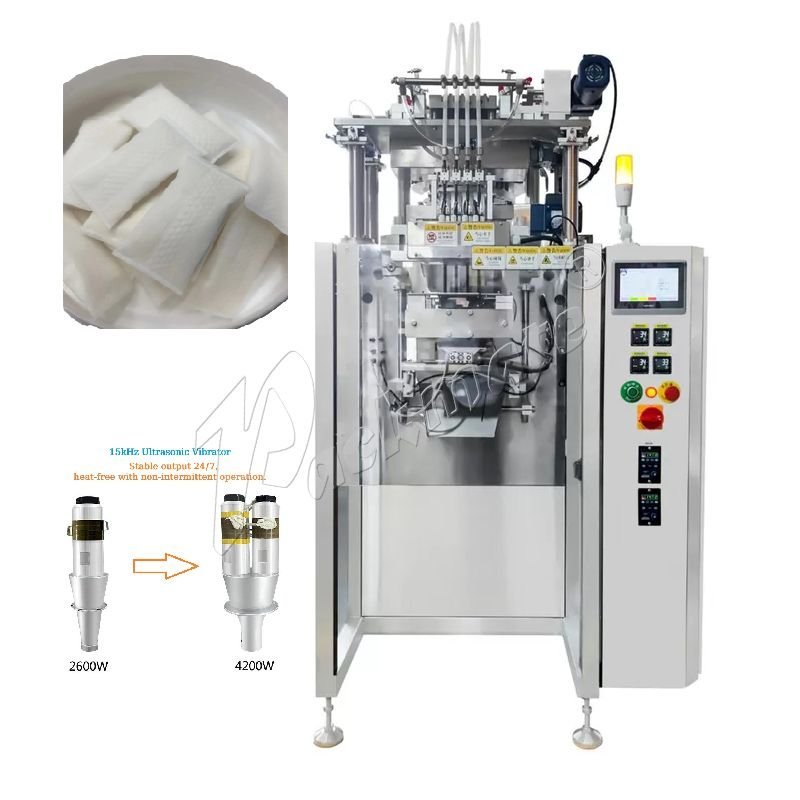
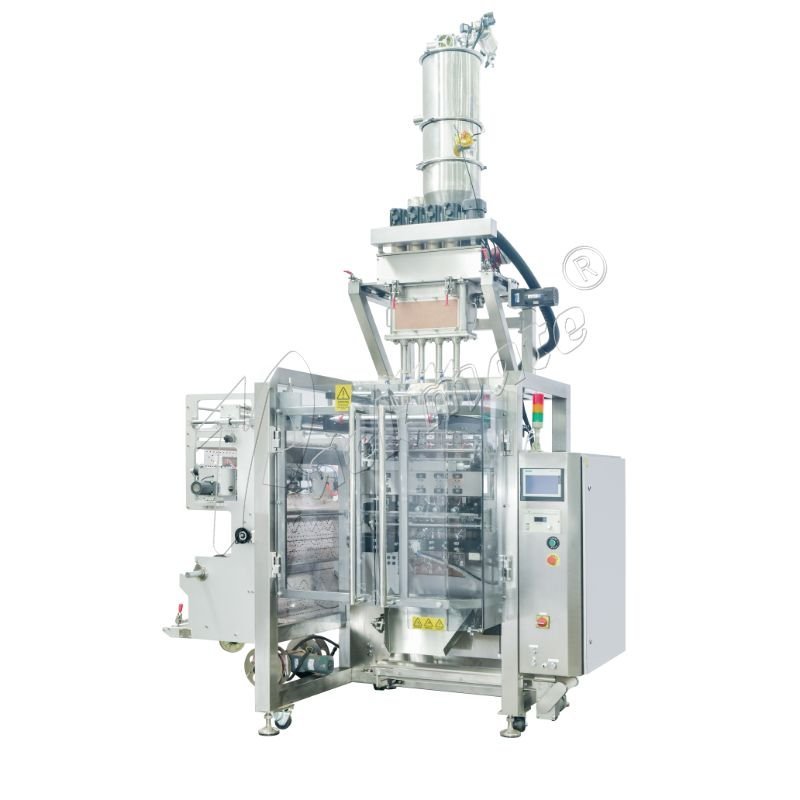
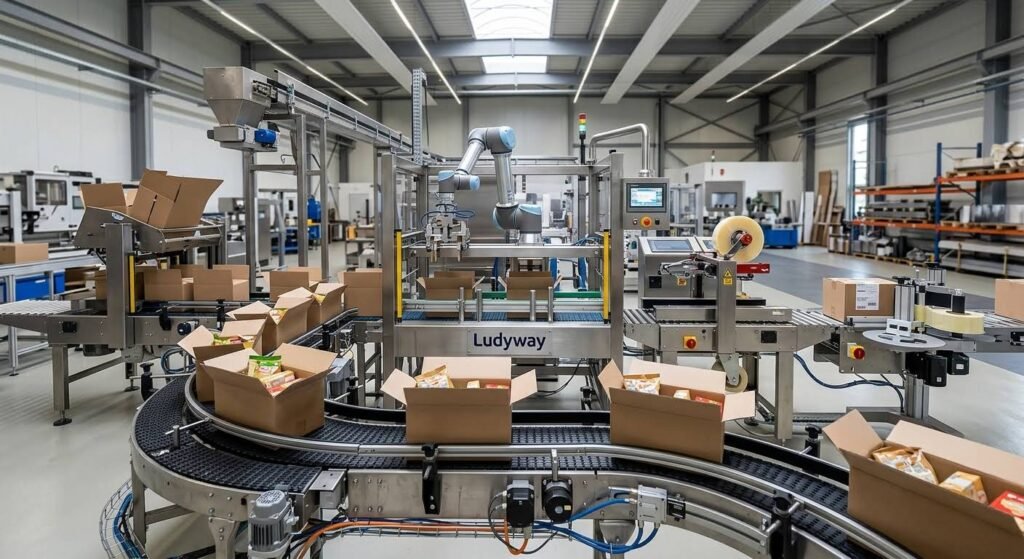
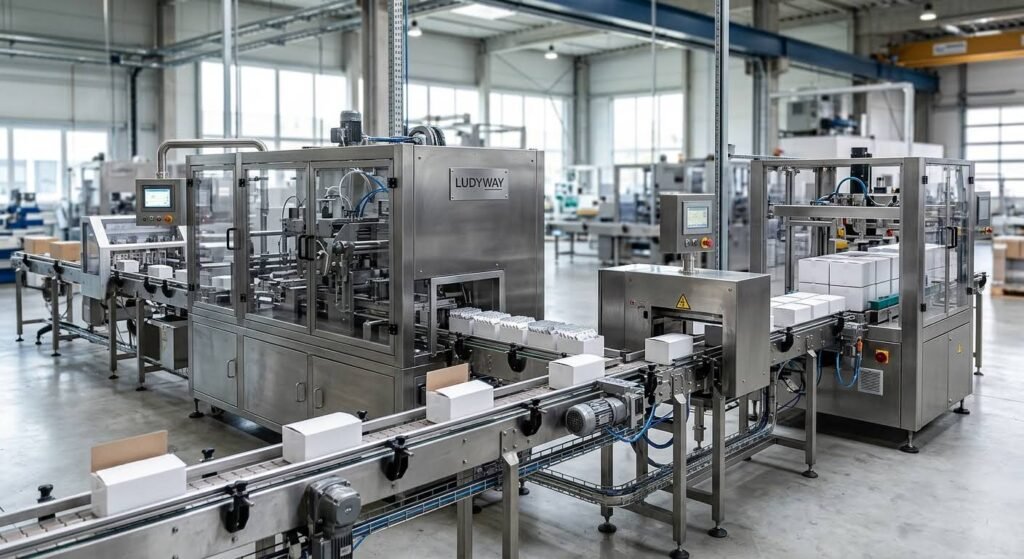
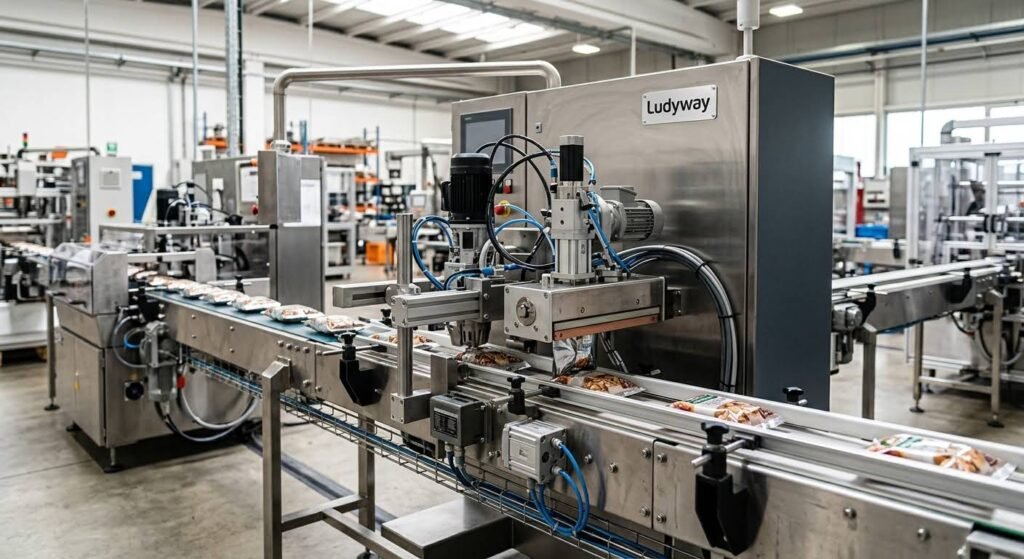
A broad yet focused product range indicates specialization. For instance, Ludyway Packing Machine offers over 50 intelligent packaging machine models, including multi-lane stick pack and sachet systems. This variety suggests they can provide a tailored solution rather than a one-size-fits-all machine.
Engineering and Customization Capabilities
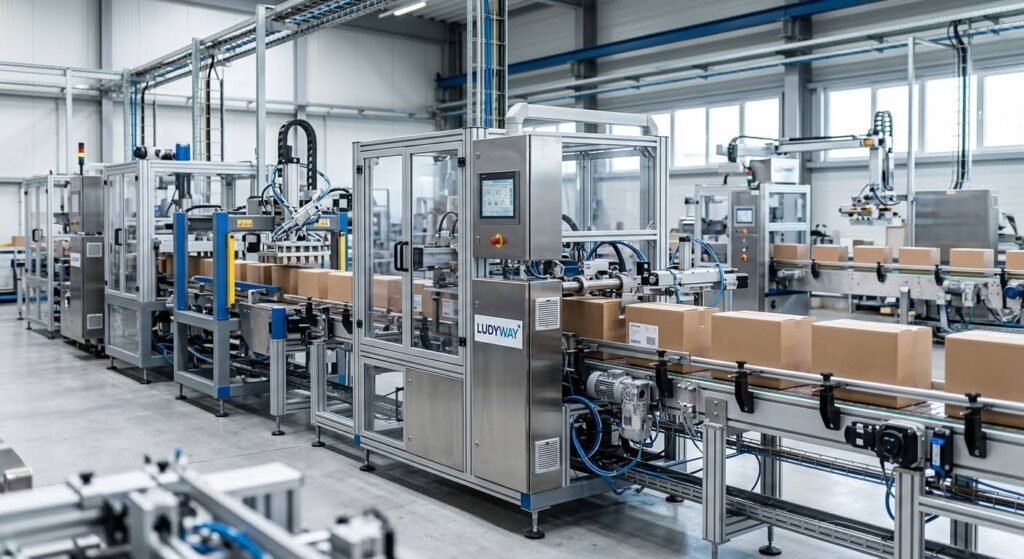
Can they modify standard equipment to fit your unique container, product, or factory layout? True partners possess strong in-house engineering teams to develop customized automation solutions. A modern production facility, like a 20,000㎡ plant, often correlates with robust manufacturing and R&D capabilities.
Prioritizing Reliability and After-Sales Support
The machine’s performance on day one is important, but its performance on day 500 is crucial. Reliability is built on quality components, robust design, and precise manufacturing.
The Support Checklist:
Installation & Training: Do they provide comprehensive on-site installation and operator training?
Spare Parts Availability: Is there a readily available inventory of critical spare parts with a clear supply chain?
Technical Support: What is their response time for technical queries? Is support available in your time zone?
Service Network: Do they have service engineers or certified partners in your region for urgent repairs?
Companies with 30+ years of industry experience typically have refined their support systems based on real-world customer feedback, ensuring minimal downtime for your production line.
Considering Total Cost of Ownership (TCO)
Look beyond the initial purchase price. The Total Cost of Ownership includes energy consumption, maintenance costs, changeover time, material waste rates, and the expected lifespan of the equipment.
A slightly higher initial investment in a more efficient, durable machine from a reputable supplier like Ludyway Machinery often results in significantly lower TCO due to higher uptime, less waste, and better energy efficiency.
Request Detailed Case Studies and References
Ask for case studies from clients with similar products and output requirements. Speaking directly to existing customers provides invaluable insights into the machine’s real-world performance and the company’s service culture.
Ensuring Compliance and Safety Standards
Your packaging machinery must comply with all relevant local and international safety and industry regulations. For food or pharmaceutical applications, this is non-negotiable.
Key standards may include CE, UL, FDA, or GMP requirements. A professional supplier will design and build machines with these certifications in mind and guide you through the compliance process.
Building a Partnership for Innovation
The best packaging machinery companies view relationships as long-term partnerships. They are invested in your success and can be a source of innovation, informing you about new packaging trends, materials, and efficiency technologies.
Choosing a partner committed to long-term cooperation and innovation means you gain an ally who will help you adapt and compete in a dynamic market.
Final Steps: Making the Decision
Once you’ve shortlisted companies, arrange for product demonstrations using your actual product or a close substitute. Evaluate the build quality, user interface, and cleanliness of operation. Finally, review the proposed project timeline, payment terms, and warranty details carefully before signing.
Summary: Your Selection Blueprint
The right packaging machinery company combines proven expertise, a reliable and scalable product, unmatched support, and a partner-minded approach. By meticulously evaluating candidates against these criteria, you secure not just a machine, but a cornerstone for your production line’s future productivity and growth.
Frequently Asked Questions (FAQs)
1. What is the most important factor when choosing a packaging machine supplier?
While all factors are interconnected, reliability and after-sales support are often the most critical. A machine is only as good as its uptime, and a supplier’s commitment to support directly determines your production continuity and long-term operational costs.
2. How can I verify a supplier’s claimed experience and capabilities?
Request detailed client references in your industry and ask to speak to them. Ask for videos or documented case studies of machines running similar products. If possible, visit their manufacturing facility or arrange a live demonstration with your own product samples.
3. Is it better to buy a standard machine or a customized solution?
This depends entirely on your product and process. Standard machines are cost-effective for common applications. If your product, packaging format, or speed requirements are unique, a customized solution from a company with strong engineering prowess will deliver better efficiency and lower waste in the long run.
4. What should be included in a comprehensive after-sales service agreement?
A strong agreement includes clear warranty terms (parts and labor), guaranteed response times for support, availability of spare parts, options for preventive maintenance contracts, and provision for ongoing operator training.
5. How do I future-proof my packaging machinery investment?
Choose a machine with a modular design that allows for upgrades. Partner with a supplier known for innovation who can advise on future trends. Ensure the machine has some capacity headroom to handle projected growth, and that the supplier has a history of supporting older models with parts and updates. Learn more about turnkey production solutions that are designed with scalability in mind.